29.02.24
Editorial Note
Norwegian academics have joined Palestinian efforts to boycott Israeli academic institutions. Four Norwegian universities recently announced they would stop exchange programs with Israeli universities.
One of the key activists is Professor Hege Hermansen from the Oslo Metropolitan University Center for the Study of Professions, specializing in knowledge work in the professions, juridification of higher education, etc.
She wrote on her LinkedIn page, “Together with Astrid Helene Olsen and 106 other colleagues, I have asked the University of Oslo for a more thorough treatment of the academic boycott of Israel. OsloMet, USN and Nord University have stopped cooperation with Israeli universities, and professional communities at three other institutions (UiB, BAS and NTNU) have canceled specific cooperation agreements. Now it is time for the University of Oslo Svein Stølen Åse Gornitzka to also take up the debate, and take it seriously.”
The University of Southeast Norway (USN) terminated its cooperation agreements with two Israeli universities, the University of Haifa, Nursing program, and Hadassah Academic College in Jerusalem, Optometry. The USN Rector, Pia Cecilie Bing-Jonsson, stated, “The USN leadership is shaken by Israel’s attack on Gaza’s civilian population and infrastructure, and the catastrophic humanitarian situation that now prevails in Gaza. The Israeli authorities have chosen to ignore the International People’s Court’s statements, and have not met the requirements to improve the humanitarian situation… the warfare that the state of Israel is now carrying out in Gaza is unacceptable, and undermines the democratic foundation on which all universities must build… That is the reason why we no longer wish to have cooperation agreements with universities in Israel.”
The Rector emphasizes that “this does not imply an academic boycott, and that students and staff can freely choose who they want to work with, regardless of institutional agreements.” The Rector continues, “Academic freedom is a core value for us, and cooperation across national borders is important to maintain dialogue also in conflict areas, which is why we do not want a boycott.”
Likewise, another university, the Oslo Metropolitan University (OsloMet), also put the exchange agreement on hold. The University Board decided on February 13 that OsloMet will not enter into new cooperation agreements with Israeli universities.
The University Board stated, “The University Board condemns Israel’s attack on Gaza. The Board supports the university management’s measures and practices to: expand the Scholars at Risk scheme; work to terminate purchasing agreements with suppliers who have a direct connection with the Israeli military or who operate in the occupied Palestinian territories; establish measures that promote dialogue between Palestinian and Israeli academics about peace and cooperation; maintain the university’s independent role in society, academic freedom, and safeguard the important role of knowledge in relation to countries and regions in war, conflict, and crisis.”
The University of Bergen (UiB) decided on 11 December 2023 to terminate the agreement with the Bezalel Art Academy in Jerusalem. The agreement included exchanges on the study programs in art and design at the bachelor’s and master’s levels at the Faculty of Art, Music and Design (KMD) at UiB. The faculty Dean, Frode Thorsen, wrote in an email that the triggering factor for the dismissal was that KMD received information that Bezalel made its premises available to repair clothing and equipment for the Israeli army.
When questioned about the boycott, Thorsen replied that the university has not defined it as such, “I do not want to comment on how artists, art institutions and artists’ organizations should approach the boycott movement.” Rector Margareth Hagen stated that she opposed using an academic boycott as a means of action. “My position is that if institutional sanctions are to be implemented against individual countries, then it must be on the basis of the Norwegian authorities’ decisions, as is the case with Russia,” she said in October.
Bergen University of Architecture (BAS) has also terminated its agreement with Bezalel because, according to the Times of Israel, after the Hamas attack on October 7, 2023, Bezalel took in volunteers to help sew uniforms for military personnel fighting in Gaza.
Dr. Einar Braathen, a member of the OsloMet board who proposed suspending the exchange program, is a longtime pro-Palestinian activist. In 2014, he co-authored a report titled “Review of Norwegian democracy support via political parties.” The authors interviewed Raed Debiy (national board member and international leader of the Palestinian Fateh Youth Movement. According to the report, the Norwegian political party, Labor Youth/The Workers’ Youth League (AUF) has, since the mid-1990s, developed contacts with political youth organizations in the Middle East, mainly with the Fateh Youth Movement (FYM), the youth organization of the largest political party in Palestine.
Interestingly, the report stated “The partners challenge three weaknesses in political organizations in this part of the world: first, the tradition of few female leaders; second, organizationally weak local branches; third, politically weak youth organizations in their relationships with parent parties. These aspects have been dealt with in a series of seminars and courses. “This may lead to the strengthening of progressive, secular and democratic forces in the region.” The perseverance of wars and armed conflicts in the region have increasing imprints on political work and campaigning – how to cope with this is also a challenge… Since January 2014 the design has changed. The partnership involves three types of joint activities for Lebanese, Palestinian and Norwegian. “AUF spends substantial parts of its own resources on international democracy support.”
An earlier report published in 2010, titled “Evaluation of the Norwegian Center for Democracy Support 2002-2009,” was carried out by the Norwegian Institute for Urban and Regional Research (NIBR). Einar Braathen was the team leader. The project in Palestine was organized by the Norwegian Labor Party Women (APK) in cooperation with the Fateh party and by the Women’s Committee of Socialist Left Party of Norway in cooperation with the Palestinian Federation of Women Action. The focus of the APK-Fateh project was on the training of trainers in the empowerment tool “Women can do it”. The “evaluation found that individual women who had received training considered that they had gained self-confidence, but that the ‘Women can do it’ model had not been replicated in the Fateh organization as intended. In this regard, the evaluation points to inadequate follow up from the Norwegian trainers, and a lack of democratic structures in the Fateh organization.”
A 1999 newsletter published by the International Social Science Council, titled “Comparative Research Program On Poverty” (CROP), reported that Dr. Einar Braathen, CROP Program Officer, traveled to Birzeit University in Palestine, where they met with the President of the University, Dr. Hanna Nasir, and several Palestinian colleagues working in poverty research.
This round of BDS-related resolutions on the Norwegian campuses, not to mention scores of others in the West, is a triumph for the propaganda machine in Iran. The regime, the largest purveyor of antisemitic and anti-Israeli content in the world (translated into thirty-one languages) has been an early supporter of the Palestinian Campaign for the Academic and Cultural Boycott of Israel (PACBI) that Omar Barghouti founded in 2005. Press TV, Iran’s English language channel, has carried a report on the Norwegian boycott, as it routinely does on other anti-Israeli activities in the West.
More than ever, the current wave of BDS activities exposes the moral bankruptcy of the academy. Surely, the well-educated Norwegian professors are aware that the war in Gaza was triggered by Hamas’s horrific attack on the Jewish communities along the border, the largest of its kind since the Holocaust. Using a combination of Nazi and ISIS tactics, the terrorists slaughter innocent civilians.
They are also aware that under international law, Israel has a right to self-defense in the face of an unprovoked attack. Hamas tried to complicate the IDF’s response by hiding in hundreds of miles of tunnels and public spaces such as hospitals, schools, and mosques, effectively turning its population into human shields. Embedding among non-combatants and using them as human shields is outlawed under the Geneva Conventions.
There is only one reason for the silence on these two issues. The left-leaning social sciences in the academy have adopted a stand best described as “the Israelis cannot do anything right, and the Palestinians cannot do anything wrong.” To admit that Hamas violated all international standards by butchering the Jews and causing the death of Palestinian human shields would undermine this tenet.
REFERENCES:
Translated by Google
Hege Hermansen Researcher & Educator 1d
Together with Astrid Helene Olsen and 106 other colleagues, I have asked the University of Oslo for a more thorough treatment of the academic boycott of Israel.
OsloMet, USN and Nord University have stopped cooperation with Israeli universities, and professional communities at three other institutions (UiB, BAS and NTNU) have canceled specific cooperation agreements.
Now it is time for the University of Oslo Svein Stølen Åse Gornitzka to also take up the debate, and take it seriously.
- Hege HermansenResearcher & Educator 1dSammen med Astrid Helene Olsen og 106 andre kolleger har jeg bedt Universitetet i Oslo om en grundigere behandling av akademisk boikott av Israel. OsloMet, USN og Nord universitetet har stoppet samarbeid med israelske universiteter og fagmiljøer ved tre andre institusjoner (UiB, BAS og NTNU) har avbrutt konkrete samarbeidsavtaler. Nå er det på tide at Universitetet i Oslo Svein Stølen Åse Gornitzka også tar debatten, og tar den på alvor. Astrid Helene OlsenRådgiver studieadministrasjon, Universitetet i Oslo1dJeg og 107 kollegaer ved Universitetet i Oslo har underskrevet en kronikk om at Universitetet i Oslo fortjener en grundigere behandling av akademisk boikott i universitetsstyret. Universitetet i Oslo (UiO) Hege Hermansen Sanam Bhatti Vera Raudberget Fiveland Hannah Løke Kjos Gry Luke Muggerud Turi Lindalen Solveig Blomstrøm Nordbø Lærke Ajaaja Madsen Otzen https://lnkd.in/duUAg8kj DEBATT: Universitetet i Oslo fortjener en grundigere behandling av akademisk boikott i universitetsstyret – Uniforumuniforum.uio.no
=============================================
https://www.usn.no/nyhetsarkiv/avslutter-samarbeid-med-universiteter-i-israelEnds cooperation with universities in IsraelUSN terminates its cooperation agreements with two Israeli universities.
AUTHOR: REIDUN MANGRUD
PUBLICATION DATE: 19/02/2024
– The USN leadership is shaken by Israel’s attack on Gaza’s civilian population and infrastructure, and the catastrophic humanitarian situation that now prevails in Gaza. The Israeli authorities have chosen to ignore the International People’s Court’s statements, and have not met the requirements to improve the humanitarian situation. That is the reason why we no longer wish to have cooperation agreements with universities in Israel, says rector Pia Cecilie Bing-Jonsson.
Nursing and optometry
It is the agreements with Haifa University and Hadassah Academic College in Jerusalem that are now being terminated. The collaboration with Haifa concerns an exchange for nursing students. The agreement with Hadassah includes professional collaboration and the exchange of staff and students associated with USN’s national Center for Vision, Optics and Eye Health. This agreement has had great professional value for the optometry community at Kongsberg.
The change has no direct consequences for the students now, since the exchange with Israel has already been stopped for security reasons.
– We want to give a clear message that the warfare that the state of Israel is now carrying out in Gaza is unacceptable, and undermines the democratic foundation on which all universities must build.
Not an academic boycott
Bing-Jonsson emphasizes that this does not imply an academic boycott, and that students and staff can freely choose who they want to work with, regardless of institutional agreements. It is USN as an institution that terminates its agreements.
– Academic freedom is a core value for us, and cooperation across national borders is important to maintain dialogue also in conflict areas, which is why we do not want a boycott, says the rector.
=================================================
Termination of two Israel agreements. Not an academic boycott, says the rector
The University of Southeast Norway ends its agreements with the University of Haifa and Hadassah Academic College in Jerusalem.
Text:Mats Arnesenmats.arnesen@khrono.no
Published Monday 19/02/2024 – 16:18 Updated Wednesday 21/02/2024 – 15:40
The University of South-East Norway (USN) has had an exchange agreement for nursing students with the University of Haifa and an agreement on academic cooperation and exchange of staff and students at the Center for Vision, Optics and Eye Health with Hadassah Academic College in Jerusalem.
Both agreements have now been terminated, according to a press release from USN .
Due to the security situation in the country, there have been no students or staff on exchange to Israel recently, and the agreements have therefore not been active.
Nevertheless, principal Pia Cecilie Bing-Jonsson believes that it is important to send a clear signal.
– We have emphasized the serious situation in Gaza. The Israeli authorities have chosen to ignore the international court’s statements, and have not met the requirements to improve the humanitarian situation. After pressure from students, staff and the media, we have chosen to reassess the situation, and have chosen to end the collaboration with Israel at an institutional level, she tells Khrono.
This is how Norwegian and Israeli universities and colleges collaborate
Not an academic boycott
On October 7, the long-running conflict between Palestine and Israel escalated, when the military wing of Hamas attacked a number of targets in Israel. The attack triggered a response from Israel, which entered Gaza.
Since then, the Israeli warfare has been strongly criticized, and the war has triggered a new discussion in Norway about academic boycott.
Bing-Jonsson is clear that their decision to terminate the agreements is not the same as an academic boycott.
— It is connected with the academic freedom that each employee and student has. Although the collaborative relationship between USN and the Israeli universities ends now, each individual employee and student can choose freely who they want to collaborate with, says the USN rector.
Does not break with the Kongsberg group
The students in the Palestine Committee at USN have also demanded in a debate post that USN end its collaboration with Kongsberg Gruppen and Nammo. The university has a collaboration agreement with the former, but not the latter, but USN is involved in some projects where Nammo is also a party.
“Weapons and military material are produced here which turn out to end up in Israel’s war crimes in Gaza. Is it a problem for the university?” wrote Heming Olaussen, head of the Palestine Committee in Vestfold in Gjengangeren.
The agreement with the Kongsberg Group has also been reviewed now, says Bing-Jonsson, but the USN management has settled on the fact that it is natural to distinguish between the agreements they have with Israeli universities and other cooperation agreements with Norwegian actors.
— The Kongsberg Group is an important player in our region, and a major employer where many of our students want to work. It is again about academic freedom where it is up to each individual if someone wants to collaborate with them. We emphasize that our partners follow Norwegian legislation with regard to the export control regulations, she says.

Several hundred students on strike against cooperation with Israel
— A step in the right direction
Head of the Palestine Committee, Line Khateeb, praises the USN for taking action and ending the agreements with the Israeli partner universities.
— It is a step in the right direction, and it is actually quite important that they take a stand and express it. We see that there is a lot of involvement in academia among staff and students, who put pressure on the boards and management to go ahead with an academic boycott.
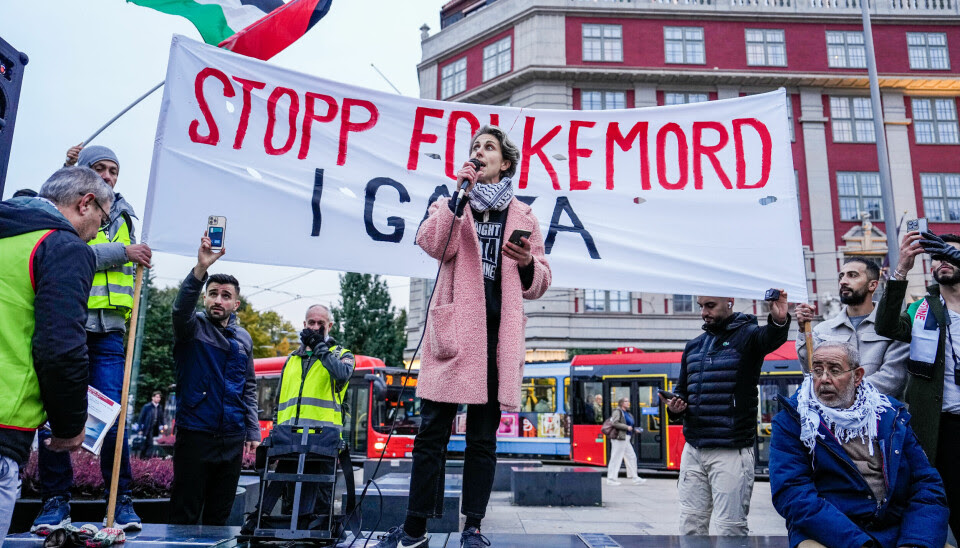
Palestine Committee head Line Khateeb praises the USN for taking action and breaking two agreements with Israeli universities. Here she is pictured during a demonstration at Jernbanetorget in Oslo in October.Beate Oma Dahle/NTB
But she is puzzled by USN’s interpretation of academic boycott, and believes there must be a misunderstanding about what it is.
– It is precisely about ending institutional cooperation with Israeli institutions, but not about boycotting individuals. For example, some Israeli academics have lost their jobs because they have spoken out critically about Israel’s genocide in Gaza. It is important to support individuals who take a stand against occupation and apartheid, and that we distinguish between contact with individuals and the institutional agreements, which help to legitimize Israel’s war crimes in Gaza.
Khateeb is disappointed by the decision not to break with Kongsberg Gruppen.
— I understand that it is about finances, but this shows that we have a way to go. Both Kongsberg Gruppen and Nammo have large state ownership, and here the Norwegian authorities must do more to ensure that Norwegian weapons technology is not used by Israel.
OsloMet decision
USN is not the only university that has canceled its agreements with Israeli universities. OsloMet recently decided in a board meeting to freeze its exchange agreement with the University of Haifa. They also decided that no new collaboration agreements will be entered into with Israeli educational institutions.
The decision was made by 9 to 2 votes after a discussion that lasted 4 hours and a quarter, partly with high temperatures and strong emotions, only interrupted by parliamentarianism in the back room for two rounds.
Freezes a deal, but doesn’t want to boycott
FACTS
Norwegian University Ends Israel Agreements
- The University of Southeast Norway (USN) has terminated its exchange agreement with the University of Haifa and a collaboration with Hadassah Academic College in Jerusalem, citing the grave situation in Gaza and Israel’s disregard for international court statements.
- USN rector emphasizes the decision is not an academic boycott, allowing individual freedom for staff and students to choose their collaborations. Despite pressure, USN maintains its partnership with Kongsberg Gruppen, differentiating it from the Israeli institutional agreements.
The summary is generated by Labrador AI, but read through by a journalist.
==========================================
Researcher & Educator 4mo
To all my fellow academics: Our Palestinian partners are requesting your urgent solidarity.
Adviser to University of Oslo Centre for Learning, Innovation and Academic Development 4mo
From our partners in Palestine, please share their message.
We ask you, again, to stand with your Palestinian colleagues
khrono.no
- Hege HermansenResearcher & Educator6dTakk til Pia Cecilie Bing-Jonsson og University of South-Eastern Norway for en prinsipiell, tydelig og viktig avgjørelse, som forhåpentligvis kan vise vei for resten av sektoren. Jeg hadde et håp om at mine egne to institusjoner, OsloMet – Oslo Metropolitan University og Universitetet i Oslo ville gå foran – men da får jeg heller håpe at de lærer fra USN. Tror imidlertid USN har misforstått litt hva en akademisk boikott er. Siden oppropet kom for 20 år siden (2004), så har akademisk boikott alltid vært rettet mot institusjonelt samarbeid og aldri mot samhandling med enkeltindivider. I det nasjonale oppropet spesifiseres det eksplisitt at “vi avviser alle former for boikott av enkeltindivider basert på deres identitet eller institusjonelle tilhørighet”. Ønsker du å støtte det nasjonale oppropet for akademisk boikott av Israel? Signer oppropet her: https://lnkd.in/gAvwS_65 https://lnkd.in/dFkXbmvy
Thank you to Pia Cecilie Bing-Jonsson and the University of South-Eastern Norway for a principled, clear and important decision, which can hopefully show the way for the rest of the sector. I had hoped that my own two institutions, OsloMet – Oslo Metropolitan University and the University of Oslo, would take the lead – but then I’d rather hope that they learn from USN. However, I think USN has misunderstood what an academic boycott is. Since the call came 20 years ago (2004), academic boycotts have always been aimed at institutional cooperation and never at interaction with individuals. In the national appeal, it is explicitly specified that “we reject all forms of boycott of individuals based on their identity or institutional affiliation”. Do you want to support the national call for an academic boycott of Israel? Sign the petition here: https://lnkd.in/gAvwS_65https://lnkd.in/dFkXbmvy
===============================================
https://www.khrono.no/we-ask-you-again-to-stand-with-your-palestinian-colleagues/821257
We ask you, again, to stand with your Palestinian colleagues
Due to the ongoing military aggression by the Israeli occupation forces, activity at university campuses in Palestine are severely disrupted. We would like to share with Norwegian academics how we are affected by the situation.
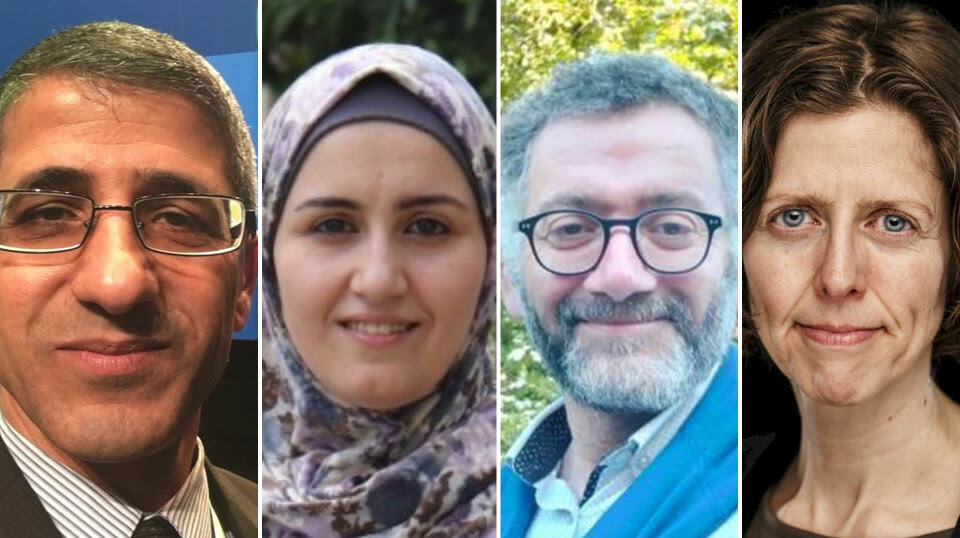
We call, once again, on our Norwegian and international colleagues in the higher education sector to stand in solidarity with Palestinian academics.
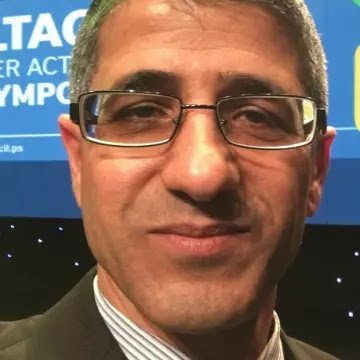 Palestine Polytechnic University, Hebron, PalestineMohammedTamimi
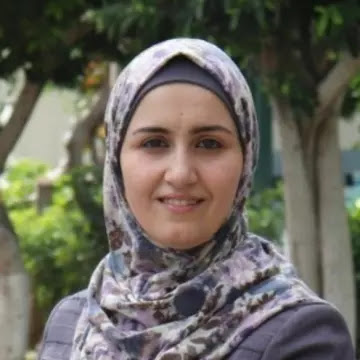 University College of Applied Sciences, Gaza, PalestineOlaAzam
 LINK Center, University of OsloIyadAbualrub
 LINK Center, University of OsloHegeHermansen
Publisert Fredag 27.10.2023 – 15:39 Oppdatert Fredag 27.10.2023 – 16:01
A bit more than two years ago, we wrote an opinion piece in Khrono that called on the international academic community to stand alongside their Palestinian colleagues. Unfortunately, the Palestinian higher education sector is worse off today than two years ago.
Through Norad’s NORHEDII-programme, we lead a six-year research and development project aimed at strengthening technology-enhanced teaching and learning in the Palestinian higher education sector. The project is a collaboration between the University of Oslo, the Palestine Polytechnic University (PPU) in Hebron, the University College of Applied Sciences (UCAS) in Gaza and Oslo Metropolitan University. Due to the ongoing military aggression by the Israeli occupation forces, all our project activities are currently on hold. We would like to share with Norwegian academics how we are affected by the situation:

Når skal palestinske akademikere få oppleve et liv uten okkupasjon?
At the time of writing, the UN reports (26 October) 7028 deaths and 18482 wounded Palestinians in Gaza since 7 October. The actual numbers are likely to be much higher, as more than a thousand people remain buried under the rubble of bombed buildings. In the West Bank, 102 Palestinians have been killed, 1889 wounded and thousands have been arrested. In Gaza, more than 1.4 million Palestinians are internally displaced. Israel has bombed health facilities, schools, universities, churches, mosques, bakeries, and media houses. About 45% of all housing units in Gaza have been completely or partially damaged. Gaza is running out of water and food and Palestinians are forced to drink contaminated water.
At the University College of Applied Sciences (UCAS), located in the southern part of Gaza City, all academic activities have been completely suspended. The combination of violent bombing by warplanes and the cutting off of water, food, electricity and internet has led to the displacement of large numbers of UCAS staff and their families. Many lack food and water and are unable to communicate with the outside world. Due to the loss of communication channels, it is impossible to keep track of staff and students. As a preliminary count, six UCAS staff members (Wael Al-Zard, Ziad Al-Maghari, Mariam Al-Asali, Ibrahim Al-Dahshan, Samah Al-Dalou, Heba Al-Madamon, Musab Zino) have been brutally killed and two academic staff members have lost their first-degree relatives.

DEBATT ● MAGNUS BARKA HJELLE, RAGHAD ABU SHAKER OG KIRSTI AARSETH
Hva må til for at norske institusjoner kutter samarbeid med Israel?
The UCAS university buildings were partially damaged a week after the initial attack. This has been followed by several bombs hitting the UCAS surroundings, which have led to the destruction of large parts of the college. We do not know the exact level of destruction, as the surrounding area was completely evacuated because of the continued bombing. It is also difficult to reach the campus because of the destruction of the infrastructure around it, including many roads.
As Khrono has reported, the same situation applies to other higher education institutions in Gaza, who have had staff and students killed in Israeli bomb attacks and university buildings destroyed.

USN-ansatte i sorg etter bombing i Gaza. — Så drøyt, så drøyt
At the Palestine Polytechnic University in Hebron, academic activities are also gravely affected. The university had to close its doors to students and staff and most scheduled activities have been cancelled. All roads to Hebron are blocked by the Israeli military, and no one is allowed to enter or leave the city. This makes it impossible for students and teachers that live outside Hebron to reach campus. PPU has attempted to switch to online learning, but this approach largely failed due to the escalation of killings in Gaza and the West Bank.
PPU has also received a bomb threat against the campus from a group of Israeli settlers. One PPU student in his third year of an architecture degree, Mohammed Hammad, has been killed by Israeli forces. Six family members of the former head of our Civil Engineering Department have been killed in an airstrike in Gaza, and at least 30 students have been arrested by Israeli forces since 7 October. Several students have also been injured by the Israeli military when they participated in demonstrations against the ongoing bombing of Gaza.
We call, once again, on our Norwegian and international colleagues in the higher education sector to stand in solidarity with Palestinian academics. We ask that you demand:
- An immediate cease-fire in Gaza and an end to the ongoing violence by Israeli settlers and occupation forces in the West Bank.
- That sufficient humanitarian aid is admitted to Gaza immediately and that all access to water, food, medical supplies, electricity, and fuel is restored.
- That the 16 year-long blockade of Gaza is permanently lifted.
- An end to the occupation of Palestine.

Norsk student kalt inn på teppet i Polen på grunn av plakat med davidsstjerne
==========================================
Opprop for akademisk boikott av Israel
07.02.2024: Vi samler fortsatt underskrifter!
Opprop for akademisk boikott av Israel
Vi er akademikere og administrativt ansatte som ber ledelsen ved alle høyere utdanningsinstitusjoner i Norge om å iverksette en umiddelbar akademisk boikott av israelske universiteter og høyskoler. Det er et akutt behov for tiltak som kan bidra til å stoppe Israels brutale okkupasjon og krigføring mot palestinerne. Mange akademikere og fageksperter omtaler det som nå skjer i Gaza som et folkemord.
Samtidig ber vi alle våre israelske kolleger om å vise motstand mot Israels brutale krigshandlinger og okkupasjon av palestinere. Vi kommer med dette oppropet i solidaritet med alle som har uttalt seg mot israelsk apartheid og de pågående forbrytelsene mot menneskeheten i Gaza.
Formålet med akademisk boikott er å støtte opp om frihet og rettferdighet for studenter og akademikere i Palestina og Israel. Hensikten med en akademisk boikott er dermed å utvide – ikke å begrense – akademisk frihet.
Hvorfor akademisk boikott?
1. For å protestere mot de enorme ødeleggelsene av den palestinske høyere utdanningssektoren i Gaza som følge av de pågående israelske angrepene, og for å protestere mot den kontinuerlige undertrykkelsen av høyere utdanningssektoren på den okkuperte Vestbredden og i Øst-Jerusalem.
2. For å protestere mot at palestinske og israelske akademikere og studenter frarøves sin akademiske frihet.
a. Palestinske akademikere har, som resten av den palestinske befolkningen, levd under okkupasjon i mange tiår. Studenter og ansatte er blitt drept eller fordrevet av bombingen i Gaza. Samtlige høyere utdanningsinstitusjoner i Gaza er ødelagt av israelske bomber. Studentene har blitt frarøvet sitt utdanningstilbud i over en måned. På Vestbredden har israelske militærstyrker iverksatt veisperringer (“check points”) og portforbud som forhindrer akademikere og studenter fra å nå lærestedene. Palestinske studenter blir jevnlig utsatt for vilkårlige arrestasjoner og lærestedene blir invadert og ødelagt av israelske militærstyrker.
b. Institusjonell autonomi og akademisk frihet i den palestinske høyere utdanningssektoren blir sterkt begrenset av Israel gjennom den såkalte ‘Procedure for entry and residence of foreigners in the Judea and Samaria area’ (Israels betegnelse for den okkuperte Vestbredden). Siden mai 2022 har det israelske militæret hatt fullmakt til å bestemme hvilke utenlandske akademikere og studenter som får lov til å besøke, arbeide eller studere ved universiteter og høgskoler på den okkuperte Vestbredden. De bestemmer også hvilke temaer akademikere får lov til å forelese over.
c. Israelske akademikere og studenter har fått sin egen ytringsfrihet og akademiske frihet begrenset gjennom the Israeli Boycott Law of 2011. Ifølge denne loven kan israelske akademikere og studenter bli frarøvet rettigheter, for eksempel muligheter til å søke forskningsmidler og stipender, dersom de uttrykker støtte for boikott av Israel. Israelske akademikere møter også restriksjoner gjennom the Entry into Israel Law. Denne loven forbyr utenlandske kolleger innreise til Israel dersom de har uttrykt støtte for boikott av Israel.
3. Det er godt dokumentert at israelske akademiske institusjoner har bidratt til utvikling av våpen og teknologi som brukes i okkupasjon og drap av palestinere, og til å legitimere krigføringen mot et okkupert folk. Israelske universiteter har infrastruktur på okkuperte områder. Ingen israelske universiteter har offentlig fordømt de systematiske overgrepene mot den palestinske høyere utdanningssektoren.
4. For å utøve reelt og symbolsk press på israelske universiteter og høgskoler for at de skal aktivt arbeide for en slutt på okkupasjonen og innføring av like rettigheter for israelere og palestinere. En akademisk boikott av israelske institusjoner bør være aktiv frem til disse betingelsene er møtt.
Hva innebærer en akademisk boikott?
Norske akademikere bør ikke samarbeide med israelske institusjoner som aktivt støtter opp om okkupasjon, apartheid og krigsforbrytelser, og som er med på å frarøve våre palestinske kolleger sin akademiske frihet.
Akademisk boikott av Israel omfatter ikke enkeltindivider i israelsk akademia. Vi avviser alle former for boikott av enkeltindivider basert på deres identitet eller institusjonelle tilhørighet. Imidlertid gjelder boikott for individer med formelle representasjonsroller (eksempelvis en rektor, universitetsdirektør eller offentlig talsperson).
Vi krever:
- At norske universiteter og høgskoler umiddelbart kutter alt institusjonelt samarbeid med høyere utdanningsinstitusjoner i Israel, inkludert formelt forskningssamarbeid og utvekslingsavtaler.
- At norske universiteter og høgskoler gjennomgår alle innkjøpsrutiner, for å unngå alle innkjøpsavtaler med leverandører som har forbindelser med det israelske militæret eller opererer i de okkuperte palestinske områdene.
- At norske universiteter og høgskoler aktivt støtter opp om den palestinske høyere utdanningssektoren, og særlig universiteter og høgskoler i Gaza.
- At norske universiteter og høgskoler aktivt støtter utsatte palestinske akademikere, slik man tidligere har støttet ukrainske akademikere gjennom Ukrainian scholars at risk.
Vi oppfordrer alle akademikere i Norge
- om å bidra til at deres institusjoner uttrykker et tydelig krav om en umiddelbar våpenhvile i hele Palestina.
- til å unngå konferanser og andre akademiske arrangementer der israelske høyere utdanningsinstitusjoner har en offisiell rolle som arrangør eller sponsor.
- om å opprette samarbeid med palestinske akademikere og høyere utdanningsinstitusjoner.
- som har relasjoner med israelsk akademia om å jobbe aktivt for å fremme akademisk frihet, ytringsfrihet og rettferdighet for palestinske og israelske studenter og akademikere.
- om å aktivt engasjere seg i egne fagorganisasjoner og akademiske nettverk for å fremme akademisk frihet, ytringssfrihet og rettferdighet for palestinske og israelske studenter og akademikere.
See full list of signatories here.
See the call in English here.
Akademisk boikott: et kunnskapsgrunnlag.
For questions about signing the call, please contact:
Maja van der Velden – majava at ifi.uio.no
For media inquiries, please contact:
Hege Hermansen – hege.hermansen at oslomet.no
======================================================
Call for an academic boycott of Israel
We are academics and administrative employees who call upon the leadership of all higher educational institutions in Norway to immediately implement a boycott of Israeli universities and colleges. There is an urgent need for measures that can contribute to ending Israel’s brutal occupation and warfare against the Palestinians. Many academics and experts call what happens now in Gaza genocide.
At the same time we call on our Israeli counterparts to oppose Israel’s ruthless acts of war and occupation of the Palestinians. We make this call in solidarity with all those who oppose Israeli apartheid and the ongoing crimes against humanity in Gaza.
The goal of this academic boycott is to support freedom and justice for the students and academics in Palestine and Israel. The purpose of the boycott is to extend – not restrict – academic freedom.
Why an academic boycott?
1. To protest the destruction of Palestinian universities and colleges in the ongoing Israeli attack on Gaza and the oppression of Palestinian universities and colleges in the West Bank and East-Jerusalem.
2. To protest the denial of academic freedom of Palestinian and Israeli scholars and students
a. Palestinian academics have, like the rest of the Palestinian population, lived under occupation for many decades. Students and faculty have been killed or displaced during the bombing in Gaza. Palestinian universities and colleges have been destroyed by Israeli bombs. Students have now been denied education for more than a month. On the West Bank, Israeli military forces have implemented roadblocks and curfews, preventing academics and students from reaching their university campuses. Palestinian students are regularly exposed to random arrest and their institutions are invaded and destroyed by Israeli forces.
b. The institutional autonomy and academic freedom in the Palestinian higher education sector is restricted by the Israeli ‘Procedure for entry and residence of foreigners in the Judea and Samaria area’ (Israel’s name for the occupied West Bank). Since May 2022, the Israeli military has the power to control which foreign academics and students visit, work at or study at a university or college in the occupied West Bank. They also decide what themes they can lecture on.
c. Israeli academics and students have their academic freedom and freedom of expression restricted through the Israeli Boycott Law of 2011. This law stipulates that Israeli academics and students supporting an academic boycott can be excluded from state benefits, such as research funding and scholarships. Israeli academics are also restricted through the Entry into Israel Law. This law bans their foreign colleagues, who support the boycott of Israel, entry into the country.
3. It is well-documented that Israeli academic institutions have contributed to the development of weapons and technologies that are used in the occupation and murder of Palestinians, and to justify the war against an occupied, civilian population. Israeli universities have infrastructures in the occupied territories. No Israeli institutions for higher education have publicly condemned the systemic abuse of the Palestinian higher education sector.
4. To put real and symbolic pressure on Israeli universities and other educational institutions to take an active role in ending the Israeli occupation and in extending equal rights to Palestinians. We call for a boycott to be in effect until these conditions are met.
What does boycott of Israeli academic institutions entail?
Norwegian academics should not collaborate with Israeli institutions that actively contribute to occupation, apartheid, and war crimes, and who contribute to depriving our Palestinian colleagues of their academic freedom.
The academic boycott of Israel does not target individuals in Israeli academia. We reject all forms of boycott of individuals based on their identity or institutional affiliation, except from representatives of complicit Israeli institutions, such as a university president, university director or official spokesperson.
We demand:
● that Norwegian universities and university colleges immediately cut all institutional cooperation with higher educational institutions.
● that Norwegian universities and colleges review their procurement routines in order to prevent contracts with suppliers who have connections with the Israeli military or who operate in the occupied Palestinian territories.
● that Norwegian universities and colleges actively support the Palestinian higher education sector, especially the universities and colleges in Gaza.
● that Norwegian universities and colleges provide support for Palestinian scholars at risk, similar to the support provided to Ukrainian scholars at risk.
We call on all academics in Norway:
● to work within their institutions to contribute to the demand for an immediate ceasefire throughout Israel and Palestine.
● not to participate in conferences or academic events officially organised or sponsored by Israeli universities.
● to actively seek research partnerships with Palestinian academics and institutions for higher education.
● who have relationships with Israeli academia to promote academic freedom, freedom of expression, and rights at work for Palestinian and Israeli students and academics.
● to work within their unions and academic networks to promote academic freedom, freedom of expression, and rights at work for Palestinian and Israeli academics and students.
~ ~ ~
======================================
DEBATE ● HEGE HERMANSEN
When will Palestinian academics get to experience a life without occupation?
Once again I am trying to find out if my colleagues in Gaza are alive, or if they have been bombed to pieces. Institutions of higher education in Palestine have always operated under occupation — it is high time that this changed.
Published Wednesday 11.10.2023 – 10:27 Updated Sunday 15.10.2023 – 21:18
LINK Center for learning and developmentHege Hermansen
University of OsloThis text is a debate post. The content of the text expresses the author’s own opinion.
It’s that time of year again. Once again I am trying to find out if my colleagues in Gaza are alive, or if they have been bombed to pieces. If they lie mutilated under a pile of concrete. At the time of writing, the Israeli authorities have closed all access to power, water and electricity in the Gaza Strip and they have also bombed infrastructure for the mobile network. It is therefore very difficult to get updates on how they are doing. I know that Gaza is being carpet bombed, and I know that two of my colleagues in particular live in particularly vulnerable areas. I also know that there is not a single place in Gaza that is not exposed.
One of the things I am most afraid of is that they will lie under a pile of concrete that is impossible to move, but still be alive and conscious. Then death comes more slowly and with even more suffering than it would otherwise have done. If they survive, it is also unclear what kind of job they have to return to.
Once again I am trying to find out if my colleagues in Gaza are alive, or if they have been bombed to pieces. If they lie mutilated under a pile of concrete.
Hege Hermansen
Reports from Gaza say two higher education institutions have been bombed so far. How do you restore a “learning environment” when hundreds of people have been bombed to death, thousands are injured and maimed, when more than 100,000 are internally displaced, and when your surroundings look like a battlefield? How do you restore a “learning environment” in the awareness that the whole world has just observed, and partly supported, that you have been carpet bombed?
Unfortunately, the problem is not new. When I myself taught in the Palestinian higher education sector in the mid-2000s, it was not unusual for colleagues and students not to get to university because roads or entire villages were closed down by Israeli occupation soldiers. Several times we started the lesson with a minute’s silence for Palestinians who had been killed in Israeli attacks. Once one of my students came into the classroom crying because he had seen a close friend shot dead by Israeli occupation soldiers the night before. Our students were regularly arrested (there are currently more than 5,000 Palestinians in Israeli captivity).
When I traveled around to primary and secondary schools as part of a continuing education initiative for English teachers, I sat and observed children being taught to the sound of bombs. As a foreigner, I couldn’t tell the difference between real bombs and sound bombs. The ten-year-olds knew the difference well.

Stølen and Stensaker: Universities in war and conflict zones – need for more knowledge and long-term cooperation
During the first intifada, Palestinian universities were periodically closed by the Israeli occupying power. The entire higher education sector went underground. My husband, who was a student at the time, was taught in churches, mosques, community centers and private homes. Gabi Baramke, who is one of the founders of BirZeit University in Palestine, has documented this period in detail in her book Peaceful Resistance: Building a Palestinian University Under Occupation — a book recommended for anyone interested in how to run higher education under occupation looks like.
On behalf of UiO, I am currently leading a six-year research and development project funded by Norad’s competence development program for higher education (NORHEDII). Almost NOK 20 million of Norway’s tax money goes to this project, and the vast majority of the money goes to our two Palestinian partners, Palestine Polytechnic University in Hebron and the University College of Applied Sciences in Gaza. In isolation, our project has been professionally worked out and we have a great team with us in Palestine. I believe that with these funds we will accomplish important things.
The Palestinian higher education sector has, quite literally, never operated in the absence of occupation.
Hege Hermansen
But if I were to assess this from a socio-economic point of view, the Palestinians would have gained much more from the fact that Norway used resources to actually hold Israel responsible for its illegal occupation and repeated human rights violations. In the absence of real political support, aid funds can appear almost mocking, like an offer of a small plaster on a large, infected, bleeding and life-threatening wound. Norwegian politicians are willing to give Palestinians money for selected development projects and to pay the salaries that are channeled through the Palestinian “self-governing authorities”. But they have so far been unwilling to hold the Israeli authorities accountable in a way that has actual consequences for their ongoing occupation of Palestinians.
The Palestinian higher education sector has, quite literally, never operated in the absence of occupation. It is long overdue for this situation to change, and it is time that both Norwegian academics and politicians actively contribute to this happening.
================================================
https://www.jewishpress.com/news/global/europe/oslo-university-severs-ties-with-haifa-university-over-oct-7-war-with-gaza/2024/02/19/
Oslo University Severs Ties with Haifa University Over Oct. 7 War with Gaza
By Hana Levi Julian – 11 Adar I 5784 – February 19, 2024
A Norwegian university has decided to boycott its Israeli counterparts in the shadow of the October 7 war against Israel launched by Gaza’s Iranian-backed Hamas terrorist organization.
The board of Oslo Metropolitan University announced last Wednesday a decision to suspend its student exchange program with the University of Haifa, and “not to enter into new general cooperation agreements with Israeli universities and colleges,” the university announced.
The members of the university board voted 9-2 to approve the boycott advanced by board member Einar Braathen during its meeting on February 13, the university said.
The decision “clearly expresses the university’s stance on Israel’s military actions in Gaza and OsloMet’s practice in this situation, while at the same time emphasizing the importance of safeguarding academic freedom and the role of knowledge in society,” read a statement on the decision posted on the university’s website.
The board added that the decision does not cover research collaboration between researchers and professional environments at OsloMet and Israeli universities.
‘Israel Attacked Gaza’
“The university board condemns Israel’s attack on Gaza,” the board wrote in its decision, completely ignoring the October 7 massacre of 1,200 people in Israel and the promise by Hamas to repeat the massacre “over and over again” that ignited the war.
Hamas Official: Prepared to Repeat October 7 Operation ‘Until Israel is Annihilated’
“The board stands behind the university management’s measures and practices to:
* expand the Scholars at risk scheme
* work for the termination of procurement agreements with suppliers who have direct links with the Israeli military or who operate in the occupied Palestinian territories
* establish measures that promote dialogue between Palestinian and Israeli academics on peace and cooperation
* safeguard the university’s independent role in society, academic freedom, and protect the important role of knowledge in relation to countries and regions in war, conflict and crisis.
“In addition, the board decides that OsloMet suspends the exchange agreement with the University of Haifa and does not enter into any new general cooperation agreements on institutional cooperation with Israeli universities and colleges.”
U Haifa: ‘Only Harming Themselves’
University of Haifa President Professor Ron Rubin condemned the decision.
“Oslo Metropolitan University’s decision to end the student exchange program with the University of Haifa is no different from the decision to impose an academic boycott, and we strongly condemn it,” Prof. Rubin said in a swift response to the announcement.
“Academic institutions that choose to boycott and cancel other institutions, that involve politics and science, are sinning against the academic truth and will end up only harming themselves.
“I am convinced that this will happen in this case as well and I call on the members of the board to withdraw – in their own interest – from their delusional decision.
“Perhaps the reason for the great concern of the university directors over sending young students here is that when they get here they will discover a common life, Jews and Arabs living together, studying together, researching together — so far from the lies of “apartheid” that can only be told by those who know nothing about Haifa University and the State of Israel.”\
“Perhaps they fear that the students’ studies here with us will open up a more complex position to reality, and maybe even sympathy or empathy for the Israeli narrative as well.”
Rubin said the University of Haifa “will continue to create the Israeli narrative and continue to reach out to academic institutions around the world — at least, to those who place the values of truth and science at the forefront of their minds.”
***
Hana Levi Julian is a Middle East news analyst with a degree in Mass Communication and Journalism from Southern Connecticut State University. A past columnist with The Jewish Press and senior editor at Arutz 7, Ms. Julian has written for Babble.com, Chabad.org and other media outlets, in addition to her years working in broadcast journalism.
===================================

OsloMet puts exchange agreement on hold
The University Board at OsloMet has decided not to enter into new general cooperation agreements with Israeli universities. The exchange agreement with the University of Haifa is put on hold.
Published 14.02.2024 Updated 20.02.2024
After a discussion at the board meeting on February 13 about OsloMet’s academic activities in relation to Israel and Palestine, the university board adopted an adjusted version of the decision proposed by board member Einar Braathen at the meeting.
The decision clearly expresses the university’s attitude towards Israel’s war actions in Gaza and OsloMet’s practice in this situation, while also emphasizing the importance of safeguarding academic freedom and the role of knowledge in society.
The decision does not include research collaboration between researchers and academic environments at OsloMet and Israeli universities.
The wording of the decision by the University Board:
“The University Board condemns Israel’s attack on Gaza.
The Board supports the university management’s measures and practices to:
- expand the Scholars at Risk scheme
- work to terminate purchasing agreements with suppliers who have a direct connection with the Israeli military or who operate in the occupied Palestinian territories
- establish measures that promote dialogue between Palestinian and Israeli academics about peace and cooperation
- maintain the university’s independent role in society, academic freedom, and safeguard the important role of knowledge in relation to countries and regions in war, conflict, and crisis
In addition, the Board decides that OsloMet puts the exchange agreement with the University of Haifa on hold and does not enter into any new general cooperation agreements on institutional cooperation with Israeli universities and colleges.”
Voted on adjusted proposals
Through the board’s discussion, several views and proposals for decisions emerged. In the end, there were revised proposals for decisions from both Einar Braathen and the Rector, which differed on the issue of whether the University Board should decide to put the exchange agreement with the University of Haifa on hold and that OsloMet does not enter into new general cooperation agreements with universities in Israel.
Braathen’s proposal was adopted with nine to two votes.
(The article has been translated into English using AI).
================================================
https://kunstavisen.no/artikkel/2024/uib-avslutter-avtale-med-israelsk-kunstakademi
UiB terminates agreement with Israeli Academy of ArtsThe University of Bergen ends its collaboration with the art academy Bezalel, which has worked for the Israeli Defense Forces. Dean of the Academy of Fine Arts in Bergen, Frode Thorsen, does not call it an academic boycott.
NEWS MANAGERTIRIL FLOM
Published Jan 17 2024 – 12:00
The University of Bergen (UiB) decided on 11 December 2023 to terminate the agreement with the Bezalel Art Academy in Jerusalem. There is basically a notice period of six months, but as students must apply for the semester ahead of a stay, it will no longer be possible to apply for it in practice. The agreement has included exchanges on the study programs in art and design at bachelor’s and master’s level at the Faculty of Art, Music and Design (KMD) at UiB.
The faculty’s dean Frode Thorsen says in an email to Kunstavisen that the agreement was last used in 2019.
– The triggering factor for the dismissal was that KMD received information that the academy made its premises available for the repair of clothing and equipment for the Israeli army, he says.
Bergen University of Architecture (BAS) has also terminated a similar agreement they had with Bezalel. After the Hamas attack on October 7 last year, the art academy took in volunteers to help sew clothes for military personnel fighting on the front line in Gaza, according to the Times of Israel .
On the question of boycott, Thorsen replies that the university has not currently defined or referred to the dismissal as such.
– I do not want to comment on how artists, art institutions and artists’ organizations should approach the boycott movement, he says.
As for the University of Bergen, he refers to a statement by rector Margareth Hagen in Khrono in the autumn where she is, in principle, opposed to using an academic boycott as a means of action.
“My position is that if institutional sanctions are to be implemented against individual countries, then it must be on the basis of the Norwegian authorities’ decisions, as is the case with Russia,” she told the online newspaper in October.
===============================================
THE MIDDLE EAST CONFLICT
Not applicable with academic boycott
OsloMet, the University of Bergen, the University of Southeast Norway and the University of Oslo all maintain cooperation with Israeli and Palestinian institutions.
Text: Joar Hystad joar.hystad@khrono.no
Text: Jørgen Svarstad jorgen.svarstad@khrono.no
Text: Espen Halvorsen Bjørgan espen.bjorgan@khrono.no
Published Sunday 29.10.2023 – 12:46
OsloMet has partners both in Gaza and in the West Bank in Palestine and in Israel. Principal Christen Krogh informs Khrono that it is not appropriate to introduce an academic boycott as a result of the situation in the Middle East.
— As a university, we are concerned with academic freedom, and having a culture of openness and tolerance, and promoting diversity among students and staff. That international cooperation in education and research is important is a fundamental principle for us, he says.
He believes that in times of crisis it is important to maintain contact with professional communities across national borders.
Krogh would not characterize OsloMet’s cooperation with universities in Palestine and Israel as very extensive. To a large extent, it concerns some exchange agreements and collaborative projects.
Request from partner university
But not everyone at OsloMet agrees with Krogh’s position. The group Friends of Palestine at OsloMet believes it is important that Norwegian universities and colleges put pressure on their Israeli partners.
“It is important that we now put pressure on the universities we work with, so they can again put pressure on their government,” says Palle Michael Nielsen, spokesperson for the group.
He emphasizes that it is at institutional level that they believe the boycott should take place, not at the cooperation of individual individuals.
“Firstly, we have received an invitation from Birzeit University in Bethlehem, a university OsloMet collaborates with, and when your friends ask for help, you pitch in,” says Nielsen.
In the open letter, the University of Birzeit asks all international academic institutions to take action to stop what they refer to as genocide of Palestinians and Israeli settler colonialism.
– In addition, we see that some of the universities in Israel are involved in writing the legal justifications for the occupation, and we see that some of them are involved in developing weapons. I think that must be good enough reason for an academic boycott, says Nielsen.
“Does it take another genocide?”
Does it take a genocide for Norwegian institutions to cut academic cooperation with Israeli universities?
That is the question asked by the leader of Students for Palestine Trondheim, Magnus Barka Hjelle, leader of Students for Palestine Oslo, Raghad Abu Shaker, and leader of AKULBI, Kirsti Aarseth, in a debate post in Khrono.
On its website, AKULBI describes itself as the Coordinating Committee for Academic and Cultural Boycott of the State of Israel, and this is precisely the main message of the three post authors.
— Several Norwegian universities and colleges engage in research collaboration and exchange with Israeli universities. This helps both to whitewash Israel’s occupation and war crimes, and it helps the occupying power to develop the oil and gas industry which is used to finance the bombs that are being dropped on the population of Gaza now, write Hjelle, Shaker and Aarseth.
The post authors also convey that the organizations they represent, together with the international movement BDS (Boycott, Divestment and Sanctions), demand that Norwegian higher education institutions freeze all research cooperation and exchange agreements they have with Israeli institutions.
No academic boycott
The rector at the University of Bergen, Margareth Hagen, writes in an e-mail to Khrono that, in principle, she believes that academic boycotts should not be used as a means of action.
– My position is that if institutional sanctions are to be implemented against individual countries, then it must be on the basis of Norwegian authorities’ decisions, as is the case with Russia, writes Hagen.
— Our position is not an academic boycott, says Rector Petter Aasen at the University of South-Eastern Norway (USN), and refers to the university’s rector’s blog .
There he states, among other things, that USN has cooperation with both Israeli and Palestinian educational institutions.
– We are shocked by the atrocities and violence inflicted on the Israeli and Palestinian people, colleagues and students. In this difficult time, we want to show our solidarity with our Israeli and Palestinian friends and all those who fall victim to the violence, he writes.
Khrono wrote earlier this week that USN employees were in mourning after a key employee in a collaborative project in Gaza was killed in a bomb attack
“We have condemned the attack from Hamas, and also the disproportionate reprisals from Israel that affect the civilian population, children, hospitals and schools, and now also academic institutions,” Aasen said then.
The rector at the University of Oslo (UiO), Svein Stølen, replies that they work to safeguard academic freedom in everything they do when asked why an academic boycott is not relevant.
– In general, we do not place restrictions on academic collaboration and the independence of the individual researcher, he says and adds:
— Then the question is how we can best get involved as an institution in conflict areas. There are many indications that maintaining dialogue through collaborative projects with academic institutions located in such areas is most effective.FACTS
Cooperation between Norwegian and Israeli academic institutions
- NTNU has an exchange with the Bezalel Art Academy in Jerusalem
- UiB has exchanges with Bezalel art academy and Tel Aviv University
- Bergen School of Architecture has an exchange with the Bezalel Art Academy in Jerusalem
- USN has exchanges with the University of Haifa and Hadassah Academic College Jerusalem
- OsloMet has an exchange with the University of Haifa
- Nord University has an exchange with the University of Haifa
- VID University of Science has an exchange with the University of Haifa
Several other institutions, including UiO, report that some of their researchers collaborate with both Palestinian and Israeli researchers.
Source: Students for Palestine Trondheim, Students for Palestine Oslo, AKULBI
=============================================
https://bdsmovement.net/news/four-norwegian-universities-cut-ties-with-israel-over-gaza-genocide
Four Norwegian Universities Cut Ties With Israel Over Gaza Genocide
February 21, 2024 / By Palestinian Campaign for the Academic and Cultural Boycott of Israel (PACBI) /
OsloMet, the University of South Eastern Norway, the University of Bergen, and the Bergen School of Architecture have all suspended agreements with complicit Israeli universities.
The Palestinian Campaign for the Academic & Cultural Boycott of Israel welcomes the news that four Norwegian universities have suspended ties with complicit Israeli universities over Israel’s #GazaGenocide.
This is what Palestinians, including universities and faculty unions, are calling for as the most effective means of solidarity.
OsloMet ended ties with Haifa University, pledged not to enter into any new agreements with complicit Israeli universities, and will work to end procurement contracts with suppliers linked to Israel’s military or illegal settlements.
“The university board condemns Israel’s attack on Gaza.”
The University of South Eastern Norway ended ties with Haifa University and Hadassah Academic College.
“We want to give a clear message that the warfare that…Israel is now carrying out in Gaza is unacceptable, and undermines the democratic foundation on which all universities must build.”
The University of Bergen ended its cooperation agreements with Bezalel Academy of Arts and Design after it created a workshop on campus to design and sew uniforms and gear for the Israeli military.
The Bergen School of Architecture also ended its cooperation agreements with Bezalel Academy of Arts and Design over its work with the Israeli military.
15 major Palestinian universities have stated that Israeli universities “should face international isolation” over their complicity in Israel’s crimes against Palestinians, which now include genocide.
The ICJ ruling that Israel is plausibly committing genocide requires international universities to cut ties with Israeli institutions and corporations that are complicit in genocide and apartheid.
We thank the students and academics in Norway, including 1200+ calling for Norwegian universities to cut ties with complicit Israeli universities, who have worked to raise awareness and compel their universities to act on their moral obligations.
All Israeli universities are complicit in Israel’s regime of settler colonialism, occupation and apartheid.
We urge scholars & students worldwide to work to end ties with genocidal Israel, including via universities, depts, programs, unions and societies.
=================================================
https://www.presstv.ir/Detail/2024/02/24/720718/Norwegian-universities-cut-ties-with-IsraelFour Norwegian universities cut ties with Israeli institutions over Gaza genocide
Saturday, 24 February 2024 5:11 PM
Four Norwegian universities have decided to suspend ties with Israeli universities they deem complicit in the occupying regime’s genocidal war in Gaza.
The Palestinian Campaign for the Academic & Cultural Boycott of Israel (PACBI) welcomed the decisions, hailing them as a crucial step in supporting the Palestinian struggle.
The move aligns with the campaign’s call for international academic and cultural institutions to sever ties with Israeli counterparts involved in Israel’s genocide in Gaza.
Among the universities taking action, OsloMet has announced the termination of its ties with Haifa University and vowed not to engage in any new agreements with Israeli universities complicit in the war.
Additionally, OsloMet has committed to discontinuing procurement contracts with suppliers linked to the Israeli military or illegal settlements.
The University of South Eastern Norway has followed suit, cutting off relations with Haifa University and Hadassah Academic College.
Similarly, the University of Bergen has severed cooperation agreements with Bezalel Academy of Arts and Design, citing the academy’s involvement in providing uniforms and gear for the Israeli military.
The Bergen School of Architecture has also joined in this action, ending its collaboration with Bezalel Academy over its ties with the Israeli military.
This move echoes the sentiments expressed by 15 Palestinian universities, which have called for Israeli universities to face international isolation for their complicity in Israel’s crimes against Palestinians.
Meanwhile, Norway’s pension fund, with some US$95 billion worth of assets, announced that it was divesting from their entire Israel Bond holdings over their links with the Israeli settlements in the occupied West Bank.

 israel-academia-monitor.com