Pro-Palestinian academic activists work hard to delegitimize Israel. In recent years, the pro-Palestinian activists hijacked the British Society for Middle Eastern Studies (BRISMES).
Next week, BRISMES is holding a webinar discussing “As Israel’s criminal war in Gaza continues, with death, destruction, and starvation reaching disastrous dimensions, Palestinian and critical Jewish faculty and students in Israeli academia are facing unprecedented repression – including suspensions, dismissals and even arrest. Join colleagues from the grassroots organization Academia for Equality for a conversation on the situation in Israeli universities and colleges and the state of the struggle for academic freedom.” Longtime activist Dr. Anat Matar will speak among other Palestinian and pro-Palestinian academics.
These days, BRISMES doubles its efforts in attacks against Israeli institutions. For this goal, BRISMES established in 2020 a company called BRISMES Campaigns Ltd, with one mission to “support the Palestinian call for boycott, divestment and sanctions (BDS) against the unjust regime of occupation and apartheid imposed by Israel. We will campaign on and off campus on this and other issues through organizational and cultural struggle in civil and political society.” The BRISMES Campaigns “promotes the grassroots, anti-racist, democratic, transnational and non-violent Boycott, Divestment, Sanctions (BDS) movement in solidarity with the liberation struggle in Palestine. We promote the academic boycott of Israeli academic institutions, which are complicit in the ethnic cleansing of Palestine. We also campaign for divestment from companies (whether financial, industrial, service-oriented) which aid and abet settler colonialism. We also campaign for sanctions to be imposed on Israel until it ceases to violate international law.”
The BRISMES Campaigns “undertakes solidarity actions to defend Palestinian voices, histories, activists, educators, and educational activities which have come under increasing attack by pro-Israeli groups and individuals in recent years.”
The next level of the delegitimization of Israel is for BRISMES to argue that Israel is a settler-colonial state. According to BRISMES, “in the wake of Hamas’s October 7th violent assault and Israel’s horrific war on Gaza, BRISMES has been witnessing a worrying trend of attacks on decolonial and anticolonial scholarship and perspectives in relation to analyses of the situation in Israel-Palestine. In particular, accusations have increasingly conflated the use of ‘settler colonialism’ – as a descriptor of the policies of dispossession and displacement implemented by the Israeli state against Palestinians – with support of terrorism and/or antisemitism. This has worsened an already challenging environment for speaking about Palestinian human rights on university campuses.”
To downplay the need to fight antisemitism, as IAM reported in September 2023, BRISMES joined the European Legal Support Centre (ELSC), a group that defends and empowers advocates for Palestine in Europe through legal means, to produce a report that demonstrates how academic freedom and freedom of speech on Israel-Palestine have been subject to significant and “unfounded” restrictions due to universities’ widespread adoption of the International Holocaust Remembrance Alliance (IHRA) Definition of Antisemitism.
BRISMES stated that as scholars of the Middle East, “we seek to clarify that the settler-colonial framework, including concrete calls for the decolonization of Palestine, are neither antisemitic, nor supportive of terrorism.”
BRISMES fully supports the arguments that “Israel-Palestine should be understood as a context of settler colonialism.” It states, “Settler colonial studies form part of an established and well-respected body of knowledge in several disciplines and provide analytical tools for understanding the historical development and/or contemporary policies of numerous countries, including the United States, Canada, Australia, Argentina, and South Africa, yet has been portrayed as illegitimate when applied to the context of Israel-Palestine. Critics of settler colonialism in relation to Israel-Palestine claim that the absence of a colonial metropole means that Israel cannot be a settler colony, and that the presence of indigenous Jewish communities in historic Palestine prior to the establishment of the State of Israel mean that Jewish Israelis cannot be settlers, both of which are misunderstandings or mischaracterizations of the claims of settler colonial scholarship.”
BRISMES argues that “The efforts to cast settler colonial claims as antisemitic have emerged at a time when antisemitism, Islamophobia, and anti-Palestinian racism are on the rise across the UK, Europe, North America, and elsewhere. Manifestations of hate towards Jews, Muslims, Arabs and Palestinians must be challenged wherever they appear, not least in higher education institutions. However, the labelling of certain ideas and concepts, including but not limited to, settler colonialism, decolonization, and anti-colonialism, as antisemitic or support for terrorism, constitutes a very dangerous narrowing of the parameters of what constitutes politically-acceptable speech, and repeatedly morphs into Islamophobia.”
Furthermore, BRISMES “warns against the assumption that scholars of the MENA region or students and activists who voice their opposition to the Israeli regime in terms of settler-colonialism, decolonization and anticolonialism are motivated by antisemitism rather than an understanding of historical developments in the region.”
To support its claims, BRISMES cites a report by the Rutgers Center for Security, Race and Rights (RCSRR), rejecting the claims that “when Muslims and Arabs in America defend the rights of Palestinians or criticize Israeli state policy, they are often baselessly presumed to be motivated by a hatred for Jews.” For RCSRR, “such presumptions are informed by Islamophobia.”
BRISMES has become a pro-Palestine activist group. Moreover, their anti-Israel activist academics reject efforts to fight antisemitism. They portray such efforts as Islamophobic. To diffuse the severity of the global wave of antisemitic attacks, these campaigners merge Islamophobia with antisemitism into one category. Britain should also be worried as they harm British higher education as well.
Free to attend and open to all, but registration is essential.
About the Event
As Israel’s criminal war in Gaza continues, with death, destruction, and starvation reaching disastrous dimensions, Palestinian and critical Jewish faculty and students in Israeli academia are facing unprecedented repression – including suspensions, dismissals and even arrest. Join colleagues from the grassroots organization Academia for Equality for a conversation on the situation in Israeli universities and colleges and the state of the struggle for academic freedom.
Speakers
Anat Matar (Philosopher and author, The Poverty of Ethics)
Sawsan Zaher (Human rights lawyer and legal adviser, Emergency Coalition in Arab Society)
Avi-ram Tzoreff (Historian, Academia for Equality’s Solidarity Team)
Khaled Furani (Anthropologist and co-editor, Inside the Leviathan: Palestinian Students in Israeli Universities)
Chair
Nadia Abu El-Haj (Anthropologist and co-director, Center for Palestine Studies, Columbia University)
Event organised by Academia for Equality. Co-Sponsors: BRISMES; Committee on Academic Freedom, MESA; Center for Palestine Studies, Columbia University.
We seek a more liberated Middle East Studies, a popular pedagogy that links research and theory to democratic practice, wider public and private understandings, and egalitarian politics across borders. We oppose the many ways in which Middle East Studies, on and off campus, is implicated in injustice and domination – racism, colonialism, Orientalism, misogyny, homophobia, ableism, authoritarianism, (neo)liberalism, and elitism. We believe in transnational solidarity and global justice, and support the Palestinian call for boycott, divestment and sanctions (BDS) against the unjust regime of occupation and apartheid imposed by Israel. We will campaign on and off campus on this and other issues through organizational and cultural struggle in civil and political society.
BRISMES Campaigns promotes the grassroots, anti-racist, democratic, transnational and non-violent Boycott, Divestment, Sanctions (BDS) movement in solidarity with the liberation struggle in Palestine. We promote the academic boycott of Israeli academic institutions, which are complicit in the ethnic cleansing of Palestine. We also campaign for divestment from companies (whether financial, industrial, service-oriented) which aid and abet settler colonialism. We also campaign for sanctions to be imposed on Israel until it ceases to violate international law. More generally, BRISMES Campaigns undertakes solidarity actions to defend Palestinian voices, histories, activists, educators, and educational activities which have come under increasing attack by pro-Israeli groups and individuals in recent years.
BRISMES Statement on Settler Colonialism, Decolonisation and Antisemitism
Posted: 19/02/2024
In recent years, there have been growing movements on university campuses calling for the decolonisation of higher education institutions, through which students would be exposed to a wider range of perspectives, particularly those from and rooted in the lived experiences of people in the Global South. In many cases, universities have declared their support for such calls, incorporating “decolonising the curriculum” into university structures, learning experiences, and anti-racist vision documents and action plans.
Despite this ostensible commitment to the decolonisation of higher education, in the wake of Hamas’s October 7th violent assault and Israel’s horrific war on Gaza, BRISMES has been witnessing a worrying trend of attacks on decolonial and anticolonial scholarship and perspectives in relation to analyses of the situation in Israel-Palestine. In particular, accusations have increasingly conflated the use of ‘settler colonialism’ – as a descriptor of the policies of dispossession and displacement implemented by the Israeli state against Palestinians – with support of terrorism and/or antisemitism (for example, see here, here, and here). This has worsened an already challenging environment for speaking about Palestinian human rights on university campuses. In particular, academic freedom and freedom of speech on Israel-Palestine have been subject to significant and unfounded restrictions due to universities’ widespread adoption of the IHRA definition of antisemitism, as demonstrated in a recent report by BRISMES and the European Legal Support Centre.
BRISMES is deeply concerned that these attacks on settler colonial, anti-colonial, and decolonial frameworks could lead to a rolling back of the progress that has been made in introducing evidence-based historical analyses emanating originally from Global South scholars, and believes that efforts to stigmatise the findings of these scholars constitute a serious threat to academic freedom and freedom of speech. Building on our extensive collective expertise as scholars of the Middle East, we seek to clarify that the settler-colonial framework, including concrete calls for the decolonisation of Palestine, are neither antisemitic, nor supportive of terrorism. In order to demonstrate that such work is in fact a well-established and respected scholarly field, an appendix accompanying this document describes in detail the arguments made by scholars who argue that Israel-Palestine should be understood as a context of settler colonialism.
Settler colonial studies form part of an established and well-respected body of knowledge in several disciplines and provide analytical tools for understanding the historical development and/or contemporary policies of numerous countries, including the United States, Canada, Australia, Argentina, and South Africa, yet has been portrayed as illegitimate when applied to the context of Israel-Palestine. Critics of settler colonialism in relation to Israel-Palestine claim that the absence of a colonial metropole means that Israel cannot be a settler colony, and that the presence of indigenous Jewish communities in historic Palestine prior to the establishment of the State of Israel mean that Jewish Israelis cannot be settlers, both of which are misunderstandings or mischaracterisations of the claims of settler colonial scholarship.
In particular, in efforts to invalidate scholarship on settler colonialism, its opponents present the calls for decolonisation and anticolonialism outside of their historical context and cast them as calls to displace and/or eliminate all Jews living in Israel. This is in spite of the total absence of these racist elements in settler colonial scholarship, which is driven by a horizon of liberation, antiracism, and justice. If this misleading interpretation were to prevail, then by analogy the decades-long demand to dismantle apartheid in South Africa would have been construed as a demand to destroy South Africa and/or kill or displace all white South Africans. In contrast, a historically-informed understanding of decolonisation advocates for Palestinian rights and self-determination, and argues that this should be carried out not through processes of elimination of the settlers but through a process that revokes the privileges of the settler polity and creates a form of governance based on equality and freedom for all inhabitants.
The efforts to cast settler colonial claims as antisemitic have emerged at a time when antisemitism, Islamophobia, and anti-Palestinian racism are on the rise across the UK, Europe, North America, and elsewhere. Manifestations of hate towards Jews, Muslims, Arabs and Palestinians must be challenged wherever they appear, not least in higher education institutions. However, the labelling of certain ideas and concepts, including but not limited to, settler colonialism, decolonisation, and anti-colonialism, as antisemitic or support for terrorism, constitutes a very dangerous narrowing of the parameters of what constitutes politically-acceptable speech, and repeatedly morphs into Islamophobia. 1
BRISMES strongly warns against the assumption that scholars of the MENA region or students and activists who voice their opposition to the Israeli regime in terms of settler-colonialism, decolonisation and anticolonialism are motivated by antisemitism rather than an understanding of historical developments in the region. We see the attacks on settler colonial studies, and on decolonial and anticolonial perspectives, as part of the wider attacks on critical scholarship that we have witnessed in recent years, in particular regarding critical race theory and trans-inclusive scholarship.
In all cases, it is imperative to uphold the rights of staff and students to use concepts and theoretical frameworks rooted in the historical and lived experiences of colonised peoples and to allow the voices of those living under colonialism to be heard. Universities have a legal obligation to uphold freedom of expression for staff and students, which is paramount for academic freedom and the pursuit of knowledge.
1 In a recent report, the Rutgers Center for Security, Race and Rights, following an analysis of US public debate on Israel-Palestine, finds that, “when Muslims and Arabs in America defend the rights of Palestinians or criticize Israeli state policy, they are often baselessly presumed to be motivated by a hatred for Jews rather than support for human rights, freedom, and consistent enforcement of international law”, arguing that such presumptions are informed by Islamophobia. Rutgers Center for Security, Race and Rights, ‘Presumptively antisemitic: Islamophobic tropes in the Israel-Palestine discourse’, November 2023
Appendix: Academic Arguments for Settler-Colonialism in Israel-Palestine
These maps depict the growing number and geographic expansion of Jewish settlements in the area that had been Mandatory Palestine, from 67 settlements in 1917 to 1,178 settlements in 2020. It does not show Palestinian villages, of which about 500 were destroyed in the aftermath of the 1948 war.
A well-established field of scholarship has shown how colonialism operates as a mode of domination, via the extraction of material resources, exploitation and dispossession, enforced by violence and justified by racist ideologies. Settler colonialism is structured more directly by territorial conquest via mass settlement: whereby a settler population seeks to replace native peoples, ecologies and modes of relations through a combination of killing, ethnic cleansing, land dispossession, partition, transfer and cultural assimilation (see amongst others, Estes 2019, Karuka 2019, Kauanui 2008 and Wolfe 2006). In order to help educate scholars and the wider public on the framework of settler colonialism as it applies to Israel-Palestine, BRISMES has created this appendix, which lays out some of the main arguments that scholars make as to why and how Israel-Palestine should be understood as a settler colonial context.
Before Israel’s establishment in 1948, the Zionist movement described itself as a settler colonial enterprise. Theodor Herzl promised European leaders that the ‘State of the Jews’ would “form a portion of a rampart of Europe against Asia, an outpost of civilization as opposed to barbarism” (Herzl 1997). Vladimir Jabotinsky described Jewish colonists in Palestine as “alien settlers” intent on thwarting the indigenous population’s aspiration to rule themselves and their country (Jabotinsky 1923). Palestinian, Israeli and international scholars have since shown how the Zionist movement, with the support of imperial Great Britain and, later, the Israeli state, has sought to maximise the land it controls while minimising the number of Indigenous Palestinians under its sovereign authority (Abu-Lughod and Abu-Laban, 1974; Khalidi 2021; Pappe 2008; Rodinson 1973; Said 1979; Sayegh 1965; Sayigh 1979; Veracini 2013; Wolfe 2006; Zreik 2023; Zureik 1979). Settler-colonial and decolonial analyses have highlighted how the space of Mandatory Palestine has been both conceptually and physically de-Palestinianised and ‘Judaised’ (Falah, 1991; Dana and Jarbawi, 2017; Blatman 2017).
Scholars of Israel-Palestine who draw on settler colonialism as a framework have demonstrated how racial dimensions of Israeli power structures manifest themselves in basic laws, citizenship categories and modes of governance (e.g. Lentin, 2018; Rouhana and Sabbagh-Khoury, 2015; Tatour, 2019), as well as the processes through which Palestinians have been dispossessed (Amara 2013; Cohen and Gordon 2018) and the ideological formations and discourses used to justify and normalise Palestinian displacement (Perugini 2019; Shalhoub-Kevorkian 2015). Scholars have shown how Zionist settlers who immigrated first to Palestine and, after 1948, to Israel, displaced and then replaced the majority of the indigenous Palestinian population. Indeed, approximately 750,000 Arab Palestinians either fled or were expelled during the war of 1947-48 and despite UN Resolution 194 underscoring their right to return to their homes, Israel prevented them from doing so.
After 1948, the newly-created Israeli state enacted the massive confiscation of Palestinian lands (Sa’di 2013; Khamaisi 2003). By 1951, the Israeli state effectively owned 92 percent of the land within its territory, up from 13.5 percent in 1948 (Forman and Kedar 2004). Of the 370 new Jewish settlements established soon after 1948, 350 were built on or in proximity to Palestinian villages that had been destroyed (Kedar and Yiftachel 2006). Also by 1951, the 750,000 Palestinians who had become refugees in 1948 were “replaced” by a similar number of Jewish immigrants, both Holocaust survivors from Europe and Mizrahi Jews from Arab-majority countries, thus transforming the nascent state’s ethnic composition without altering its overall population size (Cohen 2002). These and other studies have argued that settler colonial elimination and replacement have constituted the foundational logics of the constitution of the State of Israel, which persist into the present (Jabary Salamanca et al. 2012).
In line with Patrick Wolfe’s (1998) argument that settler colonialism is not an event but a structure, scholars of settler colonialism have argued that the separation of the Palestinian people from their land was embedded in Israel’s laws, policies, and practices after 1948 and swiftly became part of the overarching logic of the Israeli occupation of East Jerusalem, Gaza Strip and the West Bank following the 1967 war (Said 1980; see also B’Tselem 2002). They have furthermore argued that these same logics are structuring Israel’s 2023-2024 war on the Gaza Strip, which is characterised not only by the immense numbers of civilians killed but also the forced displacement of over 2 million Palestinians, and the destruction of civilian infrastructure, including hospitals, schools, residential homes and agricultural land. This level of violence has the explicit aim of making Gaza uninhabitable, further disconnecting its population–largely constituted of 1948 refugees–from their land, ecology and space of life. Indeed, it could be argued that the events of the recent months represent some of the most intense moments of settler colonialism and its attempt to eliminate the indigenous Palestinian population in the history of Israel-Palestine.
Indicative Bibliography of Scholarship on Israel-Palestine and Settler-Colonialism
Abu-Lughod, Ibrahim and Baha Abu-Laban (eds) (1974) Settler Regimes in Africa and the Arab World: The Illusion of Endurance. Wilmette, IL: Medina University Press International.
Amara, Ahmad (2013) “The Negev land question: Between denial and recognition.” Journal of Palestine Studies 42(4): 27-47.
Blatman, Naama (2017) “Commuting for rights: Circular mobilities and regional identities of Palestinians in a Jewish-Israeli town.” Geoforum 78: 22-32.
Cohen, Yinon (2002) “From Haven to Heaven: Changes in Immigration Patterns to Israel,” in Levy D. and Y. Weiss (eds), Challenging Ethnic Citizenship: German and Israeli Perspectives on Immigration. New York: Berghahn Books: 36-56.
Cohen, Yinon and Neve Gordon (2018) “Israel’s biospatial politics: Territory, demography, and effective control.” Public Culture 30(2): 199-220.
Dana, Tariq and Ali Jarbawi (2017) ‘A Century of Settler Colonialism in Palestine: Zionism’s Entangled Project.’ The Brown Journal of World Affairs 24(1): 197-220.
Estes, Nick (2019) Our History is the Future: Standing Rock versus the Dakota Access Pipeline, and the Long Tradition of Indigenous Resistance. London: Verso Books.
Evri, Yuval, and Hagar Kotef (2022) ‘When Does a Native Become a Settler? (With Apologies to Zreik and Mamdani)’. Constellations 29(1): 3–18.
Falah, Ghazi (1991) ‘Israeli “Judaization” Policy in Galilee.’ Journal of Palestine Studies 20(4): 69-85.
Forman, Geremy, and Alexandre (Sandy) Kedar (2004) ‘From Arab Land to “Israel Lands”: The Legal Dispossession of the Palestinians Displaced by Israel in the Wake of 1948.’ Environment and Planning D: Society and Space 22(6): 809–30.
Herzl, Theodor. (1997) The Jews’ state: A critical English translation. Jason Aronson, Incorporated.
Jabary Salamanca, Omar and Mezna Qato, Kareem Rabie, Sobhi Samour (2012) “Past is Present: Settler Colonialism in Palestine,” Settler Colonial Studies 2(1): 1-8
Jabotisnky, Vladimir Ze’ev. (1923) ” The Iron Wall.”
Karuka, Manu (2019) Empire’s Tracks: Indigenous Nations, Chinese Workers and the Transcontinental Railroad. Oakland: University of California.
Kauanui, J. Kehaulani (2008) Hawaiian Blood: Colonialism and the Politics of Sovereignty and Indigeneity. Durham: Duke University Press.
Kedar, Alexandre and Oren Yiftachel (2006) ‘Land Regime and Social Relations in Israel,’ in de Soto H. and Cheneval F. (eds), Swiss Human Rights Book, Vol. 1, Zurich: Ruffer and Rub, 2006, 129-146.
Khalidi, Rashid (2021) The Hundred Years’ War on Palestine: A History of Settler Colonialism and Resistance, 1917-2017. New York: Picador.
Khamaisi, Rassem (2003) “Mechanism of land control and territorial Judaization of Israel,” in Al-Haj, Majed and Uri Ben-Eliezer (eds) In the Name of Security. Haifa: Haifa University Press: 421-449.
Lentin, Ronit (2018) Traces of Racial Exception: Racializing Israeli Settler Colonialism. London; New York: Bloomsbury Academic.
Murphy, Shannonbrooke (2012) ‘The Right to Resist Reconsidered,’ in Keane, David and Yvonne McDermott (eds) The Challenge of Human Rights: Past, Present and Future. Cheltenham: Edward Elgar.
Pappé, Ilan (2008) ‘Zionism as Colonialism: A Comparative View of Diluted Colonialism in Asia and Africa.’ South Atlantic Quarterly 107(4): 611–33.
Perugini, Nicola (2019) ‘Settler colonial inversions: Israel’s ‘disengagement’ and the Gush Katif ‘Museum of Expulsion’ in Jerusalem,’ Settler Colonial Studies, 9(1): 41-58
Rodinson, Maxime (1973) Israel – A Colonial-Settler State, Anchor Foundation.
Rouhana, Nadim N., and Areej Sabbagh-Khoury (2015) ‘Settler-colonial citizenship: Conceptualizing the relationship between Israel and its Palestinian citizens.’ Settler Colonial Studies 5(3): 205-225.
Sa’di, Ahmad H (2013) Thorough Surveillance: The Genesis of Israeli Policies of Population Management, Surveillance and Political Control Towards the Palestinian Minority. Manchester: Manchester University Press.
Said, Edward (1979) ‘Zionism from the Standpoint of Its Victims’. Social Text 1: 7–58.
Sayegh, Fayez (1965) Zionist Colonialism in Palestine. Beirut: Palestine Liberation Organization Research Center.
Sayigh, Rosemary (1979) Palestinians: From Peasants to Revolutionaries: A People’s History. London: Zed Books.
Shalhoub-Kevorkian, Nadera (2015) Security Theology, Surveillance and the Politics of Fear. Cambridge: Cambridge University Press.
Tatour, Lana (2019) ‘Citizenship as Domination: Settler Colonialism and the Making of Palestinian Citizenship in Israel.’ The Arab Studies Journal 27(2): 8–39.
Veracini, Lorenzo (2013) ‘The Other Shift: Settler Colonialism, Israel, and the Occupation.’ Journal of Palestine Studies 42(2): 26–42.
Wolfe, Patrick (1999) Settler Colonialism and the Transformation of Anthropology: The Politics and Poetics of an Ethnographic Event. London: Cassell.
Wolfe, Patrick (2006) ‘Settler Colonialism and the Elimination of the Native.’ Journal of Genocide Research 8(4): 387–409.
Zreik, Raef (2016) ‘When Does a Settler Become a Native?’ Constellations 23(3): 351–64.
Zreik, Raef (2023) “What’s the Problem with the Jewish State?” in Sa’di, Ahmad H and Nur Masalha (eds) Decolonizing the Study of Palestine: Indigenous Perspectives and Settler Colonialism after Elia Zureik: 73.
Zureik, Elia T (1979) The Palestinians in Israel: A Study in Internal Colonialism. London: Routledge.
The struggle for Palestinian rights has never been more important – or more dire.
The conflict has reached a turning point, as the year 2023 became the deadliest for Palestinians on record. In the Gaza Strip, Palestinians face an existential crisis. Leading genocide scholars, experts in international law, and respected human rights organizations have warned that the world is witnessing a genocide, unchecked war crimes, ethnic cleansing, and crimes against humanity by the state of Israel.
Simultaneously, the demonization of pro-Palestinian voices in the United States has risen to a fever pitch – particularly when those voices are Muslim and Arab. Zionists and Islamophobes attack critics of Israel’s policies and practices by conflating anti-Zionism with antisemitism and seek to censor discussions within the context of the 56-year-long illegal Israeli occupation and the Nakba. Instead, antisemitism is weaponized to silence and discredit advocates of Palestinian human rights.
Presumptively Antisemitic: Islamophobic Tropes in the Palestine-Israel Discourse examines an understudied and little-understood aspect of Palestine-Israel discourse: how Islamophobia works to fuel and sustain spurious allegations of antisemitism used by the Israel Lobby and its Zionist supporters to shame and silence critics of Israeli ethnic cleansing and apartheid.
While people of all faiths and ethnicities understand and empathize with the historic plight of the Palestinians, nowhere is pro-Israel bias more obvious than when directed against Muslim and Arab defenders of Palestinian human rights. And mainstream media often uncritically repeats such harmful, unsubstantiated claims against Arabs and Muslims.
Three recommendations for U.S. civil society, universities, and elected officials would help all those interested in confronting and countering both Islamophobia and genuine antisemitism – while maintaining necessary support for the human rights of Palestinians:
Congress and the President must include the experiences and perspectives of Palestinian, Arab, and Muslim American communities in foreign policy development. U.S. foreign policy on Palestine and Israel currently excludes the lived experiences, analysis, and perspectives of Arabs (especially Palestinians) and Muslims. One-sided, biased input by pro-Israeli nonprofit organizations, elected officials, and analysts predictably dehumanizes Palestinians and exempts Israel from human rights norms.
Universities must preserve academic freedom and free speech rights. When it comes to the topic of Palestine, students and faculty face overt hostility when they host events, conduct research, publish articles, or engage in campus activism. University administrators enable, or participate in, harassment of faculty and students. Specious administrative complaints of antisemitism coupled with malicious blacklisting by a nationwide Islamophobic network work to quash criticism of Israel.
The U.S. government must hold Israel accountable for violations of Palestinians’ human rights. Ongoing violations of international law by Israel – such as settlement expansion, indefinite detention, extrajudicial killings, house demolitions, and collective punishment of the population of Gaza occur unchecked because the United States consistently looks the other way. Even U.S. domestic laws are flouted in order to craft human rights exceptions for the apartheid Israeli regime.
To read Presumptively Antisemitic: Islamophobic Tropes in the Palestine-Israel Discourse, click here.
Recently, the Islamic Republic of Iran announced the Persian translation of the 2016 book The Biggest Prison on Earth by the Israeli historian Prof. Ilan Pappe.
This should come as no surprise because the Iranian regime regards Pappe, a former professor at Haifa University, as one of its legitimizers, along with Shlomo Sand, Noam Chomsky, and other bashers of Israel.
The regime is interested in Pappe because of his “critically acclaimed investigation of the ethnic cleansing of Palestine in the 1940s.” According to Iran, Pappe is a “renowned historian” who turned attention to the “annexation and occupation of Gaza and the West Bank… bringing the readers the first comprehensive critique of the Occupied Territories.” Pappe investigated the “bureaucracy of evil” and explored the “brutalizing effects of occupation, from the systematic abuse of human and civil rights, the IDF roadblocks, mass arrests, and house searches to the forced population transfer, the settlers, and the infamous wall that is rapidly turning the West Bank into an open prison.”
Pappe is a huge asset to the regime because he is “a professor with the College of Social Sciences and International Studies at the University of Exeter in the UK, director of the university’s European Centre for Palestine Studies, co-director of the Exeter Centre for Ethno-Political Studies, and political activist. He was formerly a senior lecturer in political science at the University of Haifa (1984–2007) and chair of the Emil Touma Institute for Palestinian and Israeli Studies in Haifa (2000–2008),” as they wrote.
For the regime, the book “exposes Israeli violations in Palestine against its indigenous people.” The Israeli historian “reveals” Israel’s “ugly crimes against humanity over the years, using clear-cut evidence that indicts the settler colonial entity.” Pappe analyzed “Zionist objectives in occupied Palestine and the ethnic cleansing of the Palestinians” in different historical epochs. He “begins by describing Israeli preparations made several years before 1967’s Six-Day War to control large portions of Palestine without formally annexing them and thereby granting civil rights to the Palestinians living there” Instead, according to Pappe, with the imposition of Israeli rule, “the Palestinians living there were incarcerated for crimes they never committed and for offenses that were never committed, confessed, or defined.” Pappe showed that the Israelis offered an “open-air prison when the Palestinians were compliant and a maximum security prison.”
As the Iranians stated, Pappe is one of Israel’s New Historians who “has been rewriting the history of Israel’s creation in 1948, and the corresponding expulsion or flight of 700,000 Palestinians in the same year. He has written that the expulsions were not decided on an ad hoc basis, as other historians have argued, but constituted the ethnic cleansing of Palestine, in accordance with Plan Dalet, drawn up in 1947 by Israel’s future leaders. He blames the creation of Israel for the lack of peace in the Middle East, arguing that Zionism is more dangerous than Islamic militancy, and has called for an international boycott of Israeli academics.”
Prof. Benny Morris, one the original New Historians who became disillusioned with his colleagues, devoted time to exposing their “lie industry.” He wrote “The Liar as Hero” in the New Republic in 2011 that Ilan Pappe is a sloppy and dishonest historian. Morris reviewed Pappe’s two books, The Rise and Fall of a Palestinian Dynasty: The Husaynis, 1700-1948, and The Ethnic Cleansing of Palestine. Morris noted that, “At best, Ilan Pappe must be one of the world’s sloppiest historians; at worst, one of the most dishonest. In truth, he probably merits a place somewhere between the two.” According to Morris, Pappe’s “distortions, large and small, characterize almost every page of The Ethnic Cleansing of Palestine.” Morris wrote that “Pappe introduced the subject, and perverted the text, for one purpose only: to blacken the image of Israel and its leaders in 1948. This is also among the purposes of The Rise and Fall of a Palestinian Dynasty and Out of the Frame.” Morris says that Pappe “often omits and ignores significant evidence, and he, too, alleges that a source tells us the opposite of what it in fact says, but he will also simply and straightforwardly falsify evidence.” And that “To the deliberate slanting of history Pappe adds a profound ignorance of basic facts. Together these sins and deficiencies render his ‘histories’ worthless as representations of the past.” Or that, “Some of Pappe’s ‘historical’ assertions are, quite obviously, politically motivated, but they are mistakes nonetheless… Suffice it to say that Pappe’s contempt for historical truth and factual accuracy is almost boundless.”
Morris stated: “In sum, Pappeis a retroactive poseur. But by the middle or late 1990s, after getting tenure, Pappe did shift gears into a full-blown radicalism, political and historiographical. By then he was advocating Israel’s elimination and the establishment in the territory of Mandatory Palestine of one state, consisting of Jews and Arabs. That it would have an Arab majority and, if democratic, be ruled by Arabs was to be assured by a mass return of Arab refugees, which Pappe also advocated, and still advocates. One of his books is dedicated to his two children, whom he hopes will live in a better ‘Palestine.’ In Out of the Frame, Pappe defines Zionism as ‘a racist and quite evil philosophy of morality and life.’ The language is fully as virulent as Hamas’s, or worse.”
Morris even mentioned how “Pappe, in the course of the second intifada in 2000-2004—when Israel was virtually at war with the Palestinians of the West Bank and the Gaza Strip, while buses and restaurants in Tel Aviv, Jerusalem, and Haifa almost daily were being demolished by suicide bombers—publicly promoted an international boycott of Israel’s universities, including his own. In the name of the embattled Palestinians, Pappe called on Western academic institutions to stop joint projects and cut off research funds (‘divestment’).”
While Pappe was a pioneer of radical anti-Zionism, over time, the ranks of this group grew exponentially, as IAM frequently documented. Morris makes the same point when speaking about the integration of Israeli academics into university life in the West. “By the early 2000s, departments of political science, sociology, Hebrew literature, and cultural studies in some Israeli universities had become bulwarks of anti-Zionism, in which professing Zionists can barely achieve a toehold, let alone tenure. And the history departments and the Middle East studies departments are also far from being redoubts of Zionism. In Israeli academia today, one will find the whole political gamut, running from avowed Zionists to critics of Israeli policies to critics of Israel’s Jewishness and Israel’s existence to (a handful of) advocates of anti-Israel boycotts and divestments.”
Morris ended his piece by discussing how “In Out of the Frame, Pappe complains that Yoav Gelber had referred to him, during the University of Haifa troubles, as Israel’s “Lord Haw-Haw.” That was the name given by the British media to William Joyce, an American-born Englishman of Irish extraction who broadcast Nazi propaganda from Berlin during World War II. He was tried and hanged by the British as a traitor in 1946.” Pappe had fared much better in Great Britain. He got a plush job at the University of Exeter, which he turned into a platform of Israel bushing on steroids.
Indeed, critics attributed the current wave of pro-Palestinian protest on campuses in the United States and Western Europe to the dominance of the “narrative” that considers Israel to be a colonial usurper in the Middle East subjugating the Palestinians. Worse, the “narrative” portrays the brutal Hamas murders as “resistance fighters.”
Interestingly, shortly after the announcement of Pappe’s book published in Iran, Pappe, in a Facebook post on May 16, wrote that he was detained for questioning upon entering the U.S. After describing in great detail his “ordeal” at the hands of the FBI, he managed to find a silver lining in the episode: “The good news is – actions like this by the USA or European countries taken under pressure from the pro-Israeli lobby or Israel itself smell of sheer panic and desperation in reaction to Israel’s becoming very soon a pariah state with all the implications of such a status.”
Pappe is lucky that he landed in the United States. Iran, a country where he is a literary hero, would have dealt with anyone threatening its perceived security very differently. Many academics and others have ended up kept for years in the brutal regime’s prisons. But then again, Pappe has never raised any objection to the horrific violation of humanitarian laws that Iran has committed.
Book by Israeli historian on occupied territories published in Persian
May 13, 2024
TEHRAN-The Persian translation of the book “The Biggest Prison on Earth” written by the Israeli historian Ilan Pappe has hit the Iranian bookstores.
Maryam Gharagozlou and Mehdi Khanalizadeh have translated the book, which is published by Ketabestan Publications, Mehr reported.
Following his critically acclaimed investigation of the ethnic cleansing of Palestine in the 1940s, renowned historian Pappe turns his attention to the annexation and occupation of Gaza and the West Bank in this book, bringing the readers the first comprehensive critique of the Occupied Territories.
Based on groundbreaking archival research, NGO records, and eyewitness accounts, Pappe’s investigation of the “bureaucracy of evil” explores the brutalizing effects of occupation, from the systematic abuse of human and civil rights, the IDF roadblocks, mass arrests, and house searches to the forced population transfer, the settlers, and the infamous wall that is rapidly turning the West Bank into an open prison. Providing a sharp contrast with life in Israel, this is a brilliantly incisive and moving portrait of daily life in the Occupied Territories.
First published in 2016, “The Biggest Prison on Earth” exposes Israeli violations in Palestine against its indigenous people. The Israeli historian reveals Israel’s ugly crimes against humanity over the years, using clear-cut evidence that indicts the settler colonial entity. Pappe comprehensively analyzes Zionist objectives in occupied Palestine and the ethnic cleansing of the Palestinians in different historical epochs.
He begins by describing Israeli preparations made several years before 1967’s Six-Day War to control large portions of Palestine without formally annexing them and thereby granting civil rights to the Palestinians living there. Instead, with the imposition of Israeli rule, “the Palestinians living there were incarcerated for crimes they never committed and for offenses that were never committed, confessed, or defined.”
Pappe shows that the Israelis offered an “open-air prison” when the Palestinians were compliant and a “maximum security prison” when they offered any resistance. Both left them shorn of basic human rights but the latter also featured harsh punishments up to and including military attacks on civilians.
The author cites numerous violations of international law as well as generally duplicitous behavior by Israeli leaders toward other nations and international bodies, particularly during the Oslo Accord negotiations. Moreover, according to a 2016 U.N. report, Israel’s actions toward the Gaza Strip will render life there “unsustainable” by 2020. Pappe’s conclusions won’t be welcome in all quarters but this detailed history is rigorously supported by primary sources.
The Israeli historian’s work earned the 2017 Book of Palestine Award, and it was recently translated into Arabic.
He has dedicated his book to the children of Palestine who endured killing, injury, and bullying because they live in the biggest prison on earth.
Pappé, 69, is a professor with the College of Social Sciences and International Studies at the University of Exeter in the UK, director of the university’s European Centre for Palestine Studies, co-director of the Exeter Centre for Ethno-Political Studies, and political activist. He was formerly a senior lecturer in political science at the University of Haifa (1984–2007) and chair of the Emil Touma Institute for Palestinian and Israeli Studies in Haifa (2000–2008).
Pappé is one of Israel’s new historians who, since the release of pertinent British and Israeli government documents in the early 1980s, have been rewriting the history of Israel’s creation in 1948, and the corresponding expulsion or flight of 700,000 Palestinians in the same year.
He has written that the expulsions were not decided on an ad hoc basis, as other historians have argued, but constituted the ethnic cleansing of Palestine, in accordance with Plan Dalet, drawn up in 1947 by Israel’s future leaders. He blames the creation of Israel for the lack of peace in the Middle East, arguing that Zionism is more dangerous than Islamic militancy, and has called for an international boycott of Israeli academics.
His work has been both supported and criticized by other historians. Before he left Israel in 2008, he had been condemned in the Knesset, Israel’s parliament; a minister of education had called for him to be sacked; his photograph had appeared in a newspaper at the center of a target; and he had received several death threats.
Did you know that 70 years old professors of history are threatening America’ national security?
I arrived on Monday at Detroit airport and was taken for a two hours investigation by the FBI, and my phone was taken as well.
The two men team were not abusive or rude, I should say, but their questions were really out of the world!
am I a Hamas supporter? do I regard the Israeli actions in Gaza a genocide? what is the solution to the “conflict” (seriously this what they asked!)
who are my Arab and Muslim friends in America…how long do I know them, what kind of relationship I have with them.
Is some cases I sent them to my books, and is some cases I answered laconically yes or no…(I was quite exhausted after an 8 hours flight, but this is part of the idea).
They had long phone conversation with someone, the Israelis?,
and after copying everything on my phone allowed me to enter.
I know many of you have fared far worse experience, but after France and Germany denied entry to the Rector of Glasgow university for being a Palestinian…God know what will happen next.
The good news is – actions like this by the USA or European countries taken under pressure from the pro-Israeli lobby or Israel itself smell of sheer panic and desperation in reaction to Israel’s becoming very soon a pariah state with all the implications of such a status.
Renowned Israeli historian, Professor Ilan Pappé, was detained and interrogated on Monday at Detroit airport, in the US state of Michigan.
In a Facebook post on Wednesday, Pappé said that he was “taken for a two hours investigation by the FBI” and that his “phone was taken as well.”
“Am I a Hamas supporter? do I regard the Israeli actions in Gaza a genocide? what is the solution to the ‘conflict’ (seriously this what they asked!),” the post continued.
Pappé was also asked who were his “Arab and Muslim friends in America… how long do I know them, what kind of relationship I have with them.”
“They had long phone conversation with someone, the Israelis?, and after copying everything on my phone allowed me to enter,” the post added.
According to the anti-Zionist author and professor, this is a reflection “of sheer panic and desperation in reaction to Israel’s becoming very soon a pariah state with all the implications of such a status.”
Pappé is a professor at the University of Exeter. He was formerly a senior lecturer in political science at the University of Haifa.
He is the author of many books, including The Ethnic Cleansing of Palestine, The Modern Middle East, A History of Modern Palestine: One Land, Two Peoples, and Ten Myths about Israel.
Pappé is the co-editor, with Palestinian historian, Dr. Ramzy Baroud of ‘Our Vision for Liberation’.
Pappé is also a regular contributor to the Palestine Chronicle. In one of his latest articles, entitled ‘A Wall and a Watchtower: Why is Israel Failing?’, he wrote:
“Why do so many supporters of Israel and the Israeli Jews themselves believe that this is a sustainable project in the 21st century?
“The truth is, it is not sustainable.
“The problem is that its disintegration could be a long process and a very bloody one, whose principal victims would be the Palestinians.”
For more of Pappé’s writing in the Palestine Chronicle, click here.
Anti-Zionist Israeli historian Ilan Pappé stopped and interrogated at Detroit airport
16 May 2024
By Patrick Martin
Internationally renowned Israeli historian Ilan Pappé was stopped by federal agents and interrogated for two hours Monday as he entered US territory at Detroit Metropolitan Airport. Pappé was visiting southeast Michigan to speak at public meetings in Detroit and two suburbs, Dearborn and Ferndale.
Agents from the Department of Homeland Security confiscated and copied the contents of his cellphone before returning it to him. They asked him detailed questions about his anti-Zionist political views and who he was in contact with in the United States, before finally admitting him to the country.
In a posting on his Facebook page, Pappé recounted some of the details of this outrageous attack on democratic rights, which gives a glimpse of the police-state methods of the US government towards those it suspects of opposition to American foreign policy.
“The two men team were not abusive or rude, I should say, but their questions were really out of the world!” Pappé wrote.
Am I a Hamas supporter? Do I regard the Israeli actions in Gaza a genocide? What is the solution to the “conflict” (seriously this what they asked!) Who are my Arab and Muslim friends in America… how long do I know them, what kind of relationship I have with them.
In some cases I sent them to my books, and is some cases I answered laconically yes or no… (I was quite exhausted after an 8 hours flight, but this is part of the idea). They had long phone conversation with someone, the Israelis?, and after copying everything on my phone allowed me to enter.
I know many of you have fared far worse experience, but after France and Germany denied entry to the Rector of Glasgow university for being a Palestinian… God know what will happen next.
The good news is – actions like this by the USA or European countries taken under pressure from the pro-Israeli lobby or Israel itself smell of sheer panic and desperation in reaction to Israel’s becoming very soon a pariah state with all the implications of such a status.
Pappé was formerly a senior lecturer in political science at the University of Haifa, before moving to Britain, where he was a lecturer at Leeds University. He is now professor of Middle Eastern studies at the University of Exeter.
He has written more than 20 books on the history of Israel-Palestine, including The Ethnic Cleansing of Palestine, which provides a thorough examination of the Nakba, the driving out of 700,000 Palestinians and the seizure of their land in the course of the founding of Israel in 1947-48.
Other works include The Modern Middle East, A History of Modern Palestine: One Land, Two Peoplesand Ten Myths about Israel.
Pappé gave an interview to Al Jazeera May 15 marking the 76th anniversary of the Nakba (although he prefers to refer to it, not as a catastrophe—Nakba in Arabic—but as a crime, since a catastrophe could be a natural one, but this was a crime with a perpetrator, the Zionists, and a victim, the Palestinians).
Based on his great familiarity with the events of 1948, he observed that the current attack on Gaza is “even worse” than those terrible events. “What we see now are massacres which are part of the genocidal impulse, namely to kill people in order to downsize the number of people living in Gaza,” he said. “Ethnic cleansing is a terrible crime against humanity but genocide is even worse.”
After his interrogation by the DHS, Pappé went on to address the three scheduled public meetings on the topic “Gaza in Context: Past, Present, & Future.” He spoke before large audiences which included many Arab Americans. The Detroit area has the largest population of Arab Americans in the US.
One of his many insights was a detailed explanation of the history of the Gaza Strip, established as a giant refugee camp for Palestinians pushed south by Zionist terrorism in 1948.
The territory was originally a third larger than the present Gaza, but additional land, about 110 square kilometers, was subsequently seized by the state of Israel and handed over for settlement after a campaign by the “left” Zionist party Mapam, which wanted the land to build kibbutzes, because of its fertility.
The kibbutzes attacked on October 7 were among those built on land directly adjacent to Gaza which had been confiscated and its Palestinian population driven into Gaza. Two generations of Palestinian youth learned of the dispossession of its original inhabitants from land which remained within view.
החוקר והיסטוריון פרופ’ אילן פפה נעצר ביום רביעי האחרון עם הגעתו לארה”ב ונחקר על עמדותיו הפוליטיות. כך מסר פפה ברשומה שפרסם אתמול בפייסבוק. הוא הגיע לשיקגו על מנת להשתתף בדיון אקדמי ובשדה התעופה המתינו לו שני סוכנים של המחלקה לביטחון המולדת של ארה”ב, שמנוע ממנו להמשיך בדרכו וחקרו אותו במשך שעתיים. כמו כן, העתיקו את כל תכולת הטלפון הנייד שהחזיק.
“האם מרצה להיסטוריה בן 70 מהווה איום על הביטחון הלאומי של ארה”ב?”, כתב פפה והוסיף שבין השאלות שנשאל: “האם אתה תומך בחמאס?”, “האם אתה סבור שישראל מבצעת רצח עם ברצועת עזה?”, “מהו לדעתך הפתרון לסכסוך הישראלי-פלסטיני?”. ועוד נשאל “האם יש לך חברים ערבים או מוסלמים בארה”ב – כמה זמן אתה מכיר אותם?”. פפה סירב להשיב לחקירה הפוליטיות ורק ענה ב”כן” ו”לא”. יצוין שבשנה האחרונה נאסר כניסתו של פפה ל-29 מדינות אירופיות.
פרופ’ פפה (יליד חיפה, 1954) לימד באוניברסיטת חיפה משנת 1984, תחילה בחוג להיסטוריה של המזרח התיכון ולאחר מכן בחוג למדע המדינה. כמו כן, הוא ייסד את המכון לחקר השלום בגבעת חביבה ועמד בראשו במשך עשור, והיה יו”ר מכון אמיל תומא לעיונים פלסטינים וישראלים בחיפה. במשך שנים רבות פעל נגד כיבוש השטחים הפלסטינים. הוצאת “ספרי נובמבר” פרסמה לפני שלוש שנים את התרגום העברי לספרו “הטיהור האתני של פלסטין”. הספר ראה אור לראשונה באנגלית בשנת 2006, ומאז תורגם ל-15 שפות.
בשנת 2007 עזב פפה את ישראל ועבר לבריטניה, שם הוא מרצה וחוקר בפקולטה להיסטוריה באוניברסיטת אקסטר ומנהל את המרכז האירופי ללימוד פלסטין. בטרם עזב את ישראל קיבל איומי רצח בטלפון ובדואר, בכנסת גינו אותו, שר החינוך קרא לפיטוריו, ותמונתו הופיעה בעיתון “ידיעות אחרונות” במרכזה של כוונת רובה. לצד התמונה פורסם טור בו נכתב: “אני לא אומר שצריך להרוג את האיש הזה, אבל אני לא אהיה מופתע אם מישהו יעשה את זה”.
The Rise and Fall of a Palestinian Dynasty: The Husaynis, 1700-1948 By Ilan Pappe (University of California Press, 399 pp., $29.95)
The Ethnic Cleansing of Palestine
By Ilan Pappe (Oneworld, 313 pp., $14.95)
I.
At best, Ilan Pappe must be one of the world’s sloppiest historians; at worst, one of the most dishonest. In truth, he probably merits a place somewhere between the two.
Here is a clear and typical example—in detail, which is where the devil resides—of Pappe’s handiwork. I take this example from The Ethnic Cleansing of Palestine. On February 2, 1948, a young Jewish scientist named Aharon Katzir came to see David Ben-Gurion, the chairman of the Jewish Agency Executive and the leader of the Jewish community in Palestine. Two months earlier, the General Assembly of the United Nations had recommended the partition of the country into two states. The Zionist establishment had accepted Resolution 181, but the Palestinian Arab leadership, and the surrounding Arab states, had rejected it—and Palestinian militiamen began to shoot at Jewish traffic, pedestrians, and settlements. The first Arab-Israeli war had begun.
Katzir had come to report to the man managing the Jewish war effort (Ben-Gurion also held the defense portfolio in the Jewish Agency Executive) about an experiment that he and his team in the Haganah’s “science branch” had been conducting. As was his wont, Ben-Gurion jotted down in his diary what his visitor told him. (Ben-Gurion’s diary, a major source on Israeli and Middle East history, consists almost entirely of his summaries of reports by people coming to see him; very few entries actually enlighten the reader about what Ben-Gurion thought or said.) The entry reads:
Aharon: ‘Shimshon’ [the operation’s codename], an experiment was conducted on animals. The researchers were clothed in gas masks and suit. The suit costs 20 grush, the mask about 20 grush (all must be bought immediately). The operation [or experiment] went well. No animal died, the [animals] remained dazzled [as when a car’s headlights dazzle an oncoming driver] for 24 hours. There are some 50 kilos [of the gas]. [They] were moved to Tel Aviv. The [production] equipment is being moved here. On the laboratory level, some 20 kilos can be produced per day.
This is the only accessible source that exists, to the best of my knowledge, about the meeting and the gas experiment, and it is the sole source cited by Pappe for his description of the meeting and the “Shimshon” project. But this is how Pappe gives the passage in English:
Katzir reported to Ben-Gurion: “We are experimenting with animals. Our researchers were wearing gas masks and adequate outfit. Good results. The animals did not die (they were just blinded). We can produce 20 kilos a day of this stuff.”
The translation is flecked with inaccuracies, but the outrage is in Pappe’s perversion of “dazzled,” or sunveru, to “blinded”—in Hebrew “blinded” would be uvru, the verb not used by Ben-Gurion—coupled with the willful omission of the qualifier “for 24 hours.” Pappe’s version of this text is driven by something other than linguistic and historiographical accuracy. Published in English for the English-speaking world, where animal-lovers are legion and deliberately blinding animals would be regarded as a barbaric act, the passage, as published by Pappe, cannot fail to provoke a strong aversion to Ben-Gurion and to Israel.
Such distortions, large and small, characterize almost every page of The Ethnic Cleansing of Palestine. So I should add, to make the historical context perfectly clear, that no gas was ever used in the war of 1948 by any of the participants. Pappe never tells the reader this. Raising the subject of gas is historical irrelevance. But the paragraph will dangle in the reader’s imagination as a dark possibility, or worse, a dark reality: the Jews, gassed by the Nazis three years before, were about to gas, or were gassing, Arabs. I note also, for accuracy’s sake, that, apart from the 1917 battle for Gaza in World War I, the only people in the Middle East who have used poison gas against their enemies in the past century have been Arabs—the Egyptians in Yemen in the 1960s, the Iraqis in Kurdistan in the 1980s. So there can be no escaping the conclusion that Pappe introduced the subject, and perverted the text, for one purpose only: to blacken the image of Israel and its leaders in 1948. This is also among the purposes of The Rise and Fall of a Palestinian Dynasty and Out of the Frame.
II. Palestinian Dynasty was a good idea. It attempts to describe the evolution and the activities of one of Palestine’s leading notable families, the Husaynis of Jerusalem, from their rise around 1700 to local and then “national” prominence, until their fall from grace and power in 1947-1948. The Husaynis over the generations were religious leaders and mayors of the holy city, and filled other posts as well, including representing the area in the Ottoman parliament. The most famous Husayni was Muhammad Hajj Amin al-Husayni, the grand mufti of Jerusalem from 1921 and the leader of the Arab Higher Committee (AHC), the Palestinians’ executive political body, and thus of the Palestine Arab national movement during the crucial years between 1936 and 1948. Thereafter only one member of the clan, Faysal, the son of Abd al-Qadir al-Husayni, was to achieve real prominence and a measure of power, as the Palestine Liberation Organization’s Jerusalem affairs supremo in the 1990s. Pappe calls Faysal “the most renowned Palestinian of the end of the twentieth century.” I always thought that was Yasir Arafat.
Pappe uses the Husayni story as a vehicle to describe Palestine’s history during those two and a half centuries, spanning Ottoman and British rule and the clash with Zionism, and ending with the first Arab-Israeli war, the establishment of the state of Israel and the collapse of Palestinian society and politics. The book’s treatment of the successive periods is chronologically disproportionate: pages 23 to 91 cover the Ottoman years, from 1700 to 1875, almost two centuries; and pages 92 to 342 cover the seventy-two years of waning Ottoman rule and the British and “Zionist” years, from 1876 to 1948. In fact, there is far more source material for the later years and a relative paucity of material on the earlier period. But Pappe’s real interest lies in politics, specifically anti-British-imperial politics and anti-Zionist politics, and not in distant Ottoman-era history.
The disproportion also reflects Pappe’s worth as a historian. Let me explain. To cover the history of Palestine—a geographically small backwater in the giant Ottoman domain—and the activities of its aristocracy and their interaction with the authorities in the eighteenth and nineteenth centuries, one would have to spend many months in the Ottoman archives in Istanbul. There one would need to locate and pore over reports and correspondence from and about the relevant vilayets (provinces), Syria/Damascus and Beirut, and the relevant sanjaks and mutasarafliks (districts), Jerusalem, Nablus, and Acre, in addition to the central government’s deliberations and decision-making about Jerusalem and its environs. Pappe, who lacks Turkish, has not consulted any Ottoman archives. There is not a single reference to any Ottoman archive, or any Turkish source, in his endnotes.
Another source for the history-especially social and economic history—of Ottoman Palestine is the archives of the local sharia courts in Jaffa and Jerusalem. These archives, to judge from the endnotes, Pappe tapped only briefly, if at all, as if ticking a box. In one endnote he thanks Dr. Mahmoud Yazbak of Haifa University, “who guided me in working on these documents in the Haram [the Temple Mount in Jerusalem].” To judge from the endnotes, Pappe was for some reason deterred from spending time in these repositories.
Indeed, almost all of Pappe’s references direct the reader to books and articles in English, Hebrew, and Arabic by other scholars, or to the memoirs of various Arab politicians, which are not the most reliable of sources. Occasionally there is a reference to an Arab or Western travelogue or genealogy, or to a diplomat’s memoir; but there is barely an allusion to documents in the relevant British, American, and Zionist/Israeli archives. When referring to the content of American consular reports about Arab riots in the 1920s, for example, Pappe invariably directs the reader to an article in Hebrew by Gideon Biger—“The American Consulate in Jerusalem and the Events of 1920-1921,” in Cathedra, September 1988—and not to the documents themselves, which are easily accessible in the United States National Archive.
Those who falsify history routinely take the path of omission. They ignore crucial facts and important pieces of evidence while cherry-picking from the documentation to prove a case. An apt illustration of this delinquency is Efraim Karsh, in Palestine Betrayed. At one point he tells us, quoting a news report from the Palestine Post, that the Palestinian Arab masses actually welcomed the UN partition resolution of November 1947, which posited the establishment of a Jewish state side by side with a Palestine Arab state, when a thousand other pieces of evidence—Haganah intelligence reports, newspapers, monitored Arab radio broadcasts, and the simple fact that Palestine’s Arabs went to war to stymie that resolution—tell us, with overwhelming persuasiveness, the exact opposite.
But Pappe is more brazen. He, too, often omits and ignores significant evidence, and he, too, alleges that a source tells us the opposite of what it in fact says, but he will also simply and straightforwardly falsify evidence. Consider his handling of the Arab anti-Jewish riots of the 1920s. Pappe writes of the “Nabi Musa” riots in April 1920: “The [British] Palin Commission … reported that the Jewish presence in the country was provoking the Arab population and was the cause of the riots.” He also quotes at length Musa Kazim al-Husayni, the clan’s leading notable at the time, to the effect that “it was not the [Arab] Hebronites who had started the riots but the Jews.” But the (never published) “Report of the Court of Inquiry [it was not a “Commission”] Convened by Order of H.E. the High Commissioner and Commander-in-Chief, Dated the 12th Day of April, 1920,” while forthrightly anti-Zionist, thereby accurately reflecting the prevailing views in the British military government that ruled Palestine until mid-1920, flatly and strikingly charged the Arabs with responsibility for the bloodshed. The team chaired by Major-General P.C. Palin wrote that “it is perfectly clear that with … few exceptions the Jews were the sufferers, and were, moreover, the victims of a peculiarly brutal and cowardly attack, the majority of the casualties being old men, women and children.” The inquiry pointed out that whereas 216 Jews were killed or injured, the British security forces and the Jews, in defending themselves or in retaliatory attacks, caused only twenty-five Arab casualties.
The bottom line of the Palin report of July 1, 1920, was that the Arabs “not entirely” unreasonably feared Jewish immigration and eventual political and economic domination, and that the Zionists had occasionally acted with “indiscretion” and political aggressiveness. At the same time, the report continued, in its complex account of the causes of the crisis, the British, too, through their “nonfulfillment” of promises, had contributed to Arab “alienation and exasperation,” as had deliberate incitement by various Arab leaders and journalists. Taken together, these were the wellsprings of the Arabs’ “panic” and rage. But it was the Arabs—the report concluded—who had resorted to murderous violence and attacked the Jews in “treacherous and cowardly” fashion. The picture painted by the Palin inquiry, despite its clear anti-Zionist bias, was far more complicated, nuanced, and balanced than that conveyed in Pappe’s “history.”
About the 1929 “Temple Mount” riots, which included two large-scale massacres of Jews, in Hebron and in Safed, Pappe writes: “The opposite camp, Zionist and British, was no less ruthless [than the Arabs]. In Jaffa a Jewish mob murdered seven Palestinians.” Actually, there were no massacres of Arabs by Jews, though a number of Arabs were killed when Jews defended themselves or retaliated after Arab violence. Pappe adds that the British “Shaw Commission,” so-called because it was chaired by Sir Walter Shaw (a former chief justice of the Straits Settlements), which investigated the riots, “upheld the basic Arab claim that Jewish provocations had caused the violent outbreak. ‘The principal cause … was twelve years of pro-Zionist [British] policy.’”
It is unclear what Pappe is quoting from. I did not find this sentence in the commission’s report. Pappe’s bibliography refers, under “Primary Sources,” simply to “The Shaw Commission.” The report? The deliberations? Memoranda by or about? Who can tell? The footnote attached to the quote, presumably to give its source, says, simply, “Ibid.” The one before it says, “Ibid., p. 103.” The one before that says, “The Shaw Commission, session 46, p. 92.” But the quoted passage does not appear on page 103 of the report. In the text of Palestinian Dynasty, Pappe states that “Shaw wrote [this] after leaving the country [Palestine].” But if it is not in the report, where did Shaw “write” it?
Actually, the thrust of the “Report of the Commission on the Palestine Disturbances of August, 1929,” which appeared in 1930, is completely contrary to what Pappe asserts (though it does list some non-lethal Jewish provocations—peaceful demonstrations, a newspaper article—as among the immediate triggers of the eruption of the Arab violence). The report states: “The fundamental cause, without which in our opinion disturbances either would not have occurred or would have been little more than a local riot, is the Arab feeling of animosity and hostility towards the Jews consequent upon the disappointment of their political and national aspirations and fear for their economic future.” As to the riots themselves, the report states: “The outbreak in Jerusalem on the 23rd of August [the start of the riots] was from the beginning an attack by Arabs on Jews for which no excuse in the form of earlier murders by Jews has been established.” The disturbances “took the form, for the most part, of a vicious attack by Arabs on Jews accompanied by wanton destruction of Jewish property…. In a few instances, Jews attacked Arabs and destroyed Arab property. These attacks, though inexcusable, were in most cases in retaliation for wrongs already committed by Arabs in the neighborhood in which the Jewish attacks occurred.”
Pappe repeatedly asserts, in order to demonstrate an Arab readiness for conciliation, that the Palestinian leadership in 1920-1922, including Hajj Amin, was “ambiguous” about Zionism and “was willing to compromise.” This is nonsense. Indeed, Hajj Amin was tried and convicted in absentia by a British court for helping to incite the murderous riots of April 1920.
To the deliberate slanting of history Pappe adds a profound ignorance of basic facts. Together these sins and deficiencies render his “histories” worthless as representations of the past, though they are important as documents in the current political and historiographic disputations about the Arab-Israeli conflict. Pappe’s grasp of the facts of World War I, for example, is weak in the extreme. He writes that the “Ottoman entry into the war was triggered by an incident in the Black Sea in December 1914.” In fact, the Ottoman Empire joined World War I with Russia’s declaration of war on Constantinople on November 1, following the bombardment of Sevastopol on October 29 by the Turkish cruiser “Yavuz Sultan Selim,” which was really the German cruiser Goeben manned by fez-wearing German sailors. Pappe tells us that Hajj Amin was commissioned as an officer in the Ottoman 46th division, at first serving as “assistant division commander to the governor of Smyrna,” thereby betraying his ignorance of the relevant Ottoman administrative and military structures (lieutenants are not “assistant division commanders”). Pappe maintains that Jamal Pasha’s Fourth Army “had failed to cross the Sinai Peninsula” in World War I—but the Turks crossed the peninsula and fought the British on the banks of the Suez Canal on February 2-4, 1915, and in their second invasion of Egypt, in August 1916, they reached Romani, just short of the canal. Pappe maintains that Allenby’s conquest of Jerusalem in December 1917 “concluded the [British] campaign in the Levant,” but of course it didn’t: Allenby’s army went on, in 1918, to conquer the rest of Palestine and Syria. Pappe notes that “the text of the Balfour Declaration remained unpublished” until February 1920, but it was published already in 1917. He refers to Raghib Nashashibi in 1923 as “a member of parliament”—what parliament?
Some of Pappe’s “historical” assertions are, quite obviously, politically motivated, but they are mistakes nonetheless. He refers to “statements made by Jewish and Zionist leaders about the need to build the ‘Third Temple.’” Husaynis often leveled that charge against the Jews, in order to incite the Muslim masses. But which important Zionist leader in the 1920s advocated the construction of a Third Temple? None whom I can name. Later Pappe reinforces this lie by remarking that “Palestinian historiography, including recent work that draws on newly revealed materials, suggests that the mufti’s concern was not baseless, and that there really was a Jewish plan to seize the entire Haram [Temple Mount].” Pappe offers no evidence for this extraordinary assertion.
Pappe repeatedly refers to “Harry Lock” of the British Mandate government secretariat in the 1920s—but the chief secretary’s name was Harry Luke. Pappe obviously encountered the name in Hebrew or Arabic and transliterated it, with no prior knowledge of Luke against which to check it: if he had consulted British documents, he would have known the correct spelling. Pappe refers to “the Hope Simpson Commission”—there was no such commission, only an investigation by an official named John HopeSimpson. He refers to “twenty-two Muslim … states” in the world in 1931, but by my count there were only about half a dozen. He refers to “the Jewish Intelligence Service”—presumably the Haganah Intelligence Service—and then adds, “whose archive has been opened to Israeli historians but not to Palestinians.” To the best of my knowledge, this is an outright lie. All public archives in Israel, including the Haganah Archive in Tel Aviv, which contains the papers of its intelligence service, are open to all researchers.
Pappe writes, regarding 1939, of “Colonial Secretary Ramsay MacDonald” when it should be Malcolm MacDonald, the official responsible for the famous White Paper of May 1939. (Ramsay MacDonald died two years earlier.) He speaks of “Rommel’s advance towards Alexandria” in “the summer of 1940,” but Rommel reached Africa only the following year. He writes that in 1947 the Haganah immigration ship Exodus “was refused entry [into Palestine] and made its way back to Germany.” Actually, the ramshackle Exodus from Europe-1947 was intercepted by British naval craft and forcibly boarded. The disabled ship was towed into Haifa harbor, where most of its passengers were transferred to a seaworthy ship and sent back to Europe, most disembarking in Hamburg. I could go on. Suffice it to say that Pappe’s contempt for historical truth and factual accuracy is almost boundless.
III. Ilan Pappe has opted out of the Zionist dream—or as he would have it, the Zionist nightmare. About three years ago he moved from the University of Haifa, where he was a senior lecturer in the department of political science, to the University of Exeter in Britain. Out of the Frame gives us Pappe’s explanation of why he chose exile. The title apparently derives from Out of Place, his late friend Edward Said’s autobiography. But Pappe’s book, while offering some autobiographical tidbits, is really a political charge-sheet against Zionism—a polemic, not a memoir.
He tells us that he grew up in a German Jewish family transplanted to the Israeli port city of Haifa, where he was born in 1954. As a youngster he was a Zionist, passing through the routine stations of high school, army, and undergraduate studies in Israel. (He even mentions his service in the Golan Heights during the 1973 war, apparently still a source of pride.) His glissement into militant anti-Zionism began, he recalls, in 1982, at St. Antony’s College, Oxford, where he was supervised in his doctoral studies by Albert Hourani, an Anglo-Lebanese historian who in an earlier life (1945-1947) had served as a spokesman for Hajj Amin al-Husayni and the Palestinian cause.* Hourani went on to become a major historian of the Middle East, and the author of the elegant and acclaimed book A History of the Arab Peoples.
Whatever Hourani’s influence upon him, Pappe proffers another explanation for his disenchantment. He has a personal grievance. In 1982, he was chucked out of Peace Now, whose representative in Britain he says he was, because he had debated with a PLO representative in the House of Commons. (He doesn’t tell us on which side he appeared.) He was also asked by the Israeli embassy to speak at a pro-Israeli rally in northern Britain just after the Israeli invasion of southern Lebanon. He declined the invitation, he tells us, not just because of anti-Israeli sentiment but also because a few days earlier Israel’s ambassador in London, Shlomo Argov, had been shot by Arab gunmen, and Pappe was miffed that the embassy had displayed a “willingness to sacrifice me”—perhaps Arab “terrorists” would gun him down, too. The assumption that it was dangerous in those days to speak publicly on behalf of Israel, as if Arabs were regularly gunning down such speakers, is nonsense.
Armed with a Ph.D. in modern Middle East history, Pappe returned to Israel, immediately landing an academic position. His prose, at this point in Out of the Frame, becomes more opaque and convoluted, and for good reason: he wishes to project an image of himself in the 1980s as a young crusading rebel sharply critical of Israel and Zionism, valiantly battling a rock-hard Israeli establishment, including its academic establishment. Israel’s universities, he claims, were then (and are today) governed by an unremitting Zionist orthodoxy and dogmatism.
Yet Haifa University in 1984 accorded him a coveted position, and in fairly short order gave him tenure. Of this, Pappe writes: “Attaining tenure is a painful process for most young academics in Israel; it was doubly difficult for me given my views, which were already quite well known. And yet, as I noted, my positions were not yet crystallized in such a way as constituted a threat to the system, and I passed over the hurdles successfully.” He adds, somewhat contradictorily, that his “radicalism” “enhanced the university’s claim to pluralism and allowed it to boast of its openness to the world at large.” So he kept his radicalism under wraps in order to obtain tenure and he brandished it brazenly, also in order to obtain tenure. Take your pick.
The truth is more prosaic. While Pappe, as a citizen, was a clear dabbler in radical politics, he still operated within the Zionist camp to the extent that the Israeli Communist Party, to which he belonged, posited the existence of the Jewish state within the framework of a two-state solution—in line with Moscow’s position. At the same time, Pappe’s academic output was inoffensive in the extreme. He claims that his first book, Britain and the Arab-Israeli Conflict, 1948-51, which appeared in1988, asserts that “Britain played a major role in allowing the Zionist movement to found a state in Palestine through the ethnic cleansing of its indigenous people.” This is a misrepresentation. The book deals with British policy and, more specifically, with British-Jordanian relations—a subject that was covered much more thoroughly and insightfully, and in elegant English, by Avi Shlaim in his Collusion Across the Jordan: King Abdullah, the Zionist Movement, and the Partition of Palestine—and it says nothing at all about what Pappe today calls the “ethnic cleansing of Palestine.”
In this passage Pappe is laying claim to what he regards as early anti-Zionist laurels, to which he has no right. Nowhere in his first book is there a mention of “ethnic cleansing” or any of its equivalents. Indeed, Pappe curiously devotes less than one page of Britain and the Arab-Israeli Conflict to a sub-section titled “The Responsibility for the Creation of the Refugee Problem,” where he asserts, rather feebly and neutrally, that the British had two views on the matter: that the Jews alone were to blame, and that it was “the AHC [that was responsible] for encouraging the exodus in the cases of Haifa, Jaffa and Jerusalem.” Nowhere did the younger, more honest Pappe of the 1980s charge the Jews with expelling “the” Arabs of Palestine. Rather, he tellingly asserted that “the Israelis were prepared [in 1949] to admit joint responsibility with the Arab countries for the refugee problem by making a gesture and offering to repatriate some of the refugees.” Two decades later, moreover, both sides appeared to accept the refugee status quo: “The Israelis … hoped that the Arab states would resettle the refugees [in their territory], and … the Arab states … decided to exploit the conditions in the refugee camps as a political card against Israel.” Today’s Pappe would not let such outrageous truths pass his lips.
Britain and the Arab-Israeli Conflict was bland and hesitant enough (though, like Shlaim’s Collusion, it did postulate a measure of Jordanian-British-Israeli collusion in 1948) to enable Pappe to get a position in an Israeli university, where Zionist orthodoxy was still the rule and a sine qua non for obtaining a lectureship. The book made no waves, it was read by almost no one, it annoyed nobody. Pappe more or less admits as much when he observes, in his less-than-honest fashion, that the book “was written in the style of a doctoral thesis, which has a way of muting even the strongest critiques” and then claims that its publication elicited “hate letters and death threats”—another claim designed to enhance his selfportrait as a young rebel, which I find extremely difficult to believe.
In sum, Pappe is a retroactive poseur. But by the middle or late 1990s, after getting tenure, Pappe did shift gears into a full-blown radicalism, political and historiographical. By then he was advocating Israel’s elimination and the establishment in the territory of Mandatory Palestine of one state, consisting of Jews and Arabs. That it would have an Arab majority and, if democratic, be ruled by Arabs was to be assured by a mass return of Arab refugees, which Pappe also advocated, and still advocates. One of his books is dedicated to his two children, whom he hopes will live in a better “Palestine.” In Out of the Frame, Pappe defines Zionism as “a racist and quite evil philosophy of morality and life.” The language is fully as virulent as Hamas’s, or worse.
During the 1990s and early 2000s, despite his charm and his charisma as a teacher, Pappe managed to alienate the bulk of the University of Haifa’s establishment, and was for years denied promotion to associate (or full) professorship, despite a fulsome list of publications. His work may be shoddy, and it has grown shoddier with the years, and overtly propagandistic, but the denial of promotion was probably the result of political alienation and an unusual form, on his part, of uncollegiality. I have mentioned Pappe’s “one-statism.” But if truth be told, this is not what pushed the anti-Pappists to accuse him of “uncollegiality.” What drove his Haifa colleagues to distraction was that Pappe, in the course of the second intifada in 2000-2004—when Israel was virtually at war with the Palestinians of the West Bank and the Gaza Strip, while buses and restaurants in Tel Aviv, Jerusalem, and Haifa almost daily were being demolished by suicide bombers—publicly promoted an international boycott of Israel’s universities, including his own. In the name of the embattled Palestinians, Pappe called on Western academic institutions to stop joint projects and cut off research funds (“divestment”), to cease contact and cooperation with Israeli academics, to reject Israelis’ submissions to journals and university presses, and so on. (The paradox in all this is blatant: Israel’s academics have for decades been at the forefront of criticism of Israel’s policies in the occupied territories and toward Israeli Arabs. Those are the people Pappe set out to hurt.)
Pappe prefers to explain somewhat differently why many of his colleagues came to loathe him. He alleges that it was the “Tantura Affair,” about which more in a moment, and not his boycott advocacy, that made him his enemies. Pappe’s aim is to paint Israel’s universities as bastions of ideological rigidity and Zionist McCarthyism, and to configure himself as their victim: a crusader for academic freedom crucified on the cross of ideological and historiographical doctrine. This is a stark misrepresentation of reality. True, from the 1950s through the 1970s, and perhaps even in the 1980s, Israel’s universities were, in the humanities and social sciences, in all that concerned the history of Israel and of Zionism, bastions of dogmatism and conformism. But such a characterization is wildly wrong about Israeli universities since the 1990s.
From the 1950s to the 1970s, the universities’ humanities faculties—and, to a lesser degree, their social science faculties—kept out or marginalized anti-Zionist sentiment and dissent. Zionism, as represented by the Labor Zionist mainstream, ruled as the necessary framework for the understanding of Middle Eastern realities, especially the conflict with the Palestinians and the surrounding Arab world. Indeed, the conflict was simply omitted from the curriculum. (This was partly driven by something non-political: the prevalent Germanic view that “current affairs” were not worthy of scholarly treatment.) And the ideological pressure was such that in the 1950s and the 1960s even Zionist historians—but of the wrong persuasion, such as Benzion Netanyahu—were denied positions. (Netanyahu ended up at Cornell, where he became a prominent historian of the Spanish Inquisition.)
But things changed by the 1990s, partly due to the impact of the works of the “New Historians” (and the “Critical Sociologists,” who gained a foothold, or more than a foothold, in Israel’s social science faculties even earlier). Even more important, probably, was the integration of Israeli academia into the intellectually open university life of the West. By the early 2000s, departments of political science, sociology, Hebrew literature, and cultural studies in some Israeli universities had become bulwarks of anti-Zionism, in which professing Zionists can barely achieve a toehold, let alone tenure. And the history departments and the Middle East studies departments are also far from being redoubts of Zionism. In Israeli academia today, one will find the whole political gamut, running from avowed Zionists to critics of Israeli policies to critics of Israel’s Jewishness and Israel’s existence to (a handful of) advocates of anti-Israel boycotts and divestments.
But Pappe prefers to portray his alienation from Haifa as rooted in his own courageous dissidence, his fight against Zionism and McCarthyism. In Out of the Frame, these are portrayed as coming to a head in the Tantura affair. In March 1998, a Haifa University student named Teddy Katz submitted a 211-page master’s thesis titled “The Exodus of Arabs from Villages at the Foot of Southern Mount Carmel in 1948.” It dealt specifically with the fate of two villages, Umm al-Zinat, on the Carmel, and Tantura, on the Mediterranean coast south of Haifa. The main focus was on Tantura. There, argued Katz, a middle-aged kibbutznik and a peace activist, the 33rd Battalion of the Alexandroni Brigade of the Haganah, the main Jewish militia that in the spring of 1948 was transformed into the Israel Defense Forces (IDF), on the morning of May 23 massacred about 250 unarmed villagers after conquering the village the night before. Katz described a systematic Nazi-style slaughter of groups of young men shot and dumped into trenches dug by other Arabs who were themselves subsequently shot, while the village’s women and children sat on a beach a few yards away.
Katz had been supervised by a Haifa University historian named Kais Firro, and had been encouraged in his research by Pappe, who served as his spiritual guide. The student had based his thesis on extensive interviews with refugees from Tantura who lived in the West Bank and in Israel, and with veterans of the Alexandroni Brigade. He had not worked in the Haganah or IDF archives, and his massacre story was based on no documentation, Israeli, British, or Arab.
The thesis was awarded a 97 by Firro, a Druze historian, and by two other professors, an Ottomanist and a social scientist—none of them experts on the 1948 war; and in June 2000, Katz was awarded an M.A. “with distinction.” But by then the trouble had already started. In January 2000, the Israeli daily Maariv published a long magazine piece based on the Katz thesis, and on fresh interviews with some of Katz’s interviewees, that in effect supported the massacre allegation. Alexandroni veterans complained, and the following month Maariv published a second piece quoting the veterans at length, in effect denying the massacre allegation. In both pieces, the veterans had denied that a massacre had occurred of the type Katz and some of his Arab interviewees alleged (though some had hinted at “dark deeds” having taken place).
Meanwhile the Alexandroni veterans hired a lawyer (a left-winger who had represented Peace Now in several cases) and sued Katz for libel. Going through Katz’s taped interviews and his thesis, the lawyer, Giora Erdinast, discovered a series of distortions, discrepancies, and outright inventions. When the court was presented with these findings, Katz broke down—some said he suffered a nervous breakdown or a minor stroke—and agreed to recant: “I did not mean to say that there had been a massacre in Tantura…. Today I say there was no massacre at Tantura.” This was in effect accepted by the court as its ruling, and Katz was ordered to publish his recantation. He never did (it was eventually published by the Alexandroni veterans). Instead he recanted his recantation and appealed to Israel’s Supreme Court. But the high court upheld the lower court’s decision.
Parallel to this process, under pressure from several professors, the University of Haifa established a committee to review Katz’s thesis and evidence. It, too, discovered distortions and discrepancies. In his thesis Katz had “quoted” passages that did not appear in his interview tapes. The university annulled the thesis, but allowed Katz to submit a revised version. In September 2002, Katz resubmitted his thesis, now expanded to 568 pages. Again, inexplicably, he was supervised by Firro. He corrected the misquotations but he remained unrepentant: the Alexandroni troops, he still claimed, had massacred dozens, perhaps hundreds, at Tantura on May 23, 1948.
The university appointed a committee of five examiners. But again it bungled the matter. Two of them were clearly not experts on 1948, and two of the others had a few years earlier published (along with a third historian) an apologetic book effectively clearing the IDF of a massacre in Lydda during the 1948 war. Three of the examiners gave the thesis less than a 75, effectively failing it. The university authorities then compromised again and awarded Katz an M.A.—but of the “non-research” variety, preventing him from pushing on to a Ph.D. within its precincts.
Both times around, Katz had produced a poor piece of work. But this did not mean that there had been no massacre in Tantura. I decided to look into the matter myself, starting with the archives. I found that there is no evidence in the available documentation to show that there was a large-scale or systematic massacre in Tantura. And this is strange, indeed unique, if such a massacre had occurred, because in the case of all the other known massacres of Arabs that occurred in 1948, there is some sort of written corroborative evidence—an IDF report; a British, American, or United Nations cable; a monitored Arab radio transmission. About some of the Israeli massacres—Deir Yassin in April 1948, Dawayima and Eilaboun in October 1948—there are multiple and detailed reports in available Israeli, British, and United Nations documentation. (In recent months the IDF archive has inexplicably and illogically re-classified much of the Deir Yassin material that was open to researchers in the early 2000s.)
Regarding Tantura, there is written evidence that there were small-scale atrocities during and perhaps after the conquest of the village, including the shooting of a handful of captured Arab snipers. And one IDF document, from June 1948, obliquely speaks about an act of “sabotage” in the village, without further explication. But no document even obliquely mentions a “massacre.” There is not a single piece of written evidence from 1948 asserting a large-scale massacre (and 250 dead would have constituted the largest massacre to have occurred in the 1948 war). There are Israeli intelligence reports about Arab radio transmissions, from June 1948, alleging that women refugees from Tantura who had reached the West Bank had reported cases of rape, robbery, and arson. But none mentioned a massacre. Moreover, oral testimony, elicited forty to fifty years after the event, about a massacre—or a denial of a massacre—during a conflict that is still ongoing and in which propaganda continues to play a large role, is not necessarily credible or dispositive, and cannot form the basis of a reliable reconstruction of events. In my view, then, a large question mark hangs over what happened in Tantura.
(In Out of the Frame, Pappe alleges about the massacre at Dawayima, in order to buttress his advocacy of the value of oral history, that “Benny Morris, an ardent positivist and empiricist … reluctantly had to rely on interviews [for lack of documentation].” This is a lie. I interviewed no one about Dawayima. Had Pappe looked at the footnotes in my The Birth of the PalestinianRefugee Problem 1947-1949 (1988) and The Birth of the Palestinian Refugee Problem Revisited (2004), he would have discovered that there are a fistful of documents—Israeli, British, and United Nations—giving details about the massacre at Dawayima, or at least alleging that one had taken place there. I made no mention of any interviews. But Pappe is not one to look at footnotes, documents, or archives. He already knows what happened.)
In my own inquiry into what happened at Tantura, I, too, interviewed participants from both sides—and I found all equally persuasive and credible. None alleged a large-scale massacre, but some reinforced the smattering of documentary evidence about smaller atrocities. Pappe implicitly concedes the ineluctable weakness of oral testimony about something controversial that occurred decades earlier in the course of an ongoing conflict, and so he asserts at one point in Out of the Frame that “there is also a Palestinian document, the language of which is far from vague or ambivalent. It appears in the memoirs of a Haifa notable, Muhammad Nimr al-Khatib. A few days after the battle he recorded the testimony of a Palestinian who told of summary executions of dozens of Palestinians [in Tantura].”
The problem with this passage is that it contains a number of falsehoods. No document “appears” or is quoted in the al-Khatib memoir. One may consider the memoir itself—Consequences of the Naqbah—a document, but that is not what Pappe says. In any event, the memoir was published in Damascus apparently in the early 1950s (it is undated), and was written by a Muslim Brotherhood cleric and politician from Haifa who was living in Beirut, to which he was rushed for medical treatment and convalescence after being seriously wounded in Haifa in January 1948, four months before Tantura. Thereafter he lived as an exile in Lebanon. There is no evidence that he ever returned to Palestine, and it is highly unlikely that he ever went back. It is unclear whether he invented his Tantura story, or recorded it on the basis of rumors or things he heard from a Tantura refugee (who may or may not have invented his story—in 1948 the Arab world was rife with rumors and inventions about Jewish massacres that had never occurred). The memoir does not tell us when, if at all, he met the witness from Tantura. Al-Khatib’s memoir, which is full of untruths on a variety of subjects, cannot be regarded as a reliable “document” about anything (though it contains colorful, and in part accurate, descriptions of the mass flight of Arabs from Haifa in April 1948, which al-Khatib probably heard from friends and relatives who reached Beirut). It may well have served as the origin of the tale of the Tantura massacre that re-surfaced in Damascus in the 1990s.
Since 2000, Pappe has emerged as the chief proponent of the Tantura massacre story and the main defender of Teddy Katz. In 2002, in Al-Ahram (in English, online), Pappe alleged that the University of Haifa had expelled Katz. Like much of what Pappe has written on the affair, this, too, is a lie. Now, in Out of the Frame, Pappe uses the affair to explain, and to justify, his move to England. He argues that his defense of Katz and of the massacre allegation so alienated his colleagues that they proposed his expulsion from the university.
He describes what he calls a “disciplinary hearing” in May 2002, a month after he had signed an international call for a boycott of Israel’s universities, in which Professor Yossi Ben-Artzi, a historical geographer at Haifa and one of the founders and leaders of Peace Now, accused Pappe of slandering university departments and members of the faculty and generally behaving in a “non-collegial, unethical and immoral” way, deploying “lies, bad-mouthing and impudence.” Pappe, for his part, says that he had violated “not a code of honor, but the precepts of a very inflexible ideology. I was prosecuted by those who saw themselves as the guardians of national history.” Quite characteristically, Pappe fails to tell his readers that one of his University of Haifa critics, the historian Yoav Gelber, in his 2004 book Komemiyut VeNakba, or Independence and the Naqbah, himself revealed quite a bit about Israeli atrocities in 1948-indeed, Gelber uncovered, from documents, far more than Pappe has ever done, including information about what transpired at Dawayima.
In fact, there was no “disciplinary hearing” at the University of Haifa. What happened was that Ben-Artzi lodged a complaint with the university’s disciplinary board and submitted a charge sheet against Pappe. But the board’s chairman, Professor Jacob Barnai, refused to initiate proceedings, and the matter was simply dropped. In Out of the Frame, Pappe devotes five pages to a “disciplinary hearing” that never was. It seems that the university got cold feet because Pappe, as soon as the indictment against him began to materialize, dashed off a batch of e-mails to academics abroad, who promptly wrote the university condemning the “McCarthyite persecution” of Pappe (and Katz) and “the assault on academic freedom.” Pappe relates that he received “2,100 letters of support.” He quotes at length from these letters, mostly by academics who know nothing about 1948 or about Pappe’s falsifications of history. One of the exceptions, Avi Shlaim of Oxford University (who opposes the academic boycott that Pappe advocates but is solidly in Pappe’s camp when it comes to describing current Middle Eastern realities), is quoted as writing that the charges against Pappe were “politically motivated,” and “evoked shock and horror.” In any event, what happened to Pappe in Haifa was caused not by the Katz controversy or the Tantura affair, but by his defamation of the university and of his colleagues, and by his calls for an international boycott against the backdrop of the exploding bombs of the second intifada. An offer eventually arrived from Exeter, and Pappe left for England.
IV. Last semester I taught at Ludwig-Maximilians University in Munich. The seminar, attended by M.A. students and advanced B.A. students, focused on the 1948 war. About half the students were German, the rest from elsewhere in Europe. This past week I received one student’s end-of-semester paper, titled “Ethnic Cleansing of Palestine May 1948-January 1949.” One of the introductory paragraphs reads: “Ethnic cleansing is inhuman, brutal, and absolutely terrible. Often, a link between the Jewish Shoa [sic] and the Ethnic [sic] cleansing of Palestine is made. While the Nazis expelled and tortured the Jews during World War II, the Jews did nearly the same with the Arab [sic]. The brutality between the two situations is visible [sic].” But the student was apparently troubled by the “nearly,” because in her “Conclusion” she added: “The ethnic cleansing operations from 1948 are often compared to the happenings during the 2nd world War [sic]. In this case, the Jews were on the same Level [sic] as the Nazis.”
The paper, while also listing other works in its bibliography, was based almost exclusively on Ilan Pappe’s The Ethnic Cleansing of Palestine. It is a fine indication of the measure of Pappe’s success, of his reach in polluting Middle Eastern historiography and in poisoning the minds of those who superficially dabble in it. This is unfortunate, even tragic.
In Out of the Frame, Pappe complains that Yoav Gelber had referred to him, during the University of Haifa troubles, as Israel’s “Lord Haw-Haw.” That was the name given by the British media to William Joyce, an American-born Englishman of Irish extraction who broadcast Nazi propaganda from Berlin during World War II. He was tried and hanged by the British as a traitor in 1946. I do not think Pappe has any grounds for complaint. Lord Haw-Haw would have understood and sympathized with what he is doing, and the British are treating him rather well.
*CORRECTION:
Hourani at the time appeared to share in the racist prejudices of his age and society of origin. He wrote (a year after the Holocaust): “The abnormal position and history of the Jews has bred in them certain characteristics—suspicion, clannishness, a sense of insecurity and inferiority—which themselves in turn have become contributory causes of persecution.” Hourani seemed to be suggesting that the Jews were at least partially responsible for what the Nazis had done to them (and perhaps for what Christians and Muslims had done to Jews during the previous 1900 years)—a passage more or less echoed in Husseini’s writings a few years later.
Benny Morris is a professor of Middle Eastern history at Ben-Gurion University and the author of 1948: A History of the First Arab-Israeli War (Yale University Press). This article originally ran in the April 7, 2011, issue of the magazine.
Dr. Maya Wind, a postdoctoral fellow in the Department of Anthropology at the University of British Columbia, Canada, published her new book, Towers of Ivory and Steel: How Israeli Universities Deny Palestinian Freedom.
Wind discussed her new book with the anti-Israel media outlet Democracy Now. Wind said, “University education in the Occupied Palestinian Territories has been under siege, by the Israeli state, by the Israeli military, for decades, including in Gaza. Gazan universities have been subject to a debilitating illegal siege for over 17 years, subject to repeated aerial bombardment. And now, most recently, every single one, as you said, has been destroyed by either controlled detonation or aerial bombardment. This is very intentional. This is part of a broader project by the Israeli state to destroy Palestinian education as a means to destroy the Palestinian liberation movement.”
She said, “What we are seeing now, especially over the last two decades, is a coalescing of Israeli university administrations with the Israeli far right, with other forces to continually foreclose and limit what is permissible to research, to debate, to speak to, to protest on Israeli campuses. And we’re seeing that really manifest for some time. But in particular, over the last five months, this repression has grown. Palestinian students were asked to evacuate their dorm rooms, given 24-hour notice. Palestinian and critical Jewish Israeli students and scholars have been summoned to disciplinary committees and have been suspended for speaking out against this genocide, for conducting research about the Nakba, which is the mass expulsion of over two-thirds of the Palestinian population that enabled the founding of the Israeli state. And so, we are seeing this is a broad project of repressing critical research and debate, which is really the bedrock of higher education. But this is disallowed in the Israeli university system.”
Wind said, “it is important to speak to how imprisonment and incarceration and detention is really a tool, a central tool, of the Israeli state to destroy the Palestinian liberation movement. And we see this particularly play out on Palestinian campuses across the West Bank, including East Jerusalem, and the Gaza Strip, where Palestinian universities are routinely raided by the Israeli military. Student activists and organizers in over 411 Palestinian student groups and associations that have been declared unlawful by the Israeli state are routinely abducted from their campus, from their homes in the middle of the night. They are subjected to torture. They are held in administrative detention without charge or trial for months. And so, what we’re really seeing is a systemic attack of the Israeli military and the Israeli military government on Palestinian higher education, and particularly on Palestinian campuses as sites of organizing for Palestinian liberation.”
She claimed, “it sort of speaks to the misconception in the Western academic community about Israeli universities. For too long, Jewish Israeli scholars have been allowed to gatekeep and to narrate to the West what their universities are, and this despite, again, over two decades of mobilization and critical research by Palestinian scholars and civil society organizations about the nature of Israeli universities and their deep embeddedness in the apparatuses of violence of the Israeli state. And so, in my book, I really take this critique seriously and did an in-depth investigation, using archival materials, observing campus protests and classrooms across Israel’s eight major public universities, speaking with Palestinian student organizers, Palestinian and Jewish Israeli faculty and students. And what I really saw and learned in the course of this research is the vast and multifaceted nature of this embeddedness with the project of the oppression of Palestinians.”
She added: “There is an important move, certainly, to resist and to conduct critical research, to protest, to insist on academic freedom on Israeli university campuses by primarily, really led by, Palestinian students and faculty, and sometimes joined by a small contingent of Jewish Israelis. But what this book speaks to is really the structure. This is a structural problem. This is about the very nature of the institutions of Israeli universities, from where they are built — they are built as land grab institutions to further Palestinian dispossession and expand Judaization, which is the continual shrinking of Palestinian land ownership and Palestinian land contiguity and the expansion of Jewish Israeli settlement and population distribution — to the ways in which these universities produce knowledge, expertise and help in the development of weapons, used against Palestinians and then sold abroad as battle-tested. And so, we’re really seeing this vast apparatus and a structural problem of universities subordinating themselves to the requirements and the needs of the Israeli state and Israeli apartheid. And that is what is at stake here… in one of the chapters of the book, I really trace the ways that knowledge production and dominant paradigms in entire disciplines of the Israeli academy have subordinated their research agendas to the requirements of the Israeli state to aid the Israeli state in differentially ruling not only Palestinian and Jewish citizens, but also Palestinian subjects under military governance. “
She continued, “And we’re seeing that play out in multiple disciplines… in archaeology, for instance, Israeli archaeology, institutes and departments are producing knowledge to aid in the dispossession of Palestinians and the expansion of Jewish settlement, using archeological research as a pretext and creating narratives that justify the Jewish — not only Jewish presence, but Jewish exclusive claims to the entirety of the land… Israeli archaeological research has been repeatedly critiqued by Palestinian scholars and others for not only violating the Fourth Geneva Convention, but also conducting unsound and unscientific research by explicitly and intentionally removing Palestinian artifacts and artifacts of the Islamic periods in order to substantiate Israeli state narratives.”
In another recent interview about her book, Wind was described as a “scholar-activist” and she stressed the importance of holding universities accountable. “What we’re witnessing today is not only a genocide, not only an attempt by Israel to erase the Palestinian people, but also [to erase] centuries of knowledge, culture [and] history central to who they are as a people,” Wind said. “Israel has always understood Palestinian education as a threat to its rule and it has targeted it at every turn.. Israeli institutions of higher education are deeply implicated in Israeli colonialism and apartheid and must be understood as settler universities… They are embedded in the infrastructure that sustains Israeli society as a settler society… Before the ’80s, in Israeli universities, Palestinian and some Jewish Israeli scholars really began to explore the histories and structures of Israeli state violence… Following government control, researchers faced harassment and violence that drove many Palestinian scholars and some of the most critical Jewish Israelis out of these Israeli academies.”
The amount of lies and fabrications that Wind is spreading is unbelievable. Wind has been a professional anti-Israel activist for many years.
In her interview, she told Democracy Now, “I myself was an active member of Columbia Students for Justice in Palestine over a decade ago. And it was really hard to organize on that campus then, and it is impossible now, with Columbia University suspending both Students for Justice in Palestine and Jewish Voice for Peace.
Indeed, she has a long history of anti-Israel activism. In 2009, the Israeli Communist Party (MAKI) published an invitation to a “Demonstration of support for conscientious objectors Maya Yechiali-Wind and Raz Bar David Varon.” MAKI urged its followers to register and attend a demonstration to show support for the two conscientious objectors. The demonstration was held at the entrance of the Army Recruiting Office in Tel Hashomer. MAKI informed its followers that Yechiali-Wind was one of the signatories of the 2008 High school refusal to enlist (Shministim) letter.
Later in 2009, the media reported how “IDF draft dodgers speak at US colleges,” detailing how Maya Wind was one of two Israeli women who refused mandatory army service and kicked off a North American speaking tour to more than a dozen college campuses. Their tour was organized by the anti-war groups CODEPINK and Jewish Voice for Peace. Starting with the University of California, Hastings, University of Maryland, they stopped at Cornell, Columbia, New York University, Brown, Brandeis, and other schools.
In 2010, Wind was part of a group of activists in Sheikh Jarrah, media reported of a small group of young people “with no legal experience who managed to embarrass the Jerusalem police and force them to agree to a large demonstration.” The report said. “This is just another case of fighting occupation, racism and discrimination,” the group said.
In 2010, Wind was the winner of the Palestine-Israel Journal (PIJ) essay writing contest. In her essay “The Necessity of Doubt,” she urged young people to ignore “facts.” She wrote, “Young people have a great capacity to initiate processes of change. Yet in observing my society during and after the last operation in Gaza, I felt that this capacity was not employed at all. Despite our vast potential to create change, with our energy level and tendency to question the previous generation’s values, opinions among Israeli youth regarding the Israeli-Palestinian conflict remain sadly static. We need to channel our natural tendency in constructive directions, by questioning our perception of the conflict and nurturing the notion of doubt. Developing doubt will increase young people’s capacity to think originally and to translate our ideas into innovative actions that may change the political reality of the region. One way of nurturing constructive questioning would be to create an online ‘Israeli-Palestinian Doubt Forum.’ Doubt should be developed particularly in relation to three concepts: facts, collective identity and personal responsibility. First, it is important for my generation to question the official historical ‘facts’ that generally serve as a framework for discussion of the conflict. These ‘facts’ have been internalized and are now considered to provide the background to the debate instead of being subject to debate themselves. We don’t realize that what we assume to be ‘facts’ are frequently only our own narrative, and this greatly restricts our ability to think about the conflict openly and critically.”
In 2011 Wind organized “Israeli Apartheid Week” in New York. At the time, she was an Israeli student at Columbia University. Israeli TV covered this event. Wind was interviewed and explained, “As soon as the occupation ends and we start respecting human rights and international law, I will stop my performances.”
Wind is one of the scores of Israeli “peace activists” becoming academics who adopted the dominant neo-Marxist, critical theory paradigm. As well known, the new approach disregards empirical facts to fit another paradigmatic assumption that the Palestinians are the eternal victims of Israeli aggression and brutality. Palestinian and pro-Palestinian scholars recruit them to demonize Israel. The consequences of the hijacking of Western academia have been clear.
How Israeli universities aid and advance Zionist entity’s settler-colonial project
Wednesday, 27 March 2024 1:08 PM [ Last Update: Wednesday, 27 March 2024 1:08 PM ]
By Humaira Ahad
Jabir Abu Hatim, a third-year student in agricultural sciences at the Hebrew University, has been taking anti-depressants for the last few years.
The 20-year-old was one of the very few Arabs who got admission to an Israeli university. The university acceptance, however, proved a nightmare for him as he was not allowed to study courses of his choice.
Abu Hatim was forced to opt for subjects he had no interest in. His hardship didn’t end there.
The young Palestinian became a victim of discrimination on the campus. Shoddy and prejudiced treatment from his professors and university administration greatly impacted his psychological health, forcing him to confine himself to his room and avoid social circles.
According to a 2017 report, about half of the Arab university students accepted into Israeli universities reported racism and discrimination, and some 40 percent said racist comments came from the faculty.
Israeli universities “are a central pillar of Israel’s regime of oppression against Palestinians,” Maya Wind writes in her book Towers of Ivory and Steel: How Israeli Universities Deny Palestinian Freedom.
The Israeli regime was created through massacres and violent expulsion of Palestinians from their native land. The institutions created by the Zionist entity have worked to push the settler-colonial project of depopulating the land of Palestinians and bringing in outsiders.
Wind, a Jewish Israeli scholar says Israeli universities directly constrain Palestinian rights by supporting and even developing the policies of occupation and apartheid used by the Israeli regime.
According to Wind, these universities train soldiers to create target banks in Gaza.
“And they are, in fact, actually granting university course credit to reserve soldiers returning from Gaza to their classrooms,” she noted, making these universities deeply complicit in the genocide in Gaza.
Israeli universities- tools of settler colonialism
Hebrew University, which was founded in 1918, played a significant role in establishing and promoting the Zionist identity. Built at Mount Scopus in the northeast of the occupied Jerusalem al-Quds, the university worked as a strategic outpost to occupy the historic city.
Frank Mears, one of the master designers of the Hebrew University wrote in a letter that it is the responsibility of the Zionists and the Hebrew University to build a campus atop Mount Scopus that would symbolize the “New Jerusalem upon the hill”.
“After visiting several universities in Israel (occupied territories), I found the history and campus of Hebrew University on Mount Scopus in occupied Jerusalem to be a great example of how higher education institutions became complicit in the Israeli settler-colonial project,” writes Somdeep Sen, associate professor of international development studies at Roskilde University, Denmark.
The Technion (1925) in Haifa and the Weizmann Institute (1934) in Rehovot were used to advance the Zionist plans of drawing Palestinians out of their land.
Weizmann Institute, built on the ruins of the Palestinian village Zarnuqa, was depopulated by the Givati Brigade, a Zionist militia group. The regime later rechristened the village as Rehovot.
In the lead-up to Nakbathese, “scientific and technological institutes” played a significant role in the mass exodus of Palestinians in 1948.
Haganah, the terror militia, established the ‘Science Corps” in all three universities, opening bases on all three campuses to research and refine the military capabilities” of Zionist militias.
The teaching staff and students helped in the production of arms and biological weapons. These weapons were used by the Zionist groups to massacre Palestinians.
Science Corps later merged into Israel’s ministry of war and also led to the creation of the regime’s leading weapons manufacturers, including Rafael and Israeli Aerospace Industries.
As per reports, Technion University, in cooperation with Elbit, one of Israel’s largest arms companies, implemented the apartheid wall and surveillance technology on Palestinians.
Universities as strategic Zionist outposts
By design, Israeli universities were built as strategic regional outposts for pushing Palestinians out of their ancestral homes and expanding Zionist settlements.
In the guise of expanding its campus, Hebrew University occupied Palestinian lands in Sheikh Badr or Issawiyeh and East Jerusalem.
During the Nakba, the Palestinian population of al-Khureiba was forcibly displaced by Zionist forces and the sub-district was occupied by the University of Haifa.
Ben-Gurion University (1969) was established with the sole purpose of occupying the Negev desert. The desert that stretches over an area of 14,000 kilometers in the southern regions of the occupied Palestinian territories borders Jordan in the east and the Sinai Desert in the west.
Falsely promoting the idea of development of the Negev desert through the university, the regime has been targeting the Palestinian Bedouins of the region shrinking their access to the ancestral land and extending its Zionist occupation in the area.
Ariel University, which started as a college related to Bar Ilan University, became an Israeli regime-affiliated official university in 2012. The university was formed in the occupied Palestinian villages of KIfl Hares and Marda, providing way for the establishment of settler colonies in the occupied West Bank.
The university dates back to 1978 when a colony was established in the aftermath of the Camp David agreement between Egypt and the Israeli regime.
The colony started on 1000 square meters which was grabbed from the Palestinians from Salfit City and Marda village to later seize 13.7 km. The university now comprises a college, a number of factories, hotels and residential blocs.
The borders of the colony are four times the size of its built-up area, paving the way for future settlement expansions. Ariel is the third biggest colony in the occupied West Bank and Jerusalem in terms of size and number of colonists.
Aerial “transformed…Israeli public perception from an illegal and heavily militarized settlement to a suburb of Tel Aviv. The institution confers degrees as a means of expanding Israeli sovereignty and advancing the annexation of the OPT (occupied Palestinian territories),” writes Wind in her book.
Israel’s Scholasticide
The regime has not stopped using its universities for forwarding the settler colonial agenda but has been working systematically to destroy the Palestinian education system, considering it as a threat to its illegitimate existence.
Palestine’s commitment to education is a significant part of its identity. The resilience of Palestinians is showcased by the country’s incredibly high literacy rate, which stands at 97.7 percent.
“The role and power of education in an occupied society is enormous. Education posits possibilities and opens horizons. Freedom of thought contrasts sharply with the apartheid wall, the shackling checkpoints, the choking prisons,” says Dr Karma Nabulsi, a professor who coined the term “scholasticide” in 2009.
The term denotes the systematic destruction of centers of education precious to Palestinian society by the apartheid Israeli regime forces.
According to the Scholars Against the War on Palestine (SAWP) findings, Israel has bombed all of Gaza’s 11 universities since it launched its genocidal war on the besieged strip on October 7.
At least twelve libraries were also razed to the ground by Israeli airstrikes. SAWP says that this eradication fits the description of scholasticide.
On Tuesday, in a new report, Gaza’s Ministry of Education said around 5,881 Palestinian students have been killed and 9,899 others have been injured since October 7.
According to the ministry, over 5,826 students have been killed and 9,570 others injured in Gaza, while in the occupied West Bank, at least 55 students have been killed and 329 others injured.
A total of 264 teachers and school administrators are also among those killed in Gaza, while 286 government schools and 65 UN schools have also been partially or destroyed in Israeli airstrikes.
Targeting educational infrastructure
Israel’s policy of scholasticide has continued over the years. In 2009, Israel bombed Gaza’s ministry of education, destroyed the infrastructure, and demolished many schools across the besieged strip.
As per a report by the Norwegian Refugee Council (NRC), Israeli forces and Zionist settlers launched an average of 10 attacks per month on the occupied West Bank kindergartens and school students, staff and facilities between January 2018 and June 2020.
“Over the span of 30 months, 296 attacks against education by Israeli forces or settlers and settlement private security guards took place during 235 separate incidents.”
The regime has also been targeting Palestinian intellectuals and academics in an attempt to muzzle the voice of resistance. The Israeli army has killed 94 academics, along with hundreds of teachers and thousands of students, since October 7, according to reports.
According to Euro-Med Monitor, a Geneva-based human rights group, the Israeli army has been intentionally targeting academic, scientific, and intellectual figures in the coastal territory.
One of them was Refaat al Araeer, a Palestinian poet, writer, professor, and activist, who was killed on December 7 in an Israeli airstrike in Al Shujaiya, a district in southern Gaza.
Al Araeer was a distinguished professor of world and comparative literature and also taught creative writing at the Islamic University of Gaza.
Just two days before his brutal murder, Al Araeer penned a tribute to the Palestinian resistance.
“More horrific Israeli bombardments…We could die this dawn. I wish I were a freedom fighter so I die fighting back against those invading Israeli genocidal maniacs invading my neighborhood and my city.”
Over the years, Israeli universities have been directly complicit in implementing the racist and genocidal policies of the Tel Aviv regime, which assumed the ugliest form after October 7.
Wind believes that Israeli universities are complicit in the ongoing war, marking a new stage of scholasticide. The universities are enlisting their institutes, resources, and courses for the regime’s obnoxious propaganda.
“They are crafting legal scholarship to shield Israel from accountability for its war crimes. They are training soldiers and developing weapons for the Israeli military. Every day, Israeli universities make this genocide possible,” she asserted.
How Israeli universities are an arm of settler colonialism
Maya Wind’s new book meticulously demonstrates how Israeli academic institutions were created to serve the Zionist colonization of Palestine. They continue to do so to this day while fueling Israel’s university-military-industrial complex.
AERIAL VIEW OF THE ROAD FROM JERUSALEM TO THE SETTLEMENT OF MA’ALE ADUMIM, WITH THE HEBREW UNIVERSITY CAMPUS ON THE LEFT, 2007. (PHOTO: ISRAEL NATIONAL PHOTO COLLECTION)
TOWERS OF IVORY AND STEEL How Israeli Universities Deny Palestinian Freedom by Maya Wind 288 pp. Verso Press, $29.95
Government encroaching on the sacred cow of academic freedom is precisely the way the Israeli government intervenes in the lives of faculty and students. The difference is that, in Israel, such interference is baked into the system. That’s why Maya Wind’s Towers of Ivory and Steel: How Israeli Universities Deny Palestinian Freedomis a critical tool for anyone affiliated with academic life — students, faculty, or staff. It is also a text that people involved in the boycott, divestment, and sanctions (BDS) movement will find essential: its systematic analysis, history, and solid data are the ammunition we need to combat those who mistakenly assume that boycotting Israeli academic institutions undermines academic freedom.
Wind’s book is structured in two parts — complicity and repression. It opens and concludes with two brilliant essays by Nadia Abu El-Haj and Robin D. G. Kelley. Wind’s first section lays out the creation of Israeli academic institutions as foundations for the militarized settler colonial state while the second half covers how those institutions implement apartheid and suppress Palestinian students and faculty. From the outset, Wind is refreshingly unequivocal: “Israeli universities are not independent of the Israeli security state but, rather, serve as an extension of its violence” (p. 13). Throughout her book, readers glean insight into how Israeli universities create the knowledge necessary to rationalize and legalize Israel’s apartheid regime.
The compiled evidence in Wind’s powerful book includes a variety of materials that are accessible to an Ashkenazi Israeli like Wind, albeit one whose struggle against Zionism began when she was a teenager, including her refusal to serve in Israel’s army. Relying upon research produced by Palestinian scholars and activists, coupled with documents from Israeli state and military archives, Wind reveals precisely how Israeli universities are complicit in the violation of Palestinian rights inside and outside academia.
The university and the colony
Grounding the role of Israeli universities in settler colonialism, Wind illustrates that “before even the founding of Israel, the Zionist movement founded three universities, which were explicitly to serve the movement’s territorial objectives in Palestine.” (p. 23)
The Hebrew University (1918) was designed to be a “strategic outpost for the Zionist movement and to stake a symbolic political claim to Jerusalem,” while the Technion (1925) and the Weizmann Institute (1934) were “established to advance the scientific and technological development of Israel” (p. 23).
Each institution participated in the Nakba by hosting the Haganah’s “Science Corps, which opened bases on all three campuses to research and refine military capabilities” (p. 23). Faculty and students participated in the production of arms and biological weapons on their campuses, serving Zionist militias that would expel and massacre Palestinians. Science Corps was later incorporated into the Ministry of Defense and led to the creation of Israel’s leading weapons manufacturers, such as Rafael and Israeli Aerospace Industries — a consequence of the commingling of academia and the state. As Wind explains, “The Israeli state’s military industries and its universities have always been co-constituted. Universities have birthed, funded, and advanced their scientific research through the Israeli security state and Israeli weapons corporations.” (p. 105)
While one arm of Israeli academia has certainly been fixated on building its arsenal, its other arm has centered on advancing its demographic and territorial expansionist project: “Their campuses, research, and architectural and planning expertise have been committed toward the state’s territorial and demographic project.” (p. 60) In other words, Israeli universities are part and parcel of the Judaization process. Whether it’s occupying lands in Sheikh Badr or Issawiyeh for Hebrew University’s West and East Jerusalem campuses, all universities in Israel have annexed Palestinian land. Police outposts in university neighborhoods coordinate with campus security, “made up of former Israeli combat soldiers, many of whom still serve in combat reserve units” and police Palestinians on and off campus. (p. 148) It’s not too far-fetched to see the parallels between urban American universities and their role in the gentrification and policing of inner-city communities.
But Israeli universities are not only fixated on annexation near the Green Line. The University of Haifa “was designed to further Israel’s regional demographic project” (p. 71) on the land of al-Khureiba. Its “departments of urban planning and geography have contributed their expertise to assess, improve, and design ‘Judaization’ policies.” (p. 72) The scholarly output of its faculty has contributed to policies supporting the Ministry of Defense that “construct scholarly justifications for the expulsion, containment, and discrimination of Palestinian citizens, alongside exclusive and increased investment in Jewish settlements in the Galilee.” (p. 73)
Similarly, “Ben-Gurion University was established in 1969 with the explicit goal to ‘develop the Negev’ and, as the Zionist adage puts it, ‘make the desert bloom.’” (p. 76) As in the Galilee, Israel worked to contain the Palestinian Bedouin population by shrinking access to their land and re-settling it with its lesser desired Jewish people — initially, Arab and Indian — to the Naqab desert.
Israel’s most recent university came into existence in exactly the same manner as those that came before it — on stolen land from Palestinian villages like Kifl Hares and Marda. As Wind highlights, Ariel University’s foundation has the exact same agenda as its counterparts. Indeed, Ariel is seen as a progenitor for solidifying the annexation of much of the West Bank. It “transformed…Israeli public perception from an illegal and heavily militarized settlement into a suburb of Tel Aviv.” (p. 81) The university and the settlement are mutually reinforcing: “The institution confers degrees as a means of expanding Israeli sovereignty and advancing the annexation of the OPT.” (p. 84)
The university-military-industrial complex
Wind does an excellent job of demonstrating how institutions were created to serve Zionist aims, but it’s especially intriguing to read about the ways in which a wide variety of academic disciplines participate in the creation of facts on the ground for the Israeli state: archaeology, law, philosophy, Middle East studies, history, sociology, architecture, anthropology, politics and government, cultural studies, and specialty programs that fuse military and academic work with the high tech sector. Using evidence from each discipline, Wind illustrates the historical and ongoing use of how academia works to displace and disrupt Palestinian lives.
In some fields, like Middle East studies, the revolving door for employees between the state, the corporation, and the university enables the development of its university-military-industrial complex: “This entanglement of university, military, and state expertise shaped the discipline in its early years. Many of the founding Israeli Middle East studies scholars moved between or held parallel roles in academia and the security establishment or were otherwise bound by loyalty and secrecy commitments to state apparatuses.” (p. 49) Of the various contributions such intermixing facilitated was Tel Aviv University’s faculty preventing the return of Palestinian refugees after the passage of UN Resolution 194.
Collusion between the state and academia plays out today in the creation of programs such as Hebrew University’s Havatzalot intelligence program. The university was required to make concessions to host the program, including “far-reaching Israeli military intervention in the program’s content, structure, employees, and infrastructure on campus.” (p. 53) Palestinian students protested this program, including screening a film documenting what it felt like to encounter Havatzalot students in their classrooms; their actions garnered reprimands — including calls for criminal investigations from the Knesset. These actions ring true as we witness Congress’s overstepping by investigating university campus responses to Israel’s genocidal war on Gaza.
Repressing Palestinian students
Importantly, the treatment of Palestinian students takes up a critical portion of Wind’s book, especially the education sector more broadly, as it affects Palestinian citizens of Israel and their teachers, both of whom have undergone decades of surveillance and discrimination. Even secondary education in Israel has largely been the purview of the security state. Wind shares that “as recently as 2020, the director general of the Ministry of Education met with the Shin Bet to discuss screening Palestinian citizen teachers for ‘radicalism.’” (p. 137)
Acceptance into Israeli universities requires surmounting various hurdles, including having matriculated at underfunded schools, passing psychometric exams in addition to quotas for programs like medicine, and the rote racism applied to citizens who aren’t Jewish. For those who make it through these hoops and enroll in an Israeli university, there are daily barriers to contend with, from being accepted into student housing to facing harassment on campus. When they attempt to challenge these policies, Israeli universities never side with their Palestinian students: “What remains unaddressed and unspeakable for university administrations is their alignment and collaboration with the Israeli regime of discriminatory policies.” In fact, on an Israeli campus, Wind tells us, “Palestinian identity itself has always been conceived of as a ‘security threat.’” (p. 146)
Enabling suppression of Palestinian student expression, especially those who engage in campus activism, is Im Tirtzu, an organization affiliated with the Likud that seeks to “monitor ‘leftist’ Jewish faculty and intimidate Palestinian student groups,” maintaining branches on all Israeli university campuses. (p. 117) Faculty are not immune to such surveillance if their research and teaching threaten the state; Im Tirtzu’s informing led to the expulsion of political scientists Haim Yacobi and Neve Gordon from Ben-Gurion University. Of course, the work of Ilan Pappé and his student, Theodore Katz, at the University of Haifa are two additional notorious examples discussed by Wind.
Wind also covers Palestinian university education more broadly, including Israeli interference with the creation and running of universities in the West Bank and Gaza. Monitoring student activism on campuses in the West Bank has often led to violent military repression — monitoring that is enabled by the knowledge and weapons produced by Israel’s university-military-industrial complex. Such oppression is directly tied to the university-to-prison pipeline that many Palestinians endure at the hands of Israel’s apartheid regime.
According to Wind’s research, “no Israeli university president or senior administrator has offered to intervene” on behalf of Palestinian faculty or students facing Israeli military invasions of their campuses. Indeed, “Tel Aviv University president even called in 1986 for Birzeit [University] to be closed by the Israeli military government.” (p. 166) As Wind meticulously chronicles, there is a deafening silence within the halls of Israeli academia to any violation of a Palestinian’s right to education. That alone should be a call to arms for joining the academic boycott.
These instances and histories, which are also very much in the present reality of Israeli academia, should be reason enough for academics to join the boycott movement as individuals and as members of professional organizations. Wind’s book is crystal clear: “Israeli universities continue not only to actively participate in the violence of the Israeli state against Palestinians but also to contribute their resources, research, and scholarship to maintain, defend, and justify this oppression.” (p. 178)
Book Club: Drawing on Hebrew sources, Maya Wind shatters the myth of liberal expression in Israeli universities, revealing instead how they prop up apartheid.
Maya Wind show how the Israeli academy acts as a pillar for Israeli occupation and apartheid, whilst also cracking down on pro-Palestinian voices [Verso Books]
Often it is claimed that Israeli universities are the last bastions of academic freedom in an increasingly oppressive state.
Yet a growing number of critical scholars — Maya Wind first among them — have shown us that the freedom that is claimed to flourish in Israeli universities is only available for supporters of the Israeli state.
“Wind shows us how the university has advanced Israel’s demographic project of appropriating Palestinian land and replacing Palestinian inhabitants between the Jordan River and the Mediterranean Sea with Israeli settlers”
Drawing heavily on Hebrew sources that have not been discussed in the English-language debate around Israel and Palestine, Wind documents a long history of collaboration by Israeli academic institutions in the occupation of Palestine and denial of Palestinian rights.
Wind documents, in painstaking detail how, from the beginning of the founding of the state of Israel in 1948 — if not earlier — Israeli universities have been designed as “regionally strategic outposts for the Israeli state’s territorial and demographic project.”
The locations, research focus, and academic hierarchies of Israeli universities all reflect this broader aim.
The occupation of knowledge
First and foremost among Israeli academia’s “regionally strategic outposts” is the Hebrew University of Jerusalem, which was deliberately located in 1925 in “a remote enclave among Palestinian villages.”
As the Zionist expansion project grew, so too did the campus of Hebrew University. In more recent years, the university has been heavily involved in consolidating Israel’s illegal hold over East Jerusalem.
Wind documents how the administrators and staff of Hebrew University profited from the Nakba and later displacements of Palestinians from East Jerusalem throughout the 1960s and into the present.
As soon as Palestinians were expelled from Jerusalem in 1948, Israel’s National Library and Hebrew University embarked on a project to loot books from Palestinian homes and libraries.
As part of the Oriental Division of the National Library, these looted books currently form the core of the Middle Eastern studies collection at Hebrew University. The story of this criminal appropriation is also told by Benny Brunner and Arjan El Fassed, in their documentary The Great Book Robbery, which aired on Al Jazeera in 2012.
No Israeli university has managed to evade complicity in the occupation. Wind takes us through the history of Israel’s major public universities, including the University of Haifa, Tel Aviv University, Ben Gurion University of the Negev, the Technion in Haifa, the Weizmann Institute in Rehovot, Bar-Ilan University, Ariel University, and Hebrew University.
The only universities she does not mention are Reichman University, Israel’s only private university, and the Open University of Israel.
In each case, Wind shows us how the university has advanced Israel’s demographic project of appropriating Palestinian land and replacing Palestinian inhabitants between the Jordan River and the Mediterranean Sea with Israeli settlers.
As Wind explains, drawing on the scholarship of Nadia Abu El-Haj, the aim has consistently been to “create facts on the ground” that make Israel’s demographic engineering and violations of international law much more difficult to reverse.
The incorporation of Ariel University into mainstream Israeli academia illustrates how effectively Israel has created irreversible “facts on the ground.”
Originally established as a college in 1982 under the auspices of Bar-Ilan University of the Negev, Ariel was named after an existing Israeli settlement that was strategically located to disrupt Palestinian territorial contiguity.
Wind documents the process through which Ariel University came to be officially recognised and treated as a legitimate university within Israel, notwithstanding its location in the occupied West Bank.
There was a brief campaign within Israel to prevent Ariel University from becoming accredited but, as Wind notes, this initiative lost its momentum once it became evident that the groundswell of international opposition that Israeli academics feared would result from Ariel’s accreditation never materialised.
“Wind’s timely expose of the struggle for power over Palestinian rights, Palestinian land, and ultimately over Palestinian lives that is currently taking place in Israeli universities will serve as a guide to everyone responding to the call for an academic and cultural boycott of Israel”
In March 2021, over 500 academics signed an open letter calling on the European Commission to ensure that EU funds were not used to support Israeli research activities in the occupied West Bank.
And yet, only seven months later, the European Commission concluded formal negotiations with Israel that resulted in it becoming an associated country, a status that gives researchers based in Israeli universities access to prestigious and lucrative funding from the European Research Council.
Unfortunately, there is no sign that during these negotiations the European Commission raised the concerns voiced by the international scholarly community about Ariel University, whose very location is in violation of international law, or that the illegal activities of any other Israeli university were mentioned as a potential barrier to Israeli participation in EU funding schemes.
Exporting the Israeli psyche
Meanwhile, in the US, a ban that prohibited US taxpayer funding of academic research conducted in Israel’s illegal West Bank settlements, including Ariel University, was lifted in 2020.
The Biden administration gradually reinstated the ban but decided not to adopt the pre-Trump era policy of describing Israeli settlements in the West Bank as illegal under international law.
A few months before the ban was lifted, Ariel University conferred an honorary fellowship on the Republican governor of Florida, Ron DeSantis, a politician who has led the way in banning books promoting awareness of the US’s racist past, as well as in banning chapters of Students for Justice in Palestine across Florida university campuses.
The role that DeSantis has played in undermining academic freedom in Florida universities demonstrates that the tendency to look the other way while Israel violates its international obligations and oppresses Palestinians also affects academic freedom in North American and European universities.
The special status accorded by Western powers to Israeli universities makes Wind’s documentation of Israeli academia’s complicity in the denial of Palestinian freedom all the more urgent.
The book includes a preface from Nadia Abu El-Haj and an afterword from Robin D.G. Kelley that situates Wind’s project in mid-2023, just before the Gaza genocide.
In his caustic remarks, Kelley reminds us, not only why we must boycott Israeli universities and other academic institutions, but also why the struggle against Israeli apartheid in academic spaces matters for everyone.
As Kelley points out, although “universities are not necessarily bastions of democracy, equity, or inclusion,” they are “sites of power.”
Even those of us who doubt that universities matter in the broader struggle for collective liberation would do well to remember that “what appears to be a fight to secure intellectual freedom within the academy is fundamentally a struggle for power.”
Wind’s timely expose of the struggle for power over Palestinian rights, Palestinian land, and ultimately over Palestinian lives that is currently taking place in Israeli universities will serve as a guide to everyone responding to the call for an academic and cultural boycott of Israel.
Initiated by Palestinian civil society in 2004, two decades of Israeli apartheid and an ongoing genocide have shown us that boycotting Israeli universities is an ethical as well as a strategic imperative.
Rebecca Ruth Gould is a Distinguished Professor of Comparative Poetics and Global Politics, at the School of Oriental and African Studies (SOAS), University of London. She is the author of numerous works at the intersection of aesthetics and politics, including Erasing Palestine (2023), Writers and Rebels (2016) and The Persian Prison Poem (2021). With Malaka Shwaikh, she is the author of Prison Hunger Strikes in Palestine (2023). Her articles have appeared in the London Review of Books, Middle East Eye, and World Policy Journal and her writing has been translated into eleven languages
Israeli scholar Maya Wind’s new book, Towers of Ivory and Steel: How Israeli Universities Deny Palestinian Freedom, documents how Israeli universities directly constrain Palestinian rights by supporting and even developing the policies of occupation and apartheid used by the Israeli state. “In the West, Israeli universities are considered bastions of pluralism and democracy. But in fact … they are a central pillar of Israel’s regime of oppression against Palestinians,” says Wind, who also discusses Israel’s “scholasticide, [or] the intentional destruction of Palestinian education,” and the movement of conscientious objectors to Israel’s mandatory conscription, in which she took part when she refused to enlist in the army at age 18 and served 40 days in a military prison.
GUESTS
Maya Windpostdoctoral fellow in the Department of Anthropology at the University of British Columbia.
This is a rush transcript. Copy may not be in its final form.
AMY GOODMAN: This is Democracy Now! I’m Amy Goodman.
We are looking now at how the attack on Palestinian rights comes not just from the Israeli military, but, our guest says, an Israeli author — but from Israeli universities, as well. That’s according to a new book called Towers of Ivory and Steel: How Israeli Universities Deny Palestinian Freedom. It documents how, quote, “Academic disciplines, degree programs, campus infrastructure, and research laboratories all service Israeli occupation and apartheid,” it says, “while universities violate the rights of Palestinians to education, stifle critical scholarship, and violently repress student dissent,” unquote.
The book’s author is joining us now. She is Maya Wind, postdoctoral fellow in the Department of Anthropology at the University of British Columbia. Maya Wind is a Jewish Israeli scholar who grew up in Jerusalem. When she was 18, she refused to enlist in the army, served 40 days in a military prison.
We welcome you to Democracy Now!, Maya Wind. If you can respond to what’s happening right now to professor Shalhoub-Kevorkian, her suspension by Hebrew University, and how you see it in a larger context?
MAYA WIND: Yeah. Thank you for having me, Amy.
And let me really start by saying that I’m one of the countless young scholars who have learned so much from professor Shalhoub-Kevorkian’s uncompromising research and analysis. And it is truly a travesty that Hebrew University has not only been attempting to silence her for years, but is now effectively expelling her for exposing Jewish Israelis to uncomfortable truths.
And I think this really speaks to the larger problem, which is that in the West, Israeli universities are considered bastions of pluralism and democracy, but, in fact, Palestinian faculty, scholars, students, activists have for over two decades contended that they are a central pillar of Israel’s regime of oppression against Palestinians. So, PACBI, which is the Palestinian Campaign for the Academic and Cultural Boycott of Israel, issued a call back in 2004 to boycott Israeli universities on the basis of this complicity. And as my new book shows, Israeli universities are indeed deeply, deeply implicated in the violation of Palestinian rights.
And as you began in the opening segment, it is important to note that Israel has destroyed every single Palestinian university in the Gaza Strip. So it is not only committing genocide, but also what Karma Nabulsi and other Palestinian intellectuals have long called scholasticide, the intentional destruction of Palestinian education. And this genocide is not only enabled by the rise of the far right or overzealous military leaders, it is, in fact, central — it is part of a project, of an over 75-year project, of the Zionist movement and the Israeli state to eliminate and replace Palestinians with Jewish Israelis. So, genocide is structural to the Israeli state and is sustained by its most liberal institutions, including its universities.
And just now, it is not only that Israeli universities sustain apartheid and violence against Palestinians for decades, but they are currently participating in this genocide. Hebrew University, among others, are training intelligence soldiers to create target banks in Gaza. They are producing knowledge for the state, whether it’s Hezbollah, which is state propaganda, or legal scholarship to help thwart attempts to hold Israel accountable for its war crimes, such as the case brought to the ICJ by South Africa. And they are, in fact, actually granting university course credit to reserve soldiers returning from Gaza to their classrooms. So, Israeli universities are deeply complicit in this genocide.
AMY GOODMAN: Maya Wind, you refused to serve in the Israeli military back 15 years ago, and you were imprisoned for that. Why then? And how does that inform what you do today?
MAYA WIND: So, yes, I was part of a small movement resisting the draft, a movement that unfortunately has not grown in the 15 years since. And this is one of the reasons, one of the many reasons, that it is absolutely essential for people, especially in the United States, which is fully enabling this genocide, to join the movement to Boycott, Divestment and Sanctions, and particularly to participate in the academic boycott and sever ties from — of our own universities and our own institutions from Israeli universities, which are implicated in the violation of Palestinian rights and now in genocide, precisely because we need the intervention of international civil society to hold Israelis accountable for these crimes.
AMY GOODMAN: Let me bring back in professor Shalhoub-Kevorkian. What does it mean to have Jewish scholars and students like Maya Wind to be joining with you, speaking up in your behalf to challenge your suspension?
NADERA SHALHOUB-KEVORKIAN: Yeah, well, I think that Maya’s book is a very important book, and those voices are extremely important to really challenge the system and that system of oppression and of the genocidal process. Amy, you know, in class, I do have students, Jewish — mostly Jewish, actually — and Palestinians. I am teaching for years in the Department of Criminology, where lots of our students are serving in different places — the army, the police and so on. The fact that the whole academic space is being turned — and I think teaching and talking and discussing and working and agreeing and disagreeing is very important, is very healthy, is a space to discuss. And this is why it’s not anti-Jewish behavior, saying no to the genocide. It’s not antisemitism to say no to genocide, because my Jewish students are — like Maya and like many others, are really with me in the same path.
What we’re saying here is that — and it’s very important, because it’s with the voices of dissent from around the world, from different — from South Africa, my colleagues to the U.S. and to the U.K. These voices are helping us really explain, number one, that this situation, that the fact that people can be threatened because of their — they can’t speak up, and they can’t talk about abuses and atrocities, should not continue, that the ongoing genocide — and we should call to stop this ongoing genocide, against any people, not only my people. But I’m saying it, that I would — as I was talking about the Rohingya and in Sudan and in other places, against apartheid, against ethnic cleansing. And I think that working together as an anti-oppressive scholars and groups, Jews, Palestinians, Blacks, Native scholars and so on, is the right way. Choosing to punish me and to punish the students is really very problematic, dangerous, and really threatens [inaudible] —
AMY GOODMAN: Professor Nadera Shalhoub-Kevorkian, I want to thank you for being with us, as well as Maya Wind, author of Towers of Ivory and Steel. I’m Amy Goodman. Thanks so much for joining us.
Israeli scholar Maya Wind joins us for Part 2 of her interview about her new book, Towers of Ivory and Steel: How Israeli Universities Deny Palestinian Freedom. She discusses Israel’s destruction of Gaza’s universities; the coalescing of Israeli university administrations with the Israeli far right; the move to repress Palestinian organizing on U.S. campuses, including of groups like Students for Justice in Palestine and Jewish Voice for Peace; and how archaeology, law, Middle East studies and other forms of knowledge production have subordinated their research agendas to the requirements of the Israeli state.
Maya Windpostdoctoral fellow in the Department of Anthropology at the University of British Columbia.
Transcript
This is a rush transcript. Copy may not be in its final form.
AMY GOODMAN: This is Democracy Now!, democracynow.org, The War and Peace Report. I’m Amy Goodman.
We continue now with Part 2 of our conversation with Maya Wind, author of the new book, Towers of Ivory and Steel: How Israeli Universities Deny Palestinian Freedom. Maya is a postdoctoral fellow in the Department of Anthropology at the University of British Columbia.
This week, around a hundred leading European academics signed a petition titled “Annihilation of Gaza Education: Israel is systematically erasing the entire educational system,” they wrote. They protested the Israeli military’s destruction of six universities in the Gaza Strip since October 7th: Islamic University, Al-Israa University, Rabat University, Al-Azhar University, Al-Aqsa University and Al-Quds Open University.
The Intercept recently reported that within the first 100 days of Israel’s assault on Gaza, the Israeli military destroyed every single university in the Gaza Strip. Nearly a hundred university deans and professors and three university presidents in Gaza have been killed in the Israeli assault. Over 4,300 students, more than 230 professors, teachers, administrators have been killed.
Maya Wind, we thank you for staying with us to talk about the significance of what has taken place right now in the Gaza Strip to academia, to the students.
MAYA WIND: Yeah. University education in the Occupied Palestinian Territories has been under siege, by the Israeli state, by the Israeli military, for decades, including in Gaza. Gazan universities have been subject to a debilitating illegal siege for over 17 years, subject to repeated aerial bombardment. And now, most recently, every single one, as you said, has been destroyed by either controlled detonation or aerial bombardment. This is very intentional. This is part of a broader project by the Israeli state to destroy Palestinian education as a means to destroy the Palestinian liberation movement.
AMY GOODMAN: When you raise these issues as a Jewish scholar, as an Israeli student and academic, how are you responded to?
MAYA WIND: What we are seeing now, especially over the last two decades, is a coalescing of Israeli university administrations with the Israeli far right, with other forces to continually foreclose and limit what is permissible to research, to debate, to speak to, to protest on Israeli campuses. And we’re seeing that really manifest for some time. But in particular, over the last five months, this repression has grown. Palestinian students were asked to evacuate their dorm rooms, given 24-hour notice. Palestinian and critical Jewish Israeli students and scholars have been summoned to disciplinary committees and have been suspended for speaking out against this genocide, for conducting research about the Nakba, which is the mass expulsion of over two-thirds of the Palestinian population that enabled the founding of the Israeli state. And so, we are seeing this is a broad project of repressing critical research and debate, which is really the bedrock of higher education. But this is disallowed in the Israeli university system.
AMY GOODMAN: You know, we interviewed Tal Mitnick, who I think was the first refusenik, young person to refuse, in this latest assault to serve in the Israeli military and was repeatedly jailed. You did this 15 years ago. What was it like to be in an Israeli jail then for you, and then also the difference between what happened to you and the thousands of Palestinians who’ve been imprisoned?
MAYA WIND: Yeah, so, it is important to speak to how imprisonment and incarceration and detention is really a tool, a central tool, of the Israeli state to destroy the Palestinian liberation movement. And we see this particularly play out on Palestinian campuses across the West Bank, including East Jerusalem, and the Gaza Strip, where Palestinian universities are routinely raided by the Israeli military. Student activists and organizers in over 411 Palestinian student groups and associations that have been declared unlawful by the Israeli state are routinely abducted from their campus, from their homes in the middle of the night. They are subjected to torture. They are held in administrative detention without charge or trial for months. And so, what we’re really seeing is a systemic attack of the Israeli military and the Israeli military government on Palestinian higher education, and particularly on Palestinian campuses as sites of organizing for Palestinian liberation.
AMY GOODMAN: Maya, you are here in New York right now, and you’re going to be speaking in different areas, including at Columbia University. I wanted to turn to a lawsuit that has just been filed by New York Civil Liberties Union and Palestine Legal against Columbia University for suspending two pro-Palestine student groups. That’s Students for Justice in Palestine, SJP, and Jewish Voice for Peace, suspended last November after organizing peaceful protests against the Israeli occupation and the assault on Gaza. Can you talk about the significance of these kinds of suspensions? And it’s not only happening at Columbia and Barnard.
MAYA WIND: Yes, absolutely. So, I myself was an active member of Columbia Students for Justice in Palestine over a decade ago. And it was really hard to organize on that campus then, and it is impossible now, with Columbia University suspending both Students for Justice in Palestine and Jewish Voice for Peace. And students who are mobilizing for Palestinian liberation on campus are facing all forms of harassment, including by Columbia faculty and the administration.
And this move to repress Palestinian organizing on U.S. campuses is very clearly a response to a generational gap. What we are seeing is that young people across the United States recognize Israel for what it is. They know apartheid when they see it. They know genocide when they see it. And in response, they are not only being repressed by university campus administrations, but the state is increasingly moving in to criminalize the BDS movement, because it is gaining such wide traction, especially among young people and students in this country.
AMY GOODMAN: As you go around the country to talk about Towers of Ivory and Steel, your new book, talk about why you called it that.
MAYA WIND: Again, it sort of speaks to the misconception in the Western academic community about Israeli universities. For too long, Jewish Israeli scholars have been allowed to gatekeep and to narrate to the West what their universities are, and this despite, again, over two decades of mobilization and critical research by Palestinian scholars and civil society organizations about the nature of Israeli universities and their deep embeddedness in the apparatuses of violence of the Israeli state.
And so, in my book, I really take this critique seriously and did an in-depth investigation, using archival materials, observing campus protests and classrooms across Israel’s eight major public universities, speaking with Palestinian student organizers, Palestinian and Jewish Israeli faculty and students. And what I really saw and learned in the course of this research is the vast and multifaceted nature of this embeddedness with the project of the oppression of Palestinians.
AMY GOODMAN: And what about the Israeli Jewish professors, scholars, students who resist, like yourself — I mean, you, yourself, of course, you were jailed for your refusing to serve in the Israeli military, but then have gone on to be deeply critical — and those that express solidarity, for example, with professor Shalhoub-Kevorkian, who has been suspended by Hebrew University? Those protests out there, as she pointed out, were Jewish and Palestinian students, Jewish and Palestinian professors.
MAYA WIND: There is an important move, certainly, to resist and to conduct critical research, to protest, to insist on academic freedom on Israeli university campuses by primarily, really led by, Palestinian students and faculty, and sometimes joined by a small contingent of Jewish Israelis. But what this book speaks to is really the structure. This is a structural problem. This is about the very nature of the institutions of Israeli universities, from where they are built — they are built as land grab institutions to further Palestinian dispossession and expand Judaization, which is the continual shrinking of Palestinian land ownership and Palestinian land contiguity and the expansion of Jewish Israeli settlement and population distribution — to the ways in which these universities produce knowledge, expertise and help in the development of weapons, used against Palestinians and then sold abroad as battle-tested. And so, we’re really seeing this vast apparatus and a structural problem of universities subordinating themselves to the requirements and the needs of the Israeli state and Israeli apartheid. And that is what is at stake here.
AMY GOODMAN: Maya Wind, you’re a postdoctoral fellow in anthropology at the University of British Columbia. In your book, Towers of Ivory and Steel, you examine the role of archaeology, law and Middle East studies. Can you talk about this?
MAYA WIND: Certainly. So, in one of the chapters of the book, I really trace the ways that knowledge production and dominant paradigms in entire disciplines of the Israeli academy have subordinated their research agendas to the requirements of the Israeli state to aid the Israeli state in differentially ruling not only Palestinian and Jewish citizens, but also Palestinian subjects under military governance.
And we’re seeing that play out in multiple disciplines, as you mentioned. So, in archaeology, for instance, Israeli archaeology, institutes and departments are producing knowledge to aid in the dispossession of Palestinians and the expansion of Jewish settlement, using archeological research as a pretext and creating narratives that justify the Jewish — not only Jewish presence, but Jewish exclusive claims to the entirety of the land.
AMY GOODMAN: What about the other way around —
MAYA WIND: This is true in Middle East studies —
AMY GOODMAN: — in archaeology? Is finding whole Palestinian communities, evidence of, artifacts of?
MAYA WIND: Yes. So, absolutely, there is. Israeli archaeological research has been repeatedly critiqued by Palestinian scholars and others for not only violating the Fourth Geneva Convention, but also conducting unsound and unscientific research by explicitly and intentionally removing Palestinian artifacts and artifacts of the Islamic periods in order to substantiate Israeli state narratives.
AMY GOODMAN: I wanted to go to this questioning in January at the U.S. State Department, the Associated Press, Matt Lee, questioning State Department spokesperson Matthew Miller about Israel’s demolition of Al-Israa University in Gaza.
MATT LEE: I mean, it looks like a controlled demolition. It looks like what we do here in this country when we’re taking down an old hotel or a stadium. And you have nothing to say? You have nothing to say about this?
MATTHEW MILLER: I — I have —
MATT LEE: I mean, to do that kind of an explosion, you need to be in there. You have to put the explosives down, and it takes a lot of planning and preparation to do. And if there was a threat from this particular facility, they wouldn’t have been able to do it.
MATTHEW MILLER: So, I have seen the video. I can tell you that it is something we are raising with the government of Israel, as we do — often do, when we see —
MATT LEE: Well, “raising” is what? Like —
MATTHEW MILLER: When we see — to ask questions and find out what the underlying situation is, as we often do when we see reports of this nature. But I’m not able to characterize the actual facts on the ground before hearing that response.
MATT LEE: Yeah, but you saw the video.
MATTHEW MILLER: I did see the video. I don’t — I don’t know — I don’t know —
MATT LEE: I mean, it looks like people —
MATTHEW MILLER: I don’t know what was —
MATT LEE: It looks like, you know, a bridge being imploded or something.
MATTHEW MILLER: I don’t know what was under that — I don’t know what was under that building. I don’t know what was inside —
MATT LEE: Well, yeah, but —
MATTHEW MILLER: — inside that building.
MATT LEE: But it doesn’t matter what was under the building, because they obviously got in there to put the explosives down to do it in the way that they did.
MATTHEW MILLER: So, again, I’m glad you have factual certainty, but I just — I just don’t.
MATT LEE: I don’t.
MATTHEW MILLER: I just don’t.
MATT LEE: All have is what I saw on the video, right?
MATTHEW MILLER: I — I just don’t. But I can say say —
MATT LEE: And I think you guys saw it, too.
MATTHEW MILLER: We did see it. I can say that we have raised it with the government of Israel.
MATT LEE: And it’s not troubling to you?
MATTHEW MILLER: We are always troubled by the — by any degradation of civilian infrastructure in Gaza.
AMY GOODMAN: So, that’s Matthew Miller, the State Department spokesperson, responding to a question by the AP reporter Matt Lee. Maya Wind, he’s talking about the demolition of Al-Israa University in Gaza City, one of a number of universities that were blown up by the Israeli military. Why don’t we end with that point and your response to it?
MAYA WIND: What is really devastating is not only the destruction of Palestinian universities, all of them in Gaza, but also the absolute failure of any of the Israeli universities, that are in fact directly facilitating this destruction, to speak out against it. Where is the defense of Palestinian academic freedom?
AMY GOODMAN: Maya Wind, I want to thank you for being with us, author of the new book, Towers of Ivory and Steel: How Israeli Universities Deny Palestinian Freedom. To see Part 1 of our conversation, you can go to democracynow.org. Maya Wind grew up in Israel, was a refusenik 15 years ago, served time in Israeli military jail for refusing to serve in the Israeli military. This is Democracy Now!, democracynow.org. She’s currently a postdoctoral fellow at the University of British Columbia in anthropology. I’m Amy Goodman. Thanks for joining us.
On Tuesday, Feb. 6, Maya Wind and Robin D.G. Kelley led a discussion titled “Towers of Ivory and Steel: How Israeli Universities Deny Palestinian Freedom.” The event, located at Pitzer College’s Benson Auditorium, centered around what speakers described as the complicity of higher education institutions in Israel’s ongoing occupation of Palestine.
According to event organizer Professor Emeritus of Anthropology and History Daniel Segal at Pitzer, Wind and Kelley were invited to speak at Tuesday’s talk because of their existence as “scholar-activists.”
Wind is the Killiam Postdoctoral Fellow in the Department of Anthropology at the University of British Columbia and the author of the book “Towers of Ivory and Steel: How Israeli Universities Deny Palestinian Freedom.” Kelley is the Gary B. Nash Professor of History at UCLA and the author of numerous books of his own.
For Segal, Wind and Kelley’s scholarly work, combined with their attention to social justice and activism, distinguishes them from many other faculty members.
“Maya Wind and Robin D.G. Kelley define what we mean by scholar-activists as distinct from many faculty who can be recognized as excellent scholars but do not extend their work into activism, during this moment of global-local peril and scare,” Segal said in an email to TSL.
Segal’s emphasis on Wind and Kelley’s existence as “scholar-activists” was highly reflective of the event’s focus on the intersection between scholarship and activism. At the talk, the speakers stressed the importance of holding universities accountable.
“What we’re witnessing today is not only a genocide, not only an attempt by Israel to erase the Palestinian people, but also [to erase] centuries of knowledge, culture [and] history central to who they are as a people,” Wind said. “Israel has always understood Palestinian education as a threat to its rule and it has targeted it at every turn.”
Wind explained her own discoveries about the relationship between Israeli and Palestinian education, which she made while visiting Israel and researching for her book.
“Israeli institutions of higher education are deeply implicated in Israeli colonialism and apartheid and must be understood as settler universities,” Wind said. “They are embedded in the infrastructure that sustains Israeli society as a settler society.”
She said that Israeli universities deny Palestinian freedom by suppressing critical research pedagogy, debate and student mobilization, especially following increased government restrictions in the ’80s and ’90s.
“Before the ’80s, in Israeli universities, Palestinian and some Jewish Israeli scholars really began to explore the histories and structures of Israeli state violence,” Wind said, reflecting particularly on events like the Nakba. “Following government control, researchers faced harassment and violence that drove many Palestinian scholars and some of the most critical Jewish Israelis out of these Israeli academies.”
Wind then went on to describe the current state of Palestinian universities, which she says are facing the full force of Israeli state violence. According to her, Palestinian universities in the occupied West Bank have always been governed by the Israeli military and subjected to bureaucratic restrictions that isolate and obstruct them.
“Now, all 11 of the universities in Gaza have been targeted and either partially or entirely destroyed by Israeli bombardment,” Wind said. “Israel has killed over 240 Palestinian faculty members in Gaza — including deans and university presidents — killed over 4,800 students, injured over 8,400 and has left over 90,000 students with no university to attend.”
Kelley also commented on the silencing of Palestinians in academia, citing professor Nadera Shalhoub-Kevorkian, a Palestinian professor at the Hebrew University of Jerusalem, as an example. According to Kelley, Shalhoub-Kevorkian is currently receiving death threats and dismissal because she drafted and signed an open letter calling for an immediate ceasefire in Gaza.
“The letter described the mass killing, maiming and enforced starvation of children in Gaza as genocide and for this, she received death threats and threats of dismissal coming from the administration,” Kelley said. “They’re saying that she should be fired because she used the word genocide to talk about killing children; her research is on children — so much for free speech in enlightened Israeli universities.”
Kelley emphasized the responsibility of intellectuals in the face of genocide, which he explained is to speak truth to power and to unwaveringly advocate for principles of justice and critical thought.
“As long as we don’t stand up, we lose the possibility of thought, so we are complicit in the loss of academic freedom,” Kelley said. “We have to stand up for thought, stand up for thinking and stand up for justice. And that’s it.”
Winner of PIJ’s Simcha Bahiri Essay Writing Contest
Young people have a great capacity to initiate processes of change. Yet in observing my society during and after the last operation in Gaza, I felt that this capacity was not employed at all. Despite our vast potential to create change, with our energy level and tendency to question the previous generation’s values, opinions among Israeli youth regarding the Israeli-Palestinian conflict remain sadly static. We need to channel our natural tendency in constructive directions, by questioning our perception of the conflict and nurturing the notion of doubt. Developing doubt will increase young people’s capacity to think originally and to translate our ideas into innovative actions that may change the political reality of the region. One way of nurturing constructive questioning would be to create an online “Israeli-Palestinian Doubt Forum.” Doubt should be developed particularly in relation to three concepts: facts, collective identity and personal responsibility. First, it is important for my generation to question the official historical “facts” that generally serve as a framework for discussion of the conflict. These “facts” have been internalized and are now considered to provide the background to the debate instead of being subject to debate themselves. We don’t realize that what we assume to be “facts” are frequently only our own narrative, and this greatly restricts our ability to think about the conflict openly and critically. Advertisement In a Doubt Forum, Israeli and Palestinian youth could post articles, pictures and their own opinions and feelings, as well as ask others questions about the way they experience the conflict. Exposure to a diversity of information would encourage greater skepticism of the way their respective societies represent the conflict. This new kind of online interaction would challenge the notion of “fact,” leading to a more open-minded and less self-righteous approach to the political debate. It will also lead people to challenge what they “know” about those on the other side, including the reasons for their actions, and the compromises they would be willing to make for peace. In this way, the Doubt Forum would allow for a deeper and more original discussion. Second, the concept of collective identity should be questioned. The conflict is deeply personal to many people, yet the emotions regarding it are often experienced communally. In both societies there is a sense of insecurity, which leads to a feeling that nationalism is necessary to keep the state – or the struggle for one – alive. When collective identity plays such a central role, distinguishing between individuals and their actions or communities becomes difficult. Furthermore, over-identification with one’s society or government does not enable one to examine critically that society’s actions, as the subject becomes emotionally loaded. The Doubt Forum would help undermine collective identity and reveal the individual voices within the two societies. Breaking down collective identity would highlight the common denominator of human experience shared by Israelis and Palestinians. Finding this common denominator would promote understanding of the “other” and create a platform from which to debate the conflict effectively. Finally, perceptions of personal responsibility and of the individual’s ability to make a difference ought to be examined. Although the conflict feels very personal to most Israelis and Palestinians, many still consider their individual actions to be removed from it. People perceive it as affecting them but not the opposite. Therefore, they do not pause to doubt before acting and, as a result, do not feel personally responsible for the course of the conflict. Reading conflict-related personal stories from the other side would force individuals to consider the effects of their actions and recognize that not doing so only helps perpetuate the conflict. The Doubt Forum will promote self-examination and allow us to challenge the intractability of the conflict by doubting before acting. A joint Israeli-Palestinian Doubt Forum that questions the notions of fact, collective identity and personal responsibility would provide a way for Palestinians and Israelis to interact and recognize each other’s humanity – allowing them to meet somewhere other than on opposite sides of a checkpoint. This, in turn, would allow us the freedom to think as individuals – not as nations – and come up with original solutions to the conflict. Interaction in the Doubt Forum would help us question the “facts” and demonstrate the plurality of voices present in both societies. The Forum would strengthen individual identity and empower young people to effect change. With the heightened consciousness, new perspectives, and confidence that the Doubt Forum would give them, young people could make peace possible. Maya Yechieli Wind, 19, of Jerusalem, was the Israeli winner of the Simcha Bahiri Youth Essay Contest organized by the Palestine-Israel Journal. A conscientious objector, she is doing her national service with Rabbis for Human Rights and the Israeli Committee Against House Demolitions.
מאיה יחיאלי-ווינד בת ה-19 העדיפה לשבת בכלא מאשר להתגייס לצה”ל, אבל בקמפוס של אוניברסיטת “קולומביה”, ניו יורק, היא דווקא לבשה בשבוע האחרון מדים. יחיאלי-ווינד וסטודנטים פרו-פלסטינים קיימו מיצג במסגרתו “חיקו” את מחסומי צה”ל בשטחים. הם עצרו סטודנטים עוברי אורח, כפתו אותם וכיסו את עיניהם. כך זה נראה
אוניברסיטת קולומביה היוקרתית, ניו יורק, ארה”ב, השבוע. סטודנטים פרו-פלסטינים משתתפים ב”מיצג נגד הכיבוש”, בו חלקם מגלמים חיילים וחלקם מגלמים פלסטינים במחסומים. בראש המפגינים: סטודנטית ישראלית בת 19.
מאיה יחיאלי-ווינד, במקור מירושלים, סירבה להתגייס, ישבה בכלא צבאי וכיום כאמור לומדת בקולומביה. בנוסף ללימודיה, היא הצטרפה לארגון “סטודנטים מקולומביה בעד צדק לפלסטינים”, שארגן את המיצגים השנויים במחלוקת.
יחיאלי-ווינד ועוד סטודנטים לבשו מדי ב’ של צה”ל, הצטיידו ברובים מקרטון, ועצרו סטודנטים ברחבי הקמפוס. בסרטון הם נראים מורים להם לכרוע על הרצפה, מכסים את עיניהם ואוזקים את ידיהם.
המיצג, שאמור לדמות את ה”זוועות”, כך לפי הסטודנטים, נמשך מספר שעות, ומשך עוברי אורח והפגנות נגד. ווינד עצמה אמרה לעיתון האוניברסיטה שסיקר את המהומה, כי “הרבה אנשים מופתעים שאני ישראלית, ושאני בעד זכויות אדם ובעד חוק בינלאומי. זה שילוב נדיר בימים אלה”.
“רצינו לבוא עם חגורות נפץ”מאיה מפגינה “נגד הכיבוש”, השבוע בניו יורק | צילום: חדשות 2
איגוד-העל שמאחד את ארגוני הסטודנטים היהודיים בקמפוס, ארגן במהירות הפגנה כנגד המיצג. “התגובה הראשונית שלנו הייתה לבוא עם חגורות נפץ ולומר ‘רואים, בגלל זה אנחנו צריכים את המחסומים'”, אמר ג’ונה לייבן, חבר האיגוד. “אבל לא רצינו לרדת לרמה הזו”.
במקום, עמדו הסטודנטים הישראלים והפרו-ישראלים ליד המיצג והסבירו לעוברי האורח שנקלעו למקום כי המחסומים הם “רע הכרחי” ושהם מונעים פיגועים בשטח ישראל. “אני חושב שזה הוגן לערוך הפגנות, זה חשוב, אבל לרוב זה חד צדדי”, אמר ליאור חמי, סטודנט ישראלי. “איך זה ישרת את המטרה שלי לראות את הצד השטני של הצד השני? זה באמת יגרום לי להיראות יותר טוב? לא נראה לי”.
אחת המפגינות הפלסטיניות ממזרח ירושלים, דינה זביידי, סיפרה לעיתון כי “הייתי צריכה לעבור מחסום בכל יום במשך שנתיים, אז אני יודעת איך הם מתנהגים”.
מעמדה של ישראל בעולם, לא משהו. העולם לא אוהב את מדיניות הממשלה, ראשי מדינות כועסים על ראש הממשלה, אבל אין ספק שהדבר הכי מתסכל הוא כאשר את הביקורת יוזמים ומזינים ישראלים בעולם. למשל מאיה יחיאלי ווינד, סטודנטית ישראלית באוניברסיטת קולומביה, שיזמה אתמול, ולא בפעם הראשונה, את המיזם הזה בניו יורק
מאיה יחיאלי ווינד, סטודנטית ישראלית באוניברסיטת קולומביה, שתועדה על ידי מצלמות חדשות 2 בהפגנה אנטי-ישראלית בארצות הברית, מסבירה בראיון מיוחד כי היא דווקא כן אוהבת את ישראל. “ברגע שהכיבוש ייפסק ונתחיל לכבד זכויות אדם וחוק בינלאומי, אני אפסיק את המיצגים שלי”, היא טוענת. “אני רק עוזרת להפיץ מידע”
במהלך “שבוע האפרטהייד” המתקיים באוניברסיטאות ומכללות ברחבי העולם, נערכים מייצגים התוקפים את מדיניות צה”ל וישראל. באוניברסיטת קולומביה בניו יורק, ניסתה סטודנטית ישראלית להראות לעוברים ושבים כיצד לכאורה, נוהגים החיילים באלימות כלפי פלסטינים.
במהלך המיצג שנערך אתמול שיחקו שתי סטודנטיות חיילים במחסום שמתעללים וכופתים עובר אורח פלסטיני. הסטודנטית הישראלית שעמדה מאחורי היוזמה מאיה יחיאלי ווינד, מסבירה כי למרות היוזמה שלה היא דווקא אוהבת את ישראל.
“אני כלל לא שונאת את ישראל על אף ששבוע האפרטהייד הזה מוצג כאנטי-ישראלי, הוא אנטי מדיניות ישראל בפלסטין”, מסבירה ווינד בראיון מיוחד לתכנית “שש עם”. “ברגע שהכיבוש ייפסק ונתחיל לכבד זכויות אדם וחוק בינלאומי, אני אפסיק את המיצגים שלי”.
לדברי הסטודנטית הישראלית, היא בעד חוק בינלאומי וזכויות אדם וכי דווקא מתוך אהבה למדינה היא רוצה לראות את המדיניות משתנה. “אני חושבת שקודם כל, אני לא מייצרת שנאה, אני בסך הכל עוזרת להפיץ מידע שהוא אמיתי ונכון. מה שאני מייצגת זה מה שבאמת קורה בשטחים והציבור האמריקני מממן את הכיבוש הישראלי, ולכן יש לו גם זכות לדעת מה קורה שם”.
ווינד מוסיפה: “אני רואה את חיי בארץ. אני רק כאן ללימודים. אני מאוד אוהבת את המדינה, מאוד חשוב לי העתיד שלה, ולכן אני רוצה לראות את המדיניות בשטחים משתנה. אם נשקיע את כמות האנרגיה והמשאבים שאנחנו משקיעים בהסברה בשינוי המדיניות אז לא תהיה לנו בעיה”.
https://www.ynet.co.il/articles/0,7340,L-3858178,00.html הפעילים משייח ג’ראח: “דרך חדשה לשמאל”חבורה קטנה של כמה צעירים ללא ניסיון משפטי הצליחה להביך את משטרת ירושלים ולאלצה להסכים להפגנה גדולה. “זה רק עוד מקרה של מאבק בכיבוש, בגזענות ובאפליה”, הם אומרים. בשמאל כבר מדברים עליהם כתקווה החדשה
רונן מדזיני פורסם: 05.03.10 , 00:38
מה שהחל בצעדה של כ-20 צעירים במחאה על כניסת מתיישבים יהודים לשכונה הערבית במזרח ירושלים, הפך בחודשים האחרונים לתופעה פוליטית שלא ניתן להתעלם ממנה. כמה מאות פעילים, אנשי רוח ופוליטיקאים מתאספים מדי יום שישי בצהריים כדי להפגין נגד מה שהם מגדירים “עוולת המדינה”. היד הקשה שהפגינה המשטרה רק חיזקה את המאבק, והפכה אותו ממאבק שולי, לסמל ולמוקד עלייה לרגל של אנשי שמאל רבים ברחבי הארץ. הם אפילו גררו את המדינה לבג”ץ – ורשמו הישג כאשר השופטים אישרו הפגנה במוצאי שבת של מאות משתתפים.
ההישג המשפטי הזה נזקף לזכותם של שלושה סטודנטים, חסרי כל רקע בתחום המשפט. אחד מהם הוא אבנר ענבר (29), דוקטורנט לפילוסופיה באוניברסיטת שיקגו, שסיפר ל-ynet על התנהלות העתירה. “הבנו שאין לנו יכולת לממן שירותים של עורך דין, ולכן החלטנו לכתוב את העתירה בעצמנו. ישבנו על זה יומיים-שלושה באופן מאוד אינטנסיבי – לילות כימים. למדנו את הנושא, קראנו פסקי דין באינטרנט בנושא החופש להפגין, ירדנו לשטח לצלם את האתרים הרלוונטיים, גבינו תצהירים ממפגינים ומתושבי השכונה וכתבנו את העתירה”
נפגשים אחת לשבוע לסיעור מוחין, תכנון הפגנות וחשיבה (צילום: נועם מושקוביץ)
כשהתברר שהמשטרה לא מתכוונת לאשר את ההפגנה, המאבק החריף. “תכננו אירוע גדול למוצאי שבת”, סיפר אבנר ענבר, “והסירוב של המשטרה היה מיידי ולא לווה בהסברים ונימוקים – למרות שעל-פי החוק הם מחויבים לכך. הבנו שמדובר בקמפיין של המשטרה נגד המחאה במקום. הגשנו את העתירה ביום ראשון, וביום חמישי כבר ייצגנו את עצמנו”. הייצוג העצמי, לדבריו, הוא סמל לאופיו של המאבק בשייח ג’ראח – לא-מאורגן, עצמאי ולא ממוסד.
“המאבק יימשך, עד שיסתיים הכיבוש”
מאחורי המאבק החתרני, שמצליח להביך שוב ושוב את משטרת מחוז ירושלים, עומדת קבוצה של צעירים בשנות ה-20 לחייהם. מזה כשנה וחצי הם פועלים ללא תקציב, ללא ידע או ניסיון, ללא עורכי דין או מפלגות העומדות מאחוריהן. כעת, מעודדים מהניצחון במערכה בבג”ץ, הם מבטיחים להמשיך את המאבק. “המאבק יימשך כל עוד המטרה, שהיא הפסקת הכיבוש, טרם הושגה”.
סהר ורדי, מיוזמות המאבק, צעירה בת 19 מירושלים: “זה התחיל לפני שנה וחצי בערך, כשמשפחת אל-כורד פונתה מביתה. זה היה מאבק קטן, בתוך אוהל מחאה”, היא נזכרת. באוגוסט האחרון, עם פינוין של שתי משפחות נוספות שלבתיהן נכנסו מתיישבים יהודים, התחדשה המחאה. “היינו קבוצה של פעילים שהגיעו לשייח ג’ראח די הרבה, והפכנו לפעילים המעורבים יותר סביב הנושא”.
מאבק עצמאי – לא מאורגן ולא ממוסד (צילום: נועם מושקוביץ)
“אחרי הפינוי האחרון בנובמבר עשינו ישיבה והעלינו רעיונות למה אפשר לעשות – אחד מהם היה לערוך צעדה. תוך שבוע וחצי התחלנו – היינו בערך 20 איש, וצעדנו מכיכר ציון לשכונה. שבוע אחרי זה הצטרפו מתופפים, והיינו בערך 40. אז התחלנו להזמין בתפוצה יותר רחבה”, היא מספרת.
להפגנה הבאה כבר הגיעו יותר מ-100 מפגינים – ואז גם נכנסה המשטרה לפעולה וביצעה לראשונה מעצרים. “זה פורסם באיזה מקום, מה שהקפיץ עוד יותר את המאבק – קיבלנו כותרות, וכך הנושא עלה וקיבל מודעות”. מאז, מגיעים לכל הפגנה כמה מאות אנשי שמאל, ובהם אנשי רוח ופוליטיקאים. בין המפגינים ניתן למצוא גם את הסופר דויד גרוסמן, חברי הכנסת לשעבר אברהם בורג ויוסי שריד, “אבל הרוב דומיננטי הוא סטודנטים ירושלמים”, אומרים הפעילים.
“זה רק מקרה אחד של מאבק בכיבוש”
יוזמי המאבק באים מרקע שונה. ורדי היא מיוזמי מכתב השמיניסטים שסירבו להתגייס לצה”ל, ופעילה כבר כמה שנים למען זכויות הפלסטינים. מאיה וינד (20), גם היא ממובילות המאבק, הגיעה מתחום הפעילות למען זכויות האדם.
בשיחה עם ynet מספרת וינד כי לא שיערה בנפשה שהמחאה תזכה לתנופה כה גדולה. “אם היית אומר לי לפני שישה חודשים שחצי מדינה ישמעו על שייח ג’ראח, הייתי צוחקת”, סיפרה. “התחלנו כקבוצה של חמישה-שישה אקטיביסטים בשכונה – ממש עברנו לגור בשכונה לתקופה מסוימת. המאבק שלנו מאוד עממי, דינמי וספונטני, וכל הזמן מצטרפים עוד תומכים. יש לנו מין ועדה קבועה כזו עם תושבי השכונה – אנחנו נפגשים אחת לשבוע לסיעור מוחין, תכנון הפגנות וחשיבה משותפת. זה מקסים בעיני שהצלחנו ליצור מאבק כזה משותף”, הוסיפה.
לטענת וינד, המאבק טומן בחובו כמה מטרות, שאינן מתחילות ומסתכמות בשכונה הטעונה. “המטרה הראשונה והבסיסית היא להביא לצדק בשכונה עצמה, למנוע פינויים נוספים, להחזיר משפחות שפונו לבתיהם ולהקפיא את מפעל ההתנחלות שם. אבל זה לא רק שייח ג’ראח, זה גם מאבק אחד מני רבים למען שחרור מזרח ירושלים ופלסטין. שייח ג’ראח היא רק עוד מקרה של מאבק בכיבוש, בגזענות ובאפליה, ואנו מעלים הרבה שאלות למערכת המשפט הישראלית באשר לאופן שבו צריך להתייחס ליהודים ולפלסטינים”, הסבירה.
הוואקום בשמאל מתמלא
הצעירים המעורבים במאבק מספרים כי עיקר הסיפוק נובע מתחושה שהצליחו לשבור את
המעגל הקטן והמסורתי של השמאל בישראל. ואכן, בחלוף כמה חודשים, עושה רושם שהוואקום שנוצר בשמאל מתמלא לאיטו. “זה הדבר הכי טוב שקרה לשמאל הישראלי בשנים האחרונות”, אמר ל-ynet מוסי רז, ח”כ לשעבר מטעם מפלגת מרצ ומפגין קבוע בשייח ג’ראח. “הם בלי שום ספק התקווה הגדולה ביותר כיום במאבק נגד הכיבוש ולמען חברה צודקת יותר”.
“שייח ג’ראח הוא כבר התחלה של דרך חדשה לשמאל. קבוצה צעירה ונחושה כזו לא ראינו כבר המון שנים”, מוסיף רז. “הם לא מקבלים משכורת, לא שייכים לשום ארגון או מפלגה. הם פשוט אנשים ערכיים שגילו עמידה איתנה מול העוול המוסרי העצום של השלכת אנשים לרחובות – והטמטום הישראלי שמכניס מתנחלים לשכונה ערבית. המאבק יצליח, נקודה. גם אם ייקח שנים ויכנסו עוד משפחות ויהיו עוד עוולות. אי אפשר אחרת, מדינת ישראל לא תתקיים אם לא תפסיק את הכיבוש. לחבר’ה האלה מגיע פרס”, קובע הח”כ לשעבר.
Sep. 15, 2009 E.B. SOLOMONT, Jerusalem Post Correspondent in New York , THE JERUSALEM POST
Two Israeli women who are refusing mandatory army duty have kicked off a North American speaking tour and plan to take their story to more than a dozen college campuses in the next month.
Hoping to highlight their opposition to Israel’s policies toward Palestinians, Maya Wind and Netta Mishly, both 19, will appeal to their American counterparts during their “Why We Refuse” tour from September 12 to October 10. Both women describe themselves as Shministim, a group of high school seniors who refuse to serve in the IDF.
“We believe it is important to spread information about the Israeli occupation and about the movements that work against it,” stated Wind, who said that she was detained for 40 days because of her refusal to serve in the IDF. She was released in March. “We hope to empower people our age to take responsibility by taking a more active role in the resistance movements,” she said.
Their month long tour is being organized by the anti-war groups CODEPINK and Jewish Voice for Peace. According to their itinerary, the young women will visit more than a dozen schools in California, New York and Washington DC, starting with the University of California, Hastings on Monday and finishing with the University of Maryland on October 8. They will make stops at Cornell, Columbia, New York University, Brown, Brandeis and other schools on the way.
“There’s a lot of interest outside of Israel to understand what’s happening inside, how different people express their opposition to what’s happening,” said Sydney Levy, the campaigns director of Jewish Voice for Peace. Last year, the organization collected tens of thousands of letters from North American Jews who supported the Shministim, calling their detention a violation of human rights and international law.
“When you speak with them, you get a sense of what is going on there from an Israeli point of view,” Levy said.
But others said the women’s perceived credibility was precisely why their campaign could have dangerous ramifications.
“I definitely do not agree with what they’re trying to do because I think they’re misguided,” said Dani Klein, the North America campus director for StandWithUs, which advocates for Israel on campuses. Klein said if the campaign gains traction, it could backfire by further empowering anti-Israel students.
“When they see Israelis come out against their own country or their own army, in this instance, it gives those who want to be anti-Israel the fodder to do it,” he said.
The two young women, he said, could inadvertently educate people to hate Israel.
He compared their campaign to Breaking the Silence, a group of former Israeli soldiers who openly criticized Israel’s treatment of Palestinians. “I definitely understand that Israelis have the right not to agree with their government. That’s fine,” Klein said. “Every citizen in a democracy has that right. But you take that up in your country. Once you take that abroad, what does that gain you?”
So far, it is unclear what kind of reception Wind and Mishly will receive during their tour. Levy said demand to hear them speak was high and that time constraints forced him to turn down several speaking engagements on their behalf.
Indeed, campus observers said that political events of the past year – including Operation Cast Lead and the second Durban conference – fueled anti-Israel rhetoric that they expect to continue.
“Last year sort of motivated Israel’s detractors to be more vocal and do more programs,” said Lawrence Muscant, deputy director of The David Project. “My feeling is we’re going to see the same thing carry over into this semester.”
Like Klein, Muscant expressed concern about the campaign, based on knowledge of similar ones in recent years.
“On the one hand, if it were inside Israel, they’re talking about internal Israeli policies. When they speak to the outside world, it often gets lost in translation and it plays into the hands of those who delegitimize the State of Israel and question its right to exist, even if that’s not their goal,” he said.
“Whether this group prescribes to this idea or not, I believe there will be people who use their message to further their own agenda.”
הפגנת תמיכה בסרבניות המצפון מאיה יחיאלי-וינד ורז בר דוד ורון תתקיים ביום רביעי הקרוב (14 בינואר) בשעה 9:00 בבוקר בפתח לשכת הגיוס שבתל השומר. מאיה יחיאלי-וינד, מחותמות מכתב השמיניסטים 2008, תגיע ביום רביעי הקרוב ללשכת הגיוס בתל השומר בפעם הראשונה ותצהיר על סירובה לשרת בצבא הכובש ומדכא עם אחר – בצבא המפציץ והורג עשרות אנשים ביום בשבועיים האחרונים.אליה תצטרף הסרבנית רז בר דוד ורון הצפויה להישפט זו הפעם החמישית על סירובה לשרת בצבא הכיבוש. דובר מכתב שמיניסטים מסר עוד “עכשיו יותר מתמיד חשוב להפגין נוכחות ולהראות שיש ישראלים שממאמינים בדרך אחרת ושמסרבים לקחת חלק בפשעים שנעשים בשמם”. הסעות ייצאו בשעה 8:00 ממסוף 2000 שליד תחנת רכבת ת”א מרכז. לפרטים והרשמה: עומר – 0546612101
In the past few weeks, campuses across America have witnessed an unprecedented wave of protest, with Columbia University attracting the most attention. Student protesters built tent encampments, calling on the University to divest from companies doing business with Israel. The police broke up the Columbia encampment last week and arrested more than 100 people. A similar situation has occurred in other universities. Since the protest began, 2,400 arrests have been made on 50 campuses.
Although ostensibly called in support of the Palestinians in Gaza, many of the protests developed into antisemitic hate fests. The antisemitic language, the harassment of Jewish students, and violent threats to the State of Israel, such as “from the river to the sea Palestine will be free” and “Tel Aviv will burn,” was particularly saddening. Ironically, Israel just commemorated the anniversary of the murder of six million Jews who died in the Holocaust.
While the police cleared out many of the encampments, the administration of some universities struck deals with the protesters. In exchange for an agreement to divest, the protesters at Brown, Northwestern, and Rutgers, among others, the students suspended their campaign.
The deals included commitments to review their investments in Israel while urging them to stop doing business with Israel. The colleges have also made some concessions around amnesty for protesters and funding for Middle Eastern studies.
An encampment on Rutgers’ Newark campus is still active. A peaceful resolution was reached at the Rutgers-New Brunswick campus. University leaders agreed to several of a 10-point list of demands from the protesters, including a commitment to explore creating an Arab cultural center, to implement support for ten displaced Palestinian students to finish their education at Rutgers, and to follow university policy and review the student movement’s main demand that universities divest from companies with business interests in Israel. University President Jonathan Holloway and the Joint Committee on Investments chairman agreed to meet with up to five student representatives to discuss the protesters’ divestment request. As part of the agreement, Rutgers said it will “revisit and follow up on the relationship established in 2022 with Birzeit University to explore avenues of research collaboration and scholarly exchange and the feasibility of student exchange and/or study abroad through RU Global Studies.” Birzeit is in the Palestinian West Bank. In a statement, Chancellor Francine Conway referred to the protesters’ request for divestment from companies doing business with Israel and for Rutgers to cut ties with Tel Aviv University and said this request is under review, but “such decisions fall outside of our administrative scope.”
Protesters at Brown University in Rhode Island agreed to dismantle their encampment if students could present arguments for divesting Brown’s endowment from companies contributing to and profiting from the war in Gaza.
Brian E. Clark, from the Spokesperson Office at Brown University wrote IAM and stated, President Christina Paxson “is asking the [advisory] committee to provide a recommendation on the matter of divestment — that recommendation may be for or against divestment, and either way, the matter will then go to Brown’s governing board for a formal vote.”
Northwestern’s Deering Meadow in Chicago made an agreement, promising the re-establishment of an advisory committee on university investments. Seven of 18 members subsequently resigned from a university committee that advises the administration on addressing antisemitism, Islamophobia, and expressions of hatred on campus, saying they couldn’t continue to serve “with antisemitism so present at Northwestern in public view for the past week.” Michael Simon, the executive director of an organization for Jewish students, Northwestern Hillel, said he resigned after concluding that the committee could not achieve its goals.
At Pomona College in California, faculty voted in favor of divesting from companies that they said are funding Israel’s war in Gaza. The vote is not binding, but supporters said they hope it would encourage the board to stop investing in these companies and start disclosing where it makes its investments. The school responded, “This nonbinding faculty statement does not represent any official position of Pomona College… We will continue to encourage further dialogue within our community, including consideration of counterarguments.”
At the University of California, Riverside, administrators announced an agreement with protesters to close their campus encampment. The deal included the formation of a task force to explore removing Riverside’s endowment from the broader UC system’s management. The announcement marked an apparent split with the policy of the 10-campus UC system, which last week said it opposes “calls for boycott against and divestment from Israel.” Adding, “While the University affirms the right of our community members to express diverse viewpoints, a boycott of this sort impinges on the academic freedom of our students and faculty and the unfettered exchange of ideas on our campuses.” Since “UC tuition and fees are the primary funding sources for the University’s core operations. None of these funds are used for investment purposes.” The final agreement included the following demands, which both parties signed. “The School of Business has discontinued Global Programs in Oxford, USA, Cuba, Vietnam, Brazil, China, Egypt, Jordan, and Israel.” The UCR Administration “agrees to form a task force that includes students… to explore the removal of UCR’s endowment from the management of the UC Investments Office… with consideration to the companies involved in arms manufacturing and delivery.” Demanding the “full disclosure of the list of companies in the portfolio and the size of the investments.” And demanding “an ongoing review of Sabra Hummus consistent with existing product review processes until we can find a resolution.”
For Jewish and other critics, the agreements amount to a shameful surrender. They note that, unlike the Vietnam war protests, the current demonstration was suffused with vulgar antisemitism, harassment and violence against Jewish students, genocidal threats against Israel, and celebration of Hamas terrorists who slaughtered innocent civilians, engaged in horrendous sexual violence, and kidnappings. Succumbing to the violent mob that considers Hamas’s action an act of resistance is a dangerous precedent.
NEW YORK (AP) — Anti-war demonstrations ceased this week at a small number of U.S. universities after school leaders struck deals with pro-Palestinian protesters, fending off possible disruptions of final exams and graduation ceremonies.
The agreements at schools including Brown, Northwesternand Rutgers stand out amidst the chaotic scenes and 2,400-plus arrests on 46 campusesnationwide since April 17. Tent encampments and building takeovers have disrupted classes at some schools, including Columbia and UCLA.
Deals included commitments by universities to review their investments in Israelor hear calls to stop doing business with the longtime U.S. ally. Many protester demands have zeroed in on links to the Israeli military as the war grinds on in Gaza.
The agreements to even discuss divestment mark a major shift on an issue that has been controversial for years, with opponents of a long-running campaign to boycott Israel saying it veers into antisemitism. But while the colleges have made concessions around amnesty for protesters and funding for Middle Eastern studies, they have made no promises about changing their investments.
“I think for some universities, it might be just a delaying tactic to diffuse the protests,” said Ralph Young, a history professor who studies American dissent at Temple University in Philadelphia. “The end of the semester is happening now. And maybe by the time the next semester begins, there is a cease-fire in Gaza.”
Some university boards may never even vote on divesting from Israel, which can be a complicated process, Young said. And some state schools have said they lack the authority to do so.
But Young said dialogue is a better tactic than arrests, which can inflame protesters.
Talking “at least gives the protesters the feeling that they’re getting somewhere,” he said. “Whether they are getting somewhere or not is another question.”
Israel has called the protests antisemitic; its critics say the country uses such allegations to silence opposition. Although some protesters were caught on camera making antisemitic remarks or violent threats, protest organizers — some of whom are Jewish — have called it a peaceful movement to defend Palestinian rights and protest the war.
Administrators at the University of California, Riverside, announced an agreement Friday with protesters to close their campus encampment. The deal included the formation of a task force to explore removing Riverside’s endowment from the broader UC system’s management and investing those funds “in a manner that will be financially and ethically sound for the university with consideration to the companies involved in arms manufacturing and delivery.”
The announcement marked an apparent split with the policy of the 10-campus UC system, which last week said it opposes “calls for boycott against and divestment from Israel.”
“While the University affirms the right of our community members to express diverse viewpoints, a boycott of this sort impinges on the academic freedom of our students and faculty and the unfettered exchange of ideas on our campuses,” the system said in a statement. “UC tuition and fees are the primary funding sources for the University’s core operations. None of these funds are used for investment purposes.”
Demonstrators at Rutgers University — where finals were paused due to the protests on its New Brunswick campus — similarly packed up their tents Thursday afternoon. The state university agreed to establish an Arab Cultural Center and to not retaliate against any students involved in the camp.
In a statement, Chancellor Francine Conway noted protesters’ request for divestment from companies doing business with Israel and for Rutgers to cut ties with Tel Aviv University. She said the the request is under review, but “such decisions fall outside of our administrative scope.”
Protesters at Brown University in Rhode Island agreed to dismantle their encampment Tuesday. School officials said students could present arguments for divesting Brown’s endowment from companies contributing to and profiting from the war in Gaza.
In addition, Brown President Christina Paxson will ask an advisory committee to make a recommendation on divestment by Sept. 30, which will be put before the school’s governing corporation for a vote in October.
Northwestern’s Deering Meadow in suburban Chicago also fell silent after an agreement Monday. The deal curbed protest activity in return for the reestablishment of an advisory committee on university investments and other commitments.
The arrangement drew dissent from both sides. Some pro-Palestinian protesters condemned it as a failure to stick to their original demands, while some supporters of Israel said it represented “cowardly” capitulation.
Seven of 18 members subsequently resigned from a university committee that advises the administration on addressing antisemitism, Islamophobia and expressions of hatred on campus, saying they couldn’t continue to serve “with antisemitism so present at Northwestern in public view for the past week.”
Michael Simon, the executive director of an organization for Jewish students, Northwestern Hillel, said he resigned after concluding that the committee could not achieve its goals.
Faculty at Pomona College in California voted in favor of divesting from companies they said are funding Israel’s war in Gaza, a group of faculty and students said Friday.
The vote Thursday is not binding on the liberal arts school of nearly 1,800 students east of Los Angeles. But supporters said they hope it would encourage the board to stop investing in these companies and start disclosing where it makes its investments.
“This nonbinding faculty statement does not represent any official position of Pomona College,” the school said in a statement. “We will continue to encourage further dialogue within in our community, including consideration of counterarguments.”
Meanwhile, arrests of demonstrators continued elsewhere.
About a dozen protesters who refused police orders to leave an encampment at New York University were arrested early Friday, and about 30 more left voluntarily, NYU spokesperson John Beckman said. The school asked city police to intervene, he added.
NYPD officers also cleared an encampment at The New School in Greenwich Village on the request of school administrators. No arrests were announced.
Another 132 protesters were arrested when police broke up an encampment at the State University of New York at New Paltz starting late Thursday, authorities said.
And nine were arrested at the University of Tennessee, including seven students who Chancellor Donde Plowman said would also be sanctioned under the school’s code of conduct.
The movement began April 17 at Columbia, where student protesters built an encampment to call for an end to the Israel-Hamas war.
More than 100 people were arrested late Tuesday when police broke up the Columbia encampment. One officer accidentally discharged his gun inside Hamilton Hall during that operation, but no one was injured, the NYPD said late Thursday.
Over 34,000 Palestinians have been killed in the conflict in the Gaza Strip, according to the Health Ministry there. Israel launched its offensive after Oct. 7, when Hamas militants killed about 1,200 people, mostly civilians, and took roughly 250 hostages in an attack on southern Israel.
___
This story has been corrected to show that 132 protesters were arrested at the State University of New York at New Paltz, not 133.
Rutgers student encampment ends peacefully with agreement. Here are the details
Mary Ann Koruth
NorthJersey.com
2024/05/03
A peaceful resolution to a four day standoff at a student encampment at the Rutgers-New Brunswick campus protesting Israel’s attacks on Gaza cooled tensions and put to rest fears of violent escalation on a hot Thursday afternoon.
University leaders agreed to several of a 10-point list of demands from the protesters, including a commitment to explore creating an Arab cultural center, to implement support for 10 displaced Palestinian students to finish their education at Rutgers, and to follow university policy and review the student movement’s main demand that universities divest from companies with business interests in Israel.
University President Jonathan Holloway and the chairman of the Joint Committee on Investments agreed to meet with up to five student representatives to discuss the protesters’ divestment request, provided they cleared the encampment.
The students also demanded amnesty for all protest participants. The university said it would not retaliate by terminating jobs or reducing pay, but said individual students “were subject” to the university’s code of conduct.
The demands and final agreement were laid out in a message from Rutgers-New Brunswick chancellor Francine Conway, sent out after students in the encampment began rolling up tents and blankets and walking away late Thursday.
As part of the agreement, Rutgers said it will “revisit and follow up on the relationship established in 2022 with Birzeit University to explore avenues of research collaboration and scholarly exchange, and the feasibility of student exchange and/or study abroad through RU Global Studies.” Birzeit is in the Palestinian West Bank.
Northwestern University in Evanston, Illinois became the first U.S. school to publicly announce a deal with protesters on Monday, which was followed by Brown University’s announcement on Tuesday of an agreement with student organizers to curb protest activity on the Ivy league campus in Providence, Rhode Island, on Tuesday in exchange for the Brown Corporation voting on a divestment measure in October.
The afternoon’s events came hours after police broke up protests at UCLA and Columbia University, arresting hundreds of students. At nearby Princeton University, 13 students were arrested Monday night, and some protesters announced a hunger strike and fast Friday until the university engages with their demands, organizers said.
An encampment on Rutgers’ Newark campus is still active. At Rutgers-New Brunswick, the protesting students and Holloway welcomed reaching an agreement before a 4 p.m. Thursday deadline issued by Holloway for students to vacate the greens on College Avenue after morning exams were postponed.
The agreement signals a peaceful finals week and end of semester in New Brunswick after a contentious 12 months for Holloway, who last year at this time was navigating an unprecedented faculty strike.Several faculty members and adjunct professors in the AAUP union’s black, white and red T-shirts showed up at the tents on College Avenue to support the students’ right to protest peacefully. Union leaders said that in addition to supporting free speech, many felt they owed support to students, which included many pro-Palestinian protesters who had supported them during last years’ walkout that halted classes for a week. Some exams scheduled for the afternoon Thursday were moved, and students were told to check for updates with their departments. Students cheered and chanted, “Free, Free Palestine,” after an organizer read out a draft of the agreement. A smaller group called out a Muslim religious chant. Hours before, with the deadline to vacate looming and several police cars parked around the green, the group had chanted “Holloway is a tyrant.” Students in the encampment debated what to do if they could not
arrive on an agreement with university leaders. The consensus at one point was to stay within the encampment and protect it. “I am in full support of protecting the encampment but I do not support mass arrests,” said one student. He said he did not want a “military response” like Columbia. The crowd listened. He was referring to the fact that earlier in the week Columbia University sent NYPD officers onto its Ivy League campus to arrest more than 100 pro-Palestinian demonstrators, some of whom had barricaded themselves into a building on the campus.
‘A note of appreciation’
Negotiations between student organizers and Rutgers administrators ended sometime before 4 p.m., the deadline the university had given students to clear out. A cheer went through the crowd when a student addressed them, saying that progress had been made.
She was followed by a man who said he was Palestinian and a Rutgers alumnus who had lost generations of family members in Gaza during the Israeli attacks after Oct. 7, which occurred in retaliation to Hamas’ attacks in Israel on Oct. 7 last year. He cautioned the students to “fight hard” and continue to ensure their demands were met, but not to escalate or make a spectacle of themselves.
Later that evening, Holloway sent out a message titled ” A Note of Appreciation” thanking everyone “who worked to bring a peaceful end to the protest.”
“At the beginning of the semester, I asked the community to reflect on ways that we can preserve our freedoms in the face of forces that will seek to divide us, how we can embrace them with the awesome responsibility they require — to be respectful and open-minded, to be intellectually honest and curious, and to be civil, decent, and understanding of one another,” he said.
“We still have a great deal of work ahead and will continue to be tested. I ask everyone to be civil to one another, to be respectful of one another, and to embrace our shared humanity,” the message said.
UC Riverside reaches peaceful agreement with student encampment leaders
By Julie Sharp May 3, 2024 / 3:08 PM PDT / KCAL News
University of California, Riverside administration reached an agreement with leaders of the student encampment Friday, leading to a clearing of the occupied campus area by no later than midnight.
Administration said meetings had been productive and civil, with the focal point of the agreement being transparency of UC’s investments and the forming of a task force to explore the possibility of UCR’s endowment to be removed from the management of the UC Investments Office.
The sit-in at UCR began Monday, April 29, with demands that the university disclose its investments and funding and that it divest from companies and institutions “complicit in the Israeli occupation, apartheid, and genocide” of Palestinians.
The same message went out at other college campus protests and rallies in the state and across the Country.
In Southern California, pro-palestinian protestors took to UC Irvine, UCLA, UC San Diego, USC, Pitzer College and at Cal State Long Beach.
Other campuses have not had such peaceful negotiations, as violence broke out at the UCLA encampment, where over 200 people were arrested on Thursday. At USC, 93 people were arrested Wednesday as police ordered the dismantling of the encampment.
In UCR’s Friday’s agreement letter, Chancellor Kim Wilcox thanked the campus community for navigating ” the complexities of this week’s events with patience, grace, and civility.”
“This agreement does not change the realities of the war in Gaza, or the need to address antisemitism, Islamophobia, and other forms of bias and discrimination; however, I am grateful that we can have constructive and peaceful conversations on how to address these complex issues,” Wilcox wrote.
All currently public information on UC’s investments will be posted to the UCR campus website. It will continue to be updated as the UC releases more information. The goal is to get full disclosure of the list of companies in the portfolio and the size of the investments.
The UCR Administration agrees to form a task force that includes students appointed by ASUCR’s Diversity Council and faculty appointed by the Academic Senate to explore the removal of UCR’s endowment from the management of the UC Investments Office, and the investment of said endowment in a manner that will be financially and ethically sound for the university with consideration to the companies involved in arms manufacturing and delivery. The goal of this task force is to produce a report to present to the UCR Foundation Board of Trustees by the end of Winter Quarter 2025. The task force will be formed by the end of the Spring 2024 quarter.
Commitment to bimonthly meetings with the AVC of Auxiliary Services and an ongoing review of Sabra Hummus consistent with existing product review processes until we can find a resolution.
The School of Business has discontinued Global Programs in Oxford, USA, Cuba, Vietnam, Brazil, China, Egypt, Jordan, and Israel.
UCR will modify its approval process for all study abroad programs to ensure compliance with UC’s Anti-Discriminatory Policies.
Since Wednesday, several UC Riverside campus leaders have been meeting with the leaders of the student encampment on campus. These meetings have been productive, civil, and representative of multiple points of view on how to reach a resolution.
I am pleased to share that we have reached an agreement that will result in the peaceful conclusion of the encampment by no later than midnight tonight. Please click here to view the full agreement, which will be carried out consistent with state and federal law.
It has been my goal to resolve this matter peacefully and I am encouraged by this outcome – which was generated through constructive dialogue.
UCR values students’ right to practice peaceful free speech, as well as our Principles of Community and the safety of our students, staff, faculty, and visitors.
This agreement does not change the realities of the war in Gaza, or the need to address antisemitism, Islamophobia, and other forms of bias and discrimination; however, I am grateful that we can have constructive and peaceful conversations on how to address these complex issues.
Thank you to every member of our campus community who has navigated the complexities of this week’s events with patience, grace, and civility.
Why are the School of Business Global Programs in Oxford, USA, Cuba, Vietnam, Brazil, China, Egypt, Jordan, and Israel being discontinued as part of the agreement?
Through our dialogue, we learned that these study-abroad programs were not offered under the auspices of the UC Riverside Office of International Affairs, nor are they consistent with university policies. So they are being discontinued.
Why is Sabra Hummus being singled out for review?
Sabra’s name was included in the agreement because it was mentioned in the protestors’ list of demands. Sabra’s availability on campus will be reviewed in the same manner as other vendors. All campus vendors are subjected to the same standards.
What is the status of the encampment?
Removal of the tents is already underway and will come down by midnight tonight.
Rutgers University and protestors on Voorhees Mall have agreed that by Thursday, May 2, 2024 at 4:00 PM ET, the protest taking place on Voorhees Mall will be ended. All students involved will leave the encampment, remove all tents and personal belongings, and clear the mall of all trash. This agreement is contingent upon no further disruptions and adherence to University policies.
Regarding the requests presented by protestors of the Gaza Liberation Zone, the Advisory Council for Arab, Muslim, and Palestinian Life will serve as a taskforce in leading ongoing conversations and convening faculty taskforces on academic matters in collaboration with the Office of the Chancellor:
1. Divest from any firm or corporation materially participating in, benefitting from, or otherwise supporting the state of Israel’s settler colonialism, apartheid, and genocide of Palestine and the Palestinian people, in accordance with the principles for divestment listed in University policy 40.2.14. A request from the Endowment Justice Collective to divest from companies doing business in Israel was received on April 2, 2024, and is undergoing the review process that is outlined in the university’s investment policy. The University President and the Chairman of the Joint Committee on Investments will meet with no more than five student representatives to discuss the divestment request provided the end of encampment.
2. Terminate its partnership with Tel Aviv University including in the HELIX Innovation Hub. Agreements with global partners are a matter of scholarly inquiry.
3. Accept at least 10 displaced Gazan students to study at Rutgers University on scholarship. Rutgers University has a close partnership with Scholar Connections and will work with a committee of students, faculty, and staff to implement support for 10 displaced Palestinian students to finish their education at Rutgers.
4. Provide resources for Palestinian and Arab students in the form of an Arab Cultural Center on each Rutgers campus. We will develop a plan for the creation of an Arab Cultural Center with designated physical space and a hiring plan for administrators and staff by the start of Fall 2024 semester at New Brunswick.
5. Establish a Memorandum of Understanding to establish a long-term educational and collaboration partnership with Birzeit University, Ramallah, Palestine — in accordance with precedent set by William Paterson University Rutgers-New Brunswick will revisit and follow up on the relationship established in 2022 with Birzeit University to explore avenues of research collaboration and scholarly exchange, and the feasibility of student exchange and/or study abroad through RU Global Studies.
6. Name “Palestine” and “Palestinians” in all future communications related to Israeli aggressions in Palestine (as opposed to “Middle East” “Gaza region” etc.), and release a statement from the Office of the President acknowledging the ongoing genocide against Palestinians, its impact on the Palestinian community at our university, and advocating for a ceasefire. The Chancellor will continue to name Palestine, Palestinians, and Gaza in future communications.
7. Hire senior administrators with cultural competency and knowledge about Arabs, Palestinians, Muslims, anti-Palestinian racism, and Islamophobia. Rutgers–New Brunswick will work to develop training sessions on anti-Palestinian, antiArab, and anti-Muslim racism for all RU administrators & staff. We also commit to the hiring of a senior administrator who has cultural competency in and with Arab, Muslim, and Palestinian communities in the Division of Diversity, Inclusion, and Community.
8. Hire additional professors specializing in Palestine studies and Middle East studies, institute a center for Palestine studies, and establish a path to departmentalization for Middle East studies. The Office of the Chancellor will convene a working group to conduct a feasibility study for the creation of a Department of Middle East Studies and hire faculty. The first task of the committee is to identify gaps in the current faculty and make recommendations.
9. Display the flags of occupied peoples – including but not limited to Palestinians, Kurds, and Kashmiris – in all areas displaying international flags across the Rutgers campuses. The Office of the Chancellor will take stock of flags that are displayed across RutgersNew Brunswick campus, and ensure appropriate representation of students enrolled in academic and other spaces.
10. Provide full amnesty for all students, student groups, faculty, and staff penalized for exercising their First Amendment right to protest Rutgers University’s support for Israeli human rights violations, and voice support for faculty and staff who have been publicly targeted for exercising their academic freedom. No member of the Rutgers–New Brunswick community-including faculty, staff, graduate students, undergraduate students, or alumni-found to have been involved in the encampment or related activity will face retaliation from the University, including termination of employment or reduction in compensation. Retaliation shall be defined as any adverse action outside of normal business practices taken for the sole reason that the individual was involved in the encampment activities. Individual students who have been involved in any activities related to the encampment or support of the encampment, including presence in the encampment area, remain subject to the procedures of the Code of Student Conduct as communicated by the Office of Student Conduct.
The commitment to end the encampment through this agreement will be considered a favorable mitigating factor in the resolution of those matters. This agreement further recognizes that reports of bias, harassment or discrimination must continue to be investigated by the appropriate offices. This agreement does not pertain to Code of Student Conduct violations that occur or come to be known after this agreement, nor shall the review and resolution of any such individual conduct matters alter or invalidate this agreement.
We demand amnesty for all students, faculty, and graduate workers involved in the encampment and for all those previously fired or disciplined for political speech and action
We demand cops off our campus. This means adhering to the legally-binding 2020 Memorandum of Understanding NYU already has with the NYPD, which only allows them to enter NYU in response to a violent felony or missing student.
We demand that NYU administration substantively negotiate with students over their demands for disclosure, divestment, and an academic boycott of Israel.
FACULTY: (1) Cancel final exams and projects and bring your students to our teach- in programming next week instead. (2) Let your TAs/CAs know you respect their decision to engage in a grade refusal, do not enter grades except in extenuating circumstances for particular students. (3) Sign up below for action alerts and follow
STUDENTS: Join the call for an assignment and exam refusal and request your professors to cancel exams and finals and join our teach-in programming instead. Follow @nyu.psc for updates.
EVERYONE: Write President Linda Mills l to express that you support our demands.
The State of Qatar, known for being the largest financier of Hamas, has also invested millions of dollars in American campuses to promote Islam and anti-Israel themes. It has been doing so for four decades.
Starting in the 1990s, the Qatari government has sponsored groups that could impact the anti-Israel discourse on campus and beyond. Omar Barghouti, one of the pioneers of BDS and the co-founder of The Palestinian Campaign for the Academic and Cultural Boycott of Israel (PACBI) is a Qatari-born Palestinian.
Qatar, with its Al-Jazeera media outlet, has trumpeted the current upheaval on American campuses. Qatar responds to the riots on campus by convincing readers that the riots are part of the First Amendment of the US Constitution, which “guarantees freedom of assembly and speech.” It quotes the American Civil Liberties Union’s (ACLU) open letter to public and private universities, “warning them against violating the rights of protesters.”
Al-Jazeera claimed that: “Dozens of faith, civil rights and progressive groups in the United States have expressed solidarity with university students protesting against US support for Israel amid the war on Gaza. The groups – which include the Working Families Party, IfNotNow Movement, Sunrise Movement, Movement for Black Lives, and Gen-Z for Change – lauded the student protesters in a joint statement… The signatories also included the Arab American Institute, MPower Change Action Fund, Greenpeace USA and Justice Democrats.”
An online perusal of MPower Change shows its purpose is to “empower American Muslims to realize their faith values and translate it into local, state and national policies that safeguard the freedom to move, work, and be Muslim. We achieve this through grassroots organizing, political education and training, mobilizing Muslim voters, and leading campaigns that impact Muslims.”
The various groups that Qatar promotes wrote an open letter, “We commend the students who are exercising their right to protest peacefully despite an overwhelming atmosphere of pressure, intimidation and retaliation, to raise awareness about Israel’s assault on Gaza – with US weapons and funding. These students have come forth with clear demands that their universities divest from corporations profiting from Israeli occupation, and demanding safe environments for Palestinians across their campuses.”
Qatar urges American universities to divest from Israel. Columbia University President Minouche Shafik released a statement saying, “While the University will not divest from Israel, the University offered to develop an expedited timeline for review of new proposals from the students by the Advisory Committee for Socially Responsible Investing, the body that considers divestment matters.”
Qatar tried to blame pro-Israel groups for escalating the riots. It accused President Shafik, “Her statement failed to mention Palestinians or the anti-Arab and Islamophobic bigotry that demonstrators have reported receiving from counterprotesters.”
Qatar’s goals are not new, in July 2019, as IAM reported “The Campus War Against Israel“ that, over the years, the academy has become a prominent venue for anti-Israel activity. Arab oil-wealthy states invested large sums of money in Western Universities to buy influence. With the Middle East Centers or Islamic Centers, it allowed them to teach a revision of history, tainting Israel in a negative light and influencing who would be invited to teach and research in the social sciences. Staunch enemies of Israel were recruited, as well as Israelis who are critics of Israel.
As IAM reported, in addition to the Qatari direct involvement, some Jewish American scholars have also been involved in the indirect anti-Israel Qatari campaign on campus. Using Jewish academics is known as “tokenism” to deflect accusations of anti-Semitism. As can be expected, the “tokenists” ignore human rights abuses in Iran and the Arab States but highlight the alleged misconduct of Israel. For example, a Jewish anti-Israel scholar named Rebecca L. Stein, an associate professor of Cultural Anthropology at Duke University, who signed a “call for divestment and pressure against Israeli apartheid,” has also been engaged in a program intending to defame Israel through scholarships. The program is a collaboration between the Arab Center for Research and Policy Studies (known as the Doha Institute) in Qatar and Birzeit University (BZU). The Arab Center is headed by former MK Azmi Bishara, who sought refuge in Qatar after escaping allegations of spying for Hezbollah. The program created a Master’s degree in Israel Studies, which began operating in 2015.
The program’s purpose was to “produce Palestinian knowledge of Israeli society” aimed at “fundamentally remaking the dominant paradigm of Israel Studies as it has been configured in the United States and increasingly in Great Britain, with its proud ‘advocacy’ mandate on behalf of the Israeli state. Birzeit’s program turns this paradigm inside out, providing students with a radical alternative.” The idea began informally in 2010 in conversations between the President and the faculty of Birzeit with the Ramallah-based Institute for Palestine Studies. The faculty disagreed on the new program’s name – with some wanting to call it “settler-colonial studies “and others preferring “Israel Studies,” The Palestinian Ministry of Education approved the latter title, and the funding was secured from Qatar.
The program encouraged students to pursue Ph.D. at Western universities to produce anti-Israel scholarships. One such student was Izz Al-Deen Araj. During his MA studies, he “started to think about Israel as a settler-colonial society, not [merely] as soldiers…We understand the conflict through one model: settler-colonialism or apartheid.” When another student, Marah Khalifeh, began the program, “Israel was something abstract: the enemy, the colonizer.” Now, with the “in-depth knowledge about Israeli society…It’s part of knowing your enemy, part of the knowledge of resistance.” According to Khalife, “It’s all about the type of knowledge we are trying to produce. We are trying to produce a Palestinian knowledge of Israeli society… to create our own tools.”
In 2019, IAM ended its post by asking: When will the West take notice of the war against Israel on its campuses?
The wave of protest following the Hamas attack on Israel shows clearly that the West did not take notice of the highly antisemitic and radically biased anti-Israel education that generations of students have received. To avoid repeating the chaos, the universities have to take a closer look at what their students are being taught.
Washington, DC – Dozens of faith, civil rights and progressive groups in the United States have expressed solidarity with university students protesting against US support for Israel amid the war on Gaza.
The groups – which include the Working Families Party, IfNotNow Movement, Sunrise Movement, Movement for Black Lives, and Gen-Z for Change – lauded the student protesters in a joint statement on Monday.
“We commend the students who are exercising their right to protest peacefully despite an overwhelming atmosphere of pressure, intimidation and retaliation, to raise awareness about Israel’s assault on Gaza – with US weapons and funding,” the organisations said.
“These students have come forth with clear demands that their universities divest from corporations profiting from Israeli occupation, and demanding safe environments for Palestinians across their campuses.”
The signatories also included the Arab American Institute, MPower Change Action Fund, Greenpeace USA and Justice Democrats.
The statement, backed by nearly 190 groups, highlights the growing progressive support for the campus protest movement as it enters its third week, despite crackdowns by university administrators and law enforcement agencies.
While students have been protesting the war on Gaza since its outbreak on October 7, the new wave of demonstrations – marked by protesters setting up encampments on their campuses – has gripped the country and made international headlines.
The students are calling for their universities to disclose their investments and end ties with firms involved with the Israeli military.
‘Violent response’
The protests started to gain momentum earlier in April at Columbia University in New York, where students continue to face arrests after the college administration called on police to clear their encampments.
Still, similar protests have sprung up across the US, as well as in other countries.
Hundreds of students have been arrested in the US so far with footage emerging of students, professors and journalists being violently detained by officers on various campuses.
“As we stand in solidarity with the students protesting in encampments across the country, we reaffirm our commitment to amplifying their voices, condemn the university administration officials’ violent response to their activism, and demand that universities remove the presence of police and other militarized forces from their campuses,” the advocacy groups said on Monday.
Earlier in the day, Columbia University President Minouche Shafik released a statement calling on the student protesters to “voluntarily disperse”.
“We are consulting with a broader group in our community to explore alternative internal options to end this crisis as soon as possible,” Shafik said.
She accused the encampment of creating an “unwelcoming environment” for Jewish students and faculty. But student protesters have rejected accusations of anti-Semitism, underscoring that many of the organisers engaged in the demonstrations are themselves Jewish.
“While the University will not divest from Israel, the University offered to develop an expedited timeline for review of new proposals from the students by the Advisory Committee for Socially Responsible Investing, the body that considers divestment matters,” Shafik added.
Her statement failed to mention Palestinians or the anti-Arab and Islamophobic bigotry that demonstrators have reported receiving from counterprotesters.
Columbia later issued a threat to suspend and take disciplinary actions against students if they do not clear the encampment by Monday afternoon. The university had set previous deadlines to end the protests, which the students appeared to ignore.
Political backlash
The crackdown on protesters and faculty members who support them has raised concerns about academic freedom and free speech on US campuses.
On Friday, the American Civil Liberties Union (ACLU) issued an open letter to public and private universities, warning them against violating the rights of protesters. The First Amendment of the US Constitution guarantees freedom of assembly and speech.
“As you fashion responses to the activism of your students (and faculty and staff), it is essential that you not sacrifice principles of academic freedom and free speech that are core to the educational mission of your respected institution,” it read.
The ACLU also urged campus leaders to resist “pressures placed on them by politicians seeking to exploit campus tensions to advance their own notoriety or partisan agendas”.
Politicians from both major parties have condemned student demonstrators and accused them of anti-Semitism.
“I don’t care what your demands are. Get the hell out of our community and never come back. Those are my demands,” Republican Congressman Brandon Williams wrote in a social media post on Monday in response to protesters at Syracuse University in central New York state. “And the clock is ticking.”
Last month, Williams introduced a bill titled “Respecting the First Amendment on Campus Act”.
‘They risk everything’
Amid this backlash, the dozens of progressive groups who voiced support for the students on Monday said the students’ “courage and determination in the face of adversity inspire us all to take action and speak out against injustice wherever it occurs”.
“As they risk everything right now, it is critical that all of us do everything we can to support them.”
Student organisers have stressed that their protests aim to spread awareness about the abuses in Gaza, where Israel has killed more than 34,400 people and imposed a severe blockade on the territory, bringing it to the verge of starvation.
They have warned that the politicians’ focus on them aims to distract from Israeli atrocities and US support for the war.
“Part of the reactionary response to this is to treat the campus protest itself as the problem, as the crisis – as opposed to as a response to a crisis that we should be paying attention to,” Eman Abdelhadi, a sociologist at the University of Chicago, told Al Jazeera last week.
“But I don’t think the movement itself is a distraction in the sense that the students themselves have been steadfast in turning the camera back towards Gaza.”
We, the undersigned organizations, stand in solidarity with the students nationwide and globally who are bravely protesting in encampments and otherwise to condemn Israel’s ongoing bombardment of Gaza–actions which human rights organizations, a federal U.S. court, and the International Court of Justice have said “plausibly” constitute genocide.
We commend the students who are exercising their right to protest peacefully despite an overwhelming atmosphere of pressure, intimidation and retaliation, to raise awareness about Israel’s assault on Gaza – with U.S. weapons and funding. These students have come forth with clear demands that their universities divest from corporations profiting from Israeli occupation, and demanding safe environments for Palestinians across their campuses. The students’ courage and determination in the face of adversity inspire us all to take action and speak out against injustice wherever it occurs. As they risk everything right now, it is critical that all of us do everything we can to support them.
We join them in calling for an immediate and lasting ceasefire and an end to the U.S. government’s and institutions’ role in the ongoing genocide of Palestinians in Gaza.
As we stand in solidarity with the students protesting in encampments across the country, we reaffirm our commitment to amplifying their voices, condemn the university administration officials’ violent response to their activism, and demand that universities remove the presence of police and other militarized forces from their campuses.
In solidarity,
350.org US 18 Million Rising 198 methods Adalah Justice Project Addameer Prisoner Support and Human Rights Association AF3IRM Afghans For A Better Tomorrow Al-Haq Alliance of Baptists American Baptist Churches USA American Baptist Churches Palestine Israel Network American Friends Service Committee American-Arab Anti-Discrimination Committee (ADC) American Muslim Bar Association American Muslim Community Foundation American Muslims for Palestine (AMP) Americans for Justice in Palestine Action (AJP Action) Arab American Civic Council Arab American Institute Asian American Advocacy Fund Better to Speak Beyt Tikkun: A Synagogue without Walls Black Lives of Unitarian Universalism (BLUU) Blue Future Borderlands for Equity Borderlands Resource Initiative Breach Collective Brooklyn For Peace CAIR Action CAIR California CAIR Minnesota CAIR Oklahoma CAIR-WA California Coalition for Women Prisoners Cameroon American Council Carceral Tech Resistance Network Ceasefire Democrats Ceasefire Now NJ Center for Constitutional Rights Center for Popular Democracy Action Center for Protest Law & Litigation @ Partnership for Civil Justice Fund Chicago Area Peace Action Chicago Faith Coalition on Middle East Policy Christians for a Free Palestine Civic Ark Civil Liberties Defense Center Clockshop CommonDefense.us Communities United for Status & Protection (CUSP) Council on American-Islamic Relations CWA-News Guild Local 38010 Defending Rights & Dissent Delaware Democratic Socialists of America Delawareans for Palestinian Human Rights Detention Watch Network Disciples Palestine Israel Network Diverse & Revolutionary Unitarian Universalist Multicultural Ministries (DRUUMM) Doctors Against Genocide Dream Defenders Dutch Scholars for Palestine Eindhoven Students 4 Palestine Emgage Action En Conjunto Episcopal Peace Fellowship-Palestine Israel Network Faith for Black Lives Faith in Texas Fellowship of Reconciliation Fight for the Future For All Freedom Farm Community Freedom Oklahoma Freedom To Thrive Friends of Sabeel North America (FOSNA) Future Coalition Gen-Z for Change Gender Justice Action and Gender Justice Get Free Global Campaign to Reclaim People's Sovereignty, Dismantle Corporate Power & Stop Impunity Green Mountain Solidarity With Palestine Green New Deal Network Greenpeace USA Hawai'i for Palestine Health Justice Commons Helena (Montana) Service for Peace and Justice Highlander Research and Education Center Hindus for Human Rights Historians for Peace and Democracy Human Dignity Project (THDP) IfNotNow Movement IfNotNow New Jersey Immigrant Defense Project Immigrant Justice Network Immigrants Act Now Indian American Muslim Council (IAMC) Indiana Center for Middle East Peace Institute for Policy Studies New Internationalism Project Interfaith Ceasefire International Jewish Anti-Zionist Network International Mayan League InterReligious Task Force on Central America Iowans For Palestine Islamic Society of North America (ISNA) Islamophobia Studies Center Israel/Palestine Mission Network of the Presbyterian Church (U.S.A.) Jewish Voice for Peace Jewish Voice for Peace-Hawai’i Jews For Racial & Economic Justice (JFREJ) Just Foreign Policy Justice Democrats Just Futures Law Justice for All Kairos USA Libyan American Alliance LittleSis / Public Accountability Initiative Living Water Inclusive Catholic Community Long Island Progressive Coalition Make the Road Nevada Malaya Georgia Massachusetts Peace Action Mennonite Action Mennonite Action WA Migrant Roots Media Minnesota Peace Project Mondoweiss Movement for Black Lives MPower Change Action Fund MSA West Muslim Advocates Muslim Community Network Muslim Counterpublics Lab Muslim Power Building Project Muslims for Just Futures Muslims for Progressive Values National Arab American Women’s Association (NAAWA) National Iranian American Council National Lawyers Guild National Lawyers Guild – St. Louis Chapter National Network for Immigrant and Refugee Rights (NNIRR) National Partnership for New Americans New Hampshire Veterans for Peace New York City Veterans For Peace The New Justice Project Minnesota NH Peace Action North American Students of Cooperation No Separate Justice North Carolina Peace Action The Oakland Institute Office of Peace, Justice, and Ecological Integrity/Sisters of Charity of Saint Elizabeth Our Revolution Palestine American League Palestine Legal Palestinian American Community Center Palestinian American Organizations Network (PAON) Palestinian Feminist Collective Partners for Palestine Pax Christi New Jersey Pax Christi New York State Pax Christi Pacific Northwest Pax Christi USA Peace Action Peace Action New York State Peace, Justice, Sustainability NOW! Pediatricians for Palestine People’s Action PeoplesHub Poverty Project at the Institute for Policy Studies Presbyterian Church (USA), Office of Public Witness Presbyterian Peace Fellowship Progressive Democrats of America (PDA) Project ANAR Project South Rachel Corrie Foundation for Peace and Justice Reparation Education Project Reviving the Islamic Sisterhood for Empowerment Rise for Palestine Rising Majority Rising Tide North America Rochester Committee on Latin America RootsAction Education Fund Sabeel Ecumenical Liberation Theology Centre Sacramento Regional Coalition for Palestinian Rights Sound Vision Starr King School for the Ministry Students and Faculty for Justice in Palestine at the University of Hawai’i (SFJP) Sunrise Movement Sur Legal Collaborative TakeAction Minnesota Tech Justice Law Project The Gathering for Justice The Hague Peace Projects The Social Justice Center The Uncommitted National Movement The Whatcom Peace and Justice Center Transnational Institute UndocuBlack Network Unitarian Universalist Association Unitarian Universalist Church of the Larger Fellowship Unitarian Universalist College of Social Justice Unitarian Universalist Justice Ministry of North Carolina Unitarian Universalist Mass Action Unitarian Universalist Peace Ministry Network Unitarian Universalist Service Committee Unitarian Universalist Young Adults for Climate Justice (UUYACJ) Unitarian Universalists for Justice in the Middle East United Church of Christ Palestine Israel Network United Methodists for Kairos Response (UMKR) United Voices for America Until Freedom US Campaign for Palestinian Rights Veterans For Peace We Are All America Wellstone Democratic Renewal Club Wind of the Spirit Immigrant Resource Center Women’s Institute for Freedom of the Press Working Families Party World BEYOND War Young Democrats of America Black Caucus Young Democrats of America Environmental Caucus Youth Leadership Institute
Open Letter to College and University Presidents on Student Protests
Academic freedom and free speech are essential. Universities must protect them.
By Anthony D. Romero, ACLU Executive Director
David Cole, ACLU Legal Director
April 26, 2024
Dear College and University Presidents:
We write in response to the recent protests that have spread across our nation’s university and college campuses, and the disturbing arrests that have followed. We understand that as leaders of your campus communities, it can be extraordinarily difficult to navigate the pressures you face from politicians, donors, and faculty and students alike. You also have legal obligations to combat discrimination and a responsibility to maintain order. But as you fashion responses to the activism of your students (and faculty and staff), it is essential that you not sacrifice principles of academic freedom and free speech that are core to the educational mission of your respected institution.
The ACLU helped establish the right to protest as a central pillar of the First Amendment. We have defended those principles for more than a century. The First Amendment compels public universities and colleges to respect free speech rights. And while the Constitution does not apply directly to private institutions, academic freedom and free inquiry require that similar principles guide private universities. We approach this moment with appreciation for the challenges you confront. In the spirit of offering constructive solutions for a way forward, we offer five basic guardrails to ensure freedom of speech and academic freedom while protecting against discriminatory harassment and disruptive conduct.
Schools must not single out particular viewpoints for censorship, discipline, or disproportionate punishment
First, university administrators must not single out particular viewpoints — however offensive they may be to some members of the community — for censorship, discipline, or disproportionate punishment. Viewpoint neutrality is essential. Harassment directed at individuals because of their race, ethnicity, or religion is not, of course, permissible. But general calls for a Palestinian state “from the river to the sea,” or defenses of Israel’s assault on Gaza, even if many listeners find these messages deeply offensive, cannot be prohibited or punished by a university that respects free speech principles.
These protections extend to both students and faculty, and to speech that supports either side of the conflict. Outside the classroom, including on social media, students and professors must be free to express even the most controversial political opinions without fear of discipline or censure. Inside the classroom, speech can be and always has been subject to more restrictive rules to ensure civil dialogue and a robust learning environment. But such rules have no place in a public forum like a campus green. Preserving physical safety on campuses is paramount; but “safety” from ideas or views that one finds offensive is anathema to the very enterprise of the university.
Schools must protect students from discriminatory harassment and violence
Second, both public and private universities are bound by civil rights laws that guarantee all students equal access to education, including Title VI of the Civil Rights Act. This means that schools can, and indeed must, protect students from discriminatory harassment on the basis of race or national origin, which has been interpreted to include discrimination on the basis of “shared ancestry or ethnic characteristics,” or “citizenship or residency in a country with a dominant religion or distinct religious identity.”
So, while offensive and even racist speech is constitutionally protected, shouting an epithet at a particular student or pinning an offensive sign to their dorm room door can constitute impermissible harassment, not free speech. Antisemitic or anti-Palestinian speech targeted at individuals because of their ethnicity or national origin constitutes invidious discrimination, and cannot be tolerated. Physically intimidating students by blocking their movements or pursuing them aggressively is unprotected conduct, not protected speech. It should go without saying that violence is never an acceptable protest tactic.
Speech that is not targeted at an individual or individuals because of their ethnicity or national origin but merely expresses impassioned views about Israel or Palestine is not discrimination and should be protected. The only exception for such untargeted speech is where it is so severe or pervasive that it denies students equal access to an education — an extremely demanding standard that has almost never been met by pure speech. One can criticize Israel’s actions, even in vituperative terms, without being antisemitic. And by the same token, one can support Israel’s actions in Gaza and condemn Hamas without being anti-Muslim. Administrators must resist the tendency to equate criticism with discrimination. Speech condoning violence can be condemned, to be sure. But it cannot be the basis for punishment, without more.
Schools can announce and enforce reasonable content-neutral protest policies but they must leave ample room for students to express themselves
Third, universities can announce and enforce reasonable time, place, or manner restrictions on protest activity to ensure that essential college functions can continue. Such restrictions must be content neutral, meaning that they do not depend on the substance of what is being communicated, but rather where, when, or how it is being communicated. Protests can be limited to certain areas of campus and certain times of the day, for example. These policies must, however, leave ample room for students to speak to and to be heard by other members of the community. And the rules must not only be content neutral on their face; they must also be applied in a content-neutral manner. If a university has routinely tolerated violations of its rules, and suddenly enforces them harshly in a specific context, singling out particular views for punishment, the fact that the policy is formally neutral on its face does not make viewpoint-based enforcement permissible.
Schools must recognize that armed police on campus can endanger students and are a measure of last resort
Fourth, when enforcement of content-neutral rules may be warranted, college administrators should involve police only as a last resort, after all other efforts have been exhausted. Inviting armed police into a campus protest environment, even a volatile one, can create unacceptable risks for all students and staff. University officials must also be cognizant of the history of law enforcement using inappropriate and excessive force on communities of color, including Black, Brown, and immigrant students. Moreover, arresting peaceful protestors is also likely to escalate, not calm, the tensions on campus — as events of the past week have made abundantly clear.
Schools must resist the pressures placed on them by politicians seeking to exploit campus tensions
Finally, campus leaders must resist the pressures placed on them by politicians seeking to exploit campus tensions to advance their own notoriety or partisan agendas. Recent congressional hearings have featured disgraceful attacks by members of Congress on academic freedom and freedom of speech. Universities must stand up to such intimidation, and defend the principles of academic freedom so essential to their integrity and mission.
The Supreme Court has forcefully rejected the premise that, “because of the acknowledged need for order, First Amendment protections should apply with less force on college campuses than in the community at large.”
“Quite to the contrary,” the court stated, “the vigilant protection of constitutional freedoms is nowhere more vital than in the community of American schools.” In keeping with these values, we urge you to resist the temptation to silence students or faculty members because powerful voices deem their views offensive. Instead, we urge you to defend the university’s core mission of encouraging debate, fostering dissent, and preparing the future leaders of our pluralistic society to tolerate even profound differences of opinion.
The ongoing war in Gaza has impacted the campuses, especially the United States, where pro-Palestinian protesters have been occupying buildings and setting up tent encampments. A less noticeable but deeply troubling development pertains to the unofficial boycott of Israeli scholars.
In January, the Israel Young Academy, founded by the Israel Academy of Science and Humanities, surveyed 1,000 senior faculty members at all Israeli institutions. Accordingly, one-third of the scholars reported a significant slump in ties with counterparts abroad. Similarly, Or Kashti reported on the same topic in a Haaretzarticle titled “‘I Won’t Work With You. You’re Committing Genocide’: Israeli Academia Faces an Unprecedented Boycott.” Kashti talked to some 60 Israeli scholars who painted a painful picture of the boycott they have experienced since the Gaza war broke out. Detailing many cases of canceled invitations to academic conferences, a freeze on hiring Israeli academics at overseas universities, rejection of scientific articles, and disruption of lectures abroad.
As Kashti reports, the academics spoke about their “experiences with colleagues abroad since October 7. They recounted dozens of incidents: cancellation of invitations to conferences, a freeze on their appointments in foreign institutions, rejection of scientific articles on political grounds, disruption of lectures abroad, cessation of collaborative efforts with colleagues abroad, refusal by such colleagues to take part in the promotion process their Israeli counterparts must undergo at local institutions, and even a sweeping boycott of local colleges and universities. The following examples, all from recent months and backed up by documents and emails, are being made public here for the first time. The plethora of events leaves no room for doubt: Israel is feeling the brunt of an unprecedented academic boycott, which is only gathering momentum.”
Haaretz provided many more examples, but IAM includes only the following.
In February, Gilad Hirschberger, a social psychologist at Reichman University, was invited to be the keynote speaker at a conference by a Norwegian organization that deals with collective trauma. Hirschberger intended to present “the effects of collective trauma in our region on both Israelis and Palestinians.” However, the next day, he received a message, “I regret to inform you that we have to withdraw our invitation. This decision has been taken by the organizing committee for the conference. The argument is to avoid collaboration with representatives of countries involved in ongoing warfare,” the Norwegian wrote. Hirschberger knew, “I was rejected because I am an Israeli.”
Nir Davidson, a Weizmann Institute of Science physics professor, suggested to an Italian colleague that they try to request a grant together from a competitive research foundation. The Italian colleague responded, “Because of the atrocities your country is perpetrating against innocent civilians, thousands of professors and researchers have signed a petition calling for all research collaboration to be blocked… I’m afraid that what your country has done and is continuing to do will never be forgotten or forgiven.”
Dr. Ravit Alfandari, from the University of Haifa’s School of Social Work, worked with a researcher from Northern Ireland for over a year on a study about domestic violence, which continued after the war in Gaza broke out. The Irish colleague wrote, “I understand you… I too know what it’s like to live under a threat.” But then he informed her that he had signed a petition calling for an academic boycott of Israel. “He said, ‘I hold you in great esteem, but I don’t intend to work with you ever again. It’s not a temporary thing. You are committing genocide in Gaza.”
Prof. Einat Metzl, head of the arts therapy program at Bar-Ilan University, was slated to visit a university in Los Angeles to lead a joint training program in her field. Her visit was canceled when three students objected to inviting a lecturer from Israel.
Dr. Dan Mamlok, from the School of Education at Tel Aviv University, arrived in Montreal in March to deliver a lecture at a research center. He was confronted by dozens of pro-Palestinian demonstrators who blocked the entry of the attendees. “It was surprising and ironic to discover demonstrators against a lecture that dealt with education for tolerance in a polarized society… I came as a researcher of education – not as a representative of the Israeli government.” Mamlok managed to get into the building and deliver the talk before a small audience.
Prof. Netta Barak-Koren, from Hebrew University’s law school, currently on a sabbatical in the United States who a few weeks ago organized a conference at a leading U.S. university. She said, “Suddenly universities are discussing the possibility of holding a conference in less prominent venues, or even after the end of the academic year, in order to avoid demonstrations.”
Prof. Yuval Feldman from Bar-Ilan tweeted on X, on March 25, “The process of a quite prestigious appointment abroad for myself was suspended this week because ‘this is not the most appropriate time.'” Feldman wrote, “I wonder whether we are encountering a new reality abroad that will not end even if the situation in Israel improves – a kind of genie that we won’t be able to put back into the bottle.”
Dr. Liat Ayalon, from Bar-Ilan’s School of Social Work, submitted in November a short article to an academic journal. The article dealt with the war’s impact on the situation of Israel’s elderly community. Shortly afterward, the editor called and asked her to withdraw the article. “He said that he could not send it out for peer review,” Prof. Ayalon relates. “He explained that the feelings in the United States against Israel were so strong that he was afraid that publishing the article would be detrimental to the journal.” The editor eventually backed down but Ayalon had already submitted the article elsewhere.
Philip Cohen, a professor of sociology and demography at the University of Maryland, explained in his blog why he had refused a request from the Israel Science Foundation to review a research proposal. “I believe the international community cannot permit the normalization of relations with the State of Israel in light of its actions in Gaza and the West Bank since October 7… In the absence of responsible state action by your government (or ours), I must instead do what I can to contribute to the diplomatic, political, and even scientific isolation of the state… I don’t know if my peers in Israel understand the extent of their global isolation.”
Haaretz noted that “A number of universities and academic organizations in Belgium, Spain, Italy and Norway recently announced full boycotts or a suspension of ties with Israeli institutions until they receive clarifications with regard to topics ranging from the state of academic freedom on their campuses, to their moral, financial and material support for Israel’s defense forces.” For one, Ghent University recently requested such information from its counterpart in Haifa.
American studies Professor Milette Shamir, the vice president of Tel Aviv University, was in Australia recently to attend an academic fair at the University of Sydney. When she arrived, pro-Palestinian demonstrators shouted that Tel Aviv University shares in crimes against the Palestinians and that all collaborations with Israel should end. She told Haaretz that boycotts “keep mounting to the point of paralyzing the system. The result will be a mortal blow to Israeli academia. It will take on a provincial character and we will not be able to integrate into the forefront of the world’s research.”
Dr. Moran Benhar of the Technion’s Faculty of Medicine was scheduled to participate in a scientific conference of the Society for Free Radical Research International in Istanbul in June. In February, she was notified that due to the war in Gaza, the government of Turkey had decided to bar Israeli scientists from taking part in the event. Benhar contacted a leading Jewish scientist at Harvard, who was due to receive a research prize at the Istanbul event. Within a short time, the scientist informed the organizers that he would not attend a conference that boycotted Israeli researchers. A few days later, the society’s directors announced that all restrictions had been lifted.
The rejection and isolation of Israeli scholars is highly alarming, not to mention bitterly ironic. When the BDS movement initiated calls to boycott Israeli academic institutions and various associations adopted this call, they were careful to emphasize that individual scholars, as opposed to institutions, were not targeted. In reality, as noted, individual academics are being boycotted because they are Israelis and “engage in genocide,” no matter if they support peace. To the historians of antisemitism, this equation sounds familiar. When the Nazis came to power in Germany, they dropped all distinction between the individual and the group, blaming all Jews for whatever “sins” the Jewish collective was accused of.
Second, this classic antisemitic equivalence should be especially irritating to the radical Israeli scholars often profiled by IAM. By joining the various BDS initiatives and trashing Israel in whatever way they could, they hoped to pass as the “good Israelis,” not to be confused with their bad compatriots who “support genocide” in Gaza. But, as noted, the rejections do not distinguish between the “good academics” and the “bad academics.” Studying the history of antisemitism would have told them so.
Academic institutions should implement the IHRA Definition of Antisemitism to fight BDS.
Canceled invitations to conferences, a freeze on hiring Israelis at overseas institutions, rejection of scientific articles on political grounds, disruption of lectures abroad – Israeli scholars from various disciplines paint a painful picture of the foreign boycott that has afflicted them since the war broke out in Gaza
April 12th, 01AM April 12th, 02AM
In February, Gilad Hirschberger received an invitation to be the keynote speaker at a conference to be held this October by a Norwegian organization that deals with collective trauma. The invitation, from an Oslo-based research center, came in the wake of studies conducted by Prof. Hirschberger – a social psychologist at Reichman University, in Herzliya – including one on the long-term effects of the Holocaust.
“Victim and perpetrator perspectives on a group level seem very relevant to our work,” one of the organizers wrote. “We are of course aware of the tragedies and the ongoing conflict in your part of the world, which also has global impact. We would of course be interested to hear your thoughts on how this might influence your views on collective trauma today.”
In the days that followed, a series of messages was exchanged between the Norwegian psychologist and Hirschberger, who also serves as vice dean of Reichman’s Baruch Ivcher School of Psychology, about his lecture. “Polarization between extremes is among the consequences of terror and war,” wrote his Norwegian contact person. “We would be grateful if you would be willing to discuss shortly this aspect of our conference.” Hirschberger replied that he intended to present “the effects of collective trauma in our region on both Israelis and Palestinians.”
However, the next day a very different message arrived. “I regret to inform you that we have to withdraw our invitation. This decision has been taken by the organizing committee for the conference. The argument is to avoid collaboration with representatives of countries involved in ongoing warfare,” the Norwegian wrote, not concealing his own criticism of the decision.
Hirschberger was taken aback. “I have been active in the contentious field of political psychology for many years, but never have I encountered such a direct, blunt response,” he says. “I was rejected because I am an Israeli.” His response: “To treat an individual negatively because of their group membership is the essence of prejudice. If psychologists can’t contain their prejudice, and if even clinical psychologists express such intolerance, what hope does the rest of the world have?”
Even ignoring, for a moment, the response of his Norwegian counterparts, it’s clear to him who is going to pay the price. “Israeli academia is liable to find itself in a new situation regarding participation in conferences, fundraising for research or publication of articles,” he says. “We are totally dependent on international connections. Collaboration with us will become increasingly difficult, it will be considered something beyond the pale.”
Is Israeli academia about to enter a whole new phase? All signs are that it already has. In the past few weeks, Haaretz spoke with more than 60 Israeli scholars – from a wide range of disciplines and academic institutions, including both young scientists and university presidents – about their experiences with colleagues abroad since the war broke out in the Gaza Strip after Hamas’ massacre on October 7. They recounted dozens of incidents: cancellation of invitations to conferences, a freeze on their appointments in foreign institutions, rejection of scientific articles on political grounds, disruption of lectures abroad, cessation of collaborative efforts with colleagues abroad, refusal by such colleagues to take part in the promotion process their Israeli counterparts must undergo at local institutions, and even a sweeping boycott of local colleges and universities. The following examples, all from recent months and backed up by documents and emails, are being made public here for the first time. The plethora of events leaves no room for doubt: Israel is feeling the brunt of an unprecedented academic boycott, which is only gathering momentum.
Similar conclusions were evident in a survey conducted in January by the Israel Young Academy, an organization of young scholars that serves as an incubator for ideas and projects, which was founded in 2012 by the Israel Academy of Sciences and Humanities. In that survey – of 1,000 senior faculty members at all of Israel’s institutions of higher learning – one-third of the respondents reported a significant slump in their ties with counterparts abroad. Some provided details. “A colleague in Europe informed me that she needs to remove the name of one of my former students from an article they co-authored, because her university is against any collaboration with Israel”; “My research partner requested that we not submit joint requests for grants to research foundations”; “A lab director with whom I have worked for many years said he finds it difficult to work with Israelis”; “A colleague in a European country received threats because he was collaborating with Israel,” and so on and so forth.
These comments were provided anonymously by the respondents and are in keeping with dozens of testimonies obtained by Haaretz. Together they create a picture of a frightening blow being dealt to Israeli academia, which is already being felt on the ground and is likely, primarily, to affect young scholars setting out on their careers. “People have severed ties with us – they have stopped responding to emails and have simply disappeared,” says Prof. Vered Vinitzky-Seroussi, a sociologist from the Hebrew University of Jerusalem. Similar impressions have been expressed by many academic staff members.
“A discourse of fear around maintaining contacts with Israelis is emerging,” relates R., a young Israeli who works in a lab in the field of the exact sciences at an elite university in England. His story is especially enlightening for understanding how Israeli academics like him are currently being received abroad.
In recent months, R. had suggested to the directors of his lab that they collaborate with universities in Israel. His proposal was rejected on the grounds that it is difficult to work with an institution located in a war zone if doing so essentially “benefits” only one side of the conflict. R. did not back down. He suggested allowing Israeli students to participate in a project involving remote learning. That attempt failed, as well. “The war is complicating things,” he was told, and “no one wants to take a risk.” The lab had already been “burned” in a similar case not so long beforehand, the directors explained, when sanctions were imposed on continuing associations with Russian researchers with whom they had been working.
“The lab’s directors even asked me to remove the fact that I am from Israel from my profile on the university’s website,” R. says. “I consented. Not because I was asked to, but because I realized that it was in fact to my benefit.”
Back in Israel,” he adds, “people find it hard to understand this, but we are two minutes away from getting the same treatment as Putin’s Russia.
Israeli academia is liable to find itself in a new situation regarding participation in conferences, fundraising for research or publication of articles. We are totally dependent on international connections. Collaboration with us will become increasingly difficult.
* * *
D. fights back tears. A young lecturer in the social sciences, she sees her career about to go down the drain. Like other academics, she chose to be interviewed anonymously here for fear that having her name published would burn her few remaining professional bridges. Some interviewees were concerned that using their names would hurt colleagues abroad or encourage the boycotters. Others were simply afraid.
“I invested almost 20 years in studies and in gradually progressing in my field. But now the ability to continue with my work is very limited,” she says, adding that she feels pressure from multiple directions. “I am taking part in a large international project in Europe, together with other researchers from a number of countries,” she relates. “A few weeks ago, they asked me not to publish our joint studies on my website: The ties between us are harmful to them.” When she suggested joining a research workshop with her colleagues, the response was an unequivocal refusal. “Ethical considerations” do not permit any connection with an academic in Israel, she was told. “Ties with an Israeli researcher have become something considered to be illegitimate,” she sums up. “My future is limited.”
It once seemed as if the social sciences and humanities are more vulnerable to political struggles. Indeed, such departments in Israel were familiar with the impact of the boycott, divestment and sanctions movement long before October 7. However, the cessation of collaboration – whether in conducting research, co-authoring articles or in other areas – is now being seen as a widespread phenomenon in all fields.
A few months ago, Nir Davidson, a physics professor at the Weizmann Institute of Science, suggested to an Italian colleague that they try together to request a grant from a competitive research foundation. “Because of the atrocities your country is perpetrating against innocent civilians, thousands of professors and researchers have signed a petition calling for all research collaboration to be blocked,” the colleague replied, noting that he “fondly recalls” a visit he made to Israel in 2020, but adding, “I’m afraid that what your country has done and is continuing to do will never be forgotten or forgiven.”
About a month ago, a scientist from Ben-Gurion University of the Negev was ejected from an international group that submits research proposals to the European Union in the realm of environmental studies. The explanation he was given by one of his colleagues was, “I’m really sorry, but I’m going to have to not select Israel as a partner for the project. In fact, some partners do not wish to be involved in the project if Israel is a partner, particularly given the current political context. I am truly sorry, and I hope that we will have the opportunity to work together on another research project. Thank you for your understanding and I wish you all the best for the future.”
Another incident was cited by Ravit Alfandari, from the University of Haifa’s School of Social Work. She worked for over a year with a researcher from Northern Ireland on a large-scale study about domestic violence, and initially their collaborative effort continued after the war in Gaza broke out. “I understand you,” the Irish colleague told her, in one of their conversations. “I too know what it’s like to live under a threat.” But then, in November, just before they submitted a jointly written article to a highly regarded journal, he informed her that he had signed a petition calling for an academic boycott of Israel.
“He was decisive,” Dr. Alfandari recalls. “He said, ‘I hold you in great esteem, but I don’t intend to work with you ever again. It’s not a temporary thing. You are committing genocide in Gaza.'”
In December, a literary scholar at Belgium’s KU Leuven University terminated a joint project with a scholar from the Hebrew University. “Our students are ‘very vocal’ on this subject,” the scholar wrote, explaining that someone had written on exam forms that were distributed in class, ‘Leuven – stop supporting genocide.'” In another case, an attempt by a Hebrew University professor in the social sciences to find an academic institution in Italy that would take part in teaching a joint course ended in disappointment.
“I got a punch in the stomach from my longtime colleagues,” the Israeli scholar says. “There was a lot of squirming. On the one hand, they didn’t say ‘no’ to my face; on the other hand, it was actually ‘no’ with an exclamation mark.”
Similarly, Prof. Einat Metzl, head of the arts therapy program at Bar-Ilan University, was slated to visit a university in Los Angeles within the framework of leading a joint training program in her field, but the visit was canceled when three students objected to inviting a lecturer from Israel.
A professor at the Technion – Israel Institute of Technology told Haaretz about a student exchange program with a university in Denmark that was called off. Discussions about the program, which had reached an advanced stage in the months preceding the war, came to a halt in November. “The atmosphere changed, and was against us,” the professor says. “My counterpart said that it would be best to suspend the project. My impression was that he was afraid of his colleagues.”
The boycott of Israeli academia has also seeped into the field of business administration. A joint program in that field with an elite university in a large Western country was canceled a few weeks ago. Concern over anticipated anti-Israel demonstrations at the school was the off-the-record explanation.
Yet there are also cases of a reverse trend – of Israeli academics who have themselves decided to break their ties. “I had good relations for many years with the editor of a journal,” notes Prof. Michal Frenkel, from Hebrew University’s Department of Sociology and Anthropology. “Already on October 7 he complained about ‘unbalanced’ coverage in the world media. A few days later, he signed a letter calling for a boycott of Israel. He didn’t even wait until we entered Gaza. I resigned from the journal’s academic council. I couldn’t work with a person like that.”
* * *
About a month ago, Dan Mamlok, from the School of Education at Tel Aviv University, arrived in Montreal to deliver a lecture at a research center there. He was confronted by dozens of pro-Palestinian demonstrators, most of them from the city’s McGill University, who blocked the entry of the attendees. “It was surprising and ironic to discover demonstrators against a lecture that dealt with education for tolerance in a polarized society,” he relates. “I came as a researcher of education – not as a representative of the Israeli government.
“After a certain amount of effort,” notes Dr. Mamlok, who managed to get into the building and deliver the talk before a small audience, “the security guards succeeded in getting a few people in through the building’s cellar. Outside a demonstration took place, which was very audible in the room. In the end, three security men escorted me, and then I was driven to the hotel in a police car.” In light of stories like these, he says, he knows of many academics “who are considering canceling lectures [abroad], and some who have already done so.”
Last week, Prof. Adam Lefstein, who heads the Seymour Fox School of Education at Hebrew University, organized a meeting for colleagues in his department in advance of their trips to conferences overseas. About 15 people attended the event, at which proposals for coping with possible disruptions were discussed.
D. fights back tears. A young lecturer in the social sciences, she sees her career about to go down the drain. “Ties with an Israeli researcher have become something considered to be illegitimate,” she sums up. “My future is limited.”
One suggestion was to begin by talking about the war, including about criticism of it, “but also to say that we are here to talk about research,” Lefstein says. Another idea was “to display a presence” by attending one another’s sessions. “I don’t think one should be dragged into a shouting match,” Lefstein avers, “but sometimes it’s necessary to give lecturers the feeling that they are not alone.”
Indeed, the specter of possible demonstrations against Israeli academics overseas has had a chilling effect. Prof. Netta Barak-Koren, from Hebrew University’s law school, currently on a sabbatical in the United States, was appointed to help colleagues in Jerusalem prepare for boycott-related scenarios. A few weeks ago, she says she organized a conference at a leading U.S. university that was only authorized following consultations with a long and unusual series of people – something she had already experienced elsewhere in recent months.
“Suddenly universities are discussing the possibility of holding a conference in less prominent venues, or even after the end of the academic year, in order to avoid demonstrations. Our partners were very committed to organizing the [recent] event and holding it,” she says, but she says she is not sure that has been true in other cases.
To avert debacles, organizers of conferences abroad are canceling the participation of Israeli scholars in advance, but not the events themselves. A., who is in the field of the social sciences, was invited last summer by a European colleague to deliver a lecture at a local university later this year. “After October 7, she immediately took an interest in my well-being and expressed concern and sympathy,” she explains. About a month ago, the two started to plan the subject of the lecture – but then she was notified it had been canceled. It’s better to postpone the event indefinitely, because of the war in Gaza and the criticism it’s provoking among students, A. was told.
Many academics note a significant decline in the number of scientific conferences they’ve attended in the last half year. There are a number of reasons for this, ranging from the problem of finding flights after the war broke out, to changes related to the timing and duration of the semesters, to difficulties in integrating socially in gatherings abroad at a time like this. At a conference of a social sciences association last November in North America, for example, most of the participants attached a sticker stating “Stop the Genocide in Gaza” to their name tags. At an international education gathering in Miami, in early March, a session focusing on “Israel’s ongoing genocide in Gaza” was held under the aegis of the organization’s president.
Among all these examples, one that stands out is a scientific conference of the Society for Free Radical Research International, scheduled to be held in Istanbul in June. But already in early February, the heads of the European branch of the society informed Moran Benhar, of the Technion’s Faculty of Medicine, that due to the war in Gaza, the government of Turkey had decided to bar Israeli scientists from taking part in the event, and nothing could be done about it.
Prof. Benhar: “They said that it was really unpleasant, but that the situation had been forced on them. I said that I didn’t think it was reasonable. Just as it was untenable for a country that had undertaken to host the Olympic Games to boycott another country, it was unacceptable for Turkey to decide who would attend an international conference being held on its soil.” In their conversation, the European heads of the organization repeated that they didn’t want to get into “political issues,” as that would create “a problematic precedent.” Benhar’s response was that their consent to bow to Turkey’s boycott policy was a far more dangerous precedent.
After consulting with various colleagues, Benhar contacted a leading Jewish scientist at Harvard, who was due to receive a research prize at the Istanbul event. Within a short time, the scientist informed the organizers that he would not attend a conference that boycotted Israeli researchers. A few days later, the society’s directors announced that all the restrictions had been lifted.
“I’m certain that the disconnect between Israel and other countries will happen in many areas,” says A., the researcher whose lecture was canceled in Europe. “We are only at the beginning of the road. I think people aren’t aware of the price we are paying and will continue to pay. Maybe we’ll wake up when we aren’t invited to the Olympic Games.”
Similar concerns are voiced by Prof. Yuval Feldman from Bar-Ilan’s school. “The process of a quite prestigious appointment abroad for myself was suspended this week because ‘this is not the most appropriate time,'” Feldman, who preferred not to be interviewed here, tweeted on X, on March 25. “I wonder whether we are encountering a new reality abroad that will not end even if the situation in Israel improves – a kind of genie that we won’t be able to put back into the bottle.”
“I think we are a little like the canary in the mine,” Eran Toch, from Tel Aviv University’s Faculty of Engineering, tweeted back. “The connection with the world is critical for Israel. We are not Russia. And academia stands on that front lines against the world.” Prof. Toch added that the process “will lead to a [wider] boycott of Israeli products, and that’s something everyone must take into account.”
* * *
Israeli academics could perhaps have anticipated the problems they’re having during the war with collaborations with colleagues abroad and with conferences and lectures overseas. But what they did not expect was that publication of articles in academic journals – effectively, the bread and butter of the world of research – would also be affected. The processes of initial acceptance, peer review and publication of such articles are supposed to be neutral, professional and unbiased. But this is no longer always the case, as Israeli researchers are realizing.
In November, Liat Ayalon, from Bar-Ilan’s School of Social Work, submitted a short article to an academic journal where she had published in the past. The article dealt with the war’s impact on the situation of Israel’s elderly community. Shortly afterward, the editor, with whom she had worked for some two decades, called and asked her to withdraw the article. “He said that he could not send it out for peer review,” Prof. Ayalon relates. “He explained that the feelings in the United States against Israel were so strong that he was afraid that publishing the article would be detrimental to the journal.”
It was not a pleasant conversation: “He told me, ‘You know that I support you [Israel] and I’ve been to Israel four times, but I can’t publish it at this time.'” She was so astounded that she didn’t even argue with him at first. “I said, ‘Fine, if that’s what you want. I accept your opinion.'”
A few days later, however, she had a change of heart and decided to write him.
“I do think this is a slippery slope,” Ayalon wrote. “Right now the political sentiment does not allow to publish papers on older Israelis, but soon enough, it will be against having Israel as an affiliation (I am sure this is the case in some places already) and thereafter, it will be having a Jewish last name. I can’t imagine an American journal not publishing a paper on the effects of 9/11 on older people because of public sentiment, and although I don’t think that we should or could be comparing levels of suffering, the magnitude of Oct. 7 was 10 times greater given the size of the population.
“Hence, I am just concluding by a) thanking you once again for being honest about this and b) saying that we should be careful because we (Israelis) are at the front, but unfortunately hatred and bigotry affect and will affect everyone.”
The editor ultimately backed down – but Ayalon had already submitted the article elsewhere. It was accepted within 24 hours, perhaps because the second editor was an even warmer supporter of Israel. “It looks as though at the moment everything is political,” she says.
“Because of the atrocities your country is perpetrating against innocent civilians, thousands of professors and researchers have signed a petition calling for all research collaboration to be blocked,” an Italian colleague told Prof. Nir Davidson, “I’m afraid that what your country is doing will never be forgiven.”
Something similar happened to Prof. Rael Strous, director of the Mental Health Wing of Mayanei Hayeshua Medical Center, in Bnei Brak. Strous, a professor of psychiatry at Tel Aviv University’s Sackler Faculty of Medicine, volunteered early on in the war to treat members of internally displaced families from the communities abutting Gaza who had been evacuated to Eilat. He wrote an article dealing with various aspects of his work there, from administering treatment in a hotel lobby packed with people, to coping with requests of patients to tell the world about the trauma they had undergone. “I didn’t think that was my task as a psychiatrist,” he says. “I treat people.”
Strous submitted his article in November to a prestigious European journal and received positive feedback from one of the editors. Three weeks later, however, he was informed that the article had been rejected.
“The author does not mention the larger context of the crisis they are discussing. By this I mean, they do not discuss the tens of thousands of Palestinians who continue to be killed, injured and psychologically traumatized in the current conflict,” an anonymous referee wrote. “The silence on this matter … is a form of epistemic injustice. That is, the author uses their position of privilege as a person with high-level academic training to erase the reality of Palestinian suffering from the narrative.”
One example cited by the reviewer was that “the author does not consider the danger posed to Palestinians” by the people he treated, “in the context of considerable evidence that Israeli settlers often undertake vigilante attacks against Palestinians.”
Strous responded to the reviewer: “My paper had absolutely nothing to do with ‘Israeli settlers.’ The hotels where we practiced were on the opposite side of the country. The evacuees were not from areas anywhere near what some refer to as occupied territories where “settlers” live.” He added that this was proof that the “reviewer is clearly politically biased in his/her/their review.”
The psychiatrist appealed, and complained that the rejection of the article was “particularly unfair and disturbing.” Within a short time, the journal’s chief editor apologized and sent the article to a new peer reviewer. It was published his month. At the end of the abstract, a sentence was added saying that the paper was written from an Israeli viewpoint and the author acknowledges the suffering and psychiatric needs of Gazans. This was the journal’s suggestion, Strous notes, and he agreed.
An Israeli professor who also serves as a deputy editor at a highly regarded journal of psychology got a similar reaction. She receives articles from researchers worldwide and sends them on for professional review. In mid-February she sent an article by an American psychologist to a Spanish scholar – who refused to peer-review it.
“I do not feel comfortable collaborating with nationals from a country which is committing war crimes,” the referee wrote. ” I hope that this state of affairs will soon come to an end, but, meanwhile, I want you to know that I will not be able to take any further request from you.”
The Israeli editor was flabbergasted. She doesn’t know either the author or the referee, and has no connection with the article itself.
“I was very sorry to receive your email and to discover that you are associating a review request with accusations of war crimes,” she wrote back. “Needless to say, accepting or declining a review request is not a personal favor to any specific editor…Therefore, I find your response highly unprofessional and inappropriate.”
In another incident, physicist Nir Davidson of the Weizmann Institute submitted an article to a journal together with a scientist from Bar-Ilan. Along with professional comments, the referee wrote that he hopes “the situation in the strip of Gaza will become more ‘human’ as soon as possible. Mistakes have been made by both sides, but bombing is not the right way of addressing any problem (not even retaliation).” Davidson and his co-author wrote to the journal’s chief editor, who apologized. The article is still under discussion.
Reactions like this, open and documentable, are unusual. In many cases, the situation local academics face remains ambiguous, but no less disturbing. In early February, a professor at an Israeli university was informed that his article had been accepted for publication in a journal dealing with the exact sciences. However, the paper – after being cleared for publication by the editor and scientific reviewers – became stuck at the ultimate stage when it came under the scrutiny of the publisher.
“No matter how many emails I sent, I didn’t get any response,” the author explains. “After a month, when I understood that no answer was forthcoming from the publisher, while other articles were being handled and getting published, I informed them that I was withdrawing the article. I submitted it to a different journal, and the whole process started over. I am a veteran member of the faculty. Neither I nor my colleagues can recall this sort of conduct.”
Prof. Mark Last, from Ben-Gurion’s Department of Software and Information Systems Engineering, submitted an article about artificial intelligence to an academic journal, together with two of his students, two months ago. “A few weeks went by and I got no response,” Last relates. “We hoped that the reason was that the article had been sent for refereeing. Then, last month, notification arrived that it had not met the requisite standards. I’d already received rejections of that sort, but usually a short explanation is added. I wrote to the chief editor asking for details. Within 24 hours, he wrote that he had reexamined the matter and had sent the article out for review. A few days ago the comments arrived; minor changes were needed.”
“In November, I submitted an article to a journal that isn’t considered to be very competitive,” a social sciences professor tells Haaretz. “A week or so later I received a letter of rejection. They said they hadn’t even sent it for peer review, and in one laconic sentence declared that it didn’t meet their standards. I have almost 15 years’ experience and that has never happened to me. I wrote a long letter to the editors about how peculiar their behavior was. I wrote that it’s customary to at least add an explanation for the decision. I never received a reply.”
“The most common way to discriminate against someone is to ignore them or provide a generic negative reply,” explains legal scholar Barak-Koren, one of whose main areas of research is discrimination. “Explicit rejections on a discriminatory basis are extremely rare. It’s easier, certainly via email, to ignore [people]. Accordingly, it can be assumed that the cases of explicit refusal we’re seeing are only the tip of the iceberg of a broader phenomenon, in which researchers receive generalized refusals and are ignored because they are Israelis.”
The boycott is severing our ability to be involved in the forefront of research. All scientific research that does not involve the international community is research that is less good. The severance from the world is suffocating us.
* * *
“I am writing to let you know that I have decided to step down from the Ph.D. committee [reviewing a student’s thesis],” a foreign social sciences scholar wrote the Hebrew University recently. “Following the university’s recent declaration of commitment to Zionism in the context of the war that is raging in Gaza, I feel I can no longer be associated with this institution. I have enjoyed working with you all and it is with a heavy heart that I am making this decision.”
The “commitment to Zionism” the professor cited was part of the fierce public condemnation the university issued against sharp remarks by Israeli-Palestinian Prof. Shalhoub-Kevorkian, of its law faculty, against Israel’s conduct in the war in Gaza. “As a proud Israeli, public, and Zionist institution,” the university stated, it condemned her comments and suspended her, before reinstating her two weeks later.
The email from the foreign academic who asked to stop advising the Hebrew University doctoral student is only one example of an apparently growing phenomenon whereby scholars overseas no longer want to help prepare the next generation of lecturers and researchers at Israeli institutions: Sources at a few such institutions admit that they find it increasingly difficult to obtain the letters of evaluation from academics abroad that must be submitted in advance of discussions of staff promotions in Israel.
For the present, it looks as though the latter trend is particularly noticeable in the social sciences and the humanities: in sociology and anthropology, Middle Eastern studies and literature. But according to a source at one university, the field of law is also falling victim to such dwindling collaboration with foreign schools.
Specifically, Israeli academics seeking promotions at local universities must be assessed by means of surveys, if possible submitted by individuals at an elite university abroad. “There have always been refusals to referee, but in recent months there has been a rise in the phenomenon,” a source at one local university explains. In one case, requests were sent to 20 foreign experts, in two rounds. To date only one reply has been received. “It’s unprecedented,” the source says.
“If the Israeli government commits irrevocably to either a two-state (within 1967 borders) or one-state solution in which all Palestinians in both Israel and the occupied territories have equal rights to Israelis – I will be happy to engage with Israeli institutions,” a senior researcher at a prestigious institution in Europe wrote recently, in response to a request to write an evaluation for an Israeli academic. “Until that day, no.” Another European academic wrote: “I do not believe that this suffering of civilians can be justified and I believe that Israel is not acting in accordance with international human rights law. In light of that, I feel I cannot collaborate with any Israeli institution at the moment.”
Correspondence of this sort is not generally publicized, but Philip Cohen, a professor of sociology and demography at the University of Maryland, decided otherwise. Two weeks ago, he explained in his blog why he had refused a request from the Israel Science Foundation to review a research proposal. “I believe the international community cannot permit the normalization of relations with the State of Israel in light of its actions in Gaza and the West Bank since October 7,” he wrote, adding, “In the absence of responsible state action by your government (or ours), I must instead do what I can to contribute to the diplomatic, political, and even scientific isolation of the state… I don’t know if my peers in Israel understand the extent of their global isolation.”
In November, Prof. Gili Drori, dean of Hebrew University’s social sciences faculty, took an unusual step. She decided to suspend the “external assessment” of all the faculty members who were seeking to be promoted. The reason: the concern that feedback by foreign referees would be colored by the war in Gaza. It’s difficult to think of a clearer manifestation of the deterioration in relations between Israeli academia and the international academic community. The suspension was, however, lifted three weeks later.
“The dam has burst,” Drori declares now. “Talking about an academic boycott of scientists in Israel has become legitimate. It’s a whole new world. We are in a very extreme situation, and I don’t know whether and how it will be possible to reverse things. The boycott is severing our ability to be involved in the forefront of research. All scientific research that does not involve the international community is research that is less good. The severance from the world is suffocating us.”
If the pool of international experts who are willing to cooperate with Israel does continue to shrink, Israeli academics will face discouraging alternatives: to approach less senior academics from less well-regarded universities (which, according to a knowledgeable source, is already happening in some cases), or to increase the proportion of assessments provided by local faculty – not a particularly palatable solution.
“Inbreeding in a family is not recommended, and it’s the same in academia,” says one source. “In the absence of fresh blood, academia degenerates.” The implication, he adds, is “a radical change in the process of promotion, which will affect the ranking of the institutions in international indices, where they examine, among other things, the potency of the promotion processes. If the refusal trend continues, we can give up the ambition of being the Harvard of the Middle East.”
A number of universities and academic organizations in Belgium, Spain, Italy and Norway recently announced full boycotts or a suspension of ties with Israeli institutions until they receive clarifications with regard to topics ranging from the state of academic freedom on their campuses, to their moral, financial and material support for Israel’s defense forces. For one, Ghent University recently requested such information from its counterpart in Haifa.
Yet some heads of college and university administrations still take the view that the situation “hasn’t yet reached the point of no return,” as one puts it. “It’s too early to know how the process we are now involved in will unfold,” adds another. After all, new articles by local scholars are still being accepted for publication, research requests have been submitted and discussed abroad. But for one, Tel Aviv University President Ariel Porat says that, “there are too many people in academia [abroad] who see us as outcasts. There is no doubt that the numbers are large. I don’t remember a situation when entire universities sought to boycott us.”
“The best-case scenario is that within a short time we will return to some sort of stability,” says American studies professor Milette Shamir, vice president of Tel Aviv University and director of its international academic collaborations. “Our standing in the world will be rehabilitated and we will be able to return to the situation we were in, to very extensive international activity.”
But Shamir acknowledges that she “doesn’t know whether that scenario is realistic.” Two weeks ago, she was in Australia to attend an academic fair at the University of Sydney. When she arrived, pro-Palestinian demonstrators shouted that Tel Aviv University shares in crimes against the Palestinians and that all collaborations with Israel should end.
“The worst-case scenario is that we are headed in the direction of South Africa [in the apartheid period],” she says, “with boycotts that keep mounting to the point of paralyzing the system. The result will be a mortal blow to Israeli academia. It will take on a provincial character and we will not be able to integrate into the forefront of the world’s research.”
Global academic community snubbbing Israeli researchers
12 Feb, 2024 11:57 Gali Weinreb
A survey finds young Israeli researchers struggling to secure vital international collaboration, and that more wish to leave the country.
International cooperation is part and parcel of science. Researchers depend for their advancement on peer reviews by their colleagues around the world. But when there are those in the academic world who perceive it as correct and moral to punish researchers for the policies of their countries, we are probably facing trouble in one of the most important areas for Israel’s economic strength.
A survey carried out in December last year by The Israel Young Academy (founded by the Israel Academy of Sciences and Humanities) and the Afik in Academia Israeli Women Professors Association, the findings of which have now been released, shows that this negative trend is being strongly felt. The survey, in which 1,015 senior faculty members from all the universities in Israel participated, reveals that many young researchers are already experiencing damage to international ties: to mutual visits, to join research work, and to the ability to recruit and keep international students. The researchers are not optimistic about the future. They expect substantial damage in many other areas, such as the ability to win research grants, to publish in professional journals around the world, and to collaborate with non-Israeli researchers.
“As soon as the events occurred, it was clear to us that Israel’s academic ties had been damaged and would be damaged,” says Prof. Miri Yemini, a member of The Israel Young Academy and Professor of Education at the Technion – Israel Institute of Technology, who led the survey. “Within the first few weeks, I heard about someone who sent an article on medicine for publication, and was told ‘The article is about the Israeli population, and this is not the time to publish such an article.’ The editor of the journal wrote this to her explicitly.
“I have also experienced several instances. I invited experts from all over the world to an international course that I run, and when the war started I asked them to appear at the course online. One of them, and it’s important to stress that it was only one, said that she could not participate in a course held under the logo of the Technion. ‘I like you, but I’m receiving threats from my colleagues in Britain,’ she said.”
Yemini makes clear that the explicit instances are few, and most of the damage is behind the scenes. “If, in a few years’ time, we measure a 5-10% decline in academic activity, it will be hard to know to what to attribute it, particularly when it occurs in a period in which there are budget cuts, or threats of budget cuts, at academic institutions, when in any case all researchers are experiencing difficult emotional and logistical challenges.”
According to the survey, the damage is not the same across all disciplines. “We are seeing worse damage in the humanities and social sciences than in the exact sciences, engineering, and medicine,” says Yemini. “From the outset we got into this situation with inequality between the disciplines. In natural sciences, many of our researchers are at the top of their fields. In the social sciences and humanities this is less the case. These are disciplines that are more language-dependent, and when research is done on an Israeli population, it is anyway seen as a more niche study.
“That doesn’t mean that we can give up on these disciplines. The damage is liable to be manifest later on, in education, in social work, in psychological health, and in all the areas that are so important to the country’s resilience and its recovery.”
And if the feeling was that as time goes by since October 7 there is a trend of improvement vis-à-vis the international research community, Yemini makes clear that that is not the situation.
Female researchers worse affected
In addition to the damage to international ties, predictably, the researchers report economic and emotional damage and disruption to daily life. The greatest impact is of course the direct effect of the war, which is not unique to academic institutions. 11% reported that members of their research groups had been directly affected by the murder, injury, or abduction of people close to them.
A far as the emotional, financial, and day-to-day harm is concerned, the impact is most felt by young researchers, especially those without tenure. That is not surprising, but this is the generation of researchers that is supposed to carry the universities and research institutes into the coming decades.
For researchers at the early stages of their careers, not only are the professional requirements tougher and the uncertainty great, they often have to look after small children and elderly parents at the same time. There is also gender inequality: young female researchers are more affected than men. The differences are marked in the three areas that were investigated: financial, emotional, and daily life. “Good science needs emotional and psychological space,” says Yemini. “You can’t do good science in quarter of an hour between things, or even in two hours.”
Against this background, what happens to the desire to leave Israel? The survey presents an interesting finding. At the end of 2022, on a scale of zero to ten, the desire of researchers to leave was at 0.9. In March 2023 (after the announcement by Minister of Justice Yariv Levin of his judicial overhaul plan and the beginning of the protest movement against it) it rose to 3.4. It currently stands at 3.3. The researchers were asked what the level of their desire to leave was before October 7, and the average score was 2.92. That is, the desire to leave rose because of the judicial overhaul, faded slightly, and then rose again, but not to a level higher than after the judicial reform plan.
All the same, when respondents were asked whether they would accept a post at an elite university if it were offered to them, the score was higher, at around 4. This is interesting, since it was the elite universities that received the most publicity for allowing anti-Israel, and sometimes antisemitic, calls on their campuses. In seems that when the advantages of such a post – prestige, resources, connections, and the ability to do science at the highest level and receive recognition for it more easily – are weighed up, it seems a worthwhile proposition. Some of the researchers say they would want to bring these assets back to Israel later on.
Those who carried out the survey did not suffice with mapping the situation. They also suggested possible ways of improving it, and asked the respondents to rank them. The help most in demand was funding for taking on students for higher degrees (including incentives for international students). The survey participants also sought funding for inviting overseas visitors, funding for publishing articles in journals so that they would be available for everyone to read (journals charge high fees for reading an article), funding of research using unique Israeli know-how, and training on how to deal with hostile responses and advocacy internationally. Proposals such as joint degrees with overseas institutions and training in social networks were ranked lowest.
“Good science also requires money”
“There is also an optimistic angle,” says Yemini. “I grew up in Ukraine, and there it was clear that the Jews had to be the best. My generation had to be the best pupil in town, because there was only room for one Jew in medical studies. I believe that at least some of the researchers will take up the challenge to be even better, so good that no excuse will be sufficient to reject us. For me, as someone who has been exposed to antisemitism in the past, it’s clear that that’s how the world works, and now we are all becoming aware of it. But we need backing from the government and from regulators, because good science also requires money.”
Could it be that we will be strengthened by Jewish students fleeing from antisemitism on some campuses?
“We can’t count on that. You can’t do ethnic science, and in any case their parents won’t necessarily rejoice at the idea of sending them to study in a country where an active war is taking place.”
IAM reported recently that a group of twenty Israeli academics joined some 1,000 scholars from around the world who signed a letter calling US President Joe Biden to stop arming Israel in its current war with Hamas. The letter suggested that Israel is conducting a “plausible genocide.”
One of the signatories was Dr. Regev Nathansohn, who teaches communications at Sapir College. Shortly after the letter was published, hundreds of Sapir College students signed a petition asking the administration to fire Nathansohn. “We will not tolerate educators who incite and call for a boycott against our country, as well as those who slander our soldiers,” the students wrote.
In response to the academics’ letter to Biden, Sapir College said, “We forcefully condemn the rhetoric against IDF soldiers and take very seriously the offense felt by the students… We must clarify beyond any doubt: The petition, and its signatories, do not represent Sapir in any way… While upholding basic principles of academic freedom and free speech, which the college has respected since its founding, the college unequivocally directed the lecturer not to use the name of the college in personal and/or political contexts and that he doesn’t represent the college in these contexts.”
After discussions with the College administration, Nathansohn agreed to take unpaid leave. But he stated, “They presented me with a mafioso-like choice: either go back to teaching without protections and with more limited freedom of speech, or remain on unpaid leave that dramatically affects my livelihood.”
Prof. Neve Gordon, who chairs the Academic Freedom Committee of the anti-Israel group British Society for Middle Eastern Studies (BRISMES), rushed to support Nathanson. Gordon is a decades-long pro-Palestinian activist, formerly from Ben Gurion University, who was recruited by Queen Mary University of London to teach and research anti-Israel themes. To recall, Gordon has called for the boycott of Israel on the pages of the Los Angeles Times in 2009. In 2004, Gordon was invited to Sabbatical by the pro-Palestinian Nezar Alsayyad, an Arab professor at UC Berkeley, to write his book Israel’s Occupation, which, among others, claimed that the Israeli government runs an Orwellian-style surveillance state.
Gordon declared that Sapir College breached Nathansohn’s academic freedom. He urged the College to: “Publicly reaffirm its commitment to the academic freedom and freedom of expression of all its academic staff and students; Issue a public statement rejecting the calls for Dr. Nathansohn’s dismissal and supporting his academic freedom and freedom of expression; Ensure Dr. Nathansohn’s physical and mental well-being in line with the College’s duty of care; Offer Dr. Nathansohn paid leave until the atmosphere among students and faculty is one in which he feels he can safely conduct his teaching.”
Two additional cases renewed the debate on freedom of speech and academic freedom.
The first, as IAM reported recently, pertained to Prof. Nadera Shalhoub-Kevorkian of the Hebrew University Law Faculty, who said in an interview, “yes it’s time to abolish Zionism; this is where I’m going today, just abolish Zionism. Well, it can’t continue… it’s criminal. Only by abolishing Zionism, we can continue… The state of Israel is using women’s bodies to play with in political terms… we don’t see women coming out and saying what happened… it’s shame on the state to use women’s bodies and sexuality to promote political agendas… to promote further dispossession of land to promote further killing, to promote abuse and rape and you know keep in mind that the rapability of the Palestinians based on the Zionist agenda… the state, they will use everything to further kill, it’s a killing machine and it’s a necro, political regime that can survive only on the erasure of Palestinians… soldiers today getting into Palestinian homes using the laundry, playing with it using and laughing and putting it on tanks and putting it on rifles, what is it, what is this if it’s not sexual abuse?… the body of the Palestinian, the living body, the dead body, the cut to pieces body, are all capital in the hands of this Zionist entity and of course they will use any lie, they started with babies, they continued with rape, they will continue with million other lies, every day with another story, we stopped believing them. I hope that the world will stop believing them.” After a rather perfunctory apology, Shalhoub-Kevorkian was allowed to teach.
The second case involves Dr. Anat Matar, a philosopher at Tel Aviv University, which IAM has reported on numerous times. Matar had recently provoked controversy after she had eulogized Walid Daqqa, a terror-convicted prisoner, on her personal Facebook page. She called Daqqa a “dear friend” upon hearing of his death. She wrote, “Peace be upon you, dear and beloved friend. You were and will be an endless source of inspiration. My heart goes out to you, Sanaa and Milad. With Asad and the whole family. And with the entire Palestinian People, who today lost one of their most excellent sons.” Daqqa was the longest-serving Palestinian prisoner who died from cancer on April 7, after 37 years in Israeli prison. He had been involved in planning the 1984 abduction of soldier Moshe Tamam, who was killed by his kidnappers. Daqqa became a writer and befriended several Israeli intellectuals. Matar, a long-time radical leftwing activist, began exchanging letters with him after founding the Israeli Committee for Palestinian Prisoners in the early 2000s.
Ariel Porat, the President of Tel Aviv University, announced that TAU will not fire Matar. In a letter, Porat wrote: “The university administration condemned Dr. [Anat] Matar’s conduct. However, it also added that she had done nothing illegal, and we therefore do not intend to sack her… Put another way: by law, in the State of Israel, free expression also covers pronouncements that are infuriating, hurtful, and insensitive, whether you like it or not.”
Not surprisingly, a heated debate on academic freedom occurred in the Academia IL Network. One comment is typical of Israeli academics. Prof. Uriel Procaccia of the Hebrew University Faculty of Law wrote: “I would like to draw attention to the differences in the reactions of our university administration and the administration of Tel Aviv University. In both cases opinions were voiced without a trace of illegality, expressing identification, explicit or implicit, with the struggle of the Palestinian people against the thugs of the occupation. In the first case, it was the statements of Professor Nadera Shalhoub, some of whom accused her of Arab nationalism, and in the second case, it was the statements of Dr. Anat Matar, who paid tribute to a personal Palestinian friend of hers who died in prison. In the first case, Our Rector and President expressed themselves in a condescending way. In the second case, Tel Aviv University President, Professor Ariel Porat, wisely put the accusers in their place and stood up for the principle of freedom of speech and the discourse ceased to be taken for granted, even in cases where the discourse is infuriated by these or other personalities who wish to withdraw Israel to the time of the infamous Senator McCarthy.”
Israeli academics expect unlimited academic freedom and freedom of speech. Research commissioned by IAM in 2014, comparing academic freedoms with the US, UK, and Germany, found that Israeli academics enjoy unprecedented academic freedom. More to the point, many academic activists have abandoned the disciplines they were hired to teach and research, to concentrate on the Israeli-Palestinian conflict. As IAM noted, students enrolled in departments where faculty took up the Israeli-Palestinian conflict at the expense of their areas of expertise, were deprived of a sound professional education.
The comparative research also emphasized that scholars in public universities (supported by taxpayers’ money) have an unlimited right to academic freedom. In Israel, almost all research universities are public, a fact that is rarely mentioned.
This situation increases the public perception that the social science departments operate in a radical leftist elitist bubble supported by the public coffer.
‘WE WON’T TOLERATE EDUCATORS WHO BOYCOTT OUR COUNTRY’Israeli academics slammed for signing letter accusing Israel of ‘plausible genocide’Two dozen members of academia call on the US to stop arming Israel in its war against Hamas in Gaza; students from the country’s devastated south demand their firing
By ASAF ELIA-SHALEV14 April 2024, 9:38 pm
JTA — A lecturer at an Israeli university is going on unpaid leave after students demanded he be fired for signing a petition that claims Israel “appears to” be guilty of genocide.
Regev Nathansohn, who teaches communications at Sapir College, is one of two dozen Israeli academics who have signed a petition calling for the United States to stop arming Israel in its war with Hamas. The petition, which more than 1,000 academics from around the world have signed, characterizes Israel’s conduct as a “plausible genocide.”
“President Biden, do not let the United States go down in history as the enabler of genocide,” said the petition, which has more than 1,000 signatories, from a group called Academics4Peace. “Respect the US’s obligation under international law and basic morality. The only way to stop the starvation of two million people, including 100+ Israeli hostages, is to end this war.”
Sapir is located on the Gaza border near the town of Sderot, which was one of the sites attacked in Hamas’s October 7 invasion of Israel that saw 1,200 people butchered and 253 abducted to the Gaza Strip, roughly 130 of whom are still in Hamas hands.
Many of the school’s students and staff hail from the area, and hundreds of its students signed a letter asking the college administration to fire Nathansohn for signing the petition. Israel rejects accusations of genocide and says it takes measures to avoid civilian casualties.
“We will not tolerate educators who incite and call for a boycott against our country, as well as those who slander our soldiers,” said the students’ letter.
Nathansohn has not been fired. But the school released a statement to the press condemning the petition, distancing Sapir from its content and saying it had instructed him not to use his academic affiliation while making political statements. Since then, Nathansohn and the administration have fought over what the college owes one of its faculty members, whether and how he should be protected and, more broadly, how far academic freedom should extend.
Nathansohn, who earned his doctorate at the University of Michigan, is one of at least five Israeli signatories who have faced intense backlash from students, according to the petition’s organizer, Shira Klein, an Israeli American history professor at Chapman University in California. She said the others are Eran Fisher of the Open University of Israel, and three scholars at Beersheba’s Ben Gurion University: Michal Givoni, Maor Zeev-Wolf and Uri Mor. Klein pointed to posts from students denouncing them on social media and in an online petition, as well as, in one case, a campus protest.
In total, more than 20 Israeli academics have signed the letter, among more than 1,000 overall. Outside of Israel, signatories include two Nobel laureates and numerous scholars of the Holocaust and Jewish history. Klein is an expert on the Holocaust and has studied contemporary antisemitism.
The campus conflicts are especially notable in Israel, where institutions of higher education — including Sapir — are one of the few spaces in which Jewish and Arab Israelis interact. Other campus conflicts have erupted in the country since October 7.
“We forcefully condemn the rhetoric against IDF soldiers and take very seriously the offense felt by the students,” Sapir’s statement said. “We must clarify beyond any doubt: The petition, and its signatories, do not represent Sapir in any way.”
It continued, “While upholding basic principles of academic freedom and free speech, which the college has respected since its founding, the college unequivocally directed the lecturer not to use the name of the college in personal and/or political contexts and that he doesn’t represent the college in these contexts.”
Nathansohn said the college should have done more to defend his right to free expression. Following coverage of the students’ letter in the Israeli press, he said he received anonymous phone calls as well as messages from fellow faculty members condemning him.
In a letter to Sapir’s administrators on March 28, Nathansohn wrote that they did not “prevent the creation of a hostile work atmosphere in the college.” He said he could not teach in the spring semester, which was due to begin April 1, and requested a leave of absence.
Administrators understood his email as a request for unpaid leave, said granting a paid leave would not be possible according to the school’s regulations, and offered an unpaid leave of six months, according to correspondence reviewed by the Jewish Telegraphic Agency. Administrators also rejected his accusations, saying that they had vigorously defended his continued employment on the grounds of academic freedom.
“In recent days, we have unequivocally defended your right to express your opinion as a private citizen, in the face of a range of fronts that we are contending with — from the students’ association to government agencies,” read a letter dated April 1 from Sapir CEO Orna Gigi and its rector, Omri Herzog. The college did not reply to a request for comment from JTA.
Nathansohn eventually agreed to take an unpaid leave, but he did not consider the choice voluntary. He said that the restrictions on using his academic affiliation on petitions were unjust and, if applied only to him, could constitute an illegal double standard.
“They presented me with a mafioso-like choice: either go back to teaching without protections and with more limited freedom of speech, or remain on unpaid leave that dramatically affects my livelihood,” Nathansohn said.
A reporter with Israel’s Channel 14 tweeted the names of the recent petition’s signatories who work at Israeli colleges and universities. The post garnered outrage from many users, some of whom accused the academics of treason.
The petition is the fourth organized by Academics4Peace. The first, which went online in August, prior to the Israel-Hamas war, sought to direct attention to Israel’s treatment of Palestinians amid mass protests against the government’s efforts to weaken the judiciary. The next three have focused on October 7 and its aftermath.
Along with the letters calling for him to face consequences, Nathansohn has received support from a number of academic associations and professors. One fellow academic wrote in an email to Sapir’s leadership that Nathansohn “has been subjected to political persecution and unjust treatment by actors within the Sapir Academic College community and specifically by its management.”
Herzog responded that Sapir has tried to uphold its values in an increasingly challenging environment.
“We’re serv[ing] as a gatekeeper, with all the complexities that you may or may not be aware of,” he wrote. “I’m proud of the work we do in the classrooms and on campus.”
I write on behalf of the Academic Freedom Committee of the British Society for Middle Eastern Studies (BRISMES) in order to express our profound concern over Sapir College’s response to the vicious campaign waged by Im Tirzu and some Sapir students calling for the dismissal of Dr Regev Nathansohn from the Department of Communications. We are deeply concerned by Sapir College’s failure to adhere to its duty of care towards a member of its academic staff and by the actions it has taken since the campaign was launched, actions which in effect stifle academic freedom.
Founded in 1973, BRISMES is the largest national academic association in Europe focused on the study of the Middle East and North Africa. It is committed to supporting academic freedom and freedom of expression, both within the region and in connection with the study of the region, both in the UK and globally.
We understand that in late March, Dr Nathansohn signed a petition circulated by Academics4Peace entitled ‘Genocide is plausible; stop arms to Israel’. The petition calls on President Biden to respect the US’s obligations under international law and to stop the transfer of all offensive arms and related funds to Israel. On March 27, a group of Sapir students sent a letter demanding Dr Nathansohn’s dismissal, while circulating their letter to several media outlets.
In a response to the Israeli media outlet Ynet, Sapir College stated:
We vehemently condemn statements against IDF soldiers and take seriously the harm experienced by the students. It is important for us to clarify beyond any doubt: the petition and its signatories do not represent Sapir in any way. Many of the students and faculty members at Sapir are survivors of the murderous Sabbath, evacuated from their homes, and serve in the military reserves and security forces, and we strengthen their hand. Alongside the basic value of academic freedom and freedom of expression, which the college has been enshrining since its foundation, we made it unequivocally clear to the lecturer that he cannot use the college’s name in personal and/or political contexts, and he does not represent the college in these contexts.
We understand that alongside the media coverage there were incitements against Dr Nathansohn in online student forums, that his personal phone number was circulated among Im Tirtzu members and as a result he began receiving unsolicited phone calls, and that on the college’s Instagram account there were numerous instances in which Dr Nathansohn was maligned and described as a supporter of terrorism. The college’s Instagram manager ‘liked’ one of these remarks, which read: ‘Regev Nathansohn — Dismiss! Terror Supporter’.
We understand that on March 28 the university approved an unpaid leave of absence for six months, despite the fact that Dr Nathansohn had not requested such a leave. Furthermore, university senior management refused requests from Dr Nathansohn that the university clarify that the petition did not call for the harm of IDF soldiers.
In their response from April 1, Prof. Herzog and Sapir College’s CEO, Ms. Gigi, wrote that it was Dr Nathansohn’s decision to sign the petition, rather than the university’s response, that ‘produced the hostile working environment for [him]’.
While we understand why some Israelis might disagree with the petition circulated by Academics4Peace and may even find it offensive, it is precisely during times of war that academic freedom and freedom of expression are tested and need to be assiduously and robustly protected. It appears to us that the College has become a hostile environment for Dr Nathansohn. Since this is not the only case of a breach of academic freedom–we were told, for example, that Dr Yeela Renan’s teaching hours have been reduced following attacks from right wing students–that has occurred in Sapir College since October 7, we ask the College to:
Publicly reaffirm its commitment to the academic freedom and freedom of expression of all its academic staff and students;
Issue a public statement rejecting the calls for Dr Nathansohn’s dismissal and supporting his academic freedom and freedom of expression;
Ensure Dr Nathansohn’s physical and mental well-being in line with the College’s duty of care;
Offer Dr Nathansohn paid leave until the atmosphere among students and faculty is one in which he feels he can safely conduct his teaching.
Yours sincerely,
Professor Neve Gordon Vice President, BRISMES On behalf of the BRISMES Committee on Academic Freedom
———- Forwarded message ——— From: Uriel Procaccia Date: Mon, Apr 15, 2024 at 1:39 PM Subject: Re: [Academia-IL-Bashaar] תורת המשחקים, אסטרטגיית ההרתעה ומלחמת שבעה באוקטובר To:
ברצוני להפנות את תשומת הלב להבדלי התגובות של הנהלת האוניברסיטה שלנו והנהלת אוניברסיטת תל אביב. בשני המקרים הושמעו דעות לא נפל בהן שמץ של אי חוקיות, המביעות הזדהות, מפורשת או משתמעת, עם מאבקו של העם הפלסטיני כנגד בריוני הכיבוש. במקרה הראשון, היה מדובר בהתבטאויותיה של פרופסור נדירה שלהוב שיש המאשימים אותה בלאומנות ערבית, ובמקרה השני היה מדובר בהתבטאויותיה של ד”ר ענת מטר שספדה לידיד פלסטיני אישי שלה שמת בכלא. במקרה הראשון התבטאו הנשיא והרקטור שלנו בצורה משתלחת בפרופסור שלהוב, ובמקרה השני השכיל נשיא אוניברסיטת תל אביב, פרופסור אריאל פורת, להעמיד את המקטרגים במקומם ולעמוד על עקרון חופש הדיבור. אוי לנו אם עקרונות חופש הדיבור והשיח חדלו להיות מובנים מאליהם, גם במקרים שהשיח מקומם אישים אלה או אחרים החפצים להסיג את ישראל לתקופתו של סנטור מק-קרתי הידוע לשמצה.
Ariel Porat, the president of Tel Aviv University, announces that the institution will not fire a lecturer who had eulogized terror convict Walid Daqqa on her personal Facebook page.
In a letter dated Sunday and addressed to MK Yosef Tayeb, head of the Knesset’s Education Committee, Porat writes: “The university administration condemned Dr. [Anat] Matar’s conduct. However, it also added that she had done nothing illegal, and we therefore do not intend to sack her.”
“Put another way: by law, in the State of Israel, free expression also covers pronouncements that are infuriating, hurtful, and insensitive, whether you like it or not,” says Porat in the letter, which was subsequently sent to TAU students and faculty.
The university president says he received “with shock” Tayeb’s summons to a Monday committee hearing on “campus incitement” following Matar’s post, given the myriad problems facing Israeli society during the Gaza war.
“In this state of affairs, you have no shame in convening a Knesset discussion on an insignificant post by a single lecturer who represents only herself,” writes Porat.
“Are your eyes too shut to see the absurdity of this? Even war flaring up with Iran hasn’t made you cancel the session.”
Porat says he is abroad and will therefore not attend the “outrageous and illegitimate” committee meeting.
“Like other university presidents, I am fundraising to help, first and foremost, our reservists, our students, to whom we owe so much” writes Porat.
Matar, a philosopher of language, had provoked controversy after she called Daqqa a “dear friend” upon hearing of his death.
Daqqa, the longest-serving Palestinian prisoner, died from cancer on April 7 after 37 years in Israeli captivity. He had been involved in planning the 1984 abduction of soldier Moshe Tamam, who was killed by his kidnappers.
Daqqa later expressed regret for his actions and renounced violence. He became a writer and came into contact with several Israeli intellectuals.
Matar, a longtime leftwing activist, began exchanging letters with Daqqa after founding the Israeli Committee for Palestinian Prisoners, alongside his wife, Sanaa, in the early 2000s
Tel Aviv University lecturer eulogizes terrorist Walid Daka as ‘a source of inspiration’
Dr. Anat Matar pays tribute to terrorist who died in prison at age of 62; students will demonstrate, demanding her dismissal; university condemns her words, will investigate whether they’re in breach of freedom of speech policy
Tamar Trabelsi-Hadad|04.10.24 | 10:03
Tel Aviv University students are demanding the dismissal of Dr. Anat Matar, a senior lecturer in the department of philosophy, after she posted on Facebook a heartfelt eulogy for Arab-Israeli terrorist Walid Daka, one of the murderers of soldier Moshe Tamam in 1984. “Goodbye dear and beloved friend. You were and will be an endless source of inspiration,” the lecturer wrote about Daka, one of the oldest security prisoners held in an Israeli prison, who died of cancer on Sunday at the age of 62. “My heart goes out to you, Sanaa and Milad. With Asad and the whole family. With the entire Palestinian people who lost one of their greatest sons today.”
Her words provoked outrage among many students, who called on the university management to fire her and announced that they would hold a protest at Entin Square. “This is a call to everyone who agrees that the public veneration of a person known for murder on ethnic grounds is a terrible incitement that goes far beyond the limits of freedom of expression,” the students wrote.
One of them, Tamar Cohen, said that she and her friends were shocked by Dr. Matar’s post and that for her it was the “straw that broke the camel’s back” since she had made previous statements against the State of Israel on Facebook and in interviews to international media. “As a student, it is so painful and frightening to see Dr. Anat Matar’s statement. To know that the academic institution I study in, which is supposed to be enlightened and democratic, has a lecturer who openly supports a murderer, makes me feel less safe at the university.”
She expressed disappointment in the conduct of the academic institution. “After Dr. Matar has already expressed herself in such ways in the past, to know that she continues to express herself in an extreme way as a faculty member, especially in this period, is infuriating and insensitive. There are a lot of students in the reserves who are fighting now so that she can continue lecturing, so that we can continue studying,” the student said.
“It’s not a matter of right or left, we’ve all been affected since October 7. Israeli citizens from all sectors, as well as foreign citizens,” Cohen added. “Among the victims are university students who were murdered. I really hope that the university handles this case as soon as possible and that it doesn’t end with a reprimand. I don’t feel safe with a lecturer who expresses herself like that.”
The right-wing organization Btsalmo said that it will file a complaint against the lecturer for violating the rules of discipline, and also a complaint to the police for violation of the terrorism law. “He who is sad that a terrorist died, his ideological and realistic place is with the terrorist,” the organization said in a statement. “After October 7, anyone who is a friend of the enemy is like an enemy and must pay a very heavy price for it. We will not remain silent in the face of any instigator even if he is mistakenly called a doctor or a professor.”
Matan Jerafi from the right-wing movement Im Tirtzu also expressed outrage at the lecturer’s eulogy for the terrorist. “What message exactly does the university president’s silence convey in the face of this serious statement? We demand the immediate termination of Matar’s employment at Tel Aviv University,” he said.
Tel Aviv University responded in a statement, “Tel Aviv University strongly condemns Anat Matar’s words. This is a private statement outside of the academic framework. It will be examined based on the university’s policy regarding freedom of expression.” The current storm joins the one that erupted following the statements of Professor Nadera Shalhoub-Kevorkian, a lecturer from the Hebrew University of Jerusalem, who was suspended after she published a petition that accuses Israel of committing genocide in Gaza. The head of the investigation and intelligence department in the Israel Police, Chief Yigal Ben Shalom, recently recommended to the prosecutor’s office to approve the opening of a criminal investigation against Shalhoub-Kevorkian on suspicion of incitement.
Universities in Canada saw a spike in anti-Israel and anti-Semitic incidents. IAM discussed this issue before.
IAM reported in September 2020, “Canada’s Battles on anti-Israel Activities” on the battle over the directorship of the International Human Rights Program (IHRP) at the University of Toronto. Pro-Palestinian activists support the nomination of Dr. Valentina Azarova, known for her anti-Israel and pro-Palestinian views. Not surprisingly, Azarova had previously taught at Birzeit University, Palestine. Azarova’s nomination has been rescinded. However, the administration of the University of Toronto announced that Azarova was not officially a candidate.
IAM reported in July 2022, “New Book on Anti-Israel Advocacy in Canada,” concerning several Canadian scholars who co-authored a book, Advocating for Palestine in Canada Histories, Movements, Action. IAM stated that, as has been the norm in pro-Palestinian academic circles, the book mainly focused on attacking Israel rather than discussing Palestinian issues.
However, since the Black Sabbath of October 7, 2023, the amount of anti-Israel and antisemitic cases has skyrocketed in Canada and elsewhere. Concordia University has recently decided to tackle this issue. A few days ago, President Graham Carr informed the students by email that a new Task Force was created as a result of increasing identity-based violence on campus. Standing Together Against Racism and Identity-based Violence (STRIVE) was formed after a long period of tension on campus. For example, on Nov. 8, 2023, there was an altercation on campus between pro-Israeli and pro-Palestinian students.
According to the Concordia website, the STRIVE Task Force “aims to counter identity-based violence through campus engagement, consultations with all members of our community, open dialogue, education, and awareness.”
According to the Concordia website, “Academic freedom and freedom of expression, core Concordia values, can only thrive when we make clear the distinctions between open and challenging discourse and expressions of threats, violence, and hatred against identifiable groups. Central to this task is the differentiation between identity-based violence, systemic discrimination, hate, and controversial speech. Racism and identity-based violence undermine the university’s commitment to respect, inclusion, and equality within our community. As a center of learning and production of knowledge, Concordia has a crucial role in addressing how identity-based violence creates barriers to full participation in our university community.”
President Carr promised to notify the student body of STRIVE’s progress.
A further examination of the Concordia website, however, finds a big surprise. Rachel Berger, Associate Dean, Academic Programs & Development, School of Graduate Studies, who is also a historian of medicine, food and the body in South Asia, is on the steering committee.
Berger has a long history of anti-Israel activism. For example, on October 26, 2023, she signed a petition by “Artists & Academics in Canada: Statement of Solidarity with Palestine,” who pledged our “support for the Palestinian people in the face of over 75 years of Israeli apartheid, settler colonialism, military occupation, and ethnic cleansing.” The petition repeats the anti-Israeli tropes of Gaza being an “open-air prison, a place of brutal massacres and weapon testing“ and so on. Most egregiously, the petition notes that, “The militant reaction from Palestinians in Gaza on October 7, 2023, is a result of decades of cruel and oppressive treatment.” In other words, the savage attack of Hamas on Israeli civilians in which residents were killed, raped, dismembered, and burnt, in addition of being kidnapped, was justified. As the saying goes, “Israel made us do it.”
The petition even blames Canada’s founders: “Understanding the settler-colonial nature of Canada and its foundations on the theft of Indigenous land and life, it is not entirely surprising that Canada would defend siege, slaughter, and the theft of land. Yet, this has created an atmosphere of increased racism, policing, intimidation, and fear for Palestinians and their supporters in the settler colony of Canada.”
In the Spring of 2021, Berger was among a group “Jewish Faculty Against the IHRA Working Definition of Antisemitism.” As IAM reported, after the International Holocaust Remembrance Alliance (IHRA) came out with a Working Definition of Antisemitism, which was widely accepted in the West, groups of pro-Palestinian academics mobilized to fight it.
In 2016, Berger was one of the initiators of the BDS call at Concordia, titled, “Simone de Beauvoir Institute’s Statement of Feminist Solidarity with the Palestinian Boycott, Divestment, and Sanctions (BDS) Movement.” It stated that the representatives of the Simone de Beauvoir Institute (SdBI) “voted in unanimous support of the following resolution on the Palestinian call for the boycott, divestment and sanctions (BDS) movement: As feminist scholars, activists, teachers, and public intellectuals we recognize the interconnectedness of systemic forms of oppression. In the spirit of this perspective, we cannot overlook the injustice and violence, including sexual and gender-based violence, perpetrated against Palestinians and other Arabs in the West Bank, Gaza Strip, within Israel and in the Golan Heights, as well as the colonial displacement of hundreds of thousands of Palestinians during the 1948 Nakba.”
The signatories of the imitative went on to state: “We share and are inspired by the values expressed by the December 2015 U.S. National Women’s Studies Association in their declaration of support for BDS and call for feminist solidarity with Palestinians. They state: “As feminist activists, scholars, teachers and intellectuals who recognize the interconnectedness of systemic forms of oppression, we cannot overlook the injustice and violence, including sexual and gender-based violence, perpetrated against Palestinians. Following their lead, we similarly regard our resolution in support of BDS as ‘an act of transnational solidarity aimed at social transformation for a better world’.”
On March 14, 2015, Berger signed an “Open Letter: Defend Freedom of Speech,” which addressed the “university community regarding Palestinian Rights and Canadian Universities.” The letter argued that there have been “increasing efforts to limit advocacy of Palestinian rights in Canadian universities, amounting to a pattern of the suppression of freedom of speech and freedom of assembly.” The undersigned, “Defend the right to freedom of speech about Palestine for all members of the university community, including freedom to use the term ‘apartheid’ to identify and debate certain policies associated with the state of Israel and the freedom to support, facilitate and participate freely in activities under the rubric of “Israeli apartheid week.” They also “Call for an end to the silencing of speech around Palestine, removing extraordinary requirements for security clearance and fees for security services.” And “Support increased ties to Palestinian institutions and scholars, and activities to support the right to education and academic freedom of Palestinians.”
She signed another Letter on August 10, 2014, published by a group named Canadians 4 Gazans, titled “Canadians for Justice and Human Rights in Gaza,” which stated that “Canadians call on the Government and federal political parties to condemn violations of international law in Gaza.” The group stated “We, the undersigned academics, professors, lawyers, community leaders, and prominent community members, are profoundly perturbed by the unbalanced and partisan position adopted by the Canadian Government and federal political parties regarding the current violence in Gaza… While Hamas’s indiscriminate rocket firings are illegal under international law, Israel is still bound by basic international humanitarian law principles protecting civilians during times of war and prohibiting collective punishment. Indiscriminate and disproportionate attacks on civilian life and infrastructure in Gaza violate fundamental norms of international law… Multiple human rights groups have documented and condemned likely Israeli war crimes in Gaza… As a country claiming to champion universal human rights and dignity, Canada’s foreign policy must align with international law, and reflect the equal value of Palestinian and Israeli life. The callous devaluation of Palestinian life communicated by our political leaders does not represent us.”
Berger was among the signatories of “Historians’ Letter to President Obama and Members of Congress” on August 28, 2014, demanding that the US change its policy toward Palestine/Israel, “In the face of the ongoing carnage in Gaza, members of Historians Against the War are circulating the letter.” It stated, “We deplore the ongoing attacks against civilians in Gaza and in Israel. We also recognize the disproportionate harm that the Israeli military, which the United States has armed and supported for decades, is inflicting on the population of Gaza. We are profoundly disturbed that Israeli forces are killing and wounding so many Palestinian children. Desperate conditions in Gaza resulting from Israeli policies have made effective evacuation of war zones virtually impossible. We regard as unacceptable the failure of United States elected officials to hold Israel accountable for such acts. As we watch the death toll mount and observe the terror of the trapped inhabitants in Gaza, we call upon you to demand a cease-fire, the immediate withdrawal of Israeli troops from Gaza, and a permanent end to the blockade so that its people can resume some semblance of normal life. We urge you to suspend US military aid to Israel, until there is assurance that this aid will no longer be used for the commission of war crimes. As historians, we recognize this as a moment of acute moral crisis in which it is vitally important that United States policy towards the Israeli-Palestinian conflict change direction.”
Canada adopted the IHRA Definition of Antisemitism, which would consider much of the content of Berger’s activism as antisemitic. This is deeply troubling because Concordia’s president created STRIVE to fight antisemitism. Therefore, Rachel Berger should not be allowed to serve on the Task Force.
On April 3, Concordia President Graham Carr informed students by email that a new task force called Standing Together against Racism and Identity-based Violence (STRIVE) has been formed.
The creation of the task force comes after months of increasing tension on campus. On Nov. 8, 2023, a confrontation in the Henry F. Hall building between Israeli and Palestinian students turned violent. More recently, on March 13, a few students from the Muslim Student Association (MSA) expressed that they do not feel safe on campus, due to claims of Zionist students verbally harassing them on a regular basis. Several members of MSA accused students of calling them terrorists, pro-Hamas supporters and MSA terrorists.
According to Carr, since October 2023, there has been an increase in “manifestations of hate, acts of intimidation and other instances of identity-based violence.” In his statement, Carr said these incidents are unacceptable.
The university created STRIVE as a result of increasing identity-based violence on campus. According to the university’s website, the task force will aim to address identity-based violence, strengthen anti-discrimination efforts and develop new policies and initiatives to combat discrimination at Concordia.
The task force will consist of one overseeing body and six subcommittees. Each subcommittee will consist of one lead and three members representing staff, students and faculty. The subcommittees will tackle key issues, including antisemitism, anti-Arab racism, Islamophobia, anti-Asian racism, transphobia, as well as campus climate and campus engagement.
For each subcommittee, the university will examine existing campus policies and systems in place for complaints. The university will also evaluate the community’s access to campus services and speak to the relevant Concordia and Montreal communities to deduce what measures are needed.
According to Concordia’s website, the committees are seeking participants to join the task force.
This isn’t the first time the university has created a task force. Concordia currently has one task force, the Task Force on anti-Black Racism. Alongside the task force, Concordia also created a committee on Sexual Misconduct and Sexual Violence in 2018—the latter of which has been heavily criticized by students. These criticisms involve being non-student-centric and unable to adequately deal with cases or listening to student complaints.
Carr promises to notify the student body of any advancements or progress made by STRIVE.
Standing Together against Racism and Identity-based Violence
Why a task force?
Concordia’s President is striking a university-wide task force called STRIVE: Standing Together against Racism and Identity-based Violence. The STRIVE Task Force is a continuation of the university’s commitment to addressing systemic discrimination, identity-based violence, and hate on campus and beyond.
Academic freedom and freedom of expression, core Concordia values, can only thrive when we make clear the distinctions between open and challenging discourse and expressions of threats, violence, and hatred against identifiable groups. Central to this task is the differentiation between identity-based violence, systemic discrimination, hate, and controversial speech. Racism and identity-based violence undermine the university’s commitment to respect, inclusion, and equality within our community.
As a centre of learning and production of knowledge, Concordia has a crucial role in addressing how identity-based violence creates barriers to full participation in our university community. The Task Force aims to counter identity-based violence through campus engagement, consultations with all members of our community, open dialogue, education, and awareness.
The mandate of the STRIVE Task Force is to oversee and coordinate the work needed to address identity-based violence as it manifests across the university.
STRIVE will assess and make recommendations to strengthen anti-discrimination efforts at Concordia, ensuring that we have the tools and structures in place to respond to a climate of increasing polarization while celebrating our diversity.
To do so, it will investigate, analyze and recommend the development of new policies and initiatives at Concordia, and assess ways to enhance existing institutional policies. Particular attention will be paid to existing informal and formal systems and practices of care and support, and how these can be bolstered.
To establish a global view, STRIVE will examine Concordia’s policies, teaching and administrative practices, and experiences of faculty, staff, and students. It will engage in wide-ranging consultation with the community as well as work with and consult internal and external partners.
A comprehensive set of recommendations to combat identity-based violence at the university are to be submitted by the Task Force to the Provost.
Leadership and structure
The work of the STRIVE Task Force will be led by a steering committee and six subcommittees.
Steering Committee
The STRIVE steering committee is led by three co-chairs:
Rachel Berger, Associate Dean, Academic Programs & Development, School of Graduate Studies,
Rilla Shabnam Khaled, Associate Professor, Design and Computational Arts and Associate Director of Technoculture, Arts & Games (TAG), and
The steering committee will take a holistic approach to its work of understanding specific forms of identity-based violence and identifying counter-strategies. It will also examine the workings of the university in relation to identity-based violence on campus.
In addition to the co-chairs, the steering committee membership will include the following members:
Undergraduate student
Graduate student
Alumni
Full-time Faculty
Part-time Faculty
Staff (2)
Subcommittee leads
In addition to members, the steering committee will include administrative and communications support.
Subcommittees
To best examine and address the university’s needs in relation to the overt and covert forms of identity-based violence within our institution, the Task Force will conduct its work through subcommittees according to six initial focus areas:
Campus Engagement
Antisemitism
Anti-Arab racism and Islamophobia
Anti-Asian racism
Transphobia
Campus Climate
Each area will be examined in depth and with careful attention to specificity and intersectionality (for example, appropriation, fetishization, hate, exclusion, erasure) as well as in juxtaposition with each other and the broader university context.
The subcommittees, also composed of faculty members, staff, students, and administrative leaders, will examine and make recommendations on targeted areas of concern. Wherever pertinent, the subcommittees will consult the broader Concordia community to address the identified concerns as fully as possible. The Office of the Provost will provide administrative support to the Task Force for its mandate.
Following President Carr’s announcement regarding the STRIVE (Standing Together against Racism and Identity-based Violence) Task Force, the university community is invited to participate in the effort to create a diverse and representative group from across the university.
Call for subcommittee members
The STRIVE Task Force is looking for members for each of its six subcommittees:
Each subcommittee will consist of one lead and three members representing staff, students, and faculty. Read the details about the work of each subcommittee.
We welcome applications from students, faculty and staff members from a range of backgrounds, and who will bring lived experience, and diversity with respect to ethnicity, religion, nationality, age, gender identity and expression, or other characteristics.
We encourage all interested students, faculty, and staff members to carefully read the information below and apply to become a subcommittee member by April 26, 2024.
Make an impact: Join the Task Force
We are seeking individuals who have the potential to contribute to reviewing and further developing policies and processes that will lead to fostering an inclusive and respectful environment at Concordia.
To carry out this work, these individuals will contribute their insights, expertise and lived experience into existing and emerging challenges that fall within the scope of the Task Force’s mandate as well as in relation to the subcommittee of interest.
STRIVE needs individuals who can engage critically with diverse perspectives about the role of a university, in general as well as in times of polarization, as well as demonstrate an understanding of existing university policies or processes concerning hate and discrimination.
Other helpful assets include strong listening and communication skills, interest in supporting an inclusive and respectful campus, and willingness to participate actively and respectfully in discussions on complex issues.
Subcommittees may meet with impacted parties and carry out or participate in community conversations.
Eligibility requirements
There are some requirements you must meet for your application to be a subcommittee member to be considered.
If you are a student, you must be:
Currently registered in a credited program at Concordia Be in good academic standing Have completed a minimum of 30 credits for undergraduates or 12 credits for graduate students.
Students who are graduating in the current academic year or in academic year 2024-2025 are not eligible to participate in the Task Force as sub-committee members, but will have the opportunity to bring their experiences and concerns for the consideration of the Task Force.
Faculty and staff must be:
Active members Have been employed at Concordia for at least 12 months
Faculty and staff members who are on leave are not eligible to participate in the Task Force as subcommittee members, but will have the opportunity to bring their experiences and concerns for the consideration of the Task Force.
Time commitment
When submitting an application, please consider that the Task Force will be active for a year or longer. Each subcommittee will establish its own schedule of meetings and deliverables; however, applicants should expect to devote a minimum of three hours per week to Task Force work starting May 2024. Additional meetings may be required.
To be an active and full member on the Task Force, it is vital that all members be able to meet this requirement. It will not be possible to be replaced by a delegate or a substitute.
Apply to become a subcommittee member
You can apply to become a subcommittee member by April 26, 2024.
A Concordia email address is required to access the application form. If you are a student and have not yet activated your email address, please follow these simple steps. If you are still having difficulty activating your Concordia email address, please contact us at strivetaskforce@concordia.ca.
The Task Force’s co-chairs will review all eligible applications. All applicants will receive an email response and Task Force members will be announced in May 2024.
If you know someone who might be interested or has relevant experience, please encourage them to apply. You can also recommend individuals who would be valuable to include in community engagement and consultation efforts.
The STRIVE Task Force and subcommittees will be inviting groups and units across the university to provide written feedback along with opportunities for face-to-face meetings with members.
We will be holding public conversations to engage undergraduate and graduate students, faculty, staff, and administrators as part of our work. Individuals will also be able to submit written feedback. We will be sharing more details on the engagement activities shortly.
If you are interested in combatting identity-based violence on campus but are not available to participate in the STRIVE Task Force, you can check back here for updates and more information.
“As artists, cultural workers, and academics, we stand strong in support of the Palestinian struggle for freedom and against all forms of racism and settler-colonial violence,” the authors write.
Maya Pontone and Valentina Di Liscia October 26, 2023
Canadian artists, writers, academics, and cultural workers are vocalizing their support of Palestine in a new open letter that has garnered more than 4,000 signatures, including members of nearly 200 organizations and groups. Denouncing “Israeli apartheid, settler colonialism, military occupation, and ethnic cleansing,” the letter urges Israel to cease its ongoing bombardment of the Gaza Strip, which has killed over 7,000 Palestinians to date and displaced half of the region’s population.
“We understand that the events of [October 7] did not occur in a vacuum,” reads a letter authored by Artists for Palestine – Canada, reproduced in full in English and French below. “For two decades, Israel has held Palestinians in Gaza under siege, in an open-air prison, subjecting them to brutal massacres and weapons testing; depriving them of basic goods, food, clean water, medicine, and medical supplies.”
In recent weeks, since the Hamas militant group attack that killed 1,400 Israeli people, Israel has launched a barrage of air strikes and a complete siege on the Gaza Strip — an enclave home to roughly 2.3 million people, half of whom are children, who have been living under an Israeli blockade for over 18 years. The signatories of Artists For Palestine – Canada’s letter pledge to refuse professional invitations and funding from institutions linked to the Israeli government until it “complies with international law and universal principles of human rights.”
“As artists, cultural workers, and academics, we stand strong in support of the Palestinian struggle for freedom and against all forms of racism and settler-colonial violence,” the authors write.
Read Artists for Palestine – Canada’s letter, reproduced in full, below.
________________________________
Artists & Academics in Canada: Statement of Solidarity with Palestine
We, the undersigned artists, academics, and cultural workers, pledge our support for the Palestinian people in the face of over 75 years of Israeli apartheid, settler colonialism, military occupation, and ethnic cleansing.
We understand that the events of this week did not occur in a vacuum. For two decades, Israel has held Palestinians in Gaza under siege, in an open-air prison, subjecting them to brutal massacres and weapons testing; depriving them of basic goods, food, clean water, medicine, and medical supplies. Since 2000, more than 135,000 Palestinians have been detained by Israeli forces, including 21,000 Palestinian children and hundreds of academics, artists, journalists, human rights defenders, and parliamentarians. Peaceful protests continue to be met with Israeli sniper bullets. Palestinian journalists are targeted for bringing us news on the ground, as in the case of longtime Al Jazeera correspondent Shireen Abu Akleh, who was shot in the head by Israeli forces while covering Israeli attacks on Jenin refugee camp last year.
Palestine solidarity supporters and Palestinians around the world, particularly in the US, Canada, and Europe, are being criminalized, intimidated, imprisoned, facing unprecedented levels of anti-Palestinian racism and incitement of violence. This year, Israel’s far-right government implemented a criminal policy that legalized raids of Palestinian cities and villages across the West Bank and Jerusalem, reaching a record high of Palestinian deaths and arrests without charge or trial. The whole world understood in the case of Ukraine that resistance to military occupation is justified. It is in fact a right guaranteed by international law. The militant reaction from Palestinians in Gaza on October 7, 2023, is a result of decades of cruel and oppressive treatment.
As the Israeli regime flattens entire neighborhoods in the besieged Gaza Strip, where nearly half of the 2.3 million-person population are children, over 1400 Palestinians have been killed, including 447 children, over 6,000 injured, and over 340,000 internally displaced (Palestinian Ministry of Health as of Thursday, October 12). As the illegal bombardment continues, we call on all people of conscience to show their meaningful solidarity with Palestinians.
We are disappointed and ashamed by the response of the Canadian government, elected representatives, and institutions, who have once again voiced their overwhelming support for apartheid Israel and legitimized the ongoing shelling of Gaza and the escalation of military violence in the West Bank. Understanding the settler-colonial nature of Canada and its foundations on the theft of Indigenous land and life, it is not entirely surprising that Canada would defend siege, slaughter, and the theft of land. Yet, this has created an atmosphere of increased racism, policing, intimidation, and fear for Palestinians and their supporters in the settler colony of Canada.
How must Palestinians in Ottawa have felt to see the Israeli flag projected on Parliament Hill while Israel dropped internationally banned white phosphorus in residential neighborhoods of Gaza, promising to “open the gates of hell”? What message does that send to Palestinians? Voices of conscience are publicly scolded and defamed, suggesting to Palestinians among us that they cannot voice their grief in public. In attacking political and labor leaders who have voiced their support for Palestinians, the Canadian government has built an environment of fear and fueled acts of discrimination against Palestinians and their supporters.
As Israel commits war crimes with overwhelming evidence and documentation, mainstream media has catered to the heavy propaganda campaign launched by Israel and facilitated by Western governments and media. Failing to document the war crimes of the Israeli regime or the suffering of Palestinians, and proliferating racist claims from Israel without substantiation, Canadian media is contributing to the dehumanization of Palestinians in the Gaza Strip and beyond and manufacturing consent for the ongoing massacres.
As artists, cultural workers, and academics, we stand strong in support of the Palestinian struggle for freedom and against all forms of racism and settler-colonial violence. In response to the open call from Palestinian artists and cultural workers for a cultural boycott of Israel, we pledge to accept neither professional invitations to Israel, nor funding, from any institutions linked to its government until it complies with international law and universal principles of human rights. Without international ground-up pressure through the Palestinian-led Boycott, Divestment, Sanctions (BDS) movement, the Israeli regime will continue to practice apartheid and commit crimes against the Palestinian people unhindered.
It is easy to look back at history and recognize right from wrong, but it takes bravery to speak for justice in the present moment. Join us in taking a principled stand. Apartheid is a security threat to all, and none of us are free until all of us are free.
Editor’s note 11/1/23 11:18am EST: Following the publication of this article, one person requested that their name be removed from the signatory list. After reviewing the circumstances of their request, Hyperallergic removed their name. The current list of signatories is updated to reflect this.
We write as Jewish faculty from across Canadian universities and colleges with deep concern regarding recent interventions on our campuses relating to Israel and Palestine. Addressing all forms of racism and discrimination, including antisemitism, is imperative at this historical moment. Among the signatories, many share family histories profoundly and intimately shaped by the Holocaust. We write out of a strong commitment to justice, which for some of us is vital to an ethical Jewish life.
We add our voices to a growing international movement of Jewish scholars to insist that university policies to combat antisemitism are not used to stifle legitimate criticisms of the Israeli state, or the right to stand in solidarity with the Palestinian people. We recognize that the Boycott, Divestment and Sanctions (BDS) movement is a legitimate, non-violent form of protest. While not all of us endorse the BDS movement we oppose equating its support with antisemitism. We also are deeply disturbed by the upsurge of antisemitic acts in recent years which display painfully familiar forms of antisemitism.
We are specifically concerned with recent lobbying on our campuses for the adoption of the International Holocaust Remembrance Alliance (IHRA) working definition of antisemitism. This definition offers a vague and worrisome framing of antisemitism as “a certain perception of Jews, which may be expressed as hatred toward Jews” and that may be “directed toward Jewish or non-Jewish individuals and/or their property.” The most serious problem however is that the definition is tied to a series of examples of which many are criticisms of the Israeli state. For this reason, the IHRA working definition has come under extensive criticism. Not only does it essentialize Jewish identity, culture, and theology, it also equates Jewishness and Judaism with the State of Israel – effectively erasing generations of debate within Jewish communities. The issue is particularly pressing as the IHRA working definition has been invoked by those seeking to interfere with collegial governance and student life at Canadian universities. The IHRA working definition distracts from experiences of anti-Jewish racism, and threatens to silence legitimate criticism of Israel’s grave violations of international law and denial of Palestinian human and political rights.
On campuses where this definition has been adopted it has been used to intimidate and silence the work of unions, student groups, academic departments and faculty associations that are committed to freedom, equality and justice for Palestinians. A range of international Jewish institutions have recognized this problem; for example, the New Israel Fund of Canada has recently retracted their support for the IHRA working definition of antisemitism. Furthermore, the University College London (UCL) has seen its Academic Board advise that the university seek an alternative definition of antisemitism and reverse adoption of the IHRA model. The UCL Academic Board joins a growing chorus of voices, including over 500 Canadian academics and multiple statements by Jewish and Israeli academics, British academics who are Israeli citizens, and specialists in Jewish and Holocaust history, opposing the adoption of the IHRA working definition of antisemitism.
We know that there is serious and occasionally fractious disagreement on our campuses about antisemitism and its relationship to criticism of the State of Israel. These disputes cannot and will not be resolved by definitional fiat. If the goal of adopting the IHRA definition is to quell further conflict around the legitimate scope of criticism of Israel, it will surely fail. This is already evident at many academic institutions.
Adopting a seriously flawed framework to confront antisemitism is antithetical to the broader pursuit of justice and tolerance at the core of the mission statement of many universities. Freedom to criticize the policies and practices of any state without exception, including the State of Israel, is central to accountable scholarship, learning and education. We believe it is also central to building a more just academy.
Signed,
Howard Tzvi Adelman, History and Jewish Studies, Queen’s University Adam H.W. Adler, Associate Professor of Music Education, Nipissing University Willow Samara Allen, Adjunct Faculty, Leadership Studies, University of Victoria Jonathan Alschech, Assistant Professor, School of Social Work, University of Northern British Columbia Vered Amit, Professor, Department of Sociology and Anthropology, Concordia University Meir Amor, Associate Professor, Concordia University Shira Avni, Associate Professor, Concordia University Abigail B. Bakan, Professor, Ontario Institute for Studies in Education (OISE), University of Toronto Joel Bakan, Professor, Peter A. Allard School of Law, University of British Columbia Lisa Barg, McGill University Bruce Baum, Associate Professor, Department of Political Science, University of British Columbia Michaela Beder, Assistant Professor, Faculty of Medicine, University of Toronto Daniel Bender, History and Food Studies, Department of Historical and Cultural Studies, University of Toronto Joseph Berkovitz, Institute for the History and Philosophy of Science and Technology, University of Toronto Rachel Berger, Associate Professor, History, Concordia University Jody Berland, Professor, Department of Humanities, York University Bruce J. Berman, Queen’s University Rachel Berman, Associate Professor, Early Childhood Studies, Toronto Metropolitan University Lauren Bialystok, Associate Professor, Department of Social Justice Education, OISE, University of Toronto Anne-Emanuelle Birn, Professor of Critical Development Studies & Global Health University of Toronto Gary Bloch, Associate Professor, Faculty of Medicine, University of Toronto Michael Blum, Professor, École des arts visuels et médiatiques, Université du Québec à Montréal Shamma Boyarin, English Department/Religion Culture and Society Program, University of Victoria Lara Braitstein, Associate Professor, School of Religious Studies, McGill University Elise K. Burton, Assistant Professor, History and Philosophy of Science and Technology, University of Toronto Nadya Burton, Associate Professor, Midwifery Education Program, Toronto Metropolitan University Shelley Ruth Butler, Lecturer, McGill University Nergis Canefe, Associate Professor of Politics, Public Policy and Law, York University Eric Cazdyn, Professor, University of Toronto Claudia Chaufan, MD, PhD, Associate Professor, School of Health Policy and Management, York University Nicole Cohen, Associate Professor, Institute of Communication, Culture and Information, University of Toronto Rebecca Comay, Professor, Philosophy and Comparative Literature, University of Toronto Jonah Corne, Associate Professor, Department of English, Theatre, Film and Media, University of Manitoba Jordana Cox, Assistant Professor, University of Waterloo Deborah Cowen, Professor, Geography and Planning, University of Toronto Leah Decter, Canada Research Chair in Creative Technologies, Division of Media Arts, NSCAD University Sheila Delany, Emerita, Simon Fraser University James Deutsch MD, PhD, Dept. of Psychiatry, University of Toronto Norman Epstein, Professor Emeritus, Dept. Of Chemical and Biological Engineering, University of British Columbia Rachel Epstein, Adjunct Faculty, Brock University Mark Etkin, MD, FRCPC, Associate Professor, Faculty of Medicine, University of Manitoba Aaron Ettinger, Assistant Professor, Department of Political Science, Carleton University Zac Feilchenfeld, MD MHPE FRCPC, Assistant Professor, Department of Medicine, University of Toronto Ruth Felder, Naomi Klein, Associate Professor of Geography, University of British ColumbiaAssociate Teaching Professor at the Faculty of Social Science, Ontario Tech University Alvin Finkel, Retired Professor of History, Athabasca University Elle Flanders, Lecturer, Daniels Faculty of Architecture, Landscape and Design, University of Toronto John Fox, Professor Emeritus, Department of Sociology, McMaster University Sid Frankel, Associate Professor, University of Manitoba Gavin Fridell, Associate Professor, Saint Mary’s University Tami J. Friedman, Associate Professor, Department of History, Brock University Harriet Friedmann, Professor Emerita of Sociology, University of Toronto Lara Rosenoff Gauvin, Assistant Professor of Anthropology, University of Manitoba Stella Gaon, Professor, Department of Political Science, Saint Mary’s University Judith A. Garber, Associate Professor, Department of Political Science, University of Alberta Roni Gechtman, Associate Professor, Department of History, Mount Saint Vincent University Mimi Gellman, Associate Professor, Emily Carr University of Art and Design Amanda Glasbeek, Associate Professor, Department of Social Science, York University Harry Glasbeek, Professor Emeritus, York University Luin Goldring, Professor of Sociology, York University Tara Goldstein, Professor, Curriculum, Teaching and Learning, OISE, University of Toronto Cy Gonick, Founder Canadian Dimension magazine, retired economics professor University of Manitoba Rachel Gorman, Associate Professor, Critical Disability Studies, York University Barbara Graves, Professor, Faculté d’éducation, University of Ottawa Samantha Green, Assistant Professor, Department of Family and Community Medicine, University of Toronto Jonathan Greene, Associate Professor, Political Studies, Trent University Saara Greene, Professor, School of Social Work, McMaster University Jesse Greener, Professor of Chemistry, Université Laval Ricardo Grinspun, Associate Professor, Department of Economics, York University Kevin A. Gould, Associate Professor, Geography, Planning and Environment, Concordia University Gal Gvili, McGill University Jasmin Habib, Associate Professor, University of Waterloo Chaya Halberstam, King’s University College at Western University Judy Haiven, PhD. Retired Professor, Saint Mary’s University Larry Haiven, PhD. Professor Emeritus, Saint Mary’s University, Halifax, Nova Scotia, Canada Max Haiven, Associate Professor, CRC in Culture, Media and Social Justice, Lakehead University Orit Halpern, Associate Professor, Sociology and Anthropology, Concordia University Rick Halpern, Professor, History, University of Toronto Naomi Hamer, Associate Professor, Department of English, Toronto Metropolitan University Denise Handlarski, Assistant Professor, Education, Trent University Monica Heller, Professor, University of Toronto Judith Adler Hellman, Senior Scholar and Professor Emerita, Politics and Social Science, York University Stephen M. Hellman, Senior Scholar and Professor Emeritus, Department of Politics, York University Sivane Hirsch, Professor, Education Department, Université du Québec à Trois-Rivières Risa Horowitz, Associate Professor, Visual Arts, University of Regina Penelope Ironstone, Department of Communication Studies, Wilfrid Laurier University Dan Jacobson, Associate Professor, Department of Geography, University of Calgary JoAnn Jaffe, Professor, Department of Sociology and Social Studies, University of Regina David Kahane, Professor of Political Science, University of Alberta Ivan Kalmar, Professor, University of Toronto Ilan Kapoor, Professor, York University David Kattenburg, University of Manitoba Albert Katz, Professor Emeritus , Dept of Psychology, University of Western Ontario Ariel Katz, Associate Professor, Faculty of Law, University of Toronto Ryan M. Katz-Rosene, Assistant Professor, School of Political Studies, University of Ottawa W. Reuben Kaufman, Professor Emeritus, Dept. Biological Sciences, University of Alberta Robert Kirchner, PhD. University of Alberta Linguistics Dept., Associate Professor (retired) Martin Klein, Professor (Emeritus), University of Toronto Naomi Klein, Associate Professor of Geography, University of British Columbia Peter Klein, Professor, University of British Columbia Peggy Kohn, Professor, Political Science, University of Toronto Natalie Kouri-Towe, Assistant Professor, Concordia University Jeffrey Kugler, Executive Director (retired), Centre for Urban Schooling, OISE, University of Toronto Michael Lambek, Department of Anthropology, University of Toronto Robert Latham, Department of Politics, York University Gordon Laxer, Professor Emeritus, Political Economy, University of Alberta Michael A. Lebowitz, Professor Emeritus, Economics, Simon Fraser University Barbara Leckie, Professor, Department of English and Institute for Comparative Studies in Literature, Art, and Culture, Carleton University Josh Lepawsky, Memorial University Richard Borshay Lee, University Professor Emeritus, University of Toronto Erica Lehrer, Professor, Concordia University Melissa Levin, Assistant Professor: Teaching Stream, New College, University of Toronto Charles Z. Levkoe, Canada Research Chair in Equitable and Sustainable Food Systems, Department of Health Sciences, Lakehead University Charmain Levy, Professor, Department of Social Sciences, Université du Québec en Outaouais Avi Lewis, Associate Professor of Geography, University of British Columbia Joel Lexchin, Professor Emeritus, School of Health Policy and Management, Faculty of Health, York University Mark Libin, Professor, Department of English, Theatre, Film & Media, University of Manitoba Felice Lifshitz, Professor, University of Alberta Mark Lipton, Professor, University of Guelph, College of Arts Michael Litwack, Assoc. Professor of English and Film Studies, University of Alberta Andrew P. Lyons, Professor Emeritus of Anthropology, Wilfrid Laurier University. Harriet Lyons, Professor Emerita, Department of Anthropology, University of Waterloo Shoshana Magnet, Professor, Institute of Feminist and Gender Studies, University of Ottawa Sara Matthews, Associate Professor, Wilfrid Laurier University Katie Mayerson, Adjunct Professor, Humber College Don Mazer, Associate Professor of Psychology (retired), University of Prince Edward Island Marguerite Mendell, Distinguished Professor Emerita, Concordia University, Montreal Jeffrey B. Meyers, TRU, Law Claire Mummé, Associate Professor, University of Windsor Faculty of Law Dorit Naaman, Full Professor, Film, Media and Cultural Studies, Queen’s University Joanne Naiman, Professor Emerita, Toronto Metropolitan University, Toronto Neil Naiman, Senior Scholar, York University Sheryl Nestel, PhD, Lecturer (retired), Ontario institute for Studies in Education of the University of Toronto Jesse Salah Ovadia, Associate Professor Department of Political Science, University of Windsor Mo Pareles, Assistant Professor of English, University of British Columbia Shiri Pasternak, Assistant Professor, Criminology, Toronto Metropolitan University Alejandro I. Paz, Associate Professor, University of Toronto Scarborough Karen Pearlston, Professor of Law, University of New Brunswick Shayna Plaut, Adjunct Professor Peace and Conflict Studies, University of Manitoba Natasha Pravaz, Associate Professor, Anthropology and Cultural Analysis and Social Theory, Wilfrid Laurier University Janna Promislow, Faculty of Law, University of Victoria Yakov M. Rabkin, Professor Emeritus, Department of History, University of Montreal Dennis Raphael, Professor of Health Policy and Management, York University Ester Reiter, Professor Emeritus, York University Candida Rifkind, Professor, Department of English, University of Winnipeg Jillian Rogin, Faculty of Law, University of Windsor Richard Roman, University of Toronto Reuben Rose-Redwood, Professor, Department of Geography, University of Victoria Daniel Rosenbaum, MD, FRCPC, Dept. of Psychiatry, University of Toronto Daniel Rosenblatt, Associate Professor, Carleton University Daisy Rosenblum, Institute for Critical Indigenous Studies & Department of Anthropology, The University of British Columbia Annalee Yassi, Professor, Population and Public Health, University of British ColumbiaReuben Roth, Associate Professor, School of Northern and Community Studies, Laurentian University Natalie Rothman, Associate Professor, University of Toronto Scarborough Alan Rutkowski, Librarian (retired), University of Alberta Deborah Rutman, Adjunct Associate Professor, School of Social Work, University of Victoria Ariel Salzmann, Queen’s University Itay Sapir, Associate Professor, Art History, Université du Québec à Montréal (UQAM) Rebecca Schein, Associate Professor, Interdisciplinary Studies, Carleton University Paula Schwebel, Associate Professor, Philosophy, Toronto Metropolitan University Alan Sears, Professor, Department of Sociology, Toronto Metropolitan University Naomi Seidman, Department for the Study of Religion, University of Toronto Devin Zane Shaw, Regular Faculty, Department of Philosophy and Humanities, Douglas College Lincoln Z. Shlensky, Associate Professor, Department of English, University of Victoria Sara Shneiderman, Associate Professor, Anthropology and School of Public Policy & Global Affairs, University of British Columbia Jerry Spiegel, Professor, Population and Public Health, University of British Columbia Shirley R Steinberg, Ph.D., Research Professor of Critical Youth Studies, The University of Calgary Jonathan Sterne, Professor, McGill University Jeremy Stolow, Department of Communication Studies, Concordia University Mira Sucharov, Professor, Political Science and University Chair of Teaching Innovation, Carleton University Gail Super, Assistant Professor, Dept. of Sociology (UTM), University of Toronto Mark Sussman, Concordia University, Theatre Department/Centre for Interdisciplinary Studies in Society & Culture Donald Swartz, Professor, Carleton University (retired) Vannina Sztainbok, Assistant Professor, Teaching Stream, University of Toronto Judith Taylor, Associate Professor, Sociology and WGSI, University of Toronto Eliot Tretter, Associate Professor, Geography and the Urban Studies Program, University of Calgary Samuel Trosow, Associate Professor, University of Western Ontario, Faculty of Law and Faculty of Information & Media Studies Eric Tucker, Professor Osgoode Hall Law School, York University Brenda Vellino, Department of English/Human Rights, Carleton University Richard Wellen, Associate Professor, Department of Social Science, York University Abraham Weizfeld PhD, former Course Director York University, Departments of Political Science & Social & Political Thought Joel Westheimer, University Research Chair in Democracy & Education, University of Ottawa Daphne Winland, Department of Anthropology, York University Yves Winter, Associate Professor, Political Science, McGill University Lesley Wood, Associate Professor, Sociology, York University Aaron Sidney Wright, Assistant Professor, Dalhousie University and University of King’s College b.h. Yael, Professor, Faculty of Art, OCAD University Maya A. Yampolsky, Assistant Professor, Université Laval Annalee Yassi, Professor, Population and Public Health, University of British Columbia Anna Zalik, Associate Professor, York University Keren Zaiontz, Assistant Professor, Department of Film and Media, Queen’s University Joyce L. Zemans, Professor Emerita, York University Marcia Zemans, M.D. FRCPC, Assistant Professor, Faculty of Medicine, University of Toronto Natalie Zemon Davis, Professor of History (retired), University of Toronto Norman Zlotkin, Adjunct Professor, College of Law, University of Saskatchewan Marvin Zuker, OISE, University of Toronto
On February 17, 2016, representatives of the Students, Faculty, Staff, Fellows, and Research Associates of the Simone de Beauvoir Institute (SdBI) voted in unanimous support of the following resolution on the Palestinian call for the boycott, divestment and sanctions (BDS) movement: As feminist scholars, activists, teachers, and public intellectuals we recognize the interconnectedness of systemic forms of oppression. In the spirit of this perspective, we cannot overlook the injustice and violence, including sexual and gender-based violence, perpetrated against Palestinians and other Arabs in the West Bank, Gaza Strip, within Israel and in the Golan Heights, as well as the colonial displacement of hundreds of thousands of Palestinians during the 1948 Nakba. The discriminatory treatment, exclusion, military siege and apartheid imposed by Israel on its own Palestinian citizens as well as those residing in the occupied territories constitute flagrant breaches of international law, UN resolutions, and fundamental human rights. In the present moment, our counterparts in Palestine face daily violations of their human rights, including their academic rights to free speech, assembly, association, and movement. At the same time, Israeli institutions of higher learning have not challenged, but instead legitimized Israel’s oppressive policies and violations. These violations, which severely impact the daily lives and working conditions of Palestinian scholars, students, and society at large, are also enabled by tax dollars and the tacit support of Western powers, thus making any taxpayer in Canada and the West complicit in perpetuating these injustices. As members of the SdBI who are committed to justice, dignity, equality and peace, we affirm our opposition to the historical and current injustices in Palestine that we view as part and parcel of the multiple oppressions we study and teach about. We also affirm the commitment of the SdBI to principles of human rights, justice and freedom for all, including academic freedom. The SdBI has had a long tradition of welcoming feminists committed to peace. Along the years, the SdBI has organized or sponsored many BDS activities or activities part of Israeli Apartheid week. Therefore, in keeping with the above principles and in line with the SdBI’s history and present commitments, let it be resolved that the SdBI endorses the call by 2 Palestinian civil society for Boycott, Divestment, and Sanctions (BDS) of economic, military, academic and cultural entities and projects sponsored by the state of Israel. In doing so, we join the growing grassroots international consensus and add our voices to a large number of academic associations and entities that adopted similar resolutions in recent years. We add our voices to those who have declared their support for BDS because we believe that boycott, divestment and sanctions are the most effective nonviolent means for achieving justice and peace in the region. The Simone de Beauvoir Institute recognizes that the issue of BDS raises many questions, and sparks heated debate. As feminist educators and students, we promote open dialogue and an educational approach to understanding the issues. In the next pages, we outline some of the key tenets of the resolution and what it implies. We also provide a list of resources for further reading on the topic (see page 12). Simone de Beauvoir Institute Concordia University, Montreal, Quebec April 13, 2016 Please Circulate Media relations: English: Dr. Rachel Berger (rachel.berger@concordia.ca) Français: Dr. Chantal Maillé (chantal.maille@concordia.ca) 3 Boycott, Divestment, and Sanctions (BDS) FAQs 1. What is BDS? BDS is a rights-based movement (for more information, see Barghouti, 2011). On July 13, 2005 the UN International Civil Society Conference adopted the Palestinian call for the boycott, divestment and sanctions movements BDS. BDS is an acronym that stands for “Boycott, Divestment, and Sanctions.” It refers to a 2005 call, endorsed by over 170 Palestinian civil society movements, to use non-violent tactics in order to pressure the Israeli government. The call urges various forms of boycott until Israel meets in obligations under international law by: a) Ending its occupation of all Palestinian land; b) Recognizing the fundamental rights of Palestinian citizens of Israel to full equality; and c) Respecting, promoting, and protecting the rights of Palestinian refugees, as stipulated in UN Resolution 194. 2. Why BDS? We believe that BDS offers a reasoned and effective platform for realizing Palestinians’ human rights because it is committed to non-violent action. For decades, Palestinian resistance movements have been criticized for adopting violent tactics. BDS represents a rejection of violent tactics, building instead a movement grounded in the principles of non-violent resistance. The BDS campaign mobilizes international pressure on the institutions of Israeli apartheid while building solidarity between Palestinians and those outside who believe in a just peace for Palestine. Moreover, the Simone de Beauvoir Institute opposes positions that pre-empt marginalized communities’ abilities to contest and protest the conditions they face. We therefore also believe that limiting non-violent resistance movements such as BDS prevents democracy. 3. In supporting BDS, what political solution to the Israel/Palestine conflict does the SdBI endorse? As feminists standing in solidarity with Palestinians, we understand that it is not our role to decide the terms of their struggle for freedom. Our solidarity is premised upon the core belief that Palestinians must control the terms of their liberation. In supporting BDS, we, at the SdBI, do not take any position on nor endorse a specific policy or political solution to the conflict. While individual BDS activists and advocates may support diverse political solutions, as a movement, BDS does not adopt any specific formula and steers away from the one-stateversus-two-states debate, focusing instead on basic rights and freedom, and international law. 4 4. Is BDS anti-Semitic? No. This assumption comes from the common but erroneous equation between Judaism (religion) and the Israeli policies (state). A great number of Jewish people oppose Israeli policies and/or endorse BDS. As anti-racist feminists, we reject any form of bigotry, including antiJewish racism. We see BDS as an anti-racist movement and this is consistent with statements from leaders of the movement who have affirmed that “the struggle for Palestinian rights is incompatible with any form of racism or bigotry.” 5. Why target Israel? What about other human rights violations in the world? Over many discussions through the years, we have determined that there are enough reasons for the SdBI to endorse the united Palestinian civil society’s call to boycott Israel. Endorsing this boycott neither obligates nor prevents us from taking appropriate action to address any other issue. When other issues emerge that we believe warrants our attention and action, we will consider them with openness and take a position accordingly. 6. Doesn’t BDS harm Palestinians too? Perhaps, however BDS is the tactic that a united Palestinian civil society has chosen. We trust a united Palestinian civil society to be able to weigh the costs and benefits of this action. Similarly, it is entirely possible that a boycott of Israeli academic institutions may cause occasional hardship for certain Israeli scholars. Unfortunately, in the absence of effective action, individual opposition to oppressive policies does nothing to change their institution’s complicity in ongoing rights violations. 7. Does an academic boycott harm academic freedom? No. The academic boycott targets institutions only, not individuals. The SdBI understands boycott as refusing, in its official capacities, to enter into formal collaborations with Israeli academic institutions, or with scholars and students who are expressly serving as representatives of those institutions (such as deans, presidents and others), or on behalf of the Israeli government. We are not endorsing a boycott of Israeli scholars engaged in individuallevel contacts and ordinary forms of academic exchange, including presentations at conferences, public lectures at campuses, and collaboration on research and publication. The academic boycott does not prevent Israeli scholars and students from speaking, writing, or publishing what they wish. The boycott demands that academic freedom be extended to all people who inhabit Palestine and Israel. It states that we will withdraw our support from Israeli academic institutions because they systematically discriminate against Palestinian students. One key demand of the academic boycott is that these institutions respect the academic freedom and rights to education of all people under their sovereignty. 5 8. Do we expect all SdBI members to abide by BDS? We cannot impose this boycott on anyone. If members do not abide by this boycott, that is their choice. Adopting BDS as an Institute makes a statement about what we, as a community of feminists, believe in. Like any community, we are a diverse group with differing opinions. That should not stop us from taking action when it is warranted and supported by a majority of the members. 9. How is BDS connected to education? As members of a Canadian University, we condemn the ways in which Israeli academic institutions restrict Palestinians’ enrollment, persecute students for political involvement, and suppress their freedom of expression. In addition, we commit to continuing to educate ourselves in the following ways: • Give students opportunities to learn about the struggle of Palestinians, including teaching about the BDS movement. • Assist our students in developing an understanding of the gendered dimensions of colonial relations of power and resistance in Israel and Palestine and in other historical and contemporary contexts. • Actively support the movement by sponsoring related community events. • Recognize the BDS movement as integrally connected to efforts to end occupation and militarism, and to seek justice worldwide. 10. How is BDS connected to feminism? At the SdBI, we understand feminism to be a broad movement toward social justice. We share and are inspired by the values expressed by the December 2015 U.S. National Women’s Studies Association in their declaration of support for BDS and call for feminist solidarity with Palestinians. They state: “As feminist activists, scholars, teachers and intellectuals who recognize the interconnectedness of systemic forms of oppression, we cannot overlook the injustice and violence, including sexual and gender-based violence, perpetrated against Palestinians”. Following their lead, we similarly regard our resolution in support of BDS as “an act of transnational solidarity aimed at social transformation for a better world (see the website http://www.ifjpjournal.org/). ACKNOWLEDGEMENT Some of the content of this FAQ was borrowed and adapted from the resources of the National Women’s Studies Association (NWSA), the American Studies Association (ASA), and the American Anthropological Association (AAA). For answers to more frequently asked questions by members of AAA, please see: http://savageminds.org/2014/07/15/anthropologistsrespond-to-frequently-asked-questions-about-a-aaa-bds-resolution/ Web sites / Sites web • The BDS movement: https://bdsmovement.net/ • Palestinian Campaign for the Academic and Cultural Boycott of Israel (PACBI): http://www.pacbi.org/ • Jewish Voices for Peace: https://jewishvoiceforpeace.org/boycott-divestment-andsanctions/jvp-supports-the-bds-movement/ • Israeli newspaper Haaretz: http://www.haaretz.com/israel-news/.premium-1.709661 Recent book and articles / Livre et articles récents • Barghouti, O. (2011). BDS: Boycott, Divestment, Sanctions. The global struggle for Palestinian rights. Chicago, IL: Haymarket Books. • Bhandar, B. (2014). Some reflections on BDS and feminist political solidarity. Feminist@law: An open access journal of feminist legal scholarship, 4(1). • Goldsmith, M. (2015). From the river to the sea: Israel, Palestine, and queer/feminist ecologies. UnderCurrents: Journal of Critical Environmental Studies, 19, 17-26. • Gottlieb, L. (2015). Nonviolence, BDS, and the dream of beloved community in Palestine/Israel. Tikkun, 30(4), 23-25. • Lloyd, D. (2014). It is our belief that Palestine is a feminist issue. Feminist@law: An open access journal of feminist legal scholarship, 4(1). • Shalhoub-Kevorkian, N. (2014). Palestinian feminist critique and the physics of power: Feminists between thought and practice. Feminist@law: An open access journal of feminist legal scholarship, 4(1). • Sharif, R. (2014). Bodies, buses and permits: Palestinians navigating care. Feminist@law: An open access journal of feminist legal scholarship, 4(1). • Sharoni, S., Abdulhadi, R., Al-Ali, N., Eaves, F., Lentin, R., & Siddiqi, D. (2015). Transnational feminist solidarity in times of crisis: The Boycott, Divestment and Sanctions (BDS) movement and justice in/for Palestine. International Feminist Journal of Politics, 17(4), 654-670.
Open Letter to university community regarding Palestinian Rights and Canadian Universities
The last two years have seen increasing efforts to limit advocacy of Palestinian rights on Canadian universities, amounting to a pattern of the suppression of freedom of speech and freedom of assembly. These include:
Statements from 19 university presidents in the summer of 2007 to foreclose debate on the academic boycott of Israel, citing “academic freedom”. Visits to Israel by eight university presidents in the summer of 2008, with no equivalent outreach to Palestinian institutions. Efforts to ban the use of the term “Israeli Apartheid” at McMaster University in February-March 2008, overturned only through a campaign of protest Discipline against students involved in peaceful protests for Palestinian rights at York University in March in 2008 Attempted discipline against a faculty member who addressed a rally against Israeli Apartheid at York University in 2008 A pattern of cancellation of room bookings for meetings concerning Palestinian rights at the University of Toronto and York University in 2008 The use of security clearance requirements and fees to cover security costs to impede campus meetings about Palestinian rights
We the undersigned:
Defend the right to freedom of speech about Palestine for all members of the university community, including freedom to use the term ‘apartheid’ to identify and debate certain policies associated with the state of Israel and the freedom to support, facilitate and participate freely in activities under the rubric of “Israeli apartheid week” Call for an end to the silencing of speech around Palestine, removing extraordinary requirements for security clearance and fees for security services Support increased ties to Palestinian institutions and scholars, and activities to support the right to education and academic freedom of Palestinians
________________________________
Gamal Abdel-Shehid, Associate Professor, Kinesiology and Health Science, York University Nahla Abdo, Professor, Department of Sociology and Anthropology, Carleton University Baha Abu-Laban, Professor Emeritus, Sociology, University of Alberta Yasmeen Abu-Laban, Professor, Political Science, University of Alberta Nadia Abu-Zahra , Assistant Professor, School of International Development and Global Studies, University of Ottawa Mary Louise Adams, Associate Professor, Sociology/Kinesiology and Health Studies, Queen’s University Greg Albo, Associate Professor, Department of Political Science, York University Mehrunnisa Ali, Professor, Early Childhood Education, Ryerson University Paul Antze, Associate Professor, Health & Society, Division of Social Science, York University Sima Aprahamian, Sociology-Anthropology & Simone de Beauvoir Institute, Concordia University Sedef Arat-Koc, Associate Professor, Dept. of Politics & Public Administration, Ryerson University Katherine Arnup, Associate Professor, School of Canadian Studies, Carleton University Rima Azar, Assistant Professor, Psychology Department, Mount Allison University Sylvat Aziz, Associate Professor, Department of Art, Queen’s University Feyzi Baban, Associate Professor, Politics Department, Trent University Susan Babbitt, Associate Professor, Department of Philosophy, Queens University Dr. John Baglow, returning student, Carleton University Reem Bahdi, Assistant Professor, Faculty of Law, University of Windsor Abigail B. Bakan, Professor, Political Studies, Queens University NJ Baker, Assistant Professor, Department of Sociology, Nipissing University Patricia Balcom, Professeure titulaire, Université de Moncton Himani Bannerji, Professor, Department of Sociology, York University Deborah Barndt, Professor, Faculty of Environmental Studies, York University Amy Bartholomew, Associate Professor, Department of Law, Carleton University Elena Basile, Sexual Diversity Studies Program, University College, University of Toronto Gregory Baum, professor emeritus, McGill University Pierre Beaudet, Department of Sociology and Anthropology, University of Ottawa Micheline Beaudry, Professor (retired), Université Laval Roger Beck, Professor emeritus, Dept. of Historical Studies, University of Toronto-Mississauga Jean-François Belzile, Coordonnateur, Department de philosophie, cégep André-Laurendeau Rachel Berger, Assistant Professor, History, Concordia University Jody Berland, Associate Professor, Division of Humanities, York University Beverley Best, Assistant Professor, Dept. of Sociology and Anthropology, Concordia University Richard Bevis, Professor Emeritus of English, University of British Columbia Davina Bhandar, Assistant Professor, Canadian Studies, Trent University Tim Blackmore, Associate Professor, Information & Media Studies, University of Western Ontario Malcolm Blincow, Associate Professor, Anthropology, York University Meyer Brownstone, Professor emeritus, Political Science, University of Toronto Julie-Anne Boudreau, Associate professor, Institut national de la recherche scientifique, Montreal Marion Boulby, Associate Professor, Department of History, Trent University Lara Braitstein, Assistant Professor, Faculty of Religious Studies, McGill University Mordecai Briemberg (retired faculty), Douglas College Deborah Brock, Associate Professor, Department of Sociology, York University Bill Burgess, Geography and Geology, Kwantlen Polytechnic University Mike Burke, Department of Politics and Public Administration, Ryerson University Helmut Burkhardt, Professor of Physics Emeritus, Ryerson University Jenny Burman, Assistant Professor, Art History & Communication Studies, McGill University Kristin Burnett, Assistant Professor, History Department, Lakehead University Steven Bush, Senior Lecturer, University College Drama Program, University of Toronto Doris Buss, Associate Professor, Law Department, Carleton University Paula Butler, Assistant Professor, Women’s Studies, Trent University David Butz, Professor, Department of Geography, Brock University Siobhan Byrne, Assistant Professor, Department of Political Science, University of Alberta James Cairns, Assistant Professor, Wilfrid Laurier University (Brantford Campus) David Camfield, Assistant Professor, Labour Studies, University of Manitoba Dominique Caouette, Professeur adjoint, Dép. de science politique, Université de Montréal Anna Carastathis, Part-time Faculty, Simone de Beauvoir Institute, Concordia University William K. Carroll, Professor , Department of Sociology, University of Victoria Debra Chapman, Contract Faculty, Dept. Political Science; Global Studies, Wilfrid Laurier University R. Cheran, Assistant Professor, Dept. of Sociology and Anthropology, University of Windsor Robert Chernomas, Professor of Economics, University of Manitoba Peter Chidiac, Associate Professor, Schulich School of Medicine & Dentistry, University of Western Ontario Sally Chivers, Associate Professor, Canadian Studies, Trent University Aziz Choudry, Faculty of Education, McGill University Donna M. Chovanec, Assistant Professor, Educational Policy Studies, University of Alberta David Clipsham, Senior Scholar, English Department, Glendon College, York University Lynne Cohen, Retired faculty, University of Ottawa Janet Conway, Canada Research Chair in Social Justice, Dept. of Sociology, Brock University Deborah Cook, Professor, Department of Philosophy, University of Windsor David Cooke, Senior Scholar, York University Kendra Coulter, Assistant Professor, Dept. of Sociology and Anthropology, University of Windsor Rebecca Coulter, Professor, Education, University of Western Ontario Jocelyne Couture, Professeur associée, Département de philosophie, U. du Québec à Montréal Deborah Cowen, Assistant Professor, Department of Geography, University of Toronto Stuart Cryer, Professor, Workforce Development, Cambrian College of Applied Arts & Technology Dara Culhane, Associate Professor, Dept. of Anthropology, Simon Fraser University Dia Da Costa, Assistant Professor, Department of Sociology, Queens University Tania Das Gupta, Chair, School of Social Sciences, York University Edwin E. Daniel, FRSC, Professor Emeritus, McMaster University Steve D’Arcy, Assistant Professor, Philosophy, University of Western Ontario Howard S. Davidson, Associate Professor, Extended Education, University of Manitoba Jacqueline M. Davies, Associate Professor, Department of Philosophy, Queen’s University Chandler Davis, Professor Emeritus, Dept. of Mathematics, University of Toronto Mary Ellen Davis, Part-time faculty and film-maker, School of Cinema, Concordia University Richard J.F. Day, Associate Professor, Sociology; Cultural Studies, Queens University Misao Dean, Professor, Department of English, University of Victoria Maneesha Deckha, Associate Professor, Faculty of Law, University of Victoria Mario DeGiglio-Bellemare, Professor, Humanities, John Abbott College Kari Dehli, Chair, Dept. of Sociology and Equity Studies in Education, OISE/University of Toronto Michel Desjardins, Professor and Chair, Global Studies, Wilfrid Laurier University James Deutsch, Assistant Professor, Faculty of Medicine, University of Toronto Rita Dhamoon, Faculty, Dept. of Philosophy & Political Science, University of the Fraser Valley Susan Dion, Associate Professor, Faculty of Education, York University Richard Douglass-Chin, Assistant Professor, Department of English, University of Windsor Enakshi Dua, Associate Professor, School of Women’s Studies, York University Karen Dubinsky, Professor, History, Queens University Martin Duckworth, Part-time faculty and film-maker, School of Cinema, Concordia University Geneviève A. Dumas, Professor, Mechanical and Materials Engineering, Queen’s University Nick Dyer-Witheford, Associate Professor, Information & Media Studies, University of Western Ontario Peter Eglin, Professor of Sociology, Wilfrid Laurier University Margrit Eichler, Professor, Sociology and Equity Studies in Education, OISE-University of Toronto Ivar Ekeland, FRSC, Canada Research Chair in Mathematical Economics, University of British Columbia Christo El Morr, Assistant Professor, Faculty of Health, York University Munir El-Kassem, Assistant Professor, School of Medicine & Dentistry, Univ. of Western Ontario Samir El-Omari, Assistant Professor, Dept of Building, Civil & Environmental Eng., Concordia University John Ennis, retired, Head of School of Humanities, Waterford Institute of Technology, Ireland Norman Epstein, Prof. Emeritus, Chemical and Biological Engineering, Univ. of British Columbia Jamey Essex, Assistant Professor, Department of Political Science, University of Windsor Bryan Evans, Associate Professor, Dept. of Politics and Public Administration, Ryerson University Patricia M. Evans, Professor, School of Social Work, Carleton University Mohammad Fadel, Assistant Professor, Faculty of Law, University of Toronto David Fancy, Assistant Professor, Department of Dramatic Arts, Brock University Randa Farah, Associate Professor, Department of Anthropology, University of Western Ontario Sue Ferguson, Assistant Professor, Journalism and Contemporary Studies, Wilfrid Laurier University Len Findlay,Professor of English, University of Saskatchewan, Saskatoon Peter Fitting, Emeritus professor, University of Toronto Mireya Folch-Serra, Professor Emerita, Dept. of Geography, University of Western Ontario Anne Forrest, Director, Women’s Studies, University of Windsor Paul Forster, Associate Professor, Department of Philosophy, University of Ottawa Scott Forsyth, Associate Professor, Film and Political Science, York University Maximilian C. Forte, Department of Sociology & Anthropology, Concordia University Pascale Fournier, Assistant Professor, Faculty of Law, University of Ottawa Margot Francis, Assistant Professor, Women’s Studies/Sociology, Brock University Linda Freeman, Professor, Department of Political Science, Carleton University Gavin Fridell, Assistant Professor, Department of Politics, Trent University Doreen Fumia, Department of Sociology, Ryerson University Yuriko Furuhata, Assistant Professor, East Asian Studies, McGill University Mark Gabbert, Associate Professor, History, University of Manitoba Monika Kin Gagnon, Associate Professor, Communication Studies, Concordia University Grace-Edward Galabuzi, Associate Professor, Dept. of Politics & Public Administration, Ryerson University Charlene M. Gannagé, Associate Professor, Sociology, Anthropology & Criminology, University of Windsor Neil Gardner, Dept. d’anglais, Université de Moncton Patrizia Gentile, Assistant Professor, Women’s and Gender Studies, Carleton University Dina Georgis, Assistant Professor, Women and Gender Studies Institute, University of Toronto Qais Ghanem, Associate Professor, Faculty of Medicine, University of Ottawa Amal Ghazal, Assistant Professor, Department of History, Dalhousie University Emily Gilbert, Associate Professor, Canadian Studies and Geography, University of Toronto Amanda Glasbeek, Assistant Professor, Division of Social Science, York University Harry Glasbeek, Professor Emeritus and Senior Scholar, York University Susan Gold/Smith, Professor, Visual Arts, University of Windsor Mark Golden, Department of Classics, University of Winnipeg Cy Gonick, University of Manitoba, Publisher, Canadian Dimension magazine Mark J. Goodman, Undergraduate Program Director, School of Social Sciences,York University Kanishka Goonewardena, Associate Professor, Department of Geography, University of Toronto Todd Gordon, Assistant Professor, Canadian Studies, University of Toronto Rachel Gorman, Lecturer, Women and Gender Studies Institute, University of Toronto Kevin Gould, Assistant Professor, Dept. of Geography, Planning & Environment, Concordia Janice Graham, Professor, Bioethics, Dalhousie University John Greyson, Assistant Professor, Department of Film, York University Ricardo Grinspun, Associate Professor, Department of Economics, York University Julie Guard, Associate Professor, Labour Studies, University of Manitoba Nancy Guberman, Professeure, École de Travail social, Université du Québec à Montréal Shubhra Gururani, Associate Professor, Department of Anthropology, York University André Habib, Adjunct Professor, Université de Montréal Jasmin Habib, Associate Professor, Anthropology, University of Waterloo Nadia Habib, Contract Faculty, York University Ratiba Hadj-Moussa, Associate Prof. Agrégée, Department Sociology, York University Laam Hae, Assistant Professor, Political Science, York University Judy Haiven, Associate Professor, Department of Management, Saint Mary’s University Larry Haiven, Associate Professor, Department of Management, Saint Mary’s University Budd L. Hall, Director, Office of Community-Based Research, University of Victoria Randolph Haluza-DeLay, Assistant Professor, Sociology, The King’s University College Paul Hamel, Professor, Faculty of Medicine, University of Toronto Paul Handford, Associate Professor, Biology Department, University of Western Ontario Bob Hanke, Contract Faculty, York University Elizabeth Hanson, Professor, English, Queens University Jens Hanssen, Assistant Professor, Middle Eastern History, University of Toronto Michelle Hartman, Associate Professor, Institute of Islamic Studies, McGill University Sumi Hasegawa, Faculty Lecturer, Department of East Asian Studies, McGill University Gita Hashemi, Contract Faculty, Visual Arts, York Univ.; New Media, University of Toronto (Scarborough) Amir Hassanpour, Associate Professor, Dept. of Near & Middle Eastern Civilizations, University of Toronto David Heap, Associate Professor, French Studies & Linguistics, University of Western Ontario Karl Hele, Director, First Nations Studies, University of Western Ontario Henry Heller, Professor, Department of History, University of Manitoba Rob Heynen, Contract Faculty, Political Science and Social Science, York University Margaret Hobbs, Associate Professor, Women’s Studies, Trent University Julian Holland, Part-Time Faculty, Dept. of English and Cultural Studies, McMaster University John Holmes, Professor, Department of Geography, Queen’s University Jennifer Ruth Hosek, Assistant Professor, Department of German, Queen’s University Derek Hrynyshyn, Contract Faculty, Political Science and Labour Studies, McMaster University John Huot, Professor (retired), School of Social and Community Services, Humber College Adrienne Hurley, Assistant Professor, Department of East Asian Studies, McGill University Adnan A. Husain, Department of History, Queen’s University Esam Hussein, Professor, Department of Mechanical Engineering, University of New Brunswick Christopher Huxley, Professor, Sociology and International Development Studies, Trent University Christina Ionescu, Assistant Professor, Modern Languages & Literatures, Mount Allison University Jacqueline S. Ismael, Professor, Social Work, University of Calgary Shereen Ismael, Assistant Professor, School of Social Work, Carleton University Tareq Y. Ismael, Professor, Political Science, University of Calgary Kajri Jain, Assistant Prof. Dept. of History of Art; Centre for Visual & Media Culture, University of Toronto Sandra Jeppesen, Assistant Professor, Dept. of Communication Studies, Concordia University Yasmin Jiwani, Associate Professor, Communication Studies, Concordia University Jennifer Johnson, Assistant Professor, Dept. of Women’s Studies, Laurentian University Steven Jordan, Chair, Department of Integrated Studies in Education, McGill University Ilan Kapoor, Associate Professor, Faculty of Environmental Studies, York University Michael Keefer, Professor, School of English and Theatre Studies, University of Guelph Paul Kelley, Adjunct Professor, Department of English, Queen’s University Catherine Kellogg, Associate Professor, Department of Political Science, University of Alberta Paul Kellogg, Assistant Professor, Dept. of International Development Studies, Trent University Jennifer Kelly, Associate professor, Dept. of Educational Policy Studies, University of Alberta Jane Kelsey, Visiting Professor, Law, University of Western Ontario Kamala Kempadoo, Associate Professor, Social Science, York University RM Kennedy, Vice President, OPSEU Local 558, Centennial College Gerald Kernerman, Refugee Studies, York University Muhammad Ali Khalidi, Associate Professor, Department of Philosophy, York University Shahnaz Khan, Associate Professor, Women’s Studies & Global Studies, Wilfrid Laurier University Alex Khasnabish, Assistant Professor, Sociology and Anthropology, Mount Saint Vincent University Samantha King, Associate Professor, School of Physical Health & Education, Queen’s University Paul Kingston, Department of Social Sciences, University of Toronto, Scarborough Gary Kinsman, Full Professor, Department of Sociology, Laurentian University Stefan Kipfer, Associate Professor, Faculty of Environmental Studies, York University Mustafa Koc, Associate Professor, Department of Sociology, Ryerson University Denis Kosseim, Département de philosophie, Collège André-Laurendeau Kirsten Kozolanka, Assistant Professor, Journalism and Communication, Carleton University Atif Kubursi, Professor Emeritus, Department of Economics, McMaster University Clarice Kuhling, Contract Faculty, Dept. of Sociology & Global Studies, Wilfrid Laurier University Peter Kulchyski, Professor, Department of Native Studies, University of Manitoba Blair Kuntz, Librarian, University of Toronto Thomas Lamarre, Professor, Department of East Asian Studies, McGill University Tom Langford, Associate Professor, Sociology, University of Calgary Sylvie Laramée, Dept. de philosophie, Université du Québec à Trois-Rivières Marianne Larsen, Assistant Professor, Faculty of Education, University of Western Ontario Alex Latta, Assistant Professor, Department of Global Studies, Wilfrid Laurier University Anne Latendresse, Professeure agrégée, Dépt. de géographie, Univ. du Québec à Montréal Lynn Lavallee, Assistant Professor, Social Work, Ryerson University Bonita Lawrence, Native Studies, School of Social Sciences, York University David Leadbeater, Associate Professor, Department of Economics, Laurentian University Paul Leduc Browne, Professeur, Dept. de Travail Social, Université du Québec en Outaouais Richard Borshay Lee, University Professor Emeritus, Anthropology, University of Toronto Winnie Lem, Professor and Chair, International Development Studies, Trent University Suzanne Lenon, Assistant Professor, Women’s Studies, University of Lethbridge David Lethbridge, College Professor, Psychology, Okanagan College, Salmon Arm Campus Christopher Levenson, Adjunct Professor, English Department, Carleton University Andrée Lévesque, professeure à la retraite/post-retirement, History Department, McGill University Charmain Levy, Professeur, Department de Travail Social, Université du Québec en Outaouais Abby Lippman, Professor, Dept. of Epidemiology, Biostatistics, & Occupational Health, McGill U. Margaret Little, Full Professor, Women’s Studies/Political Studies, Queen’s University Susan Lord, Department of Film Studies, Queen’s University Ken Luckhardt, Lecturer, Social Justice and Peace Studies, Kings University College, UWO Andrew Lugg, Professor emeritus, University of Ottawa Rashmi Luther, Lecturer, School of Social Work, Carleton University Michael Lynk, Associate Dean (Academic), Faculty of Law, University of Western Ontario Peyton Lyon, Professor, Political Science, Carleton University Michael C.K. Ma, Contract Faculty, Department of Political Science, McMaster University Bob MacDermid, Associate Professor, Political Science, York University Eva Mackey, Associate Professor, School of Canadian Studies, Carleton University Audrey Macklin, Associate Professor, Faculty of Law, University of Toronto Bonnie MacLachlan, Associate Professor, Classical Studies, University of Western Ontario Shoshana Magnet, Postdoctoral Fellow, Art History & Communication Studies, McGill University Gada Mahrouse, Assistant Professor, Simone de Beauvoir Institute, Concordia University David Mandel, Professeur, Dept. de science politique, Université du Québec à Montréal Linzi Manicom, Writing Instructor, University of Toronto Thomas Marois, SSHRC Post Doctoral Fellow, Dept. of Global Development Studies, Queen’s U. Egla Martinez, Assistant Professor, Interdisc, Studies/Women’s & Gender Studies, Carleton Univ. Juan Carlos Martinez, Associate Professor, Modern Languages & Literatures, Mount Allison U. Marie-Josée Massicotte, Professeure adjointe, École d’études politiques, Université d’Ottawa Sara Matthews, Contract Faculty, Global Studies, Wilfrid Laurier University Rosanna Maule, Associate Professor, Film Studies, Concordia University David McDonald, Professor, Department of Global Development Studies, Queen’s University Sharon McIrvin Abu-Laban, Professor Emeritus, Department of Sociology, University of Alberta J.J. McMurtry, Assistant Professor, Coordinator, Business and Society Program, York University David McNally, Professor, Political Science, York University Lorraine McNeil, School of Language and Liberal Studies, Fanshawe College Anne Meneley, Associate Professor, Department of Anthropology, Trent University Donna Mergler, professeure émérite, Dépt. des sciences biologiques, Université du Québec à Montréal Suzanne Mills, Assistant Professor, Labour Studies, McMaster University Dieter Misgeld, Professor Emeritus, Dept. of Theory and Policy Studies, University of Toronto Haideh Moghissi, Professor, School of Women’s Studies and Social Sciences,York University Shahrzad Mojab, Professor, Dept. of Adult Education/Counselling Psychology, OISE/University of Toronto Patricia Molloy, Assistant Professor, Dept. of Communication Studies, Wilfrid Laurier University Kevin Moloney, Contract faculty, Dept. of Languages, Literatures and Linguistics, York University Ken Montgomery, Assistant Professor, Faculty of Education, University of Regina Rodica Monnet, Professor, Comparative Literature, University of Montreal Colin Mooers, Professor, Dept. of Politics & Public Administration, Ryerson University Shree Mulay, Professor, Faculty of Medicine, Memorial University Gloria Mulcahy, Faculty of Education, University of Western Ontario Eileen Muller Myrdahl, Contract Faculty, University of Lethbridge Tiffany Muller Myrdahl, Faculty, Women’s Studies, University of Lethbridge Karen Bridget Murray, Assistant Professor, Political Science, York University Dorit Naaman, Associate Professor, Film Studies, Queens University Denise Nadeau, Contract Faculty, Concordia; Director Interfaith Summer Institute, Simon Fraser University Mary-Jo Nadeau, Assistant Professor, Deparment of Sociology, Wilfrid Laurier University Nima Naghibi, Assistant Professor, Department of English,Ryerson University Joanne Naiman, Professor Emerita, Department of Sociology, Ryerson University Neil Naiman, Senior Scholar, English Department, Glendon College, York University Reza Nakhaie, Professor, Sociology and Anthropology, University of Windsor James Naylor, Associate Professor, Department of History, Brandon University Sheryl Nestel, Lecturer, Department of Sociology and Equity Studies, OISE-University of Toronto Michael Neumann, Professor, Department of Philosophy, Trent University Melanie Newton, Associate Professor, Department of History, University of Toronto Judith A. Nicholson, Assistant Professor, Department of Communication Studies, Wilfrid Laurier University Kai Nielsen, Adjunct Professor, Department of Philosophy, Concordia University Khaled Nigim, Professor, School of Technology and Applied Science, Lambtob College Jon Nissenbaum, Assistant Professor, Department of Linguistics, McGill University Marielle Nitoslawska, Professor, Cinema, Concordia University David F. Noble, Professor, Department of History, York University Jeff Noonan, Associate Professor of Philosophy, University of Windsor Máire Noonan, Faculty Lecturer, Department of Linguistics, McGill University Carlos Novas, Assistant Professor, Dept. of Sociology and Anthropology, Carleton University Sam Noumoff, Retired faculty, McGill University Peter Nyers, Assistant Professor, Department of Political Science, McMaster University Carol-Anne O’Brien, School of Social Work, Ryerson University Colleen O’Manique, Associate Professor, Women’s Studies, Trent University Pat O’Riley, Assistant Professor, School of Social Sciences,York University Reecia Orzeck, University of Vermont Patricia Palulis, Assistant Professor, Faculty of Education, University of Ottawa Leo Panitch, Canada Research Chair, Professor of Political Science, York University Margaret Pappano, Associate Professor, English, Queens University Sylvie Paquerot , Professeure École d’études politiques, Université d’Ottawa Janice Paquette, Sociology, Vanier College, Montreal Anthony Paré, Professor, Faculty of Education, McGill University Hijin Park, Assistant Professor, Department of Sociology, Brock University Justin Paulson, Assistant Professor, Department of Sociology, Carleton University Alejandro Paz, Assistant Professor of Anthropology/Humanities, University of Toronto Scarborough James Penney, Associate Professor, Cultural Studies Program, Trent University Adele Perry, Associate Professor, History, University of Manitoba Nalini Persram, Associate Professor, Division of Social Science, York University John Peters, Dept of Political Science, Laurentian University James Petras, Professor emeritus (Binghamton) and Adjunct Professor (St. Marys University) Dennis Pilon, Political Science Department, University of Victoria, BC Justin Podur, Assistant Professor, Faculty of Environmental Studies, York University Gordon Pon, Assistant Professor, School of Social Work, Ryerson University John P. Portelli, Professor & Associate Chair, Dept. Theory & Policy Studies, OISE/U. of Toronto Garry Potter, Associate Professor, Department of Sociology, Wilfrid Laurier University Nicola Pratt, Lecturer, Social & International Studies, University of East Anglia, UK Helen Pridmore, Associate Professor of Music, Mount Allison University Scott Prudham, Associate Professor, Department of Geography, University of Toronto Trevor Purvis, Assistant Professor, Department of Law, Carleton University Rebecca Raby, Associate Professor, Department of Child and Youth Studies, Brock University Mary-Beth Raddon, Assistant Professor, Department of Sociology, Brock University Najat Rahman, Professeure agrégée, Dép. de littérature comparée Université de Montréal Saeed Rahnema, Professor, Political Science and Public Policy and Admin, York University Diana Ralph, Associate Professor, School of Social Work, Carleton University Omar M. Ramahi, Professor of Electrical and Computer Engineering, University of Waterloo Nathan Rambukkana, Part-time Faculty, Department of Cultural Studies, Trent University Denis G. Rancourt, Full Professor, Department of Physics, University of Ottawa Katharine N. Rankin, Associate Professor, Department of Geography, University of Toronto Norma Rantisi, Associate Professor, Geography, Planning & Environment, Concordia University Govind Rao, Lecturer, Department of Political Science, McMaster University Leda Raptis, Professor, Department of Microbiology, Queen’s University Jasmine Rault, Lecturer, Dept. of Art History and Communication Studies, McGill University Frances Ravensbergen, Lecturer, School of Community and Public Affairs, Concordia University Sherene Razack, Professor, Dept. of Sociology and Equity Studies, OISE/University of Toronto Judy Rebick, CAW-Sam Gindin Chair in Social Justice and Democracy, Ryerson University James A. Reilly, Professor, Dept. of Near and Middle Eastern Civilizations, University of Toronto Heidi Rimke, Assistant Professor, Department of Sociology, University of Winnipeg Carla Rice, Associate Professor, Women’s Studies, Trent University Herman Rosenfeld, Contract faculty, Labour Studies, McMaster University Stephanie Ross, Assistant Professor, Labour Studies Programme, Div. of Social Science, York University Marty Roth, Professor emeritus of English, University of Minnesota Reuben Roth, Assistant Professor, Dept. of Sociology and Labour Studies Pgm, Laurentian University E. Natalie Rothman, Assistant Professor of History, Department of Humanities, University of Toronto Scarborough Matthew Rowlinson, Dept. of English; Centre for Theory and Criticism, Univ. of Western Ontario Blair Rutherford, Associate Professor, Dept. of Sociology & Anthropology, Carleton University Kim Rygiel, Institute on Globalization and the Human Condition, McMaster University John Sakeris, Professor Emeritus, Sociology, Ryerson University Trish Salah, Contract Faculty, Bishop’s & Concordia Universities Ariel Salzmann, Associate Professor, History, Queens University Mela Sarkar, Associate Professor, Dept. of Integrated Studies in Education, McGill University John S. Saul, Emeritus Professor, Social and Political Science, York University Veronica Schild, Associate Professor of Political Science, University of Western Ontario Lawrence E. Schmidt, Professor , Centre for the Study of Religion, University of Toronto Alan Sears, Department of Sociology, Ryerson University Ana María Seifert, Professeure associée, Dépt. d’éducation, Université du Québec à Montréal Gale Seiler, Associate Professor, Faculty of Education, McGill University Alan Shandro, Department of Political Science, Laurentian University Shaheen Shariff, Associate Professor, Dept. of Integrated Studies in Education, McGill University Carolyn Sharp, Associate Professor, Faculty of Theology, Saint Paul University, Ottawa Brian Shilton, Associate Professor, Department of Biochemistry, University of Western Ontario Lesley Short, Clinic Director, Faculty of Medicine & Dentistry, University of Western Ontario Nicola Short, Associate Professor, Political Science, York University Alexis Shotwell, Assistant Professor, Department of Philosophy, Laurentian University Eric Shragge, Principal, School of Community and Public Affairs, Concordia University Muhammad Shuraydi, Associate Professor, Sociology and Anthropology, University of Windsor Christina Simmons, Associate Professor of History and Women’s Studies, University of Windsor Bill Skidmore, Institute of Interdisciplinary Studies, Carleton University Harry Smaller, Associate Professor (Emeritus), Faculty of Education, York University Murray E.G. Smith, Professor of Sociology, Brock University Jesook Song, Associate Professor, Department of East Asian Studies, University of Toronto Susan Spronk, Assistant Professor, School of International Development and Global Studies, University of Ottawa Sarita Srivastava, Assistant Professor, Department of Sociology, Queen’s University Daiva Stasiulis, Professor of Sociology, Carleton University Mercedes Steedman, Professor of Labour Studies, Laurentian University Candis Steenbergen, Contract Faculty, Concordia University Andrew Stevens, Teaching Fellow, Queen’s University, Department of Sociology Paul Stevens, Professor & Canada Research Chair in English Literature, University of Toronto Christopher Darius Stonebanks, Associate Professor, Education, Bishop’s University Aparna Sundar, Assistant Professor, Department of Political Science, Ryerson University Donald Swartz, School of Public Policy & Administration, Carleton University Itrath Syed, Instructor, Women’s Studies, Langara College Jeff Taylor, Professor, Labour Studies, Athabasca University Lisa Taylor, Associate Professor, School of Education, Bishop’s University Nancy Thede, Professeure, Dép. de science politique, Université du Québec à Montréal Sophie Thériault, Professeure adjointe, Faculté de droit, Université d’Ottawa Sunera Thobani, Associate Professor, Women’s and Gender Studies, Univ. of British Columbia David Thomas, Assistant Professor, International Relations, Mount Allison University Mark Thomas, Assistant Professor, Department of Sociology, York University Samuel Trosow, Associate Professor, Faculty of Law, University of Western Ontario Steven Tufts, Assistant Professor, Department of Geography, York University Tamara Vukov, Postdoctoral Fellow, Art History and Communication Studies, McGill University Naomi Binder Wall, Contract faculty, University Partnership Centre, Georgian College Rinaldo Walcott, Associate Professor, OISE, University of Toronto Robert Ware, Prof. Emeritus (Philosophy), U. Calgary; Adjunct Professor, University of British Columbia Samantha Wehbi, Assistant Professor, School of Social Work, Ryerson University Abraham Weizfeld, retired, Political Science and Social and Political Thought, York University David Welch, professeur, École de service social, Université d’Ottawa Laura Westra, Professor Emerita (Philosophy) & Instructor, Faculty of Law, University of Windsor Martha Wiebe, Instructor, School of Social Work, Carleton University Anna Willats, Faculty, George Brown College, Toronto Carol Williams, Associate Professor, Women’s Studies, Trent University David Winter, Assistant Professor, Department of History, Brandon University James Winter, Professor of Communication Studies, University of Windsor Lesley Wood, Assistant Professor, Department of Sociology, York University Cynthia Wright, Contract faculty, Women’s Studies/Geography/Sociology, York University David Wurfel, Professor Emeritus, Political Science, University of Windsor b.h. Yael, Professor, Ontario College of Art and Design (OCAD) Mustafa Yavuz, Associate Professor, Mechanical & Mechatronics Engineering, Univ. of Waterloo Daniel Yon, Associate Professor, Dept of Anthropology; Faculty of Education, York University Anna Zalik, Assistant Professor, Faculty of Environmental Studies, York University Isik Zeytinoglu, Professor of Management and Industrial Relations, McMaster University Mehmet Zeytinoglu, Dept. of Electrical and Computer Engineering, Ryerson University Jasmin Zine, Associate Professor, Department of Sociology, Wilfrid Laurier University Elia Zureik, Professor Emeritus, Sociology, Queens University
The letter will remain open for signing as long as there is significant demand to sign on, and an updated version of the letter will be re-sent to its addressees for every 500 new signatories.
August 10, 2014
To The Right Honourable Stephen Harper, PC, MP, Prime Minister of Canada The Honourable John Baird, PC, MP, Minister of Foreign Affairs The Honourable Thomas Mulcair, PC, MP, Leader of the Official Opposition Mr Paul Dewar, MP, Official Opposition Critic for Foreign Affairs Mr Justin Trudeau, MP, Leader of the Liberal Party Mr Marc Garneau, MP, Foreign Affairs Critic for the Liberal Party
Dear Prime Minister, Minister Baird, Mr Mulcair, Mr Dewar, Mr Trudeau, and Mr Garneau,
We, the undersigned academics, professors, lawyers, community leaders, and prominent community members, are profoundly perturbed by the unbalanced and partisan position adopted by the Canadian Government and federal political parties regarding the current violence in Gaza. While more than 1900 Palestinians – 75% civilians, according to the United Nations – have been killed in Israel’s latest military operation, official statements have focused exclusively on denouncing Hamas’s rocket strikes (responsible for three fatalities) and uncritically proclaiming Israel’s right to self-defence.
While Hamas’s indiscriminate rocket firings are illegal under international law, Israel is still bound by basic international humanitarian law principles protecting civilians during times of war and prohibiting collective punishment. Indiscriminate and disproportionate attacks on civilian life and infrastructure in Gaza violate fundamental norms of international law. As of August 10, the toll of the ongoing offensive (the third major military assault on Gaza in six years) includes (according to United Nations figures):
at least 456 children killed, including four by missile strike while playing soccer on a Gaza beach; 9 806 Palestinians injured (it is uncertain how many are civilians, but the number includes 2 979 children, 1 903 women, and 356 elderly); 11 855 homes destroyed or severely damaged (with at least 945 homes directly targetted by Israeli airstrikes); 425 000 people displaced; at least 150 schools, two universities, four kindergartens, and 33 health facilities damaged (including the destruction of al-Wafa Hospital, the only rehabilitation hospital in Gaza and the West Bank) the destruction of Gaza’s sole power plant.
And the toll increases by the hour.
Multiple human rights groups have documented and condemned likely Israeli war crimes in Gaza. United Nations High Commissioner for Human Rights Navi Pillay concluded on July 11 that “Deeply disturbing reports that many of the civilian casualties, including of children, occurred as a result of strikes on homes . . . raise serious doubt about whether the Israeli strikes have been in accordance with international humanitarian law and international human rights law.” On July 23, Ms Pillay confirmed: “There seems to be a strong possibility that international law has been violated [by Israel’s military actions in the Gaza Strip], in a manner that could amount to war crimes.” On July 31, Ms Pillay stated that Israeli attacks on homes, schools, hospitals, and United Nations premises “appear to be [in] deliberate defiance of obligations that international law imposes on Israel.”
Amnesty International’s July 11 analysis observed, “In several cases of [air strikes on civilian homes in Gaza], no evidence has emerged to indicate that the alleged ‘Hamas operatives’ were inside the homes at the time of the attack, that the homes were being used to store munitions, or otherwise being used for military purposes.” According to Philip Luther, Director of Amnesty’s Middle East and North Africa Programme: “Unless the Israeli authorities can provide specific information to show how a home is being used to make an effective contribution to military actions, deliberately attacking civilian homes constitutes a war crime and also amounts to collective punishment against the families.” Subsequent Amnesty reports indicate that Israel’s attacks on United Nations schools, medical facilties, civilian areas, and the Gaza’s only power plant likely constitute war crimes.
Human Rights Watch similarly found that “Israeli air attacks . . . have been targeting apparent civilian structures and killing civilians in violation of the laws of war.” On August 4, Human Rights Watch reported that “Israeli forces in the southern Gaza town of Khuza’a fired on and killed civilians in apparent violation of the laws of war in several incidents between July 23 and 25, 2014. Deliberate attacks on civilians who are not participating in the fighting are war crimes.”
The disregard for international law conveyed by the Government’s silence on such potentially grave violations committed by Israel discredits Canada domestically and internationally. Moreover, adoption of such a one-sided position subverts Canada’s own official foreign policy goal of achieving a “comprehensive, just and lasting peace settlement” between Israel and Palestine. Rather than maintaining a studious silence in the face of these documented violations of international humanitarian law, a true friend would act responsibly and call Israel to account for those violations.
As a country claiming to champion universal human rights and dignity, Canada’s foreign policy must align with international law, and reflect the equal value of Palestinian and Israeli life. The callous devaluation of Palestinian life communicated by our political leaders does not represent us. Yours sincerely,
Dr Saba Abbas, Research Assistant, York University Rawan Abdelbaki, graduate student, York University Dr Basma Abdelgafar, A/Professor, Qatar University Imtenan Abd El Razik, lawyer Dr Rula Jurdi Abisaab, Associate Professor, McGill University Dr Sanaa Abo Aisha, MD Dr Jihad Abouali, Orthopaedic Surgery, University of Toronto Dr Ayman Abou Mehrem, Clinical Assistant Professor, University of Calgary Dr Christopher Abraham, Assistant Professor of Radiology, Queen’s University Sandra Abraham, Intercultural Management Group (Kamloops, British Columbia) Dr Tara H Abraham, Associate Professor, Department of History, University of Guelph Dr Ayoub Abu-Dayyeh, President, Energy Conservation Society Dr Izzeldin Abuelaish, Associate Professor of Global Health, Dalla Lana School of Public Health, University of Toronto Dr Yasmeen Abu-Laban, Professor, Department of Political Science, University of Alberta Dr Nadia Abu-Zahra, Assistant Professor, School of International Development and Global Studies Mark Achbar, documentary filmmaker Dr Mary Louise Adams, Professor, School of Kinesiology and Health Studies, Queen’s University Dr Laurie Adkin, Associate Professor, Department of Political Science, University of Alberta Dr Ghada Ageel, Visiting Professor, Department of Political Science, University of Alberta Mohsen Ahanji, graduate student, Ryerson University Aria Ilyad Ahmad, PhD candidate, Balsillie School of International Affairs; WHO Global Health Fellow Huma Ahmad, community organizer; graduate student, University of Victoria Dr Javaid Ahmad, Civil Engineering, University of Windsor Saad Ahmad, lawyer Dr Khursheed Ahmed, Retired Professor, McMaster University Dr Rumee Ahmed, Assistant Professor of Islamic Law, University of British Columbia Sharry Aiken, Associate Professor, Faculty of Law, Queen’s University Saeed Akbari, PhD candidate, Department of Mechanical and Industrial Engineering, University of Toronto Dr Roxana Akhbari, PhD student, Philosophy, University of Alberta Dr Hind Al-Abadleh, Associate Professor, Wilfrid Laurier University Dr Greg Albo, Professor of Political Science, York University Ruba Ali Al-Hassani, PhD candidate, Osgoode Hall Law School Afroze Ali, teacher Asma Ali, activist Khalidah Ali, PhD candidate, Department for the Study of Religion, University of Toronto Dr Lina Alam, Resident Physician, Genesys Regional Medical Center Dr Ahmed Al-Awamer, MD Dr Sabah Alnasseri, Associate Professor, Political Science, York University Dr Soha Alomar, Neurosurgical Fellow, University of Toronto Dr Hafsah Al-Azem, medical resident, University of Ottawa Naser Al Raas, human rights activist; Regional Director, Bahrain Salam for Human Rights (SALAM) Dr Mehrunnisa A Ali, Professor, Ryerson University Dr Syed Imran Ali, Post-Doctoral Fellow, University of California Berkeley Dr Vermonja R Alston, JD, PhD; Associate Professor, Departments of English and Humanities, York University Issam Alyamani, Palestinian activist and writer Zainab Amadahy, author and screenwriter Dr Tariq Amin-Khan, Associate Professor, Department of Politics and Public Administration, Ryerson University Valérie Amiraux, Professor, University of Montreal Dr Lamya Amleh, Associate Professor and Progam Director/Academic Advisor, Faculty of Engineering and Architectural Science, Ryerson University Dr Marcos Ancelovici, Professor, Department of Sociology, Unviersite de Quebec a Montreal Alexandra Anderson, Chair, School of Image Arts, Ryerson University Dr Peter Andrée, Associate Professor, Department of Political Science, Carleton University Haida Antolick, graduate student, Department of English, Simon Fraser University Rebecca Anweiler, Undergraduate Chair and Assistant Professor, Fine Art Program, Queen’s University Dr Sima Aprahamian, Research Associate, Simone de Beauvoir Institute, Concordia University Dr Ronda Arab, Associate Professor of English, Simon Fraser University Dr Sedef Arat-Koc, Associate Professor, Department of Politics and Public Administration, Ryerson University Hulya Arik, PhD candidate, York University Elsa Arismendi, lawyer Marie-France Arismendi, for the Latin American-Canadian Solidarity Association (LACASA) Dr Kristan Aronson, Professor, Department of Public Health Sciences and School of Environmental Studies, Queen’s University Kamal Arora, PhD candidate, Department of Anthropology, University of British Columbia Dr Phyllis Artiss (retired), Memorial University of Newfoundland Dr Rand Askalan, Assistant Professor, University of Toronto Dr Tara Atluri, Post-Doctoral Researcher, Oecumene: Citizenship After Orientalism, Open University; Lecturer, Faculty of Liberal Studies, Ontario College of Art and Design Dr Pierre L Auger, Direction de la santé publique de Québec, Service de l’environnement et du travail Dina Awad, lawyer Marlene Ayas, lawyer Dr Mark Ayyash, Assistant Professor of Sociology, Mount Royal University Sylvat Aziz, Associate Professor, Department of Art Queen’s University Raneem Azzam, PhD candidate, Ontario Institute for Studies in Education, University of Toronto Dr Feyzi Baban, Associate Professor, International Development Studies and Political Studies Department, Trent University Dr Elena Badile, Academic Instructor and Translator, University of Toronto and York University Dr Ebrahim Bagheri, Ryerson University Dr John Baglow, writer and researcher Reem Bahdi, Associate Professor, University of Windsor Faculty of Law Atul Bahl, educator Dr Alexandra Bain, Department of Religious Studies, St Thomas University Dr Andrew Baines, Professor Emeritus of Laboratory Medicine and Pathobiology, James and Anne Nethercott Professor, University of Toronto Dr Cornelia Baines, Professor Emerita, Dalla Lana Faculty of Public Health, University of Toronto Dr Donna Baines, Professor, Labour Studies and Social Work, McMaster University Dr Abigail Bakan, Ontario Institute for Studies in Education, University of Toronto Natasha Bakht, Associate Professor, Faculty of Law, University of Ottawa Amilah Baksh, Contract Academic Staff, Wilfrid Laurier University Neil Balan, PhD (ABD), York University; Sessional Instructur, Wilfrid Laurier University Clive Baldwin, Canada Research Chair, St Thomas University Dr Ian Balfour, Professor, Department of English, York University Rev Dr Brice H Balmer, Associate Professor, Waterloo Lutheran Seminary, Wilfrid Laurier University Alimamy Bangura, Executive Director, MENTORS; Coordinator, Ontario Association of Islamic Schools Dr Himani Bannerji, Professor Emeritus, York University Dr Bruce Barber, Professor and Chair of Media Arts, NSCAD University Dr Amjad Barham, Vice-President of Administrative Affairs, Palestine Polytechnic University Dr Jonathan Barker, Professor Emeritus, Department of Political Science, University of Toronto Sarah Barmak, journalist Dr Trevor Barnes, Professor, University of British Columbia Julia Barnett, on behalf of the Board of United Jewish Peoples Order, Toronto Dr Darin Barney, Associate Professor, Department of Art History and Communication Studies, McGill University Dr Amy Bartholomew, Associate Professor, Department of Law and Legal Studies, Carleton University Dr Deborah Barndt, Professor Emeritus, York University Dr Salah Basalamah, Associate Professor, University of Ottawa Dr Sarah Basma, MD Grayson Bass, Instructor, University of Toronto Dr Carolyn Bassett, Associate Professor, Department of Political Science, University of New Brunswick Dr Ranu Basu, Associate Professor, Department of Geography, York University Nathalie Batraville, PhD candidate, Yale University Dr Gregory Baum, Professor Emeritus, Faculty of Religious Studies, McGill University Dr Ahmed Bayoumi, Associate Professor of Medicine, University of Toronto Dr Imaan Bayoumi, Adjunct Assistant Professor, Department of Family Medicine and Public Health Sciences, Queens University Dr Margaret E Beare, Professor of Sociology and Law, York University Mireille Beaudet, lawyer; Faculté de droit, Université de Montréal (retired) Dr Roger Beck, Professor Emeritus, Departments of Classics and Historical Studies, University of Toronto Samreen Beg, lawyer Matthew Behrens, writer; community advocate, Homes not Bombs Dr Colleen Bell, Assistant Professor, Department of Political Studies, University of Saskatchewan Dr Guy Bellemare, Professeur titulaire, Département de Relations industrielles et Membre du Comité exécutif du Syndicat des professeures de l’UQO-CSN, Université du Québec en Outaouais Maroine Bendaoud, PhD candidate, Department of Political Science, University of Montreal Dr Daniel Bender, Canada Research Chair, Historical and Cultural Studies, University of Toronto Dr Rachel Berger, Associate Professor of History, Concordia University Dr Jody Berland, Professor, York University Dr Rima Berns-McGown, Adjunct Faculty, Department of Historical Studies, University of Toronto Dr Beverley Best, Associate Professor of Sociology, Concordia University Faisal Bhabha, Assistant Professor, Osgoode Hall Law School Mohamed Bhabha, Chair, Muslim Seniors Circle of Halton/Peel Dr Davina Bhandar, Associate Professor, Canadian Studies, Trent University Dr Luc Bhérer, chargé d’enseignement Clinique, Université Laval Dr Sirma Bilge, Associate Professor, Department of Sociology, Universite de Montreal Dr Marni Binder, Associate Professor, Ryerson University Dr Greg Bird, Assistant Professor, Department of Sociology, Wilfrid Laurier University Dr Andrew Biro, Professor, Department of Politics, Acadia University Joan Remple Bishop, statistician (retired), Canadian Human Rights Commission; human rights activist Sabine Bitter, Assistant Professor, School for the Contemporary Arts, Simon Fraser University Dr Rusty Bitterman, Professor, Department of History, St Thomas University Dr Mary-Louise Blair, physician Dr Louise Blais, Professeure (ret), Université d’Ottawa Dr Ruth Bleasdale, Assistant Professor, History Department, Dalhousie University Dr Malcolm Blincow, Associate Professor Emeritus, Department of Anthropology, York University Elizabeth Block, member, Independent Jewish Voices Dr Katherine Blouin, Associate Professor in Roman History, Department of Classics, University of Toronto Dr Richard Blute, Full Professor, Department of Mathematic and Statistics, University of Ottawa Lynette Bondarchuk, Director, Edmonton Small Press Association Dr Yv Bonnier Viger, Médecin spécialiste en santé publique et médecine préventive, Professeur-directeur du Département de médecine sociale et préventive de la Faculté de Médecine de l’Université Laval, Médecin conseil à la Direction de santé publique de la Chaudière-Appalaches, Président de l’Association des médecins spécialistes en santé communautaire du Québec, Président du Centre de coopération internationale en santé et développement (CCISD) Nancy Bouchard, doctoral student, École nationale d’administration publique, Montréal Suzanne Bouclin, Professor, Faculty of Law, University of Ottawa Dr Hind Boudabbouz, physician Katie Boudreau, PhD student, Carleton University, Ottawa Philippe Bourdin, Associate Professor of French and Linguistics, York University Ron Bourgeault, Instructor, Department of Sociology and Social Studies, University of Regina Susan Boyd, Professor, Faculty of Law, University of British Columbia Dr Susan Braedley, Assistant Professor, School of Social Work, Carleton University Dr Ann Braithwaite, Associate Professor, Diversity and Social Justice Studies, University of Prince Edward Island Dr Lara Braitstein, Associate Professor of Religious Studies, McGill University Dr Sean Brayton, Associate Professor, Department of Kinesiology and Physical Education, University of Lethbridge Dr Louise Briand, Professeur titulaire, Département des sciences sociales, Université du Québec en Outaouais Dr Linda Briskin, Professor Emeritus, York University Judith Brisson, graduate student, Vermont College of Fine Arts Dr Melisa Brittain, Research Administrator, First Nations Children’s Action Research and Education Service, Faculty of Extension, University of Alberta Dr Deborah Brock, Associate Professor, Department of Sociology, York University Dr Gavin Brockett, Associate Professor of Middle East and Islamic History, Wilfrid Laurier University Dr Alejandra Bronfman, Associate Professor, Department of History, University of British Columbia Dr Kelly Bronson, Assistant Professor and Acting Director, Science and Technology Studies, St Thomas University Dr Andrew Brook, Chancellor’s Professor of Philosophy and Cognitive Science, Carleton University; President, Canadian Psychoanalytic Society Dr Stephen Brooke, Professor, Department of History, York University Dr Alec Brookes, Assistant Professor, Memorial University of Newfoundland Chris Brookes, documentary-maker Karin Brothers, member, United Network for a Just Peace in Palestine and Israel Dr Enda Brophy, Assistant Professor, School of Communication, Simon Fraser University Dr Sarah Brouillette, Associate Professor, Carleton University Dr Leslie Brown, Professor, University of Victoria Dr Stephen Brown, Professor, School of Political Studies, University of Ottawa Dr Kari Brozowski, Associate Professor and Program Coordinator, Health Studies and Health Administration, Wilfrid Laurier University Tami Brushey, Canadian Union of Postal Workers Dr M Darrol Bryant, Centre for Dialogue and Spirituality in World Religions, Renison University College, Waterloo Simon Buck, activist Dr Roberta Buiani, Department of Communication Studies, York University; Fields Institute for Research in Mathematical Sciences, University of Toronto Dr Bill Burgess, Faculty, Geography Department, Kwantlen Polytechnic University Dr Andrew Burke, Associate Professor, Department of English, University of Winnipeg Dr Clint Burnham, Associate Professor, English Department, Simon Fraser University Dr Donald Burke, Assistant Professor, Department of Humanities, York University Dr Mike Burke, Associate Professor, Department of Politics and Public Administration, Ryerson University Richard Ford Burley, PhD candidate, Boston College Dr Rhiannon Bury, Associate Professor, Women’s and Gender Studies, Athabasca University Dr Jean-Claude Bustros, Associate Professor, Concordia University Alana Butler, Instructor, Ryerson University Dr Charles E Butterworth, Emeritus Professor, Department of Government & Politics, University of Maryland Dr David Butz, Professor, Department of Geography, Brock University Dr Siobhan Byrne, Assistant Professor, Department of Political Science, University of Alberta Fathima Cader, JD, MA Dr James Cairns, Associate Professor of Society, Culture, and Environment, Wilfrid Laurier University Dr Antonio Calcagno, Associate Professor of Philosophy, King’s University College at University of Western Ontario Dr C Cambre, Assistant Professor, King’s University College, University of Western Ontario Dr Barbara Cameron, Associate Professor, Department of Political Science, York University Dr Gerda Cammaer, Associate Professor, School of Image Arts, Ryerson University C Michael Campbell, graduate student, Simon Fraser University Canadian Association of Muslim Women’s Lawyers Dr Dominique Caouette, Professeur agrégé, Département de science politique – Centre d’études de l’Asie de l’Est, Coordonnateur – REDTAC, Université de Montréal Dr Valentina Capurri, Assistant Professor, Department of Geography, Ryerson University Dr Anna Carastathis, Assistant Professor, Department of Philosophy, California State University Miriana Carbonara, PhD candidate, University of East Anglia Giovanna Carnevale, artist Dr William K Carroll, Professor, Sociology Department, University of Victoria Anne Laurel Carter, author Dr Joseph H Carens, Professor of Political Science, University of Toronto Dr Marica Cassis, Assistant Professor, Department of History, Memorial University of Newfoundland Dr Julian Castro-Rea, Associate Professor, Department of Political Science, University of Alberta Dr Sheila L Cavanagh, Associate Professor of Sociology, York University Frederique Chabot, Development Coordinator, AIDS Committee of Ottawa Taina Maki Chahal, Contract Lecturer, Lakehead University Adnan D Chahbar, lawyer Dr Line Chamberland, Professor, Université du Québec à Montréal Ahmed Chams, teacher Jessica Chandrashekar, PhD candidate, York University Jeewan Chanicka, community and education activist Chris Chapman, Assistant Professor, School of Social Work, York University Dr Jean Chapman, Research Associate, Simone de Beauvoir Institute, Concordia University Dr Mary Chapman, Associate Professor, Department of English, University of British Columbia Dr Sherry Ann Chapman, Adjunct Assistant Professor, Faculty of Extension, University of Alberta Irfan Chaudhry, PhD candidate, University of Alberta Reggie Cherry, Nirvana Cultural Society Paul Chislett, community organizer; producer and host, The ShakeUp (CJAM 99.1) Anjali Choksi, lawyer; Humanities Department, Dawson College (Montreal) Shehrnaz Choksi, Faculty of Social Science (retired), Vanier College (Montreal) Dr Becky Choma, Assistant Professor, Ryerson University Dr Donna Chovanec, Associate Professor of Adult Education, University of Alberta Dr Roland D Chrisjohn, Associate Professor, Department of Native Studies, St Thomas University Dr David Ciavatta, Associate Professor of Philosophy, Ryerson University Dr Lynda Clarke, Associate Professor, Department of Religion, Concordia University Dr Ayesha S Chaudhry, Assistant Professor of Islamic Studies and Gender Studies, University of British Columbia Dr R Cheran, Associate Professor, Department of Sociology, Anthropology and Criminology, University of Windsor Nurun Chowdhury, graduate student, Ryerson University Dr Ryoa Chung, Professeure agrégée, Philosophie, Université de Montréal Dr Francis Cody, Association Professor of Anthropology and the Asian Institute, University of Toronto Barri Cohen, documentary filmmaker Dr Derek Cohen, Professor Emeritus, York University Dr Marjorie Griffin Cohen, Professor, Political Science/GSWS, Simon Fraser University Dr Peter Cole, Assistant Professor, University of British Columbia Faculty of Education Richard Cole, PhD candidate and Instructor, Faculty of Arts, University of Alberta Dr Daniel Coleman, Professor, Department of English and Cultural Studies, McMaster University Dr William D Coleman, Professor, Balsillie School of International Affairs and Department of Political Science, University of Waterloo; Distinguished University Professor Emeritus, McMaster University Cathy Collet, PhD candidate, English and Cultural Studies, McMaster University Dr Ken Collier, Professor (retired), University of Regina and Athabasca University Alan Collins, filmmaker Dr Stephen Collis, Professor, Department of English, Simon Fraser University Dr Rebecca Comay, Professor, Philosophy Department and Center for Comparative Literature, University of Toronto Bruce Connell, Contract Faculty, York University Dr Maria Constanza Guzman, Associate Professor, Department of Hispanic Studies, York University Dr Janet Conway, Canada Research Chair in Social Justice, Brock University Dr John F Conway, Professor and Head, Department of Sociology and Social Studies, University of Regina Dr Deborah Cook, Professor of Philosophy, University of Windsor Dr Paula Copeland, Professor (retired), Centennial College Edward Corrigan, lawyer, writer, and journalist Dr Elio Costa, Professor Emeritus and Senior Scholar, York University Genevieve Cote, lawyer Isabelle Côté, Philosophy teacher, Cegep de St-Jérôme Dr Natalie Coulter, Assistant Professor, York University Pierre Coupey, President of the Board, The Capilano Review; Retired Faculty, English Department, Capilano University Eryl Court, Steering Committee, Hiroshima Day Coalition; Board Member, Science for Peace; Executive Member, Canadian Peace Research Association Diane Cousineau, Adjunct Lecturer, University of Queensland Dr Jean-Pierre Couture, Assistant Professor, Études politiques, University of Ottawa Dr Cheryl Cowdy, Assistant Professor, Department of Humanities, York University Dr Deborah Cowen, Associate Professor, Department of Geography, University of Toronto Don Crane, lawyer Adleen Crapo, PhD candidate, Centre for Comparative Literature, University of Toronto Phyllis Creighton, author; Part-Time Adjunct Faculty, Faculty of Divinity, Trinity College, University of Toronto Dr Dara Culhane, Professor, Department of Sociology and Anthropology, Simon Fraser University Dr Linda Cullum, Associate Professor, Memorial University of Newfoundland Dr Alex Da Costa, Assistant Professor, Queen’s University Dr Dia Da Costa, Associate Professor, Queen’s University Dr Aliaa Dakroury, Associate Professor, School of Social Communication and Leadership, Saint Paul University, Ottawa Dr Hajira Danial, Associate Clinical Professor, University of Alberta Ibrahim Danial, lawyer Dr Edwin E Daniel, Professor Emeritus, McMaster University and University of Alberta Dalal Daoud, PhD candidate, Political Science, Queen’s University Dr Tania das Gupta, Professor, Department of Equity Studies, York University Humberto da Silva, National Representative, Canadian Union of Public Employees Dr Golam Dastagir, former Visiting Professor and Research Scholar, University of Toronto Dr Girish Daswani, Department of Anthropoogy, University of Toronto Howard Davidson, member, Coalition Against Israeli Apartheid Dr Judy Davidson, Associate Professor, University of Alberta Dr Chandler Davis, Professor Emeritus, University of Toronto Dr Hilary E Davis, Contract Faculty, Departments of Philosophy and Humanities, York University Mary Ellen Davis, Part-Time Faculty, School of Cinema, Concordia University Dr Reade Davis, Assistant Professor, Department of Anthropology, Memorial University of Newfoundland Mark Daye, Green Party of Ontario, Community and Social Services Critic Dr Amber Dean, Assistant Professor, Department of English and Cultural Studies and Graduate Program in Gender Studies and Feminist Research, McMaster University Dr Kianoush Dehghani, Public Health Physician, McGill University Dr Ahmed Deif, Adjunct-Associate Professor, Faculty of Engineering, University of Windsor Dr Sheila Delany, Professor Emerita, Simon Fraser University Dr Elena Del Rio, Associate Professor of English and Film Studies, University of Alberta Dr Jason Demers, Sessional Instructor, University of Regina Dr Wilfrid B Denis, Professor Emeritus of Sociology, University of Saskatchewan Dr Kalowatie Deonandan, Associate Professor, University of Saskatchewan Dr Greig de Peuter, Assistant Professor, Department of Communication Studies, Wilfrid Laurier University Dr Minoo Derayeh, Associate Professor, Department of Equity Studies, York University Dr Jeff Derksen, Associate Professor, Simon Fraser University Dr John Derksen, Associate Professor of Conflict Resolution Studies, Menno Simons College at University of Winnipeg Dr Véronique Déry, Médecin spécialiste en santé publique et médecine préventive Dr Pierre Deshaies, Médecin spécialiste en santé publique et médecine préventive, Professeur de clinique au Département de médecine sociale et préventive de la Faculté de Médecine de l’Université Laval, Médecin conseil à la Direction de santé publique de la Chaudière-Appalaches, Chef par intérim du département de médecine communautaire du CSSS Alphonse-Desjardins (Lévis, Québec) Dr Annette Desmarais, Canada Research Chair in Human Rights, Social Justice and Food Sovereignty, Department of Sociology, University of Manitoba Dr Erin Despard, FQRSC Postdoctoral Fellow, School of Geographical and Earth Sciences, University of Glasgow Naomi de Szegeheo-Lang, PhD candidate, Gender, Feminist, and Women’s Studies, York University Dr James Deutsch, Professor, Faculty of Medicine, University of Toronto Judith Deutsch, Independent Jewish Voices; Visiting Lecturer, University of Toronto Dr Dale Dewar, Associate Professor of Family Medicine, College of Medicine, University of Saskatchewan Dr Rita Kaur Dhamoon, Assistant Professor, Department of Political Science, University of Victoria Ramadhane Dhib, Professor of Chemical Engineering, Ryerson University Dr Leonard Diepeveen, Department of English, Dalhousie University Guylaine Dionne, Associate Professor, Film Production, The Mel Hoppenheim School of Cinema, Concordia University Feruza Djamalova, lawyer Dr Alexandra Dobrowolsky, Professor of Political Science, Saint Mary’s University Dr Stewart Donovan, Professor, Department of English, St Thomas University Dr James Doran, Department of Chemistry and Geoscience, Camosun College Dr Marie-Christine Doran, Associate Professor, School of Political Studies, University of Ottawa Dr Chantal Doré, professeure, Université de Sherbrooke Dr Katie Dorman, physician Dr Marc G Doucet, Associate Professor, Department of Political Science, Saint Mary’s University Dr Stacy Douglas, Assistant Professor, Law and Legal Studies, Carleton University Dr Richard Douglass-Chin, Associate Professor, Department of English, University of Windsor Dr Zoe Druick, Associate Professor, School of Communication, Simon Fraser University Dr Karen Dubinsky, Professor, Global Development Studies and History, Queen’s University Martin Duckworth, filmmaker Geneviève Dumas, Professeure agrégée, Département d’histoire, Faculté des lettres et sciences humaines, Université de Sherbrooke Cameron Duncan, Manager, Institute for the Humanities, Simon Fraser University Tanja Durbic, graduate student, University of Manchester Alan Dutton, Director, Canadian Anti-Racism Education and Research Society; Associate Member, Institute for the Humanities, Simon Fraser University Mel A Earley, Religious Society of Friends (Quakers) Said Easa, Professor, Ryerson University Curran Egan, PhD candidate, McMaster University Dr Peter Eglin, Department of Sociology, Wilfrid Laurier University Dr Mahmoud Eid, Associate Professor, Department of Communication, University of Ottawa Dr Firoza Elavia, Adjunct Faculty, Department of Cinema and Media Studies, York University Anaïs Elboujdaïni, graduate student, Université d’Ottawa Dr Elizabeth Elbourne, Associate Professor, Department of History and Classical Studies, McGill University Dr Yara El-Ghadban, writer and anthropologist; Affiliated Researcher, Department of Anthropology, University of Montreal Noelle Elia, artist; filmmaker; Editor Emeritus, POV Magazine Dr Walid El Khachab, Associate Professor, York University Dr Omar ElKhateeb, neonatologist, The Hospital for Sick Children Dr Patricia Elliot, Professor, Wilfrid Laurier University Dr Maher El-Masri, Professor of Nursing, University of Windsor Dr Greg Elmer, Professor of Media, Ryerson University Dr Christo El Morr, Assistant Professor, York University Samy Elnemr, avocat Mohamed El Sayed, JD/MBA candidate, University of Toronto Dr Tammer El-Sheikh, Visiting Scholar, Faculty of Fine Arts, Concordia University Dr Basel El-Tawil, physician; Adjunct Professor, University of Windsor Rasha El-Tawil, lawyer Dr Julia Emberley, Professor, University of Western Ontario Dr Diane Enns, Associate Professor, Department of Philosophy, McMaster University Kris Erickson, PhD candidate, Communication and Culture, Ryerson and York Universities Ann Eriksson, author Jackie Esmonde, lawyer Dr John L Esposito, Professor, Georgetown University Barbara Evans, Associate Professor, Department of Film, York University Dr Catherine Evans, Assistant Professor, University of Toronto Dr Cara Fabre, Postdoctoral Fellow, University of Manitoba Dr Mohammad Fadel, Associate Professor, University of Toronto Faculty of Law Michael Fakhri, Assistant Professor, University of Oregon School of Law James Falconer, PhD candidate, Department of Sociology, McGill University Dr Elaine Fantham, Professor Emerita, Department of Classics, University of Toronto Dr Randa Farah, Associate Professor, University of Western Ontario Beyhan Farhadi, PhD student, Geography Department, University of Toronto Dr Marzieh Farhang, Research Associate, University of Toronto Dr Matthew Farish, Associate Professor, Department of Geography and Program in Planning, University of Toronto Kouroush Farrokhzad, lawyer Dr Zouheir Fawaz, Professor of Aerospace Engineering and Founder, Ryerson Institute for Aerospace Design and Innovation, Ryerson University Hossein Martin Fazeli, film director; Advisory Board Member, Simon Fraser University Samantha Feder, PhD candidate, Institute of Feminist and Gender Studies, University of Ottawa Dr Harvey A Feit, Professor Emeritus of Anthropology, McMaster University Gregory Fenton, PhD student, University of Guelph; Joseph-Armand Bombardier Canada Graduate Scholarship Recipient Arazoo Ferozan, graduate student, Department of History, McMaster University Nilab Ferozan, graduate student, Department of History, McMaster University Nick Filmore, journalist and social activist Dr LM Findlay, Professor of English, University of Saskatchewan Dr Melissa Finn, Lecturer, Department of Political Science, Wilfrid Laurier University Dr Tabasum Firoz, Clinical Associate Professor, Department of Medicine, University of British Columbia Dr Peter Fitting, Professor Emeritus, University of Toronto Blake Fitzpatrick, Ryerson University Tamara Fleming, PhD candidate, University of Manitoba Dr Judith Fletcher, Professor, Department of History, Wilfrid Laurier University Dr Anne Forrest, Director, Women’s Studies, University of Windsor Andrew Forster, Researcher and Adjunct Faculty, Concordia University Dr Scott Forsyth, Associate Professor, York University Dr Maximillian C Forte, Associate Professor, Department of Sociology and Anthropology, Concordia University George Foster, retired teacher Susanna Fournier, writer Dr Susan Fox, Associate Professor, University of Windsor Dr Thomas F Fox, Professor of Mathematics, Dawson College (Montreal) Karine Fradet, Chargée de cours, Université de Montréal Dr Margot Francis, Associate Professor, Women’s and Gender Studies/Sociology, Brock University Fredericton Palestine Solidarity Dr Sid Frankel, Associate Professor, Faculty of Social Work, University of Manitoba Dr Ursula M Franklin, University Professor Emerita and Senior Fellow, Massey College; Fellow of the Royal Society of Canada Dr Lisa Freeman, SSHRC Postdoctoral Fellow, Department of Geography, Simon Fraser University Dr Harriet Friedmann, Professor Emeritus, Sociology, University of Toronto Richard Fung, Professor, OCAD University Dr Gavin Fridell, Canada Research Chair and Associate Professor, International Development Studies, Saint Mary’s University Dr Michael Frishkopf, Professor, University of Alberta Dr Doreen Fumia, Associate Professor, Ryerson University Dr Neil Funk-Unrau, Associate Professor of Conflict Resolution Studies, Menno Simons College at University of Winnipeg Dr Tasnim Gafoor, physician Monika Kin Gagnon, Professor, Concordia University Dr Josephy Galbo, Associate Professor of Sociology, University of New Brunswick, Saint John Dr David Galbraith, Associate Professor, Department of English, University of Toronto Sara Gallagher, graduate student, Department of Literature, Trent University Martin Gallie, Professeur de droit, Departement des sciences juridiques, Universite de Quebec a Montreal Dr Samir Gandesha, Associate Professor, Department of Humanities, Simon Fraser University Dr Judith A Garber, Associate Professor, Department of Political Science, University of Alberta Dr Miriam Garfinkle, MD Cheryl Gaster, LLB, CMed Dr Sonia Gauthier, professeure, Université de Montréal Alisa Gayle-Deutsch, member, Independent Jewish Voices Dr Ruben Gaztambide-Fernandez, Associate Professor, University of Toronto Dr Jack Gegenberg, Professor of Mathematics, University of New Brunswick Dr Dina Georgis, Associate Professor, Women and Gender Studies Institute, University of Toronto Mariam Georgis, PhD student, Department of Political Science, University of Alberta Dr Michael Gervers, Professor of History, University of Toronto Dr Amal Ghazal, Associate Professor, Dalhousie University Dr Christos Giannou, former head surgeon, International Committee of the Red Cross; former surgeon, Palestinian Red Crescent Society; Associate Professor, Queen Mary and Bart’s School of Medicine, University of London; lecturer, University of Athens John Gilbart, Social Justice Facilitator, Humbercrest United Church (Toronto) Dr Emily Gilbert, Associate Professor, University of Toronto Dr Liette Gilbert, Professor, York University Dana Kathryn Gill, PhD candidate, York University John Gilmore, author Harry Glasbeek, Professor Emeritus and Senior Scholar, Osgoode Hall Law School Allison Glaser, PhD candidate, Ontario Institute for Studies in Education, University of Toronto Jill Glessing, Faculty, Image Arts, Ryerson Tracy Glynn, Professor of Environment and Society, St Thomas University Dr David J Goa, Director, Ronning Centre for the Study of Religion and Public Life, University of Alberta, Augustana Campus Dr Ritika Goel, physician Dr Vinod Goel, Professor of Cognitive Neuroscience, York University Dr Donald Goellnicht, Professor, Department of English and Cultural Studies and Director, Institute on Globalization and the Human Condition, McMaster University Dr Luin Goldring, Associate Professor of Sociology, York University Dr Brydon Gombay, community psychologist Dr Antonio Gomez-Moriana, Professeur emerite de Litterature compare, Universite de Montreal; Professor Emeritus of Humanities, Simon Fraser University Isabel Gomez-Moriana, Global MBA candidate, University of Toronto Mona Goode, History Department, University of Victoria Guy Goodwin-Gill, Senior Research Fellow (International Law), All Souls College, University of Oxford Dr Kanishak Goonewardena, Associate Professor, Department of Geography, University of Toronto Dr Rachel Gorman, Assistant Professor, Faculty of Health, York University Dr Peter Gose, Department of Sociology and Anthropology, Carleton University Dr Colin C Graham, Honorary Professor of Mathematics, University of British Columbia Dr Kevin A Gould, Associate Professor, Concordia University Dr Catherine Graham, Associate Professor of Humanities, McMaster University Dr Janice Graham, Professor, Dalhousie University Paula Graham, PhD candidate, Memorial University of Newfoundland Xavier Gravend-Tirole, PhD candidate, Universities of Montreal and Lausanne Dr Robert Gray, Associate Professor, University of New Brunswick Dr Donald Grayston, Director (retired), Institute for the Humanities, Simon Fraser University Dr Mrinalini Greedharry, Assistant Professor, Laurentian University Dr Joyce A Green, Professor, Department of Political Science, University of Regina Gillian Greenfeld, filmmaker Lisa Greenspoon, MA, BCL, LLB; Public Service Alliance of Canada Dr Allan Greer, Professor and Canada Research Chair in Colonial North America, Department of History and Classical Studies, McGill University John Greyson, video/filmmaker; Professor, York University Dr Glenn G Griener, Associate Professor, Department of Philosophy, University of Alberta Dr Ricardo Grinspun, Department of Economics, York University Dr Julie Guard, Associate Professor, History and Labour Studies, University of Manitoba Dr Aziz Guergachi, Professor, Ryerson University Liliana Guevara, PhD candidate, University of Toronto Cathy Gulkin, filmmaker, Independent Jewish Voices Jesse Gutman, LLB, BCL Dr Jasmin Habib, Associate Professor, Department of Political Science and Balsillie School for International Affairs, University of Waterloo Dr Atiqa Hachimi, Assistant Professor, University of Toronto Hazar Hadi, retired high school teacher Dr Ratiba Hadj-Moussa, Associate Professor, York University Dr Jan Hadlaw, Associate Professor, York University Dr Laam Hae, Associated Professor of Political Science, York University Dr Judy Haiven, Associate Professor, St Mary’s University, Halifax Dr Max Haiven, Assistant Professor, Art History and Critical Studies, Nova Scotia College of Art and Design Tanzeel Hakak, graduate student, Balsillie School of International Affairs and the University of Waterloo; Junior Fellow, Canadian Centre for Responsibility to Protect; Junior Research Fellow at Centre for International Governance Innovation Dr Sylvia Hale, Associate Professor, Department of Sociology, St Thomas University Dr Nancy Viva Davis Halifax, Associate Professor, Critical Disabilities Studies, York University Dr Budd L Hall, Professor, University of Victoria Dr Wael Hallaq, Avalon Foundation Professor in the Humanities, Columbia University Hussein Hamdani, lawyer Yavar Hameed, lawyer, Hameed & Farrokhzad Dr Paul Hamel, Professor, Faculty of Medicine, University of Toronto Dr Bernie Hammond, Associate Professor of Sociology and Social Justice and Peace Studies, King’s University College, University of Western Ontario Dr Paul Handford, Professor Emeritus, Biology, University of Western Ontario Dr Bob Hanke, Contract Faculty, York University Dr Jens Hanssen, Associate Professor, University of Toronto Dr Elizabeth Hanson, Professor, Department of English, Queen’s University Sarah Haque, graduate student, Sociology, York University Larry B Harder, Associate Professor, University of Guelph Dr John Hart, History Department, Thompson River University Dr Deborah Harrison, Professor (retired) and Adjunct Professor, Department of Sociology, University of New Brunswick Susan K Harrison, PhD candidate, University of Toronto Nadia Z Hasan, PhD candidate, Department of Political Science, York University Dr Shahib U Hasan, Professor and Staff Neonatologist, Alberta Health Services, Department of Pediatrics, Cumming School of Medicine, University of Calgary Sumi Hasegawa, Retired Faculty Lecturer, McGill University Dr Nader Hashemi, Associate Professor, Joseph Korbel School of International Studies, University of Denver Seyed M Hashemi, Professor, Department of Aerospace Engineering, Ryerson University Dr Jason Haslam, Associate Professor, Dalhousie University Shabina Hassan, teacher Dr Houchang Hassan-Yari, Professor, Royal Military College of Canada Travis Hay, PHD II, History Department, York University Dr Ibrahim Hayani, Professor, Ryerson University Dr Cressida Hayes, Professor of Political Science and Philosophy, University of Alberta Danny Heap, Senior Lecturer, Department of Computer Science, University of Toronto Dr David Heap, Associate Professor, University of Western Ontario Dr Alison Hearn, Associate Professor, University of Western Ontario Dr Ajay Heble, Professor, University of Guelph Tracy Heffernan, lawyer Dr Tim Hegedus, Professor Emeritus, Wilfrid Laurier University Dr Ingrid Hehmeyer, Associate Professor, Ryerson University Alireza Heidar-Barghi, PhD candidate, University of Toronto Dr Jaymie Patricia Heilman, Associate Professor of History, University of Alberta Ida C Henderson, retired economist (Government of Canada); human rights activist Dr Jennifer Henderson, Associate Professor, Department of English Language, Carleton University Dr Valerie Hentitiuk, Professor and Executive Director, MacEwan University Dr Camille Hernandez-Ramdwar, Associate Professor, Sociology Department, Ryerson University Dr Gleider Hernandez, Lecturer in Law, Durham University Rob Heynen, Sessional Assistant Professor, York University Dr Christopher Hicks, Assistant Professor, Department of Medicine and Associate Program Director, FRCP Emergency Medicine Program, University of Toronto Dr Emily M Hill, Associate Professor, Department of History, Queen’s University Andrew P Hodgkins, Sessional Lecturer, Education Policy Studies, University of Alberta Kristin Hoffman, Librarian, University of Western Ontario Dr Mehran Hojati, Associate Professor, University of Saskatchewan Dr John Holmes, Professor Emeritus, Department of Geography, Queen’s University Maria Hotes, PhD candidate, Philosophy, Ludwig-Maximilians-Universitat (Munich); SSRHC scholarship holder Andrea Houston, journalist; human rights advocate; co-founder, #ENDhatelaws Dr Rhoda E Howard-Hassmann, Fellow of the Royal Society of Canada, Canada Research Chair in International Human Rights, School of International Policy and Governance and Department of Political Science, Wilfrid Laurier University Bradley Hughes, Department of Physics and Astronomy, Langara College Derek Hrynshyn, Departments of Political Science and Communication Studies, York University Dave Hudson, Associate Librarian, University of Guelph Dr Mark Hunter, Associate Professor, Human Geography, University of Toronto Scarborough Dr Adrienne Hurley, Associate Professor of East Asian Studies, McGill University Dr Rachel Hurst, Associate Professor, Women’s and Gender Studies, St Francis Xavier University Kasim Husain, PhD candidate, Department of English and Cultural Studies, McMaster University Dr Amir Hussain, Professor of Theological Studies, Loyola Marymount University Murtaza Hussain, journalist, The Intercept Dr Yasmine Hussain, MD Dr Ali Hussein, Professor of Electrical Engineering, Ryerson University Dr Saeed Hydaralli, Assistant Professor, Department of Equity Studies, York University Brian Hyland, Natural Resources Canada, Government of Canada David Hylnsky, artist; Lecturer, University of Toronto Scarborough Dr Franca Iacovetta, Professor of History, University of Toronto Deanna Ida, Operations Coordinator and Researcher at Pomegranate Tree Group; Administration at the Barbra Schlifer Clinic Dr Suzan Ilcan, Professor of Sociology, University of Waterloo Basit Kareem Iqbal, PhD candidate, University of California, Berkeley Dr Adel Iskandar, Assistant Professor of Global Communication, Simon Fraser University Dr Farah Islam, Postdoctoral Fellow, University of Toronto Dr Omar Islam, Assistant Professor, Department of Radiology, Queen’s University Dr Jacqueline Ismael, Professor of Social Work, University of Calgary Dr Tareq Y Ismael, Professor of Political Science, University of Calgary Dr Luis van Isschot, Assistant Professor of History, University of Toronto Dr Peter Ives, Professor, Political Science Department, University of Winnipeg Humera Jabir, JD candidate, McGill University Dr Mary Jackes, Department of Anthropology, University of Waterloo Barbara Jackman, lawyer Dr Michael Connors Jackman, Post-Doctoral Fellow, Institute for Social and Economic Research, Memorial University of Newfoundland Dr Elizabeth Jackson, Community Engagement Officer, Univeristy of Guelph Troy Jackson, President, El-Tawhid Juma Circle Toronto Unity Mosque Dr Merle Jacobs, Associate Professor, Department of Equity Studies, York University Dr Beenash Jafri, PhD, York University Dr Ramin Jahanbegloo, Associate Professor, Department of Political Science, York University Roshan A Jahangeer, PhD candidate, York University Dr Junaid Jahangir, Canada West Coordinator, Universalist Muslims Dr Kajri Jain, Associate Professor, University of Toronto Dr Aisha Jamal, Assistant Professor, Trent University Dr Amina Jamal, Associate Professor, Department of Sociology, Ryerson University Dr Fakhreddin Jamali, Professor, Faculty of Pharmacy and Pharmaceutical Sciences, University of Alberta Dr Uzma Jamil, McGill University Zaytoon Janjua, Research Librarian (retired), Canadian Energy Research Institute Dr Arno H Jansen, University of Manitoba (retired) Ed Janzen, Chaplain, Conrad Grebel University College Oscar Jarzmik, PhD candidate, Department of Near and Middle Eastern Civilizations, University of Toronto Dr Muhammad Jaseemudin, Associate Professor and Associate Chair for Student Affairs, Department of Electrical and Computer Engineering, Ryerson University Setareh Javadi, lawyer Jake Javanshir, member, Independent Jewish Voices Toronto Dr Peruvemba S Jaya, Associate Professor, Department of Communication, University of Ottawa Jameela Jeeroburkhan, lawyer Zeib Jeeva, Order of Ontario Dr David Jefferess, Associate Professor, University of British Columbia Okanagan Campus Dr Donna Jeffery, Associate Professor, School of Social Work, University of Victoria Dr Fiona Jeffries, Visiting Research Scholar, Simon Fraser University Dr Herbert M Jenkins, Professor of Psychology Emeritus, McMaster University Dr Yasmin Jiwani, Professor, Communication Studies, Concordia University Dr Graham E Johnson, Professor of Sociology Emeritus, University of British Columbia Dr Mark Jones, Professor, Department of English, Queen’s University Dr Miriam Jones, Associate Professor, University of New Brunswick Dr Edward Jones-Imhotep, Associate Professor, History of Science and Technology, York University Dr Bassam Jubran, Professor, Department of Aerospace Engineering, Ryerson University Dr Ellen R Judd, Professor of Anthropology and Distinguished Professor, University of Manitoba; Fellow of the Royal Society of Canada Aina Kagis, Regional Director, CUPE Saskatchewan Dr David Kahane, Professor, Department of Political Science, University of Alberta Jasminka Kalajdzic, Associate Professor, Faculty of Law, University of Windsor Dr Mahdavi Kale, Associate Professor, Department of Historical and Cultural Studies, University of Toronto Scarborough Dr Amy Kaler, Professor of Sociology, University of Alberta Azeezah Kanji, JD, University of Toronto Faculty of Law; Programming Coordinator, Noor Cultural Centre Samira Kanji, President, Noor Cultural Centre Dr Ilan Kapoor, Professor, York University Dr Mahmood Kara, surgeon Dr Lara Karaian, Assistant Professor, Institute of Criminology and Criminal Justice, Carleton University Charry Karamanoukian, Lecturer in Language, Columbia University Dr Karim S Karim, Professor, Faculty of Engineering, University of Waterloo Dr SR Karim, Professor of Electrical and Computer Engineering, Ryerson University Dr Eva C Karpinski, Associate Professor of Gender and Women’s Studies, York University Abbas Kassam, lawyer Nudin Kassam, lawyer Sarah Kastner, PhD candidate, Queen’s University Dr Hannah Kaufman, Assistant Professor, Department of Family and Community Medicine, University of Toronto Dr Janice Keefer, Professor Emerita, University of Guelph Dr Michael Keefer, Professor Emeritus, School of English and Theatre Studies, University of Guelph Dr Paul Kellogg, Associate Professor, Athabasca University Dr Catherine Kellogg, Associate Professor, Political Science, University of Alberta Dr Gail Kellough, Associate Professor Emerita, York University Claire Kelly, graduate student, Ryerson University Dr Kamala Kempadoo, Professor, Department of Political Science, York University Dr Olga Kempo, Retired Faculty, Capilano University Dr Robert D Kent, Professor, School of Computer Science, University of Windsor Laruen Kepkiewicz, PhD candidate, Department of Geography and Planning, University of Toronto Dr Rosalind Ker, Professor Emeritus, University of Alberta Dr Krista Kesselring, Professor of History, Dalhousie University Mary Keyork, immigration, citizenship and refugee lawyer Dr Muhammad Ali Khalidi, Associate Professor, Department of Philosophy, York University Dr Nasr Khalifa, Department of Chemistry and Geoscience, Camosun College Abdul-Basit Khan, lawyer Ateeka Khan, PhD candidate, McMaster University Gul Khan, Professor and Program Director for Computer Engineering, Ryerson University Dr Aliya Khan, Clinical Professor of Medicine, McMaster University Dr Baseer Khan, Assistant Professor, University of Toronto Dr Khurram J Khan, Assistant Professor, Department of Medicine, McMaster University Mohammed Azhar Ali Khan, former refugee judge; journalist; Order of Canada, Order of Ontario Saleha Khan, human rights education; co-founder, Family Honour Project Sara Khan, lawyer Sharifa Khan, JD, Osgoode Hall Law School, York University Shahla Khan Salter, lawyer; Director, Universalist Muslims El-Farouk Khaki, refugee and immigration lawyer Dr Alex Khasnabish, Associate Professor and Chair, Sociology/Anthropology, Mount Saint Vincent University Yomna Khatib, lawyer Mira Khazzam, member, Independent Jewish Voices Canada Jerry Jareer Khouri, public policy and business professional, commentator, and writer Raja Khouri, Commissioner, Ontario Human Rights Commission Dr Majed Khraishi, Clinical Professor of Medicine, Memorial University of Newfoundland Dr Katie Kilroy-Marac, Assistant Professor of Anthropology, University of Toronto Scarborough Dr Jeff King, Senior Lecturer in Laws, University College London Dr Samantha King, Professor, School of Kinesiology and Health Studies, Queen’s University Dr Gary Kinsman, Professor Emeritus of Sociology, Laurentian University Dr Stefan Kipfer, Associate Professor, York University Bonnie Sherr Klein, OC, LLD; Independent Jewish Voices Dr Martin Klein, Professor Emeritus of History, University of Toronto Helene Klodawsky, filmmaker Michael Klug, Watsons Jacobs McCreary LLP Cathleen Kneen, co-publisher, The Ram’s Horn Dr Mustafa Koc, Professor, Department of Sociology and Centre for Studies in Food Security, Ryerson University Dr Martin Komourdjian, Professor (retired), Cape Breton University Dr Sara Koopman, Assistant Professor, Department of Geography, York University Robert Korol, Professor Emeritus, Civil Engineering, McMaster University Natalie Kouri-Towe, Instructor, University of Toronto Ildiko Kovacs, Assistant Professor, York University Kim Koyama, community activist Dr Sailaja Krishnamurti, Sessional Assistant Professor, Department of Humanities, York University Dr Kenton Kroker, Associate Professor, York University Dr Jane Ku, Associate Professor, Sociology and Anthroplogy/Women’s Studies, University of Windsor Dr Atif Kubursi, Professor Emeritus, Department of Economics, McMaster University Dr Jason Kunin, teacher Blair Kuntz, Near and Middle Eastern Studies Librarian, University of Toronto Dr Nadia Kurd, Curator, Thunder Bay Art Gallery Dr Gary Kynoch, Associate Professor, Dalhousie University Andrée Lafontaine, PhD Candidate, Mel Hoppenheim School of Cinema, Montréal Andrea Laing, Partner, Blakes M Ali Lakhani, lawyer; Founding Editor, Sacred Web: A Journal of Tradition and Modernity Safia J Lakhani, lawyer Krishna Lalbiharie, Canada-Palestine Support Network, Winnipeg Kathy Lam, PhD candidate, University of Waterloo Dr Thomas Lamarre, Professor, McGill University Dr Michael Lambek, Canada Research Chair and Chair, Department of Anthropology, University of Toronto Scarborough; Fellow of the Royal Society of Canada Desiree Lamoureux, PhD candidate, University of Western Ontario Dr Patricia Landolt, Associate Professor and Chair, Department of Sociology, University of Toronto Scarborough Dr Tom Langford, Professor of Sociology, University of Calgary David Langille, Lecturer, Health Studies, University of Toronto Dr H Peter Langille, Senior Research Fellow, Centre for Global Studies, University of Victoria Dr Katherine R Larson, Associate Professor of English, University of Toronto Peter Larson, writer Dimitri Lascaris, lawyer Dr Frances Latchford, School of Gender, Sexuality and Women’s Studies, York University Dr Robert Latham, Associate Professor, York University Dr Alex Latta, Associate Professor, Department of Global Studies, Wilfrid Laurier University Dr Claudette Lauzon, Assistant Professor, OCAD University Dr Bonita Lawrence, Associate Professor, York University Sharon Lax, teacher James Laxer, Professor of Political Science, Department of Equity Studies, York University Bassam Lazar, lawyer Dr Sabine LeBel, Writing Instructor, University of Toronto Robyn LeBlanc, graduate student, York University Dr Paul Leduc Browne, Professor, Département des sciences sociales, Université du Québec en Outaouais Dr Becky R Lee, Associate Professor, York University David Neil Lee, author; PhD candidate, University of Guelph Dr Louis Lefeber, Professor of Economics and Graduate Program for Social and Political Thought (Emeritus), York University Cory Legassic, Instructor, Humanities/Sociology Departments, Dawson College (Montreal) Dr Marc James Léger, cultural theorist Dr Catherine LeGrand, Associate Professor, Department of History, McGill University Joseph Leivdal, Associate of the Institute for the Humanities, Simon Fraser University Val Lem, Librarian, Ryerson University Lynda Lemberg, Educators for Peace and Justice; Independent Jewish Voices (Toronto, Canada) Dr Trudo Lemmens, Associate Professor and Scholl Chair in Health Law and Policy, University of Toronto Faculty of Law Dr Suzanne Lenon, Assistant Professor, Department of Women and Gender Studies, University of Lethbridge Dr Darryl Leroux, Assistant Professor, Saint Mary`s University Dr Carianne Leung, Lecturer, Ontario College of Arts University Dr Patrick Levallois, Département de médecine sociale et préventive, Faculté de médecine, Université Laval Dr Alex Levant, Contract Faculty, Wilfrid Laurier University Dr Andree Levesque, Professor Emerita, History Department, McGill University Lesley Levy, member, Independent Jewish Voices Dr GJ Lewis, Professor Emeritus, University of Toronto Dr Joel Lexchin, Professor, School of Health Policy and Management, York University Jamie Liew, Assistant Professor, University of Ottawa Faculty of Law, Common Law Section Imam Ahmed Limame, Outaouais Islamic Center Dr Abby Lippman, Professor Emerita, McGill University Ronit Little, Vice-President, United Jewish People’s Order, Toronto Dr Kristina Llewellyn, Associate Professor, Department of Social Development Studies, and Associate Member, Department of Social and Legal Studies, University of Waterloo Kyle Loewin, graduate student, Department of Geography, University of British Columbia Dr Brenda Longfellow, Interim Graduate Program Director, Cinema and Media Studies, York University Dr Susan Lord, Associate Professor, Queen’s University Tamara Lorincz, MBA/LLB, Rotary International World; Peace Fellow 2014-2014 Dr Tarek Loubani, MD Dr Robert Lovelace, Professor, Department of Global Development Studies, Queen’s University Duncan Low, PhD candidate, School of Communication, Simon Fraser University Dr Miriam Lowi, Professor, Department of Political Science and International Studies Program, The College of New Jersey Dr Catherine Lu, Associate Professor of Political Science, McGIll University Dr David Lubell, Department of Anthropology, University of Waterloo Simone Lucas, educator and activist Dr Andrew Lugg, Professor Emeritus, University of Ottawa Dr Alberto Luna, physician, McGill University Dr Colleen Lundy, Professor Emeritus, Carleton University Dr Meg Luxton, Professor, School of Gender, Sexuality and Women’s Studies, York University Clifford Luyt, lawyer Michael Lynk, Associate Professor, University of Western Ontario Faculty of Law Adina Lyon, member, Canadian Unitarians for Social Justice Dr Andrew Lyons, Professor Emeritus of Anthropology, Wilfrid Laurier University and Adjunct Professor of Anthropology, University of Waterloo Dr Harriet Lyons, Professor Emerita and Adjunct Professor of Anthropology, University of Waterloo Dr Ngok-Wah Ma, Professor, Ryerson University Dr Sabine Mabardi, retired faculty, Douglas College (British Columbia) Maggie MacAulay, PhD candidate, Simon Fraser University Dr Marcia Macaulay, Associate Professor, Glendon English and Linguistics, York University Dr Eleanor MacDonald, Associate Professor, Department of Political Studies, Queen’s University Katie MacDonald, PhD candidate, University of Alberta Dr Kenneth Iain MacDonald, Associate Professor, Department of Geography, University of Toronto Dr Margaret MacDonald, Associate Professor, Department of Anthropology, York University Sally MacDonnell, teacher Dr Eva Mackey, Associate Professor, Carleton University Dr Bonnie MacLachlan, Professor Emerita and Adjunct Research Professor, Department of Classical Studies, University of Western Ontario Dr Kym Maclaren, Associate Professor, Department of Philosophy, Ryerson University Anita MacLean, National Education Committee on Israel and Palestine Dr Colin Macleod, Associate Professor of Philosophy and Law, University of Victoria Dr Jocelyne Maclure, Full Professor of Philosophy, Université Laval Angela MacPherson, teacher Dr Graeme MacQueen, retired Professor, McMaster University Dr Ali Madani, Professor (retired), Dalhousie University Obert Madondo, Founder and Editor, The Canadian Progressive Dr Shoshana Magnet, Associate Professor, Institute of Women’s Studies and Department of Criminology, University of Ottawa Skylar Maharaj, graduate student, Ryerson University Sara Mahboob, PhD candidate, McGill University Dr Mojtaba Mahdavi, Associate Professor, Department of Political Science, University of Alberta Dr Janet E Maher, research consultant (retired) Dr Zeineb Mahjoub, physician Tahrin Mahmood, medical student, University of Toronto Aruba Mahmud, MEd, researcher François Mai, Adjunct Professor, Department of Psychiatry, Queen’s University Margaret Maier, activist Dr Claude Maire, Professeur retraité, Département d’histoire, UQAM Dr Faiza Majeed, primary care physician Dr Jo Ann Majerovich, physician Dr Abeer Majid, primary care physician Desmond Maley, Librarian, Laurentian University Dania Majid, Arab Canadian Lawyers Association Sehrish Malik, PhD candidate, York University Linzi Manicom, Lecturer, University of Toronto Eva Manly, community activist Jim Manly, retired United Church Minister; Member of Parliament 1980-1988 Dr Geoff Mann, Director, Centre for Global Political Economy, Simon Fraser University Dr Manijeh Mannani, Associate Professor of English and Comparative Literature, Athabasca University Dr Paul Manning, Associate Professor, Trent University Dr Irene Marques, Lecturer, African Studies Program, University of Toronto Dr Alina Marquez, Assistant Professor, Social Science and Writing Departments, York University Zack Marshall, PhD candidate, Divisionof Community Health and Humanities, Faculty of Medicine, Memorial University Dr Geoff Martin, Part-Time Assistant Professor, Politics and International Relations, Mount Allison University Dr Juan Carlos Martinez, Associate Professor, Modern Languages and Literatures, Mount Allison University Peggy Mason, President, Rideau Institute; former Canadian Ambassador for Disarmament Suzan Masoud, PhD student, Department of Comunication and Culture, University of Calgary Dr Marie-Josée Massicotte, Professeure agrégée, École d’études politiques, University of Ottawa Dr Dominique Masson, Full Professor, Institute of Feminist and Gender Studies and School of Sociological and Anthropological Studies, University of Ottawa Robert Massoud, founder, Beit Zatoun Dr Richard Matthews, Lecturer, Philosophy, Huron University College Dr Sara Matthews, Associate Professor, Wilfrid Laurier University Dr Vanessa Matthews, Assistant Professor, University of Regina Dr Ingrid Mattson, Professor, Faculty of Theology, Huron University Colege at the University of Western Ontario Farah N Mawani, PhD candidate, Dalla Lana School of Public Health, University of Toronto Dr Denis Maxwell, Associate Professor, Western University Emilie McLachlan Maxwell, lawyer Dr Krista Maxwell, Assistant Professor, Department of Anthropology, University of Toronto Dr Kirsten McAllister, Associate Professor, Simon Fraser University Dr Paul McArthur, Adjunct Professor of Family Medicine, University of Western Ontario McGill Radical Law Community Cindy McCallum Miller, President, Canadian Union of Postal Workers Castelgar Local, British Columbia Tim McCaskell, Queers Against Israeli Apartheid Dr Brenda McComb, Department of Languages, Literatures and Linguistics, York University Dr Richard McCutcheon, Associate Professor, Conflict Resolution Studies, Canadian Mennonite University Dr Peggy McDonough, Professor, Dalla Lana School of Public Health, University of Toronto Dr Gillian McGillivray, Associate Professor and Chair, Department of History, York University Dr Hannah McGregor, Postdoctoral Fellow, Department of English and Film Studies, University of Alberta Dr Kelly McGuire, Associate Professor, Department of English, Trent University Brian McIntosh, United Church Minister, member of United Network for Justice and Peace in Palestine and Israel Craig McKee, journalist Dr Wendy McKeen, Associate Professor, School of Social Work, York University Patrick McLane, PhD candidate, University of Alberta Dr John McMurtry, Professor of Philosophy and University Professor Emeritus, University of Guelph; Fellow of the Royal Society of Canada Dr David McNally, Professor of Political Science, York University Dr Grant McSorley, Research Associate, Ecole Polytechnique de Montreal Zach Melzer, PhD student, Concordia University Dr Anne Meneley, Associate Professor, Department of Anthropology, Trent University Dr Dick Menzier, Professor, Department of Medicine, McGill University Shelina Merani, Muslim Presence Dr Roy Merrens, Professor Emeritus and Senior Scholar, York University Dr Iman Mersal, Associate Professor, Middle Eastern and African Studies Program, University of Alberta Dr Jacinthe Michaud, Associate Professor, Gender, Sexuality and Women’s Studies, York University Carmelo Militano, writer Dr Rod Millard, Professor Emeritus, Department of History, University of Western Ontario Dr Lisa Mills, Associate Professor, Carleton University Dr Suzanne Mills, Associate Professor, School of Labour Studies and Geography and Earth Science, McMaster University Parviz Mirbaghi, retired teacher Dr Colin Mitchell, Associate Professor of History, Dalhousie University Dr Amira Mittermaier, Associate Professor, University of Toronto Rabbi David Mivasair, Rabbi Emeritus, Ahavat Olam Synagogue (Vancouver) Alex Mochnacki, PhD candidate, Department of Sociology, McGill University Dr Haideh Moghissi, Professor, York University Dr Michelle Mohabeer, Lecturer and Filmmaker, York University Hodan Ahmed Mohamed, graduate student, University of Toronto; activist Dr Khorsid Mohammad, Neonatologist at Alberta Health Services, University of Calgary Moid Mohammed, Secretary, Meadowvale Islamic Centre (Mississauga) Carel Moiseiwitsch, artist and activist Kianoosh Mokhtarian, PhD candidate, University of Toronto Marcos D Moldes, PhD candidate, Simon Fraser University Dr Patricia Molloy, Contract Faculty, Wilfrid Laurier University Kevin Moloney, Department of Languages, York University Dr Radhika Mongia, Associate Professor, York University Dr Colin Mooers, Department of Politics and Public Administration, Ryerson University Joy Moore, Faculty (retired), Dawson College (Montreal) Michael Moore, Board of Directors, Canadian Anti-Racism Education and Research Society (Vancouver) Dr Ebrahim Moosa, Professor of Islamic Studies, University of Notre Dame Dr Esteve Morera, Associate Professor, Department of Philosophy and Department of Political Science, York University Dr Erin Morton, Associate Professor, Department of History, University of New Brunswick Nermeen Mouftah, PhD candidate, University of Toronto Dr Raymond Mougeon, Professor Emeritus, York University Dr Tamir Moustafa, Associate Professor, Simon Fraser University Dr Andrea Muehlebach, Associate Professor, Department of Anthropology, University of Toronto Dr James Muir, Associate Professor, Department of History and Classics and Faculty of Law, University of Alberta Dr Arun P Mukherjee, Professor, York University Dr Shree Mulay, Associate Dean and Professor, Community Health and Humanities Division, Memorial University of Newfoundland Dr Martin E Muldoon, Professor Emeritus, York University Claire Mumme, Assistant Professor, Faculty of Law, University of Windsor Mike Murakami, community activist Dr Julia E Murphy, Instructor, Department of Anthropology, Kwantlen Polytechnic University Dr Karen Murray, Associate Professor, Department of Political Science, York University Nawal Musleh-Motut, PhD candidate, School of Communication, Simon Fraser University Dr Natasha Myers, Director, Institute for Science and Technology Studies and Associate Professor, Department of Anthropology, York University Dr Eric Mykhalovskiy, Associate Professor, Department of Sociology, York University Dr Roxanne Mykitiuk, Associate Professor, Osgoode Hall Law School Dr Denise Nadeau, Affiliate Assistant Professor, Department of Religion, Concordia University Dr Mary-Jo Nadeau, Independent Scholar, Toronto Dr Michael Nafi, Humanities and Philosophy Teacher, Cegep, John Abbot College (Ste-Anne-de-Bellevue, Quebec) Dr Jennifer Nagel, Associate Professor, Department of Philosophy, University of Toronto Dr Baljit Nagra, Postdoctoral Research Fellow, Graduate School of Public and International Affairs, University of Ottawa; SSHRC Postdoctoral Fellow Dr Joanne Naiman, Professor Emerita of Sociology, Ryerson University Waleed Najmeddine, Principal, Fort McMurray Public School District Austin Nam, graduate student, University of Toronto Dr Ajamu Nangwaya, Contract Faculty, Seneca College Dr Shaun Narine, Associate Professor, Department of Political Science, St Thomas University Muneeb Nasir, writer and community activist Nisha Nath, PhD candidate, Department of Political Science, University of Alberta Anita Nathan, Articling Student Nazlin A Nathu, barrister and solicitor Dr Alireza Navabi, Assoicate Professor, University of Guelph Ayesha Nawaz, teacher and research assistant, Wilfrid Laurier University Hadayt Nazami, lawyer, Partner at Jackman, Nazami & Associates Dr Jennifer J Nelson, researcher and author Dr Sheryl Nestel, PhD Dr Melanie Newton, Director of Caribbean Studies at New College and Associate Professor of History, University of Toronto Dr Winnie Ng, CAW Sam Gindin Chair in Social Justice and Democracy, Ryerson University Dr Judith Nicholson, Associate Professor, Communication Studies, Wilfrid Laurier University Dr Mervyn Nicholson, Professor, Department of English, Thompson Rivers University Dr Emilia Nielsen, Teaching Fellow, Quest University Michael Nijhawan, Associate Professor, Department of Sociology, York University Marielle Nitoslawska, Professor, School of Cinema, Concordia University Maire Noonan, Researcher and Course Instructor, McGill University Mohammad Norouzi, PhD candidate, University of Toronto Dr Lissa L North, Professor Emeritus, York University Dr Sam Noumoff, Professor (retired), McGill University Sean O’Brien, PhD candidate, University of Alberta Dr Susie O’Brien, Associate Professor, Department of English and Cultural Studies, McMaster University Dr Anne O’Connell, Associate Profesor, School of Social Work, York University Dr Obiora Okafor, Professor, Osgoode Hall Law School Dr Colleen O’Manique, Associate Professor, Trent University Dr Eimear O’Neill, Affilate Transformative Learning Centre, Ontario Institute for Studies in Education, University of Toronto Casey Oraa, artist and activist Jennifer Orange, lawyer; SJD candidate, University of Toronto Faculty of Law Dr Garnet Ord, Associate Professor, Ryerson University Dr Maria-Belen Ordonez, PhD, Assistant Professor, Ontario College of Art and Design University Dr Pat O’Riley, Associate Professor, University of British Columbia Dr Michael Ornstein, Associate Professor of Sociology, York University Dr Deborah Orr, Associate Professor, Department of Humanities, York University M Tamer Ozsu, Professor, Cheriton School of Computer Science, University of Waterloo Umut Ozsu, Assistant Professor, Faculty of Law, University of Manitoba Dr Shehnaz Pabani, physician; Assistant Professor, Northern Ontario School of Medicine Michael Palamarek, Course Director, Glendon College, York University Dr Genevieve Page, Professeure, Department de science politique, Universite de Quebec a Montreal Lena Carla Palacios, PhD candidate, McGill University Dr Patricia Palulis, Associate Professor, University of Ottawa Dr Idrisa Pandit, Director, Studies in Islam, University of Waterloo Dr Leo Panitch, Senior Canada Research Chair in Comparative Political Economy and Distinguished Research Professor of Political Science, York University Dr Margaret Aziza Pappano, Associate Professor of English, Queen’s University Fran Pappert-Shannon, Director of Public Relations, Coalition of Muslim Women of Kitchener-Waterloo Dr Martin Papillon, Associate Professor, Department of Political Science, Université de Montreal Dr Sylvie Paquerot, Associate Professor, University of Ottawa Dre Camille Paquette, Public Health and Preventive Medicine Specialist, Public Health Board of Outaouais Andre Paradis, Former President, Amnesty International Canada French-speaking section; Former Executive Director, Ligue des droits et libertés du Quebec Nicolas Paradis-Isler, PhD student, Université de Montréal Daniel J. Paré, Associate Professor, School of Information Studies, University of Ottawa Dr Hyon Ok Park, Associate Professor, Department of Sociology, York University Ondine Park, PhD candidate, University of Alberta Dr Stuart Parker, Sessional Lecturer, Department of History, University of British Columbia; Session Lecturer, Department of History, Simon Fraser University; President, Los Altos Institute Debra Parkes, Associate Dean (Research and Graduate Studies), Faculty of Law, University of Manitoba Dr Ilya Parkins, Associate Professor, Gender and Women’s Studies, University of British Columbia Dr David Lorge Parnas, Professor Emeritus, CAS, Engineering, McMaster University; Professor Emeritus, CSIS, University of Limerick (Ireland) John Parry, community activist; Member of Parliament, 1984-1988 Dr Laila Parsons, Associate Professor of History and Islamic Studies, McGill University Dr Donna Patrick, Professor of Sociology and Anthropology, Carleton University Dr Viviana Patroni, Associate Professor, York University Dr Caroline Patsias, Associate Professor, Department of Political Science, UQAM Dr Steve Patten, Associate Professor, Department of Political Science, University of Alberta Dr Donald Patterson, Professor of Physical Chemistry (reitred), McGill University Elisabeth Patterson, lawyer, Partner, Dionne Schulze Dr Genevieve Delmas Patterson, Professor of Physical Chemistry (retired), UQAM Dr Justin Paulson, Associate Professor, Carleton University William Payne, PhD candidate, Critical Human Geography, York University Dr Alejandro I Paz, Assistant Professor of Anthropology, University of Toronto Scarborough Dr Linda Peake, Professor, York University Karen Pearlston, Associate Professor of Law, University of New Brunswick Mueed Peerbhoy, lawyer Dr Amanda Peet, Associate Professor, Department of Physics, University of Toronto Dr Kip Pegley, Associate Professor, Queen’s University Pamela D Pengelley, civil litigation counsel Masood Peracha, Chair, Edmonton Council of Muslim Communities Dr Dario Perinetti, professeur agrégé, Département de philosophie, Université du Québec à Montréal Dr Nalini Persram, Associate Professor, Faculty of Liberal Arts & Professional Studies and Centre for Research on Latin America and the Caribbean, York University Dr John Peters, Associate Professor, Department of Political Science, Laurentian University Dr Stephen Phillips, Instructor, Department of Political Science, Langara College Elizabeth Pickett, LLM Dr Elaine Pigeon, Part-Time Faculty, Concordia University Dr Glyne Piggott, Professor Emeritus, McGill University Dr Lila Pine, Associate Professor, New Media, RTA, School of Media Norman A Pizzale, lawyer; Professor of Social Justice and Peace Studies, Kings University College, University of Western Ontario Dr Judith Pocock, Sessional Lecturer, University of Toronto Dr Justin Podur, Associate Professor, York University Dr Marie-Laurence Poirel, Professeure adjointe, Ecole de service social, Universite de Montreal Marion Pollack, retired union activist Nancy Pollack, Instructor, Langara College, Vancouver Dr James N Porter, Professor Emeritus, York University Dr Marilyn Porter, Research Professor Emerita, Memorial University of Newfoundland Dr Garry Potter, Associate Professor, Wilfrid Laurier University Mahla Poudineh, PhD candidate, University of Toronto Dr Afsaneh Pourdowlat, cardiologist Dr Natasha Pravaz, Associate Professor of Anthropology, Wilfrid Laurier University Dr Richard J Preston, Professor Emeritus, McMaster University Dr John Price, Professor of History, University of Victoria Dr Edmund Pries, Assistant Professor, Department of Global Studies, Wilfrid Laurier University Jason Prince, Part-Time Faculty, School of Community and Public Affairs, Concordia University Christopher Pringle, Director, Industry and Government Relations, Department of Mechanical and Mechatronics Engineering, University of Waterloo Dr Craig Proulx, Associate Professor, Department of Anthropology, St Thomas University Dr Trevor Purvis, Department of Law and Legal Studies, Carleton University Boyd Pyper, former lawyer, political staffer and policy analyst Amna Qureshi, JD, Student-at-Law Dr Mary Beth Raddon, Associate Professor, Brock University Amal Radie, PhD candidate, University of Toronto Dr Chengiah Ragaven, former Head of the African National Congress, Montreal; former Professor, Department of Sociology, Concordia University Dr Shadaab Rahemtulla, Assistant Professor, School of International Studies, University of Jordan Dr Najat Rahman, Associate Professor, Universite de Montreal Dr Mythili Rajiva, Associate Professor, Institute of Feminist and Gender Studies, University of Ottawa Dr Julie Rak, Professor, English and Film Studies, University of Alberta Diana Ralph, Steering Committee Member, Independent Jewish Voices Canada Anis Rahman, PhD candidate and Sessional Instructor, School of Communication, Simon Fraser University Ebad Rahman, lawyer Dr Jennifer Rahman, MD; Chair, Winnipeg Central Mosque Council Dr Mona N Rahman, Post-Doctoral Fellow, Department of Biomedical and Molecular Sciences, Queen’s University Dr Saeed Rahnema, Professor, York University Nanky Rai, MPH; medical student, University of Toronto Dr Geneviève Rail, Principal, Simone de Beauvoir Institute, Concordia University Sujata Ramachandran, Canadian Council of South Africans Omar Ramahi, Professor, University of Waterloo Judith Ramirez, former member, Immigration and Refugee Board of Canada Dr Jesleen Rana, physician Dr Denis Rancourt, former Full Professor of Physics, University of Ottawa Dr Norma Rantisi, Professor, Concordia University Dr Leda Raptis, Professor, Department of Microbiology, Queen’s University Dr Marjorie Ratcliffe, Professor, Department of Modern Languages and Literatures, University of Western Ontario Dr Frances Ravensbergen, Part-Time Faculty, Concordia University Dr Sherene Razack, Professor, Ontario Institute for Studies in Education, University of Toronto Denise Reaume, Professor of Law, University of Toronto Judy Rebick, author Dr Nevin Reda, Assistant Professor of Muslim Studies, Emmanuel College, University of Toronto Bahija Reghai, Former President, National Council on Canada-Arab Relations (NCCAR) Yousef Rehman, lawyer Dr Maggie Reid, PhD candidate, York Univeristy and Ryerson University Dr James Reilly, Professor, Modern Middle East History, University of Toronto Dr Marilee Reimer, Professor of Sociology, St Thomas University Dr Richard A Rempel, Professor Emeritus of History, McMaster University Dr Carrie Rentschler, Associate Professor, McGill University Jennifer Reynolds, PhD candidate, Dalla Lana Faculty of Public Health, University of Toronto Dr Pilar Riano-Alcala, Associate Professor, University of British Columbia Sandrine Ricci, Doctorante et charge de cours en sociologie, UQAM Dr Brian Rice, Associate Professor, University of Winnipeg Faisca Richer, Faculté de Médecine, Université McGill Karen Ridd, Instructor, Conflict Resolution Studies and International Development Studies, Menno Simons College, Canadian Mennonite University and University of Winnipeg Krista Riley, PhD candidate, Communication Studies, Concordia University; Editor-in Chief, Muslimah Media Watch Michael Riordon, author Papagena Robbins, PhD candidatre, Film and Moving Image Studies, Concordia University Dr Karen Robert, Associate Professor, Department of History, St Thomas University Dr Clive Robertson, Associate Professor, Art History and Graduate Program in Cultural Studies, Queen’s University Dr Kristy Robertson, Associate Professor, Department of Visual Arts, University of Western Ontario Dr Leslie Robertson, Associate Professor, Department of Anthropology, University of British Columbia Dr Stephen Rockel, Associate Professor, Department of History, University of Toronto Dr Ian Roderick, Associate Professor, Communication Studies, Wilfrid Laurier University Jillian Rogin, LLB, Women in Solidarity with Palestine Dr Louise Rolingher, Contract Lecturer, Middle Eastern and African Studies Program, University of Alberta Dr Vincent Romani, Professor, University du Quebec a Montreal Dr Deirdre Rose, Independent Researcher and Sessional Lecturer Herman Rosenfeld, Sessional Instructor, Labour Studies and Political Science, McMaster University and York University Dr Michael L Ross, Professor Emeritus, Department of English and Cultural Studies, McMaster University Dr Stephanie Ross, Associate Professor, Department of Social Science, York University Dr Amy Rossiter, Professor, York University Dr Reuben Roth, Assistant Professor, Laurentian University Dr Marty Roth, Professor Emeritus of English, University of Minnesota Dr E Natalie Rothman, Associate Professor of History, University of Toronto Nadia Rouchdy, World Wildlife Fund Dr Matthew Rowlinson, Professor, Department of English and Centre for Theory and Criticism, Western University Dr Shelagh Roxburgh, School of Political Studies, University of Ottawa Dr Anne Rubenstein, Associate Professor, History Department, York University Dr Marjorie Rubright, Associate Professor of English, University of Toronto Dr Susan Ruddick, Professor, Department of Geography and Planning, University of Toronto Dr Karin Ruehrdanz, Professor, University of Toronto; Curator, Royal Ontario Museum Zach Ruiter, journalist Blair Rutherford, Professor, Sociology and Anthropology, Carleton University Dr Ted Rutland, Assistant Professor, Department of Geography, Planning and Environment, Concordia University Sid Ryan, President, Ontario Federation of Labour Dr Kim Rygiel, Associate Professor, Department of Political Science, Wilfrid Laurier University Jasmine Sacharuk, graduate student, Anthropology, University of British Columbia Sana Saeed, producer, Al Jazeera Plus Roula Said, Arabic vocalist and musician Anais Salamon, Bibliothecaire en chef, Bibliotheque d’etudes islamiques, McGill University Dr Rania Salem, Assistant Professor, Department of Sociology, University of Toronto Scarborough Dr Anver Saloojee, Professor, Ryerson University Leigh Salsberg, immigration and refugee lawyer Dr Ariel Salzmann, Associate Professor, Islamic and World History, Queen’s University Sheila Sampath, Fellow, RSA, British Council TN2020; Principal and Creative Director at The Public; Editorial and Art Director and Shameless magazine; Instructor, OCAD University Dr Jumana Samara, physician Pietro Sammarco, graduate student, School of Communication, Simon Fraser University Dr Catriona Sandilands, Professor, Faculty of Environmental Studies, York University Magaly San Martin, Professor, Sheridan College Linda Santoloce, member, Canadians Arabs and Jews for a Just Peace (Halifax) Madalena Santos, PhD candidate and Contract Instructor, Carleton University Tomislav Sapic, Technologist, Lakehead University Dr Dominique Sarny, Professeur, University of Regina Dr George Sawa, Independent Scholar, Medieval Arabic Music History Dr Asma Sayeed, Associate Professor of Islamic Studies, UCLA-NELC Dr Rebecca Schein, Assistant Professor, Human Rights, Institute of Interdisciplinary Studies, Carleton University Dr Carol Schick, Associate Professor, Faculty of Education, University of Regina Ashley Schram, PhD candidate, University of Ottawa Dr Sarah Schulman, Distinguished Professor, City University of New York; Fellow, University of Toronto Dr Jennifer L Schulz, Associate Professor, Faculty of Law, University of Manitoba Dr Carol Schwartz, Senior Research Associate, Department of Cell and Systems Biology, University of Toronto Kaia Scott, PhD candidate, Concordia University Kerry Scott, PhD candidate, Johns Hopkins School of Public Health Dr Jonathan M Sears, Assistant Professor of International Development Studies, Menno Simons College at University of Winnipeg Dr Mark Seasons, Professor, School of Planning, Faculty of Environment, University of Waterloo Dr Elizabeth Seaton, author; former Associate Professor, Graduate Programme in Communication and Culture, York University Dr May Seikaly, Wayne State University Robert Semeniuk, photojournalist Dr Ken Seigneurie, Professor and Director of the Program in World Literature, Simon Fraser University Domenico Sergi, PhD researcher and Community Engagement Officer, Horniman Museums, London Dr Michael Seymour, Full Professor, Department of Philosophy, Université de Montréal Noa Shaindlinger, PhD candidate, Department of Near and Middle Easter Civilizations and the Centre for Diasporta and Transnational Studies, University of Toronto Hend Shalan, PhD candidate, Wilfrid Laurier University Dr Majid Sharif, Associate Professor in International Affairs, Eastern Washington University Dr Jayeeta Sharma, Associate Professor of History and Global Asia Studies, University of Toronto Dr Mary J Shariff, Associate Professor, Faculty of Law, University of Manitoba Dr Victor Shea, Associate Professor, Humanities, York University Elizabeth Sheehy, Professor of Law, University of Ottawa Dr Khatereh Sheibani, Assistant Professor, Department of Language, Literatures and Linguistics, York University Dr Adeel Sheikh, physician C Tess Sheldon, lawyer and graduate student Dr Lynette Shultz, Associate Professor and Co-Director, Centre for Global Citizenship Education and Research, Department of Educational Policy Studies, University of Alberta Greg Shupak, Sessional Faculty, University of Guelph Yusra Siddiquee, Partner, Norton Rose Fulbright Shahina Siddiqui, President, Islamic Social Services Association Canada Shahzad Siddiqui, Managing Partner, Abrahams LLP Dr Reed Siemieniuk, MD Jack Silberman, School of Motion Picture Arts, Capilano University Dr Laury Silvers, PhD, Islamic Studies Stephanie Sim, Partner, Prkacin Gammon & Sim Mark Simpson, Associate Professor, Department of English and Film Studies, University of Alberta Dr Raj Singh, Associate Professor, Institute of Cognitive Science, Careleton University Dr Rama Singh, Professor, McMaster University Bill Skidmore, Professor, Carleton University, Ottawa Jill Skinner, JD (International Law) Dr Stephen Slemon, Professor, English and Film Studies, University of Alberta Dr Sharon Sliwinski, Associate Professor, Faculty of Information and Media Studies, University of Western Ontario Dr Harry Smaller, Associate Professor (Emeritus), York University Douglas Kristopher Smith, Guest Researcher, School of Translation and Interpretation, University of Ottawa Dr Sean Smith, independent scholar Susan Gold Smith, Professor Emeritus, University of Windsor Dr Naava Smolash, Faculty of English, Douglas College Gemma Smyth, Associate Professor and Academic Clinic Director, Faculty of Law, University of Windsor Dr Celeste Snowber, Associate Professor, Simon Fraser University Dr Anna Snyder, Associate Professor, Menno Simons College Mona Sobhani, graduate student, University of Toronto Dr Matt Soar, Associate Professor of Communication Studies, Concordia University Dr Susanne Soederberg, Department of Global Development Studies and Department of Political Studies, Queen’s University Heather Spears (Goldenberg), member, Society of Authors, League of Canadian Poets, Writers’ Union of Canada Dr Jacqueline Solway, Professor of International Development Studies, Trent University Cayley Sorochan, PhD candidate, McGill University Dr Taib Souifi, Professeur de philosophie en retraite, Universite de Saint-Boniface, Manitoba Youcef Soufi, PhD Candidate, Department for the Study of Religion, University of Toronto; Jackman Humanities Institute Fellow Dr Metta Spencer, Professor Emeritus of Sociology, University of Toronto Dr Denise Spitzer, Canada Research Chair, Institute of Feminist and Gender Studies and Institute of Population Health, University of Ottawa Dr David Spring, Professor, Department of Mathematics, York University Dr Susan Spronk, Associate Professor, University of Ottawa Dr Stella Sandahl, Professor (retired), University of Toronto Dr Glenn Stalker, Associate Professor, Department of Sociology, York University Dr Davia Stasiulis, Professor of Sociology, Carleton University Dr Jennifer A Stephen, Associate Professor, Department of History, York University Dr Peter H Stephenson, Professor Emeritus, Department of Anthropology, University of Victoria Dr Jonathan Sterne, Professor, Department of Art History and Communication Studies, McGill University Dr Erin Steuter, Professor, Socioogy, Mount Allison University Dr Andrew Stevens, Assistant Professor, Faculty of Business Administration, University of Regina Dr Paul Stevens, Professor and Canada Research Chair, Department of English, University of Toronto; Fellow of the Royal Society of Canada Dr Penni Stewart, Associate Professor, Department of Sociology, York University Ken Stone, former Steering Committee Member Canadian Peace Alliance Dr Paul Matthew St Pierre, Department of English, Simon Fraser University Dr Florence Stratton, Professor (retired), Department of English, University of Regina Dr Jennifer Selby, Associate Professor of Religious Studies, Memorial University of Newfoundland Dr Paul Stevens, Professor and Canada Research Chair, Department of English, University of Toronto; Fellow of the Royal Society of Canada Dr Makere Stewart-Harawira, Associate Professor of Indigenous, Environmental and Global Studies, University of Alberta Brett Story, PhD candidate, Department of Geography, University of Toronto Chis Stoute, Professor Emeritus of Engineering, Ryerson University Kevin Stranack, Librarian, Simon Fraser University Dr Kiven Strohm, Assistant Professor and Teaching Fellow, Department of Sociology, Anthropology, Psychology, and Egyptology, The American University in Cairo Dr Veronica Strong-Boag, Historian and Historical Consultant; Professor Emerita, Institute for Gender, Race, Sexuality and Social Justice/Educational Studies, University of British Columbia Dr Tristan Sturm, Assistant Professor of Geography and Director of Critical Border Studies, York University Dr Narendra Subramanian, Associate Professor of Political Science, McGill University Aamir Sukhera, Youth Advocate, Thorncliffe Park Dr Dwyer Sullivan, Coordinator of Educators for Justice, Christian Peacemaker teams, St Jerome’s Catholic Campus Ministry Ameena Sultan, Director, Arab Canadian Lawyers’ Association Dr Donald Swartz, Professor (retired), Carleton University Elizabeth Sweeney, educator Itrath Syed, PhD candidate, School of Communication, Simon Fraser University Dr Sumairah Syed, MD, Lecturer, University of Toronto Joshua Synenko, PhD candidate, York University; Contract Faculty, Wilfrid Laurier University Dr Vannina Sztainbok, Lecturer, Department of Social Justice Education, Ontario Institute for Studies in Education, University of Toronto Denise Tarud, Instructor, School of Continuing Studies, University of Toronto Dr Alison Taylor, Professor, Department of Educational Policy Studies and Director, Community Service-Learning, University of Alberta Dr Charles Taylor, philosopher James H Taylor, Professor Emeritus, Department of Electrical and Computer Engineering, University of New Brunswick Dr Nicholad Terpstra, Professor and Chair, Department of History, University of Toronto Rhon Teruelle, PhD candidate, University of Toronto Dr Alanna Thain, Associate Professor, McGill University Dr Nancy Thede, Professeure, Department de science politique, Universite de Quebec a Montreal Madeleine Thien, writer; International Faculty, City University of Hong Kong; 2014 Writer-in-Residence, University of Guelph Dr Sitara Thobani, DPhil, Oxford University Dr Sunera Thobani, Associate Professor, University of British Columbia Jasmine Thomas, PhD candidate, Department of Sociology, University of Alberta Dr Mark Thomas, Associate Professor, Department of Sociology, York University Elise Thorburn, Instructor, Memorial University of Newfoundland Dr Lori Thorlakson, Director, European Centre of Excellence, Associate Professor and Jean Monnet Chair, Department of Poltical Science, University of Alberta Dr Chris Tillman, Associate Professor of Philosophy, University of Manitoba Dr Shirley Tillotson, Professor, Department of History, Dalhousie University Dr Vina Tirven-Gadum, Associate Professor, French Literary Studies, Athabasca University Dr Neil Tomlinson, Associate Professor, Department of Politics and Public Administration, Ryerson University Dr Mahdi Tourage, Associate Professor of Religious Studies and Social Justice and Peace Studies, King’s University College, University of Western Ontario Dr Benoit Tousignant, Clinical Faculty, University of Montreal School of Optometry Dr Michael Truscello, Assistant Professor, Department of English, Mount Royal University Eric Tucker, Professor, Osgoode Hall Law School, York University Dr Sean Tucker, Associate Professor, Faculty of Business Administration, University of Regina Dr Steven Tufts, Associate Professor, Department of Geography, York University Dr Ethel Tungohan, Postdoctoral Research Fellow, University of Alberta Earl Turcotte, former Canadian diplomat and development worker Dr James L Turk, Distinguished Visiting Professor, Ryerson University Svetla Turnin, graduate student, Concordia University; Executive Director, Cinema Politica Network Marianna Tzabiras, human rights advocate Dr Theresa Ulicki, Assistant Professor, Department of International Development Studies, Dalhousie University Melanie Dennis Unrau, PhD student, University of Manitoba Dr Nawaid Usmani, MD, Associate Professor, University of Alberta Dr Ebru Ustundag, Associate Professor, Department of Geography, Brock University Dr Peyman Vahabzadeh, Director, Cultural, Social, and Political Thought Program and Associate Professor, Department of Socioogy, University of Victoria Dr Ellen Vaillancourt, Coordinator, Centre for the Comparative Study of Muslim Societies and Cultures, Simon Fraser University Dr John Valleau, Professor Emeritus, University of Toronto Maria Vamvalis, educator Dr Emily van der Meulen, Assistant Professor, Department of Criminology, Ryerson University Dr Gail Vanstone, Associate Professor, Department of Humanities, York University Dr Karine Vanthuyne, Assistant Professor, Department of Sociology and Anthropology, University of Ottawa Dr Cathy van Ingen, Associate Professor, Brock University Dr Peter C van Wyck, Professor, Department of Communication Studies, Concordia University Dr Asha Varadharajan, Associate Professor, Queen’s University Dr Darrell Varga, Associate Professor and Canada Research Chair, Nova Scotia College of Art and Design University Dr Aniko Varpalotai, Professor Emerita, Faculty of Education, University of Western Ontario Dr Ashwini Vasanthakumar, Term Fellow in Political Theory, University College, Oxford Dr Lise Vaugeois, Adjunct Professor, Faculty of Education, Lakehead University Dr Carolyn Veldstra, Sesional Instructor, Institute on Globalization and the Human Condition, McMaster University Dr Jim Vernon, Associate Professor, Philosophy, York University Dr Michael Vézina, Professor, Social and Preventive Medicine Department, Laval University Dr Julien Villeneuve, Philosophy, Collège de Maisonneuve (Montréal, Québec) John Voorpostel, Chair, World Interfaith Harmony Week Steering Committee Toronto Dr Mark Vorobej, Associate Professor, Department of Philosophy, McMaster University Dr Colleen Wagner, Associate Professor, York University Sama Waham, graduate student, York University Dr Pauline Wakeham, Associate Professor, Department of English, Western University Dr Rinaldo Walcott, Associate Professor, University of Toronto Harsha Walia, LLB, author and activist Dr Naomi Binder Wall, Professor, Laurentian University at Georgian College Dr Maria Wallis, Contract Faculty, York University and Ryerson University Julia Walter, activist Dr Dawn Waring, Associated Faculty, St Stephen’s College Dr Germaine Warkentin, Professor Emeritus of English, University of Toronto Dr John Clarke Warkentin, Professor (former), Lakehead University Dr Rosemary Warskett, Carleton University Dr Christopher Waters, Professor, Faculty of Law, University of Windsor Josie Watson, Instructor, Faculty of Nursing, University of Windsor Christopher Webb, PhD student, University of Toronto Marlene Webber, writer Dr Michelle Weinroth, writer and teacher Dr Daniel Weinstock, Professor, Faculty of Law and Director, Institute for Health and Social Policy, McGill University Dr Laura Westra, Professor Emerita (Philosophy), University of Windsor; Sessional Instructor, Faculty of Law, Sessional Instructor, Faculty of Jurisprudence, University of Milano; Sessional Instructor, Faculty of Jurisprudence, University of Trento Dr Robert Wisnovsky, Professor, Institute of Islamic Studies, McGill University Dr James Whidden, Professor, Acadia University Dr Robin Whitaker, Department of Anthropology, Memorial University of Newfoundland Holly White, Student Leadership Programs Coordinatory, Memorial University of Newfoundland Dr Elizabeth Whitmore, Professor Emerita, Carleton University Dr Sandra Whitworth, Professor, Political Science, York University Dr David Whitson, Department of Political Science, University of Alberta Anna Willate, Faculty, George Brown College Dr Melissa Williams, Professor of Political Science, University of Toronto Dr Janice Williamson, Professor, English and Film Studies, University of Alberta Dr Sheila Wilmot, Contract Faculty, Ryerson University Dr James Winter, Professor of Communication, Media and Film, University of Windsor Dr Stefan Winter, Professeur, Département d’histoire, Université du Québec à Montréal Dr Ezra Winton, Postdoctoral Research Fellow, NSCAD University; Director of Programming, Cinema Politica Network; Writer and Contributing Editor, Art Threat, POV Magazine Rita Wong, writer Jo Wood, Professor of Psychology (retired) Dr Lesley Wood, Associate Professor, Department of Sociology, York University Dr Howard Woodhouse, Professor, Department of Educational Foundations, University of Saskatchewan Dr Thom Workman, Professor, Department of Political Science, University of New Brunswick Dr Renee Worringer, Associate Professor of Islamic and Middle East History, University of Guelph Dr Julia M Wright, Professor, Dalhousie University Dr Jen Wrye, Instructor, North Island College Dr Sujith Xavier, Assistant Professor, Faculty of Law, University of Windsor h. Yael, artist; Professor, OCAD University Dr Azadeh Yamini-Hamedani, Assistnat Professor, Simon Fraser University Dr Jaime Yard, Faculty, Department of Anthropology, Douglas College Dr Lorraine York, Department of English and Cultural Studies, McMaster University Dr Chris Youe, Honorary Research Professor of History, Memorial University of Newfoundland Claire Young, Professor Emerita, Faculty of Law, The University of British Columbia Dr Donna Young, Assistant Professor of Socio-Cultural Anthropology, University of Toronto Margot Young, Professor, Faculty of Law, University of British Columbia Dr Heather Young-Leslie, Associate Adjunct Professor, University of Alberta Dr Philip Zachernuk, Associate Professor, Department of History, Dalhousie University Dr Ali Hassan Zaidi, Associate Professor, Department of Global Studies and Co-Coordinator, Muslim Studies Option, Wilfrid Laurier University Dr Anna Zalik, Associate Professor, York University Yedida Zalik, LLB/MSW, University of Toronto Nima Zareian, PhD candidate, University of Toronto Dr Jerry Zaslove, Simons Chair, Graduate Liberal Studies, Simon Fraser University Dr Ismail Zayid, President, Canada Palestine Association Steven Zhou, journalist Dr Lyubov Zhyznomirska, Assistant Professor, Department of Political Science, Saint Mary’s University Dr Jasmin Zine, Associate Professor, Wilfrid Laurier University Terezia Zoric, Senior Lecturer, Department of Social Justice Education, Ontario Institute for Studies in Education, University of Toronto Dr Michael Zryd, Associate Professor, York University Adnan Zuberi, filmmaker
Institutional and organizational affiliations are listed for identification purposes only, and do not imply endorsement by the institution or organization.
The letter will remain open for signing as long as there is significant demand to sign on, and an updated version of the letter will be re-sent to its addressees for every 500 new signatories.
Although there is now a ceasefire, the petition is still open with its demand that the US change its policy toward Palestine / Israel. Click here to sign if you are a historian.
Historians’ Letter to President Obama and Members of Congress
July 31, 2014
In the face of the ongoing carnage in Gaza, members of Historians Against the War are circulating the letter below, with an initial list of signatories. We encourage you to sign it and to quickly forward this message to fellow historians. As our numbers grow, we will seek opportunities to publicize and to forward to relevant officials.
We deplore the ongoing attacks against civilians in Gaza and in Israel. We also recognize the disproportionate harm that the Israeli military, which the United States has armed and supported for decades, is inflicting on the population of Gaza.
We are profoundly disturbed that Israeli forces are killing and wounding so many Palestinian children. Desperate conditions in Gaza resulting from Israeli policies have made effective evacuation of war zones virtually impossible. We regard as unacceptable the failure of United States elected officials to hold Israel accountable for such acts.
As we watch the death toll mount and observe the terror of the trapped inhabitants in Gaza, we call upon you to demand a cease-fire, the immediate withdrawal of Israeli troops from Gaza, and a permanent end to the blockade so that its people can resume some semblance of normal life. We urge you to suspend US military aid to Israel, until there is assurance that this aid will no longer be used for the commission of war crimes.
As historians, we recognize this as a moment of acute moral crisis in which it is vitally important that United States policy towards the Israeli-Palestinian conflict change direction.
Please add your name to this letter.
Signed (list in formation)
United States Historians
Kathryn Abbott, formerly of Western Kentucky University Osama Abi-Mershed, Georgetown University Gisela Ables, Houston Community College Sydney Aboul-Hossn, Pennsylvania State University Ervand Abrahamian, City University of New York Patricia Acerbi, Russell Sage College Seth Ackerman, Cornell University Rodolfo F. Acuna, California State University, Northridge Jean-Christophe Agnew, Yale University Kevan Aguilar, University of California, San Diego Peter Alegi, Michigan State University Robert Alegre, University of New England Leslie Alexander, Associate Professor, Ohio State University Sadath Ali, Greenwood College Linda Kelly Alkana, California State University Long Beach Harriet Alonso, City College of New York Benjamin Alpers, University of Oklahoma, Bonnie S. Anderson, City University of New York Ovamir Anjum, Associate Professor, University of Toledo Ali Anooshahr, University of California, Davis Alejandro Anreus, William Paterson University David Applebaum, Rowan University, Emeritus Bettina Aptheker, University of California, Santa Cruz Marisol Arbelaez, University of Nebraska at Omaha Troy Andreas Araiza Kokinis, University of California San Diego Ana Lucia Araujo, Howard University Annette Aronowicz, Franklin & Marshall College Silvia Arrom, Brandeis University (emerita) LeRoy Ashby, Regents Professor Emeritus, Washington State University Jeanie Attie, Long Island University Paul Atwood, University of Massachusetts-Boston Cemil Aydin, University of North Carolina, Chapel Hill Abdul Aziz, Matthew Boulton College Kathryn Babayan, University of Michigan Lutz Bacher, Professor emeritus, Robert Morris University Maher Bader, University professor Aaron Bae, Arizona State University John Baesler, Saginaw Valley State University Riad Bahhur, Sacramento City College Ellen Baker, Riverdale Country School Mark Baker, California State University, Bakersfield Shelley Baranowski, University of Akron Llana Barber, SUNY College at Old Westbury Graham Barker-Benfield,S (Emeritus) State University of New York, Albany Teresa Barnes, University of Illinois Urbana-Champaign Beth Baron, City University of New York Sabrina Baron, University of Maryland Jean Jacques Barrera/Targarona, University of Texas Dale Baum, Texas A&M University Rosalyn Baxandall, SUNY Old Westbury, CUNY Labor School, emirita Kristin Bayer, Marist College Marc Becker, Truman State University Richard Bensel, Cornell University Joel Beinin, Donald J. McLachlan Professor of History, Stanford University Pennee Bender, ASHP, Graduate Center, CUNY Houri Berberian, California State University, Long Beach Dan Berger, University of Washington, Bothell Iris Berger, University at Albany, SUNY Rachel Berger, Concordia University Joyce Berkman, University of Massachusetts Alison Bernstein, Rutgers University Joe Berry, City College of San Francisco and U of IL, retired Carel Bertram, San Francisco State University Tithi Bhattacharya, Purdue University Frank Biess, University of California-San Diego Cyrus Bina, University of Minnesota Martha Biondi, Northwestern University Elizabeth Bishop, Texas State University Ashley Black, State University of New York, Stony Brook University Ned Blackhawk, Yale University Dexter Blackman, Loyola Marymount University Allison Blakely, Professor of History Emeritus, Boston University Rebecca Boehling, University of Maryland Baltimore County James Borchert, Cleveland State University, Emeritus Eileen Boris, University of California Santa Barbara Antoine Borrut, University of Maryland J.P. Borum, New York University Ellen Boucher, Amherst College David Bremenstuhl, Education Laureate, Human Rights Activist Leader Lenni Brenner, The Middle East Crisis Committee Robert Brenner, UCLA Howard Brick, University of Michigan Renate Bridenthal, Brooklyn College, Emerita Kaye Briegel, California State University, Long Beach Steve Brier, CUNY Graduate Center Laura Briggs, University of Massachusetts Amherst Erica Brindley, Pennsylvania State University Nancy Bristow, University of Puget Sound Zachary Brittsan, Texas Tech University Frank Brodhead, Independent Scholar Lisa Brooks, Amherst College Carolyn Brown, Rutgers University Jeffrey Brown, University of New Brunswick Joshua Brown, Graduate Center, CUNY David Brundage, University of California, Santa Cruz John Buchanan, Cambridge, Massachusetts Derek Buckaloo, Coe College Susan Buck-Morss, CUNY Graduate Center Paul Buhle, Brown University, retired Edmund Burke, University of California, Santa Cruz Jo Butterfield, University of Iowa Judith Byfield, Cornell University Daniel Byrne, University of Evansville Cara Caddoo, Indiana University Bloomington Antonio Calabria, University of Texas, San Antonio, retired Daniel Calhoun, University of California, Davis, Emeritus Ardis Cameron, University of Southern Maine Scott Camil, Independent Scholar Stephen Campbell, University of California, Santa Barbara Amie Campos, University of California, San Diego Sheila Carapico, University of Richmond David Carlson, Archivist Chris Carlsson, co-director, Shaping San Francisco Juan Carmona Zabala, University of California, San Diego Berenice Carroll, Professor Emerita, Univ. of Illinois /Purdue Univ. John Carson, University of Michigan Bruno Carvalho, Princeton University Pedro Castillo, Professor of History, Emeritus, University of California, Santa Cruz Veronica Castillo-Munoz, UC Santa Barbara Mary Ann Caton, University of Pittsburgh Joe Cattolico, High School US History Teacher Michael Cavey, Northern Virginia Community College David Chang, University of Minnesota Kornel Chang, Rutgers University-Newark Adam Charboneau, Long Island University–Post Sally D. Charnow, Hofstra University Philip Chassler, University of Massachusetts Boston Amy Chazkel, City University of New York Thomas Chen, Tufts University Aviva Chomsky, Salem State University Karen Christianson, Newberry Library Julia Clancy-Smith, University of Arizona Anne Clement, North Carolina State University Maggie Clinton, Middlebury College Bruce Cohen, Worcester State University Deborah Cohen, University of Missouri-St. Louis Miriam Cohen, Vassar College Jim Collins, Georgetown University Brian Connolly, University of South Florida Paul Conrad, Colorado State University-Pueblo Carlos Contreras, Grossmont College Blanche Cooke, John Jay College, Graduate Center/City University Sandi Cooper, College of Staten Island/CUNY Mary F. Corey, UCLA Miguel Corona, Anahuac University Matthew Countryman, University of Michigan Sylla Cousineau, UWC Robert Bosch College Ben Cowan, George Mason University Raymond Craib, Cornell University Feather Crawford, University of Oregon Richard Crepeau, University of Central Florida Robert Crews, Stanford University Paul Croce, Stetson University Emilye Crosby, SUNY Geneseo Kenneth Cuno, University of Illinois at Urbana-Champaign Susan Curtis, Purdue University Daniel Czitrom, Mount Holyoke College Marcus Daniel, University of Hawaii Manoa Melissa Darby, Lower Columbia Research and Archaeology Linda Darling, University of Arizona Robert Darnton, Harvard University Max Dashu, Director, Suppressed Histories Archives, Richmond, CA Kavita Datla, Mount Holyoke College Nicolas J S Davies, Independent Researcher Mike Davis, University of California, Riverside Susan Davis, University of Illinois, Urbana Champaign Taiyo Davis, Clemson University Victoria de Grazia, Columbia University Enrique del Castillo, Penn State University Jose Carlos de la Puente, Texas State University Heather DeHaan, Binghamton University Brian DeLay, UC Berkeley Ivonne del Valle, University of California, Berkeley Mike Deley, National Labor College Jenise DePinto, College of Saint Rose/ Albany, NY Jennifer Derr, University of California, Santa Cruz Christine Desan, Harvard Law School Suzanne Desan, University of Wisconsin-Madison Dennis Deslippe, Franklin & Marshall College Wendy DeSouza, University of California/ Davis Sandra Deutsch, University of Texas at El Paso Narjes Diab, University of Illinois Alan Shane Dillingham, Reed College Sasha Disko, New York University, Berlin Mac Dixon-Fyle, DePauw University Mara Dodge, Westfield State University Joel Doerfler, Riverdale Country School, New York Myrna Cherkoss Donahoe, (emeritus) CSU, Domiguez Hills Simon Doubleday, Hofstra University Jay Driskell, Hood College Roxanne Dunbar-Ortiz, California State University, Emerita Christopher Ebert, Brooklyn College/CUNY Robert Edelman, University of California, San Diego Leena Eichberger Carolyn Eisenberg, Hofstra University Hester Eisenstein, Queens College & Graduate Center, CUNY Omnia El Shakry, University of California, Davis Tamer el-Leithy, New York University Ola Elsaid, University of Michigan Brenda Elsey, Hofstra University Andrew Epstein, Yale University Barbara Epstein, University of California, Santa Cruz C. G. Estabrook, U. Illinois, Urbana-Champaign, (emeritus) Matthew Evangelista, Cornell University Sara M. Evans, Regents Professor, University of Minnesota, (emerita) Stuart Ewen, Distinguished Professor, The Graduate Center, CUNY Maryam Fakhran, George Washington University Edward Falk, University of California, San Diego Elizabeth Farfan-Santos, University of Houston Lynn Faulkner, University of North Carolina, Chapel Hill Andrew Feffer, Union College, Schenectady NY Andrew Feight, Shawnee State University Crystal Feimster, Yale University Heather Ferguson, Claremont McKenna College Karen Ferguson, Simon Fraser University Johanna Fernandez, Baruch College, CUNY Lilia Fernandez, Ohio State University Jason Ferreira, San Francisco State University Rosemary Feurer, Northern Illinois University Thomas Field, Embry-Riddle College of Security and Intelligence Leon Fink, University of Illinois at Chicago John Fitzgerald, Longmeadow School Committee, Longmeadow, Massachusetts Emma Flatt, University of North Carolina, Chapel Hill Ellen Fleischmann, University of Dayton Robin Fleming, Boston College Jerise Fogel, Montclair State University Darcie Fontaine, University of South Florida John Foran, University of California, Santa Barbara Geraldine Forbes, SUNY Oswego Gabrielle Foreman, University of Delaware Andrea Foroughi, Union College Catherine Forslund, Rockford University Andrea Friedman, Washington University in St. Louis Jennifer Fronc, University of Massachusetts, Amherst Poshek Fu, University of Illinois at Urbana-Champaign Michael Galgano, Hofstra University Ednie Kaeh Garrison, University of California Santa Barbara Michael Gasper, Occidental College Max Geier, Western Oregon University Irene Gendzier, Boston University, Emeritus Behrooz Ghamari-Tabrizi, University of Illinois S.M. Ghazanfar, University of Idaho Rich Gibson, San Diego State University Daniel Gilbert, University of Illinois Mark Gilderhus, Texas Christian University Glenda Gilmore, Yale University Ruth Wilson Gilmore, Graduate Center, City University of New York Stephanie Gilmore, Independent Scholar/Editor Lori Ginzberg, Penn State University Arturo Giraldez, University of the Pacific (Stockton-CA) Helen Giron-Mushfiq, Colorado University, Boulder Carmen Gitre, Virginia Tech Sherna Gluck, California State University, Long Beach (emerita) Nat Godley, Alverno College David Goldberg, Wayne State Nicki Gonzales, Regis University Bryna Goodman, University of Oregon Ann D. Gordon, Rutgers University, (emerita) Leonard A. Gordon, City University of New York Linda Gordon, New York University Dayo Gore, University of California, San Diego Nina Gorman , Community College of Philadelphia Melissa Gormley, University Wisconsin – Platteville Stephen Gosch, Independent Scholar Van Gosse, Franklin and Marshall University Manu Goswami , New York University Marc Goulding, University of Central Oklahoma Thomas Grace, Erie Community College Peter Gran, Temple University Chris Gratien, Georgetown University Karen Graubart, University of Notre Dame Robin Greeley, University of Connecticut Julie Greene, University of Maryland Ronald Grele, Columbia University, retired Trevor Griffey, UW-Bothell Anthony Gronowicz, City University of New York Richard Grossman, Northeastern Illinois University Atina Grossmann, Cooper Union Carol S. Gruber, Paterson University of New Jersey, emerita A. Tom Grunfeld, State University of New York, Empire State College Joshua Guild, Princeton University Michael Gunn, University of Western Ontario Peter Gunther, Independent Scholar Robert Gustafsson, Linnaeus University David Gutman, Manhattanville College Alan Haber, Independent John Hagedorn, University of Illinois-Chicago Steven Hahn, Nichols Professor of History, University of Pennsylvania Samira Haj, City University of New York Gwendolyn Midlo Hall, Rutgers University, (emeritus) David Halperin, University of Michigan Martin Halpern, Henderson State University Michael Hanagan, Vassar College Yukiko Hanawa, New York University Rachel Harding, University of Colorado, Denver Tanya Harmer, London School of Economics, UK Patricia Harms, Brandon University Susan Hartmann, Ohio State University, emerita Paul Hatgil, University of Texas Clement Hawes, University of Michigan Marina Haworth, North Hennepin Community College Keith Haynes, The College of Saint Rose Elizabeth Heineman, University of Iowa Rachael Hill, Stanford University Rebecca Hill, Kennesaw State University Felipe Hinojosa, Texas A&M University Steven Hirsch, Washington University-St. Louis Lauren Hirshberg, UCLA Walter Hixson, University of Akron Joan Hoff, Research Professor of History, Montana State University, Bozeman Christine Holden, University of Southern Maine, emerita Ann Holder, Pratt Institute, Brooklyn David Hostetter, Independent Scholar Allen Howard, Rutgers University (Emeritus) David Hunt, UMass/Boston Carol Hunter, Earlham College Lourdes Hurtado, Franklin College Yamila Hussein, Harvard University Reeve Huston, Duke University Elizabeth Hutchison, University of New Mexico Rafael R. Ioris, University of Denver Terry Irving, Independent Scholar Christopher Isett, University of Minnesota Gerardo Islas, University of Michigan Ardis Jackson, University of Chicago, UC Berkeley Lynette Jackson, University of Illinois at Chicago Miriam Jackson, Independent Scholar Asma Jafri, UC Davis Barrett James, University of Illinois at Urbana-Champaign Ann Jefferson, University of Tennessee Hilmar Jensen, Bates College Guadalupe Jiménez-Codinach, American Historical Association (AHA) Benjamin Johnson, Loyola University Chicago Jessica Johnson, University of Massachusetts Amherst Marilynn Johnson, Boston College Jennifer Jolly, Ithaca College, Patrick Jones, University of Nebraska-Lincoln Toby Jones, Rutgers University Paul Josephson, Colby College Davis D. Joyce, Professor Emeritus of History, East Central University (Oklahoma) Lauren Kaminsky, Harvard University Amy Kaplan, University of Pennsylvania Lawrence Kaplan, Professor Emeritus, City College of New York, CUNY Marion Kaplan, New York University Temma Kaplan, Rutgers University Rebecca E. Karl, New York University Ronald Karr, University of Massachusetts Lowell Kimberly Katz, Towson University William Loren Katz, New York University J. Kehaulani Kauanui, Wesleyan University Hasan Kayali, University of California, San Diego Anthony Kaye, Pennsylvania State University Mary Kelley, University of Michigan Robin Kelley, UCLA Patrick Kelly, University of Chicago Timothy Kelly, Saint Vincent College Calvin Kennedy, Texas A&M University-Commerce Kevin Kenny, Boston College Jeffrey Kerr-Ritchie, Howard University Amy Kesselman, State University of New York, New Paltz Rashid Khalidi, Columbia University Osamah Khalil, Syracuse University, Noor-Aiman Khan, Colgate University Tariq Khan, University of Illinois Urbana Champaign Young-Hyun Kim, University of California, San Diego Jeffrey Kimball, Miami University, Emeritus Jessie Kindig, Indiana University Esther Kingston-Mann, UMass-Boston David Klassen, New York University Rachel Klein, University of California, San Diego Thomas Klubock, University of Virginia Isabel Knight, Penn State University, Emerita Jeffrey Kolnick, Southwest Minnesota State University Claudia Koonz, Duke University Janet Kovacs , PCRF Roman Kovalev, The College of New Jersey Paul Kramer, Vanderbilt University Richard Kuisel, Georgetown University Arnold Krupat, Sarah Lawrence College Hyman Kuritz, State University of New York, Albany Jeremy Kuzmarov, University of Tulsa Scott Laderman, University of Minnesota, Duluth Meredith Lair, George Mason University Priya Lal, Boston College Vinay Lal, University of California, Los Angeles Joan Landes, Pennsylvania State University Joseph Lanning, Graduate student, Utah State University Eric Larson, University of Massachusetts Dartmouth Marjorie Lasky, Diablo Valley College, Emerita Abdu Latif, Teacher Cecile Lawrence, Independent Scholar James Le Sueur, University of Nebraska, Lincoln Jorge Leal, University of California, San Diego Stephen Leberstein, City College, Emeritus Kenneth Ledford, Case Western Reserve University Robert Lee, Brown University Shelley Lee, Oberlin College Roger Leisner, Radio Free Maine Marcos Abreu Leitao de Almeida, Northwestern University Michael Leja, University of Pennsylvania David Lelyveld, William Paterson University (retired) Jerry Lembcke, Holy Cross College, emeritus Jesse Lemisch, Independent Scholar Nina Lerman, Whitman College Robert E. Lerner, Northwestern University (Emeritus) Dan Letwin, Penn State University Deborah Levenson, Boston College Bruce Levine, University of Illinois at Urbana-Champaign, Kerima Lewis, University of California, Berkeley Eugene Lieber, Essex County College, NJ (Emeritus) Linda Lierheimer, Hawaii Pacific University Lisa Lindsay, University of North Carolina, Chapel Hill Peter Linebaugh, University of Toledo (emeritus) Annie Liss, South Texas College Julia Liss, Scripps College Rob Little, Tarrant County College John Livingston, William Paterson University Zachary Lockman, New York University Philip Lom, Western Connecticut State University, Retired Leslie Lomas, Ph.D., University of Colorado, Boulder Roderick Long, Auburn University Lisa Lowe, Tufts University Samuel Lowe, Independent Scholar Rebecca Lowen, Metropolitan State University David Luebke, University of Oregon Mary Lui, Yale University Staughton Lynd, Independent Scholar Donald M. Scott, Queens College/City University of New York Haiyun Ma, Frostburg State University Isa Maack, Essex County College, NJ (emerita) Henry Maar, University of California, Santa Barbara Robert Macieski, University of New Hampshire Richard MacMaster, University of Florida (retired) Eleanor Mahoney, University of Washington Minkah Makalani, University of Texas at Austin Ilham Makdisi, Northeastern University James Malarkey, Antioch University Midwest Sean Malloy, University of California, Merced Simeon Man, University of Southern California Nikki Mandell, University of Wisconsin-Whitewater Christine Manganaro, Maryland Institute College of Art Anastasia Mann, City University of New York, CUNY Andrae Marak, Governors State University Alejandra Marchevsky, California State University Los Angeles John Marciano, Professor Emeritus, State University of New York, Cortland Curtis Marez, University of California, San Diego Gerald Markowitz John Jay College Francisco Martin del Campo, University of California, Berkeley Lauro Martines, UCLA Afshin Matin-asgari, California State University, Los Angeles Kieko Matteson, University of Hawai’i Glenna Matthews, Independent scholar Christopher Mauceri, State University of New York, Stony Brook University Elaine Tyler May, Regents Professor, University of Minnesota Timothy McCarthy, Harvard University Rowena McClinton, Professor, Southern Illinois University. Edwardsville Deirdre McDonald, Librarian Erik McDuffie, University of Illinois at Urbana-Champaign John McGrath, Boston University Edrene McKay, Omni Center for Peace, Justice, and Ecology John McKerley, University of Iowa John McKivigan, Indiana University-Purdue University at Indianapolis Robert McMahon, Ohio State University, Mershon Professor of History Teresa Meade, Union College Michael Meeropol, Western New England University (emeritus) Jorell Melendez-Badillo, University of Connecticut Jeffrey Melnick, University of Massachusetts, Boston Everett Mendelsohn, Harvard University – Emeritus Sandra Mendiola, University of North Texas Murat Menguc, Seton Hall University Michael Meranze, University of California, Los Angeles April Merleaux, Florida International University Tom Mertes, UCLA James Michalec, State University of NewYork, Broome Todd Michney, University of Toledo Edward Miggins, Cuyahoga Community College Karen Miller, LaGuardia Community College, CUNY Stephen Miller, UAB history Susan Gilson Miller, University of California, Davis Mostafa Minawi, Cornell University Shane Minkin, University of Massachusetts, Lowell Nancy Raquel Mirabal, University of Maryland Sarah Mirza, College of Wooster Glenn Mitchell, Colorado Technical University Maria Mitchell, Franklin & Marshall College Michele Mitchell, New York University Sandra Moats, University of Wisconsin-Parkside Jalal Mondal, University of Texas-Pan American (retired) Chad Montrie, University of Massachusetts Lowell Catherine Mooney, Boston College Liam Moore, City University of New York, LaGuardia Community College Stephanie Moore, Independent Scholar Marissa Moorman, Indiana University Juan Mora-Torres, DePaul University Ruth Mostern, University of California, Merced Guy Emerson Mount, University of Chicago Michelle Moyd, Indiana University, Bloomington Alyssa Mt. Pleasant, State University of New York, Buffalo Kevin Mumford, University of Illinois Donna Murch, Rutgers University Priscilla Murolo, Sarah Lawrence College Kevin Murphy, University of Minnesota Thomas K. Murphy, University of Maryland/European Division Pamela Murray, University of Alabama at Birmingham Amrita Myers, Indiana University John Najemy, Cornell University David Nasaw, Graduate Center, City University of New York Alice Nash, University of Massachusetts Amherst Issam Nassar, Illinois State University Rebecca Nedostup, Brown University Debra Neill, Arizona State University Abdal Rahman (Tommy) Nelson, Washington University Bruce Nelson, Dartmouth College, emeritus Larry Nichelson, Galileo High School Michelle Nickerson, Loyola University Chicago Mary Nolan, New York University Marcy Norton, George Washington University Jim O’Brien, co-chair, Historians Against the War Erin O’Connor, Bridgewater State University, MA Michael O’Leary, University of Central Lancashire Kevin O’Neill, Boston College Hilton Obenzinger, Stanford University Kathryn Oberdeck, University of Illinois, Urbana-Champaign Amy Oberlin, Loyola University Chicago, Enrique Ochoa, California State University, Los Angeles Amy C. Offner, University of Pennsylvania Samora Olayan, University of Southern California Shari Orisich, Central Michigan University Eileen Orzoff-Baranyk, Midwest World History Association Grey Osterud, Newton, Massachusetts Enaya Othman, Marquette University Eric Otremba, University of California, Los Angeles Roger Owen, Harvard University Tanalis Padilla, Dartmouth College Nell Painter, Princeton University Joseph Palermo, CSU, Sacramento, Joel Palhegyi, University of California San Diego Elaine Frantz Parsons, Duquesne University Prasannan Parthasarathi, Boston College Maria Pascualy, Independent Scholar Ruksana Patel, University of Florida Jimmy Patiño, University of Minnesota, Twin Cities Katherine Paugh, University of Wisconsin-Milwaukee Roger Peace, Tallahassee Community College William Pelz, Elgin Community College Jaime Pensado, University of Notre Dame Jeanne Marie Penvenne, Tufts University Cody Perkins, University of Virginia Diane Perlman, PhD, George Mason, School for Conflict Analysis and Resolution Lewis Perry, Saint Louis University (emeritus) Dawn Peterson, Emory University John Pettegrew, Lehigh University Richard Pfau, Averett University (Emeritus) Anne E. Phillips, Rowan University Michael Phillips, Collin College Kimberly Phillips-Fein, New York University Pablo Piccato, Columbia University Peter Pihos, Duke University Mark Pittenger, University of Colorado Stephen Pitti, Yale University Bryan Pitts, Duke University Rebecca Plant, University of California, San Diego Tony Platt, San Jose State University Brenda Gayle Plummer, University of Wisconsin-Madison ML Polak, Former Instructor, Community College of Philadelphia Ivana Polic, University of California, San Diego Barbara C. Pope, University of Oregon (emerita) Daniel Pope, University of Oregon Gareth Porter, Independent Journalist and historian Claire Potter, The New School Margaret Power, Illinois Institute of Technology Sara Pritchard, Cornell University David Prochaska, University of Illinois, Urbana-Champaign Alexandra Puerto, Occidental College Stanislao Pugliese, Hofstra University Sean Purdy, University of Sao Paulo, Brazil Sara Pursley, Princeton University Mezna Qato, Columbia University Jean Quataert, Binghamton University Carol Quirke, State University of New York, Old Westbury John Quist, Shippensburg University Einav Rabinovitch-Fox, New York University Peter Rachleff, East Side Freedom Library, Saint Paul, MN Gail Radford, State University of New York, Buffalo Alina Rahman, Indiana University, Bloomington Urooj Rahman, Fordham University School of Law Yuridia Ramirez, Duke University Jacki Rand, University of Iowa Sherie Randolph, University of Michigan, Ann Arbor Barbara Ransby, University if Illinois at Chicago Anupama Rao, Barnard College, Columbia University Anita Rapone, SUNY Plattsburgh (retired) Richard Cullen Rath, University of Hawaii at Manoa Elena Razlogova, Concordia University, Montreal Michael Reagan, University of Washington Shawn Redden, Riverdale Country School, New York City Matthew Redinger, Montana State University Billings Virginia Reinburg, Boston College Richard Reitan, Franklin and Marshall College Jacob Remes, State University of New York, Empire State College Susan Reverby, Wellesley College Douglas Reynolds, Georgia State University James Richter, Bates College Thomas Ricks, Independent Scholar Monica Ringer, Amherst College Angelica Rivera, Northeastern Illinois University Nicholas Roberts, Sewanee: The University of the South Rita Roberts, Scripps College John Robertson, Central Michigan University Shira Robinson, The George Washington University Stephen Roblin, PhD Candidate Cornell University Ian Rocksborough-Smith, University of the Fraser Valley Lilia Raquel Rosas, Independent Scholar Lee Roscoe, freelance historian Sonya Rose, University of Michigan Karin Rosemblatt, University of Maryland, College Park Ruth Rosen, University of California, Berkeley David Rosner, Columbia University Ellen Ross, Ramapo College Sarah Ross, Boston College Doug Rossinow, Metropolitan State University Steve Rosswurm, Lake Forest College Jasamin Rostam, California State University, Fullerton Cahill Rowan, Independent Scholar Steven Rowe, Chicago State. University E. Scott Royce, Independent Scholar Suzanne Ryan, Webster University Lois Rudnick, University of Massachusetts Boston Leila Rupp, University of California, Santa Barbara Marynel Ryan Van Zee, University of Minnesota, Morris Adam Sabra, University of California, Santa Barbara Omid Safi, Duke University Kaya Sahin, Indiana University Yasmin Saikia, Arizona State University Dana Sajdi, Boston College Benita Sampedro, Hofstra University Crystal Sanders, Pennsylvania State University Elizabeth Sanders, Cornell University Miguel Santiago, University of Puerto Rico David Sartorius, University of Maryland Saskia Sassen, Columbia University Martha Saxton, Amherst College Sara Scalenghe, Loyola University Maryland Timothy Scarnecchia, Kent State University Kory Schaff, Cal State Los Angeles Dan Schiller, University of Illinois at Urbana-Champaign Sigrid Schmalzer, University of Massachusetts, Amherst Ellen Schrecker, Yeshiva University, Emerita Joshua Schreier, Vassar College Leslie Schwalm, University of Iowa Stuart Schwartz, Yale University Felicity Scott, Columbia University Joan W. Scott, Institute for Advanced Study Andrew Seal, Yale University Kim Searcy, Loyola University Chicago Louis Segal, Naval Postgraduate School Sharon Sekhon, The Studio for Southern California History Mark Selden, State University of New York, emeritus Jennifer Selwyn, CSU Sacramento, Portland State University Elyse Semerdjian, Whitman College Jennifer Sessions, University of Iowa Teren Sevea, University of Pennsylvania Elizabeth Seymour, Penn State Altoona Robert Shaffer, Shippensburg University Nizan Shaked, California State University Long Beach Todd Shepard, Johns Hopkins University Soraya Sheppard, Truman College Naoko Shibusawa, Brown University Sarah Shields, University of North Carolina, Chapel Hill Francis Shor, Wayne State University James Shrader, University of California, San Diego Sandhya Shukla, University of Virginia Daniel Sidorick, Rutgers University Pete Sigal, Duke University Nina Silber, Boston University Noenoe Silva, University of Hawaii at Manoa Irene Silverblatt, Duke University John Galbraith Simmons, Independent scholar Brad Simpson, University of Connecticut Shanti Singham, Williams College Mrinalini Sinha, University of Michigan Andor Skotnes, The Sage Colleges Leslie Slauenwhte, University Wisconsin, La Crosse Herbert Sloan, Barnard College Stephanie Smallwood, University of Washington James Smethurst, University of Massachusetts Amherst Charles Smith, (emeritus) University of Arizona Judith Smith, University of Massachusetts, Boston Julia Sneeringer, Queens College and City University Graduate Center Jonathan Soffer, New York University Michael Soldatenko, California State University Los Angeles Rickie Solinger, Visiting Scholar, Columbia University Matthew Sommer, Stanford University Samir Sonti, University of California, Santa Barbara Alfredo Sosa-Velasco, Southern Connecticut State University Karen Sotiropoulos, Cleveland State University Antonio Sotomayor, University of Illinois at Urbana-Champaign Paul Spagnoli, Boston College, emeritus Robyn Spencer, Lehman College Thomas Spencer, Church of Secular Humanist Leo Spitzer, Dartmouth College Amy Gilman Srebnick, Montclair State University, emerita David Steigerwald, The Ohio State University David Stein, University of Southern California Mark Steinberg, University of Illinois Ted Steinberg , Case Western Reserve Barbara Steinson, DePauw University Cody Stephens, University of California, Santa Barbara James Brewer Stewart, Macalester College Blake Stimson, UIC Jessica Stites Mor, University of British Columbia, Okanagan, Canada Nancy Stockdale, University of North Texas Meg Stolee, State University of New York, Geneseo Landon Storrs, University of Iowa Susan Strasser, University of Delaware Ulrike Strasser, University of California, San Diego Victoria Straughn, Robert M. La Follette High School, retired Margaret Strobel, University of Illinois at Chicago Shelton Stromquist, University of Iowa Whitney Strub, Rutgers University-Newark Jack Stuart, California State University Long Beach Paola Suarez, University of California, Berkeley Michael J. Sullivan III, Drexel University, Martin Summers, Boston College Ibrahim Sundiata, Brandeis University, emeritus Judith Surkis, Rutgers University Joanna Swanger, Earlham College Carolyn Swanton, Teacher James Swarts, State University of New York, Geneseo Andrea Sweerus, Saint Martin’s University Geoffrey Symcox, UCLA Emeritus Mazin Tadros, Georgia Gwinnett College Steve Tamari, Southern Illinois University Edwardsville Molly Tambor, Long Island University Post Jennifer Tammi, Ethical Culture Fieldston School Melanie Tanielian, University of Michigan Jacqueline Taylor Basker, New York Institute of Technology, German-Jordan University Clarence Taylor, City University of New York, Baruch College Josh Teixeira, University of California, Merced Baki Tezcan, University of California, Davis David Thelen, (emeritus) Indiana University, Bloomington Jeanne Theoharis, City University of New York, Brooklyn College Kathleen Thomas, International Consultant Lynn Thomas, University of Washington Angela Thompson, East Carolina University Heather Thompson, Temple University Sinclair Thomson, New York University Christy Thornton, New York University Ellen Tillman, Texas State University Heidi Tinsman, University of California Irvine Isabel Tirado, William Paterson University Maria Todorova, University of Illinois at Urbana-Champaign Gabrielle Toth, Chicago State University John Trumpbour, Harvard Law School Judith Tucker, Georgetown University Carlos Ugalde Sierra, Emeritus, Glendale Community College, Calif. Sharon Ullman, Bryn Mawr College Pheroze Unwalla, York University Angela Vergara, CSU Los Angeles Robert Vitalis, University of Pennsylvania Stephen Vlastos, University of Iowa, History Department Pamela Voekel, UGA/ Freedom University Georgia Beverly R. Voloshin, San Francisco State University Aimee Von Bokel, New York University Alan Wald, University of Michigan David Waldstreicher, Graduate Center, City University of New York Alan Wallach, College of William and Mary (Emeritus) Erik Wallenberg, CUNY Graduate Center, Camille Walsh, University of Washington Bothell Ellie Walsh, Governors State University Ling-chi Wang, University of California, Berkeley Judith Podore Ward, (emerita) Essex County College, NJ Frank Warren, (emeritus) Queens College, City University of New York Margaret Washington, Cornell University Devra Weber, University of California Riverside Richard Weber, Dean College, Phi Beta Kappa Peter Weiler, Boston College Barbara Weinstein, Silver Professor of History, New York University Gillian Weiss, Case Western Reserve University Max Weiss, Princeton University Clifford Welch, UNIFESP / University of California, Santa Cruz Kirsten Weld, Harvard University Michael West, Binghamton University Robert Westman, University of California, San Diego Robert Whealey, Emeritus Ohio University Leigh Ann Wheeler, Binghamton University Daniel N. White, Historian Jon Wiener, University of California, Irvine Gary Wilder, City University of New York Graduate Center Hugh Wilford, California State University, Long Beach Thomas Williamsen, Appalachian State University John Willis, University of Colorado, Boulder Jocelyn Wills, Brooklyn College, City University of New York Mary Wilson, University of Massachusetts Amherst Barbara Winslow, Brooklyn College, City University of New York Larry Wittner, State University of New York, Albany Robert Wohl, UCLA Victoria Wolcott, University at Buffalo Patrick Wolfe, Freelance Historian Brandon Wolfe-Hunnicutt, California State University John Womack Jr, Harvard University, emeritus Andrew Wood, University of Tulsa Komozi Woodard, Sarah Lawrence College Nan Elizabeth Woodruff, Pennsylvania State University Colleen Woods, University of Maryland Donald Worster, University of Kansas /Renmin University of China, emeritus Ellen Wu, Indiana University Jianing Xie, Duke University Peter Yackel, Independent scholar Khair Yassine, University of Pennsylvania Murat Yildiz, University of California, Los Angeles Susan Yohn, Hofstra University Ernest Young, University of Michigan, emeritus James Young, Edinboro University, emeritus/PA Labor History Society Marilyn Young, New York University Hoda Yousef, Franklin & Marshall College Maheen Zaman, Augsburg College Vazira Zamindar, Brown University Natan Zeichner, New York University Neici Zeller, William Paterson University Andrew Zimmerman, George Washington University International Scholars Kamelia Abouzaki, University of Alberta, Canada Tania Acosta, Social Science research, Universidad de Salamanca, Spain Miguel Angel Adame Ceron, Escuela NACIONAL de Antropologia e Historia, Mexico Ferando Antonio Aguilar, Universidad Autónoma Metropolitana, Mexico Helena Alapana, formerly of La Plata University, Argentina Guillermo Alfaro, Universidad Iberoamericana, Ciudad de México Escobedo Alfredo, National Autonomous University of Mexico Guillermo Almeyra, Universidad Autónoma Metropolitana, Unidad Xochimilco, México Alejandro Alvarez, Universidad Autonoma de Santo Domingo, Dominican Republic Carlos Álvarez Silva, Universidad autónoma metropolitana, México Vicente Ampudia, Universidad Autónoma Metropolitana, México Alejandro Apolinar Iribe, Universidad de Sonora, México María de Lourdes Aravedo Reséndiz, Docente, Ciudad de México José Uriel Aréchiga Viramontes, Universidad Autónoma Metropolitana, México Facundo Arias González, Profesor jubilado Filosofía y Letras BUAP, Mexico Alejandra Arroyo MS, Universidad Autónoma Metropólitana – Iztapalapa, Mexico Efraín Arzola, Estudiante de la Universidad Autónoma Metropolitana-Iztapalapa, Mexico Robert Austin, University of Queensland, Australia Gerardo Ávalos Tenorio, Universidad Autónoma Metropolitana, México Muhammed Azharul Haque, Jamia Millia Islamia, New Delhi, India Abril Balderrama, Instituto Tecnológico y de Estudios Superiores de Monterrey, Mexico Susana Bandieri, Universidad Nacional del Comahue-CONICET, Argentina Levi Barbosa, Universidad autónoma metropolitana, Mexico Osvaldo Barsky, CONICET, Argentina Guillermo Batista, Universidad Nacional de Lomas de Zamora, Argentina Daniela Belmar, Universidad de Chile David Benítez, Universidad Autónoma Metropolitana (Xochimilco), México Luis Berruecos, Universidad Autónoma Metropolitana- Xochimilco, México Eduardo Miguel Bessera, Universidad Nacional del Comahue, Argentina Francesca Biancani , University of Bologna, Italy Graciela Blanco, CONICET/Universidad Nacional del Comahue, Argentina Ethan Blue, University of Western Australia, Australia Alfredo Botía , Universidad Cooperativa de Colombia, Colombia Juan Alberto Bozza, Universidad Nacional de La Plata, Argentina. Kenneth Brown, University of Manchester, England, retired Luis Bueno, Universidad Autónoma Metropolitana, México Luis Cabrera, Universidad Autónoma Metropolitana, México Rosario Sergio Cahuantzi Nava, Artistas Tlaxcaltecas, Mexico Froylan Calderon de Anda, University Medical Center Hamburg-Eppendorf, Hamburg, Germany Guillermo Calvo Mahe, Universidad Autonoma de Manizales, Mexico Daniel Campi, Universidad Nacional de Tucumán, Argentina Jane Caplan, University of Oxford, U.K. Miguel Cardina, Centre for Social Studies, University of Coimbra, Portugal Thiago Cardoso, Universidade Federal do Rio Grande do Sul, Brazil Myriam Cardozo, Universidad Autónoma Metropolitana, México Ana María Carrillo Farga, Universidad Nacional Autónoma de México Carlos Carillo, Universidad Autónoma de Chihuahua, Mexico Paulina L Casale, Universidad Anahuac de Mexico Maria Elena Castellanos, Universidad Autónoma Metropolitana. Unidad Xochimilco., Mexico Ananya Chakravarti, The American University in Cairo, Egypt Muhammad Usama Ghafoor Chaudhary, CIIT-Lahore, Pakistan Morris James Stuart Cameron Cleary, Australian-New Zealand Historical Society Sergio G. de-los-Cobos-Silva, Universidad Autonoma Metropolitana-Iztapalapa, Mexico Osvaldo Coggiola, Universidade de São Paulo (USP), Brazil Gabriela Contreras, Universidad Autónoma Metropolitana Boyd Cothran, York University, Canada Salas Ramos Cresencio, Universidad Autónoma de Sinaloa, Mexico Fernando Cruz García, ESIME Azcapotzalco, Instituto Politécnico Nacional. México Patrick Cuninghame, Universidad Autónoma Metropolitana – Xochimilco, Mexico Marco Curatola-Petrocchi , Pontificia Universidad Catolica del Peru Tellez Daniel, Universidad Autónoma Metropolitana, México Javier De los Santos Rosas, UNAM, Mexico Rodrigo Díaz, Departamento de Antropología, UNAM, México Elizabeth Dore, University of Southampton, UK, Emeritus Diane, Dounas, University of NSW, Australia Huemac Escalona, Universidad Pablo de Olavide Alejandro Espinosa Yáñez, Universidad Autónoma Metropolitana, México Raymundo Fajardo-Castañeda, Universidad Autónoma Metropolitana, México Luia Felipe Falcão, Universidade do Estado de Santa Catarina, Brazil Marcela Fey, UNAM, Mexico Ruben Flores, Universidad Autonoma Metropolitana, Mexico David Forbes, Shadow Films, South Africa Jesús Gabriel Franco, Universidad Autónoma Metropolitana, Unidad Xochimilco, México Tami J. Friedman, Brock University, St. Catharines, Ontario, Canada Aracely Galán, Universidad Nacional Autónoma de México Daniel García, Universidad Autónoma de Baja California, Mexico Alfredo García, Tecnológico de Monterrey, Mexico Leonor Garcia-Mille, UNAM, Mexico Enrique Garguin, Universidad Nacional de La Plata, Argentina Alejandra Gasca García, Universidad Autónoma Metropolitana, México Pablo Ghigliani, Universidad Nacional de La Plata, Argentina Adolfo Gilly, Universidad Nacional Autónoma de México Ann Gilmartin, Queens University Belfast, Ireland Andrea Giunta, Universidsd de Buenos Aires, Argentina Igor Goicovic, Universidad de Santiago de Chile Larry Goldsmith, Universidad Nacional Autónoma de México Miguel Gomez, Universidad Autónoma de Madrid, Spain Carlos Gómez Carro, Universidad Autónoma Metropolitana, Ciudad de México, México Erika Gonzalez, Universidad de Guanajuato, Mexico Rina Gonzalez-Cervantes, Universidad Autónoma Metropolitana, Mexico Jorge Armando González Chávez, UNAM, Mexico Lic. Ricardo Gonzalez Ortega, Universidad Michoacana H.M.S.N.H., Mexico José Enrique González Ruiz, Facultad de Economía UNAM, Mexico Maria Cristina Gonzalez Torres, Universidad Autónoma Metropolitana-Iztapalapa, Mexico Ramon Gonzalez-Camarena, Universidad Autónoma Metropolitana, Mexico Sergio Grez, Universidad de Chile Prado Guadalupe, UAM, México Johnatan Guerrero, Universidad autonoma de la ciudad de México Marisela Guzmán, UAM AZCAPOTZALCO, MEXICO Vicente Guzmán Ríos, UAM-Xochimilco, México Tyrell Haberkorn, Australian National University, Australia Lubna Haddad, Australian History Teachers Association, Australia Dr Emad Hamdeh, Exeter University, England Rainer Enrique Hamel, Universidad Autónoma Metropolitana, Mexico Mark Haworth-Booth, University of Exeter, England Rani Hemaid, Al-Aqsa University, Egypt Ezequiel Hernández, Universitad de Guanajuato, Mexico José Luis Hernández Ávila, Universidad Autónoma Metropolitana, México Gilberto Hernández-Cárdenas, Universidad Autónoma Metropolitana Unidad Iztapalapa, México Gilberto Hernández Santos, Universidad Autónoma Metropolitana/Azcapotzalco, México Alejandro Herrera, UNAM, Mexico Miguel Hirata, Universidad Autónoma Metropolitana, Mexico Carlos Illades, Universidad Autónoma Metropolitana, México Jorge Issa, Universidad Autónoma Metropolitana, México Simon Jackson, European University Institute, Italy Oscar Jarzmik, University of Toronto, Canada Jorge Alberto Jimenez Velazquez, Universidad Nacional Autónoma De México Ivana Jinkings, Boitempo, Brazil Kay Johnston, University of Brighton, UK Espinoza Pineda Jose Luis, Colegio de Bachilleres del Estado de México Madhavi Kale, University of Toronto, Scarborough, Canada Brian Kelly, Queens University Belfast, Ireland Haifaa Khalafallah, Sinai Centre for Islamic Mediterranean Studies, UK Ateeka Khan, PhD Candidate, McMaster University, Canada Ashra Khanom, Swansea University, Wales Rubén Kotler, Universidad Nacional de Tucumán, Argentina Rodrigo Landero, Universidad Nacional Autónoma de México Norma Lara Flores, Universidad Autónoma Metropolitana, México Silvia Lazzaro, CONICET-UNLP, Argentina Mark Leier, Simon Fraser University, Canada Jorge Salvador León, Universidad Autónoma Metropolitana-Xochimilco, Mexico Guillermo López, Universidad Autónoma de Sinaloa, Mexico Medjugorge López, Universidad Autónoma de México Roberto López, Universidad del Zulia, Maracaibo, Venezuela Román López, CNTE, Mexico Juan Carlos Luna, Universidad Nacional Autónoma de Mexico José Raúl Luyando, Professor University of Nuevo León, Mexico Kaye MacIver, Australian National University Mauricio Macossay Vallado, Universidad Autónoma Chapingo, Mexico Alfredo Madrigal Carmona, Universidad Autonoma de Baja California Sur, México Carlos Mallorquin, Autonomous University of Zacatecas, Mexico Ricardo Marcelín-Jiménez, UAM-Iztapalapa, Mexico Enrique Mancera, Universidad Autónoma Metropolitana, México Martha Marco del Pont, Univ. Autónoma de Puebla, Mexico María de la Luz Martin, Universidad Michoacana de San Nicolás de Hidalgo, Mexico Danna Martínez, UNAM, Mexico Susana Martínez Alcántara, Universidad Autónoma Metropolitana-Xochimilco, México Darío Martini, Universidad de Buenos Aires, Argentina Monica Martins, Universidade Estadual do Ceara, Brazil Mariana Mastrángelo, Universidad de Buenos Aires, Argentina Cheri Mays , Macquaire University, Australia César Medina, Universidad Autónoma Metropolitana Azcapotzalco, Mexico Viviana Mejía, Historian, México Jesus Mena, ITESM Campus Cihuahua, Mexico Abigail Meza, Universidad Nacional Autonoma de Mexico Eduardo Meza, Universidad Autónoma de Nayarit, Mexico Sergio Miranda Pacheco, UNAM, Mexico Antonio Montenegro, Universidade Federal de Pernambuco, Brazil Fermín Montes, Universidad Autónoma de Querétaro, México Ardán Carlo Montiel jiménez, UNAM, México Oscar Monroy Hermosillo, Universidad Autonoma Metropolitana, MEXICO Carla Morales, Universidad Nacional Autónoma de México David Murchie, Tohoku Gakuin University, Sendai, Japan Doris Musalem, Universidad Autónoma Metropolitana, México Gerardo Necoechea Gracia, Instituto Nacional de Antropología e Historia, México Fabio Nigra, Universidad de Buenos Aires, Argentina Susana Núñez, Universidad Autónoma Metropolitana, México Ruth Oldenziel, Eindhoven University of Technology, Eindhoven, Netherlands Jose Enrique Olivares, Profesor-investigador UAM-X, Mexico.DF Mexico Raúl Olivares, Instituto Politécnico Nacional, Mexico Marco Ornelas, Universidad Iberoamericana, Mexico City, Mexico Asunción Orozco, Instituto politécnico nacional, Mexico German Ortiz, Universidad Intercultural del Estado de Tabasco, México Antonio Padilla Arroyo, Universidad Autónoma del Estado de Morelos, Mexico Salvador Padilla, Universidad Michoacana de San Nicolás de Hidalgo, Mexico Jaime Partsch, Universidad del Este, Puerto Rico Manuel Angel Pascual, CEPRAM-CÓRDOBA, Argentina Laura Pasquali, Universidad Nacional de Rosario, Argentina Rodolfo Pastor, Museo de San Pedro Sula, Honduras Liliana Perez Miguel, Universidad de Burgos, Spain Blanca Rosa Perez-Salvador, Profesor-investigador, México Luiz Bernardo Pericás, Universidade de São Paulo, Brazil Joaquín Perren, Universidad Nacional del Comahue/CONICET, Argentina Rodrigo Pimenta Lastra, Universidad Autónoma Metropolitana, MEXICO Fernando Xicotencatl Plata Pérez, Universidad Autónoma Metropolitana, México Pablo Alejandro Pozzi, Universidad de Buenos Aires, Argentina Emilio Pradilla Cobos, Universidad Autónoma Metropolitana, Unidad Xochimilco, Mexico Guadalupe Prado Flores, UAM, México Fatima Previdelli, Federal University of Juiz de Fora, Brazil Josefina Ponce, UNAM, Mexico Jose Agustin Porras, Universidad Autonoma Metropolitana Xochimilco, Mexico Carlos Alberto Quñones Aguilar, Universidad Nacional Autónoma de México Marcelino Raírea-Ibáñez, Papaloapan University, Mexico Guillermo Ramírez , UNAM, Mexico Milagros Ramirez, Universidad de Guadalajara, Mexico Isabel Cristina Reis, Universidade Federal do Recôncavo da Bahia, Brazil Joao Reis, Universidade Federal da Bahia, Brazil Araceli Rendón, Universidad Autónoma Metropolitana, México Víctor Ríos, Universidad Autónoma Metropolitana, México Andrés Rios-Molina, Instituto de Investigaciones Históricas, UNAM, Mexico Courtney Roberts, King Faisal University, Saudi Arabia Lissa Roberts, University of Twente, The Netherlands Mario Robles Baez, Universidad Autinoma Metropolitana, Mexico Gil Rodríguez, Universidad Autónoma de Guerrero, Mexico Ricardo Rodriguez S, Universidad Nacional Autonoma de Mexico María Guadalupe Rodríguez Sánchez, Universidad Autónoma Metropolitana, México Louise Rolingher, University of Alberta, Canada Jilma Romero Arrechavala , UNAN Managua, Nicaragua E. Wayne Ross, University of British Columbia, Canada Rhina Roux, Universidad Autónoma Metropolitana (Xochimilco), Mexico Gustavo Ruiz, UNAM Xochimilco, Mexico Ethelia Ruiz Medrano, INAH, Mexico Jan Rus, Universidad de Ciencias y Artes de Chiapas, Mexico Andrew Rutherford, London University, England Orapakk Ruttphatai, Chiang Mai University, Thailand Jesus Ruvalcaba Mercado, Researcher-Professor, CIESAS, México Erasmo Sáenz Carrete, Universidad Autónoma Metropolitana, México Diana Sagástegui, Universidad de Guadalajara/Iteso, Mexico Manola Salas, Universidad del Mar-Huatulco, Mexico Alvaro Lorenzo Salas-Brito, ICN-UNAM, México Leonardo Salgado, Universidad Autónoma Metropolitana I., MEXICO Mario José Sánchez González, Universidad Centroamericana de Nicaragua Ricardo Saúl Sánchez Anaya, UNAM FFyL, Mexico Javier Perez Santos, Universidad Autonma de Puebla, Mexico Francesca Sasso, México Donald Sassoon, Emeritus, Queen Mary University of London, United Kingdom Dr. Eduardo Saucedo, Instituto Nacional de Antropología e Historia, México Mohamed Shaheen, Maldives National University Paul Sedra, Simon Fraser University, Canada Lise Sedrez, Universidade Federal do Rio de Janeiro, Brazil Rafael Alfonso Serrano Cancino, Humanova, México Adriana Servin, UNAM, Mexico Elisa Servin, Instituto Nacional de Antropologia e Historia, Mexico Fernando Andrés Sesma, Historiador Universidad Autónoma Puebla, Mexico Jihane Sfeir, Université Libre de Bruxelles, Belgium Ali Sharifian, Tehran University, Iran Mary Elizabeth Silva Valladares, Pontificia Universidad Católica del Perú Josué Simancas, Universidad Nacional Autónoma de México Víctor Amaury Simental Franco, UNAM, Mexico Christina Simmons, University of Windsor, Canada Robert Slenes, Universidade Estadual de Campinas, Brazil Alma Sobrino Figueroa, Universidad Autónoma Metropolitana Iztapalapa, MEXICO Araceli Soní Soto, UAM-X, México Ivan Soto, Universidad Pedagogica Nacional, Mexico Martín Stawski, Universidad de Buenos Aires, Argentina Dennis Sweeney, University of Alberta, Canada Robert Sweeny, Memorial University of Newfoundland, Canada Jaime Tamayo, Universidad de Guadalajara, Mexico Luis Tognetti, Universidad Nacional de Córdoba, Argentina Jose Alfredo Torres, Universidad Autonoma Del Estado De México María del Rocío Torres Alvarado, Universidad Autónoma Metropolitana-Iztapalapa, México María Alejandra Ugalde, UNAM, Mexico Luz María Uhthoff, Universidad Autónoma Metropoliana, Mexico Toru Umezaki, Ferris University, Yokohama, Japan Maria de Lourdes Urbina, International Relations, UNAM, México Daniel Urrutia Osorio, Universidad de Chile Laura Valdemarca, Professor- Universidad Nacional de Córdoba, Argentina Israel Vargas, Universidad Nacional Autónoma de México Heriberto Vasquez, Instituto Estatal de Educación Pública de Oaxaca, Mexico Ana Cristina Vázquez Carpizo, Universidad Autónoma de Chiapas, Mexico Georgina Velázquez, Universidad Autónoma de Baja California, México Françoise Vergès, Collège d’études mondiales, Paris, France Cristina Viano, Universidad Nacional de Rosario, Argentina Margarita Vilches, Universidad del Mar-Huatulco, Mexico Pablo Vommaro, Universidad de Buenos Aires, Argentina Zain Wahbeh, Imperial College of London Frances Wyld, University of Adelaide, Australia Miguel F. Zamudio Delgado, UAM X, México Cresenciano Zarco, Secretaría de Educación Pública, México Miguel Zenker, UNAM, Mexico
Over 80 professors and employees at colleges and universities in Quebec have signed a petition calling for a comprehensive campaign of boycott, divestment and sanctions, including a boycott of Israeli academic institutions. Below is the open letter that they have issued.
Over 80 professors and employees at colleges and universities in Quebec have signed a petition calling for a comprehensive campaign of boycott, divestment and sanctions, including a boycott of Israeli academic institutions. Below is the open letter that they have issued.
We are a group of teachers and employees at Quebec colleges and universities who stand in solidarity with the Palestinian people, and with the people of Gaza who have suffered through the Israeli siege as targets of Israel’s brutal military attack. It will take more than ceasefires to bring a just and lasting peace in Palestine and Israel. We are acting in response to an appeal for support issued January 2, 2009 by the Palestinian Federation of Unions of University Professors and Employees. In the wake of the Israeli bombing of the Islamic University of Gaza, the Federation of Unions has urged academics around the world to support a boycott of Israeli academic institutions.
We support this call and place it within a wider campaign of boycott, divestment, and sanctions. The struggle against apartheid in South Africa was supported through boycotts, divestment, and sanctions. We support a similar strategy against the Israeli state.
We will undertake actions within our own institutions to promote education on this issue, to support students, faculty, and employees to speak out on this question, and to pressure the institutions in which we work to participate in a boycott, divestment, and sanctions campaign that aims for a just and lasting settlement for the Palestinian people.
We strongly condemn the government of Canada’s position on the ongoing conflict in Gaza and for its bilateral trade agreements that help sustain Israeli military actions. The Harper government has condemned Hamas, an elected government, as a terrorist organization. Yet it consistently supports the government of Israel, which has used weapons causing mass destruction on a mainly civilian population, including attacks on children and schools, and has violated International prohibitions against collective punishment through its blockade of the Gaza strip.
We call on the Harper government to re-evaluate its policies and to unequivocally condemn the Israeli siege and assault on Gaza, which constitute serious violations of international and humanitarian law. We further demand that the Israeli government immediately cease its violence.
As well, we urge that all economic relations between Israel and the governments of Canada and Quebec — including trade agreements – be suspended until there is not only a just and lasting peace for the Palestinian people, but that Israel, in compliance with international law, recognizes the right of the Palestinian people to self-determination.
Brian Aboud, Vanier College Sajida S. Alvi, McGill University Rachad Antonius, Université du Québec à Montréal Sima Aprahamian, Concordia University David Austin, Concordia University Gregory Baum, McGill University Rachel Berger, Concordia University Martin Blanchard, Université de Montréal James (Jay) Brophy, McGill University Peter Button, McGill University Joel Casseus, Vanier College Jean Chapman, Concordia University Dolores Chew, Marianopolis College Jennifer Chew, McGill University Aziz Choudry, McGill University Jocelyne Couture, Université du Québec à Montréal Mary Ellen Davis, Concordia University Caroline Desbiens, Université Laval Martin Duckworth, Concordia University Maurice Dufour, Marianopolis College Arwen Fleming, McGill University Roy Fu, John Abbott College Monika Kin Gagnon, Concordia University S. Gourlay, Concordia University Wael B. Hallaq, McGill University Jill Hanley, McGill University Michelle Hartman, McGill University Sumi Hasegawa, McGill University Oscar Hernandez, Marianopolis College Christina Holcroft, McGill University Homa Hoodfar, Concordia University Helen Hudson, McGill University Adrienne Carey Hurley, McGill University Andrew M. Ivaska, Concordia University Sandra Jeppesen, Concordia University Yasmin Jiwani, Concordia University Steven Jordan, McGill University Denis Kosseim, Cégep André-Laurendeau Anna Kruzynski, Concordia University Marc Lafrance, Concordia University Thomas LaMarre, McGill University Diane Lamoureux, Université Laval Andrée Lévesque, McGill University Charmain Levy, Université du Québec en Outaouais Abby Lippman, McGIll University Margaret Lock, McGill University Richard Lock, Vanier College Ehab Lotayef, McGill University Gada Mahrouse, Concordia University Chantal Maillé, Concordia University David Mandel, Université du Québec à Montréal Rosanna Maule, Concordia University Mark Patrick McGuire, John Abbott College Elizabeth Miller, Concordia University L. Monet, Université de Montréal Norman Nawrocki, Concordia University Holly Nazar, McGill University Devora Neumark, Concordia University Greg Nielsen, Concordia University Kai Nielsen, Concordia University Marielle Nitoslawska, Concordia University Samuel J Noumoff, McGill University Marielle Olivier, McGill University Anthony Paré, McGill University Andrew Pearce, McGill University James Pettit, Marianopolis College Veronica Ponce, Marianopolis College Najat Rahman, Université de Montréal Frances Ravensbergen, Concordia University Trish Salah, Bishop’s and Concordia Universities Daniel Salée, Concordia University Kim Sawchuk, Concordia University Gale Seiler, McGill University Eric Shragge, Concordia University Lee Soderstrom, McGill University Martha Stiegman, Concordia University Miwako Uesaka, McGill University Indu Vashist, McGill University Julian Vigo, Université de Montréal Sarwat Viqar, John Abbott College Nadia Wardeh, McGill University Thomas Waugh, Concordia University
In late March, a group of academics and activists wrote a letter to US President Joe Biden requesting him to immediately stop transferring all offensive arms and related funds to Israel. According to them, “Israel’s assault on Gaza appears to include both acts and intent stated in the definition of genocide.” They wrote, “President Biden, do not let the United States go down in history as the enabler of genocide.” Since “The US is a party to the Genocide Convention, and owes the international community the obligation to prevent this heinous crime. When the US continues to send weapons to Israel, especially after ICJ’s provisional measures, it violates these obligations.”
Some 900 academics and activists signed this letter, including Israelis. Some Israelis teach in Israeli institutions, and others were recruited by pro-Palestinians – with the backing of oil-wealthy Middle Eastern states donations – to teach in Western institutions.
The following is the list of Israeli academics from Israeli institutions who signed the letter:
Avner Giladi, Professor (emeritus) of Islamic Studies, University of Haifa. Raphael Greenberg, Professor of Archaeology, Tel Aviv University. Ayelet Ben-Yishai, Associate Professor of English, University of Haifa. Dr. Erella Shadmi, retired scholar, Beit Berl College. Miriam Eliav-Feldon, Professor of History, Tel Aviv University. Efraim Davidi, Lecturer of History, Tel-Aviv University. Avner Ben-Amos, Professor of History, Tel-Aviv University. Yuval Yonay, Sociologist, University of Haifa. Ron Barkai, Professor of History (emeritus), Tel Aviv University. Uri Mor, Associate Professor of Hebrew Language, Ben-Gurion University of the Negev. Tali Bitan, Associate Professor, University of Haifa. Isaac (Yanni) Nevo, Assoc. Professor of Philosophy, Ben Gurion University, Israel. Zohar Eviatar, Professor Emerita, University of Haifa. Eran Fisher, Associate Professor, The Open University of Israel. Gideon Freudenthal, Prof (em.), Tel Aviv University. Maya Rosenfeld, Sociologist, Hebrew University and Sapir College. Michal Givoni, Senior Lecturer in political theory, Ben Gurion University. Anat Matar, Senior Lecturer, Philosophy Department, Tel Aviv University. Oded Na’aman, Senior Lecturer, Hebrew University. Udi Adiv, PhD, Open University. Yossi Wolfson, Teaching Associate, Tel Aviv University. Michal Braier, Urban Planner and Researcher, Hebrew University of Jerusalem. Hannah Safran, Haifa Feminist Institute. Tamir Swissa, Teaching Assistant, Tel Aviv University. Maor Zeev-Wolf, Assistant Professor, Ben Gurion University, Israel. Anat Greenstein, Disability Studies Center, Hebrew University, Jerusalem. Nufar Shimony, Philosophy Lecturer (retired).
The following is the list of Israeli academics from Western institutions who signed the letter:
Meir Amor, Associate Professor, Concordia University (ret.). Shira Klein, Associate Professor of History, Chapman University. Tamir Sorek, Professor of History, Penn State University. Lior Sternfeld, Associate Professor of History and Jewish Studies, Penn State University. Omer Bartov, Professor of Holocaust and Genocide Studies, Brown University. Yinon Cohen, Prof. of Israel & Jewish Studies, Columbia University. Eldar Shafir, Professor of Behavioral Science & Public Policy, Princeton University. Ra’anan Boustan, Research Scholar, Program in Judaic Studies, Princeton University. Hagar Kotef, Professor of Political Theory, SOAS, University of London. Nitzan Lebovic, Professor of History, Lehigh University. Atalia Omer, Professor of Religion, Conflict, and Peace Studies, The University of Notre Dame. Lital Levy, Associate Professor of Comparative Literature, Princeton University. Liron Mor, Associate Professor of Comparative Literature, UC Irvine. Gilat Levy, Professor of Economics, LSE. Shira Robinson, Associate Professor of History and International Affairs, GWU. Regev Nathansohn, Lecturer, Sapir College. Dr. Hilla Dayan, Lecturer at Amsterdam University College. Dorit Naaman, Professor, Queen’s University. Yael Sela, A. von Humboldt Research Fellow, Goethe University Frankfurt. Noa Shaindlinger, Assistant Professor of History, Worcester State University. Ran Greenstein, University of the Witwatersrand, Johannesburg, South Africa. Nitzan Lebovic, professor of History, Lehigh University. Yohai Hakak, Senior lecturer in social work, Brunel University London. Sharon Cohen, Assistant Professor of Introduction to Visual Culture, Bezalel Academy of Arts, Theater director. Haim Bresheeth-Zabner, Professorial Research Associate, SOAS. Yair Wallach, Associate Professor in Israeli Studies, SOAS, University of London. Shira Avni, Associate Professor, Concordia University. Eyal Sivan, Filmmaker & independent researcher. Adi M. Ophir, Visiting Professor, Brown University. Anat Biletzki, Albert Schweitzer Professor of Philosophy, Quinnipiac University. Nadav Assor, Associate Professor of Studio Art, Connecticut College. Thalia Drori Ramirez, Lecturer, CLA, University of Minnesota. Shai Ginsburg, Associate Professor, Duke University. B.H. Yael, Professor, OCAD University. Amittai Aviram, Associate Professor of Computer Science, Boston College. Revital Madar, Postdoctoral Fellow, European University Institute. Shir Alon, Assistant Professor of Middle Eastern Studies, UMN. Ophira Gamliel, Lecturer in South Asian Religions, University of Glasgow. Marcelo Svirsky, Senior Lecturer, University of Wollongong. Nadav Amir, Postdoctoral Fellow, Princeton University. Tom Pessah, Sociologist. Haim Yacobi, Professor of Development Planning, University College London. Neve Gordon, Professor of human rights and humanitarian law, Queen Mary University of London; Vice President of the British Society for Middle East Studies. Itamar Shachar, Assistant Professor of Sociology, Hasselt University, Belgium. Tamar Schneider, Lecturer of Philosophy. Uri Horesh, Lecturer in Arabic, University of St Andrews.
Interestingly, some of the academics are Iranians. Numerous Iranian names, but only several are identified as related to Iran:
Amirhosein Vedadi, Researcher, University of Tehran. Mahd Zarghami, University of Tehran. Ali Ahmad, Tehran University. Atiyeh Vahidmanesh, Assistant Professor of Economics, University of Tehran. Camron Michael Amin, Professor of Middle East and Iranian Diaspora Studies, University of Michigan-Dearborn, Former President of the Association for Iranian Studies. Janet Afary, Professor of Religious Studies, University of California Santa Barbara, Former President of the Association for Iranian Studies. Nasser Mohajer, Independent Historian of Modern Iran. Frieda Afary, Iranian American librarian, translator, author, Los Angeles.
While it is possible that some of the Iranians are Iranian dissenters, it is also possible that there are regime agents among them. Iranian Universities are known for close connections to the Ministry of Foreign Affairs and the Revolutionary Guards.
Dr. Lior Sternfeld, an associate professor of History and Jewish Studies at Penn State University, was behind the letter to Biden. He is a researcher of Iranian-Jewish history. Sternfeld was apparently influenced by Haggai Ram, a professor of Middle East Studies at Ben Gurion University who was his MA Thesis adviser and is a friend. Ram achieved a certain notoriety with his book Iranophbia: The Logic of an Israeli Obsession, where he argued that Israel’s preoccupation with Tehran’s nuclear project stems from its effort to deflect from the mistreatment of the Mizrahim, Jews who immigrated from Arab countries. Various book reviewers described the book in glowing terms, noting that Ram emphasized the colonial/Orientalist character of Israel. The Iranian regime considered Ram an essential addition to its gallery of Israeli scholars critical of “the Zionist enemy,” such as Professors Ilan Pappe and Shlomo Sand.
In a 2011 review of this book, Sternfeld called Ram “a prominent Israeli scholar” who helped to explain “the pathology of the Israeli obsession with an Iranian threat. He wrote, “Ram juxtaposes this development with the changing political reality in Israel, as the long time Ashkenazi ruling hegemony was voted out, and the ‘Likud’ party—overwhelmingly supported by religious Mizrahi Jews—came to power. At that point, Israelis saw Iran as a reflection of Israel’s own dark future if the Mizrahi forces in Israel should gain more political power. This sentiment grew stronger during the 1980s and the early 1990s.”
Sternfeld’s newest venture into explaining Iran came in an article published in January in Hebrew. Sternfeld wrote, “In my understanding, the October 7 attack came at a very bad time for Iran, when it was supposed to agree with the US on a new outline for the nuclear talks and instead found itself in an international defensive position due to the Hamas attack.”
Discussing how Israeli media reported on the visit of the Iranian Foreign Minister, Hossein Amir Abdullahian, to Lebanon, on October 12, 2023, Sternfeld wrote, “I believe that it is appropriate to examine the visit precisely as one that seeks to prevent Hezbollah from joining the war and thus being dragged into a regional war. Today, from a distance of three months, we see that while there is a limited military confrontation between Hezbollah and Israel, there has not been an entry into the war in full force as estimated by military and political commentators. That is, alongside pressures from within the Lebanese civil society and system, it is very possible that Iran actually served as a restraining factor.”
Evidently, Sternfeld did not read the voluminous post-October 7, 2023 commentaries that indicate that one of the goals of Hamas was to disrupt the Biden administration’s plan to bring Saudi Arabia into the Abraham Accord pact. The regime and all its proxies harshly denounced the prospective Saudi move and are now gloating that the Gaza War put an end to the plan. Alternatively, it is possible that Sternfeld, like many radical leftist academics, has tried to minimize Iran’s pernicious role in destabilizing the region as a step toward “wiping Israel off the map.” According to Ayatollah Ali Khamenei, the “Zionist enemy,” aka the “Little Satan,” would cease to exist in the year 2040. A digital clock in a main Tehran square is actually counting down the time to the alleged Israeli demise. Inspired by their Supreme Leader, various regime spokesmen mentioned that a nuclear weapon would be a tool for dispatching the “Little Satan” to its doom. Ali Akbar Hashemi Rafsanjani, a former president of Iran, once commented that Israel was a one atomic bomb country, adding that all its population would be eliminated. Mahmoud Ahmadinejad, another former president who pushed hard for the nuclear program, was fond of speculating on how the world would look after the “Zionist enemy” is gone. He went so far as to support a 2005 conference in Tehran titled “A World without Zionism.”
Whatever the reason for Sternfeld’s stand, he is officially added to the roster of anti-Israel Israeli scholars who wrote the public letter to President Biden, with his name being mentioned in Persian by the Iranian media.
Arguably, they are all reaching out to promote dictatorships in the Middle East.
We, the undersigned academics and supporters, call on the US to stop transfer of all offensive arms and related funds to Israel, immediately. The International Court of Justice found by an overwhelming majority (15 of 17 judges) that South Africa’s allegations – that Israel is engaged in genocide – are plausible. Despite the court ordering provisional measures, the killing and starvation of Gazans has worsened exponentially.
The crime of genocide is defined as “any of the following acts [when] committed with intent to destroy, in whole or in part, a national, ethnic, racial or religious group”: killing, causing serious bodily or mental harm, inflicting conditions to bring about physical destruction, imposing measures intended to prevent births.
Israel’s assault on Gaza appears to include both acts and intent stated in the definition of genocide. In the last five months, Israel’s targeting of civilians in Gaza has resulted in over 30,000 dead, 70% of them children and women, with thousands more under rubble. There are documented cases of executions, torture, sexual violence, and persistent policies leading to starvation and dehydration. Public health experts predict that by year’s end, hundreds of thousands will die as a result of Israel’s actions. Israeli leaders have called for retribution and abandoning restraint, assigned collective responsibility to an entire nation for the atrocious Oct. 7 crimes of Hamas, and called for making the Gaza Strip uninhabitable.
The US is a party to the Genocide Convention, and owes the international community the obligation to prevent this heinous crime. When the US continues to send weapons to Israel, especially after ICJ’s provisional measures, it violates these obligations.
President Biden, do not let the United States go down in history as the enabler of genocide. Respect the US’s obligation under international law and basic morality. The only way to stop the starvation of two million people, including 100+ Israeli hostages, is to end this war.
We repeat, genocide is plausible.
List of Signatories
Statement Authors
Meir Amor, Associate Professor, Concordia University (ret.)
Joel Beinin, Donald J. Mclachlan Profesor of History, Emeritus, Stanford University, Former President of the Middle East Studies Association
Sonia Boulos, Associate Professor of International Human Rights Law, Nebrija University, Spain, Fulbright Fellow
Nubar Hovsepian, Associate Professor of Political Science, Emeritus, Chapman University, previously Political Affairs Officer for the United Nations Conference on the Question of Palestine
Shira Klein, Associate Professor of History, Chapman University, National Jewish Book Award finalist
Karin Loevy, Researcher at the Institute for International Law and Justice, New York University School of Law, Israel Law Review Prize winner
Tamir Sorek, Professor of History, Penn State University, Shapiro Prize for best book in Israel Studies winner
Lior Sternfeld, Associate Professor of History and Jewish Studies, Penn State University, Templeton Fellow at the Foreign Policy Research Institute
Award Winners & Academic Leaders
George P. Smith, 2018 Nobel Laureate in Chemistry, Professor Emeritus of Biological Sciences, University of Missouri
Sir Richard J. Roberts, 1993 Nobel Laureate in Physiology or Medicine, Fellow of the Royal Society, Chief Scientific Officer, New England Biolabs
Omer Bartov, Professor of Holocaust and Genocide Studies, Brown University, National Jewish Book Award winner
Zachary Lockman, Professor of Middle East History, New York University, Former President of Middle East Studies Association, Member of the British Academy
Sasha Senderovich, Associate Professor of Slavic and Jewish Studies, University of Washington, Seattle, National Jewish Book Award finalist
Bruce Robbins, Old Dominion Foundation Professor in the Humanities, Department of English and Comparative Literature, Columbia University, Guggenheim Fellow
Yinon Cohen, Prof. of Israel & Jewish Studies, Columbia University, Winner of the United States-Israel Bi-national Science Foundation (BSF)
Crystal Murphy, Associate professor of Political Science, Chapman University, Fulbright Scholar
Stefan H. Krieger, Richard J. Cardali Distinguished Professor in Trial Advocacy, Maurice A. Deane School of Law at Hofstra University
Bill Ayers, Distinguished Professor (retired), University of Illinois at Chicago
Ronald Grigor Suny, William H. Sewell Jr. Distinguished University Professor of History, The University of Michigan, Guggenheim Fellow
Howard Winant, Distinguished Professor of Sociology Emeritus, University of California, Santa Barbara, Fulbright Scholar
Zia Mian, Program on Science and Global Security, Princeton University, Linus Pauling Legacy Award; Leo Szilard Award; Fellow of the American Physical Society
Eldar Shafir, Professor of Behavioral Science & Public Policy, Princeton University, Guggenheim Fellowship; Named one of Foreign Policy Magazine’s 100 Leading Global Thinkers; member of American Academy of Arts and Sciences
Ra’anan Boustan, Research Scholar, Program in Judaic Studies, Princeton University, Fulbright Fellow
Lydia Kiesling, Writer, National Book Foundation honoree; VCU Cabell First Novelist Award finalist
Hagar Kotef, Professor of Political Theory, SOAS, University of London, C.B Macpherson Book Award; Yale Ferguson Award; Spitz Prize in Democratic Theory
Camron Michael Amin, Professor of Middle East and Iranian Diaspora Studies, University of Michigan-Dearborn, Former President of the Association for Iranian Studies
Carolyn J. Dean, Charles J. Stille Professor of History and French, Yale University, Guggenheim Fellow
Jeff Warner, Former Chief of Geochemistry, NASA Johnson Space Center, NASA Exceptional Achievement Medal
Hasia Diner, Professor Emeritus of History, New York University, National Jewish Book Award winner, Guggenheim Fellow
Mitchell Plitnick, President, ReThinking Foreign Policy, Palestine Book Counter Current Award
Simon Dinnerstein, Artist, Rome Prize, Fulbright Fellow
Seyla Benhabib, Eugene Meyer Professor Emerita, Yale University; Ernst Bloch prize; Leopold Lucas Prize; Meister Eckhart Prize of the Identity Foundation and the University of Cologne; former President of the Eastern Division of the American Philosophical Association
Joseph Camilleri, Professor Emeritus of International Relations, La Trobe University, Melbourne, Order of Australia Medal, Member of Academy of Social Sciences in Australia
Kathryn Levy, Poet; American Poetry Series Finalist, Midwest Book Award
Elliott Lieb, Professor of Mathematics and Physics (emeritus), Princeton University, Fulbright Fellow
Rob Nixon, Professor, Princeton; American Book Award; Fulbright Fellow; MacArthur Foundation Peace and Security Fellow
Lawrence Rosenwald, Professor of English Emeritus, Wellesley College, Guggenheim Fellow
Jo Radner, Professor Emerita, American University; former President of the American Folklore Society
Arlene Stein, Distinguished Professor of Sociology, Rutgers University; American Sociological Association’s Simon and Gagnon Award
Nitzan Lebovic, Apter Chair of Holocaust Studies and Ethical Values, Professor of History, Lehigh UniversityAdeeb Khalid, Jane and Raphael Bernstein Professor of Asian Studies and History, Carleton College; Guggenheim Fellow
Kia Corthron, American playwright and novelist, Windham Campbell Prize
Melissa Williams, Professor of Political Science, University of Toronto, First Book Award from the American Political Science Association
Barbara B. Brown, Lecturer in African Studies, Boston University, Fulbright Scholar
Harriet Zaidman, Writer; Geoffrey Bilson Award for Historical Fiction
Lawrence Blum, Distinguished Professor of Liberal Arts and Education, University of Massachusetts, Boston
Lynne Tillman, writer, Guggenheim Fellow, Creative Capital Andy Warhol Foundation Grantee, American Academy of Arts and Letters’ Katherine Anne Porter Award for Contributions to Literature
Michael Harris, Professor of Mathematics, Columbia University, Member of the National Academy of Sciences
Arthur Ogus, Distinguished Professor Emeritus of Mathematics, UC Berkeley
Rebecca Ruth Gould, Distinguished Professor of Comparative Poetics and Global Politics, SOAS University of London
Janet Afary, Professor of Religious Studies, University of California Santa Barbara, Former President of the Association for Iranian Studies
Atalia Omer, Professor of Religion, Conflict, and Peace Studies, The University of Notre Dame, Andrew Carnegie Fellow
Eva Mroczek, Associate Professor of Religious Studies and Jewish Studies, UC Davis, Director of Jewish Studies Program; Association for Jewish Studies Jordan Schnitzer Book Prize; De Long Book History Prize awarded by the Society for the History of Authorship, Reading, and Publishing; Manfred Lautenschlaeger Prize for Theological Promise
Victoria de Grazia, Professor of History Emerita, Columbia University, Member of American Academy of Arts & Sciences
Lital Levy, Associate Professor of Comparative Literature, Princeton University, Salo Baron Prize for the best book in Jewish history
Elizabeth Bernstein, Professor and Chair of Women’s Gender and Sexuality Studies, and Professor of Sociology, Barnard College, Columbia University, Norbert Elias Prize
Allison Mickel, Director of Global Studies and Associate Professor of Anthropology, Lehigh University, Fulbright Scholar
John Harte, Professor of Ecology, University of California, Berkeley, Guggenheim Fellow; George Polk Award; Leo Szilard Prize from the American Physical Society; Member of the American Physical Society; Pew Scholars Prize in Conservation and the Environment
Grazia Borrini-Feyerabend, President, Paul K. Feyerabend Foundation; winner of the Fred Packard International Parks Merit Award
Arturo` Escobar, Distinguished Professor of Anthropology Emeritus, UNC, CHapel Hill, Member of American Academy of Arts & Sciences
Soraya de Chadarevian, Professor of History, UCLA, National Science Foundation (NSF) Award
David Barkin, Distinguished Professor of Economics, Metropolitan University, Mexico City; Alexander von Humboldt Award
Silvia Kolbowski, Artist, Creative Capital/Warhol Foundation Arts Grant awardee; National Endowment for the Arts awardee; Terra Foundation for the American Art awardee
Kenneth Frampton, Emeritus Professor, GSAPP, Columbia University, Soane Medal, London; Golden Lion for Lifetime Achievement, Venice; American Institute of Architects’ National Honors Award, Washington, DC; Commander of the Order of the British Empire (CBE)
Beverly R. Voloshin, Professor Emerita of English, San Francisco State University, Former president of the Pacific Ancient and Modern Language Association; Fulbright Scholar
Susan S. Lanser, Professor Emerita of Comparative Literature, English, and Women’s, Gender, and Sexuality Studies, Brandeis University, Former President of the American Society of 18th-Century Studies; Former President of the International Society for the Study of Narrative; Wayne C Booth Lifetime Achievement Award from the International Society for the Study of Narrative; Mellon Foundation Sawyer Seminar Grant
Carlos Alvarez Pereira, Advisor, UNESCO Chair of Global Understanding for Sustainability
S Faizi, Ecologist, UN Environmental negotiatiator; UNEP Global 500 Award; Lifetime Achievement in Biodiversity Honour of the Serbian Government
Richard Ruppel, English Professor, Chapman University
W. Russell Anderson, Architect
Mohammad Jarrahi, Associate Professor, UNC Chapel Hill
Marcella Durand, Poet
Anat Matar, Senior Lecturer, Philosophy Department, Tel Aviv University
Revital Madar, Postdoctoral Fellow, European University Institute
Alexandra Brown, Artist, UK
Oded Na’aman, Senior Lecturer, Hebrew University
Ali Moalem, Assistant Professor of Radiology, Columbia University
Rabbi Brian Walt, Rabbi Emeritus, Mishkan Shalom
Fareed Munir, Professor of Religious Studies, Siena College
Annette Feld, Psychoanalyst, New Lacanian School, WAP
Caglayan Baser, Assistant Professor of Political Science, Syracuse University
George Dameron, Emeritus Professor of History, Saint Michael’s College
Haneen Zoabi, Activist
Martha Sweezy, Assistant Professor, Harvard Medical School
Dale Mendoza, Children’s book author
Jocelyn Leitzinger, Assistant Professor, University of Illinois Chicago
Mahd Zarghami, University of Tehran
Phd, K. N. Toosi University of Technology
Lauren Newhouse
Misagh Parsa, Professor Emeritus of Sociology, Dartmouth College
Mahmood Monshipouri, Professor of International Relations, San Francisco State University
Ali Akbar Mahdi, Emeritus Professor of Sociology, Ohio Wesleyan University
Mojtaba Taiebat, PhD, Sr. Technical Program Manager AWS
Cyrus Bina, Professor Emeritus of Economics, University of Minnesota
Valentine M. Moghadam, Professor of Sociology and International Affairs, Northeastern University, Boston
Ali Ahmad, Tehran university
Mahmood Hakak, Professor of Theatre, Siena College
Himmat Zoubi, Researcher, EUME, Berlin
Lynellyn Long, Humanitarian worker
Yasmeen Daher, Academic
Vasuki Nesia, Professor of Human Rights and International Law, The Gallatin School, NYU
Ahmed Abbes, Mathematician, Paris
Niv Perelsztejn, PhD Candidate, Haifa University
Jamal Mimouni, Astrophysics Professor, Univ. of Constantine, Algeria
Orna Rinat, Journalist of animals rights, “Haaretz”
Ronen Wolf
Lily Truabmann, Feminist
Udi Adiv, PhD, Open University
Yossi Wolfson, Teaching Associate, Tel Aviv University
Bilha Golan Sundermann
Michal Braier, Urban Planner and Researcher, Hebrew University of Jerusalem
Ron Naiweld, Resercher, CNRS-EHESS
Keren Assaf, Graduate assistant, University of New Mexico
Sonia Dayan-Herzbrun, Professor Emerita, Université Paris Cité
Mahmoud Sadri, Professor of Sociology, Texas Women’s University
Michael Cooper, Professor of Pediatric Cardiology (retired), UCSF-Benioff Children’s Hospital
Hannah Safran, Haifa Feminist Institute
Catherine Goldstein, Director of research at the CNRS, Paris
Arlene Richman, Artist
Sara Moreno, Special Education Teacher
Shir Alon, Assistant Professor of Middle Eastern Studies, UMN
Ophira Gamliel, Lecturer in South Asian Religions, University of Glasgow
Jennifer Tomkins, Donor and activist
Dania Thomas, Assistant Professor, Glasgow University
Charkles E. Jones, Tombros Librarian for Classics and Humanities, Penn State University
Giovanni Picker, Assistant Professor of Sociology, University of Glasgow (UK)
Ben Fulford, Senior Lecturer in Theology, University of Chester
Marcelo Svirsky, Senior Lecturer, University of Wollongong
Netta Naaman, Curator
Yazid Ben Hounet, CNRS Researcher, Laboratoire d’Anthropologie Sociale
Dee Horne, Professor Emerita, University of Northern British Columbia
Dana Lloyd, Assistant Professor of Global Interdisciplinary Studies, Villanova University
Grant Freeman, Musician
Alexandra O’Brien, Former Adjunct Professor of Ancient Near Eastern Studies, University of Chicago
Jay Weber, Adjunct Faculty, Wentworth Institute of Technology
Nadav Amir, Postdoctoral Fellow, Princeton University
Abraham Mizrachi
Tom Pessah, Sociologist
William Kumbier, Professor Emeritus, Missouri Southern State University
Andrea Schafer
Uri Bitan
Tamir Swissa, Teaching Assistant, Tel Aviv University
Daniel Falk, Professor of Classics and Ancient Mediterranean Studies, Penn State University
Max Likin, Board member, Freedom Education Project Puget Sound
Michael Stuart, Lecturer in Philosophy, University of York
Yiftach Starick, Musician
Haim Yacobi, Professor of Development Planning, University Colllege London
Shlomit Ferguson , Psychotherapist, NI
Itamar Haritan, Doctoral candidate, Cornell University
Maria Stepanov, Activist
Atiyeh Vahidmanesh, Assistant Professor of Economics, University of Tehran
Annick Suzor-Weiner, Professor Emeritus, University Paris-Saclay, Mare Nostrum Prize, French Commission for UNESCO
Galit Ferguson, Psychotherapist, London
Ira Kontorovsky, Clinical Psychologist
Le Page, Museum Educator
Richard Mynick, ER Physician (retired)
Arie Meidav, Concerned US and Israeli citizen
Eva Wohllaib, Psychotherapist
Michel Volovitch, Professor emeritus, Ecole Normale Superieure, Paris
Claire Jones, Zimfest Coordinator
Rich Siegel, free-lance musician and music educator
Sophie Vriz, Professor, Université Paris Cité
Johanna Sellman, Associate Professor of Arabic Literature, The Ohio State University
Maor Zeev-Wolf, Assistant Professor, Ben Gurion University, Israel
Esti Micenmacher
Leah Yael Levy, Teaching Artist
Ertan Salik, Professor of Physics, California State Polytechnic University, Pomona
Esther Rapoport, Psychologist
Brenda Griffith-Williams, Honorary Research Associate, Department of Greek and Latin, University College London
Andrea Cherez, Engaged Citizen
Rowland A Selame, Psychologist
Charles Hawksley, PhD, University of Wollongong, Australia
Irus Braverman, Professor of Law, University at Buffalo, The State University of New York
Alan Thompson, Photographer
Neve Gordon, Professor of human rights and humanitarian law, Queen Mary University of London; Vice President of the British Society for Middle East Studies
Itamar Shachar, Assistant Professor of Sociology, Hasselt University, Belgium
Tamar Schneider, Lecturer of Philosophy
Gwendolyn Simmons, Professor Emerita, University of Florida
Anat Greenstein, Disability Studies Center, Hebrew University, Jerusalem
Jim Ritter, Sorbonne Université
Jason Sumich, Associate Professor of Sociology, University of Essex
Ree Wells-Lewis, Professor of Sociology, Missouri Southern State University
Susan Roberta Katz, Professor Emerita, University of San Francisco
Neil Turok, Higgs Chair of Theoretical Physics, University of Edinburgh
Uri Horesh, Lecturer in Arabic, University of St Andrews
Joan Meier, National Family Violence Law Center Professor of Clinical Law, George Washington University Law School
Steven J. Heyman, Professor of Law, Chicago-Kent College of Law, Illinois Tech
Stephen Roddy, Professor, University of San Francisco
Harriet Lipowitz, English as a Second Language Instructor (retired)
Alexandra Lazerow
Maria Llisterri Alvarez, HO Export Control Investigations, Airbus
Hossein Kamlay, Professor of Interreligious Studies, Hartford International University for Religion and Peace
Yohai Hakak, Senior Lecturer in Social Work, Brunel University
Mireille Vaucoret
Yasmine Halevi, Translator
Manuel Rosaldo, Assistant Professor of Labor Relations, Pennsylvania State University
Noga Kadman
Guy Gillor, PhD, University of Melbourne
Sahar Bostock, PhD candidate, Columbia University
Tom Twiss, Faculty emeritus, retired librarian, University of Pittsburgh
Aline Hitti, Associate Professor, University of San Francisco
We welcome signatures from the broader community, regardless of affiliation or profession.
על אף הרטוריקה הלוחמנית, המשטר האיראני יודע להפגין פרגמטיות גם בזירה הפנימית וגם בזו הבינלאומית כדי לבסס את מעמדו כמעצמה אזורית. מאז 7 באוקטובר איראן מאותתת על רצונה לשמש גורם ממתן. מן הראוי שישראל לא תפסול את האפשרות על הסף
היריבות בין ישראל לאיראן, האיומים ההדדיים ומלחמות הפרוקסי והסייבר בין השתיים הפכו לכל כך ברורים מאליהם, עד שדומה כי אין צורך לבחון אם קיימת אופציה אחרת. בחיבור קצר זה אני מבקש לבחון את ההתנהלות והמדיניות של איראן מזווית שונה, תוך התמקדות במעשים במקום ברטוריקה.
איראן היא מעצמה אזורית ותפיסתה את עצמה ממקמת אותה כמעצמה במזרח התיכון, בעולם המוסלמי ובעולם דובר הפרסית (שכולל את אפגניסטן, טג’יקיסטן, אזרבייג’ן, ונושק להודו, פקיסטן ועוד). היא איננה מעצמה יחידה ולא מתיימרת להיות כזו, אבל היא כן מעוניינת במעמד גבוה יותר.
למרות שלכאורה הוא מגדיר במובן רחב את המחנה שלה, העימות בן 45 השנים בין איראן למערב לא משרת את המטרות של איראן, שמנסה תדיר לפרוץ מבעד למעגלים שמגבילים אותה, ללא קשר לזהות הנשיא המכהן בארה”ב. גם בהקשר של ישראל, המדיניות המוצהרת של הרפובליקה האסלאמית משאירה פתח למרחב תמרון. כך למשל, פעמים רבות, מממשל רפסנג’אני ועד ממשל רוחאני, בכירים איראנים טענו שאם הפלסטינים יגיעו להסכם שיהיה מקובל על כל הפלגים, הם (האיראנים) לא יישאו את דגל המאבק הפלסטיני. כאשר ארגון שיתוף הפעולה האסלאמי אימץ ב-2005 את יוזמת השלום של הליגה הערבית מ-2002, איראן נמנעה ולא התנגדה. עמדתה נעה בין קבלת עמדת הליגה הערבית לבין יוזמת “משאל העם” בין כל יושבי ישראל/פלסטין לגבי פתרון הקבע. כל עוד פתרון כזה לא התקבל, איראן, אמרו בכיריה, תמשיך לתמוך בארגוני התנגדות פלסטינית חמאס והג’יהאד האסלאמי הפלסטיני.
הגמישות הרעיונית היא גם זו שהובילה את המגעים להסכם הגרעין מ-2013 ועד חתימתו ב-2015. המטרה האיראנית הייתה להסיר את הסנקציות שהגבילו מאוד את יכולתה לשקם את הכלכלה ולהרחיב את המסחר. ב-2015 עוד דובר על היום הקרב, שבו ייפתחו מחדש שגרירות איראן בשדרות מסצ’וסטס בוושינגטון והשגרירות האמריקאית בטהראן. ההמשך, כידוע, היה בחירתו של טראמפ ויציאת ארה”ב מהסכם הגרעין, עד להתפוררותו המוחלטת.
בתקופת טראמפ היה ניסיון להגדיר בבירור את המחנה הפרו-אמריקאי (והאנטי-איראני) מחד ואת המחנה האיראני מנגד, כאשר זירות המאבק העיקריות היו תימן ולבנון. הדברים הגיעו אף לכדי ירי טילים איראנים על מתקני נפט סעודים ב-2019. באווירה זו, ממשל טראמפ קידם את הסכמי אברהם, שחתרו לנורמליזציה בין ישראל למדינות ערב, בהן איחוד האמירויות, בחריין, מרוקו וסודאן, כדרך לבלום את השפעתה של איראן. המהלך קיבל את ברכת הדרך הסעודית, שבעצמה נמנעה מלהצטרף בשל עמדתה המסורתית שהסכם ישראלי-סעודי יבוא רק לאחר פתרון הסכסוך בין ישראל לפלסטין.
ניסיונותיו של ביידן, שנכנס לבית הלבן בינואר 2021, חודשים ספורים לפני סוף כהונת רוחאני באיראן, להחיות את הסכם הגרעין, עלו בתוהו. ביוני 2021 איברהים ראיסי, השמרן הקיצוני (הידוע בכינויו “התליין מטהראן”, בשל תפקידו כסגן התובע הכללי בהוצאות להורג ההמוניות בשנת 1988) נבחר לנשיאות, במה שנראה כמסר ברור למערב שהניסיונות לפיוס דיפלומטי תמו. כך נתפסו הדברים בישראל, ארה”ב ובמערב בכלל. חשוב לציין שמעל הבחירות שבהן ניצח ראיסי ריחפה עננה של אי-לגיטימיות, שכן במהלכן נפסל כל מועמד שאינו שמרן מובהק, מה שהוביל לירידה חדה בשיעור המצביעים לעומת כל מערכת בחירות קודמת, אל מתחת ל-50 אחוז.
ממשל ראיסי ספג מכה קשה בעקבות המחאות ההמוניות שפרצו באיראן בספטמבר 2022 במחאה על מותה של מהסא ז’ינא אמיני בזמן מעצרה על ידי משטרת המוסר. ההפגנות, שנמשכו כחצי שנה, נראו בשלב מסוים ככאלה שיכולות להביא להתמוטטות המשטר האיראני. לבסוף, המשטר הצליח להכיל ולבלום את ההפגנות, חוקי החיג’אב כבר לא נאכפים כבעבר, משהו השתנה בהבנת המשטר את הדינמיקה בינו לבין העם. שרידות המשטר חייבה לנקוט צעדים על מנת ליצור דינמיקה חדשה ולזכות בלגיטימיות שאיבד.
לפיכך, ראיסי ביקש לחדש את שיחות הגרעין כדי להביא להסרת הסנקציות ולהישגים שיעזרו בשימור המשטר. במסגרת השיחות המחודשות, שוחררו אסירים אמריקאים עם אזרחות איראנית כפולה ובתמורה הופשרו נכסים איראנים בשווי 6 מיליארד דולר. תחת מטרייה דיפלומטית סינית, איראן חידשה יחסים דיפלומטיים עם סעודיה ויישרה הדורים עם בחריין ועם איחוד האמירויות, חתמה על הסכם לשיתוף פעולה כלכלי עם סין ל-25 שנה, ובקיץ 2023 הוזמנה להצטרף לברית הכלכלית ה-BRICS (הברית ה”מתחרה” ל-G7, וכוללת את החברות המייסדות ברזיל, רוסיה, הודו, סין ודרום אפריקה, לצד מצרים, אתיופיה, איחוד האמירויות וסעודיה). היו שראו בכך סימן להתקרבות של סעודיה ואיחוד האמירויות למחנה האיראני; אך האם לא ניתן לראות את זה דווקא כהתקרבות איראנית ל”ציר הלא איראני”?
להבנתי, מתקפת 7 באוקטובר באה לאיראן בעיתוי גרוע מאוד, שבו היתה אמורה להסכים עם ארה”ב על מתווה חדש לשיחות הגרעין ובמקום זאת מצאה עצמה בעמדת מגננה בינלאומית בשל מתקפת חמאס.
ב-12 באוקטובר דווח בתקשורת הישראלית על ביקור שר החוץ האיראני, חוסיין אמיר עבדאללהיאן, בלבנון, “בצל איומיהם של חיזבאללה הלבנוני וגדודי חיזבאללה העיראקיים, שניהם ארגונים בני חסות של טהראן, להתערב במלחמה”. מטעם שגריר איראן בלבנון נמסר כי “לאור האירועים הפלסטיניים הנוכחיים, הפשעים נגד האנושות שמתבצעים בעזה והשלכותיהם מסוכנות, מסע הדילוגים של שר החוץ באזור יחל היום”, כלומר, לפי דיווח זה והערכות מהימים שקדמו לביקור, איראן באה לתאם או לעודד את חיזבאללה לפעול נגד ישראל. אני סבור שראוי לבחון את הביקור דווקא ככזה שמבקש למנוע מחיזבאללה מלהצטרף למלחמה ובכך להיגרר למלחמה אזורית. כיום, ממרחק של שלושה חודשים אנו רואים שבעוד שמתקיים עימות צבאי מוגבל בין חיזבאללה לישראל, לא נרשמה כניסה למלחמה במלוא העוצמה כפי שהעריכו פרשנים צבאיים ומדיניים. כלומר, לצד לחצים מתוך החברה והמערכת האזרחית הלבנונית, ייתכן מאוד שאיראן שימשה דווקא כגורם מרסן.
בולטות בהיעדרן גם הפגנות ענק נגד ישראל או בעד פלסטין באיראן. למרות מפגן תמיכה במג’לס (הפרלמנט האיראני) בעד חמאס ופלסטין, הציבור האיראני, לא בפעם הראשונה, מזהה את המאבק הפלסטיני כמטרה של המשטר ואף ככלי להסחת דעת ופופוליזם זול. למעט הפגנות ספורדיות, נרשמה אדישות שמתחברת לעוינות הציבורית הכללית נגד המשטר. במספר משחקי כדורגל בליגה הבכירה צולמו סרטונים שהפכו לוויראליים, שבהם אוהדים שרו בעת הצגת הדגל הפלסטיני: “תדחפו אותו [את הדגל] לתחת שלכם”, או צעקו במשחק אחר בזמן דקת הדומייה לזכר קורבנות עזה. ידידי, ד”ר רז צימט, תיאר במאמר באתר “וואלה” את המתרחש סביב תוכנית אקטואליה בנושא הפלסטיני בטלוויזיה האיראנית, שהפכה לזירת התנגשויות בין זרמים פוליטיים.
“כל האופציות על השולחן”. האמנם?
על רקע זה אני מבקש להסב את תשומת הלב לדבריו של שר החוץ האיראני באו”ם ב-26 באוקטובר. עבדאללהיאן אמר שאיראן מעוניינת למנוע את הידרדרות המצב, “ובהתבסס על מאמצינו האחרונים, אנו מוכנים למלא תפקיד רציני יותר במקרה הזה. בהקשר זה, תנועת השחרור חמאס הודיעה על הסכמתה לשחרר בני ערובה לא צבאיים, ואיראן, טורקיה וקטר מוכנות לקחת תפקיד במשימה ההומניטרית החשובה הזו. כמובן ש[משימת] שחרור 6,000 אסירים פלסטינים מידי המשטר הכובש תהיה באחריות ארה”ב”.
איני טוען שצריך לקבל את דבריו ללא ביקורת, אולם לכל הפחות היה ראוי להגיב ואולי אף לבחון את כנות דבריו. ככל הידוע, הממשלה היחידה שביקשה להסתייע בהצעת איראן לתיווך היתה הממשלה התאילנדית, ועובדה היא שהאזרחים התאילנדים שוחררו ללא תמורה. ב-12 בדצמבר אמר עבדאללהיאן בז’נבה כי ישראל וארה”ב לעולם לא תוכלנה למחות את חמאס, ושישראל תוכל להבטיח את שחרור בני הערובה רק חלק מפתרון פוליטי לסכסוך כולו. גם הצהרה זו משקפת עמדה פרגמטית.
כאן תשאל הקוראת, ובצדק, אם איראן אכן שואפת לתפקיד ממתן, מדוע היא בכל זאת תומכת בארגוני המאבק המזוין הפלסטינים ובחיזבאללה, ואף הכניסה למשחק בעמדה משופרת את החות’ים.
אחת התשובות היא שחמאס והג’יהאד האסלאמי הם קודם כל ארגונים פלסטינים, ממש כמו שחיזבאללה הוא קודם כל ארגון לבנוני, ופעולותיהם באות לשרת את מטרותיהם בחברות המיידיות שבהן הם פועלים. כך גם החות’ים. המטרות המיידיות שלהם קשורות למלחמה ולהסדרי סיום המלחמה בתימן, ותמיכה במאבק הפלסטיני משרתת אותם בזירה התימנית והערבית, כפי שהראה לאחרונה שמוליק לדרמן במאמר בפורום לחשיבה אזורית.
שנית, אין לצפות שאיראן תפסיק את תמיכתה בארגונים פלסטיניים או אחרים כצעד ראשון. מהלך שכזה יכול להגיע אך ורק כחלק מתהליך אזורי כולל, שראשיתו בפתרון הסכסוך עם פלסטין. על ישראל מוטלת חובה לבחון את כל האפשרויות לנטרול סכנות ואיומים בדרכים לא צבאיות. ישראל הרשמית מעולם לא דנה ביוזמת השלום של הליגה הערבית, שלפחות בתיאוריה יכלה לשים סוף לאלימות ולמלחמות בסביבתנו הקרובה והאמצעית, מפלסטין בגדה וברצועה ועד לבנון, תימן ואיראן. אך משום מה, כאשר אומרים שכל האופציות על השולחן, אף פעם לא נכללות האופציות שאינן מלחמה.
המאמר נגזר מתוך חיבור ארוך יותר שנכתב לאחר שנת מחקר עבור ה- Foreign Policy Research Institute וכלל מקורות מהתקשורת בערבית, בעברית ובפרסית, כמו גם מקורות ארכיוניים ועיתונאיים בסין. פרופ’ ליאור שטרנפלד מלמד היסטוריה של איראן המודרנית במחלקה להיסטוריה ובתוכנית ללימודים יהודיים באוניברסיטת פן סטייט. מחבר הספר “בין איראן לציון: יהודי איראן במאה העשרים”.
Two weeks ago the British Guardian revealed that the Israeli Air-Force has been conducting secret training exercises in preparation for an imminent attack on Iran. As the war drums beats get stronger, one should ask why Iran preoccupies such a large part of Israel’s inner discourse? If Iran imposes such an existential threat to Israel, why do threats sound louder coming from Jerusalem? I am no expert on nuclear issues, therefore the goal of this essay is not to assess the level of threat Iran poses to Israel, but rather to question the pathology of the Israeli obsession with an Iranian threat.
There could be no better time to read Haggai Ram’s Iranophobia: the Logic of an Israeli Obsession (full disclosure: Haggai Ram was my MA Thesis advisor and is a friend). Haggai Ram, a prominent Israeli scholar, offers a new reading of the long history of the relationship between Israel and Iran, and persuasively analyzes the problematic Israeli “reading” of Iran.
Prior to the 1979 revolution, Iran and Israel forged a close and very beneficial relationship, stemming from Israel’s strategy of “the Alliance of Periphery.” This alliance was aimed at bringing the three non-Arab countries of the Middle East — Israel, Turkey, and Iran, — and the Christian state of east Africa— Ethiopia—into a strategic collaboration vis-à-vis the Arab states. What brought these countries together was the fear of Nasser’s pan-Arabism, which appeared to be on the borders of each. Israel and Iran, apart from the strategic collaboration, also became trade partners. Iran supplied Israel most of its oil needs and Israeli companies worked throughout Iran in supplying military technology (ironically, even nuclear), agricultural assistance, and construction. The relationship thrived as both countries imagined themselves as non-Middle Eastern by nature. Israel’s self perception envisaged a Judeo-Christian civilization, and in Iran the Shah tried to instill the “Aryan Hypothesis” arguing that Iranians are of ancient indo-European tribes descent.
The 1979 revolution, however, took Iran to a different place in the Israeli imagination. Not only did Iran cease to be “modern,” but it also represented everything that seemed wrong and backward in the Middle East. The Israeli nightmare became a reality in the former close ally. Ram juxtaposes this development with the changing political reality in Israel, as the long time Ashkenazi ruling hegemony was voted out, and the ‘Likud’ party—overwhelmingly supported by religious Mizrahi Jews—came to power. At that point, Israelis saw Iran as a reflection of Israel’s own dark future if the Mizrahi forces in Israel should gain more political power. This sentiment grew stronger during the 1980s and the early 1990s. Ram brings a telling example of Iran’s function in the Israeli inner discourse in a slogan penned by Zionist leftist Meretz party in its 1992 campaign: “This is not Iran” (Kan lo iran). Ram explains: “in this slogan Meretz obviously rejected Iran, but at the same time it also suggested that Israel was becoming an Iran-like state, treading a dangerous path that might culminate in the establishment of a Jewish theocracy.”
In another important contribution of this work, Ram traces the place Iran had in the Israeli scholarship of the Middle East, especially on the Iranian Jews. Ram eloquently shows that the history of Iranian Jewry was written mainly by Iranian or Israeli Jews, and was deeply embedded in the Zionist paradigm, which denigrated Jewish existence anywhere but in Israel, and especially in a Muslim country. Therefore, the history of integrated communities in the Middle East was reduced to a history of persecution and cultural achievement.
Iranophobia is highly recommended reading for anyone interested in Israeli society. It helps explain Israeli anxieties about the Iranian nuclear threat and incidentally also helps explain Israeli anxieties in response to the Arab spring.
Tel Aviv University emeritus Professor Moshe Zuckermann was finally defined as an Antisemite. IAM often reported on Zuckermann, so it came as little surprise that his activity was labeled antisemitic.
Recently, Zuckermann was scheduled to appear at an event held by the Heilbronn Adult Education Center (VHS Heilbronn) in Germany. However, when the organizers asked the Federal Government Commissioner for Jewish Life in Germany about Zuckermann, they pulled out because of concerns that “intense criticism was expected.” They were told that Zuckermann is “highly controversial” due to his position on Israel. He once spoke at a BDS event and would claim that there is “fundamentally an apartheid against non-Jews” in Israel. According to the International Holocaust Remembrance Alliance (IHRA), an intergovernmental organization with 35 Member Countries founded in 1998, this is considered “anti-Semitic.” The IHRA Definition of Antisemitism was adopted by Germany in 2017.
The German-Israeli Society (DIG) was the first to raise concerns about Zuckermann because of his support of the BDS movement. According to DIG, Zuckermann’s support for the BDS movement violated the 2019 Bundestag resolution prohibiting the use of public funds to finance initiatives that call for a boycott of Israel. As a result, the higher education center withdrew its support, and the meeting was moved to another location.
It is interesting in this context to present the exchange of emails pertaining to the case. Leonard B. Kaminski, Personal Advisor to the Federal Government Commissioner for Jewish Life in Germany and the Fight against Anti-Semitism wrote in an email in response to the inquiry about Zuckermann: “Dear Mr. Hawighorst, Thank you very much for your inquiry to Commissioner Dr. Klein, on whose behalf I am answering you. Moshe Zuckermann is indeed highly controversial because of his positions on Israel. Specifically, for example, he was invited as a speaker to an event organized by BDS in 2022. He also holds the view that there is fundamentally apartheid against non-Jews in Israel. This is a position that would have to be considered anti-Semitic according to the International Holocaust Remembrance Alliance’s definition of anti-Semitism, which is endorsed by the federal government. Now there is no ban on inviting such controversial people. At the same time, democratic exchange also means that such an invitation must be expected to receive correspondingly intense criticism. Best regards, Leonard Kaminski.”
Zuckermann said in response to the allegations, “I am the son of Holocaust survivors, my parents were Auschwitz survivors, and then I have to let some German officials tell me that I am an anti-Semite because I criticize the country in where I live and, as a citizen of this country, I am also one I have a civil responsibility to criticize this country. For example, the 50-year-old, dehumanizing occupation regime that has existed in violation of international law is worthy of criticism. Every decent person has to become critical of this because a whole other People is being harassed. The mere fact that I take this out as a responsible citizen “Doing this here is seen by the Germans as an indication that I must be an anti-Semite.” He said in an interview.
Zuckermann added: “Why did the adult education center back down, even though they originally wanted to do the event with me? Because they are “afraid of being labeled anti-Semitic. The best way to silence people in Germany today and put a muzzle on them and to say: You’re anti-Semitic. And then it’s up to you how you manipulate them into anti-Semitism.” Zuckermann claims he has always criticized BDS but maintains that Israel is an apartheid state in the territories that have been occupied in violation of international law for 50 years. “Although Israel controls both the West Bank and the heartland of Israel, there are two justice systems. One is the civil justice system in Israel, and the other is the military justice system in the West Bank. There you go, two justice systems. That’s what you call apartheid.” He said.
However, contrary to Zuckermann’s denial of supporting BDS, the European Legal Support Center (ELSC), a group that defends and empowers advocates for Palestinian rights across Europe through legal means, published in 2020, an Expert Opinion by M. Zuckerman on the Right to Boycott, where Zuckermann stated: “I am emeritus professor at the Cohn Institute for the History and Philosophy of Science and Ideas at Tel Aviv University, Israel. I have taught history and philosophy of the humanities, social sciences and cultural sciences, including German history of the humanities, at this institute. Among other things, I have published on German-Jewish history, on Zionism and antisemitism, and have lectured and written extensively on antisemitism and the public debate on Israel and its politics in Germany. Mr. Ahmed Abed asked me to prepare an expert opinion on a case he is currently representing against the City of Bonn. I would like to emphasize and explain three things with this expert opinion: (1) that the decision ‘There is no place in Bonn for the anti-Semitic BDS movement’ taken by the City of Bonn on 14.5.2019 incorrectly equates legitimate criticism of the Israeli government with antisemitism; (2) that BDS is a non-violent movement that protests against human rights violations in Israel/Palestine and has expressed its strong opposition to ‘all forms of racism, including antisemitism’; (3) that the application of the Decision has an adverse effect on the legitimate and urgent debate on violations of human rights and international law in Israel/Palestine, thus disregarding and undermining the right to freedom of expression as formulated in Article 10 of the European Convention on Human Rights, which guarantees ‘the reception and dissemination of information and ideas without interference by public authorities and regardless of frontiers’.”
Never to miss an opportunity to publicize his views, Zuckermann published an article in the German media. He wrote, “Now I can boast of having been officially defined as anti-Semitic by the German government.”
Zuckermann should be aware that the IHRA Definition of Antisemitism is based on the speech content alone. The ethnic background of the person, even if he is the son of Holocaust survivors, does not matter, and neither do other personal characteristics. The IHRA Definition is also clear that legitimate criticism of Israel is not a form of antisemitism. Unfortunately, Zuckermann is one of several Israeli scholars who use their taxpayer-supported academic position to harshly attack Israel. As IAM frequently reported, they are highly sought after by pro-Palestinian advocates.
For the German government, even the Israeli sociologist Moshe Zuckermann “has anti-Semitic positions”
March 26, 2024
First the criticisms of the Israeli director, Yuval Abraham guilty of having denounced “apartheid” against the Palestinians during the Berlin Film Festival, now the accuseOfantisemitism (also by the German government) are revolts Israeli sociologist and professor emeritus of history and philosophy at Tel Aviv University, Moshe Zuckermann.
As he says the poster Zuckermann – signatory of the Jerusalem Declaration on anti-Semitism – was the subject of attacks by German-Israeli Society and the personal advisor of Federal Government Commissioner for Jewish Life in Germany and the Fight against Anti-Semitism which the Israeli sociologist defined as “very controversial” and that his critical position towards the policies of the Tel Aviv government “should be considered anti-Semite according to the definition of anti-Semitism approved by the German government and defined by the IHRA”.
It all started from the invitation addressed to Moshe Zuckermann from Heilbronn Peace Council for a demonstration on the situation in Israel and Palestine organized with the local Popular University (Vhs), in the latter’s headquarters. The criticisms raised by German-Israeli Society (Dig) – who accuses Zuckermann of being a supporter of movement for Boycott, Divestment and Sanctions (Bds) to Israel – led to the moving of the meeting to another location and the withdrawal of the University’s participation in the event. For the DIG, in fact, the scholar’s support for the movement violates the 2019 Bundestag resolution which provides for the ban on financing with public funds initiatives that call for a boycott of Israel.
The university also requested information from the Ministry of the Interior. Hence came the statement from the personal advisor to the Federal Government Commissioner for Jewish life in Germany and the fight against anti-Semitism who, defining Zuckermann as “controversial” and with positions that “should be defined ANTISEMITIC“, remember however that “there is no prohibition to invite such controversial people.” Councilor who also recalls that Zuckermann “claims that there is ‘apartheid’ in Israel” and that in 2022 he was invited to speak at an event of the BDS movement.
“Now I can boast of having been officially defined as anti-Semitic by the German government“, replied the Israeli sociologist. Moshe Zuckermann also recalled that what is under accusation are not his positions on Jews or Judaism but on Israel and that since he is a citizen of that State he has the right to take even contrary positions on his actions.
“Accusation of anti-Semitism has become a political weapon”, says Moshe Zuckermann after denunciation by German government commissioner
26. March 2024
Due to an email from Felix Klein’s office, the adult education centre withdrew from a talk with the renowned Israeli professor Moshe Zuckermann. He therefore criticised German solidarity with Israel.
The persecution of Israeli intellectuals in Germany has gained another facet: The Heilbronn chapter of the German-Israeli Society (DIG) tried to prevent a lecture by the renowned author and academic Moshe Zuckermann in Heilbronn and was partially successful. An event on the conflict between Israel and Palestine originally planned together with the Adult Education Centre (VHS) for 12 March had to be held by the Peace Council alone at another location in Heilbronn.
Zuckermann publicised the incident in an article on the blog “Overton” at the weekend, writing: “I can now boast that I have been officially declared an anti-Semite by the German government.”
The reason for the relocation was an email from the office of German anti-Semitism commissioner Felix Klein to the VHS. Leonard Kaminski, chairman of the Israel-solidarity lobby organisation “Werteinitiative” until 2023 and now Klein’s personal advisor, denounced Zuckermann as “highly controversial due to his positions on Israel” and made false accusations. Zuckermann quotes the email in full in his article.
The message from the office of the anti-Semitism commissioner to the VHS was triggered by an allegation made in Heilbronn by the DIG, which also acts as a lobby organisation, that Zuckermann openly promotes the BDS boycott movement. Unsettled by this, the VHS sent a request for information to the Federal Ministry of the Interior and asked, among other things: “Are you aware of any statements by Z. that have demonstrably left the protected area of freedom of expression and turned into violations of legal interests?”
Until 2018, Zuckermann was Professor of Philosophy and History of Humanities and Social Sciences at Tel Aviv University, where he grew up as the son of Polish-Jewish Holocaust survivors. In his younger years, he described himself as a left-wing Zionist, but abandoned the ideology after the first Lebanon war. As the editor of many books on the Holocaust, the politics of remembrance and anti-Semitism, Zuckermann still intervenes in debates in Germany and Israel today.
In his writings, Zuckermann also criticises the Israeli occupation of Palestinian territories. The email from Felix Klein’s office also contained a misrepresentation in this regard: It stated that the professor “also holds the view that apartheid against non-Jews prevails in Israel as a matter of principle”. However, he only uses the word for the West Bank, Zuckermann tells “nd”. In the heartland of Israel, too, hey says, the Palestinians have been second-class citizens since the state was founded in 1948.
The VHS received the response to the request for information from the Ministry of the Interior directly from Klein’s office. It also claims that Zuckermann spoke as a speaker at an event organised by the BDS boycott movement in 2022. However, BDS was not even discussed there, Zuckermann explained when asked by “nd”. He also considers the campaign to be fundamentally wrong, as it is not effective and therefore does not really serve the fight against the occupation.
“In Germany, the accusation of anti-Semitism has become a political weapon,” says Zuckermann about the claims. “The moment they risk being accused of anti-Semitism, people fall silent. This is what Felix Klein has been given the mandate for.”
Peter Ullrich, anti-Semitism researcher at the Technical University of Berlin, takes a similar view: “Criticism of anti-Semitism in Germany has gone off the rails, partly because it is almost only interested in criticism related to Israel. This certainly exists, but the accusation is used in a completely marginalised way. Felix Klein is an exponent of this,” says Ullrich to “nd”.
Zuckermann considers the philo-Semitism expressed by Klein & Co. to be anti-Semitic itself: “In purely scientific terms, anti-Semitism and philo-Semitism stem from the same resentment; in both cases, ‘the Jews’ are abstracted. Either they are demonised or they are all referred to as Einstein. Every German who is unreflectively in solidarity with Israel therefore also harbours a bit of anti-Semitism.”
The DIG tried to thwart an event with me in Heilbronn. In doing so, I earned myself an official classification from the German federal government as an anti-Semite .
A few weeks ago I was invited by the Heilbronn Peace Council to an event that was to take place on Tuesday, March 12th. A lecture was planned followed by a discussion, which should include an explanation of the current situation in Israel/Palestine, an analysis of the history of the conflict and a discussion of future perspectives and possible solutions.
Originally, this event was planned to be jointly sponsored by the Heilbronn Adult Education Center (VHS) and the Heilbronn Peace Council and to be held in the VHS rooms. But then, shortly before the event date, it was announced that the Heilbronn Peace Council would be holding this event under its own sponsorship in the Heilbronn youth hostel, Paula-Fuchs-Allee 3. You can take part either in person or online.
What happened? The German-Israeli Society (DIG) Heilbronn criticized the event “towards third parties”. Among other things, it was explained that the speaker openly supported and promoted the BDS boycott movement. Furthermore, with the event, the VHS violated the Bundestag’s resolution of May 2019, which demanded that projects that call for a boycott of Israel or support the BDS movement should not be financially supported.
The VHS commented: “Unfortunately, the DIG never directly approached the VHS Heilbronn with its criticism. No evidence was provided to support the allegations made. The VHS researched the speaker in advance. No reliable findings in the sense of the allegations made emerged. However, since a final review was not possible in such a short time and a factual and objective exchange could not be expected, the VHS canceled the co-organizer as a precautionary measure. A legal review has been initiated.”
On March 7th, the VHS contacted the Ministry of the Interior and Homeland with the following request about me: “Do you or your office have reliable information that Z. belongs to the BDS movement or is actively promoting goals that persecuted the BDS movement? Are you aware of Z.’s statements that demonstrably leave the scope of protection of freedom of expression and turn into violations of legal interests? Background: The VHS Heilbronn planned a VA with Z. and is exposed to harsh criticism from the DIG. Our own research did not provide any reliable evidence in advance. A similar request is being made to the anti-Semitism commissioner in Baden-Württemberg.”
I don’t know what the inquiry to the Baden-Württemberg anti-Semitism commissioner revealed. On the other hand, the VHS, represented by Mr. Peter Hawighorst, received the following notice from Leonard B. Kaminski, Personal Advisor to the Federal Government Commissioner for Jewish Life in Germany and the Fight against Anti-Semitism (Dr. Felix Klein):
Dear Mr. Hawighorst,
Thank you very much for your inquiry to Commissioner Dr. Klein, on whose behalf I am answering you.
Moshe Zuckermann is indeed highly controversial because of his positions on Israel. Specifically, for example, he was invited as a speaker to an event organized by BDS in 2022. He also holds the view that there is fundamentally apartheid against non-Jews in Israel. This is a position that would have to be considered anti-Semitic according to the International Holocaust Remembrance Alliance’s definition of anti-Semitism, which is endorsed by the federal government.
Now there is no ban on inviting such controversial people. At the same time, democratic exchange also means that such an invitation must be expected to receive correspondingly intense criticism.
Best regards
Leonard Kaminski
So I can now boast that I have been officially declared an anti-Semite by the German federal government. One could simply dismiss this – what does the German federal government, including its “anti-Semitism commissioner”, understand about anti-Semitism? But then the verdict is left hanging in the air: the German ruling institution has deemed the Jew Moshe Zuckermann to be an anti-Semite. Not that I can do anything about it, but I still think some things to clarify or clarify are appropriate. So here are some notes on the farce.
Fear of accusations of anti-Semitism or mandatory solidarity with Israel?
I don’t want to say a word about the DIG here. It is primarily (and has been for years) an offshoot of the Israeli Hasbara (propaganda), although it believes itself to be responsible “for promoting bilateral relations between Germany and Israel in the areas of civil society, culture and science”. I cannot remember her ever commenting competently on the internal conflicts and discourses in Israel, let alone on the Israeli-Palestinian conflict.
However, it is important to ask what serious reason the VHS saw for making the inquiry about me to the Ministry of the Interior. Just because the DIG didn’t like planning an event with me? Before the DIG got involved based on its interests (and entirely in the spirit of its propaganda function), the VHS had no problem with me as a speaker. Was anticipatory obedience at work? Or something that is much more symptomatic of the German sensitivities regarding the “bilateral relations between Germany and Israel”: pure fear of the accusation of anti-Semitism, which for a long time now hardly concerns real anti-Semitism in Germany, but rather, if at all, mandatory Israel solidarity, regardless of the question of what kind of Israel one is showing solidarity with.
So let’s go through the answer of the Federal Republic’s anti-Semitism commissioner (or his personal advisor) word for word.
[…] Thank you very much for your inquiry to Commissioner Dr. Klein, on whose behalf I am answering you.
Why the heartfelt thanks? It may be that it is a polite expression. But why does the office actually thank you for making a request within the office’s area of competence? It is reasonable to assume that the representative is grateful for having received confirmation of the rationale of his (ultimately unnecessary) office through the request. Because why is there no federal commissioner for xenophobia, Islamophobia or (comprehensively) racism? The German anti-Semitism neuralgia has to do with the catastrophic history of Germans and Jews in the 20th century (and can still be seen as comprehensible). But is anti-Semitism so acute in today’s Germany that a separate representative is needed to combat it? Or is there something else underlying it? More about that in a moment.
Judaism, Zionism and Israel are three different categories
Moshe Zuckermann is indeed highly controversial because of his positions on Israel .
Being controversial can be a credit to you. The question, however, is: controversial with whom? The answer to this is already contained indirectly in the sentence quoted: It is my positions on Israel , not on Jews or Judaism, that make me controversial among friends of Israel. Now I am an Israeli citizen and, like every responsible citizen, I have not only the right but also the civic duty to take a position towards the state in which I live. If necessary, this includes critical positions that may not be acceptable to the DIG or the anti-Semitism commissioner.
But what this has to do with anti-Semitism is incomprehensible. Because the Federal Commissioner and his personal advisor should finally understand that Judaism, Zionism and Israel are three different categories that can be linked together (for ideological reasons), but do not have to be ; Accordingly, it follows that anti-Semitism, anti-Zionism and criticism of Israel must be kept apart. Remember that not all Jews are Zionists, not all Zionists are Israelis, and not all Israelis are Jews. But those who use such polemical defamation (as Leonard Kaminski does) apparently do not even think that one can be anti-Zionist without anti-Semitism and critical of Israel without anti-Zionism; yes, that one can even be a supporter of Israel and Zionism, but at the same time be anti-Semitic. It becomes particularly bad when, in this context, non-Jews accuse Jews of anti-Semitism, and certain Jews have no other choice than to resort to the perfidiousness of accusing Jews critical of Israel (even Jewish Israelis) of “Jewish self-hatred.” By the way, this is a well-known tactic of the Israeli Hasbara.
Specifically, for example, he was invited as a speaker to an event organized by BDS in 2022.
I attended a conference in 2022. BDS was not discussed in it, and in any case I did not speak on this topic at that conference. Guilty by association? Is Kaminski serious? Is that all he has to say? I am not thinking of providing “evidence” here that not only do I not support BDS, but I have also questioned its political effectiveness in writing. I definitely don’t want to honor Kaminski and his ideological foster father Klein. But if that is the level of research carried out by the Federal Commissioner’s personal advisor, then one can only answer: The content of the accusation against me is fictitious and a lie. Of course, I myself have been boycotting products from Jewish settlers in the occupied West Bank for over forty years.
He also holds the view that there is fundamentally apartheid against non-Jews in Israel.
Incorrect! I am of the opinion that Israel is practicing apartheid in the occupied areas of the West Bank. Prove to me that this is not the case. Israel has two justice systems – one for citizens of the Israeli state and a system of military justice in the occupied territories. Apartheid! There are plenty of separate roads for Jews and Palestinians in the West Bank. Apartheid! This is particularly blatantly the case in Hebron (Sigmar Gabriel himself said this after a visit to the city, before he had to backtrack due to political pressure).
I could now make a long list of terrible apartheid measures against the Palestinians in the occupied territories. But why? Klein, Kaminski and the DIG know a priori that there is and cannot be apartheid in Israel/Palestine. And what that means “apartheid against non-Jews” will still have to be explained to me. However, it can be claimed that the Arabs living in Israel are disadvantaged and discriminated against as second-class citizens without being accused of anti-Semitism. But how should Klein and Kaminski, who work in Berlin, know that?
How nice! The Israeli government could not have done the ideologically indoctrinated German solidarity with Israel a greater favor when it pushed for this paragraph to be included in the IHRA definition. I myself adhere to the Jerusalem Declaration on Anti-Semitism (which I myself co-signed). This opposes the postulate of “Israel-related anti-Semitism”, the questionable conceptual, theoretical and historical basis of which I have already indicated above.
The federal government is entitled to commit itself to the IHRA definition, even though it inevitably gets caught up in contradictions. But under no circumstances should it presume to use this precarious definition as a weapon to combat anti-Semitism. Because not only does it not combat the real anti-Semitism in society, it also results in the outrageous nonsense that Klein & Kaminski formulated against me.
Now there is no ban on inviting such controversial people. At the same time, democratic exchange also means that such an invitation must be expected to receive correspondingly intense criticism.
How nice that there is no ban on “inviting such controversial people”. Truly, one can only be grateful in the face of such generosity. But if “such an invitation must also be expected to receive correspondingly intense criticism,” then the question arises, where exactly does the “intense criticism” end and the political harassment begin? Are room bans included? And can one also take this opportunity to claim that this is not a question of democratic exchange, but of political persecution?
It would be desirable for the “intensive criticism” to finally become aware of what has been going on in Israel in recent years, especially last year and currently. And it would be time for it to take a position on the barbarism of the Israeli occupation, which has been carried out by Israel for over half a century and which has violated international law. Because if DIG, Felix Klein and Leonard Kaminski is all that the much-vaunted German “reappraisal of the past” has achieved, then things are in extremely poor shape for them.
Why Moshe Zuckermann was labeled an anti-Semite by the federal government
Overton Magazine
Mar 20, 2024Before an event with Moshe Zuckermann, the VHS Heilbronn asked the Federal Government Commissioner for Jewish Life in Germany about a tip from the German-Jewish Society and, after receiving the answer, quit as the organizer because it was threatened that “correspondingly intense criticism was expected” must be. Zuckermann is “highly controversial” because of his position on Israel, once spoke at a BDS event and would claim that there is “fundamentally apartheid against non-Jews” in Israel. According to the IHRA definition adopted by Germany, this must be considered “anti-Semitic”.Zuckermann: “I am the son of Holocaust survivors, my parents were Auschwitz survivors, and then I have to let some German officials tell me that I am an anti-Semite because I criticize the country in which I live and, as a citizen of this country, I am also one I have a civil responsibility to criticize this country. For example, the 50-year-old, dehumanizing occupation regime that has existed in violation of international law is worthy of criticism. Every decent person has to become critical of this because a whole other people is being harassed. The mere fact that I take this out as a responsible citizen “Doing this here is seen by the Germans as an indication that I must be an anti-Semite.”For him, why people take such action against Jews who are critical of Israel, especially in Germany, is of course linked to German history and “latent anti-Semitism”:”I really have to pull myself together when I say the following: I criticized Martin Walser very severely at the end of the 1990s for talking about the Auschwitz club. I’m now wondering whether my criticism of Walser back then was really so justified. Whatever reasons may have motivated him, it has now actually become the case that you can ignore anyone in Germany with this. You are simply afraid. Why did the adult education center back down, even though they originally wanted to do the event with me? Because they “I’m afraid of being labeled anti-Semitic. The best way to silence people in Germany today and put a muzzle on them is to say: You’re anti-Semitic. And then it’s up to you how you manipulate them into anti-Semitism.”He has always criticized BDS, but maintains that Israel is an apartheid state in the territories that have been occupied in violation of international law for 50 years: “Although Israel controls both the West Bank and the heartland of Israel, there are two justice systems. That is the civil justice system in Israel and the other is the military justice system in the West Bank. There you go, two justice systems. That’s what you call apartheid.” The civil justice system applies to the settlers in the West Bank because they are citizens of Israel.
Expert Opinion by M. Zuckerman on the Right to Boycott
I am emeritus professor at the Cohn Institute for the History and Philosophy of Science and Ideas at Tel Aviv University, Israel. I have taught history and philosophy of the humanities, social sciences and cultural sciences, including German history of the humanities, at this institute. Among other things, I have published on German-Jewish history, on Zionism and antisemitism, and have lectured and written extensively on antisemitism and the public debate on Israel and its politics in Germany.
Mr. Ahmed Abed asked me to prepare an expert opinion on a case he is currently representing against the City of Bonn. I would like to emphasize and explain three things with this expert opinion: (1) that the decision “There is no place in Bonn for the anti-Semitic BDS movement” taken by the City of Bonn on 14.5.2019 incorrectly equates legitimate criticism of the Israeli government with antisemitism; (2) that BDS is a non-violent movement that protests against human rights violations in Israel/Palestine and has expressed its strong opposition to “all forms of racism, including antisemitism”; (3) that the application of the Decision has an adverse effect on the legitimate and urgent debate on violations of human rights and international law in Israel/Palestine, thus disregarding and undermining the right to freedom of expression as formulated in Article 10 of the European Convention on Human Rights, which guarantees “the reception and dissemination of information and ideas without interference by public authorities and regardless of frontiers”.”

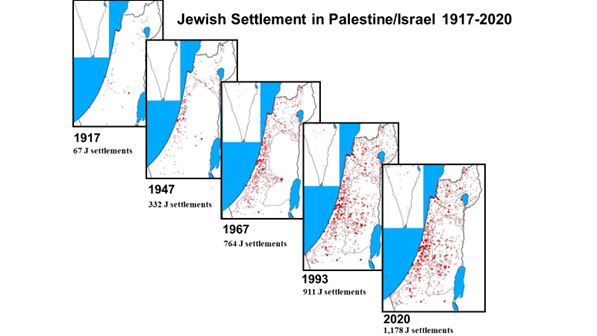
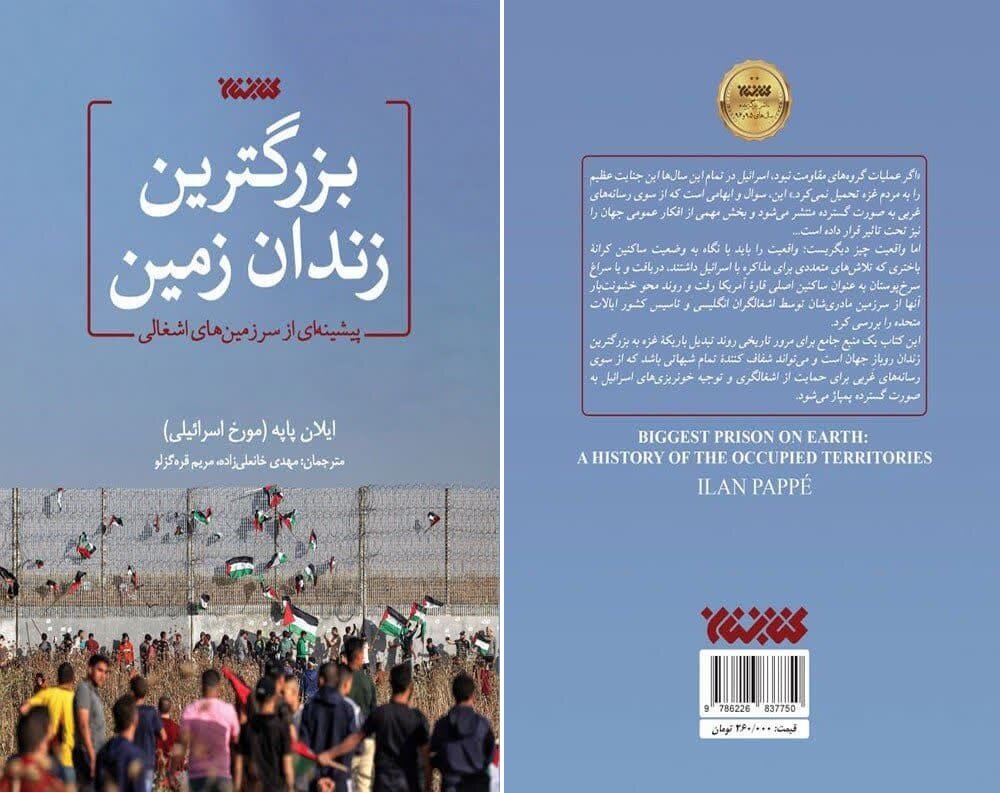
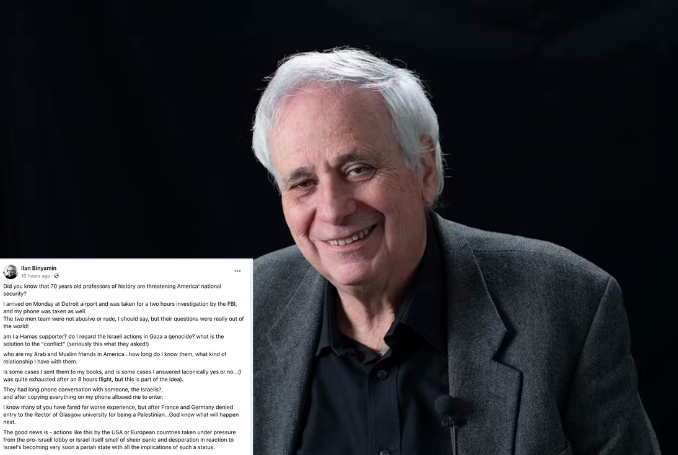
 AERIAL VIEW OF THE ROAD FROM JERUSALEM TO THE SETTLEMENT OF MA’ALE ADUMIM, WITH THE HEBREW UNIVERSITY CAMPUS ON THE LEFT, 2007. (PHOTO: ISRAEL NATIONAL PHOTO COLLECTION)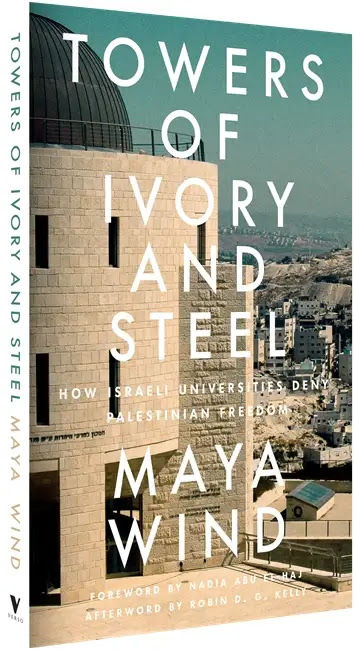

 מאיה מפגינה “נגד הכיבוש”, השבוע בניו יורק | צילום: חדשות 2

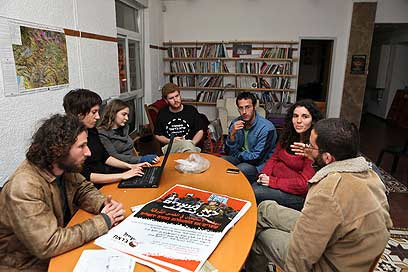
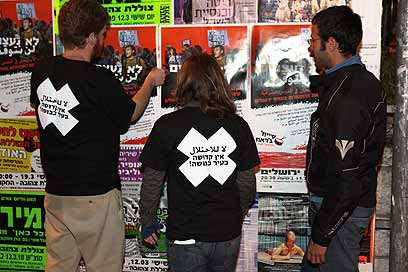
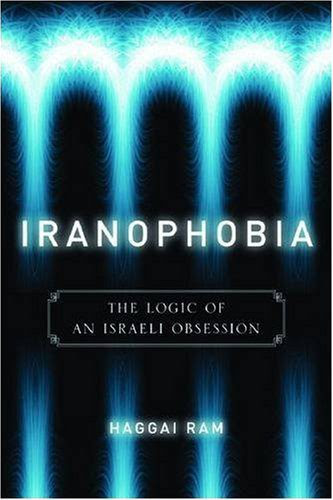 by
by 
 israel-academia-monitor.com