In April 2024, the speaker of the U.S. House of Representatives announced that he is expanding the House Education Committee’s investigation into antisemitism on college campuses. Earlier that year, in January 2024, the House Committee on Ways and Means launched a probe into the University of Pennsylvania’s tax-exempt status, citing an alleged failure to protect Jewish students on campus.
Penn is the alma mater of Dr. Nimrod Ben Zeev, where he completed his PhD in the History Department in 2020.
The subject of his dissertation is Israel’s construction industry and its Arab workers. For Ben Zeev, they “remain part and parcel of the colonial, exploitative structure the erection of which this dissertation has narrated, would likely furnish an infuriating and tragic laundry list. From the Israeli Right’s notion that construction in illegal settlements was the ‘proper Zionist response’ (tguva tziyonit holemet) to all manners of perceived Palestinian and international encroachments on Israel, held and acted upon since the late 1970s; to the disastrous equations of demolition endorsed by current Israeli leadership, whereby the homes of Palestinians within Israel built without a permit are demolished to appease popular rightwing anger at government demolitions of structures in illegal settlements in the West Bank.”
Ben Zeev’s PhD supervisor was Prof. Eve Troutt Powell, an anti-Israel activist. For example, Troutt Powell filed a lawsuit against her University in March 2024, alleging a pattern of “McCarthyism” for preventing speech in opposition to Israel. The lawsuit was filed with Huda Fakhreddine, associate professor of Arabic literature, in conjunction with Penn Faculty for Justice in Palestine. The complaint alleged that “efforts to investigate the University over alleged antisemitism on campus have threatened professors’ academic freedom.” The case was dismissed.
Ben Zeev’s PhD committee included Prof. Sherene Seikaly from UC Santa Barbara. Seikaly’s bio indicates she held the Qatar Postdoctoral Fellowship at Georgetown University. Seikaly’s book Men of Capital: Scarcity and Economy in Mandate Palestine (Stanford University Press, 2016) explores how “Palestinian capitalists and British colonial officials used economy to shape territory, nationalism, the home, and the body.” Her forthcoming book, From Baltimore to Beirut: On the Question of Palestine “focuses on a Palestinian man who was at once a colonial officer and a colonized subject, an enslaver and a refugee. His trajectory from nineteenth century mobility across Baltimore and Sudan to twentieth century immobility in Lebanon places the question of Palestine in a global history of race, capital, slavery, and dispossession.” Seikaly currently serves as co-editor of the Journal of Palestine Studies and co-founder and co-editor of Jadaliyya.
Seikaly was featured in an online series, “What Have We Learned? Israel’s Genocide — One Year On,” in October 2024. The Co-Organizers: Arab Studies Institute, Georgetown University’s Center for Contemporary Arab Studies, George Mason University’s Middle East and Islamic Studies Program, Rutgers Center for Middle Eastern Studies, Birzeit University Museum, Harvard’s Center for Middle Eastern Studies, Brown University’s Center for Middle East Studies, University of Chicago’s Center for Contemporary Theory, Brown University’s New Directions in Palestinian Studies, Georgetown University’s Center for Muslim-Christian Understanding, Simon Fraser University’s Centre for Comparative Muslim Studies, Georgetown University-Qatar, American University of Cairo’s Alternative Policy Studies, Middle East Studies Association’s Global Academy, University of Chicago’s Center for Middle Eastern Studies, CUNY’s Middle East and Middle Eastern American Center, University of Illinois Chicago’s Arab american cultural Center, George Mason University’s AbuSulayman’s Center for Global Islamic Studies, University of Illinois Chicago’s Critical Middle East Studies Working Group, George Washington University’s Institute for Middle East Studies, Columbia University’s Center for Palestine Studies, New York University’s Hagop Kevorkian Center for Near Eastern Studies.
Interestingly, Penn University boasted about Ben Zeev’s four-year postdoctoral appointment at the Van Leer Jerusalem Institute. Penn is apparently unaware that the Van Leer Jerusalem Institute is not an academic institution and, therefore, not recognized by Israel’s Council for Higher Education.
Earlier this month, Ben Zeev co-authored an article titled “Fighting Side by Side in Israel-Palestine.” His co-author, Dr. Leena Dallasheh is an Israeli Arab who describes herself as “An activist scholar.” According to her website, her research focuses on the history of Palestine/Israel. “She held several academic positions, the last of which was associate professor at Cal Poly Humboldt. She received her PhD in the joint History and Middle Eastern and Islamic Studies program at NYU. Before coming to NYU, she received a law degree from the Hebrew University in Jerusalem.”
The authors begin their article by stating, “There is a long and noble history of Jewish Israelis and Palestinians resisting Israel’s crimes together.”
The article discusses Masafer Yatta and the documentary film “No Other Land,” which brought to global attention “yet again Israel’s crimes as occupier and violator of Palestinian rights and showed how progressives from across the national divide collaborate to achieve common objectives… The debate brought into focus the whole question of cross-national activism for Palestinian justice, and ‘co-resistance,’ or joint struggle, against Israeli occupation and Jewish supremacy.”
According to the authors, “Co-resistance focuses on protecting Palestinian existence on the land, exposing Israeli colonial crimes, and making inroads within the Jewish community to oppose Israeli repressive mechanisms, pushing Jewish activists to use their structurally privileged position in the region to aid Palestinian rights and liberation. It is of particular value in the context of Palestine/Israel because of the settler colonial context in the land. As multiple Palestinian scholars and activists have noted, the way Zionist settler colonialism developed in Palestine/Israel renders the expulsion of the settler population neither practical nor moral. Co-resistance offers a politically sound strategy toward substantive decolonization, along with independent struggle within the respective communities. In the long run, through co-resistance, a growing number among the settler population can embrace a decolonial future in the land, expanding the fissures within Israeli society and providing fertile ground for international mobilization to end Israeli occupation and injustice.”
They detailed the history of movements that brought together Arabs and Jews. They first discussed Communism, followed by the founding in 1974 of “the student movement CAMPUS (the Hebrew acronym for Groups for Social and Political Student Involvement) brought together Palestinian and Jewish students in Israeli universities. The movement joined Palestinian protests against the occupation. Another organization, the Committee for Solidarity with Birzeit, was founded in 1981 as an Israeli group in solidarity with the Palestinian struggles at Birzeit University, then a hub of the Palestinian left’s anti-occupation struggles. The movement, ‘Down with the Occupation,’ was a continuation of the Committee for Solidarity. With the start of the Palestinian Intifada in 1987, its members vocally expressed solidarity with the uprising. These groups worked on using their privileged status as Israelis to defend Palestinians, bring Palestinian opposition voices to Israelis, and shape Israeli public opinion.”
Then, they moved on to discuss “After Jewish Supremacy.” Stating that “The Oslo years were mostly a retreat from co-resistance and saw the emergence of dialogue groups, which consisted of meetings between Israelis and Palestinians mostly devoid of a clear political project and glossed over the deepening occupation, segregation, and inequality in the region. Palestinian critics rightly called out these dialogue groups and the cottage industry of programs, which uncritically espoused co-existence without challenging the status quo and normalized the Israeli state’s colonial practices. The collapse of the Oslo process with the beginning of the Second Intifada led to a reexamination of previous modes of resistance and a clearer concept of what joint struggle, or co-resistance, entails.”
The authors discuss how in 2001, “Palestinian and Israeli activists established Ta’ayush, Arab-Jewish Partnership. Part of Ta’ayush’s innovation was that the movement explicitly framed its struggle as a decolonial struggle in a settler colonial setting by developing a model that could challenge the very structures governing Palestinians’ lives. Ta’ayush activists accompanying Palestinian farmers and shepherds to their lands. This was, in part, a response to the shortcomings of previous co-resistance and coexistence endeavors. Ta’ayush’s founders understood these earlier efforts as reproducing existing power disparities between the two communities, as a result prioritizing Jewish perspectives and concerns. Palestinian communities shaped and led the movement’s direct-action practices, while Israeli Jews were called to use their privilege to protect Palestinian communities. This formula sought to bring the colonial reality into focus while also resisting it. Ta’ayush was consolidated at a dire moment: the Israeli assault on and reoccupation of the West Bank’s urban centers, in which Israeli forces laid siege to cities, laid waste to entire neighborhoods, and deprived Palestinian communities of basic needs such as food, water, and security. As the group sought to respond to these needs, it worked to develop a political project against occupation and for social justice. It pursued the widest possible platform to allow greater participation by Israelis, while adhering to a clear political line: Ta’ayush defined its work not as humanitarian action but as shedding light on Israeli crimes and presented an alternative future based on living together, through justice and equality. Ta’ayush’s approach to co-resistance played an important role in developing the forms of joint struggle.”
Recently, Tel Aviv University recruited Ben Zeev to its History Department. Interestingly, Professor On Barak from Tel Aviv University was also a member of Ben Zeev’s PhD committee.
Tel Aviv University is a public university. The taxpayers who support tertiary education expect good value for their investments. Ben Zeev’s anti-Israel scholarship is a poor return for their money. As IAM documented, some liberal arts departments at the University have a long history of hiring and promoting activist academics who use their position to advocate for radical left-wing causes.
Worse, Ben Zeev’s polemical scholarship, like other missives of anti-Israel academics, bolsters the flames of antisemitism on Western campuses. Since October 7, Israel has launched numerous initiatives to combat this phenomenon. What is the point of providing Ben Zeev with a paid platform to produce material that might be used by the academic delegitimizers of Israel?
There is a long and noble history of Jewish Israelis and Palestinians resisting Israel’s crimes together.
When the Palestinian-Israeli coproduction No Other Land won the Academy Award for best documentary feature film in early March, jubilation was palpable. It brought to global attention yet again Israel’s crimes as occupier and violator of Palestinian rights and showed how progressives from across the national divide collaborate to achieve common objectives.
This week, this reality was brought again into sharp relief with the assault and arrest of one of the film’s directors, Hamdan Ballal, after Israeli settlers attacked his community.
No Other Land follows the struggle of the people of Masafer Yatta, a cluster of nineteen Palestinian communities in the south of the occupied West Bank. It chronicles their ongoing fight against Israel’s attempts to dispossess and displace them through military decrees, the repeated demolition of homes and community structures, settler violence, destruction and deprivation of access to their resources, and court rulings. It also documents community struggles between 2019–2023, making use of home videos, interviews, and archival footage to tell the story of the people of Masafer Yatta’s decades-long fight for their homes, land, and lives, while also shedding light on the Israeli activists who joined and documented that struggle.
Unsurprisingly, Israeli officials, journalists, public figures, and others launched an assault on the film, frequently while stating that they have not seen it nor do they intend to. But counterintuitively, No Other Land was also attacked by some participants in the Boycott, Divestment, and Sanctions (BDS) movement against Israel.
While many lauded its role in exposing Israeli colonial practices and centering Palestinians’ steadfastness, others argued it reproduced colonial dynamics in which Palestinians required Israeli permission to narrate their story. The debate brought into focus the whole question of cross-national activism for Palestinian justice, and “co-resistance,” or joint struggle, against Israeli occupation and Jewish supremacy.
Rather than relitigating the definition of normalization or summarizing the debate, we focus here on the practice of co-resistance, its viability, and historic meanings in Israel-Palestine by examining several key historical examples of Jewish-Palestinian co-resistance from the period of British rule until the early 2000s. This is by no means an exhaustive list of such struggles. But it illuminates the historical dynamics, challenges, and limitations of co-resistance.
These examples show that co-resistance was historically practiced in a wide range of ways in the region, from political parties to direct action, depending on the particular circumstances. What unites these instances is the principle of shared and active opposition to the colonial order, first under the British and subsequently under Israeli rule.
Co-resistance focuses on protecting Palestinian existence on the land, exposing Israeli colonial crimes, and making inroads within the Jewish community to oppose Israeli repressive mechanisms, pushing Jewish activists to use their structurally privileged position in the region to aid Palestinian rights and liberation. It is of particular value in the context of Palestine/Israel because of the settler colonial context in the land. As multiple Palestinian scholars and activists have noted, the way Zionist settler colonialism developed in Palestine/Israel renders the expulsion of the settler population neither practical nor moral. Co-resistance offers a politically sound strategy toward substantive decolonization, along with independent struggle within the respective communities.
In the long run, through co-resistance, a growing number among the settler population can embrace a decolonial future in the land, expanding the fissures within Israeli society and providing fertile ground for international mobilization to end Israeli occupation and injustice.
Side by Side
Since the British Mandate period, Jews and Palestinians have repeatedly joined forces in resisting colonial structures. In the 1920s, Palestinian Arabs and Jewish immigrants joined forces in the Palestine Communist Party (PKP). The party’s history is far from an ideal for co-resistance. Yet the Communist experience kept the possibility of imagining a democratic, anti-colonial alternative alive.
The party was unevenly reconstituted as a single party — which Jewish leaders dominated — the Israeli Communist Party (MAKI), in the wake of the Nakba in 1948. Despite the unequal structure within the party, MAKI provided the main space for the struggle of Palestinians who became citizens of Israel to remain in their homeland in subsequent decades, when Israel imposed a military rule on Palestinian citizens. Acts of solidarity and resistance led or supported by MAKI members radicalized a core of Jewish activists to continue anti-colonial struggles over the following decades.
In the early 1960s, Israeli authorities’ plans to establish a new Jewish town, later dubbed Carmiel, in the Palestinian-majority area of the Shaghur galvanized resistance among a broad coalition. It also introduced a new generation of Israeli-Jewish activists who worked alongside the Shaghur’s Palestinian residents. The latter’s role in the struggle attracted considerable media attention in the Israeli press and helped generate support for the Shaghur residents among a then nascent international antiwar and nonproliferation movement.
The 1970s and ’80s witnessed another wave of joint activism. Founded in 1974, the student movement CAMPUS (the Hebrew acronym for Groups for Social and Political Student Involvement) brought together Palestinian and Jewish students in Israeli universities. The movement joined Palestinian protests against the occupation. Another organization, the Committee for Solidarity with Birzeit, was founded in 1981 as an Israeli group in solidarity with the Palestinian struggles at Birzeit University, then a hub of the Palestinian left’s anti-occupation struggles.
The movement, “Down with the Occupation,” was a continuation of the Committee for Solidarity. With the start of the Palestinian Intifada in 1987, its members vocally expressed solidarity with the uprising. These groups worked on using their privileged status as Israelis to defend Palestinians, bring Palestinian opposition voices to Israelis, and shape Israeli public opinion.
After Jewish Supremacy
The Oslo years were mostly a retreat from co-resistance and saw the emergence of dialogue groups, which consisted of meetings between Israelis and Palestinians mostly devoid of a clear political project and glossed over the deepening occupation, segregation, and inequality in the region. Palestinian critics rightly called out these dialogue groups and the cottage industry of programs, which uncritically espoused co-existence without challenging the status quo and normalized the Israeli state’s colonial practices. The collapse of the Oslo process with the beginning of the Second Intifada led to a reexamination of previous modes of resistance and a clearer concept of what joint struggle, or co-resistance, entails.
In 2001, Palestinian and Israeli activists established Ta’ayush, Arab-Jewish Partnership. Part of Ta’ayush’s innovation was that the movement explicitly framed its struggle as a decolonial struggle in a settler colonial setting by developing a model that could challenge the very structures governing Palestinians’ lives.
Ta’ayush activists accompanying Palestinian farmers and shepherds to their lands. (Tal King / Flickr)
This was, in part, a response to the shortcomings of previous co-resistance and coexistence endeavors. Ta’ayush’s founders understood these earlier efforts as reproducing existing power disparities between the two communities, as a result prioritizing Jewish perspectives and concerns. Palestinian communities shaped and led the movement’s direct action practices, while Israeli Jews were called to use their privilege to protect Palestinian communities. This formula sought to bring the colonial reality into focus while also resisting it.
Ta’ayush was consolidated at a dire moment: the Israeli assault on and reoccupation of the West Bank’s urban centers, in which Israeli forces laid siege to cities, laid waste to entire neighborhoods, and deprived Palestinian communities of basic needs such as food, water, and security. As the group sought to respond to these needs, it worked to develop a political project against occupation and for social justice.
It pursued the widest possible platform to allow greater participation by Israelis, while adhering to a clear political line: Ta’ayush defined its work not as humanitarian action but as shedding light on Israeli crimes and presented an alternative future based on living together, through justice and equality.
Ta’ayush’s approach to co-resistance played an important role in developing the forms of joint struggle which Masafer Yatta’s local communities continue to lead in their now over two-decades-long struggle against ethnic cleansing.
Following Hamas’s attack on October 7, 2023, this struggle has intensified. Increasing attacks by Israeli settlers backed by the police and army have led to the displacement of two local communities in Masafer Yatta out of a total of twenty West Bank communities, which state and settler violence have displaced since then. Throughout, co-resistance has retained an important role in Masafer Yatta’s strategies of sumud (“steadfastness”). During this period, No Other Land documents Masafer Yatta’s residents’ ongoing resistance to these attacks, with the support of Israeli activists.
No Other Land demonstrates that in Masafer Yatta, as elsewhere, co-resistance has been a crucial way to carry out anti-occupation struggle and envision a society after Jewish supremacy. Running through its history is a common thread: the refusal to accept the separatist logic of colonialism, while working to upend the hierarchies it imposes.
CONTRIBUTORS
Leena Dallasheh is a Palestinian historian and independent scholar.
Nimrod Ben Zeev teaches history in the Department of Labor Studies at Tel Aviv University.
Nimrod Ben Zeev receives a post-doctoral fellowship at the Van Leer Institute’s Polonsky Academy in Jerusalem
April 10, 2020
Nimrod Ben Zeev has received a four-year post-doctoral fellowship at the Van Leer Institute’s Polonsky Academy in Jerusalem (https://polonsky.vanleer.org.il/home/). Nimrod is planning to defend his dissertation this summer, and take up the fellowship in October. Nimrod is currently a Woodrow Wilson National Fellowship Foundation’s Charlotte W. Newcombe Fellow, and a Graduate Fellow at the Andrea Mitchell Center for the Study of Democracy. In previous years, his research has been supported by the Social Sciences Research Council’s International Dissertation Research Fellowship (IDRF).
Nimrod’s dissertation is entitled: “Foundations of Inequality: Construction, Political Economy, and the Senses in Palestine/Israel, 1918-1973.” His committee is: Eve Troutt Powell (Supervisor); Kathy Brown; Heather Sharkey (NELC); Sherene Seikaly (UC Santa Barbara); and On Barak (Tel Aviv University).
Nimrod describes his project on his Departmental webpage:
Leena Dallasheh is an independent scholar. Her research focuses on the history of Palestine/Israel, with a particular interest in Palestinians who became citizens of Israel in 1948. She is currently finishing a manuscript on the social and political history of Nazareth from 1940 to 1966, tracing how Palestinians who remained in Israel in 1948 negotiated their incorporation in the state, affirming their rights as citizens and their identity as Palestinian. She has published articles and reviews in IJMES, JPS, AHR, and edited collections. She has also been engaged in academic and public conversations on Palestine/Israel, and has been interviewed and published in various media outlets. She held several academic positions, the last of which was associate professor at Cal Poly Humboldt.
She received her PhD in the joint History and Middle Eastern and Islamic Studies program at NYU. Before coming to NYU, she received a law degree from the Hebrew University in Jerusalem.
Join our eighth edition of “What Have We Learned?” after one year of Israel’s Genocide with Sherene Seikaly, hosted by Bassam Hadddad. Scholars, journalists, activists, and authors select 5 themes/topics and analyze what we have learned about them.
Gaza in Context Project is billing this series as lessons learned, one year on, to break through the fog of observations, narratives, data, propaganda, and images we unfathomably continue to access/witness every day. These conversations are relatively short, intense, and insightful, delivered by thoroughly engaged speakers. Catch our next Episode this week with Sherene Seikaly.
Gaza in Context Collaborative Teach-In Series
We are together experiencing a catastrophic unfolding of history as Gaza awaits a massive invasion of potentially genocidal proportions. This follows an incessant bombardment of a population increasingly bereft of the necessities of living in response to the Hamas attack in Israel on October 7. The context within which this takes place includes a well-coordinated campaign of misinformation and the unearthing of a multitude of essentialist and reductionist discursive tropes that depict Palestinians as the culprits, despite a context of structural subjugation and Apartheid, a matter of consensus in the human rights movement.
The co-organizers below are convening weekly teach-ins and conversations on a host of issues that introduce our common university communities, educators, researchers, and students to the history and present of Gaza, in context.
Co-Organizers:Arab Studies Institute, Georgetown University’s Center for Contemporary Arab Studies, George Mason University’s Middle East and Islamic Studies Program, Rutgers Center for Middle Eastern Studies, Birzeit University Museum, Harvard’s Center for Middle Eastern Studies, Brown University’s Center for Middle East Studies, University of Chicago’s Center for Contemporary Theory, Brown University’s New Directions in Palestinian Studies, Georgetown University’s Center for Muslim-Christian Understanding, Simon Fraser University’s Centre for Comparative Muslim Studies, Georgetown University-Qatar, American University of Cairo’s Alternative Policy Studies, Middle East Studies Association’s Global Academy, University of Chicago’s Center for Middle Eastern Studies, CUNY’s Middle East and Middle Eastern American Center, University of Illinois Chicago’s Arab american cultural Center, George Mason University’s AbuSulayman’s Center for Global Islamic Studies, University of Illinois Chicago’s Critical Middle East Studies Working Group, George Washington University’s Institute for Middle East Studies, Columbia University’s Center for Palestine Studies, New York University’s Hagop Kevorkian Center for Near Eastern Studies
Featuring
Sherene Seikaly is Associate Professor of History at the University of California, Santa Barbara. She held the Qatar Postdoctoral Fellowship at Georgetown University and the Europe in the Middle East Postdoctoral Fellowship at the Wissenschaftskolleg zu Berlin. Seikaly was Director of the Middle East Studies Center at the American University in Cairo (2012-2014), where she was awarded an Excellence in Teaching Award in 2014. Seikaly’s Men of Capital: Scarcity and Economy in Mandate Palestine (Stanford University Press, 2016) explores how Palestinian capitalists and British colonial officials used economy to shape territory, nationalism, the home, and the body. Her forthcoming book, From Baltimore to Beirut: On the Question of Palestine focuses on a Palestinian man who was at once a colonial officer and a colonized subject, an enslaver and a refugee. His trajectory from nineteenth century mobility across Baltimore and Sudan to twentieth century immobility in Lebanon places the question of Palestine in a global history of race, capital, slavery, and dispossession. Seikaly is the recipient of the National Endowment for the Humanities Research Fellowship, the Distinguished Teaching Award from the Academic Senate, the University of California, Santa Barbara; the Harold J. Plous Award at UCSB; and the UC President’s Faculty Research Fellowship. She currently serves as co-editor of Journal of Palestine Studies and co-founder and co-editor of Jadaliyya.
Penn filed a motion earlier this week to dismiss a lawsuit filed by several professors alleging a pattern of “McCarthyism” for preventing speech in opposition to Israel and seeking to stop the University from submitting documents to Congress.
The lawsuit was originally filed on March 9 by associate professor of Arabic literature Huda Fakhreddine and history and Africana studies professor Eve Troutt Powell in conjunction with Penn Faculty for Justice in Palestine, a collective of Penn faculty who say they are standing in solidarity with Palestinians. The complaint alleges that efforts to investigate the University over alleged antisemitism on campus have threatened professors’ academic freedom.
Penn’s motion to dismiss sharply disagrees with the plaintiffs’ request for a preliminary injunction, which was filed approximately a month after their initial complaint, calling the motion “meritless.”
A University spokesperson declined to comment.
At the time of the initial filing, a press release from PFJP said that the lawsuit hopes to convince the University not to comply with the House Committee on Education and the Workforce’s request for a plethora of documents pertaining to on-campus antisemitism. According to the press release, the request included “teaching files, emails, and other material for political scrutiny.”
The Committee first opened its investigation into Penn on Dec. 7, 2023, following former Penn President Liz Magill’s testimony before Congress on Dec. 5. On Feb. 7, The Daily Pennsylvanian reported that Penn would begin a multi-week process of transferring documents to the Committee. The requested documents included those relating to antisemitism or anti-Zionism on campus, pro-Palestine groups and actions at Penn, foreign donations to the University, and data on Jewish enrollment.
Penn’s response to the complaint contends that “Plaintiffs’ issue is with HEW and not with Penn,” citing the Committee’s motives, definition of antisemitism, and ongoing investigation into the University.
The new motion provides several responses to both the plaintiffs’ lawsuit and motion for a preliminary injunction. It contends that all of the claims lack standing because the original complaint “offer[s] nothing but allegations of possible future injury” rather than any injury that is “certainly impending.”
“Plaintiffs may disagree with Penn’s decision to comply with HEW’s request. But that disagreement does not entitle them to this Court’s jurisdiction,” the lawsuit reads. “Because they have failed to allege enough facts that come close to showing any future injury that is likely to occur—much less certainly impending—their complaint must be dismissed for lack of … standing.”
The response also contends that the plaintiffs’ claims under the United States Constitution and Pennsylvania Constitution fail because they did not sufficiently demonstrate that Penn is a state actor.
The University’s third response to the complaint contends that the plaintiffs failed to state a breach of contract claim by not identifying specific promises and assertions made by Penn.
Penn also contends that the plaintiffs’ motion for a preliminary injunction should be dismissed due to their aforementioned arguments for why the case should be dismissed. If not dismissed, however, the University also posits that the request should be dismissed “because Plaintiffs have come nowhere close to satisfying their heavy burden.”
Penn — while citing several of their arguments used in response to the motion to dismiss — argues that the preliminary injunction request should be denied because the plaintiffs are unlikely to succeed on the merits of their claims and unlikely to “suffer irreparable harm in the absence of injunctive relief.” It also contends that the requested injunctive relief would harm the House education committee and not be in the public interest.
On April 30, Speaker of the U.S. House of Representatives Rep. Mike Johnson (R-La.) announced that he is expanding the House education committee’s investigation into a housewide probe into antisemitism on college campuses. At the time, a Committee on Education and the Workforce aide told the DP that their investigation was going to continue despite the housewide expansion.
The House Committee on Ways and Means also announced a probe into Penn’s tax-exempt status on January 10, citing an alleged “failure” to protect Jewish students on campus.
Online forums for academics recently posted an invitation to a tour of Southern Hebron Hill, Masafer Yatta, taking place on April 25, 2025, to show support to the locals.
The invitation reads, “In recent months, the attack on the area known as ‘Southern Hebron Hill,’ Masafer Yatta, as it is called by its Palestinian residents, has reached its peak. This is an opportunity to visit one of the most explosive areas in Area C of the West Bank, just when the residents of the area need Israeli presence and support more than ever. The tour, guided by Dr. Amiel Vardi and Palestinian guides, the residents of the area, will take place on Friday, April 25, 2025, from 9 am to 3:30 pm, and will include meeting residents of the villages under attack, a generous lunch, and transportation from Tel Aviv or Jerusalem. The price per participant will be determined according to the number of participants. All profits will be transferred to the residents of Masafer Yatta. Additional details will be sent to those who register.”
The story of Masafer Yatta even reached Hollywood. However, in a January 2025 article titled “Oscar-nominated film ignores legal reality,” published in Psakdin, an Israeli law journal, attorney Snir Zahavi discussed the award-winning film “No Other Land.” Zahavi wrote that the film “presents the struggle of the residents of Masafer Yatta, a group of villages in the southern Hebron Hills, against what is presented as a systematic attempt by Israel to uproot them from their land following its declaration in 1980 as a firing zone.” Zehavi notes that the “filmmakers – two Israelis and two Palestinians – described their work as an act of shared destiny and a struggle for an equal and empathetic future. However, a closer look at the High Court of Justice ruling, in which the residents’ claims were rejected, paints a completely different picture.”
Zehavi argued that while the film presents the residents as having lived there for generations, the High Court ruling outlined evidence such as “aerial photographs and historical documents that refuted these claims.”
The “petitioners did not attach any document indicating that they have property rights to the lands in the fire zone area. The court ruled that there was no permanent settlement in the area and that the area was used at most for seasonal grazing. According to the High Court, the construction of permanent structures in the area only began in 2000, in violation of legal orders and prohibitions… the ruling sharply criticizes the petitioners’ conduct. The judges accuse them of taking advantage of temporary orders issued in their favor to build illegally in the area. The court emphasized that the petitioners violated the terms of the orders, thereby illegally strengthening their hold on the site.” Zehavi added the words of Judge David Mintz, “The petitioners’ lack of cleanliness of their hands is intensified in light of their conduct since the current petitions were filed, as construction in the area of the firing zone has intensified since 2013.”
Zehavi argues that the film provides a “historical narrative according to which the villages in the area appeared on Ottoman maps as early as the 19th century, but the aerial photographs presented in the High Court refute this claim. Even aerial photographs submitted by the petitioners themselves showed that there was no significant construction in the area until recent decades and that settlement in the area began only in recent years, undermining the place’s status as a closed military area… However, according to the ruling, it was precisely the High Court’s interim orders that allowed access to the area for more than two decades, while the state worked for years to offer compromise solutions that included the possibility of civilian uses under different conditions and at different times alongside military uses. The state even refrained from conducting live-fire training exercises at the site over the years.”
Zehavi ends by stating that “the High Court’s ruling calls into question the historical and legal accuracy of the central claims.”
Dr. Amiel Vardi, the academic tour guide to Masafer Yatta, is a longtime political activist whom IAM has reported on before. Vardi teaches at the Hebrew University Department of Classical Studies, History Institute. Vardi has been an activist for a number of decades with the Palestinian-Israeli group Ta’ayush. “Ta’ayush is a grassroots movement engaging since 2000 in non-violent collective action and civil disobedience in Palestine/Israel.” Yet, it is questionable whether the Ta’ayush activities are non-violent; in early March, one of the Ta’ayush members, Vardi’s colleague, deliberately ran over a Jewish Israeli farmer and wounded him.
It is well known that Palestinians practice Sumud (steadfastness in Arabic). As explained by Wikipedia, the term means refusing to leave. “Sumud represented the Palestinian political strategy as adopted from 1967 onward. As a concept closely related to the land, agriculture and indigenousness, the ideal image of the Palestinian put forward at this time was that of the peasant who stayed put on his land, refusing to leave.” Sumud is practiced in various areas, such as in the Negev Desert, East Jerusalem, and Area C, where Palestinian groups erect tents and shacks for their families with children to live, in harsh sanitary conditions. By the time the Israeli state intervenes, the dwellers refuse to leave.
Vardi is one of the scores of academics that IAM has profiled over the years. The activists come from liberal arts and use their position to engage in political activities. Vardi, who obtained his doctorate in 1983, is a senior lecturer in the Classics Department with a minimal publishing record. This should come as no surprise; he seems to spend most of his time on activism, notably with Taayush.
IAM has repeatedly contended that universities that provide salaries to activists do wrong to the taxpayers and the students. The Hebrew University is public, supported by the taxpayers who would be undoubtedly upset about the use of their money. The activist professors also shortchange their students and the propagation of knowledge.
The question is, why are Vardi and other activists exempt from the high standards applied to their peers?
REFERENCES:
———- Forwarded message ——— From: David Levi-Faur Date: Sun, Apr 6, 2025 at 1:22 PM Subject: [Academia-IL-Bashaar] סיור חברי סגל אקדמי ומנהלי לדרום הר חברון, מספאר יטא, במסגרת הסידרה עוולות ותיקונן To: Academia Network <academia-il@listserver.huji.ac.il>
הזמנה לסיור פרטי בסידרה עוולות ותיקונן. סיור ראשון במסגרת סדרה שעד כה התרכזה בהרצאות אורח.
על מסאפר יטא בויקיפדיה. כאן. על אחד הפוגרומים האחרונים, בynet . כאן.
כתובת אתר הסידרה כאן. כתובת ערוץ היוטיוב שלנו כאן. מספר המקומות מוגבל. רישום חובה כאן.
בחודשים האחרונים המתקפה על האזור המכונה “דרום הר חברון”, או מאספר יטא בפי הפלסטינים תושבי המקום, נמצאת בשיאה. זוהי הזדמנות לבקר באחד האזורים הנפיצים ביותר בשטחי C שבגדה המערבית, בדיוק כאשר תושבי האזור זקוקים לנוכחות ולתמיכה הישראלית יותר מאי-פעם.
הסיור, שיתקיים בהדרכת ד”ר עמיאל ורדי ומדריכים פלסטינים תושבי האזור, יתקיים ביום שישי ה- 25/04/2025 החל מהשעה 9 בבוקר ועד לשעה 15:30 אחרה”צ ויכלול מפגש עם תושבי הכפרים הנתונים למתקפה, ארוחת צהריים נדיבה והסעה מתל-אביב או מירושלים. המחיר למשתתף יקבע בהתאם למספר המשתתפים. כל הרווחים יועברו לתושבי מאספר יטא. פרטים נוספים ישלחו לנרשמים.
“אין ארץ אחרת”, המתעד את המאבק של קהילה פלסטינית בדרום הר חברון, הוא יצירה מרגשת. אבל לפי פסק דין של בג”ץ, הוא מבוסס על הנחות שחוטאות לאמת.
עו”ד שניר זהבי | פסקדין|30.01.25 |
הסרט “אין ארץ אחרת“, זוכה פרסים ומועמד לאוסקר 2025 בקטגוריית הסרט התיעודי, מציג את מאבקם של תושבי מסאפר יטא, קבוצת כפרים בדרום הר חברון, נגד מה שמוצג כניסיון שיטתי של ישראל לעקור אותם מאדמתם בעקבות ההכרזה עליה כשטח אש ב-1980. היוצרים – שני ישראלים ושני פלסטינים – תיארו את עבודתם כמעשה של שותפות גורל ומאבק למען עתיד שוויוני ומלא אמפתיה. אולם מבט מעמיק על פסק דין של בג”ץ, שבו נדחו טענות התושבים, מצייר תמונה שונה לחלוטין.
היוצרים הם באסל עדרה, יובל אברהם, חמדאן בלאל ורחל שור. הם מדגישים כי עבודתם המשותפת מבוססת על חוויות החיים תחת שתי מערכות חוק: חלק מהצוות חי תחת כיבוש צבאי ללא זכויות בסיסיות, בעוד האחרים נהנים ממעמד אזרחי וזכויות מלאות במדינת ישראל. “אין בינינו סימטריה”, הם כותבים. לדבריהם הסרט נועד לחשוף את העוול ההיסטורי והמתמשך של גירוש תושבי מסאפר יטא, להיאבק על כבוד האדם ולהציע עתיד שוויוני לשני העמים.
מפסק הדין של בג”ץ בנושא מסאפר יטא עולה גרסה אחרת בתכלית. בעוד הסרט מציג את תושבי האזור כמי שחיו בו במשך דורות, פסק הדין משרטט כיצד ראיות ברורות כמו צילומי אוויר ומסמכים היסטוריים הפריכו טענות אלו. זאת, בזמן שהעותרים לא צירפו מסמך כלשהו שמעיד כי יש להם זכויות קנייניות באדמות שבשטח האש.
בית המשפט קבע כי לא הייתה התיישבות קבע במקום, וכי השטח שימש לכל היותר למרעה עונתי. לפי בג”ץ, בניית מבני קבע באזור החלה רק מאז שנת 2000, תוך הפרת צווים משפטיים ואיסורים מפורשים.
אחת הטענות המרכזיות בסרט נוגעת לעיכוב ההכרעה המשפטית מצד בג”ץ, שלטענת היוצרים איפשר את גירוש התושבים. אולם פסק הדין מותח ביקורת חריפה על התנהלות העותרים. השופטים מייחסים להם ניצול צווים זמניים שהוצאו לטובתם כדי לבנות באופן בלתי חוקי בשטח. בית המשפט הדגיש כי העותרים הפרו את תנאי הצווים, ובכך חיזקו את אחיזתם במקום באופן בלתי חוקי.
“חוסר ניקיון הכפיים של העותרים מתעצם נוכח התנהלותם מאז הוגשו העתירות הנוכחיות, שכן הבנייה בתחום שטח האש התגברה והתעצמה מאז שנת 2013”, כתב השופט דוד מינץ, שציין כי טענת באי כוח העותרים שלפיה “החיים חזקים מכל צו ביניים” היא לא פחות ממקוממת.
הסרט מתבסס על נרטיב היסטורי שלפיו הכפרים באזור הופיעו במפות עותמאניות עוד מהמאה ה-19, אולם צילומי האוויר שהוצגו בבג”ץ מפריכים טענה זו. אפילו תצלומי אוויר שהוגשו על ידי העותרים עצמם הראו כי לא הייתה בנייה משמעותית באזור עד לעשורים האחרונים, וכי ההתיישבות במקום החלה רק בשנים האחרונות תוך פגיעה במעמדו של המקום כשטח צבאי סגור.
הסרט מציג את בג”ץ כגוף שאינו יכול להעניק צדק אמיתי לעותרים הפלסטינים, שנאלצו לפנות לבית משפט שאינו משלהם כדי למנוע את הגירוש. אלא שלפי פסק הדין, דווקא צווי הביניים של בג”ץ הם אלה שאפשרו במשך יותר משני עשורים גישה לשטח, כשהמדינה פעלה לאורך שנים להציע פתרונות פשרה שכללו אפשרות שימושים אזרחיים בתנאים ובמועדים שונים בצד השימושים הצבאיים. המדינה אף נמנעה מאימונים באש חיה במקום במשך השנים.
אין ספק כי הסרט נוגע ללב ומעורר מחשבה. הוא מצליח לשים את הזרקור על חוויות אנושיות של פלסטינים שחיים כאן. אולם פסק הדין של בג”ץ מעמיד בספק את הדיוק ההיסטורי והמשפטי של הטענות המרכזיות בו. במקום להציג תמונה מורכבת ומלאה, הסרט מתמקד בגרסה חד-צדדית תוך השמטת פרטים חיוניים שיכולים לשנות את תפיסת הצופים.
• לקריאת פסק הדין המלא – לחצו כאן • הכתבה בשיתוף אתר המשפט הישראלי פסקדין • עו”ד שניר זהבי הוא עורך אתר פסקדין • ynet הוא שותף באתר פסקדין
בבית המשפט העליון בשבתו כבית משפט גבוה לצדק בג”ץ 413/13 בג”ץ 1039/13 לפני: כבוד השופט י’ עמית כבוד השופט ד’ מינץ כבוד השופט ע’ גרוסקופף העותרים בבג”ץ :413/13 .1 מוחמד מוסא שחאדה אבו עראם ו107- אח’ .2 האגודה לזכויות האזרח בישראל העותרים בבג”ץ :1039/13 .1 מחמוד יונס ו142- אח’ נ ג ד המשיבים: .1 שר הבטחון .2 מפקד כוחות צה”ל באזור יהודה ושומרון המבקשת להצטרף: המועצה הכפרית מסאפר יטא התנגדות למתן צו מוחלט תאריך הישיבה: י”ב באדר ב התשפ”ב (15.3.2022) בשם העותרים בבג”ץ :413/13 עו”ד דן יקיר; עו”ד רוני פלי בשם העותרים בבג”ץ :1039/13 עו”ד שלמה לקר בשם המשיבים: עו”ד יצחק ברט בשם המבקשת להצטרף: עו”ד נטע עמר-שיף פסק-דין השופט ד’ מינץ: העתירות שלפנינו מתמקדות בהכרזה משנות ה80- של המאה הקודמת על שטח של כ30,000- דונם המצוי דרומית-מזרחית לכפר יטא שבדרום הר חברון (בחלק מאזור המכונה “מסאפר יטא”) כשטח צבאי סגור, הידוע כשטח אש 918 (להלן: שטח האש או השטח). .1 בתחילה, הוכרז שטח האש בחלקו הצפון-מערבי בהיקף של כ15,000- דונם, במסגרת צו סגירה /2/80ס’ מיום 8.6.1980 (כפי שכונה בזמנו: “שטח אש 4”, או “שטח אש 924”) והוא סווג כשטח אימונים “ללא אש”. ביום 12.11.1982 תוקנה ההכרזה, כך שצורף לשטח זה אזור נוסף, דרומית-מזרחית לו, וזאת במסגרת צו סגירה /5/82ס’. בשנת 1993 שונה סיווגו של שטח האש ל”שטח אימונים באש שטוח מסלול עד 1,500 רגל”, ובהמשך אותה שנה סווג כ”שטח אש תלול מסלול”. על רקע החתימה על הסכם הביניים בין מדינת ישראל לרשות הפלסטינית בשנת ,1995 הוצא בשנת 1999 צו הכרזה חדש לשטח האש (צו סגירת שטח מס’ /6/99ס’), אך לא חל שינוי בגבולות השטח. .2 בתמצית שבתמצית, בטבורה של המחלוקת בין הצדדים עומדת טענת העותרים כי בתחומי שטח האש התקיימה במשך שנים התיישבות חקלאית מסורתית כאשר מבני ציבור ומגורים שהוקמו במקום, חרף ההכרזה על שטח האש כשטח צבאי סגור, מהווים המשך ישיר של אותה התיישבות מסורתית. מנגד, לטענת המשיבים לא עלה בידי העותרים להוכיח כי הם או אבותיהם התיישבו בשטח ישיבה של קבע קודם להכרזתו כשטח צבאי סגור. כפי שניווכח להלן, מחלוקת זו ניטשת בין הצדדים מזה עשרות שנים. בין הצדדים התנהלו הליכים משפטיים קודמים העומדים ברקע להליך שלפנינו, על חלקם נעמוד בקצרה להלן. הרקע העובדתי והליכים קודמים .3 כאמור, בשנת 1980 הוכרז שטח האש כשטח צבאי סגור, ובמשך שנות ה80- וה- 90 של המאה שעברה הוא שימש לאימוני יחידות שונות של צה”ל, לרבות חיל האוויר. כפי שמתואר בתצהיר התשובה מטעם המשיבים, החל משנות ה80- לאחר ההכרזה על שטח האש ועד שנת ,2000 המינהל האזרחי פעל לאכיפת הצו המכריז על השטח כשטח צבאי סגור. .4 לצד פעולות האכיפה האמורות לסילוק מבנים קבועים משטח האש, נוהלו מגעים בין הגורמים המקומיים לבין שלטונות הצבא בכל הנוגע לשהייה במקום לצרכי מרעה וחקלאות, אך לא למגורי קבע. לבסוף, גובש מתווה פשרה עם חלק מהשוהים בתחומי השטח, במסגרתו הותרה אליו כניסת חקלאים ורועי צאן בזמנים בהם לא מתקיימים אימונים, בעיקר בסופי שבוע ובחגי ישראל. המשיבים אף היו נכונים להימנע מלקיים אימונים במשך שתי תקופות בנות חודש כל אחת מדי שנה, כדי לאפשר זריעה וקציר בשטח ולצרכי מרעה. מתווה פשרה זה, שאסמכתאות שונות לקיומו צורפו לעמדת המשיבים, נעשה אל מול נציג השוהים בקרקע, עו”ד אליאס ח’ורי (להלן: מתווה ח’ורי). 2 יצוין כי העותרים שלפנינו טוענים כי ככל שאכן נקבע מתווה מוסכם כאמור בין הצדדים, הרי שהם לא היו צד לאותו הסכם והוא איננו מחייב אותם. .5 מכל מקום, מכיוון שההסכמה בין הצדדים הייתה מתוחמת רק לשהות במקרקעין לצרכי מרעה וחקלאות בזמנים מוגדרים של השנה, המשיכו המשיבים לפעול לסילוק עבודות בינוי ופלישה לשטח. בשנת 1997 הוגשו שלוש עתירות לבית משפט זה שעסקו בצווי פינוי שהוצאו למבנים המצויים בשטח (בג”ץ 6754/97; בג”ץ 6798/97; בג”ץ 2356/98). בעתירות אלו הוצאו צווי ביניים המונעים את פינוי העותרים באותן עתירות (החלטה מיום 16.11.1997 בבג”ץ 6754/97; החלטה מיום 18.11.1997 בבג”ץ 6798/97; החלטה מיום 10.4.1998 בבג”ץ 2356/98). בעתירות אלה טענו העותרים (חלקם נמנה על העותרים בענייננו) ובדומה לטענות העותרים בהליך שלפנינו, כי הם מתגוררים דרך קבע באזור שטח האש והתגוררו בו עוד קודם למתן צו סגירת השטח. .6 בדומה לעמדת המשיבים לפנינו, גם באותה פרשה שללו המשיבים קיומם של מגורי קבע בתחומי השטח עובר להכרזה עליו כשטח צבאי סגור. המשיבים אף הבהירו כי בידיהם ראיות לפיהן חלק מהעותרים מתגוררים דרך קבע בכפרים מוכרים בסביבה, וכי שהותם בתחומי שטח האש נעשתה בעבר, אם בכלל, לצרכי מרעה וחקלאות בלבד. יחד עם זאת, המשיבים היו נכונים להרחיב את אפשרות כניסת העותרים לשטח האש עוד מעבר למה שנקבע במתווה ח’ורי. לפיכך, הציעו לעותרים כי תותר להם כניסה לשטח האש בימים בהם לא מתבצעת פעילות מבצעית בשטח (כ120- ימים בשנה), בכפוף לתיאום מוקדם ובאישור רשויות הצבא. כל זאת, תוך שמירת זכויות וטענות מי מהעותרים, במקרים בהם נשללה מהם יכולת משמעותית לרעות או לעבד אדמה בתחומו. בהתאם לכך ביום 5.8.1999 נמחקו אותן עתירות בהסכמה. בעקבות מחיקת העתירות בוצעו במהלך חודשים אוקטובר-נובמבר 1999 פעולות פינוי והריסה על-ידי יחידת הפיקוח של המינהל האזרחי (להלן: יחידת הפיקוח). לטענת המשיבים, ביום 14.12.1999 נערך סיור בשטח וממצאיו היו כי שטח האש ריק מאדם. .7 אולם בכך לא תמה הדרך. בשנת 2000 הוצאו צווים נוספים לפינוי פלישה לשטח האש וכנגד הוגשו שתי עתירות נוספות שעסקו בצו סגירת שטח האש כמו גם בצווי הפינוי שהוצאו במהלך שנה זו (בג”ץ 517/00 ו-בג”ץ 1199/00; להלן: העתירות הקודמות). העותרים באותן עתירות טענו כי חרף ההסכמות אליהן הגיעו הצדדים, חל איסור על המשיבים לפנות אותם מהשטח. זאת בהסתמך על הוראות סעיף 318 לצו בדבר 3 הוראת ביטחון [נוסח משולב] (יהודה והשומרון) (מס’ 1651), התש”ע2009- (להלן: צו בדבר הוראות ביטחון; יצוין כי בשעתו עמד בתוקף צו בדבר הוראות בטחון (יהודה והשומרון) (מס’ 378), התש”ל1970- (צו בדבר הוראות בטחון משנת 1970), אשר קבע בהוראה 90 שבו הסדר זהה לזה הקבוע כיום בסעיף 318 לצו בדבר הוראות ביטחון). לטענת העותרים שם, טענה הניצבת אף במוקד העתירות שלפנינו, הוראות הסעיף האמור כמו גם כללי המשפט הבינלאומי, אוסרים על פינויו של “תושב קבע” משטח שהוכרז כשטח סגור. במסגרת העתירות הקודמות טענו חלק מהעותרים כי הם מתגוררים בשטח האש באופן קבוע וכי הם בעלי קניין פרטי בקרקע; אחרים טענו שהם מתגוררים בו רק בחלק מהשנה, במגורים עונתיים; ויתר העותרים טענו כי הם עושים בו בעיקר שימוש חקלאי שאיננו כולל מגורים. בתגובה לעתירות הקודמות, עמדו המשיבים על הצורך הביטחוני בשימוש בשטח האש לצורך אימונים, על השימוש החקלאי והארעי שנעשה בשטח על ידי מי מהעותרים, ועל היעדרה של התיישבות קבע בתחומי שטח האש. .8 ביום 29.3.2000 נערך דיון לפני בית משפט זה בעתירות הקודמות. בסיומו של הדיון הורה בית המשפט על מתן צו ביניים המורה על הקפאת המצב בשטח כדלקמן: “עד להחלטה אחרת בענין יישמר הסטטוס קוו כפי שהיה קיים ערב הוצאת הצווים. לעותרים (בעתירה 1199/00) – עד כמה שהם שוהים מחוץ לשטח – יתאפשר לחזור אליו לצרכי מרעה ומגורים לצרכי מרעה, כפי שהדבר נעשה בעבר. כן יתאפשר הדבר לעותרים 4-1 בעתירה .517/00” .9 העתירות הקודמות נדונו במשך עשור במהלכו הופנו הצדדים לגישור אשר לא צלח, התקיימו מספר דיונים ונעשו ניסיונות נוספים להסדרת המחלוקת מחוץ לכותלי בית המשפט. ביום 20.7.2012 הוגשה הודעה מעדכנת מטעם המשיבים בה צוין כי לאחר שהעניין הובא לפני משיב ,1 הוחלט כי שהיית קבע של העותרים תתאפשר בחלקו הצפון- מערבי של שטח האש, אשר יתקיימו בו אימונים “יבשים” בלבד, אך לא תתאפשר שהיית קבע ביתרת השטח. לצד האמור, נקבע כי יתאפשר לעותרים להיכנס לשטח האש לצורך עיבוד חקלאי בתקופות שבהן לא מתקיימים אימונים (סופי שבוע וחגי ישראל). המשיבים אף היו נכונים להעמיד לרשות העותרים שתי תקופות נוספות מדי שנה, בנות חודש כל אחת, לצורך עיבוד חקלאי ומרעה. על רקע האמור ביום 7.8.2012 נמחקו העתירות כיוון שהן מיצו את עצמן, תוך שמירת טענות הצדדים בעניין. העתירות שלפנינו 4 .10 בסמוך לאחר מחיקתן של העתירות הקודמות, ביום 16.1.2013 הוגשה העתירה בבג”ץ 413/13 וביום 7.2.2013 הוגשה העתירה בבג”ץ ,1039/13 הן העתירות שלפנינו. בשתי העתירות נטען כי על המשיבים להימנע מלפנות בכפייה את העותרים ובני משפחותיהם משטח האש, להסדיר את מגוריהם של העותרים בתחומו בהתאם לחובתם של המשיבים לפי דיני התפיסה הלוחמתית וכן לנמק מדוע לא יבוטל צו סגירת שטח האש מס’ /99/6ס’. כמו כן, ביום הגשת העתירה בבג”ץ 413/13 הוגשה גם בקשה לצו ביניים, ובאותו היום ניתן צו ביניים ארעי על פיו המשיבים יימנעו מלפנות בכפייה את העותרים ובני משפחותיהם מבתיהם אשר בשטח האש. ביום 14.3.2021 נקבע כי צו הביניים הארעי יחול גם על העותרים בבג”ץ .1039/13 .11 ביום 2.9.2013 התקיים הדיון הראשון בעתירות, והוצע לצדדים לפנות להליך גישור. לאחר שהצדדים הסכימו להצעה, ביום 24.10.2013 הועבר הדיון לגישור לפני כב’ השופט (בדימ’) י’ זמיר. כפי שצוין בתצהיר התשובה מטעם המשיבים, במסגרת הליך הגישור הצדדים הסכימו להקפאת מצב הבנייה והשהות בשטח למשך תקופת הגישור (אשר לטענת המשיבים, לא כובד על ידי השוהים במקום). ביום 1.2.2016 הודיעו הצדדים כי הליך הגישור לא צלח, ועל כן חזר הדיון להתנהל לפני בית משפט זה. ביום 11.1.2017 הוצא בעתירות צו על תנאי, אשר הובהר כי “אין בו כדי להצביע על נטיה מצדנו לפתרון בינארי” תוך שצוין כי ראוי שהצדדים יגיעו לפשרה מוסכמת. חלפו להן השנים ללא התקדמות משמעותית בהליך עד אשר ביום 24.2.2021 הוגשה בקשת “המועצה הכפרית מסאפר יטא” להצטרף להליך במעמד של ידיד בית משפט. ביום 15.3.2022 התקיים לפנינו דיון נוסף בהתנגדות למתן צו מוחלט בו נדונה גם בקשת ההצטרפות. .12 לשלמות התמונה יצוין כי נגד צווי פינוי, הריסה והחרמה שניתנו למבנים שונים שהוקמו בשטח האש ולשוהים בתחומו, במהלך השנים ננקטו הליכים משפטיים שונים נוספים, מקבילים לענייננו (ראו למשל: בג”ץ 1514/20 עווד נ’ מפקד כוחות צה”ל בגדה המערבית (30.6.2020); בג”ץ 7590/19 דבאסה נ’ המפקד הצבאי באזור הגדה המערבית (17.11.2019); בג”ץ 5296/18 אלדבאבסה נ’ היחידה המרכזית לפיקוח באיו”ש (19.7.2018); בג”ץ 805/05 עוואד נ’ מפקד כוחות צה”ל בגדה המערבית (17.9.2013); וכן עתירות מינהליות התוקפות החלטות של לשכת התכנון במינהל האזרחי שלא לאשר תכניות הנוגעות לבנייה בתחומי שטח האש: עת”מ (מינהליים י-ם) 57023-12-19 חושיה נ’ מפקד כוחות צהל בגדה המערבית (15.3.2020); עת”מ (מינהליים י-ם) 53731-11-19 דבאבסה נ’ המפקד הצבאי באזור הגדה המערבית (26.1.2020)). כמו כן, במקביל להליך שלפנינו הוגשה עתירה אחרת בעניין צווי הפסקת עבודה שהוצאו לעשרות מבנים 5 שהוקמו בשטח האש על ידי העותרים באותה עתירה (על חלקם נמנים העותרים שלפנינו) (בג”ץ 5901/12; להלן: עתירת צווי ההריסה). עתירה זו נמחקה ביום 28.12.2020 לאור ההשפעה שעשויה להיות להכרעה בהליך שלפנינו על אותו עניין. בתוך כך, באותה עתירה ניתן ביום 11.1.2017 צו ביניים אשר הורה על “הקפאה מותנית” של אותם צווי הפסקת עבודה שניתנו, תוך שהודגש שהדבר מותנה בכך “שלא תיעשה כל בניה שהיא במושאי צווי ההריסה או בסמוך להם. ככל שהתנאי האמור לא יקוים, לא תעמוד ההקפאה בעינה, וצו הביניים ייבטל מאליו”. בהמשך, ביום 14.6.2020 צומצם צו הביניים המותנה ביחס למבנים המפורטים באותן עתירות. טענות הצדדים .13 טענתם המרכזית של העותרים בשתי העתירות (כאשר הטענות יובאו להלן במשולב) היא כי ההכרזה על שטח האש איננה חוקית ודינה בטלות. בבסיס עמדתם עומדת הטענה העובדתית לקיומה של התיישבות רציפה של מתיישבים ממשפחות העותרים באזור שטח האש במשך עשרות שנים קודם להכרזה עליו כשטח צבאי סגור. לטענתם הם הוכיחו זיקה ברורה להתיישבות בשטח האש, בשל מגורים בשטח במשך רוב ימות השנה. .14 לטענת העותרים, כ12,000- דונמים משטח האש, לכל הפחות, הם מקרקעין בבעלות פרטית, ואילו רק כ5,600- דונמים מהשטח הם אדמות מדינה מוכרזות. ההתיישבות החקלאית-המסורתית באזור הייתה אמנם בתחילה עונתית בלבד, אולם במרוצת השנים ובטרם ההכרזה על שטח האש, הפכה ההתיישבות במקום לקבועה. העותרים מתבססים בהקשר זה על הספר “חיים במערת הר חברון” שנכתב בשנת 1985 על ידי מר יעקב חבקוק (להלן: חבקוק); על חוות דעת מאת גב’ שולי הרטמן, אנתרופולוגית חברתית; על חוות דעת מאת פרופ’ גדעון קרסל, שהוגשה במסגרת העתירות הקודמות; וכן על תצלומי אוויר שונים. .15 לעמדת העותרים ההכרזה על שטח האש אינה עולה בקנה אחד עם כללי המשפט הבינלאומי, תוך שהם מפנים בין היתר להוראת סעיף 49(1) לאמנת ג’נבה הרביעית בדבר הגנת אזרחים בימי מלחמה, 1949 (להלן: אמנת ג’נבה הרביעית) האוסרת על העברה בכפיה של אוכלוסייה מוגנת השוהה בשטחים התפוסים בתפיסה לוחמתית. ההכרזה גם עומדת בניגוד להוראת סעיף 43 לתקנות בדבר דיניה ומנהגיה של המלחמה ביבשה הנספחות להסכם האג הרביעי משנת ,1907 המטיל חובה על המפקד הצבאי להתחשב בצרכיה של האוכלוסייה המוגנת. כמו כן, התנאי הקבוע בסעיף 318 לצו בדבר הוראות ביטחון, המסייג פינוי משטח סגור כלפי מי שהוא “תושב קבוע”, אינו קיים בדין 6 הבינלאומי. זאת שכן על פי הדין הבינלאומי די בכך שהשטח הסגור מהווה “מרכז חייהם” של התושבים המוגנים, כדי למנוע את פינויים. לטענת העותרים עלה בידם להוכיח ברמה מספקת כי הם בעלי זכויות בחלקים מהמקרקעין שלגביהם הוכרז הצו בעניין שטח האש, כאשר העובדה כי ההכרזה על השטח נעשתה שלא בדרך של החרמה, הפקעה או תפיסה, שהם ערוצים המאפשרים העברת משאבים פרטיים לרשות גורם צבאי, מלמדת על אי-חוקיות ההכרזה ועל התנערות המשיבים מן החובות והמגבלות המוטלות עליהם על פי דין. כן נטען כי פעולות המשיבים גורמות לפגיעה בזכותם לקניין פרטי, בחופש התנועה, בזכותם לפרנסה, מדור ומחסה, באופן בלתי מידתי ובלתי סביר. נוסף על כך, המשיבים לא הוכיחו קיומו של צורך צבאי מובהק בשימוש בשטח האש דווקא, כאשר מחסור כללי בשטחי אימונים לצרכים צבאיים אינו מצדיק כשלעצמו פינויים של תושבים רבים מבתיהם באופן המנתק אותם ממקור פרנסתם ומחייהם החברתיים. .16 בנוסף על האמור, אין מקום לבחון את השאלה האם התקיימה התיישבות קבועה בתחומי שטח האש החל משנת .1980 יש לראות רק את הצו האחרון, שהוצא בשנת ,1999 כצו שמכוחו תובעים המשיבים סמכות להורות על פינויים של מי שאינם תושבי קבע. בשל כך, נוכח העובדה כי אף לעמדת המשיבים במהלך שנות ה80- וה90- של המאה הקודמת שהו מתיישבים שונים בשטח באופן קבוע, אין ספק כי עוד בטרם מתן הצו, התקיימה התיישבות קבועה בתחומי שטח האש. .17 לעתירתם צירפו העותרים תצלומי אוויר אשר לטענתם עולה מהם, כמו גם מתצלומי אוויר שצירפו המשיבים, כי התקיים רצף התיישבותי בכפרים עוד לפני שנת ,1967 ואף ניתן לראות את מעבר המתיישבים במקום מישיבה ארעית במערות ליישוב קבע “מעל פני הקרקע”. עוד לטענתם, תצלומי אוויר מאוחרים יותר מהשנים 1985 ו- 1999 שהציגו המשיבים, אינם יכולים להעיד על אופי ההתיישבות במקום, אם כישוב קבע או כישוב ארעי, כיוון שבתקופה זו האזור היה שומם לחלוטין עקב הריסת המבנים במקום ופינוי המתיישבים, וזאת עד לשנת 2000 עת הוצא צו הביניים על ידי בית משפט זה. .18 עוד נטען כי המשיבים לא פעלו כנדרש לבירור שאלת זיקת המגורים של העותרים לשטח האש ואף נהגו שלא בתום-לב, תוך הימנעות מבחינת מעמד זכויות הקניין הפרטי של המתיישבים במקרקעין ומבחינת חלופות שפגיעתן פחותה. 7 .19 המשיבים מנגד טענו כי דין העתירות להידחות הן על הסף והן לגופן. טרם ההכרזה על שטח האש בשנת ,1980 נעשתה עבודת מטה ממושכת ובדיקה מקיפה שהעלתה כי לא היו מגורים קבועים בשטח האש באותה עת. בכל התקופה משנת 1980 ועד לשנת 1997 לא הוגשה כל עתירה בעניין שטח האש לבית המשפט. מדובר בשיהוי ניכר אשר גרם נזק ראייתי משמעותי ביותר. אמנם עבודה מאומצת של המשיבים הובילה למציאת מסמכים רבים מאותה תקופה, אולם חלק מהמסמכים הרלוונטיים אבדו עם הזמן ולא ניתן להשיגם. אין כל ספק שאילו היו העותרים מתגוררים באופן קבוע בשטח האש, הם היו יודעים על ההכרזה בסמוך למועד שבו היא ניתנה. השתהות בת שני עשורים מהווה בנסיבות אלו עילה לדחיית העתירות על הסף. מובן מאליו שטענה זו נכונה במיוחד כלפי 192 מהעותרים אשר כלל לא היו שותפים לעתירות הקודמות. בנוסף, דין העתירות להידחות על הסף אף מחמת אי גילוי עובדות רלוונטיות. ביחס למרבית העותרים קיים מידע פוזיטיבי השולל את טענתם כי הם מתגוררים באופן קבוע בשטח האש. כך, לחלק מהעותרים יש בתים קבועים בכפר יאטה וחלקם הצהירו במסגרת העתירות הקודמות שהם אינם תושבים קבועים בשטח האש. בנוסף, מבלי שהדבר צוין בעתירות שלפנינו, חלקם היו צדדים לעתירות הקודמות שנמחקו לאור הערות בית המשפט. בהינתן העובדה שחלק גדול מהעותרים לא פירטו בעתירות את מלוא העובדות הרלוונטיות הנוגעות אליהם, דין העתירות להידחות על הסף גם בשל כך. .20 בנוסף, דין העתירות להידחות על הסף גם בגין היעדר ניקיון כפיים של העותרים. במסגרת העתירות הקודמות שמרבית העותרים היו צד להן, ניתן צו ביניים שנותר על כנו במשך כעשור. על פי צו הביניים נאסרה על העותרים בנייה נוספת בשטח האש, אולם בשנים שלאחר הוצאת צו הביניים הם הפרו אותו פעמים רבות חזור ושנה. העותרים בנו מבני קבע רבים ללא היתר, ביניהם בורות מים, מבני שירותים, בתים, בתי ספר, מסגד ומבני קבע נוספים. בנוסף, נכנסו לשטח במשך השנים אנשים רבים שלא היו צד לעתירות הקודמות אשר ניצלו את המצב לקביעת “עובדות בשטח” באמצעות בנייה בלתי חוקית. השוואת תצלומי האוויר מהשנים הרלוונטיות מלמדת כי עד לשנת 2000 לא הייתה בניית קבע בתחום שטח האש, ומאז שנת 2000 החלה תופעה רחבת היקף של בניית מבני קבע ללא היתר. חוסר ניקיון הכפיים של העותרים אף מתעצם נוכח התנהלותם מאז הוגשו העתירות הנוכחיות, שכן הבנייה בתחום שטח האש התגברה והתעצמה מאז שנת .2013 .21 לגוף העתירות נטען כי לא עלה בידי העותרים להראות כי הופרו הוראות הדין בכל הנוגע להכרזה על שטח האש כשטח צבאי סגור. ההכרזה על שטח האש עולה בקנה אחד עם דיני התפיסה הלוחמתית שבמשפט הבינלאומי, וכן עם הדין החל באזור וכללי המשפט המינהלי להם כפוף המפקד הצבאי. העותרים לא היו תושבי קבע בשטח האש 8 עובר להכרזה על סגירת השטח. ההכרזה על שטח האש נועדה לצרכי אימוני צה”ל, כאשר קיים בכך צורך חיוני ביותר ולא נמצא שטח אחר הזהה לו בטיבו. התיישבותם של העותרים בשטח האש נעשתה כאמור לאחר סגירת השטח ובניגוד לדין, ועל כן לא מתקיימות הוראות הדין המבקשות להגן על “תושב קבע” שצפוי להיפגע מסגירת שטח. גם ההגנות מתחום המשפט הבינלאומי אינן מתקיימות בנסיבות אלו. לביסוס הטענה בדבר העדר התיישבות קבע בשטח האש עובר להכרזה, הפנו המשיבים לתצלומי אוויר של שטח האש שצולמו בין השנים 2000-1967; לספרו של חבקוק ממנו עולה כי באזור שטח האש לא היו מגורים קבועים אלא עונתיים בלבד; ולתצהירו של פרופ’ משה שרון מהמכון ללימודי אסיה ואפריקה בפקולטה למדעי הרוח באוניברסיטה העברית בירושלים, על פיו ההתיישבות בריכוזי המערות והח’רבאות נעשתה רק בתקופת החורף, למשך פרק זמן של מספר חודשים. המשיבים גם הצביעו על כך שכמה מהח’רבאות המוזכרות בעתירות ככאלה המשמשות כמגורים, משמשות כאתרים ארכיאולוגיים עוד מימי המנדט הבריטי ומוטלות הגבלות על השימוש במקרקעין בהם הן מצויות מכוח חוק העתיקות הירדני משנת .1966 גם מהעובדה שבשטח האש התקיימו עד לשנת 1993 אימוני מטוסי חיל האוויר שכללו גם ירי חי ועבודות בינוי וסלילה של מטרות מעידה על כך שלא היו במקום מגורים קבועים. .22 יצוין כי חרף האמור, בשולי תשובתם הציגו המשיבים מתווה במסגרתו יוּתר לעותרים לשהות בשטח האש לצורך עיבוד חקלאי ומרעה בתקופות שבהן לא מתקיימים אימונים, ולהשתמש במקרקעין במשך חודשיים נוספים במהלך השנה לצרכי עיבוד חקלאי. העותרים מנגד הבהירו כי אין מקום למתווה המאפשר פינויים עיתיים לטובת אימונים באש חיה אשר יגרמו להם סבל רב ואין להתיר אימונים כלל באזור שטח האש. .23 בדיון שהתקיים לפנינו ביום 15.3.2022 חזרו המשיבים וטענו כי לאחר בירור ובדיקה נוספים באשר לנחיצות השימוש בשטח האש, עבודת מטה שנערכה מעלה כי מדובר בשטח שהנחיצות בו היא חד-משמעית. המשיבים עמדו עוד על קיומן של עילות הסף לדחיית העתירות ובעיקר ניצול הליכי משפט לרעה בהמשך הבניה בשטח בחסות צווי ביניים שניתנו בהליכים השונים. מנגד, במהלך הדיון טענו העותרים בין היתר, כי אין הרבה מקום לספק כי נחיצות שטח האש איננה מוחלטת, זאת בהתייחס גם לבקשות הארכה הרבות שהוגשו במשך השנים על ידי המשיבים; כי שטח האש אינו משרת את צרכי הצבא באזור יהודה ושומרון כי אם לכל היותר צרכים צבאיים כלליים של מדינת ישראל; וכי אין מקום להעלאת טענות סף לאחר שניתן צו על תנאי בעתירות. דיון והכרעה 9 .24 9 שנים חלפו מאז הוגשו העתירות שלפנינו. בחלוף השנים הוגשו כתבי טענות, בקשות ומסמכים שונים, והתקיימו מספר דיונים בהם נשמעו טענות הצדדים בעל-פה. כן נעשו ניסיונות לגשר בין הצדדים באופן שייתר את ההכרעה בעתירות. אולם משאלה העלו חרס, ומשהונחה לפנינו התשתית המלאה הנדרשת, הגיעה עת ההכרעה. אקדים אחרית לראשית ואציין כי דעתי היא כי דין העתירות להידחות, הן על הסף והן לגופן. .25 תחילה באשר לטעמי הסף. יש ממש בטענות המשיבים כי דין העתירות להידחות ולוּ בשל השיהוי שנפל בהגשתן. בהקשר זה ייאמר ראשית, כי אין בסיס לטענת העותרים כי איסור הכניסה לשטח חל רק מעת שניתן הצו בשנת .1999 כאמור לעיל, ביום 8.6.1980 הוצא צו סגירה /2/80ס’ בו הוגדר השטח הצפון-מערבי כ”סגור לצרכי הצו בדבר הוראות בטחון”, כאשר הכניסה אליו נאסרה למעט לחייל או לשוטר לצורך מילוי תפקידם או למי שבידו “תעודת היתר”. טענות העותרים, שנטענו ללא כל ביסוס, כי אין מדובר בתקופה לגביה היה קיים איסור כניסה לשטח המוכרז באותה עת, אינן ממן העניין. כמו כן, ממועד ההכרזה הראשונה בשנת 1980 ועד לשנת 1997 (אז הוגשו העתירות הראשונות שעסקו בצווי פינוי שהוצאו למבנים בשטח האש) לא ננקטו הליכים משפטיים כלשהם בקשר להכרזה על שטח האש. על כך יש להוסיף כי כפי שציינו המשיבים, 192 מהעותרים לפנינו לא היו כלל צד להליכים הקודמים. כלומר, פנייתם הראשונה לבית משפט זה הייתה רק בשנת .2013 העתירות לוקות אפוא בשיהוי מובהק, ארוך ומשמעותי. מדובר בשיהוי הן במישור האובייקטיבי, בחלוף תקופת זמן משמעותית ביותר מאז שננקטו הליכים כלשהם, וודאי ההליכים שלפנינו תוך שהעותרים שקטו על שמריהם במשך שנים ארוכות; והן במישור הסובייקטיבי, המתייחס לנזקים הראייתיים המשמעותיים ביותר שהיו עלולים להיגרם למשיבים. על הסיכון להיווצרותו של נזק ראייתי, שהוא סיכון מהותי ורב-משמעות, נאמר בעניין עע”מ 867/11 עיריית תל אביב- יפו נ’ אי.בי.סי ניהול ואחזקה בע”מ (28.12.2014): “ככל שהזמן עובר מסמכים נוטים להיעלם; זיכרונות מתעמעמים; ופקידים ששימשו בתפקיד במועדים הרלוונטיים אינם זמינים לעדות. הואיל ופקידי ציבור מטפלים בנושאים מגוונים ובעניינים רבים, חלוף הזמן מגביר את הסיכון שזכרונו של בעל התפקיד הרלוונטי שטיפל בנושא העתירה יתעמעם והעובדות ישתכחו ממנו. פתיחה בהליך שיפוטי בחלוף זמן קצר ככל האפשר ממועד היווצרות העילה מביא לידיעת הרשות ונציגיה כי נפתח הליך משפטי, ומאפשר לה לברר את העובדות עם בעלי התפקיד לפני שזיכרונם יקהה […]” (שם, פסקה .(25 10 ובהמשך: “הצורך בהגבלת המועד להגשת הליך משפטי בזמן חיוני לתפקודם של הרשויות ושל בתי המשפט, שכן אם לא תוטל הגבלה, משמעות הדבר היא שניתן יהיה להביא לבירור כל מחלוקת שהתעוררה אי-פעם ובכל עת. תוצאה זו עלולה לשתק את מערכת המשפט והיא פוגעת באינטרס הציבור במובנו הרחב. נזקים עקיפים אלה מצטברים יחדיו – בבחינת “תורת המספרים הקטנים” – לנזק לא מבוטל […] ומובילים למסקנה כי הידרשות לעתירה לאחר שחלף זמן רב ממועד היווצרות העילה גורם כשלעצמו נזק לאינטרס הציבורי. ודוקו: אף שחלוף הזמן כשלעצמו אינו עולה כדי שיהוי אובייקטיבי המצדיק לדחות עתירה […], הגשת עתירה באיחור ניכר פוגעת כשלעצמה באינטרס הציבור. מובן עם זאת כי אין בשיקול זה כדי להכריע את הכף לבדו, והוא לעולם יאוזן כנגד השיקולים האחרים המתחרים בו” (שם, ההדגשות במקור). ואכן, בנסיבות כגון דא ונוכח השיהוי הקיצוני, בירורן של הטענות שמועלות בעתירות, בעיקר בהתייחס לשאלה העובדתית המרכזית אם התגוררו העותרים מגורי קבע בתקופה הרלוונטית, היינו עובר לשנת ,1980 הופך להיות קשה מאוד (למרות שכפי שנראה להלן, המשיבים עמדו בכבוד במשימתם חרף נקודת הפתיחה הנחותה בה ניצבו). מה גם, אין בפי העותרים כל טענה המצדיקה שיהוי זה. למותר לציין כי אין במשך הזמן שחלף מאז הגשת העתירות כדי לרפא את השיהוי שדבק בהגשתן. השיהוי נמדד ביחס לחלוף הזמן שבין מועד היווצרות העילה לבין מועד הגשת העתירה לקבלת הסעד, שהרי לאחר מועד זה הרשות מודעת לקיומו של ההליך המשפטי באופן המאפשר לה לברר את הדברים. העובדה שחלף זמן רב מאז הגשת העתירות ועד ההכרעה בהן, אף אם אינה נוחה, אין בה אפוא כדי ליטול את העוקץ מהשיהוי העמוק שדבק בעתירות. .26 זאת ועוד, אין הרבה מקום לספק כי דין העתירות להידחות אף מחמת היעדר ניקיון כפיים מוחלט של העותרים. לעותרים, אשר לא צירפו מסמך כלשהו על פיו יש להם זכויות קנייניות באדמות שבשטח האש, הוצאו צווי פינוי מהשטח. העותרים חסו תחת כנפיהם של צווי ביניים שהוצאו במשך השנים אשר אסרו על העתקתם מהשטח. זאת החל משנת ,1997 כאשר הוגשו העתירות הראשונות לבית משפט זה על ידי חלק מהעותרים שלפנינו, ובהמשך וביתר שאת לאחר הגשת העתירות הקודמות ולאחר שניתנו במסגרתן צווי ביניים נוספים. חלק מצווי הביניים שניתנו בהליכים אחרים אף הותנו במפורש בכך שתושבי המקום (חלקם נמנים על העותרים שלפנינו) לא ינקטו פעולות להמשך הבניה הבלתי חוקית במקום (למשל: צו ביניים שניתן בבג”ץ 805/05 מיום 11 17.2.2005; צו ביניים שניתן בעתירת צווי ההריסה ביום 11.1.2017 והבהרה מיום 14.6.2020). ברם, הבניה בשטח (שאין צורך לומר כי היא בניה בלתי חוקית וללא היתר בהיעדר התכנות תכנונית בשטח האש), התגברה בשנים האחרונות. ענין זה כלל אינו שנוי במחלוקת בין הצדדים. על פי העותרים עצמם, לאחר פינוי תושבי הכפרים בשנת 1999 הם חזרו בשלהי שנת 2000 להתיישב במקום וזאת “בעקבות צו הביניים של בית המשפט הנכבד בעתירות הראשונות” (פסקה 16 לעיקרי הטיעון מטעם העותרים בבג”ץ 413/13; לעיקרי טיעון אלה מפנים גם העותרים בבג”ץ 1039/13). הבינוי בתחום שטח האש הלך וצבר תאוצה. הכל בחסות צווי ביניים שאסרו על המשיבים להעביר את העותרים ממקומם, וחרף הסכמת הצדדים במסגרת הליך הגישור להקפאת מצב הבנייה והשהות בשטח למשך תקופת הגישור. אולם פעולה של עשיית דין עצמי ובקשה למתן סעד מן הצדק, אינן יכולות לדור יחדיו בכפיפה אחת (ראו גם: בג”ץ 7013/21 אבו זיתון נ’ ראש המינהל האזרחי, פסקה 7 (18.11.2021); בג”ץ 2652/21 מושקוביץ נ’ שר הביטחון, פסקה 7 (1.6.2021); בג”ץ 3246/17 אבו טיר נ’ מפקד כוחות צה”ל, פסקה 27 (11.6.2019)). על כגון דא נאמר זה מכבר: “חייב אדם להחליט בלבבו אם מבקש הוא סעד מבית- משפט או אם עושה הוא דין לעצמו. שני אלה בה-בעת לא יעשה אדם, דהיינו: בית-משפט לא יושיט סעד למי שבמקביל לפנייה לבית-המשפט עושה דין לעצמו ומבקש להעמיד את זולתו בפני עובדות מוגמרות” (בג”ץ 8898/04 ג’קסון נ’ מפקד כוחות צה”ל באיו”ש .((28.10.2004) .27 צווי ביניים נועדו להקפיא את המצב הקיים ולמנוע שינוי לרעת אחד הצדדים בעוד ההליך תלוי ועומד (ראו למשל: בג”ץ 1754/19 תנועת “התעוררות בירושלים” נ’ ממשלת ישראל (18.9.2019)), אך לא לשפר את מצבו של מבקש הצו. לפיכך, טענת העותרים, כי לא ניתן לצפות שהחיים במקום “יעמדו מלכת”, או בלשונו של בא-כוח העותרים בדיון לפנינו: “החיים חזקים יותר מכל צו ביניים”, לא פחות ממקוממת. צו הביניים נועד למנוע מהמשיבים לפנות את השטח, וברי שאינו יכול לשמש ככסות ואצטלה להרחבת והעמקת בניה בלתי חוקית ושנויה במחלוקת. ולא למותר לציין כי מן העבר השני, המשיבים מצדם מילאו אחר צו הביניים ככתבו וכלשונו וכן נמנעו מלקיים אימונים באש חיה בשטח האש במשך השנים, וזאת בין היתר נוכח מבנים רבים שהוקמו בתחומי שטח האש חרף צווי הביניים שניתנו. .28 בהקשר זה יש גם לומר כי אין לקבל את טענת העותרים לפיה אין מקום לשעות לעילות סף משניתן צו על תנאי בעתירות. משמעותו של צו על תנאי היא שמתן הסעד 12 נגד המשיבים הוא “על תנאי”, היינו מושעה עד לקבלת תשובה (דפנה ברק-ארז משפט מינהלי כרך ד 436 (2017)). “צו על תנאי אינו אלא רשות הניתנת על ידי בית המשפט להתחיל בהתדיינות, כלומר, להעביר את העתירה אל הרשות המינהלית ולהזמין אותה לתת תשובה לטענות שבעתירה” (יצחק זמיר הסמכות המינהלית כרך ג 1646 (2014)). על כן, אין פגם בבחינת טענות סף כבר לאחר שניתן צו על תנאי בעתירה (ראו למשל דיון בטענות סף לאחר מתן צו על תנאי, מיני רבים: בג”ץ 7957/04 מראעבה נ’ ראש ממשלת ישראל, פ”ד ס(2) ,477 546-545 (2006); בג”ץ 2988/15 עואודה נ’ מדינת ישראל (18.12.2016); בג”ץ 4386/16 מדיו נ’ נציבות בתי הסוהר, פסקאות פה-פח (13.6.2017) (שם אף הועלתה על ידי העותרים הטענה כי עילות הסף התייתרו)). .29 דין העתירות להידחות אפוא אך בשל האמור לעיל. אולם, משהגענו עד הלום, ולאור גלגוליהן של העתירות עד כאן, ראיתי לנכון להתייחס גם לגופם של דברים, ובעיקר לסוגיה העיקרית העומדת בבסיס העתירות. .30 נקודת המוצא היא כי המפקד הצבאי מוסמך להכריז על שטחים סגורים ולאסור את הכניסה אליהם ללא היתר. סמכות זו מעוגנת בתקנה 125 לתקנות ההגנה (שעת חירום), 1945 ובהוראת סעיף 318 לצו בדבר הוראות ביטחון (יוער כי הגם שלעניינינו רלוונטית הוראת סעיף 90 לצו בדבר הוראות הביטחון משנת 1970 שעמד בתוקף בעת הרלוונטית, מדובר כאמור בהוראות זהות ועל כן מטעמי נוחות נתייחס לסעיף העומד בתוקף כיום). מדובר בסמכות רחבה שנועדה לשרת אינטרסים ביטחוניים צבאיים, ובכלל זה תיחום שטחי אימונים לצורך הכשרת לוחמים ושמירה על כשירותם. בפסיקת בית משפט זה הובהר כי בעלים או מחזיקים במקרקעין שלגביהם ניתן צו סגירת שטח נדרשים לפנות למפקד הצבאי לקבלת רישיונות כניסה לשטח. זכויות קנייניות בשטח סגור אינן מקנות כשלעצמן זכות כניסה אליו (ראו: ע”א 2281/06 אבן זוהר נ’ מדינת ישראל, פסקה .((28.4.2010) 40 .31 אין לקבל את טענות העותרים כי הפעלת סמכות מכוח סעיף 318 לצו בדבר הוראות הביטחון עומדת בסתירה חזיתית להוראות המשפט הבינלאומי, ובכלל זה ובעיקר להוראות אמנת ג’נבה הרביעית (וראו באשר לשאלת תחולתן של האמנות הבינלאומיות בדבר זכויות האדם באזור יהודה ושומרון: בג”ץ 1890/03 עיריית בית לחם נ’ מדינת ישראל – משרד הבטחון (3.2.2005); בג”ץ 9961/03 המוקד להגנת הפרט מיסודה של ד”ר לוטה זלצברגר נ’ ממשלת ישראל, פסקה 20 (5.4.2011); בג”ץ 769/02 הוועד הציבורי נגד העינויים בישראל נ’ ממשלת ישראל, פ”ד סב(1) ,507 548 (2007-2006)). על 13 כן, גם אם נניח כי יש לבחון את פעולות המפקד הצבאי באזור בהתאם להוראות האמנה “המנהגיות”, אין חולק כי כאשר הוראת חוק מפורשת בחוק הישראלי עומדת מול כללי המשפט הבינלאומי, הדין הישראלי מכריע (בג”ץ 785/87 עפו נ’ מפקד כוחות צה”ל בגדה המערבית, פ”ד מב(2) ,4 35 (1988); בג”ץ 253/88 סג’דיה נ’ שר הביטחון, פ”ד מב(3) ,801 815 (1988); בג”ץ 2690/09 “יש דין” – ארגון מתנדבים לזכויות אדם נ’ מפקד כוחות צה”ל בגדה המערבית – אלוף גד שמני, פסקה 6 (28.3.2010)). כך גם, בית משפט זה הכיר זה מכבר בסמכותו של המפקד הצבאי להורות על סגירת שטח, וזאת כנגזרת מכללי התפיסה הלוחמתית, סמכות אשר יונקת את שורשיה בין היתר מן החובה לדאוג לשלומה וביטחונה של האוכלוסייה בשטח. כך למשל צוין בבג”ץ 9593/04 מוראד נ’ מפקד כוחות צה”ל ביהודה ושומרון, פ”ד סא(1) 844 (2006): “אזור יהודה ושומרון מוחזק על ידי מדינת ישראל בתפיסה לוחמתית ואין מחלוקת כי המפקד הצבאי, המופקד מטעם מדינת ישראל על האזור, מוסמך להורות בצו על סגירת השטח כולו, או כל חלק ממנו, ובכך למנוע כניסה או יציאה של אנשים מהשטח הסגור. סמכות זו של המפקד הצבאי נגזרת מכללי התפיסה הלוחמתית, על פי המשפט הבינלאומי הפומבי, ומחובות המפקד הצבאי לדאוג לשלום תושבי האזור, לביטחונם ולסדר הציבורי באזור (ראו: סעיף 23(g (וסעיף 52 לתקנות בדבר דיניה ומנהגיה של המלחמה ביבשה, הנספחות לאמנת האג הרביעית מ1907- […]; סעיף 53 לאמנת ג’נבה הרביעית בדבר הגנת אזרחים בימי מלחמה, 1949 […]). סמכות זו של המפקד הצבאי עוגנה גם בחקיקת הביטחון בסעיף 90 לצו הוראות הביטחון […]” (שם, עמ’ 861-860). .32 לא למותר לציין כי אין מקום לטענת העותרים שהתמקדה בהוראת סעיף 49(1) לאמנת ג’נבה הרביעית, שכן לא רק שנקבע כי מדובר בהוראה הסכמית אשר אינה משקפת משפט בינלאומי מנהגי (ראו למשל: בג”ץ 698/80 קוואסמה נ’ שר הביטחון, פ”ד לח(1) 617 (1981); בג”ץ 253/88 סג’דיה נ’ שר הביטחון, פ”ד מב(3) ,801 815 (1988); בג”ץ 814/88 נסראללה נ’ מפקד כוחות צה”ל בגדה המערבית, פ”ד מג(2) ,265 269-268 (1989)); אף אין בין הוראה זו, אשר נועדה למנוע מעשי גירוש המוניים של אוכלוסייה בשטח כבוש לשם השמדתה, ביצוע עבודות כפיה או השגת מטרות מדיניות שונות, לבין נסיבות ענייננו, מאומה. .33 משלא מצאנו כי יש בטענות העותרים בדבר השפעתם של כללי המשפט הבינלאומי כדי לסייע להם, יש לפנות לבחינת השאלה המרכזית שבמוקד דיוננו, והיא האם התגוררו העותרים מגורי קבע באזור שטח האש עובר להכרזתו. טענה זו מבוססת 14 על הוראת סעיף 318 לצו בדבר הוראות הביטחון, המסייגת את האפשרות לפנות משטח סגור מי שהוא “תושב קבוע” בו. גם בעניין זה אקדים אחרית לראשית ואציין כי המסקנה הברורה העולה ממכלול החומרים שהונחו לפנינו היא כי ערב ההכרזה על שטח האש, לא היו מגורים קבועים בגבולותיו. בטרם ארחיב בדברים אדגיש כי אמנם, עתירה לבג”ץ אינה ככלל המסגרת המתאימה לבירור מעמיק של שאלות עובדתיות מורכבות (ראו למשל: בג”ץ 884/86 הוועד המקומי נוה-זוהר נ’ שר הפנים, פ”ד מב(4) ,441 449 (1988); בג”ץ 2196/00 הקאמרטה הישראלית, ירושלים נ’ שר המדע, התרבות והספורט, פ”ד נח(4) ,807 815 (2004); בג”ץ 3354/12 זנלכל בע”מ נ’ ממשלת ישראל, פסקה 17 (18.8.2014)). ברם בענייננו, כפי שיפורט להלן, לא מדובר בשאלה עובדתית סבוכה כי אם בשאלה שההכרעה בה, בפרט לצורך העתירות שלפנינו, אינה מורכבת כלל וכלל. .34 המשיבים ציינו בתגובתם, כי פענוח תצלומי האוויר של שטח האש אשר צולמו בשנים הרלוונטיות מעלה כי אין סימנים כלשהם המעידים על נוכחות של תושבים קבועים במקום לפני שנת .1980 מנגד, העותרים טענו כי מצילומי האוויר שבידיהם ניתן לזהות “רצף התיישבותי בכפרים” במשך 45 שנים. אף כי אין חולק כי פענוח צילומי אוויר הוא עניין של מומחיות, עיון בצילומי האוויר, הן אלה שהגישו המשיבים והן אלה שהגישו העותרים, אף בעין בלתי מיומנת ומקצועית אלא בעיני הדיוט לדבר, מגלה מסקנה חד משמעית וברורה כי הדין עם המשיבים. צילומי האוויר שצורפו על ידי המשיבים מתייחסים לפרקי זמן משמעותיים – חלקם החל משנת 1967 ועד לשלהי שנת .2012 כך צורפו צילומים המתעדים את ח’רבת ט’ובא מהשנים ,1985 ,1990 ,1999 ,2003 ,2006 ,2008 2010 ו2012-; ח’רבת מגעורה מזרח מהשנים ,1985 ,1990 ,1999 ,2004 ,2006 ,2008 2010 ו2012-; ח’רבת צפאי מהשנים ,1985 ,1990 ,2000 ,2003 ,2006 ,2008 2010 ו2012-; ח’רבת אל תבן מהשנים ,1967 ,1979 ,1984 ,1990 ,1999 ,2002 ,2005 ,2007 ,2008 ,2009 2011 ו2012-; ח’רבת אל פחות מהשנים ,1967 ,1981 ,1990 ,1991 ,1999 ,2001 ,2003 ,2005 ,2007 ,2009 2011 ו2012-; ח’רבת חילווה מהשנים ,1967 ,1979 ,1981 ,1991 ,1999 ,2001 ,2003 ,2005 ,2007 ,2009 2011 ו2012-; ח’רבת גנב’ה מהשנים ,1999 ,2001 ,2003 ,2004 ,2005 ,2007 2010 ו2012-; ח’רבת מרכז מהשנים ,1967 ,1979 ,1981 ,1991 ,1999 ,2001 ,2002 ,2005 ,2008 ,2009 2011 ו- 2012; ח’רבת מעיז מהשנים ,1985 ,1990 ,1999 ,2000 ,2003 ,2007 2010 ו2012-; וביר אל עיד מהשנים ,1967 ,1969 ,1974 ,1980 ,1989 1992 ו.1995- מדובר במצבור משמעותי של צילומי אוויר המגלה מצב דברים ברור וחד-משמעי. בעוד שעד שנת 1980 לא ניתן לזהות בשטח סימנים למגורים, ודאי לא מגורי קבע בכל השטח, ניכרת על פי הצילומים תנופת בניה בח’רבאות במהלך שנות ה90- ובעיקר החל משנת 2000 והלאה. זאת אף “בניכוי” צילומי האוויר משנת ,1985 משנת 1999 ומשנת 2000 אשר לטענת 15 העותרים עלולים ליצור רושם מטעה, שכן באותם שנים נהרסו המבנים שהיו על הקרקע על ידי המשיבים. .35 תמונה זו עולה מאליה לא רק מתצלומי המשיבים, אלא אף מהתצלומים שצירפו העותרים לעתירתם בבג”ץ .413/13 אף שמדובר בצילומי אוויר ממספר שנים מצומצם יותר מאלה שצרפו המשיבים, גם בהם ניכר באופן שאינו משתמע לשני פנים היעדר הבניה בשנים המוקדמות לעומת המבנים הרבים שהתווספו במהלך השנים. אדרבה, לא מעט מהתצלומים שצורפו מתייחסים לאותן ח’רבאות שתצלומיהן צורפו על ידי המשיבים. כך צירפו העותרים צילומי אוויר של ח’רבת מג’אז (מעיז בתצלומי המשיבים) מהשנים ,1972 ,1981 ,1993 2001 ו2011-; ח’רבת אספיי אל תחתא (תצלום החופף בחלקו לתצלום ח’רבת צפאי שצורף על ידי המשיבים) מהשנים ,1967 ,1972 ,1981 1993 ו2001-; ח’רבת אל תבא’ן (אל תבן בתצלומי המשיבים) מהשנים ,1972 ,1981 1993 ו- 2011; ח’רבת אל פח’ית (אל פחות בתצלומי המשיבים) מהשנים ,1972 ,1981 1993 ו- 2011; ח’רבת “אל מרכז” (מרכז בתצלומי המשיבים) מהשנים ,1967 ,1972 ,1981 1993 ו2011-; ח’רבת “אל חלאווה” (ח’לווה בתצלומי המשיבים) מהשנים ,1981 ,1993 1972 ו2011-; וח’רבת “ג’ינבה” (גנב’ה בתצלומי המשיבים) מהשנים ,1967 ,1972 ,1981 1993 ו.2011- מעבר לאלו, צורפו תצלומי אוויר של ח’רבת אספיי אל פוקא מהשנים ,1967 ,1972 ,1981 ,1993 2001 ו2011-; וח’רבת אל דבע מהשנים ,1972 ,1981 1993 ו.2011- המסקנה המתבקשת מעיון בתצלומים אלו זהה לחלוטין למסקנה המתבקשת מתצלומי המשיבים. .36 לשם הדוגמה, נמקד מבטנו בצילומי האוויר של “ח’רבת אל פחות” שהציגו המשיבים (“אל פח’ית” בפי העותרים). בשנים 1967 ו1981- השטח ריק לגמרי ממבנים. התפתחות מסוימת נגלית במהלך השנים 1990 ו.1991- בשנת 2001 ניכר כי כבר נבנו בח’רבה מספר מבנים, וכאלה נבנו עוד ועוד בשנים ,2007 ,2009 2011 ו.2012- תמונה זהה מתגלה מצילומי האוויר שצירפו העותרים ואף ביתר בהירות. ניתן אף להבחין כי בשנת 1972 ובשנת 1981 אין עדות למבנים בשטח לעומת שנת ,2011 בה ניכרת בנייה רבה במקום. כך גם ביחס לח’רבת חילווה (“אל חלאווה” בפי העותרים). אין הרבה מקום לספק כי בשנים המוקדמות (,1967 ,1979 1981 ואף 1991) אין כל עדות לבניה במקום. לעומת זאת בשנים ,2007 ,2009 2011 ו2012- נבנו עוד ועוד מבנים ובתים. גם כאן, תמונה דומה נגלית מצילומי האוויר שהוגשו על ידי העותרים: הבדל חד וניכר בין התמונות מן התקופה המוקדמת (בשנים ,1972 1981 ואף 1993) לבין התמונה משנת 2011 בה ניתן לזהות בבהירות בניה ברורה. טענת העותרים בתשובתם למשיבים, כי הם אינם מכחישים שכמות המבנים גדלה באזור לאורך השנים, תוצאה של מהלך טבעי של 16 גידול האוכלוסייה וביטוי למהלך של יציאה הדרגתית מהמערות אל פני השטח, גם היא איננה תומכת בטענתם כי בתחומי שטח האש היתה נוכחות של תושבים קבועים בימי עבר. .37 בצדק גם טענו המשיבים כי קיומם של אימוני תקיפה מהאוויר שנערכו על ידי חיל האוויר עובר למועד ההכרזה על שטח האש ועד לשנת 1993 (עובדה אשר גם לא נסתרה על ידי העותרים) מחזק אף הוא את המסקנה האמורה כי לא היו מגורי קבע במקום באותה עת. המשיבים גם גיבו טענה זו בדיווח מיום 21.9.1989 שניתן על ידי “ממונה אזור יהודה” ביחידת הפיקוח, אשר מתייחס לעבודות השונות שבוצעו בשטח לצורך ביצוע האימונים. כך גם באותו דיווח מצוין כי בשטח האש ישנן שתי חורבות בהן מתגוררים בעונת החורף במערות רועים עם עדריהם, כאשר המערות נסתמו לאחר שנבדק כי הן ריקות מאדם. .38 זאת ועוד, תיאור המשיבים כי בניית בתי המגורים ויתר התשתיות בשטח האש נעשתה תחילה לאחר שנת ,1980 ואף לאחר שנת ,1990 וביתר שאת לאחר שנת ,2000 עולה בקנה אחד גם עם ראיות נוספות. על אף הקושי המובנה במציאת תיעוד של אירועים ופעולות שבוצעו לפני עשרות שנים, המשיבים הציגו שורה של מסמכים המתעדים פעולות שביצעו גורמים שונים המאפשרים להתחקות אחר ההתפתחות שחלה באזור החל ממועד ההכרזה. כך, מדיווחי פעילות יחידת הפיקוח וגורמים נוספים בין השנים 1980 ועד 2000 עולה תמונה ברורה על פיה לא הייתה התיישבות קבועה בשטח האש בטרם הכרזתו. מהדיווחים השונים גם עולה כי פקחי יחידת הפיקוח פעלו למיגור וסילוק פולשים שונים והקמת מבנים בו, לאחר ההכרזה בשנת ,1980 באמצעות דרכי אכיפה שונות. כך למשל עולה מהדיווח מיום 2.3.1984 של רכז פיקוח חברון המתייחס לרעיית צאן באזור, שוד עתיקות ולתופעת ניסיונות הבניה בשטח; כך עולה מהדיווח מיום 2.5.1984 של פקח רשות שמורות הטבע בעניין השתלטות פולשים על ח’רבת ג’ינבא וח’רבת מרכז לאחר שנת 1980; וכך גם עולה מדיווח מיום 1.2.1985 של רכז פיקוח חברון על אודות תלונה שהוגשה במשטרת חברון נגד תושבי הכפר יאטא שפלשו לשטח האש והתמקמו בח’רבת מרכז (ודיווח על תלונה נוספת לגבי פולשים נוספים נמסר ביום .(7.2.1985 התמודדות נוספת עם פולשים באה לידי ביטוי בין היתר בדיווח מיום 15.4.1985 של רכז פיקוח חברון המפרט על סיור שנערך בשטח האש ביום ,14.4.1985 וכן מדיווח מיום 5.5.1985 על תפיסת עדרים בתחום שטח, כמו גם על הגשת תלונה למשטרה בנושא, ועוד. ניתן לומר אפוא, כי חרף הקושי הראייתי המובנה בהתחקות אחר מסמכים 17 המתעדים פעילות בזמן אמת נוכח חלוף הזמן, המשיבים הציגו תמונה ראייתית ברורה על פיה לא הייתה תופעה של מגורי קבע לפני ההכרזה. .39 מן העבר השני, חוות הדעת עליהן מסתמכים העותרים אינן מסייעות להם. באשר לחוות הדעת מטעם פרופ’ שולי הרטמן, אנתרופולוגית חברתית, הרי שעל פי האמור ב”פתיח” לה, היא מבוססת על ביקורים וסיורים שערכה באזור דרום הר חברון “החל משנת 2006″, ביקורים שבהם שוחחה עם המתגוררים במקום וצפתה בשגרת יומם. מעבר לכך, חוות הדעת מתמקדת, כפי שמעידה כותרתה, ב”אורחות החיים של קהילות פלחים רועים בתחום שטח אש 918″. כך בעיקר מפרטת חוות הדעת דפוסי התנהלות במרחב הביתי והחקלאי של המתגוררים בתחום שטח האש. ברם, תיאור הרקע ה”היסטורי” על ידי פלונית אינו אלא התרשמותה מהנמסר לה על ידי תושבי המקום בתקופה מאוחרת – על פי דבריה שלה, החל משנת .2006 בנסיבות אלו, קשה להסיק מחוות הדעת מסקנה לגבי הסוגיה השנויה במחלוקת בין הצדדים, שעה שחוות הדעת לא נשענה על נתונים אובייקטיביים כלשהם או על סיורים במקום ב”זמן אמת”. חוות דעת נוספת צורפה על ידי העותרים מטעם פרופ’ גדעון מ. קרסל, ראש היחידה למחקרים חברתיים באוניברסיטת בן-גוריון בנגב, אך קשה לומר כי מדובר בחוות דעת משכנעת. כל שמצוין בה בקביעה כללית, המתבססת על פי האמור בחוות הדעת עצמה על ביקור במקום בשנת 1984 ועל חבקוק (בעניינו יפורט בהמשך), הוא כי “במרוצת השנים” אוכלסו המערות על ידי חלק מהמשפחות שהתגוררו בהן, באופן קבוע. גם לא התרשמתי שיש בפרוטוקול “ישיבת הועדה להתישבות המשותפת לממשלה ולהסתדרות הציונית העולמית” מיום 12.7.1981 שהציגו העותרים כדי לשנות מן המסקנה האמורה. זאת בהינתן בין היתר כלליות הדברים וניתוקם מהקשר ברור. .40 כאמור, שני הצדדים ביקשו להישען על האמור בספרו של חבקוק. העותרים הפנו לקטעים מתוך הספר המצביעים על כך שעל פי מחקרו של חבקוק, תושבי דרום הר חברון מקיימים מזה דורות אורח חיים תרבותי ייחודי של מגורים במערות (עמ’ 31 ו53-). העותרים הפנו גם לעמודים שבהם נאמר כי תנאי האקלים וזמינות הקרקעות באזור הר חברון עודדו את ההתיישבות באזור זה והניעו תהליך של יציאה מעיירות האם (יאטא ודורא) למרחבים שסביבן, תהליך שהחל בראשית המאה ה19- ונמשך עד לשלהי תקופת המנדט הבריטי ותחילת השלטון הירדני (עמ’ 26). אלא שאין בהפניה לעמודים אלה, ולעובדה כי חבקוק אכן מתאר תופעה כללית של “התפשטות” תושבי הכפרים יאטא ודורא אל מחוץ לגבולות המקוריים של כפריהם ולהתיישבות באתרים נטושים שבסביבה (עמ’ 26), כדי לתמוך בעמדת העותרים כי מרכז חייהם עוד לפני שנת 1980 היה במערות שבתחומי שטח האש. אדרבה, ככל שניתן ללמוד מספר זה על התיישבות בשטח האש 18 בתקופה הרלוונטית, ישנה רלוונטיות רבה יותר לעמודים אליהם הפנו המשיבים. כך, על פי תיאורו של חבקוק, תושביהם של החורבות החדשות “נותרו קשורים בטבורם לכפרי האם” (עמ’ 27). חבקוק גם מונה שני סוגים של מערות מגורים שניתן למצוא באזור: מערות המשמשות משכנות קבועים; ומערות המשמשות משכנות עונתיים (עמ’ 35). בהתייחסו לחורבות אשר “הפכו במשך השנים לכפרים של ממש” לעומת החורבות ש”נשארו יישובים ארעיים המשרתים את התושבים של כפרי אם”, מונה חבקוק רשימה של ארבע חורבות שהפכו לכפרים מיושבים דרך קבע: אל ברג’; בית מרסם; דיר צאמת; וחרבת כרמל (עמ’ ,34 הערה 8). אף אחת מהח’רבאות לגביהן טוענים העותרים למגורי קבע אינה נמנית על רשימה זו. מנגד, כאשר מונה חבקוק ח’רבה המשמשת חלק מהעותרים לפנינו (עותרים 169-110), ח’רבת ג’ינבא, זו נזכרת כחורבה נטושה שהייתה ישוב עונתי ונותרה כזו (עמ’ ,34 הערה 9). .41 כמו כן, על פי המפה המצורפת לספרו של חבקוק, בתחום שטח האש היו מצויות 11 ח’רבאות, כולן, על פי חבקוק – עונתיות: ח’רבת אל-מפקרה; ח’רבת צרורה; ח’רבת אל-כויס; ח’רבת אל-פח’ית; ח’רבת מרכז; וח’רבת ג’ינבא. על ח’רבאות אלה, אליהן מתייחסים העותרים כאל מקום מגוריהם הנטען (ח’רבת אל-פחית לעניין עותרים -106 103 ועותרים 186-177; ח’רבת מרכז לעניין עותרים ,107 108 ו233-252-; וח’רבת ג’ינבא לעניין עותרים 169-110) מציין חבקוק כי מדובר “במשכנות עונתיים במשך תקופת המרעה” כאשר “לכל המשפחות הללו יש משכנות של קבע בכפרי האם שלהן, והמערות הנפוצות בחורבות שבסביבה משמשות את משפחות הרועים כמקומות מגורים ארעיים וכמקומות בהם הן מחזיקות את עדריהן בשעות הלילה בעונת המרעה” (עמ’ -36 35). חבקוק שב ומדגיש כי במועד כתיבת הספר (שנת 1984) ניתן לראות כי מדי שנה נוהגים רועים מהכפרים הסמוכים לשהות בח’רבאות אלה ו”בתום החורף שבות משפחות הרועים ונוטשות את המערות, ששימשו במהלך חודשי המרעה, ועוקרות אל כפרי האם שלהן או למקומות מרעה אחרים, מבטיחים יותר” (עמ’ 56). אין אפוא בהפניה לספרו של חבקוק כדי לסייע לעותרים. בקשת ההצטרפות להליך .42 ובאשר לבקשת המבקשת להצטרף להליך, “המועצה הכפרית מסאפר יטא”. בין השיקולים שיש לשקול בעת בחינת בקשת הצטרפות כידיד בית משפט ניתן למנות את מהות הגוף המבקש להצטרף, את מומחיותו ואת תרומתו הפוטנציאלית לדיון. יש לקחת בחשבון גם את מהות הסוגיה העומדת להכרעה, מהות ההליך, השלב אשר בו הוא מצוי 19 ואם אין בצירוף משום פגיעה ביעילות הדיון (מ”ח 7929/96 קוזלי נ’ מדינת ישראל, פ”ד נג(1) ,529 555 (1999)). בראי השיקולים האמורים, אין כל מקום לספק בענייננו כי דין הבקשה להידחות. זאת לא רק בהתחשב בשלב הדיוני המאוד מתקדם שבו הוגשה הבקשה (לאחר שנשמעו טענות כל הצדדים בכתב ובעל פה בהליך שנפרש על פני כמעט עשור), אלא גם בהינתן שאין מדובר בבקשת צד שלישי שאינו מיוצג או שאינו קשור למי מהעותרים (השוו: בג”ץ 769/02 הוועד הציבורי נגד העינויים בישראל נ’ ממשלת ישראל, פ”ד נז(6) 285 (2003)). על אף שהדבר לא מצוין במסגרת הבקשה, מר אבו עראם, ראש “המועצה הכפרית מסאפר יטא”, הוא עותר 17 בבג”ץ .1039/13 לא זו אף זו, “מועצה כפרית” איננה מוסד שלטוני מוכר, ודאי לא גוף בעל מומחיות. גם מבחינה מהותית, המבקשת להצטרף מייצגת אינטרסים הזהים לאינטרס העותרים. אין מדובר אפוא בנסיבות המצדיקות את קבלת הבקשה. .43 יתר על כן, במידה רבה של צדק טענו המשיבים כי הבקשה נדמית כניסיון “לשיפור עמדות” בשלב דיוני מאוחר ביותר, כאשר המבקשת להצטרף מעוניינת לצרף מסה משמעותית של מסמכים וראיות אשר לא צורפו על ידי העותרים עד כה. בקשה להצטרף כידיד בית משפט אין משמעותה התרת הרסן לצירוף ראיות שלא הוגשו בשלב מוקדם יותר כמעין “מקצה שיפורים”. במיוחד בולט הדבר כאשר מדובר בראיות שצורפו זה מכבר על ידי העותרים והמבקשת להצטרף מנסה “לשפץ” אותן או להאיר בהן פנים נוספות. זאת למשל בנוגע להפניית המבקשת להצטרף לעמודים נוספים מתוך ספרו של חבקוק ול”ניתוח תצלומי האוויר” על ידי עמותת “במקום – מתכננים למען זכויות תכנון”. לא למותר לציין כי על תצלומי האוויר שצורפו לעתירה מוטבע סמלה של עמותה זו ופשיטא כי הייתה בידי העותרים האפשרות לצרף את ניתוח התצלומים. בקשה להצטרף כידיד בית משפט איננה הכלי המתאים לעשות כן. ממילא אין מקום להתייחס לניסיונה של המבקשת להצטרף להפנות לעמודים נוספים מתוך הספר של חבקוק, אליו הפנו העותרים. .44 הרבה למעלה מן הצורך יצוין כי גם עיון במסמכים הנוספים שהמבקשת להצטרף ביקשה לצרף, אינו מגלה כי יש בהם כדי לתרום תרומה של ממש או אף תרומה כלשהי לבירור התמונה המשפטית והעובדתית בענייננו. כך, בקצרה, חוות הדעת שהוגשו כלל אינן ממקמות במרכזן את הסוגיה השנויה במחלוקת, שאלת מגורי קבע בתחום שטח האש טרם ההכרזה עליו ובסמוך אליה. ב”חוות דעת מומחה” מיום 12.12.2020 שהוגשה מטעם פרופ’ ראסם ח’מאיסי צוין כי השאלה העומדת בבסיס חוות הדעת היא “האם ניתן לקדם תכנון אזרחי בשטח אש ,918 בכדי להמשיך לקיים הכפרים הפלסטינים בשטח זה ולייתר החרבתם והעברתם בכפיה ממקומם”. חוות הדעת מניחה כהנחת היסוד כי 20 “ההכרזה על שטח צבאי 918 היא פסולה ובסיסה בשיקולים טריטוריאליים/ גיאופוליטיים עליהם הולבשה פרקטיקה של צרכים צבאיים” וכן כי “הקהילות הגרות באזור גרו בעבר, גרות עכשיו וימשיכו להתגורר במרחב…”. הנחות יסוד אלו עליהן מושתתת חוות הדעת הן אלה השנויות במחלוקות בענייננו, ומשכך ממילא לא ניתן היה ליתן לחוות דעת זו כל משקל. הוא הדין גם באשר ל”חוות דעת מומחה בעניין החובה להגן ולהמשיך ולקיים את המורשת הארכיאולוגית החומרית והתרבותית בכפר ג’ינבה…” מיום 11.12.2020 מטעם הארכיאולוג גדעון סולימני. חוות הדעת המתמקדת בחשיבותן וערכן של העתיקות הארכיאולוגיות שבמקום אינה מעלה ומורידה לענייננו. כך גם חוות דעת היסטורית מטעם ד”ר מייקל פישבך שעניינה במצב ההתיישבות בשטח האש עד שנת ,1967 בהתייחס לתיעוד לקיומן של ח’רבאות אלה גם בעבר. שעה שאין חולק כי הח’רבאות בשטח האש היו קיימות גם בעבר (אלא שלעמדת המשיבים הן שימשו למגורים עונתיים בלבד ולא למגורי קבע) אין בחוות דעת זו כדי לתרום לבירור הסוגיה העומדת על הפרק. במסמך שצורף לבקשה התבקשה הצגת עדויות וראיות חפציות שונות (על אודותיהן פורט בנספח ב8/ לבקשה) אולם גם לגביהן לא ברור כיצד הן יכולות לתרום להכרעה. .45 גם בבקשה הנוספת לצירוף מסמך שהגישה המבקשת להצטרף ביום 29.4.2021 אין כדי לתמוך בטענות העותרים או כדי להשליך על הסוגיות השנויות במחלוקת. לבקשה זו צירפה המבקשת להצטרף דו”ח שנערך בינואר 1968 המתייחס לפעילות צה”ל בשטח האש (בחרבת ג’ינבה) ולתושבים שהתגוררו שם באותה עת. אין הרבה מקום לספק כי גם קיומם של בתי אבן בחורבת ג’ינבה בשנת 1966 אין בו כדי ללמד דבר על מצב הדברים בשנת .1980 מה גם שבהתחשב בתמורות שחלו באזור בעקבות המלחמה שפרצה בתווך, גם אם הייתה מוכחת הטענה למגורי קבע בשנת ,1966 אין די בה לצורך הכרעה בשאלה אם היו במקום מגורי קבע למעלה מעשור לאחר מכן. סיכום .46 המסקנה היא אם כן כי דינן של העתירות להידחות הן על הסף והן לגופו של עניין. לא רק שהעתירות לוקות בשיהוי כבד ובהיעדר ניקיון כפיים, גם לא עלה בידי העותרים להוכיח את טענתם למגורי קבע עובר להכרזה על שטח האש. זאת אף לא בראי הראיות החדשות שהתבקש להוסיפן על דרך של “בקשה להצטרף”. לא למותר לציין כי טענה כללית שנשמעה מצד העותרים במהלך הדיון לפנינו בדבר אפליה לעומת ישוב סוסיא הסמוך לאזור שטח האש, אינה ממן העניין. מדובר בטענה שהועלתה באופן כללי וכוללני בהיעדר כל תשתית התומכת בה ואין להידרש לה. כמו כן, סוגיית נחיצות ההכרזה שבה ונתעוררה בדיון שהתקיים לפנינו, כאשר עודכַנו על ידי המשיבים כי בחינה 21 עדכנית העלתה כי שטח האש אכן חיוני לצרכים צבאיים וביטחוניים. גם לא מצאתי ממש בטענותיהם הכלליות של העותרים בדבר שיקולים זרים העומדים בבסיס ההכרזה או באשר לספק שביקשו לעורר ביחס למידת הצורך בשטח האש המסוים הזה דווקא. .47 עוד לא למותר לציין כי במסגרת ההליך הוצע לעותרים מתווה המבוסס על התפנותם משטח האש בעת עריכת אימונים. מעבר לכך המשיבים הבהירו, בלי קשר ליישום המתווה, כי בכל מקרה העותרים יהיו רשאים להיכנס לתחום שטח האש לצרכי חקלאות ומרעה בימי שישי ושבת ובחגי ישראל, וכי פתוחה לפניהם הדרך לתאם כניסות לשטח האש במועדים נוספים. כמו כן, הובהר כאמור כי המשיבים אף מוכנים לאפשר לעותרים להיכנס לתחום שטח האש במשך כחודשיים בשנה לצורכי חקלאות ומרעה. לא רק שהעותרים לא הצליחו להעמיד תשתית עובדתית מבוססת להוכחת טענותיהם, אלא שניתן אף לומר כי המשיבים בהחלט לוקחים בחשבון את צורכי החקלאים במקום, וזאת במידה רבה אף לפנים משורת הדין. אם תשמע דעתי אפוא, העתירות תידחנה. העותרים בבג”ץ 413/13 יישאו ביחד ולחוד בהוצאות המשיבים בסך של 20,000 ש”ח; וכך גם יישאו העותרים בבג”ץ 1039/13 ביחד ולחוד בהוצאות המשיבים באותו הסכום. ש ו פ ט השופט י’ עמית: .1 העובדה ששטח האש שימש בשנות ה89- וה90- לאימוני חיל האוויר, מדברת בעד עצמה, ושוללת את טענות העותרים למגורי קבע בשטח האש. לכך יש להוסיף את האינדיקציות הרבות הנוספות שנסקרו בפסק דינו של חברי, השופט ד’ מינץ. למעשה, גם העותרים עצמם מודים בתופעה של “עליה אל פני הקרקע” בשנים האחרונות, קרי, בנייה מעל המערות ששימשו משך השנים חלק קטן מתושבי יאטה הסמוכה על בסיס עונתי בתקופת החורף. .2 בע”א 2281/06 אבן זוהר ואח’ נ’ מדינת ישראל (28.4.10), דחה בית המשפט תביעה לפיצוי של בעלי קרקע עקב סגירת מקרקעין לצורכי אימונים של צה”ל, על אף הפגיעה בקניינם. במצב הדברים הרגיל, השכיח גם בתחומי הקו הירוק, בעלים או מחזיקים של מקרקעין בשטחי אש, נדרשים לפנות למפקד הצבאי על מנת לקבל היתרי 22 כניסה למקרקעין שבבעלותם או שבהחזקתם (ראו מאמרה של סרן (מיל’) דפנה ברק (כתוארה אז) “שטחי אש ושטחי אימונים – ההיבט המשפטי” משפט וצבא כרך 11-12 ,153 159 (התשנ”ב)). במקרה דנן, נעשו פעם אחר פעם ניסיונות כנים להגיע להסדר עם העותרים, באופן שיצמצם את הפגיעה בפרנסתם – החל מהסכם הפשרה בשנות ה,80- שבמסגרתו הותרה כניסת חקלאים ורועי צאן לשטח האש מדי סופי שבוע ובחגי ישראל ובמהלך שתי תקופות בנות חודש מדי שנה. במסגרת הליך הגישור שהתנהל בפני שופט בית המשפט העליון (בדימ’) פרופ’ יצחק זמיר, הועלו למיטב ידיעתנו, הצעות מעשיות שונות, והמשיבים חזרו והעלו הצעות מעשיות שיאפשרו לעותרים להמשיך לשהות בשטח האש בתנאים ובמועדים שונים. ברם, הצעות הפשרה נדחו פעם אחר פעם על ידי העותרים, ותמיהה היא, האם שיקולים מעשיים של הקטנת הנזק מנחים את העותרים, או תפיסה של “הכל או לא כלום”. כל זאת, כאשר ביני לביני, תוך הפרה של צווי הביניים שהוצאו בעתירות דנן, המשיך הבינוי בשטח. .3 מכל מקום, והחשוב לענייננו, שעדיין לא ננעלו שערי הפשרה וההידברות. גם כיום, המשיבים נכונים להתיר לעותרים להיכנס לשטח האש לצורך עיבוד חקלאי ומרעה בסופי שבוע ובחגי ישראל, שאז לא מתקיים אימונים בשטח, וכן כניסה לשטח האש למשך שתי תקופות של חודש בכל אחת מדי שנה, בעונות הזריעה והקציר. המשיבים אף הוסיפו ו”פתחו דלת” להצעה פרקטית נוספת, שבמסגרתה ייתכן שניתן לצמצם עוד יותר את השימוש בשטח האש, במסגרת תוכנית אימונים חצי שנתית (פסקה 10 לכתב התשובה של המשיבים). ככל שהעותרים מבקשים לקדם את האינטרס החקלאי-כלכלי-תרבותי שלהם, טוב יעשו אם ייפנו למסלול של הידברות עם המשיבים. ש ו פ ט השופט ע’ גרוסקופף: אני מסכים לפסק דינו של חברי, השופט דוד מינץ, ומצטרף לדבריו של חברי, השופט יצחק עמית. הדיון בעתירות שלפנינו נעשה בשני מסלולים מקבילים: האחד, המשפטי, התמקד בתוקפם של צווי הסגירה שהוצאו ביחס לשטח אש ,918 דהיינו בשאלה האם ניתן היה בשעתו (קרי, החל מ- 1980) לאסור על כניסה ויציאה מהשטח על מנת לייעדו לשימושים צבאיים; השני, המעשי, עסק בניסיונות להגיע לפשרה שתאפשר שימושים אזרחיים בצד השימושים הצבאיים. התמשכות ההליכים לאורך קרוב לעשור נבע מתפיסת 23 בית משפט זה, במותבים משתנים, כי מסלול הפשרה המעשי עדיף על מסלול ההכרעה המשפטי. זאת מתוך הבנה שהכרעה משפטית לכאן או לכאן עלולה שלא לקדם את פתרון הסכסוך. לצערנו, לעת הזו, ולאחר שמוצו הניסיונות לפשרה לדעת כל הצדדים, אין מנוס מחזרה למסלול המשפטי – וכפי שמראה חברי, השופט מינץ, כשפוסעים בו מגיעים לתוצאה שדין העתירות להידחות. בכך מסתיים הדיון בעתירות דנן, ואולם הסכסוך לא בא על פתרונו. בשטח אש 918 הוקמו במהלך השנים מבנים רבים, ונעשים בו שימושים אזרחיים על ידי טוענים לזכויות בקרקע, אשר יש הכרח ליישב בינם לבין השימושים הצבאיים לשמם הוכרז כשטח אש. הרשויות הצבאיות המופקדות על תכנון השימוש בשטחי אש יבחנו מטבע הדברים, הן את צורכי הצבא והן את האילוצים הקיימים בשטח, בטרם יורו על חידוש האימונים בשטח אש ,918 ויקבעו את טיבם והיקפם. בעשותן כן, חזקה עליהן כי יבחנו את מכלול החלופות בראי הצרכים הצבאיים, ויביאו בחשבון אף את הצרכים והאינטרסים של האוכלוסייה האזרחית הטוענת לזכויות בשטח. ש ו פ ט הוחלט כאמור בפסק דינו של השופט ד’ מינץ. ניתן היום, ג’ באייר התשפ”ב (4.5.2022). ש ו פ ט ש ו פ ט ש ו פ ט _________________________ הב 13004130_N89.docx מרכז מידע, טל’ ,077-2703333 3852*אתר אינטרנט, il.gov.court.supreme://https 24
אתמול (שבת), דניאל קרונברג, אנרכיסט ופעיל שמאל קיצוני, דרס בכוונה חקלאי יהודי בדרום הר חברון. לאחר הדריסה הפעיל יצא מהרכב ותקף את הפצוע עד שפעיל אחר, עמיאל ורדי, משך את התוקף בכוח מהמקום. המשטרה עיכבה לחקירה את פעיל השמאל הדורס ולקחה את הרכב בו נהג.
האירוע התרחש בשעות הבוקר כאשר קבוצה של כעשרה אנרכיסטים מארגון תעאיוש הגיעו לשטח חקלאי של יהודים בחוות מיתרים. שני חקלאים שהבחינו ברכבים נכנסים לתוך השטח הגיעו למקום ועצרו בסמוך לרכבי הפעילים. ברגע שאחד מהחקלאים מהם ירד מהטרקטורון איתו הגיע, פתח פעיל השמאל שנהג ברכב בנסיעה, ופגע בו.
למקום הגיעו כוחות צבא, משטרה ורפואה. הפצוע, לוחם משוחרר שעדיין מתמודד עם פציעה מהמלחמה בעזה, פונה לקבלת טיפול רפואי בבית החולים סורוקה בבאר שבע. הוא סבל מחבלות במקום בו נפצע במלחמה, ובסורוקה נערכו לו בדיקות רפואיות ו-CT.
ראש מועצת הר חברון אלירם אזולאי הגיב לאירוע החמור וקרא לרשויות למצות את הדין עם הדורס ולפעול באופן אקטיבי להרחקת האנרכיסטים מהר חברון בפרט ומיהודה ושומרון בכלל: “אלימות האנרכיסטים עולה מדרגה. בזמן שמדינת ישראל במלחמה, קומץ אנרכיסטים קיצוניים משבשים את פעולות צה”ל, תוקפים מתיישבים ומלבים את האש במטרה ברורה של הכפשת ישראל בעולם. היום ראינו עליית מדרגה בתקיפה מכוונת של חקלאי השומר על אדמות המדינה. הגיע הזמן להפסיק לעצום עין, ולהרחיק את אותם גורמים עוינים מיהודה ושומרון”.
השר עמיחי שיקלי מסר בתגובה לאירוע: “מדי שבת מגיעים אנרכיסטים מארגונים כדוגמת: תעאיוש, יש דין, שלום עכשיו ואחרים, כולם מתוקצבים בידי מדינות זרות, להטריד, לעורר פרובוקציות ולייצר עימותים שמטרתם להזין את מפעל הדה לגיטימציה להתיישבות היהודית ביהודה ובשומרון בדגש על קמפיין ״אלימות המתנחלים״. כחלק מהמאבק בBDS- משרד התפוצות והמאבק באנטישמיות קיבל מנדט (שיחל ב 9.3) לעשות סדר בפעילות הארל״מים (ארגונים לסיוע הומניטרי) הפועלים ביו״ש. כל ארגון שלקח או יקח חלק בפעולות הטרדה כנגד אזרחי ישראל ביו״ש יאבד את רשיונו וכניסתו לארץ תיאסר. אני קורא לשר הביטחון, לרמטכ״ל הנכנס ולאלוף פיקוד המרכז לשים סוף לתופעה הבזויה הזו של הטרדות אלימות נגד אזרחי ישראל ביו״ש”.
On March 13, 2025, the University of Amsterdam (UvA) announced that the Executive Board of the UvA decided to follow the advice of the “Advisory Committee on Collaboration with Third Parties” concerning three international collaborations – China, Israel and Hungary.
Regarding the UvA student exchange with the Hebrew University, “The committee offered a negative advice on the continuation of this collaboration. If risk-reducing measures can be implemented, the committee is prepared to re-examine the issue. The Executive Board will follow this advice. In the upcoming period, whether a renewed agreement will be designed – and with which risk-reducing measures – will be explored. Any new agreement will be submitted to the Committee again for advice.”
The announcement featured the words of Rector Peter-Paul Verbeek, who stated, “As a university, we stand for open collaborations and exchanges, and we want to shape them in a responsible manner. At the moment, these three specific collaborations have problematic aspects, which the assessment committee has pointed out to us. That is why we will not be continuing them in their current form for the time being. We want to protect knowledge security and not run the risk of contributing to human rights violations, but also ensure we do not exclude entire countries. That requires a tailor-made approach, and that is why collaborations are always assessed individually. It is important that we complete our new assessment guidelines – which are now with the participation body for advice – as soon as possible.”
The UvA committee dealing with “Third party collaborations: Conflict zones and human rights violations” published its report on the Hebrew University, stating, “the Committee believes that entering or renewing a university-wide collaboration with HUJI would constitute an unwarranted stamp of approval of an institution that is implicated in gross and systematic violation of human rights in the region. The Committee noted that HUJI offers a number of research and training programs (Talpiot, Havatzalot, and Tzameret), which involve collaboration with the Israeli Defense Industry and the Israeli army, the latter has been accused of involvement in gross and systematic human rights violations. The Committee has indications that, under the current circumstances, there may be limitations to academic freedom at HUJI, which may have a negative impact on the freedom of the UvA exchange student to ask critical questions and otherwise exercise their freedom of expression. Finally, the Committee is concerned about the safety of students traveling to Israel to participate in the exchange program.”
The Committee then stated, “The Committee has various indications (for example the case of prof. , who resigned, following internal discussions regarding support for a petition calling for a cease-fire in Gaza) that, under the current circumstances, the academic freedom and the freedom of expression of academic staff and students at HUJI cannot be guaranteed for all members of the academic community.”
The scathing report and the UvA decision caused an uproar. On March 28, approximately forty UvA alumni with a Jewish background returned their diplomas to Edith Hooge, the Board President, explaining that it was “out of anger over the cancellation of the student exchange program with the Hebrew University of Jerusalem.” The alumni group no longer wished to be associated “with a university that is selling out its core values,” according to a statement by UvA alumnus Ronny Naftaniel, former director of the Center for Information and Documentation Israel (CIDI) and former chairman of the Central Jewish Board. According to Naftaniel, they are “a diverse group of academics with a broad record of service.” The alumni group also includes former Foreign Minister Uri Rosenthal, former vice-president of the Supreme Court Ernst Numann and writer and freethinker of the year 2024 Keyvan Shahbazi.
The Jewish alumni group spoke of “false accusations made under pressure from activists.” They also “strongly criticize” the UvA for taking this step without informing the Hebrew University. They argued, “Proper academic relationships should be based on the exchange of information and finding the truth. The Hebrew University is held in very high academic regard; you should be proud of a collaboration such as this. The UvA’s demand that the Hebrew University distances itself from the Gaza war is not made of any other university in a war zone. We see this as discrimination. The degree certificate is no longer a symbol of pride. That is why we are renouncing it.” The alumni group was received by the chair of the board, Edith Hooge, on Friday, where they ‘handed in’ their diplomas.
Interestingly, UvA is the home of an activist group named “uva.intifada” which staged a protest on campus last week, filmed and posted online, stating, “This action marked the start to the ‘Israeli’ apartheid week, a week filled with actions on campus that highlight the UvA’s complicity in genocide. Through chalked slogans and statistics, the bridge at REC became a canvas for calls of accountability, action, anger, and mourning. An ode to the children of Palestine whose childhoods are taken away by the genocidal campaign, to all our fellow Palestinian students whose educational institutions lay under the rubble, to all the parents who have dreams for themselves and their families that are taken away by bombs, and to all the martyrs who’s lives have been taken all too soon. The UvA stays silent, refuses to call the atrocities a genocide and collaborates with settler colonial institutions that uphold the reality of many Palestinians, in Gaza and the West Bank, today. May this week be one of many, a constant reminder that as long as our tuition enables collaboration/ties with “israeli” institutions, there will be a voice for Palestine on campus. From the River to the Sea, Palestine will be free.”
UvA is also the home of anti-Israel Israeli academics that IAM had previously reported on. Dr. Hilla Dayan was interviewed by The New Arab, an anti-Israel Qatari publication based in London, on December 31, 2024. Titled “Over one month on, Jewish and Muslim communities reflect on the aftermath of Amsterdam clashes,” it discussed the clashes that erupted in Amsterdam in November 2024 when hooligans attacked Maccabi fans.
Dayan, a Dutch-Israeli activist and political sociologist at the University of Amsterdam, said, “Amsterdam is calm again, even though we are still reeling from what happened.” The same evening, Dayan attended the 1938 Kristallnacht commemoration. She said, “Almost every speech focused on fighting anti-Semitism in the Netherlands. It felt like Israel and the events of October 7 had completely overshadowed the memory of the Holocaust of Dutch Jews. There was no room for reflection about what is happening in Gaza, not even a simple call for peace or the end of the war.” The city council of Amsterdam condemned the violence against Maccabi fans as “anti-Semitic behavior.” However, Dayan condemns such comparisons. “Before we even knew what happened, people spoke of Maccabi fans being lynched on the street. Events were interpreted as October 7,” Dayan said. “The spread of misinformation and the weaponization of anti-Semitism to suppress opposition to the war in Gaza is an attack on the rule of law in the Netherlands,” she warns. Cracking down on pro-Palestinian protests is a “slippery slope of censorship,” Dayan added while re-affirming, “Protest isn’t just a right — it’s essential for democracy.”
Dayan said, “In the Dutch Jewish community, many have demanded a strong response to those who attacked Maccabi fans.” Labeling the fear within Jewish communities as “extreme,” Dayan noted, “Most are influenced by Israeli propaganda, which inflates the threats of anti-Semitism.” Dayan finds Israel’s right-wing government “exploits this fear, framing any criticism as anti-Semitic. Unfortunately, there are few progressive voices within the Jewish community to challenge this narrative.” Dayan believes the Dutch government also “weaponizes anti-Semitism to marginalize Muslim minorities” in the Netherlands. “Anti-Semitism is being used to paint an entire minority as violent,” she explains. “While it does exist, it is never something that people bring from their migration background,” Dayan said.
Dayan believes that in order to challenge the war in Gaza citizens need to continue to claim their right to protest, “As a lecturer at an Amsterdam Univesity, I’m pleased to see students claim their basic right to protest. I stand with them. We need to stop this genocide, and we must act now.” After the fall of Assad’s regime, Dayan felt a strong sense of connection to Syrians celebrating the end of an era of a cruel oppressor. “I hope the Israeli regime will fall in my lifetime. That’s how I see it. It’s a cruel regime of occupation, oppression, and denial of fundamental rights,” she said. As a political sociologist, her goal in life is to “end the Israeli regime and the creation of a new political order of equality for all.” She said, “Anything the international community can do to bring this about is positive.”
Dayan is not alone. Two more anti-Israel Israeli academics, Noa Roei, an associate professor of literary studies and cultural analysis, and Erella Grassiani, an associate professor of anthropology, published an article last week. Titled “The symbolic return of diplomas is an act of provocation,” they respond to the 40 Jewish-Dutch public figures who returned their UvA diplomas.
They wrote that “the decision by the executive board to discontinue the student exchange program with the Hebrew University of Jerusalem (HUJI) has nothing to do with antisemitism. It has nothing to do with Judaism. As critical Israeli and Jewish scholars, we find ourselves repeatedly appalled and concerned by actions taken in our name and the narratives promoted through our identity… This provocative gesture distorts the meaning of the UvA’s recent decision to scale back its ties with HUJI. This decision comes at the end of a prolonged investigation and is supported by thorough research into the HUJI’s longstanding structural ties with the Israeli military and occupation regime. Many in our academic community see this decision as long overdue and too limited in scope, but it is nonetheless a crucial first step toward severing ties with complicit institutions.”
For Roei and Grassiani, the Jewish alumni protestors “clearly ignore the voices of critical Israeli and Palestinian scholars in Israel who urge us, their colleagues abroad, to take action. Framing this decision as an attack on Jewish identity only serves to erode the true meaning of antisemitism. Enough words have been written about how the IHRA’s definition of antisemitism is being weaponized to suppress legitimate dissent. Enough careers have been jeopardized, enough projects canceled in the name of the ‘protection of Jews from hate’ at the expense of other marginalized groups,” they wrote. “The fundamental issue at stake is that members of the UvA academic community have the right to refuse complicity in grave injustices.”
Roei and Grassiani even stated, “The advisory committee’s report also highlights the shrinking academic freedom within HUJI and the silencing of critical voices among its Jewish and Palestinian members.”
Roei and Grassiani ended by arguing, “Let’s be clear: this symbolic diploma return is not an invitation to a meaningful discussion. It is an act of provocation, distraction, and polarization meant to pressure the university to back track its decision. The focus must remain on our duty as citizens to do everything in our power to stop genocide—and on our right, as an academic community, to refuse complicity in crimes against humanity. It is further our obligation towards our students to carefully scrutinize exchange destinations and avoid ensnaring them in such complicity. We encourage everyone to read the report, inform themselves, and—if they wish—engage in an open and substantive conversation.”
However, in an update from March 26, a UvA spokesperson announced that the UvA intends to enter into a new partnership with the Hebrew University. “The UvA will therefore continue to discuss how we can do this, taking into account the advice of our third-party cooperation committee.”
It will be interesting to see if and when the UvA resumes the exchange program with the Hebrew University.
UvA follows committee’s advice on three international collaborations
13 March 2025
The Executive Board of the University of Amsterdam (UvA) has decided to follow the advice of the Advisory Committee on Collaboration with Third Parties regarding three international collaborations. The three projects – with partners from China, Israel and Hungary – will therefore not be continued or renewed in their current form or without additional risk-reducing measures.
Since last year, the UvA has been working on new guidelines allowing for external collaborations to be more extensively assessed. The specific aim of the new guidelines is to prevent the UvA from contributing to violations of human rights, misuse of knowledge for undesirable military purposes or serious damage to the environment through educational or research collaborations. Parallel to that process, the permanent Advisory Committee on Collaboration with Third Parties has issued advice on three specific cases.
Only individual collaborations assessed
According to the new guidelines, the assessment of collaborations is never aimed at an entire country or institution: only individual collaborations are assessed. The decision-making on the three cases in question therefore only applies to these three specific collaborations.
1. PhDs from the China Scholarship Council (CSC)
The committee had no objection to the extension of this collaboration but advised that risk-mitigating measures be taken. These measures must guarantee academic freedom, knowledge security, data privacy and the safety of PhD candidates. The Executive Board will follow this advice and, taking these measures into account, will work towards a renewed Memorandum of Understanding (MoU) with the CSC.
2. Student exchange with the Hebrew University of Jerusalem
The committee offered a negative advice on the continuation of this collaboration. If risk-reducing measures can be implemented, the committee is prepared to re-examine the issue. The Executive Board will follow this advice. In the upcoming period, whether a renewed agreement will be designed – and with which risk-reducing measures – will be explored. Any new agreement will be submitted to the Committee again for advice.
3. Collaboration with Hungarian institutions on the EU sanctions list
The committee advised that collaborations with Hungarian institutions that have been excluded by the EU from participating in Erasmus and HorizonEurope, such as Pannonia and HU-rizon, should not be entered into. The Executive Board will follow this advice and will not enter into any collaborations with these institutions. Any future collaborations remain subject to the sanctions policy of the European Commission and will be reassessed by the advisory committee.
Peter-Paul Verbeek: ‘New guidelines essential’
Rector Peter-Paul Verbeek: ‘As a university, we stand for open collaborations and exchanges, and we want to shape them in a responsible manner. At the moment, these three specific collaborations have problematic aspects, which the assessment committee has pointed out to us. That is why we will not be continuing them in their current form for the time being.’
‘We want to protect knowledge security and not run the risk of contributing to human rights violations, but also ensure we do not exclude entire countries. That requires a tailor-made approach, and that is why collaborations are always assessed individually. It is important that we complete our new assessment guidelines – which are now with the participation body for advice – as soon as possible.’
Advice by the Advisory Committee on Third Party Collaborations
Case identifier 2025-E001
Date 19/02/2025
Contact person Secretary to the Committee
I. Overview of the advice request
a. Project description
The collaboration between UvA and Hebrew University of Jerusalem (HUJI) dates back to 1986, when a Memorandum of Understanding (MoU) and Student Exchange Agreement were first signed. Ever since, the MoU has been (automatically) extended for 5-year periods. The formal duration of the Student Exchange Agreement, which was signed in August 2019, ended in August 2024. In line with the standard UvA policy for student exchange, the outbound student exchange was put on hold as of 7 October 2023, due to the start of the conflict in Israel and Gaza and the negative travel advice imposed by the Ministry of Foreign Affairs in the Netherlands (colour code “red”). Following internal consultations as well as consultations with the partner university, inbound student exchanges have been continued. Given that inbound students had already been nominated for a semester abroad at the UvA prior to the intense discussions within the UvA academic community on collaboration with partners from Israel, both universities decided to maintain the duration of the agreement for the Fall semester of the academic year 2024-2025, to provide a legal ground for this exchange to be executed. Meanwhile, HUJI has been informed that the UvA Executive Board is awaiting the outcome of the internal consultation process, including the advice from the Advisory Committee before any decisions on a possible extension can be made and communicated.
b. Type of request
☒ Existing collaboration – Changes in geopolitical situation
☒ Existing collaboration – Changes in partner profile
☐ Existing collaboration – Other
c. Reason for reassessment
Due to the emergence of the armed conflict in Gaza and campus protests leading to requests from various members from within the UvA academic community for reassessment of existing collaboration with partners based in Israel, the Executive Board decided to submit a request for advice to the Committee on (temporary) (dis)continuation of the aforementioned Student Exchange Agreement (see section I. a.). The United Nations, amongst others, documented gross and systematic violations of human rights in the 6 monthly update reportson the human rights situation in Gaza and this was re-stated by the International Court of Justice in its document Legal Consequences arising from the Policies and Practices of Israel in the Occupied Palestinian Territory, including East Jerusalem: Conclusions of the Public Hearing dated 19 July 2024. There are indications that the HUJI may be implicated in this situation (see under IV). Israel was labelled as a high-risk area by the Ministry of Foreign Affairs as of 7 October 2023, when a negative travel advice was issued for outbound travel to Israel. There are indications that (organizational units of) HUJI may have close ties through research and training programmes with the Israeli defence Industry and Israeli army.
II. Process
a. UvA policy framework
In accordance with the UvA internal policy and guidelines stipulated by the Policy Framework for Collaboration with Third Parties and draft Assessment Guidelines, the Executive Board undertook an internal reflection and reassessment on the existing collaboration in the context of the student exchange agreement. The outcome of the internal reflection resulted in the submission of a request for advice to the UvA Advisory Committee for Collaboration with Third Parties. The Committee received the advice request and undertook the assessment on the basis of the draft assessment guidelines. The committee will inform the Executive Board of the outcome of its advice.
b. Grant type and legal framework
A Memorandum of Understanding including a Student Exchange Agreement at university-wide level, signed by the Presidents of both universities. In line with the UvA overall policy for maintaining and executing exchange agreements catering for student exchanges of several UvA faculties, the mandate for signing the MoU and Student Exchange Agreement lies with the Executive Board. The Committee will submit its final advice to the Executive Board. The Executive Board will take a final decision on (dis)continuation the Student Exchange Agreement.
The Committee reviewed extensive background materials that are available in the public sphere. Some references are included via weblinks in the relevant sections of this advice and the Committee is willing to provide the Executive Board with background information if requested.
The Committee conducted interviews with two experts by experience on study abroad or staff visits to Israel during its meeting on 25 November 2024.
III. Reassessment
a. Key considerations
The Committee acknowledges the value of student exchanges. Such programmes provide a valuable experience for students. Student exchanges help students broaden their horizons, gain intercultural competence, enhance their interest in global issues, and thus prepare them in the best possible way for a successful career in a dynamic, changing global society and labour market. There are, however, a number of aspects of the student exchange programme with HUJI that warrant further scrutiny, such as indications of collaboration between HUJI and the Israeli defence industry, as elaborated upon in section III. c.
b. Developments in the geopolitical context in which (a) collaboration partner(s) operates
Since 7 October 2023, there is an escalating armed conflict, with gross and systematic violations of human rights by the state of Israel (documented by the United Nations and the International Court of Justice, see references under section I. c.).
While there are no sanctions issued by the Dutch government, the European Commission or other international bodies, several organisations, including, among others, the United Nations and International Court of Justice expressed serious concerns about the human rights violations occurring in Israel since the start of the armed conflict in October 2023.
c. Changes in the profile/status of (a) collaboration partner(s)
The Committee has no indications that the university distances itself from the abovementioned gross and systematic human rights violations. The Committee has indications that (organizational units of) HUJI may have close ties through research and training programmes including Talpiot, Havatzalot, and Tzameret with the Israeli Defence Industry and Israeli army, which is involved in the abovementioned gross and systematic human rights violations: • The Talpiot programmeis a Bachelor programme of military-academic excellence for training security-technological leadership for the research and development and weapons systems of the Security System. • Havatzalotis a three-year double Bachelor degree programme, offered by HUJI in collaboration with the Israeli Military Defence Division. • The Tzameret track is a military medicine track. The selective track has been offered since 2010 and has 70 participants per class. In addition to medical studies, students participate in courses in military medicine such as aviation medicine, marine medicine, military psychiatry, and more. At the end of the program, the students receive a medical degree from the Hebrew University. During the program, they also complete basic training, a paramedics course, and an officers’ course. The medical officer’s course is completed with an internship. Further information is detailed here. The Committee has various indications (for example the case of prof. , who resigned, following internal discussions regarding support for a petition calling for a cease-fire in Gaza) that, under the current circumstances, the academic freedom and the freedom of expression of academic staff and students at HUJI cannot be guaranteed for all members of the academic community.
IV. Conclusion and advice
a. Considerations by the Committee
Given the institutional nature of the Memorandum of Understanding and Student Exchange Agreement involving participation of students from several faculties, elaborated upon in sections I.
a. and II. b., the Committee assessed the student exchange agreement between the UvA and HUJI at the institutional level. The Committee acknowledges the value of student exchanges. That said, the Committee believes that entering or renewing a university-wide collaboration with HUJI would constitute an unwarranted stamp of approval of an institution that is implicated in gross and systematic violation of human rights in the region. The Committee noted that HUJI offers a number of research and training programmes (Talpiot, Havatzalot, and Tzameret), which involve collaboration with the Israeli Defence Industry and the Israeli army, the latter has been accused of involvement in gross and systematic human rights violations. The Committee has indications that, under the current circumstances, there may be limitations to academic freedom at HUJI, which may have a negative impact on the freedom of the UvA exchange student to ask critical questions and otherwise exercise their freedom of expression. Finally, the Committee is concerned about the safety of students traveling to Israel to participate in the exchange programme.
b. Advice
Based on the information available to the Committee at the time of discussion and upon deliberation on the aforementioned considerations, the Committee, in consensus, has come to the following conclusion:
☐
The Committee does not have objections against the continuation of the collaboration.
☐
The Committee does not have objections against the continuation of the collaboration; however, it advises the mitigation strategies under section IV. c.
☒
The Committee advises negatively about the continuation of the collaboration. If the mitigations strategies under section IV. c. are implemented, the Committee is willing to reconsider.
☐
The Committee advises negatively about the continuation of the
collaboration.
c. Mitigation strategies
Upon a request of a relevant UvA stakeholder, the Committee may reconsider its advice in the future, providing that the situation regarding the abovementioned objections to entering or renewing a student exchange programme with HUJI has significantly changed.
The symbolic return of diplomas is an act of provocation
27 maart 2025 – 12:34
Noa Roei
Erella Grassiani
Did the 50 Jewish-Dutch public figures returning their UvA diplomas on Friday read the report of the committee that recommended severing ties with Hebrew University? UvA scholars Erella Grassiani and Noa Roei question this. “It is an act of provocation, distraction, and polarization meant to pressure the university to back track its decision.”
It should go without saying, but unfortunately, it must be stated again: the decision by the executive board to discontinue the student exchange program with the Hebrew University of Jerusalem (HUJI) has nothing to do with antisemitism. It has nothing to do with Judaism. As critical Israeli and Jewish scholars, we find ourselves repeatedly appalled and concerned by actions taken in our name and the narratives promoted through our identity.
On March 28th, a group of 50 Jewish-Dutch public figures plans to symbolically return their diplomas to the University of Amsterdam. This provocative gesture distorts the meaning of the UvA’s recent decision to scale back its ties with HUJI. This decision comes at the end of a prolonged investigation and is supported by thorough research into the HUJI’s longstanding structural ties with the Israeli military and occupation regime. Many in our academic community see this decision as long overdue and too limited in scope, but it is nonetheless a crucial first step toward severing ties with complicit institutions.
Ignoring voices
We seriously doubt whether these alumni, who invoke their Jewish identity and public standing, have taken the time to read the advisory committee’s report. We doubt they have consulted Israeli and Jewish scholars within our institution—academics who may disagree with the decision but recognize the process as thorough and cautious. Moreover, the protestors clearly ignore the voices of critical Israeli and Palestinian scholars in Israel who urge us, their colleagues abroad, to take action.
Framing this decision as an attack on Jewish identity only serves to erode the true meaning of antisemitism. Enough words have been written about how the IHRA’s definition of antisemitism is being weaponized to suppress legitimate dissent. Enough careers have been jeopardized, enough projects canceled in the name of the “protection of Jews from hate” at the expense of other marginalized groups. The fundamental issue at stake is that members of the UvA academic community have the right to refuse complicity in grave injustices.
Grave irony The advisory committee’s report also highlights the shrinking academic freedom within HUJI and the silencing of critical voices among its Jewish and Palestinian members. It is of grave irony that members of the Jewish community in the Netherlands—who have historically faced silencing and exclusion, even within this university—are now using their social standing to distort a decision that aims to disengage from similar oppressive practices elsewhere.
Let’s be clear: this symbolic diploma return is not an invitation to a meaningful discussion. It is an act of provocation, distraction, and polarization meant to pressure the university to back track its decision. The focus must remain on our duty as citizens to do everything in our power to stop genocide—and on our right, as an academic community, to refuse complicity in crimes against humanity. It is further our obligation towards our students to carefully scrutinize exchange destinations and avoid ensnaring them in such complicity.
We encourage everyone to read the report, inform themselves, and—if they wish—engage in an open and substantive conversation.
Erella Grassiani is associate professor of anthropology and Noa Roei is associate professor of literary studies and cultural analysis.
This afternoon, some forty predominantly Jewish UvA alumni handed in their UvA diplomas to the president of the board, Edith Hooge, in protest against the non-renewal of the UvA’s student exchange programme with the Hebrew University in Jerusalem. “The UvA based its decision on a confusing report written by an anonymous committee.”
Some forty UvA alumni, predominantly of Jewish background, stood on the doorstep of the Roeterseiland campus on Friday morning with their original UvA diplomas. Among them was Frits van Coevoorden, who graduated from the University of Amsterdam in the 1970s. He came tot he UvA because he believes the university has been “hijacked by a bunch of activists who don’t belong here”, ruining “a valuable collaboration with another university”. “I think that’s a disgrace. I have no choice but to return my degree to the University of Amsterdam.”
Two weeks ago, the University of Amsterdam decided not to renew the student exchange programme with Hebrew University when it expires. A committee has investigated the HU’s possible involvement in the Gaza war. According to the committee’s report, there is evidence of “involvement in human rights violations” and “restriction of academic freedom”. The UvA alumni are particularly angry because they believe the UvA based its decision on a “confusing” report written by an “anonymous committee”.
Led by Ronny Naftaniel, former director of the Dutch Jewish Center for Information and Documentation Israel (CIDI) and former chairman of the Central Jewish Board (CJO) and Uri Rosenthal, former minister of Foreign Affairs, the group went to building E where university president Edith Hooge received them. Hooge said it was “unfortunate” that the UvA alumni were “no longer proud” of the university and was visibly moved. “The door is always open if you want to come and collect your degree certificate again.”
Good conversation That does not seem to be the case for the time being, not even after a closed-door conversation between some of the alumni and Hooge and vice-chairman Jan Lintsen. According to Rosenthal, the UvA did not come through. “The UvA is missing out on an opportunity for students from Israel, of various backgrounds, Arab-Israeli, Jewish-Israeli, Palestinians, to participate in an exchange programme with Amsterdam to study, discuss and do research.”
The spokesperson for the University of Amsterdam said afterwards that the conversation had been “good and enlightening”. “It is always good to listen to the concerns and questions of this group and to explain why the decision was made the way it was”. So the Executive Board will not change its decision. “That was not the purpose of the conversation,” said the spokesperson. “However, we are looking at how we can re-enter into a partnership with Hebrew University – under certain conditions, which was already our intention. The new assessment framework for partnerships with third parties is still in development. The reason we have already made a decision about Hebrew University is because the student exchange contract had expired and we had to make a decision about it.”
Pro-Palestinian demonstration Pro-Palestinian demonstrators also turned out for the handover. As a precaution, the entrance to REC-ABC had been closed since 11 a.m., as had the main entrance to building E. Fifteen or so demonstrators chanted slogans and held up signs saying “Anti-Zionism is not anti-Semitism” as the group of alumni entered. The demonstrators were kept out by police and security guards.
On Thursday, a group of pro-Palestinian demonstrators also showed their dissatisfaction by placing blue containers in the hall of REC-ABC with A4 sheets of paper with the text: “genocide deniers, please hand in your diplomas here”. There were also printed memes on the stairs and on the windows.
This Friday, fifty very angry UvA alumni with a Jewish background will hand their diplomas back to Board president Edith Hooge, out of anger over the cancellation of the student exchange programme with Hebrew University of Jerusalem.
The fifty alumni no longer wish to be associated “with a university that is selling out its core values,” according to a statement by UvA alumnus Ronny Naftaniel, former director of CIDI and former chairman of the Central Jewish Board. According to Naftaniel, they are “a diverse group of academics with a broad record of service”. The alumni include, in addition to Naftaniel himself, former Foreign Minister Uri Rosenthal, former vice-president of the Supreme Court Ernst Numann and writer and freethinker of the year 2024 Keyvan Shahbazi.
Two weeks ago, the UvA announced that it would not be renewing the student exchange agreement with Hebrew University of Jerusalem, as a result of which no more student exchanges can take place. Rector magnificus Peter Paul Verbeek said that with this exchange there is a “risk” that UvA students who would participate in the exchange would come into contact with human rights violations “or end up in an environment where academic freedom is insufficiently honoured”.
“The UvA’s demand that the Hebrew University distances itself from the Gaza war is not made of any other university in a war zone.”
Discrimination
The Jewish alumni find this a ridiculous argument and speak of “false accusations made under pressure from activists”. They also “strongly criticise” the UvA for taking this step without informing the Hebrew University. “Proper academic relationships should be based on the exchange of information and finding the truth. The Hebrew University is held in very high academic regard; you should be proud of a collaboration such as this. The UvA’s demand that the Hebrew University distances itself from the Gaza war is not made of any other university in a war zone. We see this as discrimination. The degree certificate is no longer a symbol of pride. That is why we are renouncing it.”
According to a spokesperson of the UvA, the alumni will be received by the chair of the board, Edith Hooge, at 12 noon on Friday in the hall of building A of the REC, where they will ‘hand in’ their diplomas. To be clear: this does not mean that the alumni will also be handing in their academic titles. After the reception, a smaller delegation of the group of alumni will have a private meeting with Hooge.
The pro-Palestinian demonstrators have announced through Martijn Dekker that they do not foresee a demonstration for the time being. “But maybe we can still make our voice heard in a fun way.” He calls the alumni action “a pathetic” display.
Update 26 March: A spokesperson of the UvA has announced that the UvA intends to enter into a new partnership with Hebrew University. ‘The UvA will therefore continue to discuss how we can do this, taking into account the advice of our third-party cooperation committee.’
The UvA will stop student exchange with the Hebrew University of Jerusalem for now due to the risk of human rights violations by the Israeli university. The UvA came to this decision after a recommendation from a special, independent committee.
The exchange of UvA students with the Israeli Hebrew University of Jerusalem will be halted because of alleged “human rights violations” and “restriction of academic freedom”.
Rector magnificus Peter-Paul Verbeek said this on Thursday afternoon. “There is a risk that students will come into contact with these violations or end up in an environment where academic freedom is not sufficiently honoured,” Verbeek said. The exchange cooperation had been running since the 1980s.
Protesters at the UvA have long been demanding that the UvA sever ties with Israel. The UvA specifically says it does not want to end cooperation with any country. “That is something the government can do, but not us as a university,” Verbeek said. “We look at collaborations and whether we are involved in unethical things based on them.”
“Collaboration is stopped because of Hungary’s restriction on academic freedom, that goes very far”
The committee reviews university-wide collaborations or exchanges. There are also collaborations at faculty level, on which the committee also issues advice. These are not public, due to the sensitivity of their content. For example, they include names of researchers.
There are currently eight collaborations with Israel at faculty level, says a UvA spokesperson. Two have been submitted to the committee and were given the green light this year.
Hungary and China Two more collaborations were reviewed by the special advisory committee: PhD training with the China Scholarship Council (CSC) and cooperation with Hungarian institutions on the EU sanctions list.
The latter will now also be discontinued. “This is because of the restriction of academic freedom in Hungary, which goes very far,” Verbeek said. “It would also be very crazy if we as UvA pass the EU’s decisions and do continue to collaborate with these institutions ourselves.”
The paused PhD training with China Scholarship Council is because of a mix of issues: human rights violations, data privacy and the safety of people themselves. In addition, the committee writes reasons to believe that “some returning CSC-funded PhD students who conducted their PhD research in the Netherlands may be forced to provide their state inside information, including data obtained through academic research.” However, according to the committee, it is not clear whether this is already happening to UvA PhD students.
This cooperation with China can be extended, however, is the advice, provided “risk mitigating measures” are taken. These measures include, for example, that each individual PhD project of a Chinese student must be submitted to the committee. According to the UvA, this would involve “dozens” per year.
New review framework The decision follows the UvA’s new guidelines for assessing collaborations with other parties more comprehensively, the so-called assessment framework for external collaborations. Education and research collaborations must not contribute to human rights violations, misuse of knowledge for undesirable military purposes or serious damage to the environment.
Until now, the assessment framework only covered cooperation with fossil industry and knowledge security. The UvA decided to revise it after the demonstrations and occupations in spring 2024, during which students protested against the universities’ cooperation with Israeli institutions.
The new framework is still formally before the co-decision board for advice. The three cases around Israel, Hungary and China were already subjected to the review framework because the collaborations were expiring and a decision had to be made on their continuation. Should the participation council advise to adjust certain matters, this will be taken into account in subsequent cases, the UvA said.
Over one month on, Jewish and Muslim communities reflect on the aftermath of Amsterdam clashes
In November, clashes erupted in Amsterdam after Israeli football fans tore down Palestinian flags. We spoke with Jewish and Muslim groups about the aftermath
“Amsterdam is calm again, even though we are still reeling from what happened,” says Hilla Dayan, a Dutch-Israeli activist and political sociologist, reflecting upon the violent clashes that shook her city one month ago and made headlines worldwide.
The violent outburst was triggered by fans of the Israeli football team Maccabi Tel Aviv, who had travelled to the capital of the Netherlands to support the Israeli team playing Amsterdam’s team Ajax on November 7.
That same evening, Hilla attended the official Kristallnacht commemoration. The ceremony commemorated the night in 1938 when mass attacks took place across Nazi Germany, where Jewish communities were targeted and even murdered.
“In the background, you could hear the sirens from the protests,” she recalls. “Almost every speech focused on fighting anti-Semitism in the Netherlands. It felt like Israel and the events of October 7 had completely overshadowed the memory of the Holocaust of Dutch Jews. There was no room for reflection about what is happening in Gaza, not even a simple call for peace or the end of the war.”
The city council of Amsterdam condemned the violence against Maccabi fans as “anti-Semitic behaviour.” Outgoing president Joe Biden took to X (formerly Twitter) and spoke of the violence in Amsterdam, drawing a parallel to “dark moments in history when Jews were persecuted.”
However, Hilla condemns such comparisons. “Before we even knew what happened [five Maccabi fans were hospitalised, and others suffered minor injuries due to the violence], people spoke of Maccabi fans being lynched on the street. Events were interpreted as October 7.”
But Amsterdam councilman Jazie Veldhuyzen had confirmed to Al Jazeerathat it was the Israeli fans who began the violence.
“They began attacking houses of people in Amsterdam with Palestinian flags, so that’s actually where the violence started,” Veldhuyzen said.
“As a reaction, Amsterdammers mobilised themselves and countered the attacks that started by the Maccabi hooligans.”
In November 2023, the far-right Party for Freedom (PVV), led by Geert Wilders, won the Dutch elections. A vocal supporter of Israel, Wilders has called for the deportation of pro-Palestinian protesters and recently visited Israel and the occupied West Bank. He has demanded a hardline response to the violence against Maccabi fans.
For Hilla Wilders, the rhetoric is deeply concerning: “The spread of misinformation and the weaponisation of anti-Semitism to suppress opposition to the war in Gaza is an attack on the rule of law in the Netherlands,” she warns.
Cracking down on pro-Palestinian protests is a “slippery slope of censorship,” Hilla added while re-affirming, “Protest isn’t just a right — it’s essential for democracy.”
Weaponising anti-Semitism
The first five people went on trial during the week of December 11 in Amsterdam following the clashes. The young men, mostly from migrant backgrounds, face charges of public violence, attempted manslaughter, and group insult.
Lawyers have criticised the trial and its procedures, arguing that the cases have not been thoroughly investigated and rushed due to political pressure from politicians like Wilders.
“In the Dutch Jewish community, many have demanded a strong response to those who attacked Maccabi fans,” says Hilla.
Labelling the fear within Jewish communities as “extreme,” Hilla noted, “Most are influenced by Israeli propaganda, which inflates the threats of anti-Semitism.”
In addition, the activist finds Israel’s right-wing government “exploits this fear, framing any criticism as anti-Semitic. Unfortunately, there are few progressive voices within the Jewish community to challenge this narrative.”
Hilla believes the Dutch government also weaponises anti-Semitism to marginalise Muslim minorities in the Netherlands.
“Anti-Semitism is being used to paint an entire minority as violent,” she explains. “While it does exist, it is never something that people bring from their migration background.”
The activist’s grandfather and Moroccan Muslims fought against Franco’s dictatorship. “Many of them gave their lives in this liberation struggle, and some are even buried here in the Netherlands,” she said.
Marginalisation of Muslim minorities
Waleed, born in Morocco, moved with his family to France at age four. Later in life, he met his Dutch wife and relocated to the Netherlands. “The violence against Maccabi fans has nothing to do with Muslims being against Jews. Everyone is watching Gaza with a strange feeling — that’s the work of the Israeli Zionist government of Israel. But Muslims, in principle, have nothing against Jews,” he explains.
Talking about the recent events, Waleed stressed, “However, when hooligans tear down flags and shout ‘death to Arabs,’ a part of the youth will respond violently. Especially those with a migration background. They are marginalised, ignored by society, and that breeds anger and aggression.”
Like Hilla, Waleed emphasises the historical connections between Jews and Muslims in his personal history. “I was born in Oujda, a city near the Algerian border. My parents grew up in small villages with Jews. They were their brothers. During World War II, the Moroccan King responded to the French government’s request to point out where the Jews were living ‘If you take them, take me.’”
Waleed, 63, who prefers not to share his full name to remain anonymous, explains how racism has been a red line in his life. “What I’m experiencing now in the Netherlands is something I already went through in France,” he reflects.
Waleed grew up in a neighbourhood with HLMs (social housing). “When I was around 10 or 11, a neighbour opened his window, grabbed a hunting rifle, and started shouting and swearing. Fortunately, he didn’t shoot. We called the police, but they did nothing. They would often target young boys like me, using violence. Thankfully, I’ve never experienced that in the Netherlands. Until now, policing here is still okay,” Waleed said.
For over 32 years, Waleed has held a senior position in a chemical multinational company based in a rural Dutch town. Despite his success, he faces daily racism in his workplace. “It’s become worse in recent years. The only thing I can do is swallow the racist remarks. I can’t afford to leave my job. I no longer have lunch with my colleagues because of it and don’t participate in any social activities for the past 25 years.”
Two years ago, Waleed spent the past six months at home with a burn-out because of racism at work, he says. He is deeply concerned by the rise of far-right politics in the Netherlands.
“When Wilders was elected, it was just fear — fear of what might happen. Unfortunately, racism has always existed, whether it’s against Jewish people, sub-Saharan Africans in Morocco, or now Muslim minorities in the Netherlands. But it becomes dangerous when politicians fuel it. I fear mass violence, like what happened in England.”
End to genocide
Sobhi Khatib, a Palestinian activist in Amsterdam, has also felt less welcome since Wilders rose to power, especially as he has been outspoken about Palestine.
“When I first arrived in the Netherlands, it felt like you were judged by what you could bring. Now, it feels like you’re judged by your background. Realising that so many in the Netherlands voted for our current government makes me afraid.” the 39-year-old said.
The Palestinian activist strongly condemns the Dutch government’s stance on Israel. “How can the Netherlands continue to claim to support international law and justice when its politicians meet with war criminals? On top of that, the government continues to export weapons, even after the International Court of Justice [ICJ] rules there is a plausible genocide taking place by Israel.”
Activist Hilla believes that a crucial effort to challenge the war in Gaza is for citizens to continue to claim their right to protest: “As a lecturer at an Amsterdam Univesity, I’m pleased to see students claim their basic right to protest. I stand with them. We need to stop this genocide, and we must act now.”
This month, as the world witnessed the fall of Assad’s regime, Hilla felt a strong sense of connection to Syrians celebrating the end of an era of a cruel oppressor.
“I hope the Israeli regime will fall in my lifetime. That’s how I see it. It’s a cruel regime of occupation, oppression, and denial of fundamental rights,” she said.
The political sociologist’s life goal is to end the Israeli regime and the creation of a new political order of equality for all. “Anything the international community can do to bring this about is positive,” she concluded.
Renée Boskaljon is a freelance journalist and migration researcher based in Morocco.
This action marked the start to the “israeli” apartheid week, a week filled with actions on campus that highlight the UvA’s complicity in genocide.
Through chalked slogans and statistics, the bridge at REC became a canvas for calls of accountability, action, anger, and mourning. An ode to the children of Palestine whose childhoods are taken away by the genocidal campaign, to all our fellow Palestinian students whose educational institutions lay under the rubble, to all the parents who have dreams for themselves and their families that are taken away by bombs, and to all the martyrs who’s lives have been taken all too soon.
The UvA stays silent, refuses to call the atrocities a genocide and collaborates with settler colonial institutions that uphold the reality of many Palestinians, in Gaza and the West Bank, today.
May this week be one of many, a constant reminder that as long as our tuition enables collaboration/ties with “israeli” institutions, there will be a voice for Palestine on campus.
The Secretariat of Student Frameworks in Gaza, one of the BDS movement’s directive arms, has published a call for a global framework of action for the upcoming Israeli Apartheid Week (IAW).
Titled “From Rubble to Resistance: A Global Call from the Secretariat of Student Frameworks in Gaza to Action for Israeli Apartheid Week 2025,” the call begins by stating that “Israel has escalated its genocidal assault against us in Gaza, shattering the fragile ceasefire with carpet bombing, and intensifying mass starvation and ethnic cleansing of our people.” We “call on people of conscience around the world” to make IAW 2025, starting on Friday, March 21, the International Day for the Elimination of Racial Discrimination, a “pivotal moment in our joint struggle to dismantle the Israeli regime of settler-colonialism, genocide, and apartheid towards Palestinian liberation.”
According to this call, Gaza has been the launch point of IAW for over a decade, “amplifying Palestinian voices from within the largest open-air prison on earth.” However, they planned to commence IAW 2025 from the destroyed campus of the Al-Aqsa University, a site that once stood as a “symbol of Palestinian resilience, but has now been reduced to rubble.” But, according to this call, the resumption of full-scale “genocide by Israel, backed and funded by the United States and other Western powers” has forced them to cancel.
Instead, the Secretariat of Student Frameworks in Gaza calls on “the solidarity movement around the world and all people of conscience to make this an even stronger reason to escalate IAW actions to end complicity in Israel’s settler-colonial regime of genocide and apartheid. Israel would not be able to further entrench apartheid and continue to carry out genocide if it was not for the complicity of states, institutions, and corporations around the world.”
The Secretariat calls on “supporters to Resist. Rise. Decolonize by: Shutting It Down – Disrupt the institutions complicit in Israel’s genocide. Organize strikes (when feasible), walkouts, and sit-ins. No business as usual under genocide. Expanding Apartheid-Free Zones – Demand your university, workplace, union, or city cut ties with apartheid Israel and respect the BDS guidelines. Pressuring Governments for Sanctions – Governments must impose lawful targeted sanctions on Israel, including a comprehensive military embargo. This isn’t a choice but an ethical and legal duty. Ending direct and indirect complicity with Israel is a legal obligation for all states, following the ICJ decisions in 2024.”
The call urges “Organizing Mass Mobilizations around March 21 and beyond – Protest in your city, organize targeted direct actions. Demanding Israel’s immediate suspension from the UN, FIFA, the Olympics, and all international institutions. Amplify Palestinian Voices – Showcase Palestinian culture, resistance, and visions of liberation through film screenings, art exhibitions, teach-ins, and public discussions. Together we can end this complicity and show how people power makes apartheid history.”
The BDS National Committee adds more details, announcing that this year is the 20th anniversary of the BDS movement – “two decades of steadfast popular resistance, intersectional solidarity, and fighting state, corporate and institutional complicity in Israel’s settler-colonial apartheid regime.”
The IAW will start on March 21, through Palestinian Land Day on March 30, and continue into April 2025.
This year’s theme is “People Power Makes Apartheid History.” Another slogan is “Decolonizing Palestine Is Decolonizing the World.”
According to the group, “The struggle against Israeli apartheid is deeply interconnected with broader struggles for justice, freedom, equality and dignity worldwide. Israel’s genocide against 2.3 million Palestinians in the occupied and besieged Gaza Strip has revealed to the world the brutality of settler-colonialism, militarized capitalism, and Western complicity in systemic oppression. From Rabat to Cairo, Jakarta to London, and Cape Town to Bogotá, global solidarity movements have recognized that the fight to free Palestine is also a fight to free themselves from all forms of colonial domination, racism, and imperial violence. As Palestinians, we remain resolute in our struggle, and we take strength from the millions worldwide who have risen up, organized mass demonstrations, disrupted arms shipments, occupied universities and institutions complicit in genocide, forcing many to end ties, and built Apartheid-Free Zones (AFZs) across the globe.”
The organization admits that the Palestinian Arabs’ war against the Jews is more than a century-long. In their words, “The Palestinian struggle, rooted in over a century of resisting settler-colonial oppression.” Adding that their struggle “continues to inspire movements against racial, Indigenous, climate, gender, and economic injustice. Reimagining Palestine After Apartheid: Reimagining life beyond oppression is a revolutionary act. It allows us to sustain hope, renew our determination, and chart a future of justice and liberation. IAW 2025 will amplify Palestinian artistic, literary, and creative visions of a post-apartheid Palestine, drawing connections between our struggle and all movements resisting oppression. If Palestinian resilience and revival have inspired global struggles for justice, our reimagination of a liberated Palestine will further expand the intersections of solidarity worldwide. This IAW, we take collective action towards dismantling Israel’s apartheid regime and nurture the hope that any structure of oppression can be defeated. Together, we are bringing the dawn of Palestinian liberation closer than ever. Resist. Rise. Decolonize. Palestine Frees Us All.”
At the moment, three places have started IAW activities. Ireland, Scotland and South Africa.
In Ireland, the group “Ireland-Palestine Solidarity Campaign” has called for a National Demonstration for Palestine on March 22. This is their first event of IAW 2025. Stating, “We need to let our government know that we are done with excuses – we want meaningful sanctions on genocidal, apartheid Israel, and we want them now! Despite a fragile ceasefire bringing an end to Israel’s genocidal carpet bombing of Gaza, Israel continues to routinely violate the terms of the ceasefire, and has escalated attacks on Palestinians in the illegally occupied West Bank, with 40,000 forcibly displaces from refugees camps, and widespread attacks on the healthcare system. In the ruins of Gaza, they are still counting the dead, with around 62,000 now feared dead, and children are still dying from cold, malnutrition, and lack of medicine.”
The group adds, “The Trump regime in the US has given Israel it full backing, and has sickeningly pledged to ethnically cleanse and forcibly exile Gaza’s 2 million Indigenous Palestinians and turn the strip into a resort. The genocide continues, just in less overt ways… Western governments have allowed all of this to happen – whether by actively facilitating Apartheid Israel’s brutal onslaught, or by doing absolutely nothing to stop it.”
For this group, “Ireland is a case in point; the new government is already bowing to pressure from the Trump regime and has sidelined the Occupied Territories Bill, and endorsed the viciously anti-Palestinian and free speech curbing IRHA ‘definition’ of antisemitism, opposed by human rights organizations around the world, including Amnesty and Human Rights Watch. We cannot allow this backsliding – we need to tell the new government that instead of betrayals and cowardice in the face of the US empire’s threats, we want the Occupied Territories Bill, the Illegal Israeli Settlements Divestment Bill, and the Arms Embargo Bill passed, and end to the use of Irish airports and airspace to transfer weapons, we want Israel kicked out of the EU-Israel Association Agreement, and the breaking diplomatic relations. In short, we STILL want sanctions now – the genocidal, apartheid state of Israel must be punished for it continuing crimes!”
In Scotland, a group of 30 students “occupied” the Charles Wilson Building at the University of Glasgow on March 19, insisting they “will not leave” until the education institution “commits to sever all ties with the arms industry and enforces an academic boycott on Israel and its supporters.” The occupation of the building is part of an ongoing student campaign coordinated by the Glasgow University Justice for Palestine Society (GUJPS), a student activist group. The students stated, “We will not leave this building until the University makes a firm, public commitment to divest from these merchants of death.” In response, the University spokesperson said, “The University of Glasgow upholds the right to freedom of expression, including the right of staff and students to engage in peaceful demonstrations. However, we do not tolerate activities which interfere with the rights of others to go about their business in peace. As an institution, we stand against hate or harassment of any kind.”
Consequently, five of those students announced they had commenced a hunger strike to “increase the pressure on the University of Glasgow.” They are “calling for the university to hold an emergency meeting and vote to cease all investments in arms companies, meaning any company which derives more than 10% of its profits from manufacturing weapons. In addition, they are calling for no disciplinary action for those students involved in the occupation of the Charles Wilson Building, and for the lifting campus ban imposed on Hannah Taylor, who has been barred after daubing water-soluble paint on a building. One of the students said, “We will continue to show our solidarity with the Palestinian people, especially while our university continues to fund genocide and ethnic extermination. Even during the so-called ceasefire agreement, Israel banned aid and food from entering Gaza. “What we are going through is a choice, we have chosen to hunger strike. Whereas the children in Gaza have no choice but to endure their forced starvation.”
In South Africa, Koebra Peters, a spokesperson for Conscious Consumers for Palestine stated that IAW “comes at a critical time, as South Africa faces mounting international pressure—particularly from the U.S., a key ally of Israel known to be fueling the ongoing Israeli offensive in Gaza.” She emphasized that the campaign’s focus is on “encouraging the boycott of Israeli and Zionist-affiliated brands while promoting safe, ethical alternatives.” She said, “We find that far too many people are still purchasing brands that support the genocide of Palestinians—some unknowingly, which is why we aim to educate our community. Unfortunately, there are also those who continue to do so knowingly,” She stated.“Our goal is to reach the hearts of those willing to make a change because boycotting holds real power. Supporting and empowering local small businesses ensures that we never have to rely on oppressive corporations that seek to harm us.”
Arab violence against the Jews in Palestine has been more than a century-long. IAW and BDS are part of this cycle. Palestinian activist groups have increased their efforts since October 7, 2023. Western countries should stand against this hatred – such aggression targeting Jews and the state of Israel amounts to antisemitism.
From Rubble to Resistance: A Global Call from the Secretariat of Student
Frameworks in Gaza to Action for Israeli Apartheid Week 2025
Israel has escalated its genocidal assault against us in Gaza, shattering the fragile ceasefire with carpet bombing, and intensifying mass starvation and ethnic cleansing of our people. We, the Secretariat of Student Frameworks in Gaza, call on people of conscience around the world to make Israeli Apartheid Week (IAW) 2025 starting Friday 21 March, the International Day for the Elimination of Racial Discrimination, a pivotal moment in our joint struggle to dismantle the Israeli regime of settler-colonialism, genocide, and apartheid towards Palestinian liberation.
For over a decade, Gaza has been the launch point of IAW, amplifying Palestinian voices from within the largest open-air prison on earth. This year, we cannot launch IAW from Gaza due to Israel’s intensified genocidal bombardment. Our plan was to commence IAW 2025 from the destroyed campus of the Al-Aqsa University, a site that once stood as a symbol of Palestinian resilience, but has now been reduced to rubble. The resumption of full scale genocide by Israel, backed and funded by the United States and other Western powers, has forced us to cancel this launch.
Yet, this must not be a moment of resignation – it must be one of escalation!
We call on the solidarity movement around the world and all people of conscience to make this an even stronger reason to escalate IAW actions to end complicity in Israel’s settler-colonial regime of genocide and apartheid. Israel would not be able to further entrench apartheid and continue to carry out genocide if it was not for the complicity of states, institutions, and corporations around the world.
The Secretariat of Student Frameworks in Gaza calls on supporters to Resist. Rise.
Decolonize by:
Shutting It Down – Disrupt the institutions complicit in Israel’s genocide. Organize strikes (when feasible), walkouts, and sit-ins. No business as usual under genocide.
Expanding Apartheid-Free Zones – Demand your university, workplace, union, or city cut ties with apartheid Israel and respect the BDS guidelines.
Pressuring Governments for Sanctions – Governments must impose lawful targeted sanctions on Israel, including a comprehensive military embargo.
This isn’t a choice but an ethical and legal duty. Ending direct and indirect complicity with Israel is a legal obligation for all states, following the ICJ decisions in 2024.
Organizing Mass Mobilizations around March 21 and beyond – Protest in your city, organize targeted direct actions.
Demanding Israel’s immediate suspension from the UN, FIFA, the Olympics, and all international institutions.
Amplify Palestinian Voices – Showcase Palestinian culture, resistance, and visions of liberation through film screenings, art exhibitions, teach-ins, and public discussions.
Together we can end this complicity and show how people power makes apartheid history.
This year’s Israeli Apartheid Week (IAW) marks a pivotal moment in the struggle for Palestinian liberation and global decolonization. IAW 2025 coincides with the 20th anniversary of the Boycott, Divestment, and Sanctions (BDS) movement, #BDS@20 – two decades of steadfast popular resistance, intersectional solidarity, and fighting state, corporate and institutional complicity in Israel’s settler-colonial apartheid regime.
IAW will launch on the International Day for the Elimination of Racial Discrimination on March 21st and will include Palestinian Land Day on March 30th going into April 2025. This year’s theme will be “People Power Makes Apartheid History”
Decolonizing Palestine Is Decolonizing the World
The struggle against Israeli apartheid is deeply interconnected with broader struggles for justice, freedom, equality and dignity worldwide. Israel’s genocide against 2.3 million Palestinians in the occupied and besieged Gaza Strip has revealed to the world the brutality of settler-colonialism, militarized capitalism, and Western complicity in systemic oppression. From Rabat to Cairo, Jakarta to London, and Cape Town to Bogotá, global solidarity movements have recognized that the fight to free Palestine is also a fight to free themselves from all forms of colonial domination, racism, and imperial violence.
As Palestinians, we remain resolute in our struggle, and we take strength from the millions worldwide who have risen up, organized mass demonstrations, disrupted arms shipments, occupied universities and institutions complicit in genocide, forcing many to end ties, and built Apartheid-Free Zones (AFZs) across the globe. The Palestinian struggle, rooted in over a century of resisting settler-colonial oppression, continues to inspire movements against racial, Indigenous, climate, gender, and economic injustice.
Reimagining Palestine After Apartheid
Reimagining life beyond oppression is a revolutionary act. It allows us to sustain hope, renew our determination, and chart a future of justice and liberation. IAW 2025 will amplify Palestinian artistic, literary, and creative visions of a post-apartheid Palestine, drawing connections between our struggle and all movements resisting oppression.
If Palestinian resilience and revival have inspired global struggles for justice, our reimagination of a liberated Palestine will further expand the intersections of solidarity worldwide.
This IAW, we take collective action towards dismantling Israel’s apartheid regime and nurture the hope that any structure of oppression can be defeated. Together, we are bringing the dawn of Palestinian liberation closer than ever. Resist. Rise. Decolonize. Palestine Frees Us All.
The Ireland-Palestine Solidarity Campaign, supported by over 150 Irish civil society organisations, has called another National Demonstration for Palestine on Saturday 22nd March.
The march will begin at the Garden of Remembrance at 1pm and finish outside the Dáil on Molesworth Street/Kildare Street to bring our demands to the Irish government’s doorstep.
This takes place during Anti-Racism Month, and will be the first event of Israeli Apartheid Week 2025 – a global week of action, now in it’s 20th year, and being organised in hundreds of towns and cities across the world under the slogan of ‘People Power Makes Apartheid History ‘..
We need to let our government know that we are done with excuses – we want meaningful sanctions on genocidal, apartheid Israel, and we want them now!
Despite a fragile ceasefire bringing an end to Israel’s genocidal carpet bombing of Gaza, Israel continues to routinely violate the terms of the ceasefire, and has escalated attacks on Palestinians in the illegally occupied West Bank, with 40,000 forcibly displaces from refugees camps, and widespread attacks on the healthcare system. In the ruins of Gaza, they are still counting the dead, with around 62,000 now feared dead, and children are still dying from cold, malnutrition, and lack of medicine. It is, in the words of the UN, “crisis after crisis after crisis.” The Trump regime in the US has given Israel it full backing, and has sickeningly pledged to ethnically cleanse and forcibly exile Gaza’s 2 million Indigenous Palestinians and turn the strip into a resort. The genocide continues, just in less overt ways…
Western governments have allowed all of this to happen – whether by actively facilitating Apartheid Israel’s brutal onslaught, or by doing absolutely nothing to stop it.
Ireland is a case in point; the new government is already bowing to pressure from the Trump regime and has sidelined the Occupied Territories Bill, and endorsed the viciously anti-Palestinian and free speech curbing IRHA ‘definition’ of antisemitism, opposed by human rights organisations around the world, including Amnesty and Human Rights Watch.
We cannot allow this backsliding – we need to tell the new government that instead of betrayals and cowardice in the face of the US empire’s threats, we want the Occupied Territories Bill, the Illegal Israeli Settlements Divestment Bill, and the Arms Embargo Bill passed, and end to the use of Irish airports and airspace to transfer weapons, we want Israel kicked out of the EU-Israel Association Agreement, and the breaking diplomatic relations.
In short, we STILL want sanctions now – the genocidal, apartheid state of Israel must be punished for it continuing crimes!
Disabled Access Note: Disabled access point is outside the back gate of Trinity, at the intersection of D’Olier Street and College Green.
END ISRAELI APARTHEID & GENOCIDE!
SANCTIONS NOW!
PASS THE OTB, DIVESTMENT BILL, & ARMS EMBARGO BILL!
STOP ARMING ISRAEL!
NO WEAPONS THROUGH IRISH AIRSPACE!
FREEDOM AND JUSTICE FOR PALESTINE!
Organised by the Ireland-Palestine Solidarity Campaign.
University of Glasgow students have set up a pro-Palestine encampment calling for arms industry divestment.
The encampment is on University Avenue and protestors have declared that they will remain there until the uni commits to severing ties with the arms industry.
At 2pm today, hundreds of students gathered outside the university library for a demonstration organised by the Glasgow University Justice for Palestine Society (GUJPS) and Glasgow Against Fossil Fuels and Arms (GAAFF).
The rally expressed support for five students currently on the sixth day of hunger strike. Following the protest, students marched down University Avenue and set up tents on the lawn.
The encampment is the latest action in an ongoing campaign by GUJPS, which calls on the University to divest from arms companies and end research partnerships with them. According to GUJPS, the University has £6.8 million in investments in arms companies.
via GAAF
A Palestinian student participating in the encampment stated: “As students of conscience, we’re here to hold this university accountable and show them that no repressive action they take will deter us from fighting for Palestinian liberation.”
Another student added: “Enough is enough. We will not leave until the University makes a firm, public commitment to divest from [arms] companies.”
The University rector, Dr Ghassan Abu-Sittah, also voiced his support for the students. He has further spoken out about Hannah Taylor, a student who has been banned from attended lectures on campus. She is currently under investigation for spray-painting the JMS.
He said: “On 6th February, Hannah Taylor and another student sprayed Glasgow University with water-soluble paint to protest the University’s refusal to divest from the arms trade – where the institution holds £6.8m worth of shares.
“Since then, Hannah has been banned from campus, denying her access to her lectures, tutorials and possibly her exams.
“This disproportionate and authoritarian response is in keeping with a concerted effort to crack down on student activism for Palestine on campuses around the globe.”
Student demands
The demonstrators have outlined the following demands:
Divestment from arms: The University Court must vote to end all investments in arms companies.
End research partnerships: The University should terminate research partnerships with arms companies across its schools, including engineering, physics, astronomy, chemistry, and mathematics.
Policy changes: Implement a ban on arms companies participating in campus recruitment events and prohibit speakers supporting the state of Israel from events on campus.
End repressive measures: The University should lift the campus ban on student activist Hannah Taylor and ensure no disciplinary actions are taken against students engaging in peaceful protest.
Recent university actions and responses
Last week, approximately 25 students from GUJPS occupied the Charles Wilson Building, demanding divestment. University officials called the police to campus, leading to blocked entrances and the prevention of food and water reaching protesters. Activists reported threats of arrests during the occupation.
A student involved in the protest said to The Glasgow Tab: “The police have been called onto campus every day for the past three days. This escalation shows the University’s refusal to engage with students on the issue of divestment. The lack of communication with hunger strikers also raises concerns about student welfare.”
The University of Glasgow has yet to release an official statement in response to the latest protest actions and encampment.
A previous comment given by the university to The Glasgow Tab is as follows: “The University of Glasgow upholds the right to freedom of expression, including the right of staff and students to engage in peaceful demonstrations.
“However, we do not tolerate unlawful activities which interfere with the rights of others to go about their business in peace.”
The University of Glasgow was approached for further comment.
A group of students have taken over a Glasgow University building amid a protest.
30 students have ‘occupied’ the Charles Wilson Building at the University of Glasgow this morning.
The bunch of pupils are insisting they ‘will not leave’ until the education institution ‘commits to sever all ties with the arms industry and enforces an academic boycott on Israel and its supporters’.
The occupation is part of an ongoing student campaign coordinated by the Glasgow University Justice for Palestine Society (GUJPS), a student activist group.
The society claims the university’s £6.8 million of investments in arms companies such as BAE Systems make it complicit in war crimes, including the genocide in Palestine where Glasgow University alumnus Dima Alhaj and her six-month-old baby were killed.
A Palestinian student occupying the building said: “I’m here today because Western institutions cannot keep profiting off the blood of my people in Palestine with immunity.
“As students of conscience, we’re here to hold this shamelessly complicit university accountable and show them that no repressive action they take will deter us from fighting for Palestinian liberation.”
Another student said: “They invest over £6 million in the murderous arms industry – including over £1million in BAE Systems, who make missile systems for F-35 fighter jets, the same jets Israel used in its genocidal bombardment of Palestinians in Gaza.
“Enough is enough.
“We will not leave this building until the University makes a firm, public commitment to divest from these merchants of death.”
A University spokesperson said: “The University of Glasgow upholds the right to freedom of expression, including the right of staff and students to engage in peaceful demonstrations.
“However, we do not tolerate activities which interfere with the rights of others to go about their business in peace.
“As an institution, we stand against hate or harassment of any kind.
“We regularly communicate with all our staff and students about the need for tolerance towards each other, and we reiterate this call for all members of our community to be respectful to each other at all times.”
On top of the protest, three students at the university announced they were beginning a hunger strike to ‘increase pressure on the university to sever ties with the arms industry and Israel’.
A student taking part in the hunger strike said: “The university has shown that it is happy to be complicit in the death and destruction of thousands of Palestinian lives, so we have decided to bring the implications of their decisions to their doorstep.”
Another student involved in the strike said: “We have tried every single other avenue and now we are left with this extreme form of protest.
“We will continue to show our solidarity with the Palestinian people, especially while our university continues to fund genocide and ethnic extermination.
“Even during the so-called ceasefire agreement, Israel banned aid and food from entering Gaza. What we are going through is a choice, we have chosen to hunger strike.
“Whereas the children in Gaza have no choice but to endure their forced starvation’
Three students at the University of Glasgow have commenced a hunger strike as they demand the school divest from the arms trade and lift the campus ban imposed on Hannah Taylor.
Students had previously occupied the Charles Wilson Building calling for divestment and an academic boycott of Israel.
According to the Glasgow University Arms Divestment Coalition, the university has more than £6.8m worth of investments in the arms industry, and has also received around £600,000 in research funding from BAE Systems and Rolls Royce since 2017.
On Wednesday, three students announced that they had commenced a hunger strike to increase the pressure on the University of Glasgow.
The students are part of ‘Glasgow University Justice for Palestine Society’ (GUJPS), a student activist group that has been coordinating the divestment campaign.
They are calling for the university to hold an emergency meeting and vote to cease all investments in arms companies, meaning any company which derives more than 10% of its profits from manufacturing weapons. In addition, they are calling for no disciplinary action for those students involved in the occupation of the Charles Wilson Building, and for the lifting campus ban imposed on Hannah Taylor, who has been barred after daubing water-soluble paint on a building.
A student taking part in the hunger strike said: “The university has shown that it is happy to be complicit in the death and destruction of thousands of Palestinian lives, so we have decided to bring the implications of their decisions to their doorstep’.
Another student involved in the strike said: “We have tried every single other avenue and now we are left with this extreme form of protest.
“We will continue to show our solidarity with the Palestinian people, especially while our university continues to fund genocide and ethnic extermination. Even during the so-called ceasefire agreement, Israel banned aid and food from entering Gaza.
“What we are going through is a choice, we have chosen to hunger strike. Whereas the children in Gaza have no choice but to endure their forced starvation.”
A University spokesperson said: “The University of Glasgow upholds the right to freedom of expression, including the right of staff and students to engage in peaceful demonstrations. However, we do not tolerate unlawful activities which interfere with the rights of others to go about their business in peace.
“As an institution we stand against hate or harassment of any kind. We regularly communicate with all our staff and students about the need for tolerance towards each other, and we reiterate this call for all members of our community to be respectful to each other at all times.”
Israeli Apartheid Week: “Too many people are still purchasing brands that support the genocide of Palestinians”
March 25, 2025
By Kouthar Sambo
Used as a grassroots mobilization tool to demonstrate global support for Palestinians, this year’s Israeli Apartheid Week comes at a critical time, as South Africa faces mounting international pressure—particularly from the U.S., a key ally of Israel known to be fueling the ongoing Israeli offensive in Gaza.
Koebra Peters, a spokesperson for Conscious Consumers for Palestine, emphasized that the campaign’s focus is on encouraging the boycott of Israeli and Zionist-affiliated brands while promoting safe, ethical alternatives.
“We find that far too many people are still purchasing brands that support the genocide of Palestinians—some unknowingly, which is why we aim to educate our community. Unfortunately, there are also those who continue to do so knowingly,” Peters stated.
“Our goal is to reach the hearts of those willing to make a change because boycotting holds real power. Supporting and empowering local small businesses ensures that we never have to rely on oppressive corporations that seek to harm us,” she added.
The German blog Völkerrechtsblog, an academic blog on international public law and international legal thought, recently announced that in July, it will host a symposium series on the topic “Knowledge under Occupation: Academic Freedom and Palestine on the Global Stage.” Völkerrechtsblog has published a call for contributors.
The people behind the Völkerrechtsblog symposium are Khaled El Mahmoud, a Palestinian-Tunisian PhD candidate and the managing editor; Dr. Sissy Katsoni, co-editor-in-chief; and Anna Sophia Tiedeke, a PhD candidate and co-editor-in-chief.
The online symposium series will be held in collaboration with Opinio Juris, another blog on international law, purporting to “provide a forum for critical and reflective discourse on the current state of academic freedom [and] its erosion amidst the heightened climate of restrictions and constraints imposed upon Palestinian advocacy, a situation that has become increasingly evident in the wake of developments having occurred across the globe since 7 October 2023.”
The symposium will be discussing the “role and potentials of critique in a situation of epistemic inequality and injustice,” vis-a-vis “the detention, suspension, and expulsion of students, the dismissal of academics, threats to dissolve student unions, and the imposition of restrictions on campus events in support of Gaza civilians and in criticism of Israel’s military actions.” Other discussions would be on the International Court of Justice (ICJ) which may consider the Israeli military actions a “genocidal campaign”; the “silencing of important critical voices such as Francesca Albanese and Eyal Weizmann at German Universities sacrificing fundamental rights and freedoms for ideological conformity.”
The symposium organizers also attack the internationally accepted Working Definition of Antisemitism of the International Holocaust Remembrance Alliance (IHRA). One of the forums will discuss the situation in the United Kingdom, where approximately 120 universities adopted the IHRA Definition, “which conflates criticism of Israel with antisemitism, effectively silencing lawful speech in support of Palestinian human rights and the right to self-determination. This redefinition has resulted in unreasonable investigations, disciplinary actions, and false allegations of antisemitism against academic staff and students.”
In Germany, according to the symposium organizers, the German parliament adopted a resolution in November 2024, relying on the IHRA Definition “despite massive criticism highlighting the potential for abuse.” Consequently, “repressive measures enacted by the German government against individuals or institutions engaged in advocacy for Palestinian rights in a McCarthyist manner, such as the withdrawal of public funding from numerous arts and cultural institutions, the dissolution of events, the withdrawal of a professorship over a letter expressing solidarity with Palestinians and calling for a boycott of Israeli institutions, the prohibition of politicians’ entry into the country, and the heavy-handed policing of demonstrations, to name but a few.”
The symposium is also expected to discuss how, in the United States, Canada, Australia, the Netherlands, and France, “comparable instances of repression and the circumscribing of academic freedom and the freedom of expression have been observed, reflecting a trajectory parallel to that witnessed in the United Kingdom and Germany.”
The organizers question whether integrating the Palestinian perspectives that are historically excluded from international legal discourse “can serve as the catalyst for a transformative shift in the field, prompting a re-evaluation of its foundational principles.”
In particular, the authors question “whether international legal thought requires fundamental restructuring, which would necessitate the deconstruction, dissection, and dismantling of its inherited canon, deeply rooted in a hegemonic, colonial, imperialist, and racist tradition of thought.”
The call for contributors invites scholars to “share their experiences of restricted academic freedom in the context of the Palestinian occupation. These experiences, which often expose the pervasive silencing and marginalization of pro-Palestinian voices, offer a unique lens through which to critically examine the structural biases embedded within international legal discourse. Participants are encouraged to reflect on how these constraints might not only highlight the enduring legacy of hegemonic, colonial, imperialist, and racist traditions in international law but also provide a basis for envisioning a radically restructured framework.”
Worth noting that the organizers adopted the critical, neo-Marxist paradigm. Drawing on critiques thinkers like Edward Said, “who interrogated the Eurocentric knowledge systems that sustain colonial power”; and Frantz Fanon, “who emphasized the systemic violence inherent in colonial structures.” By “drawing on the works of critical international legal scholars like David Kennedy and Martti Koskenniemi, as well as feminist theorists such as Gayatri Chakravorty Spivak, the Symposium aims to examine how international law, often framed as neutral and universal, is implicated in perpetuating inequities.”
IAM often discusses the critical, neo-Marxist scholarship and its lack of academic rigor.
Völkerrechtsblog provides the names of its partners and sponsors. “Our Partners: Three chairs at the Faculty of Law of the University of Münster – Prof. Dr. Michaela Hailbronner, Prof. Dr. Nora Markard, and Prof. Dr. Niels Petersen – cooperate with Völkerrechtsblog and support its day-to-day operations. Völkerrechtsblog cooperates with the Virtual Library for International and Interdisciplinary Legal Research. Völkerrechtsblog cooperates with the German Society of International Law (Deutsche Gesellschaft für Internationales Recht e.V). The German Research Foundation (Deutsche Forschungsgemeinschaft, DFG) supported Völkerrechtsblog in the context of the research project ‘Scientific Blogs as Infrastructure for Digital Publishing and Academic Communication’.”
Wikipedia adds that Völkerrechtsblog is supported also by the Max Planck Institute for Comparative Public Law and International Law.
Völkerrechtsblog collaborates with the German Society of International Law and the Institute for Peacekeeping Law and International Humanitarian Law at the Ruhr University Bochum.
Pushing the Palestinian narrative is not new to this blog. In February, the editor Khaled El Mahmoud authored a Special Editorial titled “A Nation in Crisis: The Suppression of Academic Freedom and the Rise of Ideological Conformity,” where he urged similar “fundamental restructuring” of the legal field to meet the Palestinian agenda.
As well known, the Palestinians failed to provide even a modicum of democracy. At the same time, since October 7, 2023, expat Palestinian academics have been emboldened to criticize the Western democracies in which they reside. IAM has repeatedly pointed out that the academy is the main platform for disseminating the Palestinian narrative on the global stage and bashing Israel. The German sponsors and partners of Völkerrechtsblog should be vigilant.
Call for Contributions: Symposium on Knowledge under Occupation
Academic Freedom and Palestine on the Global Stage
14.03.2025
We hereby announce our forthcoming online blogpost symposium, ‘Knowledge Under Occupation: Academic Freedom and Palestine on the Global Stage’, which will be held in collaboration with Opinio Juris and will purport to provide a forum for critical and reflective discourse on the current state of academic freedom. A forum about its erosion amidst the heightened climate of restrictions and constraints imposed upon Palestinian advocacy, a situation that has become increasingly evident in the wake of developments having occurred across the globe since 7 October 2023. A forum also about the role and potentials of critique in a situation of epistemic inequality and injustice.
In this context, one may observe with grave concern the detention, suspension, and expulsion of students, the dismissal of academics, threats to dissolve student unions, and the imposition of restrictions on campus events in support of Gaza civilians and in criticism of Israel’s military actions, the latter of which remain subject to current proceedingsat the International Court of Justice (ICJ) on the grounds that they may constitute actions amounting to a genocidal campaign. And most recently, the silencing of important critical voices such as Francesca Albanese and Eyal Weizmann at German Universities sacrificing fundamental rights and freedoms for ideological conformity.
In the United Kingdom, approximately 120 universities have adopted the International Holocaust Remembrance Alliance (IHRA) working definition of antisemitism, which conflates criticism of Israel with antisemitism, effectively silencing lawful speech in support of Palestinian human rights and the right to self-determination. This redefinition has resulted in unreasonable investigations, disciplinary actions, and false allegations of antisemitism against academic staff and students.
In November 2024 the German parliament adopted a resolution relying on the same working definition despite massive criticismhighlighting the potential for abuse. It is noteworthy that this follows a series of repressive measures enacted by the German government against individuals or institutions engaged in advocacy for Palestinian rights in a McCarthyist manner, such as the withdrawal of public funding from numerous arts and cultural institutions, the dissolution of events, the withdrawal of a professorship over a letter expressing solidarity with Palestinians and calling for a boycott of Israeli institutions, the prohibition of politicians’ entry into the country, and the heavy-handed policing of demonstrations, to name but a few.
Comparable instances of repression and the circumscribing of academic freedom and the freedom of expression have been observed in the United States, Canada, Australia, the Netherlands, and France, reflecting a trajectory parallel to that witnessed in the United Kingdom and Germany.
This raises the question of whether the integration of perspectives historically excluded from international legal discourse—such as those of Palestinians—can serve as the catalyst for a transformative shift in the field, prompting a re-evaluation of its foundational principles. Yet, this possibility remains uncertain. The broader and more pressing issue may be whether international legal thought requires fundamental restructuring, which would necessitate the deconstruction, dissection, and dismantling of its inherited canon, deeply rooted in a hegemonic, colonial, imperialist, and racist tradition of thought (cf. here and here).
Against this background, this symposium builds on the work that has been conducted in relevant journal articles (e.g. here, here and here), blogposts (e.g. here and here) and events (e.g. here, here and here), and invites scholars to share their experiences of restricted academic freedom in the context of the Palestinian occupation. These experiences, which often expose the pervasive silencing and marginalisation of pro-Palestinian voices, offer a unique lens through which to critically examine the structural biases embedded within international legal discourse. Participants are encouraged to reflect on how these constraints might not only highlight the enduring legacy of hegemonic, colonial, imperialist, and racist traditions in international law but also provide a basis for envisioning a radically restructured framework.
This approach resonates with the critiques of thinkers like Edward Said, who interrogated the Eurocentric knowledge systems that sustain colonial power, and Frantz Fanon, who emphasised the systemic violence inherent in colonial structures. By drawing on the works of critical international legal scholars like David Kennedy and Martti Koskenniemi, as well as feminist theorists such as Gayatri Chakravorty Spivak, the Symposium aims to examine how international law, often framed as neutral and universal, is implicated in perpetuating inequities.
Thus, the Symposium serves as both a platform to discuss the lived realities of academic restriction and a forum to explore the possibilities of an international legal discourse that transcends the constraints of its dark past, fostering a framework that prioritizes inclusivity, equity, and historical accountability. We thus invite contributors to reflect on the following general themes:
1. Academic Freedom as a Pillar of Democratic Governance and the Rule of Law
Academic freedom has traditionally stood as a foundational pillar of democratic governance and the rule of law, providing the intellectual space necessary for the pursuit of truth and the defence of fundamental rights and liberties. How do the restrictions outlined above affect the enjoyment of academic freedom and how compatible are such restrictions with a democratic society and the rule of law? What roles does academic freedom play in upholding fundamental rights and liberties? How does academic freedom interrelate with other fundamental rights and freedoms? What impact does the chilling effect caused by such restrictions have on human rights advocacy?
2. Intersecting Struggles: The Global Nature of Systemic Oppression and Its Impact on International Law and Legal Academia
What impact do the aforementioned instances of academic freedom’s restriction have on the expression of the voices of marginalised groups and the struggle for inclusion, polyphony, and TWAILing in academic discourse and international legal academia? How do such restrictions sustain existing biases and reinforce racism and epistemic injustice in academia? How does enforced conformity in academic thinking affect the development of international law and legal thought? From an intersectional viewpoint, how does the systemic oppression of the Palestinian struggle shape and confine academic discourse? How does academic freedom enable or restrict Palestinian voice and agency? Could one consider the extensive damage and destruction of educational facilities in Gaza – including schools and universities – as an intentional effort to comprehensively destroy the Palestinian education system? In other words, could this be regarded as an act of ‘scholasticide’?
3. Academic Freedom in the Shadow of the Crossfire: Suppression, Silence, and Resistance
In light of the fact that the ICJ has been called upon to decide whether Israel’s military actions amount to a genocidal campaign, with the potential for it to reach such a decision in the future, a heightened awareness of the ethical and intellectual responsibilities of academics during such times can be seen to be of particular importance. What is the role of academics and what are good academic practices under such circumstances? How does repression in Israel influence academic freedom in Europe, North America and beyond? Which are the distinguishing lines between criticism and censorship, and what are the risks of conflating anti-Zionism with antisemitism? How are suppression and practices of silencing used in the global scene for the rewriting of historical narratives and for limiting pathways to justice and remembrance? How can/should academics confront and resist such historical erasures?
The list of proposed topics and the questions outlined above demonstrate the multiplicity and complexity of the issues emerging from the subject matter, which requires careful consideration.
If you are interested in contributing to the symposium with a blogpost that addresses any of the subjects outlined above or other questions falling within the scope of the symposium, please send your submission of 1.500 to 2.000 words (in English) via email to Sissy Katsoni(katsoni@voelkerrechtsblog.org), Khaled El Mahmoud(elmahmoud@voelkerrechtsblog.org), and Anna Sophia Tiedeke(tiedeke@voelkerrechtsblog.org) mentioning the Call for Contributions in the subject line. Submissions should also mention the affiliation of the authors.
The deadline for receipt of submissions is 31 May 2025.
The decision of whether or not a piece will be considered for publication will depend on a number of factors, including the extent to which it adheres to academic rigour, demonstrates originality, and engages with critical discourse. Given the focus of this symposium on restrictions targeted at Palestinian advocacy, we would like to give particular encouragement to submissions from both Palestinians and persons of colour. In order to allow sufficient time for the review of the submitted pieces and their preparation for publication, we anticipate that the authors of the selected blogposts will be informed at the end of June 2025 and that the publication of the symposium will take place in July 2025.
We are looking forward to receiving your submissions and reading your thought-provoking pieces!
Type of symposium: Online symposium taking the form of a blogpost series
Deadline for the receipt of submissions:31 May 2025
Notification of the selection process: June 2025
Envisaged publication date: July 2025
Cite as
Khaled El Mahmoud, Sissy Katsoni & Anna Sophia Tiedeke, Call for Contributions: Symposium on Knowledge under Occupation: Academic Freedom and Palestine on the Global Stage,Völkerrechtsblog,14.03.2025.
Authors
Khaled El Mahmoud
Khaled is a research assistant at the Chair of European and International Law at the University of Potsdam. His research interests focus on international environmental law, the law of the sea, and procedural law of international courts and tribunals. He is a Managing Editor at Völkerrechtsblog.
Anna is a PhD candidate at Humboldt University Berlin and holds a scholarship from the Heinrich Böll Foundation. She is currently working as a Research Fellow at the Max Planck Institute for Comparative Public Law and International Law with the humanet3 research project, which is based in Berlin at the Centre for Human and Machines at the Max Planck Institute for Human Development. She is a Co-Editor-in-Chief at Völkerrechtsblog.
The Suppression of Academic Freedom and the Rise of Ideological Conformity
21.02.2025
The 19 February 2025 marks the fifth anniversary of the Hanau terror attack, a heinous act of violence perpetrated by a far-right extremist whose racist ideology culminated in the killing of nine people of colour. This atrocity was not an isolated event but rather a symptom of the rise of far-right extremism in Germany.
Amid this already distressing context, yet another alarming development underscores the erosion of democratic values in Germany. The Free University of Berlin cancelled a scheduled event featuring United Nations Special Rapporteur Francesca Albanese (UN SR Albanese) and Professor Eyal Weizman (University of London), Director of ‘Forensic Architecture’ at Goldsmiths. This decision follows a similar stance adopted by the Ludwig Maximilian University of Munich, which had cancelled an event featuring UN SR Albanese initially set to take place on 16 February 2025.
Both cancellations occurred amid growing political pressure, with several State officials, including the Mayor of Berlin, Berlin’s Minister of Science, and Bavaria’s State Commissioner for Jewish Life and the Fight against Antisemitism, publicly condemning Albanese, accusing her of antisemitism. The official justification for both cancellations was cited as ‘security concerns’[see here and here]. Yet, the circumstances strongly suggest that these decisions were, in reality, bowing to political pressure rather than addressing genuine threats to public safety.
It appears that only a limited number of legal professors at the Free University of Berlin expressed concern over the decision to cancel the event. They opted to emphasise their distancing from antisemitic positions, thereby implicitly conceding to the allegations directed at UN SR Albanese, suggesting that her statements could, at least in part, be interpreted as antisemitic.
It is worth acknowledging, however, that a number of professors at the Free University of Berlin took it upon themselves to actively pursue the organisation of the event despite its cancellation. Their determination ensured that the event ultimately took place at bUm Berlin in Kreuzberg. Their efforts were commendably supported by student associations from the Free University as well as other political organisations.
Yet, the presence of heavy policing during the event that I attended in person contributed to an atmosphere of intimidation. Police officers were visibly stationed at the back of the room, casting a palpable sense of surveillance over the proceedings. In addition, the event was live-streamed [see here], allowing interested students to participate remotely from the premises of the Free University. Notably, police were also present at the premises of the university during this broadcast, further underscoring the tense and restrictive environment surrounding the event.
Moreover, the police intended to disperse the gathering at the Free University before the event had concluded. It was only due to the persistent efforts of a few dedicated professors that this was prevented, ensuring that the event was allowed to continue until its scheduled end. This incident not only illustrates the level of pressure exerted on those seeking to engage in open academic dialogue but also highlights the essential role of committed professors and scholars in defending academic freedom.
A statement was recently released on Freitag by science associations and non-governmental organisations, explicitly stating that these cancellations ‘are part of a series of measures against people who name and criticize documented violence and warfare in violation of international law in Palestine by the Israeli government and its support by Germany.’ This pointed observation underscores the systematic suppression of critical discourse on international law and human rights, particularly when it concerns Palestine.
In a blog post on Verfassungsblog, Isabel Feichtner expressed her frustration and deep concern over the erosion of academic freedom, stating that she chooses to speak out ‘even if this means losing some friends and funding.’ Her statement underscores the stark reality of academic freedom in Germany today, where taking a principled, outspoken position can come at a professional [see here and here] and personal cost.
However, it remains noteworthy and concerning that the majority of German legal scholarship, particularly from the community of international legal scholars, has been largely absent from this discourse – with a few voices who did speak out, most of whom were BIPoC scholars who did so at notable risk. This overwhelming lack of response is not merely unsettling. It signals tacit approval, reflecting a broader and deeply troubling sentiment that these acts, which may only be qualified as censorship, are justified.
This development is not only alarming but also evokes deeply unsettling historical parallels. It recalls a time that many believed had been consigned to history, when German universities engaged in Selbstgleichschaltung(self-synchronisation), willingly aligning themselves with authoritarian political ideologies [see here]. The complicity of academic institutions in serving oppressive State agendas once facilitated terror, persecution, and the destruction of entire communities. The silence, or worse, the tacit endorsement, of today’s institutions in the face of political coercion suggests that the lessons of the past are being dangerously disregarded.
This is occurring despite the constitutional safeguards meticulously established by the framers of the Grundgesetz (Federal German Constitution), who, in light of the harrowing experiences of universities under the Nazi regime, sought to prevent the recurrence of State-imposed ideological conformity within academic institutions. As a direct response to this historical imperative, academic freedom was explicitly enshrined in Article 5 of the Grundgesetz, positioned prominently within the text to underscore its foundational significance for democratic governance and the rule of law. The deliberate inclusion of this protection reflects a clear commitment to ensuring that universities remain spaces for independent thought, critical inquiry, and open debate – free from political interference.
The cancellation of both events featuring an esteemed international scholar, who also holds a mandate as a UN SR appointed by the UN Human Rights Council, constitutes a serious violation of the constitutionally guaranteed right to academic freedom. Such a measure cannot be justified solely on the basis of vague, unsubstantiated security concerns.
Germany’s constitutional order is firmly rooted in the principle of the rule of law, which does not per se preclude State interference with constitutionally protected rights, including academic freedom. However, any such interference is subject to strict constitutional scrutiny and must meet the requirements of justification under the principle of proportionality. Under established constitutional doctrine, limitations on fundamental rights and freedoms are only permissible if they serve a legitimate aim, are suitable and necessary to achieve that aim, and maintain a proper balance between the conflicting constitutional interests at stake.
In this case, the invocation of security concerns, without clear and compelling evidence of an actual, imminent, and concrete danger or threat, fails to satisfy these stringent constitutional requirements. The principle of proportionality demands that any restriction on academic freedom be justified by the need to protect another constitutionally guaranteed right or freedom of equal or higher rank. Mere speculative concerns or political sensitivities do not suffice to override a fundamental right enshrined in Article 5 of the Grundgesetz. Otherwise, fundamental rights and freedoms would cease to enjoy their constitutionally enshrined primacy and would, instead, become subject to a general presumption pro securitate, a presumption in favour of security rather than individual liberty.
Furthermore, these developments must be understood within the broader context of the silence of German universities regarding the ongoing proceedings before the International Court of Justice (ICJ), initiated by South Africa against Israel on allegations of genocide. In its order of 26 January 2024, the ICJ determined that the claims presented by South Africa were prima facie plausible and that Israel may plausibly be committing acts constituting genocide. This ruling, carrying significant legal and moral weight, should have prompted rigorous academic engagement, particularly within German universities and among international legal scholars. Yet, there has been a lack of discourse, accompanied by a notable absence of scrutiny concerning the German government’s ongoing military support to Israel through arms exports. This matter has also been the subject of contentious proceedings before the ICJ, culminating in the order of 30 April 2024, where the Court seized the opportunity to ‘remind all States of their international obligations regarding the transfer of arms to parties involved in armed conflicts […] [which are equally] incumbent upon Germany as a State party […] in its supply of arms to Israel’ [see p. 8 para. 24].
This silence raises urgent and fundamental questions. What responsibilities do academics and academic institutions bear in times of grave humanitarian and legal crises? Should universities not serve as the primary arenas where such pressing and complex legal and ethical issues are debated and critically assessed? The refusal to address these issues is not merely an act of omission but may amount to complicity in what can only be described as scholasticide, the systematic suppression of intellectual inquiry and critical debate on matters of profound legal and political significance [see here and here].
This troubling trend appears intricately connected to Germany’s Erinnerungskultur (memory culture), wherein the nation has endeavoured to make public remembrance of the atrocities committed during the Third Reich the very foundation of its collective identity. However, instead of serving as a cornerstone for historical reflection and a commitment to ‘Never Again’, this culture has been operationalised under paradigms of selectivity, political expediency, and a perilous degree of ‘self-righteous hypocrisy’ [see here]. In the context of German universities, this selective memory culture manifests as an institutional reluctance to engage with contemporary issues that resonate with historical injustices.
By failing to fulfil their essential function as spaces of rigorous inquiry and fearless debate, German universities risk becoming enablers of State narratives rather than independent academic institutions dedicated to the pursuit of truth and justice. If they continue to forfeit their responsibility to engage with these critical legal and moral questions, they will not only erode public trust but will also contribute to the broader dismantling of democratic principles and the rule of law.
As a German PhD candidate and early-career researcher of Tunisian and Palestinian origin, I find myself deeply alarmed by the trajectory of our nation. The decisions to cancel both events are not isolated incidents but indicative of a broader and deeply unsettling trend: a retreat from the constitutional safeguards that define Germany’s democratic order. The fundamental right to academic freedom, enshrined in Article 5 of the Grundgesetz, is not a privilege to be granted or withdrawn at will. It is a binding constitutional guarantee that State institutions, including universities, are legally obligated to protect. The fact that these institutions now appear willing to compromise this right in response to political pressures raises serious concerns about the erosion of democratic principles and the encroachment of ideological conformity.
We are at a critical juncture, navigating a political and societal climate that is increasingly hostile to pluralism, dissent, and fundamental freedoms. The upcoming elections provide little hope for an improvement in this situation. Rather, they foreshadow an intensification of the trends that have already begun to undermine the foundations of democratic governance. Against this backdrop, I fear not only for my future as a scholar in this country but also for my place in German society as a citizen and, most fundamentally, as a human being.
If academic institutions, once considered bastions of free thought and intellectual courage, choose to silence critical voices rather than defend them, then the very essence of democracy is at stake. The question we must confront is not merely one of academic freedom but of the broader trajectory of a nation that appears increasingly willing to sacrifice its foundational principles in the face of political expediency. If we do not resist these encroachments now, we may soon find ourselves in a society where fundamental rights are no longer guaranteed, but merely tolerated at the discretion of those in power.
Yet, I refuse to stop here. Despite the gravity of the present moment, I choose to hold onto hope, not only for myself but for all those who share the same fear and uncertainty about what lies ahead. Despair must not be the final response to the erosion of our fundamental rights and freedoms. Rather, it must serve as a catalyst for action.
To those who have spoken out against these alarming developments: do not relent. Do not lower your voices in the face of intimidation or political coercion. Instead, let your voices grow louder, let your convictions strengthen, and let your advocacy for academic freedom and democratic integrity become ever more resolute. History has shown that silence in times of injustice is complicity, but resistance, no matter how daunting, has the power to alter the course of events.
To those who have remained silent: now is the time to find your voice. The constitutional guarantees that underpin our democratic order cannot be safeguarded through passive observation. The duty to defend the principles of academic freedom, the rule of law, and human dignity rests upon all of us, and each moment of silence only emboldens those who seek to dismantle these protections. It is not too late to speak out. It is not too late to take a stand.
The future of our democracy depends on our collective commitment to upholding its fundamental tenets. Let us not allow fear to dictate our actions but instead draw strength from our shared responsibility to defend the very principles that define a just and free society.
Disclaimer
The author would like to thank Anna Sophia Tiedeke and Alicja Polakiewiz for their helpful insights and contributions, which have informed and enriched the development of this piece. The views expressed in this editorial are solely those of the author and do not necessarily reflect the opinions of Völkerrechtsblog or its editorial team as a whole. However, the following members of the Völkerrechtsblog editorial team explicitly endorse the views presented in this piece, as they share the author’s profound concern about the worrisome developments that constitute serious encroachments upon academic freedom and threaten the integrity of democratic discourse:
Khaled El Mahmoud, Special Editorial: A Nation in Crisis: The Suppression of Academic Freedom and the Rise of Ideological Conformity,Völkerrechtsblog,21.02.2025, doi: 10.17176/20250222-000803-0.
Following pressure from politicians, the Free University of Berlin has cancelled the public, in-person lectures planned for 2/19/2025 by UN Special Rapporteur on the Palestinian territories Francesca Albanese and Israeli architect Prof. Eyal Weizman. A week earlier, the Ludwig Maximilian University of Munich cancelled a lecture by Francesca Albanese. Such actions confirm a worrying trend: political influence undermining university autonomy and endangering academic freedom.
These cancellations are part of a series of measures against people who name and criticize documented violence and warfare in violation of international law in Palestine by the Israeli government and its support by Germany. Debates about the violent reality of the Gaza war are thus deliberately hindered, and academic freedom, which is constitutionally protected (art. 5, para. 3 German Basic Law) is being arbitrarily, politically restricted at universities. The role of the university as a space for open debate about current and international themes is being curtailed—academics in Germany and around the world recognize this with dismay. The handling of politically critical positions creates a climate of self-censorship in reporting, program planning and academic debate culture.
The Free University leadership’s justification that there was an “incalculable security risk” is neither substantiated nor credible: at other European universities, Albanese was and is able to speak without incident. In fact, the cancellation only occurred after public pressure from political actors and interest groups, such as the Israeli Ambassador and the German-Israeli Society, which was reproduced in the press, and subsequently also by the Governing Mayor Kai Wegner (CDU) and the Senator for Higher Education of Berlin Ina Czyborra (SPD), who discredited Albanese and accused her of antisemitism. This amounts to a kind of state-imposed ban on factually supported criticism of Israel’s warfare—an unacceptable interference into freedom of opinion, academic freedom and university autonomy.
Universities under pressure
It is also unprecedented for an incumbent mayor to campaign against a UN special rapporteur speaking publicly—this is an act of blatant disregard for her position and for the UN Human Rights Commission. Particularly in times when the human rights-based international order is being openly questioned from many sides and the fight for human rights is under pressure from all sides, it is imperative to not further undermine the significance of UN institutions and their experts, and instead to acknowledge them clearly and bank on exchange rather than the avoidance of discourse.
Varying opinions on the positions of Albanese and Weizman exist. And universities in particular are places where differences in opinion should be negotiated in open discourse. Fears and concerns must be taken seriously, and antisemitism must be firmly opposed. However, diluting the concept of antisemitism is of no help here, nor is the instrumentalization of antisemitism accusations to cancel an event that could also have discussed these issues.
We demand that the leadership of universities resist pressure from biased press coverage and politicians and defend university autonomy as well as the freedom of opinion and academic freedom of their staff and students. This includes, in particular, protecting positions that are not aligned with government policy. We demand that politicians respect university autonomy, freedom of expression and academic freedom and consistently work to uphold international law, including vis-à-vis Israel.
Institutions that depend on public funding and are thus vulnerable to politically motivated influence and pressure must be permitted to provide space for critical discussions. “Where, if not at a university, can controversial debates be held, viewpoints be heard and academically classified?” the president of the FU Berlin asked in his press statement on the cancellation of the event. We share this question. The response must be: It is the responsibility of all involved parties to defend these democratic achievements and to champion the exercise of such constitutionally guaranteed liberties.
Israel’s academic community was in turmoil last week, with the uproar spreading fast into the general news. Various media outlets announced that Dr. Sebastian Ben-Daniel, an Israeli lecturer in computer science at Ben Gurion University, was suspended for his social media posts.
Ben-Daniel, using the pseudonym “John Brown,” launched attacks on Israel and the IDF. The lecturer called the IDF soldiers baby killers. He wrote, “IDF soldiers kill babies not because of orders, but because they were raised to be baby killers” .He also referred to the religious right-wingers as “religious neo-Nazis.” In a Facebook post he wrote, “IDF soldiers murder women and babies not by accident, but by the orders of a commanding general, another Death Eater from the Mechinat Eli. Not that they have a problem carrying out these orders. Between the thesis of ‘ordinary people’ and voluntary executioners,’ they are much closer to the latter. By order, without asking questions, they murdered a man who was driving in a car and did nothing. His eight-month-pregnant wife manages to get out of the shot vehicle, and they murder her, three directly in the chest. Everything is done by order. All Israelis support these baby killers. In fact, they are their heroes. I hope Trump doesn’t want to transfer the Israelis too because of this.”
BGU suspended Ben-Daniel on March 6, 2025, pending an investigation.
Quite predictably, the academy responded in force. Some 550 faculty members at universities and colleges across Israel petitioned BGU, calling Ben-Daniel’s suspension “a new low point – Those who are supposed to serve as defenders of freedom of expression are collaborating with forces that seek to harm it.”
Prof. Gadi Algazi, a longtime radical activist and one of Israel’s earliest army refusers, responded harshly, “Ben-Gurion University in Beersheba did a despicable thing and suspended Sebastian Ben Daniel, a computer science lecturer, from teaching because of his political views. The suspension followed a quick campaign led by the “Im Tirzu” group, a waste of time to malign them. Anyone who heads an academic institution and violates freedom of expression in this way violates the most basic principles of democracy. He won’t be able to raise the slogan “Without democracy, there is no academy.” But every abomination committed at a university needs partners from within the university. They need a president, in this case a biologist, Dr. Daniel Haimovitz. His main area of research is food security (and in this context I also got to know him). Dr. Haimovitz is an expert on a subject that many hungry people in the Gaza Strip could say a thing or two about. They also need a rector, who summoned the rebellious lecturer for a conversation. This is a medieval historian, Dr. Chaim Haymes, who has done a lot of work on encounters between Christians, Muslims and Jews in the Middle Ages. Anyone who studies such encounters thinks about persecution and dialogue, tolerance and understanding. Let’s say you did what you did. Will you think about the consequences of your actions? The government did not force you. Channel 14 did not put a knife to your throat. The responsibility is entirely yours. Will you go back on your word?”
The Association for Civil Rights Israel (ACRI) wrote a threatening letter to the president and rector of Ben Gurion University. In a public statement, ACRI stated, “On March 6, 2025, we appealed to the President and Rector of Ben-Gurion University to cancel the suspension… In her appeal, Attorney Tal Hassin argued that the suspension of Dr. Ben-Daniel due to publications made outside the university, and the manner in which it was carried out, are illegal, and constitute a shameful surrender to pressure exerted by right-wing elements, both within and outside the university, and a disgrace to the academic institution and its leaders. She argued that the harsh and piercing criticism of the government and state institutions, which Ben-Daniel has been publishing for many years under his pen name, is protected by the weighty protections that the law provides for freedom of expression in general and for freedom of expression in general. Political expression in particular, and especially for unusual, outrageous and infuriating opinions and statements that are not in consensus. ‘The university is of course entitled to convey the message that Dr. Ben Daniel’s words are not in its opinion and do not reflect the position of those at its head,’ the appeal reads, ‘However, his hasty, illegal suspension is a considerable distance from basic due process, and the university’s conduct undermines the right to expression. These things constitute another stage in the disintegration of academia from the fundamental values of freedom of expression and thought to which it is committed, and another step towards its complete trampling by right-wing, anti-liberal and anti-democratic elements, who, through a pressure machine, dictate its agenda’.”
The Israeli newspaper Haaretz explained that “Ben-Daniel is a veteran online activist under the pen name ‘John Brown,’ and routinely publishes harsh criticism of government and military policy, especially toward the Palestinians. He has been a lecturer in computer science at Ben-Gurion University’s Faculty of Natural Sciences for 18 years. 14 years ago, he began publishing criticism of Israel on social media, in Haaretz, and other media outlets, alongside investigations into topics such as Military Police Investigative files and arms trafficking.”
Prof. Alon Harel took the argument further. He stated, “Ben Gurion University declared war on the freedom of expression of its leftist lecturers. To my astonishment, I did not encounter right-wingers defending Mr. Ben Daniel’s right to write whatever he wants on social media. The day will come when institutions may fire right-wingers. It won’t happen tomorrow, but it will happen someday. I will ask right-wingers then not to whine about ‘freedom of expression.’ Because I will remind them of how they behaved… A complete victory over the right is the order of the day. The right is the true enemy of all freedom, including fundamental freedoms, primarily freedom of expression and freedom of occupation.”
Faced with this barrage, the University caved in fast. The suspension was lifted less than a week later, on March 11, 2025, followed by an explanation. “The university strongly condemns and rejects John Brown’s defamatory statements against IDF soldiers, particularly since many members of our academic community serve in the military. However, as reprehensible as his comments may be, they were not made in the context of Dr. Sebastian Ben Daniel’s academic work.”
For his part, Ben-Daniel issued an apology to students while wrapping himself in the mantle of a free speech fighter. “If my statements caused harm to anyone, I sincerely apologize and hope you understand that was never my goal… The people targeting me are not doing so to punish me personally, but rather to undermine freedom of expression in this country by harming academia, one of the last remaining bastions of independent thought… Again, I regret that you are the ones impacted by all this media attention. Hoping for better news and calmer days ahead.”
The Ben-Daniel case is one more in a long litany of incidents in which activist scholars had used the argument of “free speech” to slander Israel and the IDF soldiers by comparing them to Nazi Germany, as IAM often pointed out. To consider these incidents as a legitimate expression of free speech is absurd. In many European countries, denying or minimizing the Holocaust is considered illegal. Defaming the IDF soldiers as “baby killers” is libelous.
More consequentially, the huge wave of antisemitism on display on American and other Western campuses has used the Nazi-IDF equivalence among other specious accusations.
The Israeli public who sponsors Israeli universities through taxes deserves better value for money.
It could be expected that Ben-Daniel, now famous in anti-Israel circles, will be recruited to prestigious universities in the West.
REFERENCES
https://www.jpost.com/israel-news/article-845606 Ben-Gurion University lifts suspension on lecturer who criticized IDF, Israel The suspension was lifted on Tuesday after the lecturer apologized and said he would refrain from posting content that could offend or harm students in the future.
By JERUSALEM POST STAFF, PELED ARBELI MARCH 11, 2025
Ben-Gurion University has decided to lift the suspension of Dr. Sebastian Ben-Daniel, who opened a fictitious online account under the name “John Brown” in order to publish criticism of Israel and the IDF.
Ben-Daniel was suspended on 6 March, pending an investigation into his conduct, despite calls for his blanket dismissal.
The suspension was lifted on Tuesday after the lecturer apologized and said he would refrain from posting content that could offend or harm students in the future.
Furthermore, 550 faculty members at universities and colleges across Israel petitioned BGU earlier this week, calling Ben-Daniel’s suspension “a new low point.”
“Those who are supposed to serve as defenders of freedom of expression are collaborating with forces that seek to harm it.”
BGU’s inquiry into his controversial posts about IDF soldiers and Israel in general found he had called IDF soldiers “baby killers” and Tzav 9 activists “religious neo-Nazis.”
According to the university, Ben-Daniel cooperated with the investigation and expressed understanding for the suspension decision.
The university emphasized that his comments are regrettable, and that they do not represent the institution in any way.
“The university strongly condemns and rejects John Brown’s defamatory statements against IDF soldiers, particularly since many members of our academic community serve in the military. However, as reprehensible as his comments may be, they were not made in the context of Dr. Sebastian Ben Daniel’s academic work,” the university stated.
Actions following the suspension
Following a meeting with the university rector, Ben Daniel issued a letter of apology to students, acknowledging the sensitivity of the current climate and expressing regret that the controversy surrounding his statements had affected students. He wrote that he understood how the issue had entered the academic space “against our will, even if for cynical reasons that I oppose.”
Ben Daniel maintained that his criticism had been taken out of context by political actors and insisted that his personal views were distinct from his professional role. “Despite my efforts to maintain a clear separation, certain elements have attempted to blur this distinction,” he said, emphasizing that this boundary is “both necessary and significant.”
“My intention has always been to keep these matters separate,” he continued. “Still, I recognize that my words carry consequences and that this separation is not absolute, regardless of how much I intended it to be. If my statements caused harm to anyone, I sincerely apologize and hope you understand that was never my goal.”
Although he issued an apology, Ben Daniel also criticized the university’s decision to suspend him, arguing that it was not a personal attack but rather part of a broader effort to suppress free speech.
“The people targeting me are not doing so to punish me personally, but rather to undermine freedom of expression in this country by harming academia, one of the last remaining bastions of independent thought,” he wrote.
Referencing his upbringing in Argentina during its military dictatorship, he warned that silencing dissent could have irreversible consequences. “Once this path is taken, there will be no turning back,” he cautioned.
He ended his letter with a message to students: “Again, I regret that you are the ones impacted by all this media attention. Hoping for better news and calmer days ahead.”
Reactions to dismissal
In response, the Im Tirtzu movement dismissed Ben Daniel’s apology, asserting that he had not retracted his statements and calling his response “embarrassing.” The group insisted that suspension was insufficient and called for his immediate dismissal.
The B’Tsalmo organization welcomed the suspension but argued it was not enough. “Anyone who incites against IDF soldiers and Israeli citizens belongs in the dustbin of history, not in academia. We will continue to fight against those who harm IDF soldiers and Israeli citizens,” the group stated.
חיילי צה”ל רוצחים נשים ותינוקות לא בשוגג, אלא בפקודה של אלוף פיקוד, עוד אוכל מוות ממכינת עלי. לא שיש להם בעיה למלא את הפקודות הללו. בין התיזה של “אנשים רגילים” לתליינים מרצון” הם קרובים הרבה יותר לשני. בפקודה, בלי לשאול שאלות, הם רצחו בן אדם שנסע ברכב ולא עשה דבר. אשתו ההרה בחודש שמיני מצליחה לצאת מהרכב הירוי, והם רוצחים אותה, שלוש ישירות בחזה. הכל בפקודה. כל הישראלים תומכים בהם ברוצחי התינוקות הללו. למעשה הם הגיבורים שלהם. אני מקווה שטראמפ לא ירצה לטרנספר גם את הישראלים בשל כך.
אוניברסיטת בן גוריון הכריזה מלחמה על חופש הביטוי של המרצים השמאלנים שלה. לתדהמתי לא נתקלתי באנשי ימין המגנים על זכותו של מר בן דניאל לכתוב מה שהוא חפץ ברשתות החברתיות.
יום יבוא ומוסדות עלולים לפטר אנשי ימין. זה לא יקרה מחר אבל זה יקרה ביום מן הימים. אבקש מאנשי הימין אז לא ליילל “חופש ביטוי”. כי אני אזכיר להם כיצד הם נהגו. אצטט את ידידי מר נתניהו שדבר על נצחון מוחלט: “הציפייה העיקרית שלי זה ניצחון מוחלט. לא פחות מזה. אין תחליף לניצחון. אני שומע באולפנים, פרשנים וכל מיני זה מסבירים ‘אי אפשר’ ו’לא צריך’. אפשר, צריך וגם אין לנו ברירה אחרת. ניצחון מוחלט.”
נצחון מוחלט על הימין הוא צו השעה. הימין הוא האויב האמיתי של כל חירות כולל חירויות היסוד ובראשן חופש הביטוי וחופש העיסוק.
אוניברסיטת בן גוריון ביטלה את השעיית המרצה שביקר הרג חפים מפשע בידי צה”ל
ד”ר סבסטיאן בן־דניאל הושעה ביום רביעי שעבר בלחץ ארגון “אם תרצו” לאחר שכתב שחיילי צה”ל “חונכו לרצוח תינוקות”. לפי האוניברסיטה, בן־דניאל התנצל על דבריו “כפי שפורסמו, והבין שעליו לקחת בחשבון שסגנון כתיבתו עשוי לפגוע בסטודנטים”שלחו את הכתבה במתנה
אוניברסיטת בן גוריון הודיעה היום (שלישי) על ביטול השעייתו של ד”ר סבסטיאן בן־דניאל, שמתח ביקורת חריפה ברשתות החברתיות על הרג פלסטינים חפים מפשע בגדה המערבית. רקטור האוניברסיטה, פרופסור חיים היימס, הודיע כי החליט להשיב את בן־דניאל לעבודה, לאחר שבדק את התלונות נגדו. לדברי האוניברסיטה, בן־דניאל, שכותב ברשתות תחת שם העט “ג’ון בראון”, “הביע התנצלות על דבריו כפי שפורסמו, והבין שעליו לקחת בחשבון שסגנון כתיבתו עשוי לפגוע בסטודנטים שלומדים אצלו”. באוניברסיטה הוסיפו כי הוא “קיבל בהבנה את השעייתו, ושיתף פעולה עם הבירור”. האוניברסיטה הדגישה כי היא “מסתייגת מהדברים שכתב והם אינם מייצגים אותה בשום צורה”.
בן־דניאל אמר בתגובה להחלטה כי “זאת היתה מערכה קשה, אבל אני חושב שבסופו של יום חופש הביטוי ניצח – דבר חשוב תמיד, ושבעתיים בזמן מלחמה”. בן־דניאל הוסיף כי לא הוא היה “היעד של המתקפה המאורגנת” של פעילי הימין שניסו לפטרו. “זה מאבק על ערכים דמוקרטיים, על האקדמיה כמעוז כמעט אחרון של מחשבה חופשית ועל החופש של כולנו”, אמר, “מניסיון, כאשר זה מגיע לשם אין דרך חזרה”.
חשיפה חשובה, אבל חיילי צה”ל רוצחים תינוקות לא בגלל פקודות, אלא כי הם חונכו להיות רוצחי תינוקות
Hagar Shezaf
@hagar_shezaf
אתמול נהרגו שתי נשים בטול כרם – האחת, בהריון, נורתה מחוץ לרכבה אחרי שעל פי התחקיר הראשוני “הסתכלה בצורה חשודה” על הקרקע. @yanivkub חושף שמדובר במדיניות של הקלה על פתיחה באש כלפי מי ש”מתעסק עם הקרקע” (מתוך חשד שהוא מטמין מטען) וכן בירי אל עבר רכבים > haaretz.co.il/news/politics/…
האוניברסיטה השעתה בשבוע שעבר את בן־דניאל בלחץ פעילי ימין, בהם פעילי ארגון “אם תרצו”, שהחתימו יותר מאלף סטודנטים על עצומה שנשלחה להנהלת האוניברסיטה בדרישה לפטרו. הם נימקו את בקשתם בפוסט שפרסם בן-דניאל בחודש שעבר ובו שיתף כתבה מ”הארץ” שעסקה בירי למוות באישה בהריון, בעקבות הוראתו של אלוף פיקוד מרכז להרחיב את הנחיות הפתיחה באש, וכתב: “חיילי צה”ל רוצחים תינוקות, לא בגלל פקודות אלא כי הם חונכו להיות רוצחי תינוקות”. בפוסט אחר התייחס לפעילות צה”ל במחנה פליטים ליד טולכרם שבה נורה ילד פלסטיני, וכתב: “צה”ל לא יורה במחבלים הדתיים שתוקפים אזרחים, אבל כן רוצח אישה בהריון וילד בן 7 כי ‘הסתכל לקרקע’, לא בגלל הפקודות אלא בגלל שחינכו אותם לרצוח ילדים פלסטינים”.
תחילה הודיעה האוניברסיטה כי פרסומיו של בן־דניאל ברשתות החברתיות לא “נעשו במסגרת פעילותו האקדמית”. בשבוע שעבר שינתה את עמדתה והשעתה אותו “עד לבירור התלונות”, בנימוק כי ייתכן ש”התנהגותו של בן־דניאל חצתה את הגבולות” האוסרים על “פגיעה בכבודם של תלמידים או סגל, או מהווה הסתה או לשון הרע”. בהקשר זה גם נבדק אם בן־דניאל עבר על הגדרת האנטישמיות של כוח המשימה הבינלאומי להנצחת זכר השואה (IHRA).
פרופ’ דורון כהן מאוניברסיטת בן גוריון אמר היום כי חברי סגל רבים במוסד תומכים בליבון סוגיות הקשורות לחופש הביטוי במסגרת הסנאט, וחושבים כי אין לאוניברסיטה סמכות מוסדית למשטר התבטאויות של חברי סגל שנאמרו מחוץ לקמפוס וברשתות החברתיות. “חלק חושבים שיש מקום להתייחס להתבטאויות מקוממות”, אמר, “אבל נדרשת הבהרה כי פעולות כמו השעיה אינן בסמכות ההנהלה. כדי לקבל החלטה כזו צריך קודם כל להיוועץ עם ועדת האתיקה, ולפעול על בסיס החלטותיה”.
כ־550 חברי סגל באוניברסיטאות ובמכללות, רבים מהם מאוניברסיטת בן גוריון, חתמו השבוע על עצומה שדורשת מראשי האוניברסיטה לבטל את השעייתו של בן־דניאל. “ויתור על חופש הביטוי עכשיו, הוא מסוכן ביותר לעתיד האקדמיה, במיוחד על רקע המתקפה המתמשכת נגד האקדמיה וחופש הביטוי”, נכתב בעצומה. “אנו מבקשים להביע את מורת רוחנו החריפה מההתנהלות של הנהלת האוניברסיטה, שנכנעה ללחצים פוליטיים במקום לעמוד על ערכיה”. אנשי הסגל הוסיפו כי ההשעיה היא “נקודת שפל חדשה – אלו האמורים לשמש כמגיני חופש הביטוי, משתפים פעולה עם כוחות המבקשים לפגוע בו”.
בן־דניאל הוא פעיל ותיק ברשתות תחת שם העט “ג’ון בראון”, ונוהג לפרסם ביקורת חריפה על מדיניות הממשלה והצבא, בעיקר ביחס לפלסטינים. הוא משמש כמרצה למדעי המחשב בפקולטה למדעי הטבע באוניברסיטת בן גוריון זה 18 שנים. לפני 14 שנים החל לפרסם ביקורת על ישראל ברשתות החברתיות, ב”הארץ” ובכלי תקשורת נוספים, לצד תחקירים בנושאים כמו תיקי מצ”ח וסחר בנשק.
ד“ר בן דניאל לא נאשם בהפרת חוק כלשהו, אלא פרסם מידע שכבר הופיע בתקשורת, וכן הביע את דעתו על המידע אותו פרסם. במדינה שחופש הדיבור עדיין ערך חשוב ומוכר בה, זכותו המלאה לעשות זאת, כל עוד אינו עובר על כל חוק. השאלה אם דעותיו של בן דניאל נעימות לאוזניהם של קוראיו, כולל הסטודנטים שבהם, כלל אינה רלבנטית ובוודאי שאינה יכולה להיות פרמטר בשאלת העסקתו באוניברסיטה.
אקדמיה לשוויון מוחה בחריפות על החלטה זו.
מדובר במהלך חמור שמנוגד לעקרונות חופש הביטוי וחירות אקדמית, ומהווה כניעה ללחצים חיצוניים אשר מטרתם נהירה לגמרי – להפעיל לחץ על ההנהלות כדי ״לטהר,״ בלשונם, את המערכת מקולות שאינם תואמים את עמדותיהם ואת תפיסת עולמם.
אנו קוראות להנהלת אוניברסיטת בן גוריון @bengurionuniversity לחזור בה מהחלטתה ולהשיב את ד“ר בן דניאל למשרתו לאלתר.
האוניברסיטה מחויבת להגן על חברי הסגל שלה מפני מסעות הסתה ודה-לגיטימציה פוליטיים. על המוסדות האקדמיים להבטיח סביבה חופשית לביטוי ודיאלוג פתוח, ולא להפוך לכלי שרת בידי ארגונים הפועלים לצמצום המרחב הדמוקרטי בישראל.
לבטל את השעייתו של ד”ר סבסטיאן בן דניאל מאוניברסיטת בן גוריון
לפני 6 ימים זמן קריאה 1 דקות
ב-6.3.2025 פנינו לנשיא ולרקטור אוניברסיטת בן גוריון בקריאה לבטל את השעייתו של ד”ר סבסטיאן בן דניאל, שנעשתה בשל דברים שפרסם ברשתות החברתיות תחת שם העט “ג’ון בראון”. עוד ביקשנו למחוק את הפוסט שפרסם נשיא האוניברסיטה בעניינו, ושתרם לשלהוב הרוחות ונתן את האות להשתלחות רבתי וקשה בו.בפנייה טענה עו”ד טל חסין כי השעייתו של ד”ר בן דניאל בשל פרסומים הנעשים במסגרת חוץ אוניברסיטאית, והאופן שבו התבצעה, אינם חוקיים, ומהווים כניעה מבישה ללחץ שהפעילו גורמי ימין, בתוך האוניברסיטה ומחוצה לה, ואות קלון למוסד האקדמי ולעומדים בראשו. היא טענה כי דברי הביקורת החריפים והנוקבים על הממשלה ומוסדות המדינה, שבן דניאל מפרסם כבר שנים ארוכות בשם העט שלו, חוסים תחת ההגנות כבדות המשקל שמעניק הדין לחופש הביטוי בכלל ולחופש הביטוי הפוליטי בפרט, ובמיוחד לדעות ולאמירות חריגות, מקוממות ומכעיסות, שאינן בקונצנזוס. “האוניברסיטה רשאית כמובן להעביר את המסר, כי דבריו של ד”ר בן דניאל אינם על דעתה ואינם משקפים את עמדת העומדים בראשה”, נכתב בפנייה, “אולם השעייתו החפוזה, הלא חוקית, רחוקה מרחק ניכר ממושכלות יסוד בדבר הליך הוגן, והתנהלות האוניברסיטה חותרת תחת הזכות לביטוי. דברים אלה מהווים שלב נוסף בהתפרקות האקדמיה מערכי יסוד של חופש ביטוי ומחשבה להם היא מחויבת, וצעד נוסף לעבר רמיסתה המוחלטת על ידי גורמים ימנים, אנטי ליברלים ואני דמוקרטים, שבאמצעות מכבש לחצים מכתיבים את סדר יומה”.
האגודה לזכויות האזרח בישראל )ע”ר( | جمعية حقوق المواطن في اسرائيل | (ACRI (Israel in Rights Civil for Association The איתמר בן אב”י 9 תל אביב 6473629 | شارع ايتمار بن ابي ٩ تل ابيب | Aviv Tel .St Avi Ben Itamar 9 www.acri.org.il | talh@acri.org.il | Fax: 03-5608165 :فاكس פקס | Phone 0528-595351 :هاتف טלפון
6 במרץ 2025
לכבוד לכבוד פרופ’ דניאל חיימוביץ פרופ’ חיים היימס נשיא אוניברסיטת בן גוריון רקטור אוניברסיטת בן גוריון בדוא”ל
שלום רב,
הנדון: השעיה בלתי חוקית ופסולה של מרצה
אנו פונים אליכם בקריאה לבטל לאלתר את השעייתו של ד”ר סבסטיאן בן דניאל, ולמחוק את הפוסט שמיהר נשיא האוניברסיטה לפרסם שלשום, אשר תרם לשלהוב הרוחות ונתן את האות להשתלחות רבתי וקשה בו. פרסומיו של ד”ר בן דניאל נעשים במסגרת חוץ אוניברסיטאית. השעייתו בגינם, והאופן שבו התבצעה, אינם חוקיים, ומהווים כניעה מבישה ללחץ שהפעילו גורמי ימין, בתוך האוניברסיטה ומחוצה לה, ואות קלון למוסד האקדמי ולעומדים בראשו.
אתמול פורסם בתקשורת כי ד”ר בן דניאל, מרצה מבוקש בחוג למדעי המחשב, הושעה “עד להודעה חדשה” )כאן 11( או עד “לתום הבירור בעניינו” )וואלה(, בגין “פרסומים שהפיץ ברשתות החברתיות נגד חיילי צה”ל”. ד”ר בן דניאל, המתבטא ברשתות החברתיות תחת שם העט ג’ון בראון, הושעה בעקבות שיחה עם הרקטור. לשיחה לא קדם זימון לשימוע, ולמרצה לא נמסרו הטענות נגדו קודם לה.
ההשעיה התבצעה לאחר שלהנהלת האוניברסיטה נשלחה פנייה, עליה חתמו למעלה מאלף סטודנטים, בתביעה לפטרו. את הפנייה יזמו פעילי תנועת הימין “אם תרצו”, והיא זו שניצחה על מבצע ההחתמה.
מחול השדים התובע את ראשו של המרצה פרץ בעקבות ביקורת חריפה שמתח ברשת על חיילים לפני כשלושה שבועות, בעקבות הריגתן של שתי נשים, אחת מהן בהריון מתקדם, בפעילות צה”ל במחנה הפליטים נור א-שמס הסמוך לטול כרם. תחילה עמדה האוניברסיטה בפרץ. בתגובתה לתקשורת היא הודיעה שהיא מגנה את הדברים ומתנערת מהם, אך קבעה ש”עם זאת, הדברים שפרסם, נוראיים ככל שיהיו, לא נעשים במסגרת פעילותו האקדמית של ד”ר סבסטיאן בן דניאל” )ערן אביגל, סערה באוני’ בן גוריון: מרצה טען ‘שהחיילים חונכו לרצוח ילדים’, סטודנטים דורשים את פיטוריו, וואלה, 27.2.2025)
חרף דברים נכוחים אלה הלחץ המצטבר עשה את שלו, ובמקום לדבוק בקו הראוי לפיו פרסומיו של מרצה מחוץ לאקדמיה אינם מעניינה, ולעצור את מחול השדים באיבו, פירסם ביום שלישי האחרון פרופ’ חיימוביץ פוסט, באנגלית ובעברית, שבו הוא מבשר כי דבריו “הפוגעניים והשקריים” של ד”ר בן דניאל פגעו עמוקות בקהילת האוניברסיטה, בפרט במשרתים בצבא, “בזמן שהמדינה עדיין מתאבלת”. פרופ’ חיימוביץ הוסיף, כי “לא נוכל – ולא נשתוק – מול אמירות מסוג זה”, וקבע ש”העניין עבר לגורמים הרלוונטיים באוניברסיטה להמשך טיפול”. יום למחרת נקרא המרצה לשיחה עם הרקטור והושעה מעבודתו.
האוניברסיטה רשאית כמובן להעביר את המסר, כי דבריו של ד”ר בן דניאל אינם על דעתה ואינם משקפים את עמדת העומדים בראשה. אולם השעייתו החפוזה, הלא חוקית, רחוקה מרחק ניכר ממושכלות יסוד בדבר הליך הוגן, והתנהלות האוניברסיטה חותרת תחת הזכות לביטוי. דברים אלה מהווים שלב נוסף בהתפרקות האקדמיה מערכי יסוד של חופש ביטוי ומחשבה להם היא מחויבת, וצעד נוסף לעבר רמיסתה המוחלטת על ידי גורמים ימנים, אנטי ליברלים ואני דמוקרטים, שבאמצעות מכבש לחצים מכתיבים את סדר יומה.
שנים ארוכות מפרסם ד”ר בן דניאל, בשם העט שלו, ביקורת חריפה ונוקבת על הממשלה ומוסדות המדינה. הם חוסים כולם תחת ההגנות כבדות המשקל שמעניק הדין לחופש הביטוי בכלל ולחופש הביטוי הפוליטי בפרט. הזכות לביטוי, פסק בית המשפט העליון זה מכבר, אינה מגנה רק על עמדת קונצנזואליות, נוחות לשמיעה ומסברות את האוזן. אלה אינן זקוקות להגנה.
חופש הביטוי חל בעיקר על דעות חריגות, מקוממות ומכעיסות, המושמעות על רקע מאורעות קשים. .7 כך הדברים בכלל, וכך ביתר שאת נוכח העובדה שדבריו נכתבים מחוץ לכתלי המוסד ואין להם כל נגיעה לעבודתו האקדמית. ד”ר בן דניאל, כמו כל אדם בישראל, רשאי להחזיק בעמדותיו ולבטאן בקול גם אם הן לצנינים בעיני רבים. קביעה זו הייתה נכונה לפני המלחמה, וממשיכה להיות נכונה גם במהלכה ולאחריה. השעייתו מעבודתו באוניברסיטה, בה הוא עובד כעמית הוראה מתמיד כבר 18 שנה, היא פגיעה אסורה בחופש הביטוי ובזכות החוקתית לחופש העיסוק.
רבבות בני אדם עוקבים אחר פרסומיו של המרצה ותומכים בהם, ודומה שיש להזכיר לפרופ’ חיימוביץ שאף חיילים וסטודנטים משתייכים לכל הקשת הפוליטית. הן בהתבטאויות הנשיא, והן בעצם ההשעיה, זנחה האוניברסיטה, במה שנדמה כפרץ פטריוטי רגשי וכניעה מוחלטת לזעם משיחי קדוש, את אלפי הסטודנטים וחברי הסגל הפלסטיניים הלומדים ועובדים בה, ולצדם סטודנטים ואנשי סגל יהודים רבים שאינם מחזיקים בעמדותיהם של תנועת “אם תרצו” וארגון “בצלמו”, שמיהרו לצהול בעקבות ההשעיה. חובתה של האוניברסיטה היא לאפשר לכל מרצה וסטודנט להביע את עמדותיהם בחופשיות ללא חשש מהתנכלות. כך בכלל, וכך בפרט כשמדובר בהתבטאויות מחוץ לכתליה. .9
אין זו הפעם הראשונה שבה חוטאת אוניברסיטת בן גוריון לחובותיה לביטוי, לפלורליזם ולחירות המחשבה ונוקטת בצעדים מפוקפקים, ובמקרה דנן אף בלתי חוקיים, בין בשל כניעה ללחץ ובין בשל עמדות שנויות במחלוקת של העומדים בראשה. למעשה, היא מתאפיינת בעבר עשיר של פגיעת בסטודנטים ובחברי סגל בשל ביטויים. כך, בינואר אשתקד המליץ הרקטור, פרופ’ היימס, לסטודנטית ערבייה לא להגיע לכתה וללמוד בספריות או “בכל מקום שבא לך” בעקבות סרטון שפרסמה ברשתות החברתיות, אף שוועדת המשמעת של המוסד לא השעתה אותה ובחרה להשית עליה נזיפה ושעות התנדבות בקהילה )שירה קדרי עובדיה, רקטור בן־גוריון המליץ לסטודנטית שהואשמה בהכחשת הטבח בעוטף לא להגיע לכיתה, הארץ, 7.1.2024).
במרץ ,2023 בעקבות תלונה של “אם תרצו”, העמידה האוניברסיטה לדין משמעתי את וטן מאדי, סטודנטית חברת תא חד”ש, שציטטה בעצרת ביום הנכבה חלק ממאמר של מחמוד דרויש, ובו המושג שאהיד. בית הדין המשמעתי לערעורים של האוניברסיטה ביטל את הרשעתה, וקבע שנפלו פגמים בשימוע )שירה עובדיה קדרי, אוניברסיטת בן גוריון ביטלה את ההליך המשמעתי נגד סטודנטית שאמרה שאהידים בקמפוס, הארץ, 8.3.2023(.
בשנת ,2013 קיבל בית המשפט העליון ערעור שהגיש האגודה לזכויות האזרח נגד צנזורה שהטילה האוניברסיטה על חלוקת כרוזים, שמחו נגד הצעות חוק גזעניות שבהן תמכו נתניהו וליברמן. בית המשפט מתח ביקורת קשה על טענתה המופרכת של האוניברסיטה, ששטחי המוסד הם קניינה הפרטי ומותר לה לעשות בהם כרצונה )ע”א 9505/11 צורף נ’ אוניבסיטת בן גוריון בנגב )25.4.2014((. שנים ספורות קודם לכן, הורה בית המשפט המחוזי למוסד לבטל סעיף בתקנון הפעילות הציבורית שלו, שאסר על קיום הפגות בנושאים פוליטיים ובנושאים שנויים במחלוקת )ה”פ )מחוזי ב”ש( 2085/07 דויטשר נ’ אוניברסיטת בן גוריון בנגב )16.4.2008((.
זכורה לרעה אף התנהלות האוניברסיטה והעומדת בראשה אז, פרופ’ רבקה כרמי, בעקבות פרסום מאמרו של ד”ר ניב גורדון בלוס אנג’לס טיימס, שבו קרא לחרם מדורג על ישראל. פרופ’ כרמי הביעה זעזוע, גינתה את הדברים, וקראה לד”ר גורדון לחפש אכסניה מקצועית אחרת. עם זאת, קבעה אז הנשיאה, “מפה ועד נקיטת צעדים קונקרטיים הדרך ארוכה. אנחנו מוסד אקדמי במדינה דמוקרטית ויש כללים וחוקי תעסוקה” )אילנה קוריאל, המרצה שחולל סערה “התכוונתי לחרם רגיש”, Ynet, 23.8.2009). .13
דברים אלה יפים אף היום, בעניינו של ד”ר בן דניאל.
בשל כל אלה, אנו קוראים לכם לבטל את השעייתו של המרצה ולהשיבו לאלתר לעבודה.
בכבוד בברכה, טל חסין, עו”ד
העתקים: עו”ד אבי ניסנקורן, יו”ר הוועד המנהל, אוניברסיטת בן גוריון עו”ד תמי מונד, היועצת המשפטית, אוניברסיטת בן גוריון
מעשה נתעב עשתה אוניברסיטת בן-גוריון בבאר-שבע והשעתה מהוראה את סבסטיאן בן דניאל, מרצה למדעי המחשב, בעוון דעותיו הפוליטיות. ההשעיה באה בעקבות קמפיין מהיר שהובילו אנשי “אם תרצו”. עליהם חבל להשחית מלים.
מי שעומד בראש מוסד אקדמי ופוגע בחופש הביטוי באופן הזה פוגע בעקרונות הדמוקרטיה הבסיסיים ביותר. הוא לא יוכל להניף את הסיסמה “בלי דמוקרטיה אין אקדמיה”.
אך לכל מעשה נבלה שעושים באוניברסיטה צריך שותפים מתוך האוניברסיטה.
צריך נשיא, במקרה זה ביולוג, ד”ר דניאל חיימוביץ. תחום מרכזי של מחקרו הוא ביטחון תזונתי (ובהקשר זה גם התוודעתי אליו). ד”ר חיימוביץ הוא מומחה לנושא שרבים האנשים הרעבים ברצועת עזה שיכולים לומר עליו דבר אחד או שניים.
צריך גם רקטור, שזימן את המרצה הסורר לשיחה. זה היסטוריון של ימי הביניים, ד”ר חיים היימס, שעסק רבות במפגשים בין נוצרים, מוסלמים ויהודים בימי הביניים. מי שחוקר מפגשים כאלה חושב על רדיפות ודיאלוגים, סובלנות והבנה.
נניח שעשיתם מה שעשיתם. האם תחשבו על ההשלכות של מעשיכם? הממשלה לא הכריחה אתכם. ערוץ 14 לא הניח סכין לצווארכם. האחריות כולה שלכם. האם תחזרו בכם?
אוניברסיטת בן גוריון החליטה להשהות עד להודעה חדשה את המרצה האורח, ד”ר סבסטיאן בן דניאל, בעקבות רשומות שפרסם ברשתות החברתיות נגד חיילי צה”ל, אותם כינה ‘’רוצחים”, השוואה של אנשי הציונות הדתית ל’נאצים’ ותושבי הפריפריה ל’פרימיטיביים’.
רקטור האוניברסיטה קיים שיחה עם ד”ר בן דניאל, בעקבותיה המרצה שיגר לתלמידיו מכתב הכולל התנצלות והבהרות. אמריות המרצה חוללו סערה בבאר שבע ולא רק בה: בוגרי אוניברסיטה ששוחחו עם חדשות באר שבע והנגב אמרו כי בכוונתם להחזיר את התואר אותו למדו במוסד הדרומי כצעד מחאה.
Ben-Gurion University announced on Wednesday that it has suspended Dr. Sebastian Ben Daniel indefinitely following a series of online statements criticizing IDF soldiers.
In recent years, Ben Daniel has used the alias “John Brown” to publish opinions critical of Israel.
The controversy erupted after Ben Daniel wrote online that IDF soldiers are “trained to kill.” His remarks sparked backlash, with some students at the university demanding his dismissal.
In a statement, the university confirmed that Ben Daniel would remain suspended until an inquiry into his conduct was completed.
“The university strongly condemns and rejects John Brown’s defamatory statements against IDF soldiers, particularly since many members of our academic community serve in the military. However, as reprehensible as his comments may be, they were not made in the context of Dr. Sebastian Ben Daniel’s academic work,” the university stated.
Following a meeting with the university rector, Ben Daniel issued a letter of apology to students, acknowledging the sensitivity of the current climate and expressing regret that the controversy surrounding his statements had affected students. He wrote that he understood how the issue had entered the academic space “against our will, even if for cynical reasons that I oppose.”
Ben Daniel maintained that his criticism had been taken out of context by political actors and insisted that his personal views were distinct from his professional role. “Despite my efforts to maintain a clear separation, certain elements have attempted to blur this distinction,” he said, emphasizing that this boundary is “both necessary and significant.”
“My intention has always been to keep these matters separate,” he continued. “Still, I recognize that my words carry consequences and that this separation is not absolute, regardless of how much I intended it to be. If my statements caused harm to anyone, I sincerely apologize and hope you understand that was never my goal.”
Although he issued an apology, Ben Daniel also criticized the university’s decision to suspend him, arguing that it was not a personal attack but rather part of a broader effort to suppress free speech.
“The people targeting me are not doing so to punish me personally, but rather to undermine freedom of expression in this country by harming academia, one of the last remaining bastions of independent thought,” he wrote.
Referencing his upbringing in Argentina during its military dictatorship, he warned that silencing dissent could have irreversible consequences. “Once this path is taken, there will be no turning back,” he cautioned.
He ended his letter with a message to students: “Again, I regret that you are the ones impacted by all this media attention. Hoping for better news and calmer days ahead.”
Reactions to dismissal
In response, the Im Tirtzu movement dismissed Ben Daniel’s apology, asserting that he had not retracted his statements and calling his response “embarrassing.” The group insisted that suspension was insufficient and called for his immediate dismissal.
The B’Tsalmo organization welcomed the suspension but argued it was not enough. “Anyone who incites against IDF soldiers and Israeli citizens belongs in the dustbin of history, not in academia. We will continue to fight against those who harm IDF soldiers and Israeli citizens,” the group stated.
Ben-Gurion University suspends lecturer who said IDF soldiers are ‘taught to murder’
School condemns remarks by Sebastian Ben Daniel, posted under his alias ‘John Brown’; in apology letter, he asserts ‘political actors’ are trying to stifle freedom of speech
Ben-Gurion University of the Negev suspended a lecturer on Wednesday over his criticism of the Israel Defense Forces, which includes asserting that soldiers are “taught to murder Palestinian children.”
The school said that Dr. Sebastian Ben Daniel, of the computer science department, would be suspended until the matter had been fully probed.
Ben Daniel, who posts to social media under the alias “John Brown,” has long published inflammatory criticism of the IDF.
Over a thousand students reportedly asked for his suspension after the posts were highlighted in media reports.
The university said in a statement that it “condemns and completely rejects the insulting remarks of John Brown that slandered IDF soldiers, particularly as many of the university community are themselves soldiers.”
It noted that published comments, “terrible as they were,” were not made as part of Ben Daniel’s academic role.
“חיילי צה”ל הם רוצחי תינוקות כי הם חונכו להיות רוצחי תינוקות”. את המשפט החמור, השקרי והמסית הזה שהוא לא פחות מעלילת דם אמר מרצה באוניברסיטת בן גוריון- “דוקטור” סבסטיאן בן דניאל. ה”דוקטור” הזה מרצה בפני סטודנטים ששירתו בצבא או משרתים במילואים וקורא להם רוצחי תינוקות! אנחנו נלחמים… pic.twitter.com/9xZc7fQB7V
— יוסף חדאד – Yoseph Haddad (@YosephHaddad) March 5, 2025
Earlier this week, Ben Daniel held a meeting with the university rector. On Wednesday, he published an apology letter that accused “political actors” of working to stifle freedom of speech.
“I regret that the witch hunt over what I wrote on the social networks is affecting you, and has entered the study hall by force, and against our will,” he wrote in a letter to the students, as reported by Hebrew media outlets.
He claimed that “political actors” had taken his remarks out of context and stressed that his criticism was “entirely separate” from my academic work.
“The goal is always to keep things separate,” he said. “With that, I know that my remarks have consequences for you and that the separation is not absolute, no matter how much I wanted it to be, and how much I intended it to be.
“If any of you were hurt by the things that have been publicized, I apologize for that here and hope you understand that that was not my intention.”
He criticized his suspension, saying the aim of the politicians “is not to harm me, but freedom of speech in Israel, and that by way of fatal harm to academia, which is the last fortress standing before them.” He drew a comparison to the days of dictatorship in his native Argentina.
Among the posts he has published, as reported in Hebrew media, are remarks that IDF soldiers “voluntarily” follow orders to “murder children,” that troops are “taught to murder Palestinian children,” and that IDF soldiers are “baby murderers, not because of orders, but because they were taught to murder babies.”
The right-wing Im Tirzu organization dismissed the apology letter, saying in a statement that “the lecturer did not retract his words and published an embarrassing apology.”
It said suspension was not enough and that Ben Daniel should have been dismissed. The group filed a complaint with police for suspected incitement against soldiers, Walla reported.
The right-wing Btsalmo nonprofit welcomed the suspension.
“Anyone who incites against IDF soldiers and Israeli citizens should be in the garbage bin of history and not in academia,” it said in a statement.
A new report on the conference at Brown University Cogut Institute for the Humanities, titled “Non-Zionist Jewish Traditions,” was published. Maya Rackoff offered her impressions. She is a student at Brown who is proud and open Jewish Zionist and also “deeply sympathetic to the plight of ordinary Palestinians.”
According to Rackoff, during a panel titled “Roundtable: Anti-Zionism, Anti-Semitism and the Stakes of the Debate,” Beshara Doumani, a professor of Palestinian studies at Brown, remarked that “Global Israel” has become “the north star of the rise of fascism all over the world.” Maya noted that the audience responded to this proclamation “with head nods and snaps.” Doumani made another remark in agreement with Adi Ophir, visiting professor of humanities and Middle East studies, asserting that “in order to pursue a liberatory imagination of what it means to be a Jew, the first move is to become an Anti-Zionist.”
Rackoff noted that “the anti-Zionist perspective monopolized the discussions that I attended. The characterization of Zionism as inherently racist and genocidal went unchallenged, creating a hostile environment… This hostility became clear to me during a question I posed about antisemitism. During the same panel, the speakers discussed how the pro-Israel lobby suppresses anti-Zionist speech, especially at universities. While I agree that some Zionist groups mischaracterize any criticism of Israel as antisemitic, I also know that antisemitism is often part and parcel of anti-Zionist activity. In response to the panelists’ points about free speech, I asked: How should administrators engage with the real concerns on behalf of Jewish students that anti-Zionist protests are often entangled with antisemitism? When I finished my question, many in the room laughed, and one of the panelists audibly scoffed.”
Rackoff pointed out that “This conference highlights the ever-deepening polarization surrounding conversations about Zionism and Israel. Professors did not merely criticize the Jewish state, they attacked the founders of Zionism and their adherents as genocidal, Jewish supremacists. The issue with this conference was not that academics spoke vehemently against Zionism but rather that no voices offered opposing perspectives. Brown is not lacking in Zionist professors, particularly in our outstanding Judaic Studies department, yet none of them were present at the event… If our mission is to examine Zionism, non-Zionism and anti-Zionism in a rigorous, academic manner, it is imperative to include professors who do not consider Zionism a fundamentally fascist, genocidal and Jewish supremacist movement, and who are willing to speak to this effect.”
As IAM noted before, Brown University has a serious problem, it recruits anti-Zionists. Last month, Dr. Jack Frank Sigman, an expert in Holocaust and Genocide Studies, wrote a critique titled “Simply Unbelievable: Holocaust Scholar Dr Omer Bartov comparing IDF soldiers to Hitler’s Wehrmacht.” Sigman discussed how Omer Bartov, an expert on the Holocaust at Brown University, asserts that “Israel is committing genocide in Gaza.” This is outrageous, according to Sigman, because in the current Israel-Gaza War, “there is a 99% Gazan civilian survival rate.”
In particular, Sigman discussed Bartov’s August 2024 article, titled “As a former IDF soldier and historian of genocide, I was deeply disturbed by my recent visit to Israel.” Published in the British paper, The Guardian, Bartov portrayed the IDF soldiers as being “the same, ideologically, as the men of Hitler’s army preparing to invade the Soviet Union, betraying the non-aggression pact Nazi Germany signed with the USSR that would eventually result in the deaths of 20-30 million Soviets.” According to Bartov, like Nazi soldiers, IDF soldiers are being fed “propaganda” and “incitement” by the Israeli political and military leaderships.
Responding to Sigman, Luis Fleischman, Professor of Sociology at Palm Beach State College, noted that “Bartov also complains about lack of sympathy with Palestinian victims in Israeli media. He does not mention lack of sympathy with Israeli victims at all among Palestinians. He does not mention the hatred with which young Palestinians have been indoctrinated. Either Bartov is anti-Zionist, or he is blinded by his contempt for the Likud Government. Some Israelis and Jews do not understand the magnitude of cruelty and ruthlessness of our enemies.”
But then, worth noting that Bartov contradicts himself. In his article, “He Meant What He Said,” published in the New Republic, in 2004, Bartov stated that “most explicit and frightening link between Hitler’s anti-Semitism and the contemporary wave of violence, hatred, paranoia, and conspiracy theories can be found, first, in the testimony given by the perpetrators of the September 11 terrorist attacks, and, second, in the official charter of the Palestinian Hamas movement.”
Bartov argued, “The charter of the Hamas movement, issued in 1988 as the fundamental document of this Palestinian branch of the Muslim Brotherhood, must be read to be believed. It contains, among its fundamentalist Islamic preachings, the most blatant anti-Semitic statements made in a publicly available document since Hitler’s own pronouncements.” Hamas promises that “Israel will rise and will remain erect until Islam eliminates it as it had eliminated its predecessors.” The Islamic Resistance Movement has “raised the banner of Jihad in the face of the oppressors in order to extricate the country and the people from the [oppressors’] desecration, filth and evil.”
Bartov added that in Islamic teachings, the Prophet said “the time will not come until Muslims will fight the Jews (and kill them); until the Jews hide behind rocks and trees, which will cry: O Muslim! There is a Jew hiding behind me, come on and kill him!”
According to Bartov, the Hamas charter states that “the so-called peaceful solutions, and the international conferences to resolve the Palestinian problem, are all contrary to the beliefs of the Islamic Resistance Movement. For renouncing any part of Palestine means renouncing part of the religion… The initiatives, proposals, and International Conferences are but a waste of time, an exercise in futility.”
Bartov cited the Hamas charter, stating that Jews “accumulated a huge and influential material wealth… [which] permitted them to take over control of the world media such as news agencies, the press, publication houses, broadcasting and the like. [They also used this] wealth to stir revolutions in various parts of the globe, in order to fulfill their interests and pick the fruits. They stood behind the French and the Communist Revolutions and behind most of the revolutions we hear about here and there. They also used the money to establish clandestine organizations which are spreading around the world, in order to destroy societies and carry out Zionist interests.”
Concerning the Hamas Charter, Bartov stated that “Hitler could not have put it better. So Hitler is dead, but there is a Hitlerite quality to the new anti-Semitism,” Bartov ended his piece by stating, “If a self-proclaimed liberation organization calls for the extermination of the Jewish state, do not pretend that it is calling for anything else.”
But then, in a striking contrast, in an article titled “The Hamas attack and Israel’s War on Gaza: ‘a place where no human being can exist’,” which Bartov published on November 24, 2023, he wrote, “There were those who called the events of 7 Oct a pogrom. This is a false, misleading, and ideologically overdetermined use of the term. The term pogrom was initially applied to attacks on Jewish communities, especially in southern Russia and Ukraine, by incited mobs, sometimes with the support of the authorities. It has since been also used to denote mob attacks on other minorities in other places… Hence using this term for the terrorist attack by Hamas is entirely anachronistic. But the reason it is being employed now has to do with the intentional or subconscious evocation of anti-Jewish violence and specifically of the Holocaust, the very event which led most directly to the establishment of the state of Israel. By saying “pogrom,” one attributes to Hamas, and by extension to all other Palestinian organisations, or even Palestinians in general, an unrelenting antisemitism characterised by a vicious, irrational and murderous predilection to violence, whose only goal is to kill Jews.”
Moreover, Bartov also co-authored “An Open Letter on the Misuse of Holocaust Memory,“ where he stated, “comparisons of the crisis unfolding in Israel-Palestine to Nazism and the Holocaust—above all when they come from political leaders and others who can sway public opinion—are intellectual and moral failings.”
In response, Political Scientist and Historian Matthias Küntzel argued on Bartov, that “20 years later, however, in relation to October 7, Bartov has decided to forget what he once knew.”
As IAM noted, Brown has a policy of hiring anti-Zionist scholars. While some of the others, including Adi Ophir and Ariella Azoulay (who added an Arabic middle name Aysha), Bartov is a real winner among the hires; he is Israeli-American, a historian of the Holocaust, and an IDF veteran. Of course, Bartov flaunts this trifecta whenever he accuses Israel of waging a “genocide war” on the Palestinians in Gaza.
Brown needs to fix its antisemitic problem; hiring a bunch of Israeli delegitimizers that parrot the talking points of Hamas is shameful.
Last month, I attended the “Non-Zionist Jewish Traditions” conference hosted by the Cogut Institute for the Humanities. The conference consisted of five panels and two roundtable discussions across two days. I attended one each day. While I, unfortunately, did not experience the full program, the combined four hours I spent at the conference provided me with an eye-opening window into the world of anti-Zionist academia and the danger of an echo chamber. I remain convinced that to pursue truth and not ideology, anti-Zionist and Zionist academics must seriously engage with counter-narratives.
Before the conference, I naively believed the event would simply examine the fascinating stories of non-Zionist Jews through history. What I instead saw was an extreme portrayal of Israel as the pinnacle of evil in the world. Though I’ve encountered this position amongst my peers at protests, I have never heard it so explicitly stated by faculty members.
During the final panel titled “Roundtable: Anti-Zionism, Anti-Semitism and the Stakes of the Debate,” Beshara Doumani, a professor of Palestinian studies at Brown, remarked that “Global Israel” has become “the north star of the rise of fascism all over the world.” The room responded to this proclamation with head nods and snaps.
Doumani made another remark that prompted me to whip open my notebook. In agreement with Adi Ophir, visiting professor of humanities and Middle East studies, Doumani asserted “that in order to pursue a liberatory imagination of what it means to be a Jew, the first move is to become an Anti-Zionist,” a questionable characterization from someone who is not themselves Jewish.
I am wary of mischaracterizing this gathering as monolithic, given that the conference was open to everyone — apparently, some attendees identified as liberal Zionists. However, the anti-Zionist perspective monopolized the discussions that I attended. The characterization of Zionism as inherently racist and genocidal went unchallenged, creating a hostile environment for anyone inclined to “own up” to their Zionism, even if it included fierce criticism of contemporary Israeli policy. This hostility became clear to me during a question I posed about antisemitism.
During the same panel, the speakers discussed how the pro-Israel lobby suppresses anti-Zionist speech, especially at universities. While I agree that some Zionist groups mischaracterize any criticism of Israel as antisemitic, I also know that antisemitism is often part and parcel of anti-Zionist activity. In response to the panelists’ points about free speech, I asked: How should administrators engage with the real concerns on behalf of Jewish students that anti-Zionist protests are often entangled with antisemitism? When I finished my question, many in the room laughed, and one of the panelists audibly scoffed.
This conference highlights the ever-deepening polarization surrounding conversations about Zionism and Israel. Professors did not merely criticize the Jewish state, they attacked the founders of Zionism and their adherents as genocidal, Jewish supremacists.
The issue with this conference was not that academics spoke vehemently against Zionism but rather that no voices offered opposing perspectives. Brown is not lacking in Zionist professors, particularly in our outstanding Judaic Studies department, yet none of them were present at the event. Whether their absence is attributable to themselves or that of the conference organizers, I cannot know. But it was an absence that I felt poignantly.
The Cogut Institute received more than 1,500 emails in protest of the conference. Although many Zionist students and alumni pressured the administration to cancel the event, this would have been a mistake. Counteracting extreme distortions of Zionism does not require shutting down conferences. After all, suppressing false and skewed narratives does not eliminate the beliefs underlying them, and restricting the free exchange of ideas contradicts the University’s epistemic mission. An honest pursuit of truth demands that we allow for the expression of ideas that might be perceived by some as uncomfortable or even dangerous.
When I attended the “Non-Zionist Jewish Traditions” conference, I stepped into an echo chamber. Though I do not expect Zionist professors to sway their fellow academics, their mere presence at a conference like this would signify that anti-Zionism is not a mandate within the academy. If our mission is to examine Zionism, non-Zionism and anti-Zionism in a rigorous, academic manner, it is imperative to include professors who do not consider Zionism a fundamentally fascist, genocidal and Jewish supremacist movement, and who are willing to speak to this effect.
I am thankful that those who sought to cancel the conference failed; I am also hopeful that next time around, such gatherings will resemble more of a scholarly dialectic than a party convention.
Simply Unbelievable: Holocaust Scholar Dr Omer Bartov comparing IDF soldiers to Hitler’s Wehrmacht
Dr. Jack Frank Sigman, Ph.D., Holocaust and Genocide Studies
February 7, 2025
I have to admit, I was shocked when I saw Dr. Bartov’s two interviews with tabloid operations, Democracy Now and Busboys and Poets, wherein he took off the gloves and declared Israel is committing genocide in Gaza. This was the man who had taken on genocide scholar Dr. Martin Shaw in a legendary email debate, later published in The Journal of Genocide Research in 2010, wherein Dr. Bartov defended Israel against the absurd accusation it had committed genocide in 1948.
However, Dr. Bartov, now asserting that Israel is committing genocide in Gaza, a war in which there is a 99% Gazan civilian survival rate, is minor when compared to his article published The Guardian in August of 2024 wherein he portrayed the men and women of the IDF as being the same, ideologically, as the men of Hitler’s army preparing to invade the Soviet Union, betraying the non-aggression pact Nazi Germany signed with the USSR that would eventually result in the deaths of 20-30 million Soviets and the murder of over a million Soviet prisoners of war.
Dr. Bartov wrote: “Having internalised certain views of the enemy – the Bolsheviks as Untermenschen; Hamas as human animals – and of the wider population as less than human and undeserving of rights, soldiers observing or perpetrating atrocities tend to ascribe them not to their own military, or to themselves, but to the enemy.” He also quoted a German Nazi soldier writing home, “The German people owe a great debt to our Führer, for had these beasts, who are our enemies here, come to Germany, such murders would have taken place that the world has never seen before.” This is the soldier Dr. Bartov said was like soldiers of the IDF after being fed “propaganda” and “incitement” By Israel’s political and military leadership. It gets worse.
Dr. Bartov continued, “Look at what happened to us in 1918, German soldiers said in 1942, recalling the propagandistic “stab-in-the-back” myth, which attributed Germany’s catastrophic defeat in the first world war to Jewish and communist treason. Look at what happened to us in the Holocaust, when we trusted that others would come to our rescue, IDF troops say in 2024, thereby giving themselves licence for indiscriminate destruction based on a false analogy between Hamas and the Nazis.” Is there really a false analogy between Hamas and Nazis other than the German Nazis’ concern for the safety and well being of its German citizens? Did Dr. Bartov really indicate he thinks the Holocaust was a “propagandistic ‘stab-in-the-back’ myth?” equivalent to just one of the ways the Nazis stoked antisemitism to a fever pitch?
Ilan Pappe made a similar comment in The Ethnic Cleansing of Palestine regarding the nascent Israeli government’s need to use propaganda in 1948 in that “the attempt to portray Palestinians, and Arabs in general, as Nazis was a deliberate public relations ploy to ensure that, three years after the Holocaust, Jewish soldiers would not lose heart when ordered to cleanse, kill and destroy other human beings.” Despite Pappe’s compliment of the delicate nature of Jewish soldiers, three short years after the Holocaust, two short years after the subsequent Polish pogroms, and immediately following the “displaced persons” environment in German and Polish concentration camps and British Cyprus, is ridiculous. The Jews had no problem fighting for their freedom, the freedom and safety of their families, and believing the Arab leaders that threatened genocide should the Jews lose.
Ilan Pappe, a longtime critic of Israel, whose critique often borders on antisemitism, has a reputation that makes his criticism expected. On the other hand, Dr. Bartov’s accusations seem ludicrous and traitorous, as unlike Pappe, he is not an Israeli expatriate, nor does he routinely condemn Israel. However, his recent activity in print and in podcasts and Youtube comparing Israeli soldiers to German Nazis and accusing Israel of committing genocide with the flimsiest of evidence is simply unbelievable.
Apologies to Robert Palmer
How can it be permissible
He’s compromised the principle
That kind of hate is mythical
He’s anything but typical
He’s a craze some endorse, he’s a powerful force obliged to conform when there’s no other course
Bartov used to look good to me, but now I find him:
Bartov also complains about lack of sympathy with Palestinian victims in Israeli media. He does not mention lack of sympathy with Israeli victims at all among Palestinians. He does not mention the hatred with which young Palestinians have been indoctrinated. Either Bartov is anti-Zionist, or he is blinded by his contempt for the Likud Government. Some Israelis and Jews do not understand the magnitude of cruelty and ruthlessness of our enemies. I have zero understanding and zero love for people like these. The antisemites then say that the likes of Bartov and Pappe are the good Jews, and we should learn from them. An Argentinean intellectual once brought Spinoza as a good example to me not because of his contribution to universal philosophy but because he challenged the Jewish community, and the “bad” Jews excommunicated him. Try to imagine I began to make distinctions between good Christians and bad Christians, or between good gentiles and bad gentiles by stressing that those who are enemies of Christianity are the good Christians. Likewise with regard to Muslims, Arabs, Indians or any other group.
In an essay of 2004, renowned historian Omer Bartov described the Charter of Hamas as “the most explicit and frightening link between Hitler’s antisemitism and the contemporary wave of … conspiracy theories”. He emphasizes: “The charter of the Hamas movement … contains … the most blatant antisemitic statements made in a publicly available document since Hitler’s own pronouncements … There is a Hitlerite quality of the new antisemitism.”
20 years later, however, in relation to October 7, Bartov has decided to forget what he once knew. He criticized any attempt to compare Hamas‘ terrorism and the Holocaust as „false, erroneous, and ideologically driven“ and published – together with Christopher R. Browning and others – „An Open Letter on the Misuse of Holocaust Memory“ that calls such comparisons „intellectual and moral failings.“
Shortly afterwards, historians Jeffrey Herf and Norman J.W. Goda published (together with 29 other scholars) „An Open Letter on Hamas, Antisemitism and Holocaust Memory“ that criticized the dogma of discontinuity, i.e. the thesis that there is no connection between Hitler’s hatred of Jews and Islamist hatred of Israel. After a brief reply by Bartov et. al. this discussion fell silent.
My essay “October 7th and the Shoah” aims to continue this debate and, if possible, develop it further. It reports on lines of continuity between the anti-Jewish terror of the Nazis with that of Hamas and discusses what conclusions should be drawn from October 7th for Holocaust education.
I am grateful and pleased that Indiana University’s „Institute for the Study of Contemporary Antisemitism“, led by Prof. Alvin Rosenfeld and Prof. Günther Jikeli, have published my text as “ISCA Research Paper 2024-5”. You can find it here:
The Hamas attack and Israel’s War on Gaza: ‘a place where no human being can exist’
By Omer Bartov
24 Nov
Like many other people in Israel and across the world, my first reaction to the attack on 7 Oct was of shock and horror. But that initial reaction was accompanied by rage, not only at the massacre perpetrated by Hamas, but also at those who could have prevented this act of violence, many that preceded it and the brutal retaliation that has come in its wake.
Two months before the attack, several colleagues and I launched a petition titled “The Elephant in the Room.” Signed by close to 3,000 people, many of them distinguished scholars, religious leaders, and public figures, the petition came in response to the protests in Israel against the attempted legal “overhaul” – a governmental coup intended to weaken the judiciary and strengthen the executive branch. The “elephant in the room,” we warned, was the occupation of millions of Palestinians, and the alleged legal reform was being pushed by an extreme right-wing settler faction whose goal was to annex the West Bank. Yet the impressive protest movement that had sprung up in Israel against the judicial coup had almost entirely refused to confront this question.
On 7 Oct, the repressed reality of Palestinians under direct or indirect Israeli rule literally exploded in the country’s face. From this perspective, while I was shocked and horrified by the brutality of the Hamas attack, I was not surprised at all that it occurred. This was an event waiting to happen. If you keep over 2m people under siege for 16 years, cramped in a narrow strip of land, without enough work, proper sanitation, food, water, energy and education, with no hope or future prospects, you cannot but expect outbreaks of ever more desperate and brutal violence.
There were those who called the events of 7 Oct a pogrom. This is a false, misleading, and ideologically overdetermined use of the term. The term pogrom was initially applied to attacks on Jewish communities, especially in southern Russia and Ukraine, by incited mobs, sometimes with the support of the authorities. It has since been also used to denote mob attacks on other minorities in other places. One reason for the birth of Zionism, alongside the rise of ethno-nationalism, was precisely these pogroms, which began in the early 1880s and heralded the first secular settlements in Ottoman Palestine.
Zionism was intended to create a majority Jewish state where pogroms would by definition no longer be possible, since the political, military and police authorities would all be Jewish. Hence using this term for the terrorist attack by Hamas is entirely anachronistic. But the reason it is being employed now has to do with the intentional or subconscious evocation of anti-Jewish violence and specifically of the Holocaust, the very event which led most directly to the establishment of the state of Israel. By saying “pogrom,” one attributes to Hamas, and by extension to all other Palestinian organisations, or even Palestinians in general, an unrelenting antisemitism characterised by a vicious, irrational and murderous predilection to violence, whose only goal is to kill Jews. In other words, according to this logic, there is no room for negotiations with Palestinians. Either they kill us, or we kill them, or at least fence them off behind walls and barbed wire.
Another analogy has been made between the Hamas attack and the one 50 years earlier by the Egyptian and Syrian armies on 6 Oct 1973, in which I served as a soldier. There are similarities and differences between these two events. In both cases Israel was caught unprepared because of a strategic “conception,” according to which it could easily handle military threats without the need for any political and territorial concessions. President Anwar Sadat of Egypt had been trying to persuade Israel to hand back the Sinai Peninsula, captured in 1967, in return for peace. But Israel’s policy, as Defence Minister Moshe Dayan infamously put it at the time, was that “it’s better to keep Sharm el-Sheikh [the southern tip of the peninsula] without peace, than to have peace without Sharm el-Sheikh.” This euphoria of power, born of the stunning victory in the Six Days War, cost the lives of 3,000 Israeli soldiers, some of whom were my classmates.
No settlement with the Palestinians was possible
Similarly, before the Hamas attack, Israeli politicians and generals believed that they could “manage the conflict” with the Palestinians rather than try to resolve it. In Gaza, this would be accomplished by occasionally “mowing the grass,” that is, raining destruction from the air to keep Hamas in its place. Indeed, Netanyahu’s many administrations chose to maintain Hamas just strong enough, and keep the Palestinian authority in the West Bank weak and unpopular enough, so as to be able to argue that no political settlement with the Palestinians was possible; meanwhile settlements kept proliferating in the occupied territories, making any territorial compromise increasingly unfeasible.
In other words, in both cases, violence was the result of a political stalemate chosen by Israel in the belief of having overwhelming military superiority. The main difference between these two events is that in 1973 Israel was attacked by two major armies, complete with armour, artillery and fighter planes, whereas this time it was attacked by insurgents armed only with light weapons and rockets. Unlike in 1973, Israel faces no existential threat from Hamas. But because of its inability to envision a political resolution to the conflict of the sort that it was forced to accept after 1973, it is dragging itself into a regional conflict that may have major ramifications both for its security and for its internal stability.
Israel’s current incursion into Gaza, and the heavy fighting, destruction and population displacement that operation has entailed, may at any point bring about an even greater involvement of Hesbollah in the north than we have seen up to now. This Iran-supported Lebanese Shiite militia is a far more potent military force than Hamas, and is armed with some 150,000 rockets and missiles. Iranian militias in Syria may also get involved, and as we have seen recently, the Yemenite Shiite Houthis, also supported by Iran, have similarly begun engaging Israel with long-range missiles and seizure of a cargo ship.
Meanwhile, in the occupied West Bank, growing settler violence, often backed up by local military units, may ignite another Intifada, thereby accelerating Jewish settler attempts to ethnically cleanse those territories. This, in turn, may lead to growing violence in Israel’s “mixed” cities, where Jewish and Palestinian citizens live side by side, as already happened in May 2021. Israel will thus experience and employ long term violence and destruction on a scale not experienced since 1948, with unpredictable but surely profound regional and internal consequences.
American President Joe Biden has recently made yet another analogy, which Israel was happy to embrace, between the war in Ukraine and the events following 7 Oct. Allegedly, as he suggested, Israel and Ukraine are two democracies that the United States is obliged to support against dark, authoritarian or religiously fanatic forces. In fact, the two situations are reversed. Ukraine, an independent, sovereign, and democratic country, was invaded by its neighbour Russia, an autocratic state with an imperial history and expansionist goals. Conversely, while Israel is a democracy as far as its 7m Jewish citizens are concerned, on the eve of the Hamas attack it was undergoing an attempted judicial coup by its own government, intended to transform it into at best an illiberal democracy on the model of Hungary. Moreover, the country’s 2m Palestinian citizens have never enjoyed full democratic rights. As for the 3m Palestinians living under a 56-year-long Israeli occupation in the West Bank, they have almost no rights at all. And the 2m Palestinians in Gaza have lived under an Israeli siege for more than a decade and a half.
In other words, while parts of Ukraine have been occupied by Russia, Israel has been occupying the West Bank and Gaza since 1967 and has been a full democracy only for Jews since its foundation in 1948 (Palestinian citizens of Israel lived under military rule until 1966, facilitating the takeover by the Israeli authorities of much of their lands). Hence the analogy between the two situations is false. The attack by Hamas, horrifying and barbarous as it was, must be seen as a response to Israel’s policies of occupation and siege, and to the utter refusal for the last couple of decades by Netanyahu’s governments to find a political solution to the conflict. We should be able to condemn Hamas terrorism and to condemn Israeli intransigence and violence vis-à-vis Palestinians at the same time, and to grasp that the former is a response to the latter, even if Hamas, specifically, is an organisation dedicated to the violent replacement of Israel by an Islamic Palestinian regime.
Israel on a precipice of regional conflict
For me, as a historian, it is important to put the current events in the correct historical context and to diagnose as best we can their deeper causes. A misdiagnosis of such causes, or a denial of them altogether, will only make things worse. It would appear that precisely because of this misdiagnosis or denial, Israel is currently balanced on a precipice. The potential for a regional, if not worldwide conflict, is growing. Making things worse is Israel’s forced displacement of over a million civilians—the majority of whom are Palestinian refugees of the 1948 Nakba and their descendants—from their homes in the northern part of Gaza to the southern part, even as the IDF is now reducing much of that northern part to rubble. By most accounts it has already killed 10 times as many Palestinians, including numerous children (who make up 50 per cent of the overall population there), as those killed by Hamas. Most recently, displaced Gazans in the eastern part of the southern Strip have been ordered to move to its western part, adding even more to the congestion. This military policy is creating an untenable humanitarian crisis, which will only worsen over time. The population of Gaza has nowhere to go, and its infrastructure is being demolished.
In justifying these actions, Israeli leaders and generals have made terrifying pronouncements. On 7 Oct, Prime Minister Benjamin Netanyahu said that Gazans would pay a “huge price” for the attack by Hamas, and that the IDF would turn parts of Gaza’s densely populated urban centres “into rubble.” On 28 Oct, he added, citing Deuteronomy, “You must remember what Amalek did to you.” As many Israelis know, in revenge for the attack by Amalek, the Bible calls to “kill alike men and women, babes and sucklings.” Israeli President Yitzhak Herzog condemned all Palestinians in Gaza: “It is an entire nation out there that is responsible. It is not true this rhetoric about civilians not being aware, not involved. It’s absolutely not true.”
Israeli Minister of Energy and Infrastructure Israel Katz similarly stated: “No electrical switch will be turned on, no water hydrant will be opened and no fuel truck will enter, until the abductees return home.” Member of Knesset Ariel Kallner wrote on social media on 7 Oct: “Right now, one goal: Nakba! A Nakba that will overshadow the Nakba of ‘48. Nakba in Gaza and Nakba to anyone who dares to join!” No one in the government denounced that statement. Instead, on 11 Nov, security cabinet member and Agriculture Minister Avi Dichter reiterated: “We are now rolling out the Gaza Nakba.”
Israel’s defence minister, Yoav Gallant, stated on 9 Oct: “we are fighting human animals and we will act accordingly,” a statement indicating a dehumanisation of people that has genocidal echoes. He later announced that he had “removed every restriction” on Israeli forces, and that “Gaza won’t return to what it was before. We will eliminate everything.” On 10 Oct, the head of the Israeli army’s Coordinator of Government Activities in the Territories (COGAT), Major General Ghassan Alian, addressed the population of Gaza in Arabic, stating: “Human animals must be treated as such. There will be no electricity and no water, there will only be destruction. You wanted hell, you will get hell.” The same day, Israeli army spokesperson Daniel Hagari announced that in the bombing campaign in Gaza, “the emphasis is on damage and not on accuracy.” Also on 10 Oct, Major General Giora Eiland wrote in the mass circulation daily Yedioth Ahronoth: “The State of Israel has no choice but to turn Gaza into a place that is temporarily or permanently impossible to live in,” adding that “creating a severe humanitarian crisis in Gaza is a necessary means to achieving the goal,” and that “Gaza will become a place where no human being can exist.”
In another article in the same newspaper, on November 19, Eiland wrote: “Israel is not fighting against a terrorist organisation but against the state of Gaza.” Hamas, he argued, “managed to mobilise… the support of most of its state’s inhabitants… with full support of its ideology. In this sense, Gaza is very similar to Nazi Germany.” This led him to conclude that “the fighting should be conducted accordingly.”
To his mind, “the way to win this war faster and at a lower cost to us necessitates the collapse of the systems on the other side, not the killing of more Hamas fighters. The international community warns us of a humanitarian disaster in Gaza and of severe epidemics. We must not be deterred by that.” Indeed, “severe epidemics in the southern Strip will bring victory closer and diminish the number of IDF casualties.” Eiland insisted that “when senior Israeli officials say to the media ‘it’s either us or them,’ we should clarify who ‘they’ are. ‘They’ are not only the armed Hamas fighters but… all the Gazan population that enthusiastically supported Hamas and cheered the atrocities that occurred on 7 Oct.”
The ground is prepared for what may become genocide
Again, no army spokesperson or politician has denounced these genocidal statements. I could quote many more. When asked by Sky News “What about those Palestinians in hospital who are on life support and babies in incubators whose life support and incubator will have to be turned off because the Israelis have cut the power to Gaza?” former Israeli prime minister Naftali Bennett shouted back: “Are you seriously… asking me about Palestinian civilians? What’s wrong with you? Have you not seen what happened? We’re fighting Nazis.”
In brief, Israeli rhetoric and actions are preparing the ground for what may well become mass killing, ethnic cleansing, and genocide, followed by annexation and settlement of the territory. In that spirit, the Kohelet Policy Forum, an arch-conservative think-tank with deep roots in the United States, which was closely engaged in the judicial overhaul plans launched by Netanyahu’s government in February 2023, is now refashioning itself as part of a supposedly humanitarian effort to “relocate” Palestinian refugees from Gaza to other countries around the world where they will, it suggests, live much better lives, thereby leaving the Gaza Strip to Jewish settlers. In the same spirit, one IDF Captain was filmed on 9 Nov on a beach in Gaza proclaiming to young officers: “We returned, we were expelled from here almost 20 years ago [when Israel unilaterally evacuated its settlements in the Gaza Strip]. We started this battle divided and ended it united. We are fighting for the Land of Israel. This is our land! And that is the victory, to return to our lands.”
There are many other members of the government, the Knesset and the military who would like to see the Palestinian people, as such, disappear from the map and from consciousness. This has not happened yet and can be prevented. The United States is still pushing for a two-state solution. But under the circumstances, it is crucial to keep warning against the potential for genocide before it happens, rather than belatedly condemning it after it has already taken place.
Since the full-scale invasion of Gaza by the IDF, losses among the civilian population have constantly risen. And while the military has initially made faster progress than anticipated, the likelihood of it becoming bogged down in Gaza remains considerable. Hesbollah is using this as an opportunity to intensify its attacks in the north. This may mean that Israel will face not only a military but also a growing economic crisis with hundreds of thousands of men and women in reserve service rather than at their work places, and international support rapidly eroding.
While it is desirable to remove Hamas from Gaza as the political and military hegemon, it is far from certain that Israel will be able to entirely “root it out,” described as the main goal of the war. Hamas is both a militant organisation that uses terror against civilians for political ends, and a social organisation that runs the entire infrastructure of Gaza, from schools to health services to sanitation to law enforcement. But even if Hamas is removed from Gaza as the PLO was removed from Beirut, there is no known plan by the Israeli government as to what would happen next. Who would take over? The Israelis do not want to take care of the territory and even if they try, as they did in the past, they will not be able to do so for long. Egypt does not want to have direct responsibility for the Strip. And the Palestinian Authority has been greatly weakened by Israel and will be seen as its agent if it is brought to Gaza. In brief, Israel seems to have no political plan and a very hazardous military one. It can only blame itself – not least Netanyahu, but also the military leadership – for having arrived at this point.
As the great Prussian military theorist Carl von Clausewitz wrote almost 200 years ago, war is the extension of politics by other means. War without clearly defined political goals will devolve into absolute war, which means a war of destruction and annihilation. In the case of Israel’s invasion of Gaza, a strict adherence by the IDF to the laws and customs of war as defined in the 1949 Geneva Conventions and subsequent protocols would have probably made military progress very difficult. That was not the chosen course, and available evidence indicates that the IDF is in serious breach of these agreements, of which Israel is a signatory. No wonder that it is encountering growing international censure and is rapidly losing support in the United States, a circumstance that is bound to be reflected eventually also in responses and actions by the American administration.
The only way out of this conundrum is for Israel to clearly declare that it has a political end in mind: a peaceful resolution of the conflict with an appropriate and willing Palestinian leadership. Making such a statement would instantaneously transform the situation and open up the way for intermediate steps to be taken on the ground, the first of which would be a halt to the killing and a return of all surviving hostages.
Yet such a policy course by Israel appears highly unlikely now, especially under the current political leadership, which is just as extreme as it is incompetent. At this point, not least because of the heated rhetoric in Israel, even from quite a few left-wing commentators appalled by the massacre of 7 Oct, it is crucial for moral pressure to be brought to bear on Israeli policymakers and the public to desist from ever more actions that are bound to result in war crimes, crimes against humanity, ethnic cleansing, and even genocide.
In the decades after World War II and the defeat of Nazism and fascism, historians and other intellectuals often berated their predecessors for having lacked the courage to stand up to their governments and popular sentiments and to have failed to warn against what they clearly saw was about to happen. As a historian of the Holocaust, I have called upon the United States Holocaust Memorial Museum in Washington, DC, and Yad Vashem in Jerusalem, to stand in the forefront of those warning against Israeli breaches of human rights and international law, currently being legitimised by Israeli political and military leaders, talking heads on television and social media. I have urged those who dedicate themselves to researching and commemorating the Holocaust to warn against the dehumanising rhetoric in Israel directed at the population of Gaza that literally calls for its extinction. I have also called upon them to condemn the escalating violence on the West Bank, perpetrated by incited settlers and IDF troops, which is similarly inclining toward ethnic cleansing under the cover of the war in Gaza. But for now, all we hear from these scholars is silence.
It must also be said that the current atmosphere on American campuses regarding the Palestinian question and Israel is another cause for concern. Some self-styled leftists and supporters of Palestine have praised the killings carried out by Hamas and have entirely rejected Israel’s right to defend its citizens by attacking Hamas, which is sheltering among civilians in the densely populated Gaza Strip. Others have shown a remarkable lack of empathy with the hundreds of Jewish victims and hostages. Indeed, condemnations of the Israeli bombing of Gaza often do not even mention the attack of 7 Oct.
Conversely, supporters of Israel, mostly Jews, while they feel deeply betrayed by liberal colleagues who show no sympathy for the victims of 7 Oct and may be ambivalent about the immense destruction being visited by Israeli forces on Gaza, generally refuse to recognise the deeper political causes of this state of affairs. Indeed, they often slip into familiar clichés, all too common in Israel, of Palestinian, Arab and Muslim barbarity, and of eternal and universal antisemitism, which they also detect among some of their own liberal colleagues.
What appears to be lacking is a conversation between these two groups, neither of which are, after all, directly impacted by the violence; instead, they appear to mirror the same inability to communicate that characterizes the region itself. Indeed, the general academic predilection to strike postures of supporting a just cause while paying a minimal price for it, a lamentable type of self-righteousness on the cheap, has reached new heights since the current breakout of violence. Rather than educating their students about the complex realities of the region, some professors appear to incite anger and rage, while the equivocations of university presidents, including my own, afraid to displease their donors or to enrage one side or another among faculty and students, have satisfied no one. It is a sad spectacle.
The beginning of the end of this conflict and the return of politics may actually start with negotiations to free the hostages, as seems to be happening at the moment. The argument that linking military strategy to the hostages would only encourage Hamas and others to keep them, or even to take others, is false on a number of counts. First, it is clear that Hamas wants to exchange hostages for its own prisoners, many of whom are elderly and have been kept in Israeli jails for decades, while others are very young. Second, it is unthinkable that Israel will simply ignore the fate of the hostages, who include elderly and ill people, children and even babies; the delay in negotiations to this point demonstrates a certain callousness in the Israeli government that has characterised it in other spheres as well.
Statements made by some military figures and other observers, that the hostage issue should be addressed only at the end of the war, by which point, of course, most of the hostages would almost certainly be dead, have already had a tremendously demoralising effect on the families of the hostages and the Israeli population as a whole, not least the many families whose sons and daughters would be sent to fight and might be captured. Even for this uniquely heartless and inept government, choosing such a policy can only be described as both inhuman and stupid. Every effort must be made to free the hostages right now. Moreover, such efforts may signal the beginning of negotiations on other aspects of the conflict, rather than a sign of defeat.
Despite the terrifying violence and the destructive intransigence of both sides and their supporters, the objective must be a peace settlement. There are equal numbers of Jews and Palestinians in the territory between the Jordan and the sea. Neither group is going away. They can either keep killing each other or find a way to live together. That must be the goal. All dreams of making the other side disappear or submit to being oppressed from one generation to another will only produce more violence and growing brutalisation of both groups. The very assertion of a will to reach an agreement has the potential to transform the paradigm. The ongoing killing will only make it worse. No internal governmental coup, and no external political deal – such as relations with the Gulf states or peace with Saudi Arabia – will succeed in pushing the need for a political settlement between Palestinians and Israelis under the rug.
For now, all we can do it to plead with our own governments to use this moment of deep crisis and horrifying bloodshed as a lever to compel Israel to end its policy of occupation and oppression of another people and to seek creative solutions for coexistence, be it in two states, one state or a federative structure, that will ensure human dignity, equality and liberty for all.
OMER BARTOV is Co-Chair, Genocide, Holocaust and Disaster Studies, CGC; and author ofGenocide, the Holocaust and Israel-Palestine: First-Person History in Times of Crisis.
Omer Bartov is one of the preëminent historians of the Third Reich. In the course of his four-decade career, he has written numerous books and articles examining Hitler’s regime, with a specific focus on how Nazi ideology functioned in institutions such as the German Army. Bartov was born in Israel, and served in the military during the country’s war in 1973, against several of its neighbors, including Egypt and Syria. He currently teaches at Brown University.
After the Hamas attacks of October 7th, Israel began its military campaign in the Gaza Strip, where more than thirty-eight thousand Palestinians have been killed. Bartov quickly became a vocal critic of the war: he accused Israel of committing crimes against humanity and raised the question of whether its conduct constituted genocide. I recently called Bartov, because I heard that he had visited Ben-Gurion University, in Beersheba, and met with a number of right-wing students who had returned from military service in Gaza. I wanted to learn about what exactly had occurred, and what he took away from the experience. Our conversation, which has been edited for length and clarity, is below. In it, we also talk about how he thinks Israeli society is refusing to face up to what’s happening in Gaza, and what he learned talking to former soldiers in the German Army after the Second World War.
Can you tell us about what you were doing at Ben-Gurion University?
A friend and a colleague of mine, a geographer named Oren Yiftachel, who teaches at Ben-Gurion, heard that I was coming to Israel to see my new grandkids, and he said, “Why don’t you come over to Ben-Gurion to give a talk?” He was interested in hearing more about what’shappeningonAmericancampuses, and all these allegations of antisemitism and the encampments and so forth. So I came, but about a day or two before that he got some information that there would be a protest by local students. I think most of them were from a movement called If You Want, which is a very right-wing student organization that is associated with the minister of national security, Itamar Ben-Gvir, and his party.
I’m assuming that this is because, since October 7th, you’ve criticized the Israeli campaign in Gaza.
Correct. And, of course, these students hadn’t actually read any of this, but there was some kind of analysis that they received that I had signed some petition in which the possibility of genocide was mentioned. And there was a call there on President Biden to reconsider sending arms to Israel.
We informed security at the school, and then we arrived, and there were a few older professors sitting in the hall. Outside the hall, there were a few muscular security guys, and there was a group of students, and they were very excited.
I assume you do not mean excited to hear you speak.
That’s correct. Oren started to introduce the talk, and they began banging on the doors, banging on the walls, shouting that this should not happen at Ben-Gurion University, that it should not be allowed, that they’re being accused of genocide, and that they’re not murderers.
And the security people weren’t doing anything. Subsequently, they told us that they can’t arrest anybody. If we wanted that, we’d have to call the police. Obviously, nobody wanted to call the police, but the protesters were extremely disruptive. It was impossible to do anything. And that lasted for a while. And then Oren suggested, and I certainly agreed, that we ask the students if they want to come in as long as they agreed to actually talk with us. And most of them—I can’t say if it was all of them, but most of them—said, “O.K.,” and they walked in.
There was one who was extremely destructive, was standing at the door, and wouldn’t let anybody close the door. But eventually that fellow was persuaded to leave. It took a while. I mean, the whole thing took about three hours. So we are talking about a lengthy process and with a lot of tension in the air.
Finally, they sat down. But there was no way that you could lecture. They were too excited, too angry. It appeared like they actually wanted to ask questions and also to just say what they think, and so we sat down and we started talking with them, and that was, to me, in retrospect, quite interesting.
What can you tell us about the conversation?
Quite a number of the students, including at least two women, had served in Gaza. They had just come back from service. And my sense was that they felt that they were being accused of all kinds of crimes, and that the accusations were not true, and that they were doing the right thing. And one interesting point was that they shared photographs with me. One of them shared a photograph on his phone where he showed a bunch of Palestinian children, and he said, “Oh, you say that there’s hunger in Gaza. There’s no hunger in Gaza at all. And, look, here are a bunch of Palestinian kids. And we gave them all the food that our unit had.” This, of course, probably meant that the kids were hungry. But he wanted to show that they cared about these children.
Another told a story that, when he was there, he was approached by a girl, obviously a Palestinian girl, whose leg had been severely injured. He didn’t say how, he didn’t give the context, but one can imagine. He said, “And we immediately gave her all the medical help we could. Everything that we needed for our unit was used to take care of her.” So they were trying to say, “We really care about the children and we are not beasts.” But there were these contradictions.
I began talking about the I.D.F.’s use of these giant bombs, and that if you drop a bomb like this to kill some people in a tunnel beneath a school where there are many people sheltered because they were told that they should shelter there, you’re going to kill many of them. And one of them said, “Oh, no, no, no, that’s not at all true. That’s not true. We came to these schools. These schools are full of Hamas people.” And the interesting thing was that there was another fellow sitting there, and he said, “Well, we were also there. We didn’t see so many Hamas people.”
They got angry at me and were saying, “Well, what do you know? You just sit in your air-conditioned room in the United States.” At some point, I said to them, “Actually, I was also a soldier. I was a company commander. I was wounded. It was a different war and a different time, but it’s not like I don’t know anything about this.” That slightly calmed them down.
But then I told them that, for my dissertation, I investigated the crimes of the German Army and that, in subsequent years, I used to go to Germany and lecture about it. And usually the first two or three rows would be filled with Wehrmacht veterans. As I was talking, they would also become very excited. And one of them would get up and say, “Nothing like this happened in my unit.” And another guy would get up and say, “Maybe not in yours. But in mine it did.” So there was some parallel to what I was seeing there.
There was a young woman at Ben-Gurion—she jumped on the stage and started shouting. She was very angry, and said that they were fighting for the people who were murdered on October 7th, that comrades of theirs had been killed and friends of theirs had been killed. And, as she was talking and shouting, she started crying. I, at least, had a distinct feeling—not to excuse what they were doing, but I had a distinct feeling that many of them maybe had P.T.S.D.
You mentioned the contradictions, and one thing that I’ve really noticed just following the news from Israel is what I would characterize as a broad contradiction: Israelis are saying, “We’re not Hamas. We’re a democracy. We respect laws. We’re not terrorists,” and so on and so forth. And, at the same time, “We are fighting a horrible enemy. We have to do what needs to be done. We’re not even going to pretend that we care that much about things like allowing aid for starving civilians.” And various politicians have made really grotesque comments about Palestinians.
So, first of all, yes, I think that’s true. I think you could distill it by pointing out that, on the one hand, people call the I.D.F. the most moral Army in the world. You will actually hear people saying that. And, on the other side, they will say, “Well, Hamas are animals, look what they did to us, and we have to destroy them. They’re using these Palestinians as human shields. And, in any case, these Palestinians supported them. Why did they let them do that? And they were cheering. At the time of October 7th, they were so glad, and therefore they just have to be wiped out. And we don’t want to know too much about how this is being done.”
But there are two other things I would say. Much of this discourse is not by the soldiers. There are people in the media, but they’re not actually there. At Ben-Gurion, I was talking with young men and women who spent months in Gaza, so they see exactly what’s going on and they have to filter it somehow. And they are looking at things through a particular prism. They want to think that they’re doing the right thing. They want to think that it’s not just revenge, and that they’re fighting a just war, but they’re also seeing things and they can’t admit to themselves that they’re seeing. They’re seeing the vast destruction, the suffering there, the lack of food, the numbers of innocents who were killed. They see that and they have to somehow rationalize it. Some of them were rationalizing it by saying, “But we’re actually taking care of them. We care about them. It’s not that we are there to do that. We are there only to kill the Hamas people.”
Another thing I want to say is that it’s very difficult being in Israel right now. It’s a very strange experience. What sort of people do I know in Israel? They’re mostly, so to speak, left, liberal, however we define it. I don’t know too many right-wingers there. But even people on the left—they’re tense just about meeting you. You can feel there’s tension in the air.
And it’s not just me. They know that I’ve written various things, but it’s more that they feel that, because I did not experience it, I may say things that they can’t quite process.
October 7th, you mean?
Yes. They feel so traumatized and so confused that they have no way of speaking about it. They don’t actually want to speak in a reasonable, analytical manner about whathappenedonOctober7th. They don’t even want to speak about it at all. In a sense, they feel that your presence as someone who’s come from the outside is destructive to their understanding among themselves—that they have been terribly hurt and that somehow the only thing they can talk about is how they feel and what has happened to their society, what has happened to people they know. People were killed, people were displaced, and they have absolutely no ability to speak about people in Gaza. It’s absolutely striking.I don’t want to say too much about it, but I know a woman, an old friend, who had, in a different context, written and worked on issues of sexual abuse and exploitation and rape. And I met her and she spoke for about two hours with real rage about what she believed was the complete denial of the rape of Jewish women on October 7th. She had no room whatsoever to really think about anything else but that. Of course, violence against women is something that she’d worked on, and feels very strongly about, but it was also a kind of filter. If you say that thousands of kids were also killed since then, it doesn’t get through.
The Israeli media has been broadly very supportive of the war, and there has not been sufficient coverage of the situation in Gaza. I’ve heard lots of people say Israelis aren’t seeing the same war that everyone else is seeing. Did you sense that people you were talking to were having their views shaped by the Israeli media, or is it more that the Israeli media is just a reflection of how people feel?
Look, it’s hard to say, but I think it’s both. I think the media is catering to a particular sentiment in the public, yes. But I also think the media is just not doing its job. It’s not reporting about what’s going on in Gaza. And so people have to watch, say, Al Jazeera. And most people don’t. You can’t actually watch it now in Israel on TV anymore. [Benjamin Netanyahu’s cabinet voted to ban Al Jazeera broadcasts in Israel after a law passed by the Knesset, in April, gave the government the power to close news outlets that were deemed threats to national security.] You have a bunch of military correspondents on all the major news outlets, and they go all the time to Gaza. They’re attached to various military units, and they speak with generals. And they give you exactly the Army’s version of what’s going on. They rarely ask any critical questions.Now, there are, of course, a lot of people in Israel who are protesting. I went to a protest on a recent Saturday night. There are those who are protesting to change the government. There are those who want to stop the war. There are those who want to exchange the hostages. And so there are protests. I don’t think they’re going to make a difference, but there are protests by different groups—but they’re not really about what’s going on in Gaza. They are about the sense that this government is leading us nowhere (which is, of course, true), and that things can get much worse in a really big hurry in Lebanon. There’s a lot of fear in Israel about that. But there’s no talk about the situation in Gaza, specifically.
To return to the students who told you that they were in Gaza for the right reasons and acting ethically: Did you feel that they were sincere?
First of all, let’s say again that these people I met are not representative, of course, because they are members of a right-wing organization.
One of them said to me, “I’m going to be called up again and I really don’t want to go.” But they feel, first of all, that they’re doing the right thing, and it’s very important for them to stress that. My sense is that, underneath all of that, there was a lingering sense of guilt. These people had just stood outside and shouted that I was a traitor; but, at the same time, they actually wanted to come in and they wanted to talk. I think that they saw a whole lot [in Gaza] that they themselves have not processed. So I don’t think that they’re lying, but I think that, unfortunately, there is a distortion of reality.
They know what they’re seeing, but then they have to interpret it in a way that does not put them in a particularly bad light. And so they can say all kinds of things. They can say, “We took care of them.” They can also say, “But they’re animals.” And they can say, “They all support Hamas.” People who are in that state of mind will say a whole lot of things that are contradictory; I think they believe them, but there’s something underlying all of this, which is that they are in denial. They’re actually denying to themselves, and not just to me, some of what they saw and experienced.
Right, and, just to go back to the contradictions, you said that these students are from a political movement that is aligned with Ben-Gvir. People in that movement talk pretty openly about fighting essentially a religious war and repopulating Gaza with settlers, right?
Yes. I don’t know what the religious practices were for the students there, but they weren’t carrying any signs of religion. I don’t think there was a single one who even had a yarmulke. And they did not use that language. That doesn’t mean that they have not been exposed to it. It doesn’t mean that they don’t go to such rallies. I suspect they do. And it doesn’t mean that they don’t believe in all those things. But it’s curious why they weren’t speaking in that manner with me.
I’ve been saying a lot of very critical things about what Israel is doing in Gaza, and now I’ve met some of the people who are engaged in it. And I think it’s worthwhile trying to think through what this kind of war is doing to a generation of young men and women. It’s not at all to justify what they’re doing. On the contrary, it’s to say that this is a shattering psychological experience. When you’re at a rally and when you are in a battle, shooting a civilian—it’s different.
In 1930, the German Student Union was taken over by the National Socialists. That was three years before Hitler came to power, and German students had endorsed National Socialism. They were doing it, in large part, because of the memory of the First World War: how they lost the war and how they’d been betrayed and stabbed in the back, and all the Jews and the Socialists did not allow the Army to win. And now they were electing, promoting, fighting for someone who promised to make Germany great again. And he did. Germany became powerful, and Germany conquered all of Europe, and Germany killed millions of people. And then it launched a war and it was totally destroyed. And only then these young people started seeing the world through different eyes.
The majority of Jews in Israel right now are right-wing, and they support people like Ben-Gvir and [the finance minister, Bezalel] Smotrich and various other right-wing tendencies. And they are already beginning to pay the price for what they believe in.
How did the conversation end?
It went on for three hours. And, even as we were walking out, they were still talking with me. They were angry. It wasn’t friendly, but they wanted to talk.
I really felt that one problem we have—you can think back to various American wars too, of course—is that you need to talk with soldiers. We don’t do that. We talk about them. In Israel now, everybody’s a hero. Anybody who puts on a uniform or is killed or wounded—they’re a hero. This kind of language was not used to the same degree when I was a soldier. But, at the same time, nobody actually talks to them or listens to them. You just send them to do things, and you don’t want them to tell you exactly what they did, and then you don’t even provide enough psychological help. This will have really severe repercussions in the future.
Isaac Chotiner is a staff writer at The New Yorker, where he is the principal contributor to Q. & A., a series of interviews with public figures in politics, media, books, business, technology, and more
In this week’s MEMO in Conversation we speak to renowned historian Professor Omer Bartov, the author of Genocide, the Holocaust and Israel-Palestine: First-Person History in Times of Crisis, Professor Bartov offers invaluable insights into the ongoing genocide, challenging perspectives on Israel’s actions. We explore pressing questions including the impact of South Africa’s genocide proceedings at the ICJ.
Professor Bartov delves into the exploitation of the Holocaust in justifying policies, the role of international pressure for a just resolution and the potential future for Palestinians amidst annexation and forced displacement. Don’t miss this eye-opening conversation on accountability, power dynamics and the path to ending Israel’s illegal occupation.
Born in Israel and educated at Tel Aviv University and St. Antony’s College, Oxford, Omer Bartov’s early research concerned the Nazi indoctrination of the Wehrmacht and the crimes it committed in World War II. He is Samuel Pisar Professor of Holocaust and Genocide Studies at Brown University in the US and has been published numerous times, including Israel-Palestine: Lands and Peoples.
Transcript
Conversation with the Middle East Monitor I spoke to Professor Omer Bartov heis an 0:05 Israeli born historian professor of Holocaust and genocide studies at Brown 0:11 University where he has taught since 2000 Bartov is the author of genocide the 0:18 Holocaust and Israel Palestine first person history in times of 0:23 Crisis during our conversation I asked Professor Bartov to share his insightson 0:29 Israel’s ongoing military operation in Gaza we discuss the recent legal 0:35 action against Israel at the IC filed by South Africa accusing 0:41 Israel of the crime of genocide we I get his views on that 0:48 we talk about the role of the Holocaust in shaping Israel’s policies and thepervasive demonization 0:56 of Palestinians within Israeli society and how that’s fueling the kind of 1:02 radical policies we see in Israel Bartov’s insight into the cost of impunity 1:09 in how to hold Israel accountable for its illegal occupation andsubjugation is also I think worth uh 1:16 listening to and also we spoke about the future how the conflict may end withan 1:25 eye on the future we look at what a positive Judgment at the Isis J could meanfor the Palestinians and Israel uh 1:33 while also considering the need for external pressure to change the 1:39 incentive structures which has allowed Israel to enjoy the level of 1:44 impunity it has and the cost preoccupation that he has enjoyed all thesedecades so I hope you enjoyed the 1:51 conversation and speak to you for another conversation with the Middle EastMonitor welcome to the show and 1:58 thank you for joining us Professor Bartov thank you very much for having meI’ll call you Omer if that’s okay 2:06 yeah please okay Omer so let’s just’s jump straight into your book actually um 2:12 what is your book about I mentioned it [Music] the Holocaust Israel andPalestine 2:19 first person history in times of Crisis what is your book about I think it waspublished last year and what do you 2:26 think are the most valuable insights from your book that can help inform ourunderstanding of what’s happening 2:33 over the last 3 weeks yes sorry three months yeah 2:39 thank you for this question you know the book was written 2:46 before all of this happened but in some ways at least for me it helps me 2:55 understand some of what we are watching right now it does several things he 3:01 tries to talk about the relationship between the Holocaust as a particular 3:07 event and the phenomenon of genocide more generally and we have heard as you 3:12 know now there been a great deal of talk about genocide and a great deal of 3:18 talk about the Holocaust and so what is the relationship between them that’sone discussion another discussion has to do 3:25 with the relationship between Jewish history in Eastern Europe and the 3:31 history of Zionism and of Palestinians in Palestine Israel and how those are 3:38 connected not only historically and not only by analogy but also by the fact 3:44 that many Jews came from Eastern Europe to Palestine and created what becamethe 3:51 state of Israel and were also among other things as a displaced 3:57 population themselves those who displaced others that is those who displacedPalestinians in vast 4:04 numbers in 1948 and finally the book talks about 4:10 what I am very interested in is the question of firsters history that when 4:16 you tell history from the level of individuals when you see it through 4:22 their eyes and when you listen to them carefully and empathize with what theysay whether you agree with them or not 4:29 but you just see them as human beings then you begin to understand histories ofconflict very differently you 4:37 begin to come to I would say a level of empathy that is possibly the first step 4:45 toward some kind of reconciliation so I I’d say that’s the three most importantinsights of that 4:53 book certainly as regards the current conflict I I was looking at a book today 5:01 I actually read it a number of years ago Arab and the Holocaust by a professorfrom s University I think he has since 5:08 retired actar I think his name is and it’s interesting how this book dispels a 5:15 lot of the myths about you know one of the common tropes about the Israeli 5:22 um Zionist narrative is that the Arab helped in the genocide and Holocaust of 5:27 Jews and Netanyahu went as far as to say that you know Hitler did not want to 5:32 kill the Jews it was Husseini who convinced him which was one of the mostshocking thing You’ ever hear from an 5:38 Israeli Prime Minister but there we go he said he said that and the book basicallyshows how the Arabs were very 5:47 sympathetic towards the plight of the Jews in Europe he covered all the majornewspapers all the Arab leaders by Li 5:54 they were all very sympathetic and hostile to Nazi Germany but that doesn’treally get shown within the 6:01 Israeli narrative so I was wondering is that story never told and are we it are 6:08 Israelis focused on simply one aspect of the genocide or Holocaust which isthat 6:13 the whole world’s kind of came together to you know kill the Jews or 6:21 align annihilate the Jews is that a story that’s is a beneficial for going 6:28 forward is that in in your point of view are we telling this wrong story of theHolocaust so to 6:35 speak you know that’s a very good question and it’s a very complicated questionthe I think that for many 6:44 Israelis the Holocaust is the main justification for the state of Israel uh 6:52 they understand the history of the Holocaust is one in which there were 6:58 Jews persecuted in Europe who were trying to get out and nobody would let themin so that sense of betrayal the 7:07 sense that when you don’t have your own country and you’re a minority in acontinent that is trying to either to 7:17 exterminate you or just to get rid of you in one way or another you’re notwanted but you cannot go anywhere else 7:24 uh that is very deep within an Israeli Collective sense of history of memory 7:32 and of identity and it’s not entirely false of course and so Israel sees 7:37 itself and presents itself as the safe haven for Jews soafter the 7:43 establishment of the state if Jews are persecuted anywhere they could alwayscome to Israel be protected by that 7:50 country so that’s one side of it the other side of it is that I would say 7:57 since especially the 1980s the Holocaust has become a kind of 8:02 instrument for Israeli politicians particularly on the right as a 8:09 toolto ward off any criticism of Israel claiming that any criticism of 8:18 Israeli policies policies of settlement of expansion of Oppression is by 8:24 definition anti-semitic and that any threat to is isi security be it the 8:32 first or the second or any other war is a threat to the existence of the very 8:38 state that is it is a threat of potential Holocaust and if you think 8:45 about your own history your own reality through that kind of prism you are 8:52 imprisoned by it that is you see your enemies not as people that you can 8:58 negotiate with that you can compromise with but rather as potential Genocidethere 9:03 as potential people who are commit genocide against you and therefore the 9:09 only way to deal with them is to fight them off or to kill them and that has 9:15 made I’d say the The View by Israelis of their own reality greatly 9:22 distorted and it has had since October 7th it has come up often that 9:30 sense that we have to do everything to protect ourselves from massacres and 9:35 therefore we have licensed to do whatever we need as we Define it and 9:41 nobody can tell us how to behave and we saw that playing out here in the UK aswell a number of 9:49 pro-israeli commentators were sympathetic to Israel like Douglas Murray they’vegone to Great Lengths to 9:56 make the argument that Hamas is worsethan the Nazis that’s another form of 10:01 genocide Denial in my point of view when you say something like that that Hamasis worse than Hitler to which kind of 10:09 as you said gives license to do and say anything you want With the Enemy 10:14 but on that conflict itself do you think I know you take slightly differentview to some of the other people I interviewed like rev seagull 10:24 who said that what we’re seeing in Gaza is a textbook case of genocide andother have mentioned that as well I 10:30 think you take a slightly different view to that so can you explain your viewon that and is it accurate to describe 10:37 what’s happening in Gaza what’s been happening over the last three months is 10:42 genocide look again this is a very complicated issue and I’m trying 10:49 to understand what is going on the ground as things evolve over time 10:56 based on whatever information we have and information is incomplete of course 11:02 um I warned already in early November that Israeli actions in Gaza could 11:09 develop into genocide I think that if we look atat what has happened since wecan 11:17 reach some conclusions they are of course you know dependent on facts 11:24 coming out but my sense is the following that the kind of policy that 11:30 the or tactics that the Israeli that the IDF has been using have caused uh 11:39 major destruction in Gaza and particularly Northern Gaza much of which has been 11:45 flattened has brought about enormous population displacement uh 11:53 that is about 85% of the population that’s been displaced and has beenconcentrated in a very small more part 11:59 of Gaza now this is not a coincidence this is part of a policy of a tactics by 12:06 the Israeli Army and that can be interpreted in two different ways it can 12:11 be interpreted as so to speak humanitarian actions that is you remove 12:17 the population from areas of operations of military operations so as to protect 12:24 them and that’s what the Israeli Army is claiming it is doing or or you can 12:29 say it is a policy of intentional displacement and destruction of the 12:34 areas from which the population is being displaced with the goal of neverletting them back in and potentially removing 12:42 them entirely from the Gaza Strip or from large parts of it which appears to 12:48 be what is actually going on so what does that mean in terms ofyou know 12:54 crime International crimes or crimes under international law I think there’s 12:59 good evidence that Israel has been involved the IDF has been involved in warcrimes and because of the very high 13:06 numbers of civilians killed it’s now around 23,000 at least 2third of whom are 13:14 civilians half of whom are children that it’s also crimes against 13:19 humanity whether it’s genocide as far as I can say right now it depends on the 13:27 next few weeks because if this policy that is carried out right now by theIsraeli military 13:34 and the state continues it means that there’s now a humanitarian crisis inthese camps where 13:41 now internal refugees internally displaced people find themselves the deathrate 13:48 may rise very quickly it is of course already very high and there may be anattempt to push them out that will look 13:55 like ethnic cleansing or forcible remove displacement of population which 14:02 comes under could come under crimes against humanity and or 14:08 genocide if that is stopped and things are 14:13 reversed which I don’t predict happening but may happen because of externalpressures especially 14:20 by the us then things will look different so I think we are right now 14:26 right on the verge of of this becoming a clear policy of ethnic 14:33 cleansing which can result in genocide and of course we know that 14:40 this is now has been handed over to the International court of justice and 14:48 will be deliberated by a panel of Judges there which may give us also some more 14:54 clarity at least as to how a group of distinguish jurist understand 15:02 this yeah we we we’ll speak about that the icj case that’s been lodged by 15:07 South Africa I mean it is interesting what you said I mean in 3 weeks time it’be more clarity I mean I myself at the 15:15 beginning I I observed my My Views as well of course we very critical of 15:21 Israel and I saw how my perspectives have changed based on what happened on theground I I did not envisage this 15:28 level of bombardment and to me it seemed like it was a clear intent to 15:35 ethnically cleanse or even commit genocide right from the beginning based onwhat the Israeli leaders were 15:40 saying and some of the figures that came out and I did a historical comparisonI found it quite shocking one of them 15:47 being you know Palestinians are being killed at a higher rate by the Israelis inthe so-called targeted 15:54 bombing of Gaza then Brits that were being killed by Germany during the um 16:00 during Nazi bombing and I found that quite shocking at that time in the eightmonths of bombing by the luta German 16:06 luta 40,000 civilians were killed during that war in eight months and if 16:14 Israel was to continue its current rate of Destruction on Gaza there would be 16:20 more than 880,000 Palestinians killed so even though Israel claims to be 16:27 carrying out its bombing a targeted way whereas the German bombing was seen asbeing indiscriminate so I I found those 16:33 kind of figures to be wow quite shocking and it kind of changed my view prettyquickly that let me say just you 16:40 know I mean I think that there’s no question by now that Israeli bombing 16:46 has been indiscriminate and not only indiscriminate but in quite a number 16:51 of cases intentional bombing of 16:57 civilians and intentional destruction of Civilian structures including schoolsand hospitals and so forth I don’t think 17:04 there’s any question about that the problem with the definition of 17:10 genocide is that it’s not a question of numbers now numbers of course matter 17:17 they matter a great deal and one should not you know dismiss that but 17:23 it’s not necessarily a matter of numbers the the Allied bombing of German 17:29 in World War II not the German bombingof Britain but the British and American bombing of Germany of Open 17:34 Cities intentional bombing of civilians killed about 600,000 German civilians butit would 17:43 probably not come under genocide because there was no intention to destroy theGerman people as such which is part of 17:51 the definition of genocide cause to show an intention to destroy a group assuch 17:58 it is possible that you could show now that what Israel is doing in Gaza 18:05 is the intention is already been expressed is an attempt to destroy thePalestinian people as such in whole or 18:12 in part so at least it’s part in Gaza if that can be shown then this would be 18:18 genocide and there have been statements by Israeli politicians and by 18:24 Israeli generals indicating that but that’s a difficult thing to show because 18:31 you can claim that many of these statements were done In the Heat of the Momentthey are for propaganda purposes 18:37 but the actual policies not that so unfortunately even if the numbers go up 18:45 that is not what would necessarily mean that it’s genocide but I think that we 18:51 are very close to that because the policy appears increasingly to be a 18:57 policy of removal of Palestinians from the Gaza Strip and that could come 19:02 under genocide so talking about the I I was wondering if I can get your viewson 19:09 that the international court of justice case lodged by South Africa accusing 19:14 Israel of genocide and basically trying to get restraining order on Israel andtrying 19:22 to stop the current campaign as seems to be as you said it’s not a slum dunk 19:28 because there are 15 judges not all willbe U judging on the basis of the 19:33 Merit of the case there’ll be lots of political calculations there so just 19:38 give us your thought on that do you think this we could see or we could expecta positive judgment by the icj 19:45 judges in favor of Palestinians given difficulties you just mentioned and alsogiven how the judges are 19:54 representing their own specific countries and the politics of their country Ican’t can’t expect for example a German judge to judge in favor of 20:02 the Palestinian and say there is genocide or an American judge to do the sameso given the proportion of the 20:08 judges and what we know of the case what are your thoughts on that well listenI mean I’ve 20:17 thought a fair amount about this and I think first of all the move by South 20:22 Africa to file this with the icj was very important and as you know very 20:29 quite unique I mean this is a very rare case and there are two 20:38 levels to this one is whether the icj would umpronounce an injunction 20:46 on Israel to stop military action while it deliberates this question of jde 20:52 because the Deliberations themselves could take years but the call to stopIsrael 20:59 from continuing its campaign in Gaza and potentially from leaving Gaza that 21:06 can come quickly now the icj has no way to 21:13 enforce that so this would go to the security Council and the security 21:19 Council it is possible although not certain that the US would then veto this 21:27 uh however the very fact that you have the icj deliberating this question and 21:34 the potential that it would then that there would be a a call by the icj for a 21:40 at least a temporary h on operations and that it would go to the securityCouncil 21:46 all of that has major implications for what is going on it’s I think one 21:54 of the most important things is that Israel is highly dependent on both 21:59 diplomatic cover by Israel and other count by the US and other countries and 22:04 Military supplies and a huge amount of supplies streaming from the United 22:09 States to Israel many countries have their own laws that say you cannot 22:17 Supply arms to countries that are suspect of breaches of Human Rights uh 22:23 and Israel would be at least a suspect of that because would have been uh 22:29 lodged with the icj and therefore this this can have both a sort of in the 22:35 international arena in general and specifically regarding assistance to Israelthis can 22:43 and probably will have a major impact on whatever happens on the ground so 22:50 I think while it also shows that you know International humanitarian law is 22:56 international and therefore States decide and States decide according to theirown national interests the fact 23:04 that it has come to that will already have an impact will it change things 23:10 altogether I don’t know but I can tell you that in Israel people who 23:16 are in the military and in various politicians are very worried about this 23:22 and one indication of it is that Netanyahu has a point prime minister 23:28 nany has appointed Aharon Barak who he saw as his enemy the former Chief 23:35 Justice in the Supreme Court as the judge who would be the Israeli judge on 23:40 the icj according to the icj the country lodging the complaint that the country 23:46 that the complaint is against can have a judge of their own there and Barakwill be the Israeli judge there that means 23:53 that netan is very worried about what will become of that so I think it is an 23:59 important move it won’t be a game Cher but it will havean effect and 24:05 probably a substantial effect Yeah you mentioned it yah and a lot of 24:12 times it’s we’ve seen politicians here in in UK for 24:19 example it’s easy to blame Netanyahu from where I’m sitting and we know 24:26 that he had has been the longest serving Israeli Prime Minister and recentpolls 24:32 I’ve seen a number of polls coming out showing that israeli’s themselves theythink that the government is not 24:39 going hard enough on the Palestinians on Gaza so I think the question I’m 24:45 asking is going back to what we started off with the memory of the Holocaustand seeing your enemy constantly as the 24:53 Nazis is there something in the psyche which makes Israel feel that or 25:01 there’s a real ethos within Israel that sees enemies as something that 25:06 needs to be obliterated destroyed or at least section or 25:12 factions within the Israeli Society to view military conflict in such a 25:18 way because polls are say suggesting that Netanyahu is not going far 25:23 enough he should be more aggressive towards the Palestinians so it’s 25:29 doesn’t seem to be simply a case on Netanyahu’s problem Netanyahu is doing it’ssomething which is something 25:34 more ingrained within sections of Israeli Society so look I mean I think youcan 25:41 uh talk about this on three levels the first is we do have to remember 25:47 that what happened on October 7th was totally shocking to isra society uh 25:53 nothing like that had happened before not even in 1948 which Israeli certainly 25:59 remember as a kind of War of existence that close to a thousand 26:04 civilians were killed murdered old people babies children there were many 26:12 documented rapes and the Israeli Army didn’t show up for hours and hours and 26:18 hours took eight hours nine hours 12 hours that created both a sense of 26:26 deep insecurity that Hamas militants could just 26:31 walk into the country and take over an entire part of Southern Israel with 26:37 the IDF incapable of responding in time and a powerful urge for Revenge 26:46 revenge is never a good motivation foranything not for personal 26:52 Behavior not for war and not for politics but it does exist and an 26:58 urge by the IDF which let’s be clear screwed up big time to show 27:07 that it can win over again the Israeli public and its own honor and 27:13 there’s a lot of talk about honor there so that’s one thing and we have toremember that that’s very different from 27:19 anything else and the response to it therefore has also been very different thesecond thing is the issue with Nan n 27:28 is probably the most unpopular man in Israel today if there were electionstoday he he’s he would probably get 15% 27:36 of the vote or something like that if he’s lucky and not only because of 27:41 what happened on October 7th but because of what happened before October 7th uh 27:46 where he tried to carry out a Judicial coup to basically weaken the Supreme 27:52 Court and to expand the power of the executive meaning himself because 27:57 because he’s indicted and he’s known to be deeply involved in corruption and 28:02 because of the incredible incompetance of the Israeli government after October 28:08 7thmuch of you know about 150,000 Israeli citizens have been displaced in 28:15 the north and in the south on the Lebanon border and on the Gaza border and whowho is taking care of those 28:21 displaced people it’s mostly volunteers who were those who were protestingagainst Netanyahu before October 7 28:29 because the government can’t get its act together so Netanyahu is highlyunpopular 28:34 now the last issue I think yes I think right now in 28:40 Israel including in those who perceive themselves as being more liberal more inthe left there is a real strong 28:51 urge if not to for Revenge certainly as Israeli see it to destroy 28:58 whatever that means and whatever it takes and a kind of indifference to 29:05 what is happening in Gaza much of which is not being reported on the Israelimedia you’d be hard put to find any 29:11 actual reports on Israeli media about the mass killing of civilians in Gaza 29:16 they’re reporting about heroic soldiers but not about what they’re actuallydoing 29:22 there I think that is I mean to me of course it’s it’s 29:28 deeply saddening to see this but I think that that can and probably is 29:35 already changing and the reason it’s changing is that it it is becoming clear 29:42 that the IDF did not only have a fiasco on October 7th it’s 29:49 actual military operation it’s attempt to win over now a sense that it can 29:55 do things well has not worked the operation itself from the military point 30:02 of view from the point of view of how the Israeli government and the IDF definedtheir goals to release the 30:10 hostages and there’s still 136 hostages being held now for three months byHamas 30:17 uh has failed and the their the second stated goal of destroying 30:25 Hamas as a political military organization has also failed they’re still fightingthem and the 30:32 number of Israeli casualties is growing so I think that if the current 30:39 political leadership and one has to understand nany wants the war to continueas long as the war continues he 30:46 stays in power so he is a main obstacle not because Israelis like him or not 30:53 because Israelis don’t want revenge but he is a main obstacle because he wantsthe war to go on he and he doesn’t care 31:01 about the hostages or anything he wants this to continue and the war now may 31:06 well evolve into a war also in Lebanon and also with Iranian militias in Syria 31:12 and also with the Huthis it can become you know a regional War he doesn’t care 31:17 because he can stay in power if nany is removed and Israel has a more rational 31:23 it it won’t be a liberal government but a more rational government actuallylooks to the interest of the state of 31:31 Israel then that war will change its nature and the Israeli public will be 31:37 happy about it but right now under his leadership I think this kind of constant 31:44 incitement from the government itself is only making things worse so I 31:51 think you know I’m not optimistic I don’t know what the 31:57 mechanism will be to change the government but from my point of view if 32:03 major International pressure particularly American pressure is put on theIsraeli government it can eventually 32:10 also bring about the downfall of the Netanyahu 32:15 administration I think that’s what the Americans would want and I think netan 32:21 would not be able to make concessions which the Americans should insist on 32:26 without losing his Coalition going back to October 7th what 32:32 kind of what level of scrutiny from your course you follow the Israeli press 32:37 quite closely and you before October 7 you headed a group 32:44 to sign a letter public letter condemning Netanyahu’s attempt to overhaul theJudiciary and in that you 32:54 described Israel as being practicing the crime of aparthide and ethic cleansing 32:59 and you got a lot of support for that letter so there is of course 33:05 resistance and opposition to Netanyahu what kind of resistance and 33:10 scrutiny are we seeing on October 7 itself because one of the questions 33:16 lot of people are asking is how can Israel Army have taken 6 hours to respondto something like that 33:23 so are there more probing questions like that and also the Israeli allegations 33:28 the Israeli soldiers themselves shot down and killed Israelis in in some of 33:34 the settlements is that something that is being asked these kind of 33:40 questions probing questions within the society at the moment yes there are andagain you know 33:46 you you touching on two on two issues one is that you know a number of 33:54 colleagues and myself issued that statement on August 4th so two months 34:00 before the Hamas attack and what we said we see the elephant 34:08 in the room and what we said was that the attempted judicial 34:14 overhaul meaning judicial coup by the government was not simply to in order to 34:20 increase the power of the executive andweaken the Judiciary but actually it was about the occupation 34:29 that the occupation was the elephant in the room and most of the protest inIsrael at the time was not refused to 34:35 talk about that those who were protesting against the judicial overhaul did notwant to talk about the 34:41 occupation they said that’s another issue and we said no it’s not another issueit is the issue that the 34:48 government under nany and with the more even more radical settler ministers uh 34:54 to his right want to enhance the settlement in the West Bank want to 35:01 ethnically cleanse as much as they can the West Bank and want to Annex largeparts of the West Bank and that’s why 35:08 they want to remove any judicial oversight of these policies 35:13 that is what it was about and at the core of everything we are seeing now is 35:19 the occupation that is the main engine of everything we are seeing now without 35:25 dealing with that issue nothing can be resolved so that’s crucial to 35:31 understand now is the scrutiny of October 7th in Israel 35:37 there are two sides of it on the one hand October 7th is constantly 35:42 being recycled in the Israeli media every day there are different stories of 35:47 what happened there and that so triggers all the emotions in the Israeli public 35:53 about the horrors that occur there and that in a sense gives more sort 36:00 of time for operations in Gaza because it’s saying look what they did to us buton the other hand more and more 36:07 information is coming out about how badly the Army conducted itself how 36:13 unprepared he was there were of course many you know individual cases of heroic 36:20 actions and so forth as they’re reported in the Israeli media but also several 36:26 first of all the entire framework of the lack of response and secondly all kindof particular actions one of them is 36:33 an action that happened in a kibutz where I actually have relatives myself inkibutz 36:39 Beeri a tank was ordered by a commander by a general to 36:46 fire probably at least two tank shells at a house where there were both 36:52 Hamas militants and hostages and that now is known as has been reported theremay have been 36:58 some other cases I would say that shows incompetence a lack of preparation this 37:05 was reported also in the New York Times in a very important sort ofinvestigative journalism that they did I 37:11 don’t think it takes Hamas of the hook though and I don’t think that Hamas willbe taken off the hook and just as I’d 37:19 like to see Israeli generals and other officers and politicians put in 37:24 front of a an international Court I would like to see it’s unlikely that 37:29 it’ll happen some of these Hamas militants who raped and mutilated uh 37:35 also charged with crimes against humanity and war crimes but again we 37:40 have to think about the context of this to me the context is important it does 37:46 not condone what Hamas did but it’s important to understand the context of thisis that Gaza had been under Israeli 37:54 siege for 16 years that people are being brutalized by The Siege that Hamas inits own wayU 38:05 prepared to make a statement so that the Palestinian issue would not be swept 38:11 under the rug and it succeeded in doing that it succeeded in bringing back the 38:16 Palestinian issue to the four at a huge cost enormous cost to everyone but 38:22 especially to Palestinian civilians in Gaza and that leads us neatly to a final 38:30 question onon the on the context and the incentive structures let’s just say 38:36 that has created the cycle of violence that we’ve seen over the 38:41 decades and the occupation so given the situation given the power imbalance um 38:47 can you see Israel ending its occupation especially given that it has shifted 38:53 more and more to the right and you and Israel’s major allies the US and UK have 39:01 uh been almost indifferent and allowed this impunity to go on without sayinganything doing anything and on top of 39:08 that we’ve seen Arab regimes Arab countries who have normalized relationshipdespite the fact that you 39:14 know the occupation still exist Israel is illegally occupying West Bank andGazathere doesn’t seem to be any 39:21 push back against that so do you think that will we we’ll see the kind ofincentives that’s required to break the 39:27 status quo and create a situation an impetus for the ending of the occupation 39:35 and Palestinians given the right to self-determination I think we have now 39:43 um unfortunately under horrific circumstances we have now the best 39:48 opportunity to do so in decades and the question is whether this opportunity 39:54 will be seized so in Israel yes Israel has been moving to the right and 39:59 possibly it’s moved even more to the right since October 7th but Israel also isfilled with a huge sense of fragility 40:07 and insecurity no one feels secure in Israel right now this is a completely 40:13 different Israel from what he was before October 7th where people could simplyignore what was happening in Gaza what 40:19 was happening in the West Bank and live their own comfortable lives this haschanged it’s a completely different 40:25 world and chance of it getting even worse with you know 40:31 hundreds of thousands of reservist coming back from Reserve service and findingthat they don’t have their jobs 40:37 that the state is not helping them there is a sort of I would say a potential 40:44 political and social earthquake in itself so that is one thing that that 40:49 we have to take into account yes a sort of shift to the right but also a great 40:54 fragility in the society but the change will not come from 41:00 within it won’t come from within not among Israelis and unfortunately also 41:05 not from Palestinians it has to come from the outside and this is anopportunity now for the United States 41:13 together with its major allies with Germany with France with the UK to 41:18 understand what is happening now is that can spin out of control entirely the 41:24 entire Middle East now is is no one knows what’s going to happen and once 41:30 things start rolling they may get out of control entirely what the UnitedStates 41:36 has to do now is to devise a strategic plan which includes 41:41 negotiations toward a settlement of the conflict between Israel and Palestine 41:46 that has to happen now and they’re talking about it but they’re not actuallyfollowing up on their own 41:52 rhetoric which is weak and not quite decisive this is known by the way this isbeing 41:59 said by some circles in Israel itself that Anthony blinkin is traveling around 42:04 the Middle East with an empty suitcase he has nothing to provide what he has to 42:10 provide is force what he has to provide is sanctions Israel depends now more 42:17 than at any other time since 1948 on the United States it depends on it for 42:23 political cover it depends on it for war the United States has to use that not 42:29 simply to force its hands and not simply for a ceasefire because the ceasefirewould be good but it’s not is hardly 42:37 sufficient but to devise a plan which is not very hard to come up with reallyto 42:43 solve this issue once and for all it won’t happen from today to tomorrow but 42:49 there has to be a political Horizon toward it if that happens I think 42:55 Israeli Society because it is so fragile and insecure right now will be willing 43:03 to and in many ways forced to accept that and I think Palestinian society 43:10 which is undergoing horrendous suffering will also be open I’m hoping will be 43:17 open to looking at a positive political Horizon rather than an ongoing 43:24 intransigence on both sides and ongoing violence which each time there’s acycle 43:30 gets even worse I think it’s an opportunity and it has to be ceased thank youfor that Professor Bartov 43:37 and let’s end on that optimistic note I want to thank you and also the viewersat home for joining see you for 43:43 another conversation with the Middle East Monitor thank you very much bye-byethank you [Music] 43:55
Appealing to the memory of the Holocaust obscures our understanding of the antisemitism Jews face today and dangerously misrepresents the causes of violence in Israel-Palestine.
November 20, 2023
We the undersigned are scholars of the Holocaust and antisemitism from different institutions. We write to express our dismay and disappointment at political leaders and notable public figures invoking Holocaust memory to explain the current crisis in Gaza and Israel.
Particular examples have ranged from Israeli Ambassador to the UN Gilad Erdan donning a yellow star featuring the words “Never Again” while addressing the UN General Assembly, to US President Joe Biden saying that Hamas had “engaged in barbarism that is as consequential as the Holocaust,” while Israeli Prime Minister Benjamin Netanyahu told German Chancellor Olaf Scholz that “Hamas are the new Nazis.” US Representative Brian Mast, a Republican from Florida, speaking on the House floor, questioned the idea that there are “innocent Palestinian civilians,” claiming, “I don’t think we would so lightly throw around the term ‘innocent Nazi civilians’ during World War II.”
Antisemitism often increases at times of heightened crisis in Israel-Palestine, as do Islamophobia and anti-Arab racism. The unconscionable violence of the October 7 attacks and the ongoing aerial bombardment and invasion of Gaza are devastating, and are generating pain and fear among Jewish and Palestinian communities around the world. We reiterate that everyone has the right to feel safe wherever they live, and that addressing racism, antisemitism, and Islamophobia must be a priority.
It is understandable why many in the Jewish community recall the Holocaust and earlier pogroms when trying to comprehend what happened on October 7—the massacres, and the images that came out in the aftermath, have tapped into deep-seated collective memory of genocidal antisemitism, driven by all-too-recent Jewish history.
However, appealing to the memory of the Holocaust obscures our understanding of the antisemitism Jews face today, and dangerously misrepresents the causes of violence in Israel-Palestine. The Nazi genocide involved a state—and its willing civil society—attacking a tiny minority, which then escalated to a continent-wide genocide. Indeed, comparisons of the crisis unfolding in Israel-Palestine to Nazism and the Holocaust—above all when they come from political leaders and others who can sway public opinion—are intellectual and moral failings. At a moment when emotions are running high, political leaders have a responsibility to act calmly and avoid stoking the flames of distress and division. And, as academics, we have a duty to uphold the intellectual integrity of our profession and support others around the world in making sense of this moment.
Israeli leaders and others are using the Holocaust framing to portray Israel’s collective punishment of Gaza as a battle for civilization in the face of barbarism, thereby promoting racist narratives about Palestinians. This rhetoric encourages us to separate this current crisis from the context out of which it has arisen. Seventy-five years of displacement, fifty-six years of occupation, and sixteen years of the Gaza blockade have generated an ever-deteriorating spiral of violence that can only be arrested by a political solution. There is no military solution in Israel-Palestine, and deploying a Holocaust narrative in which an “evil” must be vanquished by force will only perpetuate an oppressive state of affairs that has already lasted far too long.
Insisting that “Hamas are the new Nazis”—while holding Palestinians collectively responsible for Hamas’s actions—attributes hardened, antisemitic motivations to those who defend Palestinian rights. It also positions the protection of Jewish people against the upholding of international human rights and laws, implying that the current assault on Gaza is a necessity. And invoking the Holocaust to dismiss demonstrators calling for a “free Palestine” fuels the repression of Palestinian human rights advocacy and the conflation of antisemitism with criticism of Israel.
In this climate of growing insecurity, we need clarity about antisemitism so that we can properly identify and combat it. We also need clear thinking as we grapple with and respond to what is unfolding in Gaza and the West Bank. And we need to be forthright in dealing with these simultaneous realities—of resurgent antisemitism and widespread killing in Gaza, as well as escalating expulsions in the West Bank—as we engage with the public discourse.
We encourage those who have so readily invoked comparisons to Nazi Germany to listen to the rhetoric coming from Israel’s political leadership. Prime Minister Benjamin Netanyahu told the Israeli parliament that “this is a struggle between the children of light and the children of darkness” (a tweet from his office with the same phrase was later deleted). Defense Minister Yoav Gallant proclaimed, “We are fighting human animals and we act accordingly.” Such comments, along with a widespread and frequently cited argument that there are no innocent Palestinians in Gaza, do indeed bring to mind echoes of historical mass violence. But those resonances should serve as an injunction against wide-scale killing, not as a call to extend it.
As academics we have a responsibility to use our words, and our expertise, with judgment and sensitivity—to try and dial down inciteful language that is liable to provoke further discord, and instead to prioritize speech and action aimed at preventing further loss of life. This is why when invoking the past, we must do so in ways that illuminate the present and do not distort it. This is the necessary basis for establishing peace and justice in Palestine and Israel. This is why we urge public figures, including the media, to stop using these kinds of comparisons.
Karyn Ball Professor of English and Film Studies, University of Alberta
Omer Bartov Samuel Pisar Professor of Holocaust and Genocide Studies, Brown University
Christopher R. Browning Professor of History Emeritus, UNC-Chapel Hill
Jane Caplan Emeritus Professor of Modern European History, University of Oxford
Alon Confino Professor of History and Jewish Studies, University of Massachusetts, Amherst
Debórah Dwork Director of the Center for the Study of the Holocaust, Genocide, and Crimes Against Humanity, Graduate Center—City University of New York
David Feldman Director, Birkbeck Institute for the Study of Antisemitism, University of London
Amos Goldberg The Jonah M. Machover Chair in Holocaust Studies, The Hebrew University of Jerusalem
Atina Grossmann Professor of History, Cooper Union, New York
John-Paul Himka Professor Emeritus, University of Alberta
Marianne Hirsch Professor Emerita, Comparative Literature and Gender Studies, Columbia University
A. Dirk Moses Spitzer Professor of International Relations, City College of New York
Michael Rothberg Professor of English, Comparative Literature, and Holocaust Studies, UCLA
Raz Segal Associate Professor of Holocaust and Genocide Studies, Stockton University
Stefanie Schüler-Springorum Director, Center for Research on Antisemitism, Technische Universität Berlin
Barry Trachtenberg Rubin Presidential Chair of Jewish History, Wake Forest University
I. Adolf Hitler’s so-called second book was not published in his lifetime. Written, as Gerhard Weinberg convincingly speculates, in late June and early July 1928, the book’s publication was postponed because Mein Kampf, Hitler’s first massive text, was selling very badly and could hardly stand competition with another publication by the same author. Later, after Hitler was appointed chancellor and Mein Kampf became one of the greatest (and allegedly most unread) best-sellers of all times, the second book was apparently seen as disclosing his foreign policy plans too explicitly to allow publication. It was locked away, only to be discovered by Weinberg in 1958. Published in German three years later, the second book came out in a pirated and unreliable English edition in 1962. It is only now that the public can read this text in an authoritative translation, accompanied by extensive and updated notes by Weinberg.
Must we read another ranting book by Hitler? This book is certainly as close to the heart of darkness as a book can be. But it should have been read in its time, and it should be read now. It was an explicit warning to the world of what could be expected from the Fuhrer of what was to become for twelve terrible years the Third Reich. When Hitler wrote it, no one could tell whether his plans and fantasies would ever be transformed into reality.Much of what Hitler put together in this book could already be found in Mein Kampf, if anyone had bothered to read it, and other ideas were expressed unambiguously in his speeches. Yet it was difficult to believe that anyone in his right mind would try to translate such rhetoric into policy. It was generally thought that in power Hitler would be constrained by the realities of diplomacy, the limits of Germany’s power, the national interests of the Reich, and the military, economic, and political partners with whom he had to make policy.
Today we know that this was a fatal misunderstanding, rooted more in wishful thinking than in the kind of realism on which contemporary observers prided themselves and expected would eventually keep Hitler, too, in his place. Today we know that Hitler said precisely what he meant to say. We can also note, with the benefit of hindsight, that Hitler was neither insane, nor irrational, nor a fool. Several decades ago A.J.P. Taylor wrote that Hitler may have been mad or criminal as far as his plans and policies for world conquest and genocide were concerned, but in the conduct of his diplomacy in the 1930s he acted very much like everyone else, seizing opportunities and moving gradually toward the goals he had set himself. Reading this second book, I tend to agree. Hitler’s rhetoric here is not more empty-headed than that of many of his contemporaries; his use of cliches hardly exceeds what one encountered in the newspapers; his knowledge of history, his psychological observations, his criticism of his rivals, are in many respects typical of his place and time.
But of course Hitler was about much more than this. He was also a pathological mass murderer who caused the death of millions and the destruction of Europe, and so it is important to know that he did precisely what he promised to do. For we still do not seem to have learned a simple crucial lesson that Hitler taught us more definitively than anyone else in history: some people, some regimes, some ideologies, some political programs, and, yes, some religious groups, must be taken at their word. Some people mean what they say, and say what they will do, and do what they said.
Most liberal-minded, optimistic, well-meaning people are loath to believe this. They would rather think that fanaticism is merely an “epiphenomenal” facade for politics, that opinions can be changed, that everyone can be corrected and improved. In many cases, this is true—but not in all cases, and not in the most dangerous ones. There are those who practice what they preach and are proud of it. They view those who act otherwise, who compromise and pull back from ultimate conclusions, as opportunists, as weaklings, as targets to be easily conquered and subdued by their own greater determination, hardness, and ruthlessness. When they say they will kill you, they will kill you–if you do not kill them first.
Reading Hitler’s second book is useful, of course, for students of Nazism. But they will have already read it in part or in whole, and nothing that Hitler says here will come to them as much of a surprise. This is a book that should be read, rather, by contemporary journalists, political observers, and all concerned people who have the stomach to recognize evil when they confront it. For one of the most frightening aspects of Hitler’s book is not that he said what he said at the time, but that much of what he said can be found today in innumerable places: on Internet sites, propaganda brochures, political speeches, protest placards, academic publications, religious sermons, you name it. As long as it does not have Hitler’s name attached to it, this deranged discourse will be ignored or allowed to pass. The voices that express these opinions do not belong to a single political or ideological current, and they are much less easy to distinguish than in the 1930s. They belong to the right and the left, to the religious and the secular, to the West and the East, to the rabble and the leaders, to terrorists and intellectuals, students and peasants, pacifists and militants, expansionists and anti-globalization activists. The diplomacy advocated by Hitler is no longer relevant, but his reason for it, his legitimization of his “worldview,” is alive and kicking, and it may still kick us.
II. HITLER NEVER HAD a particularly complicated ideology. He painted a clear picture of the world, distinguishing between the bad and the good, the sinful and the righteous, the guilty and the innocent, the dirty and the clean, the inferior and the superior. He articulated clear goals, as follows. The Aryan race needs domestic unity and freedom from polluting racial elements, and so it must expand into an undefined and likely limitless “living space” in the East. Germany’s most important short-term enemy is France, for historical reasons and because it has become “negroized.” Germany’s most likely allies are Italy and Britain, with whom the Reich should have no quarrel since they also seek to expand in different directions. The greatest long-term enemy is the United States, not least because it is made up of healthy Aryan stock that has turned its back on the fatherland. The Slav states and the nations to Germany’s east are to be taken over. The Slavs, and especially the Poles and Russians, are not worthy of ruling themselves, for whatever is great and worthy in the East was created by German colonizers and rulers. The greatest danger to the world are the Jews, who have taken control of the Soviet Union and are behind all the Marxist parties in Europe, and at the same time are the bosses and the manipulators of international capitalism. The Jews rule the world through a global conspiracy, and it is Germany’s duty to destroy them before they subjugate humanity forever.
Hitler made no bones about the direct link between his “analysis” of world history and his plans for Germany’s policies. For him, as he wrote,
politics is not just the struggle of a people for its survival as such; rather, for us humans it is the art of the implementation of this struggle.… Politics is always the leader of the struggle for survival—its organizer—and regardless of how it is formally designated, its effectiveness will determine the life or death of a people.… The two concepts of a peace policy or a war policy thus immediately become meaningless. Because the stake that is struggled for through politics is always life.…
Promoting economic autarky and opposing the ills of a global capitalistic economy, Hitler was similarly swift in identifying the agents of globalization whose goal it was to “kill the others through peaceful industry,” by way of depriving people of the necessary Lebensraum that would ensure their healthy development. The urban centers created by the global industrial economy were “hotbeds of blood-mixing and bastardization, usually ensuring the degeneration of the race and resulting in that purulent herd in which the maggots of the international Jewish community flourish and cause the ultimate decay of the people.” For Hitler, the “Jew” was directly identified with anything international, and internationalism was directly associated with the degeneration of the race, with immorality and corruption. Once a people loses its “genetically conditioned cultural expression of the life of its own soul,” he wrote, it will “descend into the confusion of international perceptions and the cultural chaos that springs from them. Then the Jew can move in, and not rest until he has completely uprooted and thereby corrupted such a people.”
WHILE HE STRENUOUSLY opposed “internationalism” as a Jewish conspiracy to take over the world and to corrupt the nobler races, Hitler saw no limits to his own aspirations for expansion. As he noted, “Wherever our success ends, that will always be the starting point of a new battle.” And as Hitler never tired of emphasizing, he was opposed to a policy of returning to the borders of 1914—that is, of revising the Versailles agreement in which the Reich had been “robbed” of its territories. That restitution would hardly suffice. Hitler argues that
the foreign policy of the bourgeois world is in truth always only focused on borders, whereas the National Socialist movement, in contrast, will pursue a policy focused on space. The German bourgeoisie will, with its boldest plans, perhaps attain unification of the German nation, but in reality it usually ends in bungling border adjustments. The National Socialist movement … knows no Germanization … but only the expansion of our own people.… The national conception will not be determined by previous patriotic notions of state, but rather by ethnic and racial conceptions.… The German borders of 1914 … represented something just as unfinished as peoples’ borders always are. The division of territory on the earth is always the momentary result of a struggle and an evolution that is in no way finished, but that naturally continues to progress.
So much for the idea of appeasement, of letting Hitler have what he had already declared would never suffice. The racial state that Hitler outlined had certain duties. It could “under absolutely no circumstances annex Poles.” It would “have to decide either to isolate these alien racial elements in order to prevent the repeated contamination of one’s own people, or it would have to immediately remove them entirely, transferring the land and territory that thus became free to members of one’s own ethnic community.” Here again we hear Hitler saying quite clearly that he would undertake the kind of demographic re-structuring of Eastern Europe that was indeed managed by Heinrich Himmler after 1939. And whatever might have been the contributions of various German technocrats in the 1930s to molding this policy, as suggested by some historians, Hitler unequivocally and ruthlessly expressed it five years before he became chancellor.
Moreover, Hitler made it clear that in the distant future “the only state that would be able to stand up to North America will be the state that has understood how … to raise the racial value of its people.… It is, again, the duty of the National Socialist movement to strengthen and prepare our own fatherland to the greatest degree possible for this task.” If Hitler did not end up trying to conquer the United States, we now know that he made plans for producing the kinds of aircraft and ships that would have facilitated such aggressive action.
Ultimately, as Hitler saw it, there could have been only one worthwhile goal in World War I, and the same goal would eventually have to guide the conduct of any future war: the conquest of “living space.” The “only area in Europe that could be considered for such a territorial policy was Russia.” This was also the only kind of war aim that would motivate Germans and justify the sacrifices entailed in accomplishing it:
The only war aim that would have been worthy of these enormous casualties [in World War I] would have been to promise the German troops that so many hundreds of thousands of square kilometers of land would be allotted to the frontline soldiers as property or made available for colonization by Germans.
This is precisely what Hitler did upon the invasion of the Soviet Union in 1941.
The instrument of such a war would be a new German army, and in his second book Hitler outlines how he would use the Weimar Republic’s one hundred thousand-man Reichswehr as the framework for the creation of a massive new military machine based on universal conscription. By 1935 Hitler was already well on his way to accomplishing this task, having both purged the SA, which hoped to become an alternative military organization, and declared universal conscription in total defiance of the Versailles Treaty.
BUT GERMANY’S MOST pernicious enemies were the Jews and those who had collaborated with them in stabbing the army in the back and bringing about the collapse of the German Empire in November 1918. “No enemy,” declared Hitler, “had reviled the German army like the representatives of the November knavery defiled it.” Hence, he warned,
Anyone who today wants to act in the name of German honor must first announce the most relentless fight against the intolerable defilers of German honor … the representatives of the November crime. That collection [of] Marxist, democratic-pacifist, and Centrist traitors that pushed our people into its current state of powerlessness.… I admit most frankly that I could reconcile myself with every one of those old enemies, but that my hate for the traitors in our own ranks is unforgiving and will remain.
These traitors not only brought the old Reich crashing down, they were now plotting to establish a “global economy” and a pan-European movement whose consequences would be “a Jewishinstigated systematic bastardization with lower-quality human material.” The reason was obvious:
The Jew particularly welcomes such a concept; in its consistent observance it leads to racial chaos and confusion, to a bastardization and niggerization of civilized humanity, and finally to such a deterioration in its racial value that the Hebrew who keeps himself free from it can gradually rise to be masters [sic] of the world.
Most dangerously, the Jews had taken over Russia. Hitler opposed any “German-Russian understanding … as long as a government that is preoccupied with the sole effort to transmit the Bolshevist poison to Germany rules in Russia.” For “it goes without saying that if such an alliance were to materialize today, its results would be the complete dominance of Judaism in Germany, just as in Russia.” Interestingly, while the Jews dominated Russia, they were in Hitler’s view not true communists but greedy capitalists. Hence “it is precisely the Jewish press organs of the most noted stock market interests that advocate a German-Russian alliance in Germany. Do people really believe that” these Jewish papers “speak more or less openly for Bolshevist Russia because it is an anticapitalist state?” No, Hitler insisted, this was in fact nothing but a “Jewish-capitalist Bolshevik Russia”—Jewish-controlled capitalism posing as Russian communism.
HITLER DID NOT share the hope that he attributed to nationalist German circles that, if Russia were to be liberated from the Jews and reverted to “nationalist, anticapitalist communism,” it might be a good coalition partner for Germany. For Hitler, Germans and Russians constituted “two ethnic souls that have very little in common.” The Russian people could never rule themselves, but were rather first under the control of superior “Nordic-German elements” and, following the Revolution, under the Jews who successfully “exterminated the previous foreign upper class … with the help of the Slavic racial instinct.” But as Hitler saw it, this Jewish takeover would eventually serve Germany’s objectives, since “the overall tendency of Judaism, which is ultimately only destructive,” would in time lead to “the destruction of Jewry.” This in turn would facilitate the realization of “the goal of German foreign policy in the one and only place possible: space in the East.”
After explaining why the question of the German minority in South Tyrol, which came under Italian rule after World War I, was a minor issue compared with the need to “gain further space and feeding of our people” in the East, Hitler ended his second book with the same pronouncements that concluded the political testament that he dictated before his suicide seventeen years later. For Hitler’s entire political career was guided by a single central obsession with “the Jew.” Blaming those who criticized his policies toward Italy for ignoring the domestic “syphilitization by Jews and Negroes” of the Fatherland, and for persecuting those Germans who “resist the de-Germanization, niggerization, and Judaization of our people,” Hitler finally explained what had always been at the root of all evil and misfortune in the world.
Repeating much of the anti-Semitic verbiage of the previous decades, but giving it a much more threatening tone thanks to his position as a political leader on the verge of becoming a major figure on the world scene, Hitler summarized his views on the Jews in the following manner. First, this was “a people with certain essential particularities that distinguish it from all other peoples living on earth.” Second, while Judaism was not a religion but “a real state … the essence of the Jewish people lacks the productive forces to build and sustain a territorial state.” Third, because of this inability, “the existence of the Jew himself … becomes a parasitic existence within the life of other peoples.” Fourth, the “ultimate goal of the Jewish struggle for survival is the enslavement of productively active peoples.”
This goal is sought by fighting “for equality and then for superiority” in domestic policies, whereas in foreign policy the Jews will “hurl [other peoples] into wars with one another, and thus gradually—with the help of the power of money and propaganda—become their masters.” Ultimately, the Jew seeks “the denationalization and chaotic bastardization of the other peoples, the lowering of the racial level of the highest, and domination over this racial mush through the eradication of these peoples’ intelligentsias and their replacement with the members of his own race.” Tragically, “Jewish domination always ends with the decline of all culture and ultimately the insanity of the Jew himself. Because he is a parasite on the peoples, and his victory means his own end just as much as the death of his victim.” The allies of the Jew are “Freemasonry … the press … [and] Marxism.” Having accomplished the “economic conquest of Europe,” the Jew “begins with securing it politically … in the form of revolutions” and by “systematically agitating for world war.” The victims of Jewish “inhuman torture and barbarity” in Russia “totaled twenty-eight million dead,” and meanwhile the Jew “tore away all the ties of orderliness, morality, custom … and proclaimed … universal licentiousness.” But finally, declares Hitler, an end will be put to all this, for “the National Socialist movement … has taken up the fight against this execrable crime against humanity.”
It is truly astonishing to see how every sin that Hitler ascribed to “the Jew” became part of his own policies as he himself outlined them in his second book and later implemented them: the destruction of entire nations by the elimination of their elites, their mass deportation, and in the case of the Jews, their outright genocide. And it is just as mind-boggling to note that the endless depravity attributed by Hitler to the Jews became the reality of German conduct under his rule, which deprived the Reich of every remnant of moral constraint and finally drove it into an insane storm of self-destruction. What Hitler said would be done to Germany, he did unto others; and he and his people became victims of the nemesis that he prophesied for his enemies. When Hitler wrote his second book, he was staring into a mirror.
III. But those who have followed the current wave of anti-Semitism emanating from the most disparate sources in the last few years may sense that they, too, are staring into a mirror, a distorted mirror of a resurrected past, a mutilated, transplanted, transformed, contorted, monstrous specter whose allegedly exhausted powers seem to be increasing day by day.
Hitler is dead, as Leon Wieseltier rightly proclaimed in these pages. What alarmed Wieseltier was the frequent predilection to view every threat as the ultimate threat, every anti-Semitic harangue as the gateway to another Final Solution. Clearly we are not facing the danger of a second Auschwitz. The hysterics need to remember that Hitler and the Third Reich are history. Germany apologized and paid generous restitution. The Nazis were tried, or they hid, or they metamorphosed into good democrats. The state of Israel was established. The Jews have never been more prosperous and more successful and more safe than they are in the United States. (The same could even be said about the nervous Jews of Western Europe.) The last remnants of communist anti-Semitism vanished with the fall of that “evil empire.” Jews in our day have reasons to feel much more secure than their ancestors.
But all is not well, not by a long shot. Criticism of Israeli policies against the Palestinians has long been attached to anti-Americanism, and the United States was said already by the Nazis in World War II to be dominated by the Jews. And criticism of American imperialism is often associated with its support for Israel, allegedly a colonial outpost populated by Jews in the heart of Arab and Islamic civilization. Of course, one should never confuse the legitimate criticism of Israeli policies with what all reasonable people agree is the despicable ideology of anti-Semitism. The policies of the current Israeli government in the territories are indeed contrary to the strategic and moral interests of the Jewish state. So there is every reason in the world to reject attempts to justify objectionable Israeli policies by reference to the Holocaust.
But this does not mean that we should refuse to see the writing on the wall when anti-Israeli sentiments are transformed into blatant and virulent anti-Semitism. This was precisely the argument made in the report “Manifestations of anti-Semitism in the European Union,” as submitted by the Center for Research on Anti-Semitism in Berlin to the European Monitoring Center on Racism and Xenophobia, which had originally commissioned it. The monitoring center tried to suppress its own report, because it gave a measure of anti-Semitic violence by Muslims in Europe, and because its definition of anti-Semitism included those who call for the destruction of Israel. And these grim truths were politically incorrect. The Israeli occupation of the West Bank and the Gaza Strip is stupid and destructive, and it should be ended through the creation of a Palestinian state, but those who preach the destruction of the Jewish state should not be allowed to hide behind Sharon’s unfortunate policies. It is one thing to support the cause of Palestinian nationhood, and quite another to deny the Jews the right to live in their own state.
WHAT WE ARE WITNESSING today is a broad front of opinion, spanning the entire spectrum of the political and religious scene, whose criticism of American and Israeli policies, and whose fears and phobias about present conditions, utopian dreams of a better future, and nostalgic fantasies of a mythical past, all converge in a bizarre and increasingly frightening way on a single figure, a single cause: “the Jew.” I have long believed that it is pointless, and dishonorable, to debate anti-Semites. Such an exchange of “ideas” only confers legitimacy upon them. But there are times when absurdities become political facts and cannot be ignored. They must, instead, be directly challenged—not by explaining their violent ideas and feelings away, but by putting limits to them through all available means, political, judicial, and, if necessary, by the use of legitimate force. For these are people who mean what they say. If you do not destroy them, they will destroy you. There are precedents for this.
Consider again what Hitler wrote in 1928. Yes, it is insane; but take out the word “race” and replace it, say, with “Zionism” or “American imperialism,” and replace the references to the Soviet Union with references to the United States, and suddenly the discourse is not only crazy but also quite common. The “soft core” of this poisonous rhetoric is to be found among some sectors of European and American intellectuals and academics. It tends to identify Israelis as culprits, and Jews as potential Israelis. It is obsessed with the influence of Jews on culture, politics, and economics around the world. The partially successful boycott of Israeli academics in recent years is a case in point, not least because it tends to affect precisely those who number among the most determined and articulate opponents of the current Israeli government’s policies. The divestment campaign, calling on American and European universities to desist from any investments in Israel, is another example; this campaign provides cover, and even immunity, for all the regimes around the world that have never recognized academic freedom. The sympathetic understanding expressed in academic settings, and in liberal and left-wing publications, for suicide bombers who blow up innocent civilians in Israel creates a climate of tolerance for murder that is cleverly couched in the righteous language of liberation and justice.
SOME ALLEGATIONS OF of an apparent takeover by Jews, or by Jewish themes, of this or that cultural sphere seem to have nothing to do with Israel. In October 2001, The Chronicle of Higher Education published an article by Mark Anderson, a professor of Germanic languages at Columbia University. Anderson expressed fears about “the way in which American scholars have distorted the study of German culture” by reducing “the canon of German literature to a tiny handful of teachable authors who often have a Jewish background.” This “excessive focus on German-Jewish authors,” he argued, “relied on the subtext of Jewish suffering.” This “has undermined intellectual freedom in American universities” and is “testimony to an ongoing intellectual paralysis that could and should be relieved.”
It is not clear from Anderson’s argument who is to blame, apart from an ill-defined “pressure from American culture to focus on minority issues, as well as our fascination with Hitler and the Holocaust.” It is also somewhat ironic that Anderson himself edited a volume called Hitler’s Exiles: Personal Stories of the Flight from Nazi Germany to America, which testifies to his own fascination with this topic, if not to his recognition of its importance. But one cannot help but detect here a clear connection between the alleged over-emphasis on Jewish authors and Jewish themes “identified” by Anderson and its distorting effects both on the study of German literature and on American intellectual freedom. Somehow the focus on Jewish victims seems to have that effect.
Sometimes this sort of intellectual-academic-journalistic obsession with Jews becomes intimately linked with antiAmericanism. Several best-selling books published in France and Germany by academics, politicians, and journalists have “confirmed” the already widespread belief (held by 19 percent of the German population according to a recent poll, and apparently by a majority in many Arab and Islamic countries) that the September 11 attacks on the United States were orchestrated by the CIA and the Mossad, and that the latter warned the Jews working in the World Trade Center not to come to work that day. Indeed, the United States, attacked by Europeans for its support of Israel, has been repeatedly depicted as controlled by the Jews, whose lobbies, financial and electoral levers of power, and key figures in the White House and Pentagon, are manipulating both the American public and world politics.
At the same time Israel has been portrayed as the perpetrator of Nazi-like crimes even as these very same portrayals carry echoes of the Nazi representation of Jews. Thus the European media, especially its more highbrow representatives, were as keen to portray the Israeli operation in Jenin last year as a war crime and a massacre as they were reluctant to admit that they had been fooled by Palestinian propaganda and in turn misinformed their publics about the nature of the operation, greatly inflating the number of Palestinian civilians killed in order to justify its description as a massacre. The Israeli prime minister was depicted in a cartoon published in The Independent in London in the shape of a bloody ogre devouring Palestinian children, his features eerily reminiscent of those popularized by Der Sturmer.
Anyone who has access (that is, anyone on the Internet) to racist, antiSemitic, and neo-Nazi publications in the United States and elsewhere will find almost precisely the same opinions and depictions. These hateful representations are normally not much remarked upon. But there are some important exceptions. Most striking was the speech made by Martin Hohmann, a parliamentary representative of the Christian Democratic Union (CDU) in the German Bundestag, to an audience of one hundred thirty people, on October 3, 2003. Hohmann argued that one had no right to speak of the Germans as a “people of perpetrators” (Tatervolk) because the Jews–presumably those making that argument–were themselves a “people of perpetrators,” considering their high representation among the murderous Bolsheviks. This was the first time since the end of Nazism that a member of the Bundestag made an anti-Semitic argument based on the very logic of Hitler’s rationalization for war against the Soviet Union. And an elite Bundeswehr general expressed agreement with Hohmann’s speech. Under much public pressure, Hohmann was eventually ejected from the parliamentary fraction of the CDU–but 20 percent of his colleagues opposed his removal. And Hohmann knew, like so many fascists before him who said what he said, what many others were thinking. In a poll recently conducted by the University of Bielefeld, it was found that 70 percent of Germans resent being blamed for the Holocaust, and 25 percent believe that the Jews are trying to make political capital out of their own genocide (and another 30 percent say that there is a measure of truth in this assertion), and three-quarters believe that there are too many foreigners in Germany.
MUCH MORE PUBLICITY has been given to anti-Israeli protests on American campuses, and these have demonstrated a troubling trend. A group calling itself “New Jersey Solidarity: Activists for the Destruction of Israel” called for an “anti-Israel hate-fest” to be held on the campus of Rutgers University, New Brunswick, in October 2003. The group’s website declares itself “opposed to the existence of the apartheid colonial settler state of Israel, as it is based on the racist ideology of Zionism and is an expression of colonialism and imperialism.”
Richard McCormick, the president of Rutgers University and a former member of its history department, where I also taught during the 1990s, issued an open letter on the planned meeting. He stated that he found “abhorrent some elements of NJ Solidarity’s mission.” But he went on to say that “intrinsic to Rutgers’ own mission is the free exchange of ideas and discourse on a variety of issues, including those that are controversial. This university must remain a model of debate, dialogue and education … we encourage our students to express their beliefs and analyze the difficult issues of the day.” So some may think that destroying Israel is legitimate and some may think otherwise. Some may think that Israel is an apartheid colonial settler state based on a racist ideology, and some may have a different opinion. There are two sides to the question. Through such a “free exchange of ideas” we will all prosper intellectually. This brings to mind Hannah Arendt’s observation, when she visited Germany in 1950, for the first time since she fled the Nazis, that the Germans viewed the extermination of the Jews as a matter of opinion: some said it happened, some said it had not happened. Who could tell? The average German, she wrote, considered this “nihilistic relativism” about the facts as an essential expression of democracy.
Throughout campuses in the United States, students associated with Arab and Islamic organizations, Christian groups, and the left carried flags, banners, and posters that were mostly focused on one theme: the equation between Zionism, or Israel, and Nazism. Banners portrayed a swastika joined by an equal sign to a Star of David and an Israeli flag featuring a swastika instead of a Star of David. Placards issued the call to “End the Holocaust,” and proclaimed that “Zionism = racism = ethnic cleansing,” and that “Zionism is Ethnic Cleansing,” and that “Sharon = Hitler.” A particularly ingenious sign asserted: “1943: Warsaw 2002: Jenin.” While some summarized their views with the slogan “Zionazis,” others warned, “First Jesus Now Arafat.”
What makes this virulent antiSemitism respectable is that it presents itself as anti-Nazism. To accomplish this sinister exculpatory purpose it needs only to declare that Zionism equals Nazism, just as the old canard of a Jewish conspiracy to take over the world is legitimized by its association with American imperialism, capitalism, and globalization. That the vocabulary of this rhetoric is taken directly (whether consciously or not) from Nazi texts is so clear that one wonders why there is such a reluctance to recognize it. In part this is owed to ignorance, which is as rampant today in journalism and political commentary as it always was. In part this is owed to the fact that those who would most readily identify the provenance of these words and ideas are largely liberals, some of whom also happen to be Jewish, and thus are likely to be most harmed, both personally and ideologically, by making this identification. By exposing the anti-Semitic underbelly of this phenomenon, they would expose themselves as Jews and friends of Jews, and would open themselves to the argument that precisely their opposition to this phenomenon is the best proof of Jewish domination in the world.
IV. WHICH, INCIDENTALLY, is precisely what Prime Minister Mahathir Mohamad of Malaysia said following the Western protests against his warmly received pronouncement to the Organization of the Islamic Conference in October that the Jews control the world: “The reaction of the world shows that they [the Jews] control the world.” Mahathir’s speech was genuinely astonishing. This was the first time since World War II that a major head of state made a speech—to no fewer than fifty-seven other heads of state and well over two thousand journalists—whose fundamental argument was that the Jews are to blame for all the ills that have beset Islamic civilization. And not a single person left the room in protest.
For Paul Krugman, writing in The New York Times on October 21, Mahathir’s anti-Semitic remarks were both “inexcusable” and “calculated,” made by a “cagey politician, who is neither ignorant nor foolish.” Krugman did not elaborate on why such remarks are “inexcusable.” Instead he preferred to see them as reflecting “how badly things are going for U.S. foreign policy.” Mahathir may be “guilty of serious abuses of power,” but he is also, said Krugman, “as forward-looking a Muslim leader as we’re likely to find.” Hence he should be encouraged, not denounced. His anti-Semitism is merely “part of Mr. Mahathir’s domestic balancing act.”
Progressive modernizer that he is, in other words, Mahathir cannot possibly be stupid enough to believe what he spouts, and because he does not believe it, and uses it merely as a tool for the good cause of modernizing Malaysia and combating the Muslim clerics who oppose the acquisition of knowledge, his anti-Semitism is in some way understandable. This is reminiscent of what many said about Hitler’s anti-Semitism in the 1930s: it was inexcusable but calculated, and thus it was ultimately both excusable and in the service of a good cause, the modernization of Germany and its reintegration into the community of nations.
For Krugman, Mahathir’s “hateful words” serve only to “cover his domestic flank.” They do not tell you anything about his own thinking, but they tell you “more accurately than any poll, just how strong the rising tide of anti-Americanism and anti-Semitism among Muslims in Southeast Asia has become.” And what is the cause of this tide? It is America’s “war in Iraq and its unconditional support for Ariel Sharon.” Just as Mahathir is not anti-Semitic, but merely a good reader of his people’s collective mind, so, too, his people are not antiSemitic, but merely outraged by the same things that outrage Krugman: Ariel Sharon and George W. Bush.
The Malaysian prime minister’s speech was both more offensive and more interesting than most commentators (including Krugman) have observed. In many ways it was a restatement of the urge to modernize, and the will to power, and the fantasies of destruction, that characterized fascism. Mahathir proposes to “disprove the perception of Islam as a religion of backwardness and terror.” He wants to “restore the honor of Islam and of the Muslims” and “to free their brothers and sisters from the oppression and humiliation from which they suffer today.” What sort of action does Mahathir propose? In part, as Krugman pointed out, he was indeed critical of the intellectual and political decline of Islam. He thus insisted that, although according to Islam “we are enjoined … to acquire knowledge,” it was due to “intellectual regression” that “the great Muslim civilization began to falter and wither,” causing it to miss entirely the Industrial Revolution. Yet other influences from the West actually subverted Islam, among which he counts “the Western democratic system” that “divided us.” Moreover, it was thanks to this democratically induced division that the Europeans “could excise Muslim land to create the state of Israel to solve their Jewish problem.” Thus the West both denied the Muslims the means to defend themselves through modern technology and industry and divided them by the introduction of democracy, all with the goal of solving a European “Jewish problem” at the expense of Islamic lands.
This “Jewish problem” is not at all peripheral to Mahathir’s argument, a sort of tithe to the masses and the clerics so as to push his program of modernization. It is central to his thinking. Modernization is justified, in his account, by the necessity of destroying the entity that has penetrated the Muslim world and polluted its soul. For, as he says, “we are all oppressed. We are all being humiliated.” And thus the numerical and economic strength of Muslims must be complemented by military prowess: “We are now 1.3 billion strong. We have the biggest oil reserve in the world. We have great wealth.… We control 57 out of 180 countries in world. Our votes can make or break international organizations.… [But] we need guns and rockets, bombs and warplanes, tanks and warships for our defense.” Hitler used to mock those who were obsessed with obscure Germanic traditions, who were filled with rage at the defeat of 1918 and dreamed up all sorts of harebrained conspiracies in marginal militant fraternities. He wanted to build a powerful modern military. He was, in this way, a modernizer.
Mahathir, for his part, notes that
today we, the whole Muslim ummah are treated with contempt and dishonor.… Our only reaction is to become more and more angry. Angry people cannot think properly. And so we find people reacting irrationally. They launch their own attacks, killing just about anybody … to vent their anger and frustration.… But the attacks solve nothing. The Muslims simply get more oppressed.… The Muslims will forever be oppressed and dominated by the Europeans and the Jews.… Is there no other way than to ask our young people to blow themselves up and kill people and invite the massacre of more of our own people?
This is the voice of the rational politician. This is not an Arab preaching an endless cycle of revenge, but an Asian Muslim calling for patience and calculation. Suicide bombers will never win the war. There must be another way. After all, “1.3 billion Muslims cannot be defeated by a few million Jews.” Hence we need “to think, to assess our weaknesses and our strength, to plan, to strategize and then to counter attack.… [To] devise a plan, a strategy that can win us final victory.… It is winning the struggle that is important, not angry retaliation, not revenge.” Is this merely a subtle way of calling on Muslims to focus on their own societies rather than waste their energies on the struggle with Israel? Perhaps. But it is just as possible that Mahathir, like so many before him, means what he says. And Mahathir paints the Jewish enemy in colors taken directly from Hitler’s diabolical palette:
The enemy will probably welcome these proposals and we will conclude that the promoters are working for the enemy. But think. We are up against a people who think. They survived 2000 years of pogroms not by hitting back, but by thinking. They invented and successfully promoted Socialism, Communism, human rights and democracy so that persecuting them would appear to be wrong, so they may enjoy equal rights with others. With these they have now gained control of the most powerful countries and they, this tiny community, have become a world power. We cannot fight them through brawn alone. We must use our brains also.
THE ISLAMISTS NEED none of the fancy extenuations offered by certain European and American intellectuals. For they have a direct link with anti-Semitism going all the way back to the Nazis. Mahathir’s anti-Semitic pronouncement was not simply triggered by frustration with the lack of development in Islamic countries, or by rage at American and Israeli policies, or by some deep-seated traditional Muslim anti-Semitism. The analysis that he presented reflects, rather, the continuing impact of a relatively new and pernicious phenomenon, whose roots can be traced back to the foundation of the Muslim Brotherhood in Egypt in 1928 and its success in launching Islamism as a mass movement. As the German political scientist Matthias Kuntzel has recently shown in his book on “jihad and Jewhatred”, Islamism quickly became a primarily anti-Zionist and anti-Semitic movement that was greatly influenced by European anti-Semitism and directly influenced by Nazism. Indeed, as anti-Semitism lost its impetus as a revolutionary political movement in Europe in the wake of World War II, it was transplanted to the Middle East and from there to other parts of the Muslim world.
This development was responsible for the slaughter of Daniel Pearl in Pakistan, which was explicitly anti-Semitic in its motivation. The reluctance of the Western media to concede that Pearl was not murdered as an American, a journalist, a “spy,” or as someone who might have uncovered connections between the Pakistani secret service and Al Qaeda, but first and foremost as a Jew—in what was after all a highly ritualized act of killing recorded on videotape—merely manifests the embarrassment that European and American observers feel upon discovering that one of the dirtiest “secrets” of Christian civilization has been so seamlessly transplanted into the Islamic world. After all, it is more difficult to empathize with the plight of those who are still largely victims of Western economic exploitation if they turn out to be led by murderous bigots flaunting slogans that recall Europe’s own genocidal past.
BUT THE MOST EXPLICIT and frightening link between Hitler’s anti-Semitism and the contemporary wave of violence, hatred, paranoia, and conspiracy theories can be found, first, in the testimony given by the perpetrators of the September 11 terrorist attacks, and, second, in the official charter of the Palestinian Hamas movement.
As Küntzel writes, citing the Reuters reporter Christian Eggers, during the trial of Mounir el Motassadeq, a core member of the Al Qaeda cell in Hamburg that planned the attacks of September 11, the motivation of the perpetrators was amply documented, but the media have not reported much of what was said at the trial, which took place in Hamburg, Germany, between October 2002 and February 2003. The witness Shahid Nickels, a member of Mohammed Atta’s core group, insisted that “Atta’s worldview was based on a National Socialist way of thinking. He was convinced that ‘the Jews’ are determined to achieve world domination. He considered New York City to be the center of world Jewry, which was, in his opinion, Enemy Number One.” Nickels said that Atta’s group was “convinced that Jews control the American government as well as the media and the economy of the United States… that a world-wide conspiracy of Jews exists… [that] America wants to dominate the world so that Jews can pile up capital.”
Similarly, the witness Ahmed Maglad, who participated in the group’s meetings, testified that “for us, Israel didn’t have any right to exist as a state. We believed … the USA … to be the mother of Israel.” And Ralf Gotsche, who shared the student dormitory with Motassadeq, testified that the accused had said: “What Hitler did to the Jews was not at all bad,” and commented that “Motassadeq’s attitude was blatantly anti-Semitic.”
THERE IS A HISTORY to such statements, which connects the anti-Semitism of Al Qaeda members planning mass murder in Hamburg in the 1990s to the anti-Semitism of Hitler fantasizing about mass murder in Munich in the 1920s. It is not difficult to find. The charter of the Hamas movement, issued in 1988 as the fundamental document of this Palestinian branch of the Muslim Brotherhood, must be read to be believed. It contains, among its fundamentalist Islamic preachings, the most blatant anti-Semitic statements made in a publicly available document since Hitler’s own pronouncements. Citing an array of Islamic sources, Hamas promises that “Israel will rise and will remain erect until Islam eliminates it as it had eliminated its predecessors.” The Islamic Resistance Movement has “raised the banner of Jihad in the face of the oppressors in order to extricate the country and the people from the [oppressors’] desecration, filth and evil.” The Prophet, remember, said that “the time will not come until Muslims will fight the Jews (and kill them); until the Jews hide behind rocks and trees, which will cry: O Muslim! There is a Jew hiding behind me, come on and kill him!” Here there is no talk of compromise or reconciliation. The document states plainly that “the so-called peaceful solutions, and the international conferences to resolve the Palestinian problem, are all contrary to the beliefs of the Islamic Resistance Movement. For renouncing any part of Palestine means renouncing part of the religion.… The initiatives, proposals, and International Conferences are but a waste of time, an exercise in futility.”
The opposition expressed by Hamas to any compromise over Palestine is also intimately linked with its view of the Jewish-Zionist enemy. These enemies, according to the charter,
have been scheming for a long time.… They accumulated a huge and influential material wealth … [which] permitted them to take over control of the world media such as news agencies, the press, publication houses, broadcasting and the like. [They also used this] wealth to stir revolutions in various parts of the globe, in order to fulfill their interests and pick the fruits. They stood behind the French and the Communist Revolutions and behind most of the revolutions we hear about here and there. They also used the money to establish clandestine organizations which are spreading around the world, in order to destroy societies and carry out Zionist interests. Such organizations are: the Freemasons, Rotary Clubs, Lions Clubs, B’nai B’rith and the like. All of them are destructive spying organizations. They also used the money to take over control of the Imperialist states and made them colonize many countries in order to exploit the wealth of those countries and spread their corruption therein … they stood behind World War I … and took control of many sources of wealth. They obtained the Balfour Declaration and established the League of Nations in order to rule the world.… They also stood behind World War II, where they collected immense benefits from trading with war materials and prepared for the establishment of their state. They inspired the United Nations and the Security Council … in order to rule the world.… There was no war that broke out anywhere without their fingerprints on it.… The forces of Imperialism in both the Capitalist West and the Communist East support the enemy with all their might, in material and human terms…
This international Jewish conspiracy to take over the world has also a moral goal.Zionism “stands behind the diffusion of drugs and toxics of all kinds in order to facilitate its control and expansion.” To be sure, Hamas has its own expansionist goals, for it plans to control the entire region of the Middle East, promising in turn “safety and security … for the members of the three religions” as long as they agree to live “under the shadow of Islam.” But Hamas “is only hostile to those who are hostile towards it, or stand in its way in order to disturb its moves or to frustrate its efforts” to dominate the region. Meanwhile “Zionist scheming has no end, and after Palestine they will covet expansion from the Nile to the Euphrates.… Their scheme has been laid out in the Protocols of the Elders of Zion, and their present [conduct] is the best proof of what is said there.” Hitler could not have put it better.
SO HITLER IS DEAD, but there is a Hitlerite quality to the new anti-Semitism, which now legitimizes not only opposition to Zionism but also the resurrection of the myth of Jewish world domination. And those who foolishly think that doing away with Israel, not least in a “one-state solution,” would remove anti-Semitism had better look more closely at the language of these enemies. For they—I mean the enemies—insist that the Jews are everywhere, and so they must be uprooted everywhere. Their outpost may be Israel, but their “power center” is in America, and their synagogues and intellectuals are in Germany and France, and their academics are in Russia and Britain. Since they are the cause of all evil and misfortune, the world will be a happier place without them, whether it is dominated by the Aryan Master Race or by the ideological soldiers of the Muslim Brotherhood.
Hitler taught humanity an important lesson. It is that when you see a Nazi, a fascist, a bigot, or an anti-Semite, say what you see. If you want to justify it or excuse it away, describe accurately what it is that you are trying to excuse away. If a British newspaper publishes an anti-Semitic cartoon, call it anti-Semitic. If the attacks on the Twin Towers were animated by anti-Semitic arguments, say so. If a Malaysian prime minister expresses anti-Semitic views, do not try to excuse the inexcusable. If a self-proclaimed liberation organization calls for the extermination of the Jewish state, do not pretend that it is calling for anything else. The absence of clarity is the beginning of complicity.
On February 20, 2025, the scientific KM3NeT Collaboration, a research infrastructure housing the next-generation neutrino telescopes, published evidence for the cosmic neutrino with the highest energy ever detected. This event is identified as KM3-230213A. In a set of dedicated studies, the Collaboration has investigated the possible sources of the event and the implications that may be derived from it. These studies are included in a set of articles that have recently been released, titled “The ultra-high-energy event KM3-230213A within the global neutrino landscape,” exploring the compatibility of the occurrence of KM3-230213A with the constraints placed by other experiments. The highly respected journal Nature recently published an article by the Collaboration on their findings.
According to KM3Net, once this research is completed, “the telescopes will have detector volumes between megaton and several cubic kilometers of clear sea water. Located in the deepest seas of the Mediterranean, KM3NeT will open a new window into our Universe and also contribute to the research of the properties of the elusive neutrino particles. With the ARCA telescope, KM3NeT scientists will search for neutrinos from distant astrophysical sources such as supernovae, gamma ray bursters, or colliding stars. The ORCA telescope is the instrument for KM3NeT scientists studying neutrino properties exploiting neutrinos generated in the Earth’s atmosphere.”
An Ariel University research team has joined the KM3Net Collaboration in recent years. In 2021, the team was admitted as an observer. In March 2023, the Collaboration reported that “The KM3NeT Collaboration met online” and has “reviewed the status of data taking and data analysis of ARCA and ORCA, and discussed the progress in detector construction and the plans for next sea campaigns.” They added that the “Collaboration continues to grow: a research team has joined as full member of the Collaboration from University of Hull in UK (team leader: Brad Gibson) and a team from Ariel University in Israel (team leader: Dafne Guetta) has been welcomed as observer.” Ariel University was an observer until January 2024. When it applied to become a full member, after student protests, KM3Net sent an email to Prof. Dafne Guetta, from the Physics Department at Ariel University and the Ariel University team leader in KM3Net, revoking its membership.
The email, dated February 27, 2024, stated:
“Dear Dafne, let me inform you about the results of the IB discussion on the Ariel membership in KM3NeT yesterday. Acknowledging that you had withdrawn the full membership application, we focused on the question on how to continue with the Ariel membership as an observer institute in KM3NeT. I apologize that during previous deliberations we had not been aware of the full picture of the international status of the settlement of Ariel, with all of the related legal matters arising and the potential negative impact on our support by the EU. Given these boundary conditions, substantial objections were raised against the membership of Ariel University, which the IB had to consider irrespective of the scientific qualification of you and your group. After discussion we held a secret vote, resulting in a 25:2 majority with 4 abstentions for suspending (i.e. terminating until further notice) the membership of Ariel University in KM3NeT. We also discussed possible options to continue cooperation with you and your group on an individual basis, if you’d wish so. In case you indicate that this is indeed the case, we will be ready to enter negotiations towards a solution that is considered viable by both you and a clear majority of the IB. Please note that a mention of Ariel University as affiliation of a KM3NeT author is seen very critical, even if it were explicitly clarified that there is no institutional relation between Ariel University and the KM3NeT Collaboration. Let me emphasize that this decision does not reflect in any way a valuation of you as a person or scientist.”
As stated, KM3NeT receives support from Europe.
Horizon Europe is the EU’s key funding program for research and innovation. The funding amount for Horizon Europe for the period of 2021 to 2027 is EUR 93.5 billion, aimed to boost the EU’s competitiveness and growth. Horizon Europe “facilitates collaboration and strengthens the impact of research and innovation in developing, supporting and implementing EU policies while tackling global challenges… It creates jobs, fully engages the EU’s talent pool, boosts economic growth, promotes industrial competitiveness and optimizes investment impact within a strengthened European Research Area. Legal entities from the EU and associated countries can participate.” Israel is one of the countries participating in these programs.
To recall, Horizon Europe added a clause in 2023 to their funding guideline stating that “entities covered by commission guideline no. 2013/C 205/05 are not eligible to participate in any capacity (including as beneficiaries, affiliated entities, associated partners, third parties giving in-kind contributions, subcontractors or recipients of financial support to third parties, if any).”
As opposed to the earlier commission guidelines, which were not too strict: No. 2013/C 205/05, from 2013, “on the eligibility of Israeli entities and their activities in the territories occupied by Israel since 1967 for grants, prizes and financial instruments funded by the EU from 2014 onwards (OJEU C 205 of 19.07.2013 pp. 9-11).”
Quite clearly, the KM3NeT decision to withdraw Ariel University from the Collaboration was based on the internal deliberation of Horizon Europe.
Horizon Europe should learn something from the October 7 attack. Israel’s withdrawal from Gaza in 2005 enabled the radical Islamist group Hamas to take over the Strip and launch the deadly attack on Israel in one day, resulting in the largest loss of Jewish life since the Holocaust.
While this type of “virtue signaling” against “occupation” is very popular in Europe, it is clear that the Palestinians so far have not demonstrated a serious interest in peacemaking. The Oslo peace process collapsed in 2000, followed by a bloody Second Intifada in which many Israeli civilians were killed and wounded. The Israeli withdrawal from the Gaza Strip enabled the psychopathic leader of Hamas, Yahiya Sinwar, and its supporter, the theocratic regime in Iran, to turn Gaza into an enormous terror camp replete with hundreds of kilometers of tunnels and equipped with the latest in terror tools to wage a Jihad against Israel. No doubt that relinquishing control over the West Bank would encourage Hamas, the strongest group in the territories, to replicate Sinwar’s Jihadi “holy war” against Israel.
An Israeli withdrawal of settlements in Judea and Samaria would be a mistake unless a peace agreement is reached between the Palestinians and Israel. Until then, the Israeli settlements in the West Bank are essential to keep a relative calm in the region.
Horizon Europe should accept Israeli entities beyond the 1967 border, and KM3NeT should change its policy to include Ariel University in the Collaboration.
REFERENCES:
Sent: Tuesday, February 27, 2024 6:03 PM To: דפנה גואטה/Dafne Guetta
Subject: Ariel University and KM3NeT
Dear Dafne,
let me inform you about the results of the IB discussion on the Ariel memberhip in KM3NeT yesterday.
Acknowledging that you had withdrawn the full membership application, we focussed on the question on how to continue with the Ariel membership as an observer institute in KM3NeT. I apologise that during previous deliberations we had not been aware of the full picture of the international status of the settlement of Ariel, with all of the related legal matters arising and the potential negative impact on our support by the EU. Given these boundary conditions, substantial objections were raised against the membership of Ariel University, which the IB had to consider irrespective of the scientific qualification of you and your group.
After discussion we held a secret vote, resulting in a 25:2 majority with 4 abstentions for suspending (i.e. terminating until further notice) the membership of Ariel University in KM3NeT.
We also discussed possible options to continue cooperation with you and your group on an individual basis, if you’d wish so. In case you indicate that this is indeed the case, we will be ready to enter negotiations towards a solution that is considered viable by both you and a clear majority of the IB. Please note that a mention of Ariel University as affiliation of a KM3NeT author is seen very critical, even if it were explicitly clarified that there is no institutional relation between Ariel University and the KM3NeT Collaboration.
Let me emphasise that this decision does not reflect in any way a valuation of you as a person or scientist.
14 March 2023 – The KM3NeT Collaboration met online last week for the spring Collaboration meeting.
During the meeting we reviewed the status of data taking and data analysis of ARCA and ORCA, and discussed the progress in detector construction and the plans for next sea campaigns.
The Collaboration continues to grow: a research team has joined as full member of the Collaboration from University of Hull in UK (team leader: Brad Gibson) and a team from Ariel University in Israel (team leader: Dafne Guetta) has been welcomed as observer; furthermore, Marco Miceli of University of Palermo, Italy, has been accepted as associated member.
The plan for next Collaboration meetings was also finalized. A decision of the KM3NeT Collaboration, meant to reduce the carboon footprint on the planet, is that at least one of the general Collaboration meetings is organized online per year. The next Collaboration meetings will take place in person, in early June in Salerno and in mid-October in Paris.
Guidelines on the eligibility of Israeli entities and their activities in the territories occupied by Israel since June 1967 for grants, prizes and financial instruments funded by the EU from 2014 onwards
(2013/C 205/05)
Section A. GENERAL ISSUES
1. These guidelines set out the conditions under which the Commission will implement key requirements for the award of EU support to Israeli entities or to their activities in the territories occupied by Israel since June 1967. Their aim is to ensure the respect of EU positions and commitments in conformity with international law on the non-recognition by the EU of Israel’s sovereignty over the territories occupied by Israel since June 1967. These guidelines are without prejudice to other requirements established by EU legislation.
2. The territories occupied by Israel since June 1967 comprise the Golan Heights, the Gaza Strip and the West Bank, including East Jerusalem.
3. The EU does not recognise Israel’s sovereignty over any of the territories referred to in point 2 and does not consider them to be part of Israel’s territory (1 ), irrespective of their legal status under domestic Israeli law (2) . The EU has made it clear that it will not recognise any changes to pre-1967 borders, other than those agreed by the parties to the Middle East Peace Process (MEPP) (3) . The EU’s Foreign Affairs Council has underlined the importance of limiting the application of agreements with Israel to the territory of Israel as recognised by the EU ( 4).
4. These guidelines do not cover EU support in the form of grants, prizes or financial instruments awarded to Palestinian entities or to their activities in the territories referred to in point 2, nor any eligibility conditions set up for this purpose. In particular, they do not cover any agreements between the EU, on the one hand, and the Palestinian Liberation Organisation or the Palestinian Authority, on the other hand.
Section B. SCOPE OF APPLICATION
5. These guidelines apply to EU support in the form of grants, prizes or financial instruments within the meaning of Titles
(1 ) On the territorial application of the EU-Israel Association Agreement see Case C-386/08 Brita [2010] ECR I-1289, paragraphs 47 and 53.
VI, VII and VIII of the Financial Regulation (5 ) which may be awarded to Israeli entities or to their activities in the territories occupied by Israel since June 1967. Their application is without prejudice to specific eligibility conditions which may be laid down in the relevant basic act.
6. These guidelines apply:
(a) for grants — to all applicants and beneficiaries, irrespective of their role (sole beneficiary, coordinator or co-beneficiary). This includes entities participating in the action on a no-cost basis ( 6) and affiliated entities within the meaning of Article 122(2) of the Financial Regulation. This does not include contractors or sub- contractors selected by grant beneficiaries in conformity with procurement rules. As regards third parties referred to in Article 137 of the Financial Regulation, in the cases where the costs of financial support to such third parties are eligible under a call for proposals the authorising officer responsible may, where appropriate, specify in the call for proposals and in the grant agreements or decisions that the eligibility criteria set out in these guidelines also apply to the persons that may receive financial support by the beneficiaries;
(b) for prizes — to all participants and winners in contests;
(c) for financial instruments — to dedicated investment vehicles, financial intermediaries and sub-intermediaries and to final recipients.
7. These guidelines apply to grants, prizes and financial instruments managed, as the case may be, by the Commission, by executive agencies (direct management) or by bodies entrusted with budget implementation tasks in accordance with Article 58(1)(c) of the Financial Regulation (indirect management).
8. These guidelines apply to grants, prizes and financial instruments funded from appropriations of the 2014
(2 ) Under Israeli law, East Jerusalem and the Golan Heights are annexed to the State of Israel, whereas the Gaza Strip and the rest of the West Bank are referred to as ‘the territories’.
(3 ) See inter alia the Foreign Affairs Council conclusions on the MEPP adopted in December 2009, December 2010, April 2011, May and December 2012.
(4 ) The Foreign Affairs Council conclusions on the MEPP adopted on 10 December 2012 state that ‘all agreements between the State of Israel and the EU must unequivocally and explicitly indicate their inapplicability to the territories occupied by Israel in 1967’.
(5 ) Regulation (EU, Euratom) No 966/2012 of the European Parliament and of the Council of 25 October 2012 on the financial rules applicable to the general budget of the Union and repealing Council Regulation (EC, Euratom) No 1605/2002 (OJ L 298, 26.10.2012, p. 1).
(6 ) In which case the Israeli entity will finance its participation with funding from other sources, but will nonetheless be treated as a beneficiary and may therefore have access to know-how, services, networking and other opportunities developed by the other beneficiaries as a result of the EU grant.
financial year and subsequent years and authorised by financing decisions adopted after the adoption of the guidelines.
Section C. CONDITIONS OF ELIGIBILITY OF ISRAELI ENTITIES
9. As regards the place of establishment of Israeli entities:
(a) In the case of grants and prizes, only Israeli entities having their place of establishment within Israel’s pre- 1967 borders will be considered eligible;
(b) In the case of financial instruments, only Israeli entities having their place of establishment within Israel’s pre- 1967 borders will be considered eligible as final recipients.
10. The place of establishment is understood to be the legal address where the entity is registered, as confirmed by a precise postal address corresponding to a concrete physical location. The use of a post office box is not allowed.
11. The requirements set out in section C:
(a) apply to the following types of legal persons: Israeli regional or local authorities and other public bodies, public or private companies or corporations and other private legal persons, including non-governmental not- for-profit organisations;
(b) do not apply to Israeli public authorities at national level (ministries and government agencies or authorities);
(c) do not apply to natural persons.
Section D. CONDITIONS OF ELIGIBILITY OF ACTIVITIES IN THE TERRITORIES OCCUPIED BY ISRAEL
12. As regards the activities/operations of Israeli entities:
(a) In the case of grants and prizes, the activities of Israeli entities carried out in the framework of EU-funded grants and prizes will be considered eligible if they do not take place in the territories referred to in point 2, either partially or entirely;
(b) In the case of financial instruments, Israeli entities will be considered eligible as final recipients if they do not operate in the territories referred to in point 2, either in the framework of EU-funded financial instruments or otherwise.
13. Any activity or part thereof (1) included in an application for an EU grant or prize which does not meet the requirements set out in point 12(a) will be considered as ineligible and will not be considered as part of the application for the purpose of its further evaluation.
14. The requirements set out in section D:
(a) apply to activities under point 12 carried out by the following types of legal persons: Israeli regional or local authorities and other public bodies, public or private companies or corporations and other private legal persons, including non-governmental not-for- profit organisations;
(b) apply also to activities under point 12 carried out by Israeli public authorities at national level (ministries and government agencies or authorities);
(c) do not apply to activities under point 12 carried out by natural persons.
15. Notwithstanding points 12-14 above, the requirements set out in section D do not apply to activities which, although carried out in the territories referred to in point 2, aim at benefiting protected persons under the terms of international humanitarian law who live in these territories and/or at promoting the Middle East peace process in line with EU policy ( 2 ).
Section E. IMPLEMENTATION ARRANGEMENTS
16. Each Israeli entity referred to in points 11(a) and (b) and 14(a) and (b), which applies for an EU grant, prize or financial instrument, shall submit a declaration on honour as follows:
(a) In the case of grants and prizes, the declaration will state that the application of the Israeli entity is in accordance with the requirements under points 9(a) and 12(a) of these guidelines, while also taking into account the applicability of point 15 thereof (3 ). For grants, this declaration will be drafted in accordance with Article 131(3) of the Financial Regulation;
(b) In the case of financial instruments, the declaration will state that the application of the Israeli entity as a final recipient is in accordance with the requirements under points 9(b) and 12(b) of these guidelines.
(1 ) For example, these could be nation-wide projects to be implemented in Israel, which involve both activities within pre-1967 borders and activities beyond pre-1967 borders (e.g. in settlements).
(2 ) For example, these could be activities under the European Instrument for Democracy and Human Rights, the Neighbourhood Civil Society Facility and/or the Partnership for Peace programme.
(3 ) In the case of Israeli public authorities at national level (ministries and government agencies/authorities), the declaration will contain an address for communication purposes that is within Israel’s pre-1967 borders and that complies with point 10.
17. The declarations under point 16 are without prejudice to any other supporting documents required in the calls for proposals, rules of contests or calls for the selection of financial intermediaries or dedicated investment vehicles. They will be included in the package of application documents for each concerned call for proposals, rules of contests and call for the selection of financial intermediaries or dedicated investment vehicles. Their text will be adapted to the requirements relevant for each EU grant, prize or financial instrument.
18. The submission of a declaration under point 16 that contains incorrect information may be considered as a case of misrepresentation or a serious irregularity and may lead:
(a) for grants — to the measures set out in Articles 131(5) and 135 of the Financial Regulation;
(b) for prizes — to the measures set out in Article 212(1)(viii) of the Rules of Application of the Financial Regulation ( 1 ) and;
(c) for financial instruments — to the measures set out in Article 221(3) of the Rules of Application of the Financial Regulation.
19. The Commission will implement these guidelines in their entirety, and in a clear and accessible manner. It will notably announce the eligibility conditions set out in Sections C and D in the work programmes (2 ) and/or financing decisions, calls for proposals, rules of contests and calls for the selection of financial intermediaries or dedicated investment vehicles.
20. The Commission will ensure that the work programmes and calls for proposals, rules of contests and calls for the selection of financial intermediaries or dedicated investment vehicles published by the bodies entrusted with budget implementation tasks under indirect management contain the eligibility conditions set out in Sections C and D.
21. In order to clearly articulate EU commitments under international law, taking into account relevant EU policies and positions, the Commission will also endeavour to have the content of these guidelines reflected in international agreements or protocols thereto or Memoranda of Understanding with Israeli counterparts or with other parties.
22. The award of EU support to Israeli entities or to their activities in the form of grants, prizes or financial instruments requires engagement with Israeli entities referred to in points 11 and 14, for example, by organising meetings, visits or events. Such engagement will not take place in the territories referred to in point 2, unless it is related to the activities referred to in point 15.
BDS activists have targeted Swedish universities. For instance, next week, on February 27, 2025, a group of academics and students from several Swedish universities will host an online event titled “Academic Boycott as an Act of Justice for Palestine.” The group is called Workers and Students in Swedish Universities (WASSAP), and they will release a 2024 report titled “Boycott, Divestment, and Sanctions Report for Swedish Universities.” The report was first launched by The Multicultural Center, “an active resource for democracy, equality and socially sustainable development.”
The online invitation explains that “From its interim order on genocide prevention early on last year, to the advisory opinion last summer, the International Court of Justice (ICJ) has affirmed what has been known for decades: Israel operates an apartheid regime and an illegal occupation and siege of Palestine. For decades, the United Nations General Assembly has systematically condemned Israel’s violence and the denial of Palestinians’ rights to self-determination and return. Now, orders have been issued by the International Criminal Court (ICC) for the immediate arrest of Israel’s leaders. Despite clear directives put forth by the ICJ and the ICC, the Swedish state and its allies have chosen to ignore these bodies and have abandoned their responsibilities.”
For this, they urge a boycott. “An academic boycott is a crucial aspect of holding Israel and its institutions accountable. The case for the boycott would be clear if the Swedish state and its allies had not abandoned principles of justice and integrity for the sake of geopolitical power struggles. Within universities in both Sweden and Israel, this inaction can be explained through an increased securitization of academia, accompanied by repression and censorship of critical voices. The core contradiction of liberal academia has come acutely to surface: the clash between freely producing sound knowledge and safeguarding the state’s transnational economic and military interests.”
In their report, the WASSAP activists “map out the role Israeli universities play in supporting Israel’s genocide, apartheid, and occupation in Palestine. We argue that collaborations with Israeli universities make Swedish universities complicit in these crimes. It is time for our institutions to take their ethical guidelines seriously and end these collaborations and act in solidarity with Palestine. It now falls on Swedish universities – self-proclaimed bastions of openness and objective knowledge – to prove their autonomy and their claims of academic freedom.”
WASSAP was set up in October 2023, according to the group, “in response to the latest phase of Israel’s occupation of Palestine.” Its mission is to show “support for Palestine and the end to genocide, settler colonialism, and apartheid.”
WASSAP, Academics for Palestine and other groups, then “began demanding that Swedish universities assert disagreement publicly with the unimaginably destructive military campaign in Gaza that has killed tens of thousands and eradicated the entire educational infrastructure of the occupied territory, which has been under military blockade since 2007.”
Moreover, “We also appealed to universities to offer support to dispossessed Palestinian academics and students, as has been offered to Ukrainian academics since Russia’s invasion in February 2022. Despite the refusal of universities to listen to our demands, we have continued to invite students, academics, university staff, and the general public into conversations about colonization, genocide, and racism, with the intention of promoting antiracism. At campuses all over Sweden, we have set up reading groups, open lectures, poetry readings, protests, marches, food and goods exchanges, support services, petitions, and many specific campaigns for the end of colonization, genocide, and scholasticide. In most cases, we have done so alongside other local organizations that stand in solidarity with Palestine, including university staff and students.”
The WASSAP report “lays out our fundamental demands, the reasons for the necessity of satisfying these demands, and the complex bureaucratic blocks, dismissals, and distractions we have received from universities.”
WASSAP demands that “Swedish universities assert their autonomy by: 1. ending all formal collaborations with Israeli universities and other complicit institutions, in accordance with the PACBI guidelines; 2. establishing collaborations with Palestinian universities, including providing meaningful support to displaced Palestinian academics and students, offering them a place to study and work at Swedish universities.”
The Zoom-based event will hold a panel discussion on “the ethical responsibility of Swedish academia to participate in an academic boycott as an act of justice. The panel focuses on arguments for academic boycott, reactions to attempts to initiate one, and possible ways forward for taking action.”
As per the invitation, the speakers include Omar Barghouti, Co-founder of the global BDS and PACBI movement; Feras Hammami, Associate Professor at the Department of Conservation, Gothenburg University, an early organizer of academic BDS within Swedish academia; Anna Lundberg, Professor in Sociology of Law at Lund University, whose department board recently decided on a boycott but was requested to retreat; Diala Chahine, teacher student active in the BDS student movements in Gothenburg.
To recall, Barghouti was a postgraduate student of Ethics at Tel Aviv University for almost a decade. His supervisor was Prof. Marcelo Dascal. Dascal even included a chapter by Barghouti in his co-edited book. During those years, from 2000 to 2009, Barghouti developed the BDS movement. Barghouti is, in fact, Qatari-born who also lived in Egypt. He studied in the US, where he met his Israeli Arab wife. They got married and moved to live in Acre, Israel. Yet, according to the Zoom invitation, Barghouti is a “Palestinian human rights defender, co-founder of the Palestinian-led Boycott, Divestment and Sanctions (BDS) movement, and recipient of the 2017 Gandhi Peace Award. He holds a B.Sc. and an M.Sc. in Electrical Engineering from Columbia University, NY, and is pursuing a PhD in Philosophy (ethics) at the University of Amsterdam.”
Speaking of personal ethics, his long-term study at Tel Aviv University is missing from his bio.
The second speaker is Palestinian Prof. Feras Hammami of the Department of Conservation, University of Gothenburg. In his research, he “investigated notions of resistance in neoliberal and colonized cities… I have examined cases in, among others, Palestine, Sweden, and Botswana, highlighting how cultural heritage is politicized within neoliberal urban governance and colonial practices. My work underscores the entanglement of cultural heritage with urban resistance, addressing critical issues of security, border, identity, memory, and sense of place. Currently, my research challenges Western-centric notions of peace, reconciliation, representation, and security, and search for new possibilities for socially just futures through innovative perspectives on cultural heritage.”
Hammami’s turgid prose bears all the hallmarks of the neo-Marxist, critical theory beloved by pro-Palestinian academic activists. It also stands out from the other courses offered by the Department, which are hands-on and technically oriented, such as Digital Technologies’ for Heritage Conservation, Advanced Tools for Heritage Concertation, Scientific Analytical for Conservation, Documentation of Cultural Artifacts and Paintings, etc. The fact that Hammami was allowed to politicize a technically oriented curriculum by inserting Palestinian advocacy in his research is a worrisome development. Like in the United States and Britain, such politicization does not stop with the delegitimization of Israel but takes on the West. Hammami is not shy about admitting it, declaring that he ”challenges Western-centric notions of peace, reconciliation, representation, and security.” Or, he reminds readers about the “entanglement of cultural heritage with urban resistance.” And how “urban culture is politicized within neoliberal urban governance and colonial practices.”
Sweden should be alerted to the implications of woke academic ideas. While Israel is the focus of the current WASSAP meeting, it is only a matter of time before the Swedish society and government become the target.
Academic Boycott as an Act of Justice for Palestine
Join the online release of the report Boycott, Divestment, and Sanctions Report for Swedish Universities written by Workers and Students in Swedish Academia for Palestine (WASSAP).
Date: 27th February
Time: 5-6.30 pm. (CET)
Location: online on zoom (the link will be sent out the same day to those registered)
From its interim order on genocide prevention early on last year, to the advisory opinion last summer, the International Court of Justice (ICJ) has affirmed what has been known for decades: Israel operates an apartheid regime and an illegal occupation and siege of Palestine. For decades, the United Nations General Assembly has systematically condemned Israel’s violence and the denial of Palestinians’ rights to self-determination and return. Now, orders have been issued by the International Criminal Court (ICC) for the immediate arrest of Israel’s leaders. Despite clear directives put forth by the ICJ and the ICC, the Swedish state and its allies have chosen to ignore these bodies and have abandoned their responsibilities.
An academic boycott is a crucial aspect of holding Israel and its institutions accountable. The case for the boycott would be clear if the Swedish state and its allies had not abandoned principles of justice and integrity for the sake of geopolitical power struggles. Within universities in both Sweden and Israel, this inaction can be explained through an increased securitization of academia, accompanied by repression and censorship of critical voices. The core contradiction of liberal academia has come acutely to surface: the clash between freely producing sound knowledge and safeguarding the state’s transnational economic and military interests.
In our report, we map out the role Israeli universities play in supporting Israel’s genocide, apartheid, and occupation in Palestine. We argue that collaborations with Israeli universities make Swedish universities complicit in these crimes. It is time for our institutions to take their ethical guidelines seriously and end these collaborations and act in solidarity with Palestine. It now falls on Swedish universities – self-proclaimed bastions of openness and objective knowledge – to prove their autonomy and their claims of academic freedom.
The panel will discuss the ethical responsibility of Swedish academia to participate in an academic boycott as an act of justice. The panel focuses on arguments for academic boycott, reactions to attempts to initiate one, and possible ways forward for taking action.
Join us for the online launch of the first edition of the report on academic boycott at Swedish universities, created by Workers and Students in Swedish Academia for Palestine, where we will hear from:
Omar Barghouti, Co-founder of the global BDS and PACBI movement,
Feras Hammami, Associate Professor at the Department of Conservation, Gothenburg University, an early organizer of academic BDS within Swedish academia
Anna Lundberg, Professor in Sociology of Law at Lund University, whose department board recently decided on a boycott but was requested to retreat
Diala Chahine, teacher student active in the BDS student movements in Gothenburg
The discussion will be moderated by Hossam Sultan, doctoral researcher at Linköping University and a member of Workers and Students in Swedish Academia for Palestine.
The Speakers:
Omar Barghouti is a Palestinian human rights defender, co-founder of the Palestinian-led Boycott, Divestment and Sanctions (BDS) movement, and recipient of the 2017 Gandhi Peace Award. He holds a B.Sc. and an M.Sc. in Electrical Engineering from Columbia University, NY, and is pursuing a PhD in Philosophy (ethics) at the University of Amsterdam. He is the author of BDS: The Global Struggle for Palestinian Rights (Haymarket: 2011). His commentaries and views have appeared in the New York Times and the Guardian, among others.
Born and raised in Palestine, Feras Hammami developed a deep understanding of cultural heritage shaped by the realities of Israeli settler colonialism. After earning a Bachelor’s degree in Architecture in Palestine, Hammami pursued a PhD at Sweden’s Royal Institute of Technology (KTH), focusing on the transnational dynamics of heritage management in Palestine, Botswana, and Sweden. These themes were carried into his postdoctoral fellowship in Critical Heritage Studies, where he examined resistance in neoliberal and colonised cities.
Anna Lundberg is a Professor in Sociology of Law at Lund University. Her research focuses on local rights mobilisation and solidarity infrastructures in a contemporary context shaped by migration, heightened border controls, and economic austerity in welfare provision. Her department board recently decided on a boycott but was requested to retreat.
RELEASE: Boycott, Divestment and Sanctions Report for Swedish Universities
Workers and Students in Swedish Academia for Palestine (WASSAP) are welcoming you to the release of the report ”Boycott, Divestment, and Sanctions Report for Swedish Universities”, detailing the ongoing collaborations between Israeli and Swedish universities. The report outlines the ways in whi…
2024-09-17 15:00 – 2024-09-17 18:00
Mångkulturellt centrum
Värdshusvägen 7, 145 50 Norsborg, Sverige
Workers and Students in Swedish Academia for Palestine (WASSAP) are welcoming you to the release of the report “Boycott, Divestment, and Sanctions Report for Swedish Universities”, detailing the ongoing collaborations between Israeli and Swedish universities. The report outlines the ways in which Israeli universities and institutions have in various forms participated in legitimizing and upholding the illegal occupation of Palestine and the genocide of Palestinians. We also explore how Israeli universities have participated in silencing critical voices among students and staff, thus endangering academic freedom.
Samuel Girma will moderate the evening, which consists of the following program:
15:15-16:15 – Presentation of the Report + Q&A (moderated by Erik Lindman Mata)
16:15—16:30 – Break
16:30-16:50 – Scholars at Risk and Gaza: Presentation by the Swedish Representative of Scholars at Risk (SAR) and representative of SAR Sweden in the European Advocacy Committee (EAC), Claudia Tazreiter.
16:50-17:00 – Poetry reading by Judith Kiros
17:00-18:00: Moving forward: Collective dialogue on how to further the movement, asking where do we go from here and what have we been missing (Moderated by Hossam Sultan).
Note: there are limited spaces at MKC, please only register if you know you can make it and contact us if you’d be unable to make it so that we can give your spot to someone else.
Workers and Students in Swedish Academia for Palestine (WASSAP) Boycott, Divestment, and Sanctions Report for Swedish Universities August 2024 Workers and Students in Swedish Academia for Palestine (WASSAP)
Table of contents
Introduction: The Crisis of Academic Freedom in a Time of Genocide Section 1: Who Are We and What is a Boycott? 1.1. The Beginnings of WASSAP 1.2. The Call to Boycott Section 2: Ongoing Collaborations with Israeli Universities Section 3: Why Cut Ties with Israeli Institutions? 3.1. Universities’ Position 3.2. The Complicity of Israeli Universities 3.3. The General Problem of Israeli Educational Institutions Section 4: Swedish Universities’ Responsibility 4.1. Autonomy, Academic Freedom, and Research Ethics in Swedish and International Law 4.2. Autonomy, Academic Freedom and Research Ethics in University Policy and Practice 4.3. Coordinated University Responses 4.4. Vice Chancellor’s Lines of Argumentation 4.5. The Role of the Minister of Education 4.6. Autonomy at Risk: A Case of Ministerial Rule? 4.7. Concluding Remarks Conclusion: The Need for Swedish Universities to Stand for Academic Freedom List of works cited Appendix 4 Introduction: The Crisis of Academic Freedom in a Time of Genocide Academic freedom is currently in crisis due to the total eradication of all institutions of higher education in Gaza, alongside the murder of many thousands of university students and staff, which the United Nations has deemed “scholasticide” (OHCHR 2024). The Prosecutor of the International Criminal Court (20 May 2024)—specifically targeting the Israeli Prime Minister Benjamin Netanyahu and the Israeli Defense Minister Yoav Gallant—has indirectly charged the Israeli government and military (IDF) with wilfully causing great suffering, using starvation as a method of warfare, murdering civilians, extermination, and other war crimes and crimes against humanity. In addition to the overwhelming destruction of life and social infrastructure in Gaza, all of the occupied Palestinian region’s twelve universities have been destroyed, leaving its 90,000 students with no place to study. It is not possible for Palestinians to leave Gaza, so there is no place of refuge for these displaced students, academics, and other members of university staff. There is now very limited food available and almost no clean water, with the polio virus having been found in Gaza’s suspended sewage system. The official death count in Gaza as a direct result of Israel’s military attacks stands—as of mid-August 2024—at over 40,000 people, with more than 91,000 people injured and well over 10,000 people missing. This figure, however, is calculated by experts to be a vast underestimation (Khatib 2024), with many thousands more presumed to be buried under the immense residue of destruction that now covers Gaza. The ways in which Sweden and Swedish academia are connected to these atrocities should be a concern for everyone- particularly for those who work in and around institutions of education. Nonetheless, the Swedish Education Minister, Mats Persson maintains that “Sweden has a long-term interest in deepening the relationship and cooperation with Israel” (our translation; Riksdagen 2024). He continues, Swedish “state universities and colleges have a high degree of selfdetermination over their activities, and it is not the government’s business to decide which international cooperation projects in education and research they should be part of.” Here, Persson relies on a presupposition of absolute academic freedom to argue that the government cannot and will not decide on the activities of universities. These institutions, in Persson’s statement, are understood as having sufficient autonomy to decide on the extent of their own collaborations. However, Swedish universities themselves have consistently argued that they cannot make any statement against Israel’s illegal military actions— especially in regard to the eradication of educational infrastructure and 5 access to study—because their position is synonymous with that of the Swedish state. As we detail in length within this report, the familiar response we and other groups have received to our requests for a denunciation of Israel’s destruction of universities in Gaza is that, since Swedish universities are funded and owned by the state, their position is equivalent to that of the government. When we argued that Swedish universities had taken a clear and immediate stance against Russia’s invasion of Ukraine in February 2022 when they severed all ties with Russian institutions and offered support to displaced Ukrainian academics and students, the spokespeople for the Swedish universities argued that the situation was different. In that case, the government itself opposed the Russian invasion of Ukraine, so the universities simply followed the official position of the state. On the other hand, in the case of Israel and Palestine, the state sides with Israel, despite Sweden’s historical ties with Palestine as the first European Union member to recognize Palestinian statehood (in 2014). Regarding both Russia and Israel, this means that Swedish universities either have fully given up their legally protected autonomy in matters of deciding on international collaborations in individual cases, or that Swedish universities have given up the responsibility to engage in ethical research and scholarship. As Persson and other government officials have made clear, though, universities are under no obligation to follow the line of the state (Riksdag 2024). Indeed, in autumn 2023, when the Swedish government proposed its controversial “whistleblower law [angiverilagen]”, which would require academics to report on any student they suspected of not having the appropriate visa to remain in Sweden, universities explicitly opposed it, and took a stance against the government. Again and again, in our appeals to Swedish universities, we have received contradictory and illogical refusals to condemn the scholasticide and genocide taking place in Gaza. This report lays out our fundamental demands, the reasons for the necessity of satisfying these demands, and the complex bureaucratic blocks, dismissals, and distractions we have received from universities. We are Workers and Students in Swedish Academia for Palestine (WASSAP), a network of university students and staff throughout Sweden who pursue support for Palestine and the end to genocide, settler colonialism, and apartheid. We demand that Swedish universities assert their autonomy by: 1. ending all formal collaborations with Israeli universities and other complicit institutions, in accordance with the PACBI guidelines; 2. establishing collaborations with Palestinian universities, including providing meaningful support to displaced Palestinian academics and students, offering them a place to study and work at Swedish universities. 6 Section 1: Who Are We and What is a Boycott? 1.1. The Beginnings of WASSAP WASSAP was set up in October 2023 in response to the latest phase of Israel’s occupation of Palestine. WASSAP, alongside Academics for Palestine and other groups, began demanding that Swedish universities assert disagreement publicly with the unimaginably destructive military campaign in Gaza that has killed tens of thousands and eradicated the entire educational infrastructure of the occupied territory, which has been under military blockade since 2007. We also appealed to universities to offer support to dispossessed Palestinian academics and students, as has been offered to Ukrainian academics since Russia’s invasion in February 2022. Despite the refusal of universities to listen to our demands, we have continued to invite students, academics, university staff, and the general public into conversations about colonization, genocide, and racism, with the intention of promoting antiracism. At campuses all over Sweden, we have set up reading groups, open lectures, poetry readings, protests, marches, food and goods exchanges, support services, petitions, and many specific campaigns for the end of colonization, genocide, and scholasticide. In most cases, we have done so alongside other local organisations that stand in solidarity with Palestine, including university staff and students. The immense and tireless work of these other organisations across Swedish universities has both directly and indirectly added to this report. 1.2. The Call to Boycott The fundamental drive of our program is boycott, divestment, and sanctions (BDS). BDS is a long-established international movement that seeks to challenge the international legitimacy of the Israeli military regime by encouraging institutions, nations, and companies to cut ties with Israel. During the South African apartheid, BDS movements had a profound effect on the legitimacy of the racist regime, forcing it into increasing isolation and weakening the possibility of the regime’s survival. While it was the struggle of Black South Africans for liberation from apartheid that ultimately ended the brutal regime, BDS campaigns drastically diminished the possibility of apartheid authorities finding international support. The same international campaign for boycotting Russia has resulted in its disappearance from all international cultural events, severely jeopardizing 7 its internal propaganda and contributing to a mounting disappointment among Russians with their corrupt governing regime. Following the unanimous position of critical academic research (Makdisi 2024; Butler 2024; Butler 2023; Loewenstein 2023; Fields 2020; Haugbølle 2024; Stop Wapenhandel et al. 2024; Bertov 2024) and humanitarian organizations (Amnesty International 2022; Al-Haq 2022; UN 2022; ICC 2024; ICJ 2024; B’Tselem n.d.), BDS movements today maintain that Israel is an apartheid state that is currently committing genocide in Gaza. On 19 July 2024, the International Court of Justice deemed Israel’s prolonged military occupation of Palestinian territories violating international law, and thus is illegal. This is the first time since 2004 that the ICJ has made such a clear ruling on Israel’s illegal occupation, providing evidence that the illegality of Israel’s occupation of Gaza did not begin in response to the attacks committed by Hamas against Israel on 7 October 2023. Instead, Israel has been creating and maintaining the conditions of apartheid and illegal occupation for decades. The academic boycott of Israeli universities and institutions does not seek to boycott individual researchers, but rather to hold accountable Israeli academic institutions that actively support the ongoing oppression and occupation of Palestinians perpetrated by the Israeli state and army. In alignment with the guidelines for the academic boycott of Israel set up by the international Palestinian Campaign for the Academic and Cultural Boycott of Israel (PACBI), initiated in 2004, the boycott does not target individual researchers who are affiliated with Israeli academic institutions but is rather directed towards Israeli academic institutions themselves (PACBI n.d.). The boycott of academic institutions in Israel also subscribes to the definition of academic freedom adopted by the United Nations Committee on Economic, Social, and Cultural Rights (CESCR, E/C.12/1999/10; Scholars at Risk 2023). In the following section, we detail the ongoing collaborations between Israeli and Swedish universities. Subsequently, we detail the ways in which Israeli universities and institutions have in various forms participated in legitimizing and upholding the illegal occupation of Palestine and the genocide of Palestinians. We also explore how Israeli universities have participated in silencing critical voices among students and staff, thus endangering academic freedom (Adalah 2024). 8 Section 2: Ongoing Collaborations with Israeli Universities Since October 2023, WASSAP has been seeking concrete information regarding ongoing collaborations between Swedish and Israeli universities. Students and staff have sent freedom of information requests to their respective universities, but often these requests have been met with silence or explicit refusal, despite universities’ legal requirement to fulfil these requests. We have nonetheless found many ongoing collaborations between institutions, both from those universities that did respond to requests and from our own investigations. Gothenburg University listed for us its ongoing EU-financed collaborations with Israeli universities as well as its ongoing student mobility programs. However, since the students and workers that requested this information received contradictory replies, we are not fully confident that this list is exhaustive. In April 2024, only one EU-financed collaboration, HRJUST, was listed by Gothenburg University. In separate correspondence in May 2024, the list of research collaborations was longer, however only one student mobility program was disclosed. Among the EU-financed projects are REDRESS (University of Haifa), IRISCC (Ben-Gurion University), HRJUST (University of Haifa), PANACEA (Weizmann Institute), and PRD (Ben-Gurion University). These EU-funded research projects reveal close ties between Swedish and Israeli institutions that span many disciplines. Apart from these projects, Gothenburg University maintains two student exchange programs with Israeli universities: one between the School of Business, Economics and Law and the Interdisciplinary Center Herzliya (Reichman University), and one between Sahlgrenska Academy and Tel Aviv University. Karolinska Institute, meanwhile, has two active collaborations, neither of which involves an economic investment. The most recent is a student exchange agreement with the Hebrew University of Jerusalem, signed in 2022. Since 2015, Karolinska has also had a research collaboration with the Weizmann Institute of Science (5-86/2014). Konstfack in Stockholm maintains a collaborative agreement with the Bezalel Academy of Art, despite the request of Konstfack students in April 2024 that they cut this tie in protest against the Bezalel Academy’s suspension of numerous Palestinian students in October 2023. Linköping University has an ongoing agreement with Tel Aviv University (agreement number HMV-2024-00140), despite its own code of research ethics (Dnr LiU 1021/04-60) stating (2.1) that the university will only collaborate with institutions that are “in harmony with democracy and human rights” and “promote sustainable development at global and local level.” Since 2007, Malmö University has had an extensive agreement with BenGurion University, spanning research collaborations and staff and student 9 exchanges, with the host university offering support to incoming staff and students (79-07/399). Stockholm University has an agreement of cooperation with Tel Aviv University, a student exchange program with the Hebrew University of Jerusalem (renewed May 2023), a Memorandum of Understanding with Bert Berl College since 2021, a student exchange agreement (for up to 2 students per year) between the law departments and the University of Haifa, and an exchange agreement between Stockholm Business School and the Interdisciplinary Center Herzliya. Additionally, the department of Asian and Middle Eastern Studies has an exchange agreement with the Faculty of Humanities at the Hebrew University of Jerusalem, renewed on 10 February, 2023. Information from Uppsala University has been particularly difficult to attain, with administrators claiming the university does not have a centralized list of all collaborations, and that it is each department’s responsibility to provide a list of their own collaborations. However, many departments have not responded to our legally binding requests to disclose their ties. From the institutions that did respond, we discovered an Erasmus exchange program with the Hebrew University of Jerusalem (HUJI), a collaboration between the Department of Jewish History and Contemporary Jewry and HUJI, a collaboration between the Department of Ecology and Genetics and Tel Aviv University, and a collaboration between the Department of Chemistry and Tel Aviv University. Lund University has active collaborations with the Hebrew University of Jerusalem, Ben-Gurion University, the Israeli Institute of Technology (Technion), and the Weizmann Institute of Science. There is a student exchange agreement with the Faculty of Humanities and Theology at HUJI, which is currently paused due to security concerns. The faculty of natural sciences has EU projects (Horizon Europe) with Ben-Gurion University. Lund Faculty of Engineering (LTH; part of Lund University) also has a Horizon Europe project with Technion Research and Development Foundation. The faculty of Law has a shared Erasmus+ project with HUJI. The Faculty of Medicine has an agreement with the Weizmann Institute of Science. Chalmers University of Technology is currently a part of the Integrated sensing and communications for future vehicular systems (ISLANDS) doctoral network, which is done in collaboration with Weizmann Institute of Science. Further, researchers from Chalmers work on the AutoPiM: Efficient Accelerator for Autonomous Vehicles project in an IsraeliSwedish Research Collaboration with researchers from the Engineering Faculty at Bar-Ilan University. Royal Institute of Technology (KTH) has had numerous collaborations with Israeli universities. Currently, KTH is involved in the SoftEnable Horizon Europe project, which is done in collaboration with Technion Israel Institute of Technology, and has a Memorandum of Understanding with the Hebrew University of Jerusalem. Örebro University maintains a student mobility program with Hebrew University of Jerusalem. 10 Section 3: Why Cut Ties with Israeli Institutions? 3.1. Universities’ Position Many universities’ Vice Chancellors (VCs) have emphasized in their responses to WASSAP that research is by its very nature global, with the aim of advancing knowledge, without political boundaries. However, all Swedish universities immediately suspended research ties with Russian universities after the invasion of Ukraine in February 2022. In this instance, even if the decision by universities in some cases seems to have been motivated mainly by government directive, the ethical stance that requires institutions not to directly support violent regimes took precedence over the global and neutral nature of research. In those instances in which collaboration is equivalent to support for a violent and, illegal invasion, the nature of research is no longer neutral, and decisions must be taken that limit the complicity of Swedish institutions in war crimes and crimes against humanity. Our research demonstrates that there is significant collaboration between Swedish and Israeli universities. Furthermore, the reluctance of some universities to fully disclose the collaborations is cause for concern. If collaboration agreements meet a university’s ethical guidelines, universities should have no reason to hide the existence, extent, and content of these agreements from its own inquiring researchers. Moreover, this information is public, and universities are under a legal obligation to disclose when requested. Given the extent of the collaborations we have uncovered, we are deeply troubled by Swedish universities’ absolute refusal to acknowledge the importance of cutting ties with institutions closely connected to illegal occupation, war crimes, and crimes against humanity. To emphasise the importance of cutting ties and maintaining an ethical stance towards international research—a stance that emphasises the right of all to live and to study without military occupation or scholasticide—in the rest of this section we detail the complicity of Israeli institutions in the violence and vast destruction committed daily by the Israeli military. 3.2. The Complicity of Israeli Universities As stipulated in several UN resolutions, Israel has been in breach of international law since the Nakba of 1948 (United Nations General Assembly 1949, 1976, 1980, 2002, 2004, 2017, 2014 and United Nations Security Council 1967). The Nakba, named after al-Nakba, which means “the Catastrophe”, refers to the ongoing displacement and dispossession 11 of Palestinians from historic Palestine, beginning in 1948 and continuing as the structural denial of Palestinian self-determination through military occupation, mass incarceration, and the explicit ideology of Jewish supremacy (Eghbariah 2024). In the latest phase of the Nakba, Israel is systematically destroying all conditions for Palestinian life in Gaza. On 26 January 2024, the International Court of Justice found that there is a plausible case that Israel is committing genocide in Gaza (Euro-Med Monitor 2024). Furthermore, Israel continues to break international law by denying Palestinian refugees their right of return as stipulated in UN resolution 194 (Quigley 2007) and continuing to illegally occupy the Occupied Palestinian Territories (the West Bank, East Jerusalem, and the Gaza Strip) and the occupied Golan Heights, breaking UN resolution 242 (Quigley 2007). These acts are directly supported by Israeli universities, which develop the technology and machinery for war, and contribute to juridical, operational, and technological support for the continued occupation of Palestine. The Hebrew University of Jerusalem supports “Operation Iron Sword” (the IDF’s code name for their current operation in Gaza) by “providing military units with logistics equipment” (HUJI 2023). It also suspended Palestinian professor Nadera Shalhoub-Kevorkian, under the justification that the suspension would “preserve a safe climate on campus” (BRISMES 2023; Odeh 2024). Hebrew University has been pressuring Shalhoub-Kevorkian to resign since late October 2023, after she signed a call for an immediate ceasefire in Gaza. Professor Shalhoub-Kevorkian’s research has provided invaluable insights into the psychological and social ramifications of living under prolonged conflict and oppression. While Hebrew University has since lifted her suspension, the threat of suspension nonetheless sends a clear message to scholars at the Hebrew University and worldwide, especially scholars critical of the Israeli genocide in Gaza and who call for a ceasefire (Sfard 2023; BRISMES 2023). Hebrew University is partly built in East Jerusalem, which is illegally occupied according to international law (Wind 2024). In 1967, when Israel occupied East Jerusalem, it annexed three quarters of the lands of the Palestinian village Issawiyeh to expand Hebrew University and to build Israeli settlements (Wind 2024). Today, Israel has expropriated over 90 percent of Issawiyeh’s lands (Wind 2024). Tel Aviv University has exceptionally close ties to the Israeli government and the military industry (Rapoport 2023). Tel Aviv University hosts the Institute for National Security Studies (INSS), which aims to shape the “national security policies” of the regime. One of these was formulated during the 2021 attack on Gaza and argued for denying the entry of humanitarian aid to the Palestinian population as a military strategy (Riemer 2023), something we now see after 7 October 2023. Tel Aviv University also developed the Dahiya Doctrine in partnership with the Israeli military in 2008 (Rogers 2023), which calls for targeting civilians and civilian infrastructure with “disproportionate force” to inflict devastating destruction. This is a war crime. Nevertheless, this doctrine has been used in all subsequent military attacks on Gaza, including the current genocide. 12 Another academic institution that has deep ties to Israeli military is Technion. It helped develop the D9 remote-controlled bulldozer, which has been used throughout both historical Palestine before 1967 and the Occupied Palestinian Territories since to destroy and demolish Palestinian homes. In 2008 Technion opened a centre for the development of electrooptics with Elbit Systems, one of the largest Israeli weapons companies. It also developed “The Scream”, an acoustic weapon that creates sound levels unbearable to humans at distances of up to 100 metres. This weapon has been widely used to suppress Palestinian protests. It can cause a shock that could lead to a heart attack (Loewenstein 2023; Weizman 2017). The University of Haifa is responsible for training officers of the Israeli military since 2018, offering a master’s program in national security for members of the Israeli military and Israeli intelligence services such as Mossad and Shin Bet (Heights 2018). It hosts an “Ambassadors online” course that aims to provide students with “Hasbara” training in collaboration with the Israeli Ministry of Foreign Affairs, furthering the spread of pro-Israel propaganda. It also stated on its website that it stands with “IDF officers, soldiers and the entire state of Israel” in the current war on Gaza. University of Haifa hosts three Israeli military colleges comprising the Israeli Military Academic Complex, which the university states “form the backbone of the IDF’s elite training programs” (Heights 2018). The University of Haifa holds courses at the Israeli military base of Glilot. It has provided equipment to soldiers carrying out the genocide in Gaza and established an emergency fund to provide stipends to student soldiers. Relatedly, Bar-Ilan University’s Engineering Faculty has had “hackathons” in collaboration with the Israeli military and with the Israeli arms producer Elbit (Faculty of Engineering Bar-Ilan University 2023a, 2023b). Importantly, they established a college—now the independent Ariel University—on illegally occupied Palestinian land. Such settlements constitute war crimes under international law. The Weizmann Institute of Science has been a “military-scientific center of the Israeli state” (Wind 2024: 91). Faculty and senior administrators have led the development of Israeli military industries (Wind 2024). 3.3. The General Problem of Israeli Educational Institutions Israeli universities point to their Arab (Palestinian) students as proof of their plurality and diversity. However, Palestinian students have long been criminalized and targeted by their universities (Memo 2014; New Arab 2023; Adalah 2024; Gordon and Green 2024). This has only increased since Hamas’ attack on Israel on 7 October 2023. At the University of Haifa, over 90 percent of the students summoned to disciplinary committees between 2002 and 2010 were Palestinian. Between 2010 and 2015, Palestinian students were three times as likely 13 as Jewish students to be summoned before their committees (Gordon and Green 2024; Adalah UN Report 2024). What we have described here is only a very brief overview. As Israeli scholar Maya Wind (2024: 12) meticulously documented, all eight major public Israeli universities “operate in direct service of the state and serve critical functions in sustaining its policies, and thereby constitute central pillars of Israeli settler colonialism.” In this section, we have demonstrated the various ways in which Israeli universities contribute to the oppression of Palestinians, the current genocide in Gaza, and the breaking of international law. Continued collaboration with these institutions not only normalizes their actions but enables them. An academic boycott is necessary, both to protect scholars in Sweden from working on projects that break international law, and to enact positive change by helping to dismantle the system of oppression, destruction, and apartheid that the state of Israel maintains against Palestine and Palestinians. In the following section, we advocate for the academic boycott of Israeli institutions by examining the legal frameworks governing institutional autonomy, academic freedom, and responsibility, alongside the ethical standards upheld by Swedish universities. We also identify inconsistencies and contradictions in the public and internal communications from universities and the Swedish Ministry of Education. 14 Section 4: Swedish Universities’ Responsibility Guidelines for responsible internationalization clearly mandate that formal agreements with complicit Israeli institutions should be terminated. However, at the time of writing, no Swedish university has cancelled its formal collaborations with these institutions. The VCs of Swedish universities have not sufficiently addressed these contradictions in their communications with the public, students, and staff. Furthermore, the Minister of Education, Mats Persson, has maintained an inappropriate and strong political presence in university affairs throughout the ongoing genocide. In this section, we analyse the inadequacies and contradictions in the responses from VCs and the Minister of Education regarding the ongoing crisis, in light of their ethical and political responsibilities. In our study of communications with universities, we analyze patterns of argumentation to better understand this current moment of political and ethical impasse in the face of ongoing genocide. Our findings suggest that the inaction of Swedish universities is partly due to confusion regarding the extent of university autonomy in relation to the Swedish government and the Minister of Education. VCs across Swedish universities have consistently asserted a lack of autonomy from the government. At various times, Persson has publicly reinforced this argument, contributing to the ongoing confusion and political stalemate. However, following significant critique from the public, as well as from students and staff at Swedish universities, and after a formal complaint against Persson was lodged with the Swedish Constitutional Committee (Konstitutionsutskottet), the majority of VCs and the Minister of Education have refrained from these direct claims of lack of autonomy. Indirect claims of lack of autonomy nonetheless persist. It is clear that Swedish universities have the formal capacity to cancel institutional ties with Israeli universities. Despite this formal capacity, universities have failed to take action. As we show in this section, the justifications they offer for this inaction are inadequate. This ongoing failure suggests that VCs, constrained by bureaucratic caution and lacking the courage to act independently, are unwilling to uphold the principles of sound knowledge, ethical integrity, and academic freedom in the face of scholasticide and humanitarian catastrophe in Gaza. 4.1. Autonomy, Academic Freedom, and Research Ethics in Swedish and International Law The autonomy of Swedish universities is safeguarded by multiple legal provisions. Notably, the freedom of research is enshrined in the Swedish Constitution (Regeringsformen, Chapter 2, Section 18) and the EU Charter 15 of Fundamental Rights (Article 13), which affirm that scientific research shall be free, and that academic freedom shall be respected. The Higher Education Act (Högskolelagen) (Chapter 1, Section 6) further mandates that promoting and safeguarding academic freedom is a fundamental principle guiding universities’ activities. Notably, the preparatory works for the Higher Education Act (Prop. 2020/21:60), which in the Swedish legal translation are of central importance to the interpretation of law, state clearly that: “It is the responsibility of each respective institution to determine how the university’s international activities should be conducted within the framework of its mission and based on the specific conditions prevailing at the institution” (our translation; 2020: 182), and that “the higher education institution is best suited to and should assess how its international activities contribute to high quality and sustainable development both nationally and globally” (183). Furthermore, the academic freedom and institutional autonomy of Swedish higher education institutions must be exercised within the boundaries of existing legal frameworks and value foundations. Specifically, the Higher Education Act (Chapter 1, Section 5) requires universities to promote sustainable development in their activities: “Universities shall, in their activities, promote sustainable development to ensure that present and future generations are guaranteed a healthy and good environment, economic and social welfare, and justice.” Specifically aimed towards responsible internationalization, the same section stipulates: “All international activities at each university should both enhance the quality of the university’s education and research, and contribute nationally and globally to the sustainable development referred to in the first paragraph.” As the section indicates, universities are bound to ensure a healthy and good environment, economic and social welfare, and justice for current and future generations, on both a global and a national level. The values underpinning all activities of the university are pivotal to the purpose and structure of academic freedom. If these values are not adhered to, one cannot be sure that academic freedom is sufficiently protected. Other than this general legal framework, the Swedish constitution and Swedish administrative law practice specifically prohibit ministerial rule. Additionally, the Administrative Procedure Act (Förvaltningslagen) (2017: 900; §22) mandates that all cases concerning university autonomy should be handled impartially and objectively, further safeguarding the independence of universities. Concerns about potential ministerial rule arose when allegations surfaced that the Minister of Education, Mats Persson, instructed university VCs not to take a stance on the ongoing conflict in Palestine. We will return to this issue later in this section. The prohibition of ministerial rule is clearly articulated in the Instrument of Government (Chapter 12, Section 2), which states that no public authority, including parliament or municipal decision-making bodies, may dictate how an administrative authority shall decide in a particular case concerning the exercise of public authority or the application of law. Authorities, including universities and colleges, are expected to act 16 independently in their decision-making, and principles of impartiality and the prohibition against ministerial rule are designed to ensure the independence and impartiality of authorities. 4.2. Autonomy, Academic Freedom and Research Ethics in University Policy and Practice State universities, which constitute the vast majority in Sweden, are often treated as administrative authorities, or förvaltningsmyndigheter. That said, the practice of academic freedom has historically been relatively strong in Sweden, with high levels of collegial co-determination (kollegialt medbestämmande). Nevertheless, universities are increasingly viewed and managed through an administrative-political lens. This shift increasingly formalizes the legal relationship of universities to the state as one of compliance, rather than autonomy (Ahlbäck Öberg 2023: 19). While Swedish universities are vigorously resisting these trends, their inaction regarding the genocide in Palestine represents a significant loss for academic freedom and integrity. The increasing bureaucratization of Swedish higher education, which threatens the core values of autonomy and integrity, was highlighted in a May 2024 report by the Swedish Higher Education Authority (UKÄ) (Swedish Higher Education Authority 2024). The report identified political and administrative control of universities as the greatest threat to academic freedom, closely followed by the increasingly privatized system of research funding, and by a tendency within collegial contexts toward uniformity and conformity. WASSAP understands these trends as creating a widespread fear within the university of publicly standing in solidarity with the Palestinian people. While the report suggests that half the faculty members at Swedish universities believe academic freedom is under serious threat, it found no evidence that so-called cancel culture is a significant issue. The alleged prevalence of cancel culture was a key motivation behind the report initiated by the current Minister of Education, Mats Persson. During his time in office, Persson has also increased political control over appointments to university boards, leading to criticism from the Constitutional Committee (KU) for overstepping his authority. Under the pretext of an increased risk to general university security and concerns about so-called cancel culture, the current government is rapidly undermining academic freedom and university autonomy. As we show in the following sections, this trend has exacerbated during the course of the genocide in Gaza. Universities, VCs, and The Swedish Association of Higher Education Institutions (SUHF), as the association representing these institutions, consistently emphasize the importance of defending academic freedom in public discourse and legislative processes. They also actively work to strengthen the formal protections for this freedom. A recent report by SUHF states: “The right of universities and colleges to self-determination needs clearer and stronger constitutional protection” (Ekberg 2024: 5). 17 The norm of minimal governmental influence on academia has been put forth as a guarantor of academic autonomy when new legislations to formalize autonomy have been proposed (Ahlbäck Öberg 2023). Moreover, on 28 April 2023, all VCs of Swedish universities rallied behind a protest letter against Persson’s decision to shorten the mandate period for university boards, arguing that this change undermines the autonomy and long-term stability of university governance (Gothenburg University 2023), calling it “an extremely dangerous development” (our translation). In signing a recent charter of academic principles—the Magna Charta Universitatum (2020: 1)—Swedish universities affirm that “intellectual and moral autonomy is the hallmark of any university and a precondition for the fulfilment of its responsibilities to society.” and that “independence needs to be recognised and protected by governments and society at large, and defended vigorously by institutions themselves.” Without intellectual, moral, and academic autonomy, the university cannot function as a university. The persistent stance that Swedish universities cannot independently manage and determine their own collaborations, and that they are absolved by government policy from taking responsibility for the ethical position of these collaborations, stands in direct opposition to the principles, values, and responsibilities outlined in the 2020 charter. This position not only contradicts the fundamental meaning of academic freedom and the autonomy of research but also fails to meet the ethical standards expected by staff and students. The universities’ reluctance to sever ties with institutions complicit in acts of scholasticide and genocide threatens the academic freedom of researchers in Sweden, who are left uncertain about their institutions’ moral autonomy to reject violence and advocate for the survival of academics and the independence of their research. On the notion of research ethics, the SUHF plays a crucial role in shaping policies and guidelines that govern the operations of higher education institutions in Sweden. One significant contribution from SUHF is the “Checklist for Global Responsible Engagement”, a document designed to guide Swedish universities in navigating the complexities of international collaborations. This checklist outlines ethical considerations, emphasizing the importance of aligning global engagements with the principles of human rights, academic freedom, and democratic values. The document is widely regarded as a key framework for ensuring responsible and sustainable internationalization within Swedish higher education. The majority of Swedish universities have adopted this checklist or have aligned their policies with the principles it outlines. This adoption underscores a collective commitment among Swedish higher education institutions to uphold ethical standards in their international partnerships. There are clear ethical issues regarding academic collaborations with Israeli universities when read in relation to SUHF’s “Checklist for Global Responsible Engagement”. According to the first indicator on the list, collaborations should not occur in countries “where democratic freedom and rights are restricted, or where violations of human rights or academic freedom are well documented” (SUHF 2023: 1). The second indicator in 18 the checklist encourages universities to consider potential ethical or reputational risks associated with their partners, asking, “What is the partner’s relation with the government and political parties in the partner country? Will the project, or any activity related to the project, be in conflict with your institution’s core values?” (2023: 2.) Since the adoption of this checklist by many Swedish universities in their ethical policy frameworks, several international authorities and courts of universal jurisdiction have clearly demonstrated that Israeli universities frequently operate against values of human rights and equality. These institutions include the ICJ, the ICC, and the United Nation General Assembly. Swedish universities often claim neutrality, yet their research, teaching, institutional funding, and pension ties with entities that support the illegal occupation and human rights violations in Palestine, and now particularly the genocide and scholasticide in Gaza, tell a different story. As we have shown, Israeli universities currently engage in direct, open, and partisan support of the Israeli state during the ongoing genocide. This raises serious ethical concerns that Swedish institutions must address, especially given their own ethical guidelines, as set out in the SUHF checklist. In March 2024, SUHF published a report titled Ställningstagande om Akademisk Frihet och Autonomi, or Statement on Academic Freedom and Autonomy, in which Swedish universities collectively emphasized the urgent need for greater autonomy from governmental control. However, in their public responses, all VC statements have consistently denied responsibility and rejected their capability to act, arguing that they lack autonomy in relation to the government. In their communications, VCs claim that universities are both (1) autonomously bound to the promotion of academic freedom according to democratic principles throughout the world, which is conducted through ethical research, and (2) bound to the decisions of the government, which it is their institutional duty to represent. Clearly, both cannot be the case. Either the university is a political public institution under an ethical obligation to promote and facilitate academic freedom, or it is entirely determined by the position of the government and the dictates of the current Minister of Education. To claim that the university cannot engage in the demands of students and staff without government direction contradicts the academic freedom and legal autonomy that SUHF has repeatedly emphasized. Universities cannot simultaneously claim to champion academic freedom and autonomy while also insisting that they are powerless to change or cancel formal international agreements without government direction. 4.3. Coordinated University Responses Over the course of the academic year 2023–2024, VCs have made numerous statements regarding their inability to act in relation to the 19 ongoing genocide. These statements are strikingly uniform, using almost exactly the same wording from university to university. During the earlier stages of the genocide, all university VCs in our data expressed an inability to take action, either by citing a lack of autonomy from the government, or by stating that academic boycott would fall outside the remit of their formal competences. However, as the genocide progressed, and especially following nationwide student protests and public criticism from university students and staff, VCs have shifted their stance. The most common argument centres on a particular understanding of academic freedom, founded on the freedom of individual researchers to engage in any collaborations of their choosing. However, the argument that foreign politics is the sole concern of the government, instead of academia, is still prevalent. In this way, universities absolve themselves of the responsibility to address the ongoing genocide, keeping with the official line of the Swedish government, while maintaining a stance of “apolitical neutrality”. Prevalent also is the trend to obscure and downplay the acute moral implications of the genocide by, for example, referring to it as the “war between Israel and Hamas”. In this and other ways, universities frame the genocide in alignment with the government’s narrative. WASSAP has collected and analysed communications from VCs of the following universities: Malmö University, Karlstad University, Umeå University, Stockholm University, Uppsala University, Södertörn University, Lund University, the University of Gothenburg, Linnaeus University (LNU), Linköping University, and the Royal Institute of Technology (KTH). The communications consist of statements in media directed at the general public, statements directed to students and staff, as well as communications between VCs and the negotiation teams at several student protest camps set up across Sweden. In order to keep this report concise, we are highlighting only a few responses from the huge number of emails, communications, and meetings that have taken place since October 2023. A consistent feature of all the responses we have received from VCs, especially in the more recent phases of the genocide, is—as Uppsala University’s VC Anders Hagfeldt wrote on 8 February 2024—that the University only considers making a statement when the issue concerns academia. We often express our opinion when the freedom of research is under threat and when the ability of our colleagues to pursue research and studies throughout the world is restricted – something I assume that everyone at the University endorses. In such cases, we have a voice and a natural commitment. The clear message here is that the university has sufficient autonomy to make decisions and take political positions regarding threats to academic freedom when they arise in the world. At the emergence of its necessity, the university takes a political position. Immediately, a central contradiction becomes clear. As we documented in Section 1 above, a more dire and drastic situation regarding academic freedom is scarcely imaginable than that currently taking place in Gaza specifically and Palestine generally. As mentioned already, the current situation has been described by numerous international authorities 20 as scholasticide, which adds to the many documented war crimes and crimes against humanity that international courts have found the state of Israel to be committing in its current offensive (Wind 2024). If this is not a situation in which the university has “a voice and a natural commitment” to condemn scholasticide, promote academic freedom, and offer support to displaced and dispossessed academics and students, then no such situation is imaginable. So far, insufficient information has been provided regarding the decisionmaking process or rationale behind Swedish universities’ alignment with the Swedish government’s position. The lines of argumentation of VCs demonstrate striking similarity among each other and with those of Persson, in what they express as well as in their silence. By the time of writing, no university has directly addressed the ethical concerns raised by university students and staff. Instead, they consistently deflect these arguments by invoking their own understanding of the principle of academic freedom. 4.4. Vice Chancellor’s Lines of Argumentation The analysis of the lines of argumentation presented by the universities in response to demands regarding the genocide reveals a consistent pattern: VCs frame their position through the lens of an institutional lack of autonomy and academic freedom, which they claim limits their ability to independently take a stance against genocide. Universities emphasize their role as neutral entities focused on education and research, rather than foreign policy. They justify their refusal to sever ties with Israeli institutions by stating that they are bound by the government’s lack of directives on the matter, using this as an excuse when confronted with their actions following the Russian invasion of Ukraine. This narrative is reinforced by repeated references to their adherence to government guidelines and policies, particularly in relation to international collaborations and geopolitical conflicts. A significant aspect of the universities’ argumentation is that maintaining neutrality is essential to protect the diversity of opinions and the free exchange of ideas within academic spaces. Furthermore, they uphold a narrow and, as we will argue, counterproductive interpretation of academic freedom as allowing individual researchers to choose their collaborators without institutional interference. This position allows them to avoid direct engagement with the ethical implications of their formalized partnerships with Israeli institutions, framing such decisions as matters of individual academic judgement rather than institutional responsibility. By reframing institutional ties as the immaterial “exchange of ideas” or a matter of individual choice and judgement, VCs effectively make invisible the considerable economic and ideological ties to complicit Israeli higher education institutions that such collaborations entail on an institutional level. 21 In light of VCs definition of academic freedom, the question we are required to ask as critical researchers is: does “academic freedom” apply solely to the university itself in isolation from the world, or does it apply equally to all students, staff, and educational institutions? If it does apply to the latter—as we, alongside all humanitarian organizations for the preservation of access to education, believe it should—then Swedish universities are failing to safeguard academic freedom by way of their very appeal to safeguarding academic freedom, which they understand as applying solely to the isolated institution itself, without regard for the demands of its own students and staff, or the survival of students and academics elsewhere. Furthermore, the universities frequently cite their lack of autonomy from state directives as a reason for their inaction. Universities assert that as public institutions, they must remain neutral in foreign policy matters. For example, in response to student protests, the Gothenburg VC stated publicly, “the university follows the foreign policy positions established by the Swedish government” (Nenasheva 2024). Interestingly, in meetings with the negotiating team of the Gothenburg University protest camp, and when pushed on the matter of whether Mats Persson had instructed VCs to maintain a policy of inaction, the VC answered that this was “kind of” the case. Generally, VCs argue that any decisions regarding international collaborations or political stances should be guided by national government policies rather than independent institutional action. This deflection effectively distances the universities from the moral urgency of the situation, allowing them to position themselves as passive recipients of external constraints rather than as institutions capable of making ethical decisions in response to global events. In a statement on 16 May 2024, Umeå University similarly argued that, as a “public authority”, the university “is not supposed to pursue political issues”. The question that logically follows this assertion is whether acting against genocide and scholasticide is political per se, or whether it falls under the university’s own self-proclaimed intention to “safeguard academic freedom”. Academic freedom, by its very nature, cannot be safeguarded individually, in isolation from the world. One single university’s research is not “free” if it is surrounded by the military imposition of unfreedom, including the total destruction of educational infrastructure in Gaza. Importantly, VCs highlight that their decision to suspend collaborations with Russian institutions was made following clear directives from the Swedish government, in contrast to the lack of similar directives regarding Israel. This comparison is used to reinforce the argument that universities are bound by government policies and should not unilaterally make decisions that could be seen as engaging in foreign policy. In some cases however, VCs claim that their commitment to academic freedom would have prevented them from severing ties with Russian institutions, had it not been for the government’s directive. This assertion is curious, as such directives could be seen as encroachments on institutional autonomy and may violate Swedish administrative law, including the constitutional 22 prohibition against ministerial rule. In essence, if VCs would not have cut ties with Russian higher education institutions without government intervention, it suggests that the institutional autonomy of Swedish universities is indeed compromised. By framing the genocide as a complicated situation and a mere conflict, without clearly identifying an aggressor, or as a war “between Israel and Hamas”, VCs create the appearance of neutrality and political detachment. This contrasts sharply with their explicit identification of Russia as the aggressor in the Ukraine conflict, revealing a selective approach to ethical responsibility. Furthermore, while Russia is framed as totalitarian, Israel is described as a democracy. By deferring to the government to identify the responsible actor in the genocide, the VCs effectively abdicate their own ethical accountability, relying on a narrative that sidesteps the political realities of the longstanding illegal occupation and settlement of sovereign Palestinian lands. This framing, in line with that of the Swedish government, not only deflects responsibility but also aligns with a proIsraeli stance, as it overlooks the prevalence of political repression and apartheid, which constitute grave threats to democracy. The VCs’ framing of the genocide maintains an appearance of apolitical objectivity while supporting a specific political position. Through describing the genocide in a particular way, VCs are already making a statement which aligns them with the Swedish government. Their position stands in sharp contrast to the views expressed by international expert bodies, such as human rights organizations, the UN, and international courts. The conformism and uniformity in the VCs’ statements, both among themselves and in alignment with the Swedish government, is deeply troubling and cause for urgent concern. Another recurring theme in these responses is the emphasis on student and staff safety and the need to maintain a secure environment for all. Universities argue that taking a political stance or allowing demonstrations could jeopardize this safety by fostering an atmosphere of tension or hostility at the university. This concern for security is presented as a justification for the institutions’ refusal to engage in actions that could be perceived as taking a side in the genocide. Of course, this argument is not neutral; it aligns with rhetoric commonly found in discourses supporting Israel, i.e., that support of Israeli as “the only democracy in the Middle East” is neutral, while support for Palestine, or a refusal of the destruction of Palestine and Palestinians, is equivalent to terrorism. The argument deflects responsibility for the ongoing destruction of all conditions for life in Gaza, as well as the safety of Palestinian staff and students in Palestine and worldwide. Another trend has been that VCs are careless in handling factual relations in such a way that confuses negotiations between staff, students and the university, and public debate. The VC of Karlstad University, Jerker Moodysson, for example, argued in his university post on 17 May 2024 that since the pro-Palestine protestors have no demands, he has nothing to respond to, despite a clear list of demands having been sent to him and those demands printed on sheets at the campus protest. The VC of 23 Gothenburg appeared in the news of Swedish national television, shortly after students set up a protest camp outside the university premises, telling the public that to her knowledge, no formal ties between Gothenburg University and Israeli higher education institutions existed. This was in spite of the fact that several weeks earlier, a list of such agreements had been sent by the WASSAP Gothenburg group to the VC and all members of the university board. In these cases, VCs took clear advantage of their positions of authority in order to obscure factual relationships and delegitimize the efforts of students and staff. A refusal to engage with what VCs call “pressures from the outside” is also a trend in the responses. In the university post on 17 May 2024, Moodysson continued by saying that, even when and if demands were made, he would not respond to them, since the university “must not be influenced by pressure from the outside”. This disregards the obvious fact that these demands did not come from the outside, but rather from the university’s own students and staff. Moreover, the proposition for an insular and esoteric university, without concern for an outside world, is a profoundly disturbing remark that negates the very foundations of socially-engaged research. Following these statements that refuse to engage with internal protest, Umeå University and later Uppsala and Lund universities, too—called on the police to remove protestors, arguing that they did not have the required permit to protest. Given the university’s own refusal of “pressure from the outside”, this appeal to the police—an external institution—to remove and silence the university’s own students and staff seems contradictory. The universities often use broad, non-specific language when discussing their commitments to human rights or academic freedom. This vagueness helps them avoid committing to concrete actions or positions that might be politically contentious. When confronted with their own ethical guidelines, universities deflect responsibility by saying that sustainable development and ethical considerations must be weighed against the importance of academic freedom. As previously stated, academic freedom is framed by VCs as being jeopardized by taking political stances, implying that a neutral stance is necessary to protect this freedom. This is a powerful rhetorical strategy that positions any deviation from supposed neutrality as a threat to core academic values. However, there is an inherent contradiction in claiming to uphold academic freedom while also asserting that the university cannot take a stance due to governmental policies. Furthermore, the universities’ stance ignores the broader implications of academic freedom, which includes the responsibility to oppose state policies that violate human rights. By failing to take a stand, they may be undermining the very principles they claim to protect. One final trend we wish to criticize is universities’ empty promises. In its public response to WASSAP, Malmö University proclaimed that it “endeavours to develop collaborations with universities that promote democratic values and to support other universities in their efforts to safeguard democracy and academic freedom.” Israeli institutions’ failure to meet any of these demands has been amply documented in the 24 critical literature, as we referred to in the previous section, so presently the question of most concern to us in response to Malmö University’s statement is: what does endeavouring entail? Does endeavouring in the above statement mean trying without success, or does it denote a dedication to succeeding? Does it mean that the university generally desires its inter-institutional collaborations to be ethical according to democratic norms, or does it mean that it will actively maintain ethical collaborations and actively cut those collaborations that fail to meet its standards? If the university does indeed mean the active production of democratic ethics in collaborations, then there can be no excuse for maintaining ties with Israeli institutions that actively contribute to scholasticide and genocide. 4.5. The Role of the Minister of Education Mats Persson, the Swedish Minister of Education, has been deeply involved in guiding university responses to the ongoing genocide, particularly in shaping their public positions. Despite his assertion on 1 March 2024 that “state universities and colleges have a high degree of self-determination over their activities,” Persson argued in an article in Aftonbladet, published 29 May 2024, that universities lack the autonomy to act independently on issues related to foreign policy (Persson 2024). “The protests directed at the universities will also not lead to the breaking of any agreements,” he writes. “It is the government that governs and shapes foreign policy— not Sweden’s Vice Chancellors” (our translation). This assertion makes it clear that, despite the protests and demands from within the academic community, the government will not allow universities to sever ties with Israeli institutions or take a stand against genocide and scholasticide. In another article, dated 3 May 2024, Persson states that, “In close connection to the terrorist organization Hamas’s attack on Israel on 7 October, I took the initiative to meet with the vice-chancellors—to get an understanding and to urge that universities in Sweden do not conduct their own foreign policy” (our translation; TT 2024). Moreover, on 16 November 2023, Persson held a digital meeting with university VCs to discuss the spread of antisemitism across campuses and what he refers to as “the conflict between Israel and Hamas”. This last-minute meeting occurred just days before the SUHF assembly on 23 November, where it was decided that universities should not take action regarding the genocide in Gaza. This timing suggests Persson’s influence in shaping the non-interventionist stance that SUHF ultimately adopted. However, no minutes are available from the 16 November meeting, and the minutes from the SUHF meeting on 23 November provide no explanation of the discussions that led to the decision of inaction. 25 4.6. Autonomy at Risk: A Case of Ministerial Rule? As stated in section 4.2., the Higher Education Act (1992:1434) grants universities significant autonomy, allowing them to operate independently within the framework of laws and regulations set by the parliament and government. The Minister of Education can provide overarching policy guidance and influence through budgetary measures, but cannot issue directives on specific matters, such as political stances or individual university decisions on matters of responsible internationalization. Such actions would constitute an intrusion into the independence of universities and violate the principle of the prohibition of ministerial rule. It can however be difficult to assess whether statements or actions from a particular minister have had such undue influence on the decision making processes of authorities, as to constitute ministerial rule. It can also be challenging to determine whether the activities of the authority being critiqued are protected under the prohibition against ministerial rule. To understand these questions better, it is helpful to look at the praxis of the Constitutional Committee, i.e. the previous and similar cases. For example, Minister of Education Ibrahim Baylan was criticised by the Constitutional Committee (KU) for ministerial rule in 2005 after questioning a report produced by the Swedish National Agency for Education on television, which was subsequently withdrawn. In that case, the critique from the minister concerned activities other than official decisions with direct impact on individuals. The production of reports is seemingly a more explicit part of the agency’s administrative duties than political or ethical positions are for universities. However, it can certainly be argued that decisions on matters of responsible internationalisation and formal research ties on an institutional level, follows from the assignment description in the Higher Education Act, Chapter 1, Section 5, Paragraph 3, regarded above. In this light, Persson’s statements, documented above, could be seen as a form of ministerial rule: he surpasses the limitations of his position by publicly asserting authority over the decision-making processes of universities. 4.7. Concluding Remarks In communications from VCs, the discussion is often misframed: they understand students and staff as compelling them to express ideological positions on foreign issues. However, the demands are that universities actively support the production of knowledge that does not contribute to apartheid, ethnic cleansing, and genocide. The real concern is to protect researchers from becoming entangled in foreign conflicts and producing knowledge that may be used for harmful purposes, particularly in collaboration with universities complicit in Israeli warfare, which poses a significant ethical risk. 26 In short, the communications of VCs do not adequately legitimize their stance of inaction in the midst of an ongoing genocide. Given the striking similarity of all the responses we have received, what we are yet to discover is the source of universities’ refusals. At the time of writing, Mats Persson – the minister of education – is under review by the Constitutional Committee for allegedly attempting to influence university activities. Our findings suggest that Mats Persson’s statements and actions may constitute ministerial rule, which is prohibited under Swedish constitutional law. However this might be, and contrary to the claims of VCs, there is no legal basis for universities’ claims that they are mere representatives of the government’s position. Given the urgent need for the promotion of academic freedom and the offer of support to displaced and dispossessed academics in Palestine, especially in Gaza, we urge universities to clarify the source of their dismissals of our demands for a boycott of Israeli universities, and to explain exactly how they can account for these glaring contradictions between the abstract promotion of principles of academic freedom and the refusal to engage in the most pressing global need for academic freedom today. 27 Conclusion: The Need for Swedish Universities to Stand for Academic Freedom This report attempts to provide Swedish universities with the legal, ethical, and critical groundwork required for them to (1) cut all formal collaborations with Israeli universities and other complicit institutions, and (2) establish collaborations with Palestinian universities. As we have shown, there is no legal basis for universities’ consistent claims that they have insufficient autonomy to determine their own international collaborations. Universities would satisfy their own ethical duties by ceasing to maintain connections with Israeli institutions that we have shown to actively participate in the illegal occupation of Palestine. As students and staff at Swedish universities—internal to the institutions we criticize here—our own research is put at risk by the ongoing collaborations with complicit institutions. We rely on our universities to make institutional decisions that consider the global impact of research and that actively seek to make academic freedom a global possibility. Currently, our universities are failing us, putting Swedish students and academics at risk of complicity in war crimes and crimes against humanity, and ignoring the vast suffering of students and academics in Palestine. Our demand is for Swedish universities to practise their critical autonomy and to engage ethically with the world by establishing collaborations with Palestinian universities and cutting ties with Israeli universities. The IDF is committing war crimes and crimes against humanity in Gaza, slaughtering students, academics, and the general public, while entirely eradicating the educational infrastructure of the region. No academic freedom is possible while these conditions remain. Israeli universities and the Israeli government are reliant on global support for their colonial and genocidal project of occupation and apartheid. As has been historically proven time and time again, the international refusal to accept these conditions as normal has a significant impact on those institutions that actively produce and encourage violent divisions in society. No university can exist in isolation. It is situated in a network of relations and collaborations, and, in order to maintain an ethical practice in the world, it must carefully decide who it validates through the generative network of global research. Israeli university training programs for apartheid and genocide are validated and normalized by international approval and unquestioned collaborations. Swedish universities have the opportunity to take a meaningful stand against the overwhelming destruction and violence that Israeli universities are contributing to. 28 So far, Swedish universities have failed at this task, instead condemning their students and staff, avoiding scrutiny, resorting to simplistic dismissals of legitimate protest, and deferring all critical responsibility to the government. It is not too late to remedy this failure by practising the intellectual autonomy and ethical conduct that universities claim to be constituted and guided by. We demand that Swedish universities assert their autonomy by: 1. ending all formal collaborations with Israeli universities and other complicit institutions, in accordance with the PACBI guidelines; 2. establishing collaborations with Palestinian universities, including providing meaningful support to displaced Palestinian academics and students, offering them a place to study and work at Swedish universities. WASSAP, Sweden, August 2024. 29 List of works cited Adalah 2024. “Repression of Palestinian Students in Israeli Universities and Colleges”, 9 May: < https://www.adalah.org/en/content/view/11116>. Adalah Report to the UN Special Rapporteur on the Right to Education 2024. “Israeli Academic Institutions Sanction Palestinian Students for Social Media Posts since 7 October, violating their Rights to Free Expression and Education”, 15 February: . Ahlbäck Öberg, Shirin 2023. “Om akademisk frihet”, SULF: < https://sulf.se/rapport/nysulf-skrift-om-akademisk-frihet/>. Al-Haq 2022. “Al-Haq Launches Landmark Palestinian Coalition Report: ‘Israeli Apartheid: Tool of Zionist Settler Colonialism”, 29 November: . Amnesty International 2022. “Israel’s Apartheid Against Palestinians”, 1 February: < Amnesty International 2022>. B’Tselem no date. “Conquer and Divide”: . Bertov, Omer 2024. “As a former IDF soldier and historian of genocide, I was deeply disturbed by my recent visit to Israel”, The Guardian, 13 August: . Butler, Judith 2024. “After Pantin”, Verso Blog, 14 March: Butler, Judith 2023. “Palestinian Lives Matter Too: Jewish Scholar Judith Butler Condemns Israel’s ‘Genocide’ in Gaza”, Democracy Now, 26 October: . BRISMIS 2023. “Letter to David Yellin College Regarding Suspension of Professor Nurit Peled Elhanan”: . Eghbariah, Rabea 2024. “Toward Nakba as a Legal Concept.” Columbia Law Review, vol. 124, no. 5. Available at: <.https://columbialawreview.org/content/toward-nakba-asa-legal-concept/>. Ekberg, Tim 2024. “Den akademiska friheten: Ett bräckligt fundament för universitet och högskolor behöver förstärkas”. SUHF Report. Solna: SUHF. Euro-Med Monitor 2024. “Report: Israel continues to violate ICJ ruling on Gaza”, 25 March: Faculty of Engineering Bar-Ilan University 2023a. “The Faculty Of Engineering’s Annual Hackathon is Almost Here,”https://engineering.biu.ac.il/en/node/11822 Faculty of Engineering Bar-Ilan University 2023b. “Sign Up for the Biothon, the Biotech Hackathon,” https://engineering.biu.ac.il/en/node/11810 Fields, Gary 2020. “Lockdown: Gaza Through a Camera Lens and Historical Mirror”. Journal of Palestine Studies 49, no. 3: 41–69. Gordon, Neve and Penny Green 2024. “Israel’s Universities: The Crackdown”, New York Review of Books, 5 June: . Haugbølle, Sune 2024. “Global Palestine Solidarity and the Jewish Question”, Historical Materialism 32, no. 1: 267–295. Heights: University of Haifa Magazine 2018. “University of Haifa to Lead Israel’s Military Colleges”: < https://magazine.haifa.ac.il/index.php/winter-2018/113-university-ofhaifa-to-lead-israel4>. HUJI 2023 “Support & Assistance during Operation Iron Swords”, 17 October: International Court of Justice 2024. “Summary of the Advisory Opinion of 19 July 2024”, documented number 186-20240719-SUM-01-00-EN (summary): . International Criminal Court 2024. “Statement of ICC Prosecutor Karim A.A. Khan KC: Applications for arrest warrants in the situation in the State of Palestine”, 20 May: . Khatib, Rasha 2024. “Counting the dead in Gaza: difficult but essential”, The Lancet, Vol. 404: 10449, 237–238. Loewenstein, Antony 2023. The Palestinian Laboratory: How Israel Exports the Technology of Occupation around the World. London: Verso, 2023. Makdisi, Ussama 2024. “Overwriting Palestine”, Sidecar (New Left Review), 6 August: . Memo: Middle East Monitor 2014. “Haifa University prevents Nakba commemoration”, 15 may: . Nenasheva. L. (2024, 15 may). Propalestinska studenter tältar utanför Göteborgs universitet. SVT Nyheter New Arab 2023. “Israel’s Haifa University expels five Palestinian students over social media posts”, The New Arab, 10 October: . Odeh, Shahrazad 2024. “The orchestrated persecution of Nadera ShalhoubKevorkian”, +972 Magazine, 30 April: . OHCHR (Office of the United Nations High Commissioner for Human Rights) 2024. “UN experts deeply concerned over ‘scholasticide’ in Gaza”, 18 April: . PACBI no date: . Persson, Mats. “Gazaprotesterna har gått över gränsen.” Aftonbladet, 29 May 2024, https://www.aftonbladet.se/debatt/a/pPAO41/mats-persson-gazaprotesterna-hargatt-over-gransen. UN (United Nations) 2022. “Israel’s illegal occupation of Palestinian territory, tantamount to ‘settler-colonialism’: UN expert”, 27 October: . Quigley, John 2007. “Security Council Resolution 242 and the Right of Repatriation. Journal of Palestine Studies”, 37(1), 49–61. Rapoport, Meron 2023. “‘It’ll turn campus into an army base’: Tel Aviv University to host soldiers’ program”, 4 October: . Riemer, Nick 2023. Boycott Theory and the Struggle for Palestine: Universities, Intellectualism and Liberation. London: Rowman & Littlefield. RIksdag 2024. “Samarbeten med israeliska lärosäten”, 1 March: . Rogers, Paul 2023. “Israel’s use of disproportionate force is a long-established tactic – with a clear aim”, 5 December: Scholars at Risk 2023. “Academic Freedom and Its Protection Under International Law”, 23 October: . Sfard, Michael 2023. “Israel Is Silencing Internal Critics”, New York Times, 2 November: . Stop Wapenhandel, The Rights Forum, and European Legal Support Center, “What ties do Dutch universities have to Israel?”, available online: . Swedish Association of Higher Education Institutions (SUHF). Ställningstagande om akademisk frihet och autonomi[Position on Academic Freedom and Autonomy]. 31 Adopted by SUHF, March 2024. Available at: https://suhf.se/app/uploads/2024/05/ Stallningstagande-om-akademisk-frihet-och-autonomi-Antaget-av-SUHFmars-2024.pdf SUHF, Global Responsible Engagement: Checklist, 2023, available online: https://suhf. se/app/uploads/2023/04/SUHF-Checklist-Global-Responsible-Engagement-REC.- 2023-4-230411-REVISED.pdf Swedish Higher Education Authority (UKÄ). Akademisk frihet i Sverige [Academic Freedom in Sweden]. Report, May 2024. Available at: https://www.uka.se/ download/18.427c7de418f38533f7357/1715751054520/Akademisk%20 frihet%20i%20Sverige.pdf TT, “Ministern om Gazaprotesterna: ‘Borde skämmas.'” Göteborgs-Posten, 3 May 2024, https://www.gp.se/nyheter/sverige/ministern-om-gazaprotesterna-borde-skammas. fa8c43ce-f78b-5d0d-a2b6-6daf4b928775. United Nations General Assembly. Resolution 181 (II). Future government of Palestine. A/RES/181(II), 29 November 1947. Available at: https://www.un.org/unispal/ document/auto-insert-181367/ United Nations General Assembly. RESOLUTIONS AND DECISIONS OF THE GENERAL ASSEMBLY AND THE SECURITY COUNCIL RELATING TO THE QUESTION OF PALESTINE, 1947-1975, A/AC.183/L.2, 1976 United Nations General Assembly. RESOLUTIONS AND DECISONS OF THE GENERAL ASSEMBLY AND THE SECURITY COUNCIL RELATING TO THE QUESTION OF PALESTINE 1976-1979, A/AC. 183/L. 2/Add. 1, 1980 United Nations General Assembly. Palestine question/Mideast situation – Compilation of resolutions and decisions adopted in 2002 (English and French), A/AC.183/L.2/ Add.24, 2002 United Nations General Assembly. Palestine question/Mideast situation – Compilation of resolutions and decisions adopted in 2004 (English and French), A/AC.183/L.2/ Add.26, 2004 United Nations General Assembly. Compilation of Resolutions and Decisions Adopted in 2017 (English and French) – DPR publication – A/AC.183/L.2/Add.39, 2017 United Nations General Assembly. Compilation of UN Resolutions and Decisions on Question of Palestine Adopted in 2023 – DPR publication (A/AC.183/L.2/Add.45). February 2024 United Nations Security Council. Resolution 242 (1967) of 22 November 1967. S/ RES/242 (1967), 22 November 1967. Available at: https://peacemaker.un.org/sites/peacemaker.un.org/files/SCRes242%281967%29.pdf University of Gothenburg. Brev till regeringen med anledning av förkortad mandatperiod för styrelserna [Letter to the Government Regarding the Shortened Mandate Period for Boards]. 2023. Available at: https://www.gu.se/nyheter/brev-tillregeringen-med-anledning-av-forkortad-mandatperiod-for-styrelserna Weizman, Eyal 2017. The Least of All Possible Evils: A Short History of Humanitarian Violence. London: Verso. Wind, Maya 2024. Towers of Ivory and Steel: How Israeli Universities Deny Palestinian Freedom. London: Verso. Appendix See the following documents for full reports and data regarding our communications with universities and the Minstry of Education. Data: https://docs.google.com/document/d/1B70hKXltLvhNoMQX4Mx1PF3QcmG1Iu0/edit#heading=h.9lyjuhc5nore
PhDs in Sweden for Palestine has been established by PhDs in Sweden in order to organise and show solidarity with Palestine. The group brings together scholars from diverse disciplines and universities to form a network to organise nationwide action and coordinate locally. The group is open to students and people not affiliated with Swedish universities. We declare our solidarity with the people of Palestine – of Gaza, the West Bank, Palestinian citizens of Israel, and globally – and all those who oppose the settler colonialism and dispossession by the Israeli State and its allies. We call for an immediate ceasefire and the end to the genocide and ethnic cleansing.
I. We are united in a shared understanding that:
A. The current siege of Gaza and the unfolding massacre are a continuation of the Nakba and 75 years of Israeli occupation and apartheid, which has been historically supported by British settler colonialism and now by American imperial interests.
Palestinians are being denied their right to their land, shelter, and safety.
B. The ongoing genocide in Palestine unifies the struggle against imperialism, settler colonialism and dispossession globally.
C. We mourn the loss of all victims without any caveats.
D. We recognise the right of Palestinians to resist the Israeli occupation and settler colonization, which is funded financially and militarily by Western imperial actors. While Israel is quick to label any form of Palestinian resistance as an “act of terrorism” and/or anti-semitic, we recognize that the struggle for self determination, sovereignty, and the defense of human dignity is in fact a struggle for liberation. This is in accordance with international lawthat affirms “the legitimacy of the struggle for independence, territorial integrity, national unity, and liberation from foreign domination and foreign occupation by all available means, including armed struggle” (Additional Protocol I, §1(4), Geneva Conventions, 1977; UNGA Resolution 37/43, 1982).
E. While we highlight the protection of people from genocide as an imperative enshrined in international law, we equally recognise that legal frameworks have been co-opted and largely serve imperial interests or the “axis of genocide,” where countries like the U.S. have historically threatened to occupy the Hague if their military personnel were to be tried.
F. An immediate ceasefire is necessary to stop the genocide and ethnic cleansing. It is the minimal first step towards durable peace and reconciliation that must include the end of apartheid and occupation. Simultaneously, we call for an active divestment from the Israeli, American, and British war machine on the part of our institutions.
G. While we recognize that universities have largely been captured by state imperatives and private actors, we would like to remind our institutions of their historical commitment to academic freedom and how it is critical at this juncture.
H. We condemn all forms of racism, including antisemitism and islamophobia.
II. The goals of our group are:
A. Providing space for opposition to and knowledge production on the unfolding genocide, ethnic cleansing, and apartheid in Palestine.
B. Centering Palestinian voices through actively working on making space for Palestinian narratives and inviting Palestinian scholars.
C. Raising consciousness on the historical and current conditions of the occupation of
Palestine and the anticolonial struggle of the Palestinian people.
D. Working with and supporting other Palestinian solidarity groups from our position in academia.
E. Opposing the systemic censoring and underfunding of pro-Palestine groups both in academia and in general.
F. Demanding an appropriate response from Swedish universities and other higher education institutions regarding the ongoing genocide, ethnic cleansing, and occupation of Palestine.
III. Swedish universities should respond by:
A. Calling for an immediate ceasefire, for the implementation of international law, and the entrance of life-sustaining aid into Gaza.
B. Reviewing and ending all collaboration with academic institutions that are complicit in the occupation and ethnic cleansing of Palestinians with the goal of ensuring that these institutions, and by extension Swedish universities, are not complicit in breaches of international law.
C. Providing support for all students and staff at Swedish universities that are affected by the genocide.
D. Extending solidarity and practical support to the affected academics and students in
Palestine.
E. In accordance with the universities’ commitment to democratic values and academic freedom, providing the space and resources for the production of critical knowledge on settler colonialism, apartheid, and ethnic cleansing.
F. Take concrete steps in the struggle against antisemitism, islamophobia, and other forms of discrimination fueled by the current crisis.
Notes
This statement was inspired by statements put forth by the International Peoples’ Assemblyand the Uppsala Academics for Palestine.
Please treat this statement as organic; it will likely change and grow as our network continues its efforts. This statement was last updated on February 23, 2024.
In mid-January, IAM reported about an upcoming conference titled “Non-Zionist Jewish Traditions,” hosted by Brown University’s Cogut Institute for the Humanities and Brown’s Departments of History and Religious Studies. The conference scheduled for early February questioned the “contemporary conflations of Judaism and Zionism” and examined “non-Zionist Jewish traditions throughout history and across different regions.”
On the surface, the conference’s initiative was strictly academic: “contemporary conflations of Judaism and Zionism by exploring a rainbow of non-Zionist Jewish traditions throughout history and across different regions. Speakers at the conference will address the changing relation to Zionism and the State of Israel in various Orthodox communities, in socialist and communist Jewish traditions, in the U.S. and Europe, among Ottoman and Arab Jews critical of the Zionist idea before 1948, among those who refused to immigrate to Israel or who lived there as dissidents, and among disillusioned Zionists in Israel and abroad. Together they will give an account of the spectrum of non-Zionist forms of Jewish thinking, activism, and organizing in their historical, ideological, theological, and theoretical contexts.” However, the real goal of the conference was essentially propagandist, aimed at showing that Zionism was not an essential movement in Jewish history.
Before the conference, the Cogut Institute received over 1,500 emails protesting the event. The main complaint was that the conference was “antisemitic, racist” and that it “erases Zionism from history.” Although many requested that the conference would be canceled, the conference went ahead, albeit with heavy security.
Questioning Zionism’s rights to exist at Brown University is hardly surprising. Brown Divest is a group running campaigns to compel Brown University to divest its endowment from the “Israeli occupation of Palestine.” It has been active since 2011.
Moreover, Brown has received money from the Palestinian Territories. This was revealed in a 2023 article by a local news outlet named GoLocalProv, operating in New England. It reviewed federal data on Brown University and found that Brown University received over $11 million of funding from the Palestinian territories, including money for the endowment of the professorship of Beshara Doumani, former President of the Palestinian Bir Zeit University. IAM reported before how Doumani recruited Prof. Ariella Azoulay, an anti-Israel activist and art specialist, to teach at Brown University’s Middle East Center.
Brown University Middle East Studies is a longtime host of anti-Israel activism. So much so that Willis J. Goldsmith, a former Brown University student, launched a blog four years ago titled “Middle East Studies at Brown,” which discusses “Developments on campus related to Middle East Studies.” In one of his latest posts, “Brown Heads Sink Deeper Into The Sand,” he discussed the anti-Zionist Conferences that Adi Ophir hosted.
The Middle East Center excels in the tactic of hiring anti-Israel Israeli activists such as Ariella Azoulay, Adi Ophir, and others. As IAM wrote before, the cadre of radical pro-Palestinain professors in Israel has been successful in parlaying their ideology for cushy jobs in American, British, and other universities. Using neo-Marxist critical jargon, they are rewriting history or imagining life without Zionism and Israel. These tactics have paid off, making Azoulay quite popular, even though her prose is quite convoluted, to say the least.
Last week, VIAD, a Research Centre at the University of Johannesburg, South Africa, hosted an online event, “RADICAL | OTHERS,” in collaboration with Verso Books. It curated a book launch for The Jewelers of the Ummah: A Potential History of the Jewish Muslim World, writtenby أريئيلا أزولاي Ariella Aïsha Azoulay. It aims to “bring Azoulay’s latest book into proximity with other anticolonial thinkers and artmakers.” According to VIAD, Azoulay “argues for the reclamation of indigenous worlds to re-make the world and unlearn imperialism.” VIAD adds that, in 2023, Azoulay received the Infinity Award for Critical Writing, Research and Theory.
In her new book Azoulay wrote, “In 1962 when I was born under the supremacy of the white Christian world, Jewish belonging and tradition could continue within the catastrophic project of the Zionist colony in Palestine, or among disconnected and blank individual citizens naturalized in other imperial countries. Claims to Jewish belonging within the Muslim world are still seen as an interference in the work of global imperial technologies tasked with accelerating their disappearance: most of North Africa was already emptied of its Jews, and the European imperial powers mandated the Zionists establish a nation-state for the ‘Jewish people’ in Palestine. That Jews had been part of the ummah since its very beginning, part of what shaped it and defined Muslims’ commitment to protect other groups, had to be forgotten by Jews and Muslims so that the Judeo-Christian tradition could emerge as reality rather than invention and be reflected in the global geographical imagination.”
These are the people the Middle East Center hires and these are the conferences they host.
IAM has repeatedly stated that there is no problem hosting controversial topics on campus as long as balanced views are also presented. Brown University repeatedly failed to do so.
This week, the Cogut Institute for the Humanities hosted a two-day academic conference discussing the prevalence of non-Zionist Jewish traditions throughout history.
The Non-Zionist Jewish Traditions Conference, held between Feb. 3 and 4, included a variety of panels and roundtables featuring 21 speakers and moderators from Brown, Princeton, Cornell and other universities. The conference aimed to address the evolving relationship that Zionism and the State of Israel have with different Orthodox communities and various ideological traditions.
Prior to the conference, the Cogut Institute received over 1,500 emails in protest of the event, according to conference organizers.
The main complaint voiced in the emails sent to the Cogut Institute was that the conference was “antisemitic, racist” and that it “erases Zionism from history,” said Visiting Professor of Humanities and Middle East Studies Adi Ophir, a conference organizer.
While the emails’ origins are unclear, some were sent by the Rhode Island Coalition for Israel, according to Ken Schneider, a RICI board member. RICI also protested outside of Andrews House on both days of the event.
Ophir noted that events hosted at Andrews House typically don’t feature any security. But in response to the emails, this event had a “heavy” security presence, Ophir said.
The email campaign prompted engagement from the University’s Office of Event Strategy and Management, the University’s Multi-Partial Team and the Department of Public Safety to ensure that the conference would “proceed smoothly,” Cogut Institute Director Amanda Anderson, a professor of English and humanities, wrote in an email to The Herald. The new security protocol included three DPS staff, two external security guards and one additional event staff.
On the first day of the conference, eight protestors from RICI stood outside the building. The second day saw three protestors, including Schneider. RICI members held up signs that read, “Anti-Zionism is Anti-Semitism,” “We stand with Israel” and “Free Hugs” while playing Jewish folk songs.
Schneider said that RICI “tried very hard” to get the conference canceled.
On Monday, DPS asked the protestors to move across the street because they were on “Brown’s property,” according to Schneider. On Tuesday, a DPS officer approached the protestors and asked them to lower the volume of their music.
But the protestors “didn’t bother us,” Ophir said. “They bothered other classes.”
“In a certain sense, the resistance is a sign that (the conference) is actually needed,” said Shaul Magid, a visiting professor at Harvard who was a member of the conference convening committee.
“A lot of people felt that we needed to convene and think of alternatives to the reality we live in,” Magid added.“There are non-Zionist traditions within the Jewish tradition that have somehow been marginalized, erased and it’s worth it to rethink again about what those are.”
The event was co-sponsored by the Department of History and the Department of Religious Studies and convened by Professor of Holocaust and Genocide Studies Omer Bartov, Professor of European History Professor Holly Case and Professor of Comparative Literature Peter Szendy, as well as Ophir and Magid.
Last February, Ophir attended a speaker event hosted by Jonathan Greenblatt, where some students walked out in protest. Ophir recalled that Greenblatt started his lecture by saying, “Anti-Zionism is antisemitism.” Ophir began planning the conference soon after.
The conference began with a panel held by Magid, Bartov and Sarah Hammerschlag, a religion and literature professor at the University of Chicago. Harry Merritt MA’14 PhD ’20, who spoke at a later panel, found the introduction “thought-provoking.”
“As a Brown alumnus, this interdisciplinary conference felt like an exemplary manifestation of the Cogut Center’s mission,” Merritt said. “The tendency by this conference’s detractors to conflate non-Zionism with anti-Zionism and anti-Zionism with antisemitism only points to the urgent need to define and analyze these terms theoretically and to contextualize them historically.”
Prior to the conference, Hammerschlag received an email which read, “Why do you hate Jews?” While many of Hammerschlag’s colleagues received similar emails, the majority of emails sent in protest were sent to the Cogut Institute.
The event was initially advertised to the public via Events@Brown and various on-campus email publications. The Cogut Institute did not advertise the event on social media.
But “word-of-mouth was far-reaching,” Anderson said. Spots filled up ten days before the event, shortly after the promotion began.
Jeremy Gold ’26 came to the event after hearing about the conference from friends.
“I’ve been thinking a lot about my relationship with Zionism and the State of Israel,” Gold said. He added that non-Zionist traditions in history are very “polarizing” and “hard to talk about.”
Eitan Zemel ’26, another attendee, said that his “main takeaway is that there are a lot more histories to learn, and there are so many different frameworks for understanding the political situation in the land as well as the history of divergent Jewish ideologies.”
David Litman, a conference attendee and a Senior Analyst for the Committee for Accuracy in Middle East Reporting and Analysis, thought the conference lacked Zionist representation. He continued that non-Zionist teachings are becoming increasingly popular in academia, a trend he says is not reflected in “mainstream Judaism.”
The events of the conference made two things “very clear,” Ophir concluded in his closing statement: “This conversation must continue and must expand.”
Hadley Carr
Hadley Carr is a university news editor at The Herald, covering academics & advising and student government.
Brown President Christina Paxon was reportedly booed at the vigil on Monday for Palestinian student Hisham Awartani who was shot over the weekend.
Brown University has received millions in funding from sources in “Palestinian Territories,” according to a review of federal data by GoLocal.
The United States Department of Education “requires institutions of higher education that receive Federal financial assistance to disclose semiannually to the U.S. Department of Education any gifts received from and contracts with a foreign source that, alone or combined, are valued at $250,000 or more in a calendar year.”
According to the “College Foreign Gift and Contract Report” — Brown University has received $11,692,251 from sources in “Palestinian Territories” over an indeterminate amount of time.
Federal records show that the biggest gifts include separate $2,000,000 donations — including one to “support an assistant professorship at the Watson Institute for International and Public Affairs, with preference for Security Studies.”
In addition, records show two entries from “Palestinian Territories” of $643,000 which state “the purpose of the Fund is to provide support for a Professorship in Palestinian Studies within Middle East Studies.”
The professor who those gifts supported is Beshara B Doumani, the Mahmoud Darwish Professor of Palestinian Studies at Brown. He also simultaneously has served as the President of Birzeit University from 2021 to 2023, located in the Palestinian West Bank territory. His Brown University bio does not mention his role heading the Palestinian University, but his Birzeit bio features his role at Brown.
When Doumani was named to the Presidency at Birzeit, the American conservation publication the American Spectator wrote, “Palestine’s ‘Terrorist University’ Picks Ivy League Prof as New President.”
The Birzeit University was raided in September of 2023, and eight students were arrested by Israeli Defense Forces for suspected ties to a terror plot.
The Times of Israel reported in September, “The students, from Birzeit University near Ramallah, were nabbed following an investigation into Hamas cells in Palestinian educational institutions, the Israel Defense Forces and Shin Bet said. They were allegedly recruited by Hamas operatives in Gaza, receiving weaponry intended for the attack.”
Doumani was the featured speaker at the Brown University vigil on Tuesday — an event closed to the press.
According to the federal database, Brown reported gifts and contracts from countries including England, Spain, Thailand, Jordan, Saudi Arabia, and more.
It did not report any donations from Israel to Brown.
Foreign Funding — and Campus Activities — in Focus
In total, Brown reported 484 entries for foreign gifts, restricted gifts, and contracts in the federal database.
The most recent dated entries were from June of 2023; the earliest dated entry was 2015.
There were dozens of entries with no dates, however, which included the twenty contributions from “Palestinian Territories.”
According to the entries, none of the funding was from the Palestinian government.
SLIDES: See Reported Funding From “Palestinian Territories” to Brown University BELOW
“What are Arab donors to universities buying for $10 billion?” wrote Mitchell Bard in the Jewish News Syndicate in June 2023.
“Out of more than 10,000 donations, only three were identified with a political purpose—two $643,000 contributions to Brown in 2020 from a giftor in ‘The State of Palestine’ to provide support for a professorship in Palestinian Studies within Middle East Studies and one for $67,969 for the same purpose from the UAE,” wrote Bard.
“The report did not identify the donors, but an official from Brown acknowledged the Palestinian contributor was the Munib and Angela Masri Foundation. Beshara Doumani, a supporter of the anti-Semitic BDS campaign, was named the first occupant of the position. Doumani has since also become the president of Birzeit University, which is known for the activism of students associated with terror groups such as Hamas and the Popular Front for the Liberation of Palestine (PFLP),” he continued.
Latest at Brown
At the November 8, 2023 rally at Brown, more than a hundred protesters turned out — and called the United States and Israel “complicit” in what they allege is genocide in Gaza. The groups have repeatedly called on the university to divest its endowment from Israel.
On Monday, Brown University blocked the press from attending a vigil for Palestinian-American student Hisham Awartani, who was shot along with two other Palestinian students in Vermont over the weekend.
“The vigil is intended as a space where our students, faculty and staff can have the comfort of community with hopes of encouraging healing. It’s considered a private University event for this reason,” said Brown. “Reporters are not permitted to film or conduct interviews on campus.”
Late Monday afternoon, Brown announced that it dropped charges against 20 Brown students arrested for trespassing on November 8.
“Dismissing the charges against the students certainly won’t heal the rising tensions on campus from the ongoing violence in the Middle East – or the hurt and fear from Islamophobia, antisemitism and acts of anti-Arab and anti-Palestinian violence – but perhaps it can help refocus attention on other issues that are important for the Brown community,” reported Brown.
“Section 117 of the Higher Education Act establishes the requirements for universities to disclose foreign gifts and contracts. We adhere to those requirements and submit our disclosures annually. All of that information is accessible publicly on the U.S. Department of Education website. If you look at the entries for Brown, you will see that we have no government funding related to Palestine. We do of course have alumni and donors all over the world, many of whom give Brown in support of our annual fund or other campaigns,” said Brown University Spokesperson Brian Clark in a statement to GoLocal. “
We have a detailed set of policies and practices in place to guide our work with donors, including written gift agreements that formalize all commitments made by both the donor and the university – in no case do we accept gifts that impinge on academic freedom or obligate Brown in any way to act counter to its values,” he added.
This was first published 11/28/23 12:00 PM
________________________________
Related Slideshow: Brown Funding From Palestinian Territories—U.S. Department of Education
The following information on contributions to Brown University was obtained from the “College Foreign Gift and Contract Report” at the U.S. Department of Education in November 2023.
Section 117 of the Higher Education Act of 1965 (HEA) requires institutions of higher education that receive Federal financial assistance to disclose semiannually to the U.S. Department of Education any gifts received from and contracts with a foreign source that, alone or combined, are valued at $250,000 or more in a calendar year. The statute also requires institutions to report information when owned or controlled by a foreign source.
The data reflects foreign gifts and contracts that institutions of higher education reported to the Department through its updated reporting portal, which became available for data entry on June 22, 2020. It therefore displays all foreign gifts and contracts reported between April 6, 2023, and October 13, 2023, no matter when the underlying transaction took place.
Additionally, in accordance with 20 U.S.C. 1011f(e), certain foreign gift and contract information reported to the Department constitute public records – all data, new and historic, is self-reported by institutions.
(1) On February 5, the Brown Daily Herald (“BDH”) reported that Brown’s Cogut Institute for the Humanities’s (“Cogut”) February 3rd and 4th, 21-speaker “academic” conference drew “over 1500” emails complaining that the event was “antisemitic, racist” and that it “erases Zionism from history”. It was perfectly obvious from its published program, attached to my post of January 10, that the Cogut carnival was destined to be all of that and worse.
In covering this circus, the BDH spoke to Brown professor Adi Ophir. Ophir is arguably the leader of the lunatic fringe among Brown faculty when it comes to full-throated support for the martyrdom-seeking Islamic murderers, rapists, and hostage takers of Hamas who perpetrated the October 7, 2023 barbarism in Israel. (He is only “arguably” so because the number of competitors for that position on the Brown faculty is large, and the competition fierce.) Apparently traumatized by the prospect of protesters showing up at the Cogut show, Ophir, according to the BDH, noted that “events hosted at Andrews House typically don’t feature any security”. But, in his view, the Cogut undertaking necessitated a “heavy”security presence.
Cogut Director Amanda Anderson leapt into action. According to the BDH, “the email campaign prompted engagement from the University’s Office of Event Strategy and Management, the University’s Multi-Partial Team [whatever that is] and the Department of Public Safety to ensure that the conference would proceed smoothly”.
Apparently Anderson believed supporters of Israel would conduct themselves like the hundreds of Brown students and faculty who support the terrorists of Hamas. That adolescent crowd wasted countless student and university hours and irreparably torched the university’s reputation beginning on October 8, 2023. They spent months weeping, wailing and whining about divestment, blind to the factual absurdity of their position, and non-existent “Islamophobia” at Brown while taking over buildings and threatening and otherwise terrorizing Jewish students. Anderson must have anticipated a repeat of masked cowards showing up at Andrews House, but this time threatening and terrorizing Muslim students, shouting profanities, banging on cars and pitching tents to spend the night between the first and second half of what could be described as Cogut’s and Brown’s Center for Middle East Studies (“CMES”) anti-Zionist, anti-Semitic Super Bowl. What did happen by way of the much-feared protest by those who believe anti-Zionism is anti-Semitic as many scholars have so persuasively argued? According to the BDH:
“On the first day of the conference, eight protesters from RICI [“Rhode Island Coalition for Israel”] stood outside the building. The second day saw three protesters, including RICI [board member] Schneider. RICI members held up signs that read “anti-Zionism is Anti-Semitism,” “We stand with Israel” and “Free Hugs” while playing Jewish folk songs.”
The BDH article concluded by reporting that, to Ophir, “The events of the conference made two things ‘very clear’… This conversation must continue and must expand”. What kind of “conversation” is Ophir talking about? The Committee for Accuracy in Middle East Reporting and Analysis (“CAMERA”) reported that, in May, 2021, for example, Ophir:
“Engaged in antisemitic blood libel, Holocaust inversion, and accused Israel of being a “Jewish supremacist” state; glorifed the terrorist organization Hamas; “prayed” for the end of “Jewish supremacy” in Israel; and declared that the American Jewish community is “complicit” in the “colonization” of “Palestine.”. (“There are Jews, including Israeli Jews – how many only God knows – who pray with all their heart for the end of Jewish supremacy in Palestine. I’m speaking as one of them. The last few weeks in Palestine were especially devastating for these Jews. Despair, depression, anxiety, not because of the Hamas rockets – regardless of how frightening they are. Anxiety, because they have found themselves living in the midst of a Jewish mob thirsty for Palestinian blood. A Kristallnacht mob…”) (“Hamas is fighting for the residents of Jerusalem and those who pray in al-Aqsa.”) (“Only God knows how many Jews pray for the end of Jewish supremacy. But in in Palestine, there are certainly too few of them. For them, there is no possible win in sight. The colonization of Palestine, the process of destruction and extraction, go on relentlessly all over the land and the irreversible changes and irredeemable losses are fast and widespread. All this happens with the full support of the former, recent, and current American administration, and with the complicity of much of the American Jewish community. It is the latter that is most painful for a Jew who prays for the end of Jewish supremacy. It is for this reason that the Jewish part of my heart is broken, looking for a new book of lamentation to cry over not the fall of Jerusalem, but its rise to relentless, draconian powers and to wail the total perversion of its soul. We Jews who pray for the end of Jewish supremacy need these lamentations, not only to express our grief, but also to complete the process of parting from Zionism.”)”
It bears repeating that this unhinged, hair-on-fire rant took place two and 1/2 years before October 7, 2023. Ophir claimed to the BDH that he began planning the Cogut show after a February, 2024 appearance at Brown by Anti-Defamation League President Jonathan Greenblatt where Greenblatt said “Anti-Zionism is antisemitism”. Maybe that sequence is true. Odds are, though, that it is not. After all, there can be no doubt that Ophir has been playing the anti-Zionist game for a very, very long time as the CAMERA website and other sites make perfectly clear.
Ophir was of course an active participant in the Cogut show. His speaking topic was “Jewish Anti-Zionism: Reflection on its Context, Meaning and Political Imagination”. Ophir plainly is incapable of rational reflection. But equally plainly his capacity for blinkered, anti-intellectual, illiberal political imagination knows no bounds.
Another performance artist who participated in Cogut’s faux academic exercise was Brown professor Ariella Azoulay. Azoulay first came to public prominence, and well-deserved derision, following her appearance at Cornell in 2020. There she showed photos of the founders of the Jewish state of Israel, but with their faces blacked out. Her explanation? “I can’t bear to look at them.” If she had said anything in my sixth grade social studies class as childish as what she said at Cornell, my teacher would have made her stand in the corner. Azoulay is pawned off as an “educator” at Brown. But neither she nor Ophir is an educator; both are, however, propagandists and embarrassments to the university.
The February 5 BDH article noted that David Litman of CAMERA “thought that conference lacked Zionist representation. He continued that non-Zionist teachings are becoming increasingly popular in academia, a trend he says is not reflected in mainstream Judaism”. Litman is, of course, correct.
At Brown, the Zionist perspective is occasionally presented, but almost always when Brown is pressured to do so, and never on a panel or program with Ophir or Azoulay or any of their ilk. Ophir, Azoulay and the other anti-Semitic “anti-Zionists” are free to ramble on without regard to facts, law, judgment or common sense. But to let them get away with it without ever being challenged is shameful, especially by a university that was once a respected and proud liberal institution.
In a January, 2020 article in The Algemeiner, republished by Campus Watch, Tehilla Katz commented on Azoulay’s pathetically juvenile Cornell comments. Katz concisely and perfectly summarized the problem at that conference, and at Brown now for many years: “Their fear of engaging in dialogue and refusal to hear another side is the antithesis of academia, and a clear example of censorship.” Nothing could be more obvious. But nobody at Brown has the backbone, or is principled enough, to recognize and state the obvious. This includes, sadly, nobody in Brown’s Judaic Studies Department.
(Notably, Azoulay’s Wikipedia entry lists her “partner” as Adi Ophir. All couples argue from time to time. One can imagine Ophir and Azoulay arguing over which of the two hates Jews and Israel – or perhaps themselves – more. Maybe someone will write a comedy script for Netflix based on these two. But what is not at all funny is that some combination of tuition dollars, financial support from Brown graduates and others and U.S. taxpayers are funding this dynamic duo as well as Cogut and CMES. That is unconscionable.)
Given the foregoing, and what follows, it bears noting that on January 29, the President signed an Executive Order that states, in part:
“It shall be the policy of the United States to combat anti-Semitism vigorously, using all available and appropriate legal tools, to prosecute, remove, or otherwise hold to account the perpetrators of unlawful anti-Semitic harassment and violence.”
Ophir, Azoulay, Cogut, CMES and Brown would be well advised to give careful thought to the meaning, and potential application, of those words before, e.g., caving to Ophir’s desire to continue and expand the “conversation” of February 3rd and 4th or otherwise following the path laid out by Brown professor Beshara Doumani. See, e.g., Anti-Israel Extremism and Corrupt Scholarship at Brown University: How Middle East and Palestinian Studies Fuel Antisemitism (CAMERA, December, 2023). Reflexively trotting out old chestnuts misrepresenting the meaning of academic freedom in defense, as most certainly will be the case if Brown ever acknowledges the CAMERA reports, won’t wash.
Relatedly, the BDH reported on February 6 that on February 3, “the U.S. Department of Health and Human Services Office for Civil Rights notified the University that they will be investigating the Warren Alpert Medical School for alleged antisemitic incidents that occurred during its May 2024 commencement ceremony.” Brown spokesperson Brian Clark trotted out the university’s oft-used, tired boilerplate response, including nonsensically implying an equivalence, and an equivalent concern, over both antisemitism and Islamophobia at Brown. It is an article of faith at Brown that anti-Semitism cannot be mentioned without taking a knee to moan about imagined Islamophobia on campus. Actual facts? Irrelevant.
And on February 7, the BDH reported that Brown professor of Africana and American Studies Matthew Guterl was named to head the university’s Office of Diversity and Inclusion, formerly Brown’s Office of Institutional Equity and Diversity. According to Brown President Paxson, the newly titled department will “focus on sustaining a thriving, diverse community where all community members feel welcome”. Guterl is a great choice to head a department whose continued existence is questionable. Brown’s Jewish students, and all in the Brown community who support Israel and do not support Hamas, will surely “feel welcome” and take comfort from the fact that on or about November 2, 2023 – less than a month after October 7 – Guterl signed a petition demanding a ceasefire in the Hamas-initiated war against Israel. The first sentence of that petition read “We, the undersigned faculty at Brown University, are deeply aggrieved by the catastrophic events unfolding in Israel and Palestine, especially but not limited to Gaza.” The rest of the petition is empty political grandstanding without regard to actual facts, much less rational analysis.
At some point heads will have to come out of the sand at Brown. That said, there is no evidence that that will soon take place.
(2) On January 8, 2025, CAMERA published its fourth report on Brown: “Ivy League Propaganda: How Brown University Radicalized Students After October 7”. This lengthy, heavily footnoted document was a follow up to two of its previous and equally lengthy and heavily documented reports published in December, 2023 – “Anti-Israel Extremism and Corrupt Scholarship at Brown University: How Middle East and Palestinian Studies Fuel Antisemitism” and “Brown University’s Choices Curriculum: Platform for Anti-Zionist Narrative”. The latter described the Brown History Department’s effort to indoctrinate K-12 students in anti-Zionist, anti-Semitic bias. On January 25, 2024, CAMERA published “Brown University’s Middle East Studies Faculty: Profiles in Extremist Anti-Israel Bias”. All can be found by searching Brown University on the CAMERA website: camera.org. Brown’s response? None. Moreover, not once has any of the intrepid “journalists” of the BDH dared mention the CAMERA studies.
(3) Given the cavalier, but demonstrably incorrect and dangerous usage by Brown faculty and students of terms like “genocide” and “apartheid”, last May I wrote Brown professor Wendy Schiller, interim director of Brown’s Watson Institute, suggesting that Watson/CMES sponsor Eli Rosenbaum as an outside speaker. I wrote Schiller again on January 22, this time asking that Samuel Estreicher be invited as a Watson/CMES-sponsored speaker.
Rosenbaum, a graduate of the University of Pennsylvania (B.S. and MBA) and Harvard Law School, devoted 40 years to the investigation and prosecution of Nazi and other war criminals and human rights violators on behalf of the U.S. government. He led the U.S. Department of Justice’s Office of Special Investigations from 1995-2010. He ultimately was named Director of Human Rights Enforcement Strategy and Policy at the Justice Department; in June of 2022 he was appointed by then Attorney General Garland to serve as Counselor for War Crimes Accountability and to investigate possible war crimes committed by the Russians in Ukraine. He has written and spoken extensively on the laws of war including as to why, as a matter of fact and law, Israel has not committed genocide in Gaza.
Estreicher is the Dwight D. Opperman Professor of Law at the New York University School of Law. He received his undergraduate degree from Columbia, a masters degree from Cornell and his law degree from Columbia Law School where he was Editor-In-Chief of the Columbia Law Review. He served as a Law Clerk to Judge Leventhal of the U.S. Court of Appeals in Washington, D.C. (1975-76) and to Justice Lewis F. Powell, Jr. of the Supreme Court of the United States (1977-78). He, like Rosenbaum, has written and spoken extensively on the laws of war and genocide – including as to why Israel is not committing genocide in response to Hamas’s terrorism – and the jurisdiction and rulings of the International Court of Justice.
Brown has no problem importing Hamas acolytes from Birzeit University in Israel’s West Bank, aka “Terrorist U”, not just to speak at Brown but, incredibly enough, to “teach” at the university and opine about “genocide”. Brown also has no problem with well-known anti-Semites like U.N. hack Francesca Albanese, condemned as such by the U.S., Germany and France, speaking at Brown to offer, unchallenged, her hopelessly biased views on how Israel has responded to Hamas’ barbarism. But has either Rosenbaum or Estreicher yet been invited to speak at Brown? Of course not. Why would Brown invite speakers who actually know something about, e.g., genocide and apartheid, when students can be fed pro-Hamas/Palestinian propaganda by Brown faculty and outside speakers who haven’t the remotest idea what they’re talking about?
At what point will the Brown administration and the Brown Corporation take their collective heads out of the sand? When will they recognize that, for example, propagandizing is not education and that enabling anti-Semitism masquerading as anti-Zionism are completely contrary to what a liberal education is supposed to be?
REMINDER: BOOK LAUNCH Friday, 31 January 11h00 EST, 18h00 SAST Online, via Zoom 🔗 RSVP to link in bio
VIAD’s RADICAL | OTHERS in collaboration with Verso Books, curate a global, online book launch to bring Azoulay’s latest book into proximity with other anticolonial thinkers and artmakers. “The Jewelers of the Ummah: A Potential History of the Jewish Muslim World” by أريئيلا أزولاي Ariella Aïsha Azoulay argues for the reclamation of indigenous worlds to re-make the world and unlearn imperialism.
In 2023, Ariella Aïsha Azoulay received the Infinity Award for Critical Writing, Research and Theory. The International Center of Photography’s Infinity Awards honour outstanding achievements in photography and visual arts to recognize artists working in photojournalism, contemporary photography, new media, and critical writing, research and theory.
📸: This film is by MediaStorm and the video is courtesy of the International Center of Photography.
Ariella Aïsha Azoulay examines the disruption of Jewish Muslim life across North Africa and the Middle East by two colonial projects: French rule in the Maghreb and the Zionist colonization of Palestine.
In her latest work, Ariella Aïsha Azoulay pens open letters to her ancestors — her father, mother, and great-grandmothers, and to her elected kin — Hannah Arendt, Frantz Fanon, Houria Bouteldja, and others. In these letters, she reintroduces Muslim Jews to the violence of colonization and traces anticolonial pathways to rebuild the rich world of the jewelers of the ummah.
In 1962 when I was born under the supremacy of the white Christian world, Jewish belonging and tradition could continue within the catastrophic project of the Zionist colony in Palestine, or among disconnected and blank individual citizens naturalized in other imperial countries. Claims to Jewish belonging within the Muslim world are still seen as an interference in the work of global imperial technologies tasked with accelerating their disappearance: most of North Africa was already emptied of its Jews, and the European imperial powers mandated the Zionists establish a nation-state for the “Jewish people” in Palestine.
That Jews had been part of the ummah since its very beginning, part of what shaped it and defined Muslims’ commitment to protect other groups, had to be forgotten by Jews and Muslims so that the Judeo-Christian tradition could emerge as reality rather than invention and be reflected in the global geographical imagination. Despite the dramatic change, this is never called a “crusade,” but it sought to make Jews foreign to Africa, transfer them elsewhere to serve Western interests, and make them Zionists by fiat.
Objections to this crusade incurred a high risk, for it was (and is) in the interests of those in power to keep the Jews away from the liberatory idea that Muslims and Arabs were never their enemies. To ensure that this idea would stay suppressed, the involvement of non-Jewish European Zionists in devising plans to colonize Palestine with Jews from Europe and to empty Europe of its Jews, including through collaboration with Nazi actors during the war, had to be diminished and construed as a Jewish liberation project.
In this way, the Zionists were tasked by Euro-American powers with conscripting Jews from across the globe as settlers. Jews were trained in the European school of racialized nationalism to become operators of imperialist, colonial, and capitalist technologies—though some were disguised at the time as socialists. Despite the fact that the tiny Zionist movement was unappealing to most Jews worldwide, at the end of WWII the Euro-American new world order included the accelerated colonization of Palestine as yet another “solution” for the Jews. The French colonization of Algeria facilitated the forced inclusion of those Jews from the Jewish Muslim world in re-birthing the Jewish people in Palestine as European colonizers.
The settler-colonial grammar that deracinated Jews from Muslim countries had to adopt was given to me as my “mother tongue.” For years, it forced me to say that though my ancestors were Algerians, I was not. For how could one belong to a world made nonexistent?
To be an Algerian Jew is to revolt. In 1962, with the forced departure of Jews from Algeria, the existence of a Jewish Muslim world turned into history, the stable past that can never re-emerge. To be an Algerian Jew is to resist this idea of history, to rebel against the settler identity that was assigned to me in the Zionist colony where I was born, and to open a door into the precolonial worlds where such identities can be possible again.
To be an Algerian Jew is to reclaim an ancestral world, to free ourselves from the “progress” imperialism forced upon us and from the new identities imperial nation-states imposed in every domain of our life. However, the refusal extends further. To be an Algerian Jew is to repair. It is to refuse to inhabit the “Jewish” identity invented by the secular imperial state, an identity bereft of the rich heritage of nonimperial world building of which it had been a part. To be an Algerian Jew is to inhabit Jewish Muslim conviviality. It is also a commitment to imagining that conviviality’s repair and renewal on a global scale.
To be an Algerian Jew is to acknowledge that I have been inhibited for more than fifty years from saying the obvious: that I’m not a child of empire but the descendent of a world that empire aims to destroy.
The force of this question. “Who am I?”—entangled with “who are we?”—surprised me when it presented itself to me more than a decade ago. It felt as if the weight of an entire world were at stake in the answer. The question imposed itself just after the death of my father, which coincided with my departure from the Zionist colony in Palestine and with my arrival into a Christian world, one where I felt more Jewish than ever.
I felt more Jewish than ever, I came to realize, because I had parted from the “Israeli” identity assigned to me at birth, and once I shed my national (Israeli) identity, I felt myself at once a “Jew” and robbed of being a Jew, a Muslim Jew, whose ancestors had once been part of the ummah. The national identity, I saw, had destroyed and subsumed diverse kinds of Jewish life.
Moreover, in the Euro-American world in which I now live, Jews are understood to have come from Europe, and their history is understood as a European one. I am often marked as a European Jew or Ashkenazi Jew, regardless of the fact that my ancestors are Arab Jews, Berber Jews, Muslim Jews. Simple statements like “I am an Arab Jew” or “I am a Muslim Jew” require long explanations because the concept of a Muslim Jew disturbs the fiction of Jewishness as a primarily European identity. The fiction of Jewishness also obscures the fact that asking diverse Jews to become simply “Jewish” was part of the European “solution” to the “Jewish problem” Europe had created on the continent and in its colonies.
Refusing this fiction is an unpopular thing to do, I have found. I looked for others who were refusing this fiction, so that we might refuse together. Reading the work of Katya Gibel Azoulay, Samira Negrouche, or Hosni Kitouni triggered letters from me about our shared investment in the realities of diverse Jews, those Jews whose experiences and worlds are eclipsed by the fictive construction of a cohesive Jewish people. This fictive border had also separated Muslims and Blacks from Jews.
February 3 – 4, 2025 Andrews House 110, 13 Brown St.
This academic conference sets into question contemporary conflations of Judaism and Zionism by exploring a rainbow of non-Zionist Jewish traditions throughout history and across different regions. Speakers at the conference will address the changing relation to Zionism and the State of Israel in various Orthodox communities, in socialist and communist Jewish traditions, in the U.S. and Europe, among Ottoman and Arab Jews critical of the Zionist idea before 1948, among those who refused to immigrate to Israel or who lived there as dissidents, and among disillusioned Zionists in Israel and abroad. Together they will give an account of the spectrum of non-Zionist forms of Jewish thinking, activism, and organizing in their historical, ideological, theological, and theoretical contexts.
Free and open to the public, but registration is required. Registration for this event is now closed. The event is full to capacity.
For questions or to request special services, accommodations, or assistance, please contact humanities-institute@brown.edu or (401) 863-6070.
The event is cosponsored by the Cogut Institute for the Humanities, the Departments of History and Religious Studies, and the Center for Middle East Studies. It is convened by Omer Bartov, Holly Case, Shaul Magid, Adi M. Ophir, and Peter Szendy.
Speakers and Moderators
Ariella Aïsha Azoulay (Brown University)
Aslı Ü. Bâli (Yale Law School)
Omer Bartov (Brown University)
Orit Bashkin (University of Chicago)
Daniel Boyarin (University of California, Berkeley)
Jonathan Boyarin (Cornell University)
Michelle Campos (Penn State University)
Holly Case (Brown University)
Mari Cohen (Jewish Currents)
Beshara Doumani (Brown University)
Sarah Hammerschlag (University of Chicago)
Jonathan Judaken (Washington University, St. Louis)
Geoffrey Levin (Emory University)
Shaul Magid (Harvard Divinity School)
Harry Merritt (University of Vermont)
David Myers (University of California, Los Angeles)
Adi M. Ophir (Brown University)
Maru Pabón (Brown University)
Michael Steinberg (Brown University)
Peter Szendy (Brown University)
Max Weiss (Princeton University)
Schedule
Monday, February 3
8:30 am – 9:00 amOpening Remarks9:00 am – 10:50 am
Panel: In Europe
Shaul Magid, “Zionism as Assimilation: Aaron Shmuel Tamares on the Hypnosis of Nationalism”
Omer Bartov, “Yankel, Victor, and Manfred: Antisemitism and Zionism Before the Holocaust — Lived Reality and the Literary Imagination”
Sarah Hammerschlag, “The Post-war Irremissibility of Being Jewish: Non-Zionist possibilities beyond Diasporism”
Moderator: Adi M. Ophir
10:50 am – 11:10 amBreak11:10 am – 1:00 pm
Panel: Non-Zionists, Old and New
Harry Merritt, “Jewish Sons of Latvia: Latvian Jews and Non-Zionist National Identity in War and Peace”
Geoffrey Levin, “American Jewish Non-Zionism: A History — and a Future?”
Jonathan Boyarin, “The Making of a Non-Zionist”
Moderator: Omer Bartov
2:30 pm – 4:20 pm
Panel: In the Wake of the Ottoman World
Michelle Campos, “Anti-Zionism in an Ottoman Turkish Key: David Fresko between Empire and Republic.”
Orit Bashkin, “Zionism, Arabism, and MENA Jews, 1846–1956”
Ariella Aïsha Azoulay, “Ima, Why Didn’t You Love Me in Ladino?”
Moderator: Max Weiss
4:20 pm – 4:40 pmBreak4:40 pm – 6:30 pm
Roundtable: On Recently Published Books
Shaul Magid on Jonathan Judaken’s Critical Theories on Anti-Semitism
Daniel Boyarin on Shaul Magid’s The Necessity of Fate
Jonathan Judaken on Daniel Boyarin’s The No-State Solution
Moderator: Peter Szendy
Tuesday, February 4
8:45 am – 10:35 am
Panel: On and Over the Margins
Michael Steinberg, “The Confederative Imagination”
David Myers, “A Taxonomy of Jewish Anti-Zionisms: From the ‘Lost Atlantis’ to the New Jerusalem”
Jonathan Judaken, “Judith Butler, Hannah Arendt, and the Tradition of the Conscious Pariah”
Moderator: Maru Pabón
10:55 am – 12:10 pm
Panel: Disillusioned Zionists
Daniel Boyarin, “Eretz-Yisroel [Is] Wherever You Are: Zionism Against the Jews”
Adi M. Ophir, “Jewish Anti-Zionism: Reflection on Its Context, Meaning, and Political Imagination”
Moderator: Holly Case
1:30 pm – 3:45 pm
Roundtable: Anti-Zionism, Anti-Semitism, and the Stakes of the Debate





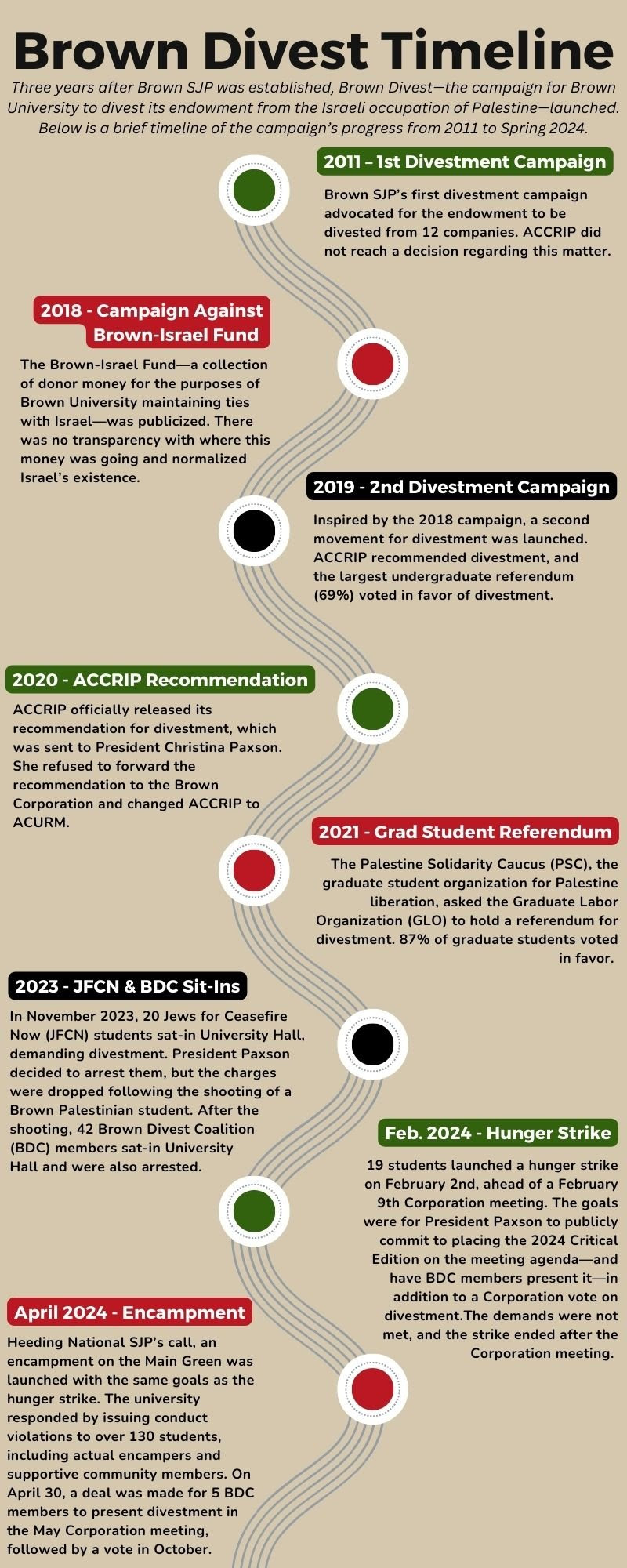
 israel-academia-monitor.com