Some crucial developments concerning Israel that occurred in the last few days are worthy of attention.
In Canada, McGill University has warned the Students’ Society of McGill University (SSMU) after students voted overwhelmingly for the “Palestine Solidarity Policy last month.” The resolution commits SSMU to take a stand against “Israel’s system of racial discrimination.” In response, B’nai B’rith, the Jewish organization in Canada, released a statement labeling SSMU’s behavior as antisemitic. B’nai B’rith called on McGill University to “immediately cease funding SSMU until it rescinds this bogus referendum result.” The administration responded to the resolution by threatening to terminate its Memorandum of Agreement with SSMU, which regulates fees, the use of the name, etc. The administration claimed the Palestine Solidarity Policy encourages “a culture of ostracization and disrespect due to students’ identity, religious or political beliefs.”
In turn, pro-Palestinian activists announced that Mcgill “waged a multiyear campaign against student democracy and Palestinian solidarity” because SSMU calls for divesting from and boycotting “corporations and institutions complicit in settler-colonial apartheid against Palestinians.” Pro-Palestinians now urge the community to act. “It’s important for outside forces to publicly embarrass McGill’s administration, pressure wobbly student representatives and embolden the student organizers driving the struggle on campus. As the Israel lobby fully understands, the struggle for Palestinian rights runs through student activism.”
There are also battles in Germany, where pro-Palestinian activists complain that Germany’s foreign policy is pro-Israeli. For this, they recruited Ilan Pappe, an Israeli professor and former lecturer at the University of Haifa, a notorious Israel-hater. Pappe wrote an appeal to the German government, asking it not to be “twice on the wrong side of history.” He claims that Israel’s policy towards the Palestinians is “racist to its very core… You would have expected Germany to lead the anti-racist campaign, not only in Europe but in the world at large, instead of leading the support, as a state, to one of the longest racist projects in our times in the historical land of Palestine.” For Pappe, “There is no telling when and how this erroneous and immoral German position will come back to haunt Germany.”
Pappe has a long history of using academic writings to trash Israel while whitewashing Palestinian conduct. For instance, in TheRise and Fall of a Palestinian Dynasty: The Husaynis, 1700–1948, he downplayed several well-documented examples of Haj Amin Al-Husseini, the Palestinian Mufti’s incitement to violence and especially his high-profile advocacy of the Nazi Final Solution, and his contribution to the Nazi war efforts. Pappe complained that “Israeli historiography would claim, with very little evidence, that by this time the Mufti endorsed the Nazi ideology.” But later admitted that the “Palestinian historiography was long uncomfortable” with discussing the Mufti’s and Nazi Germany’s “ill-fated liaison.” Pappe explained that the Mufti and his pro-Nazi associates were “a few individuals who were detached from Palestine and its politics.” Pappe emphasized that the Mufti’s “identification with the Nazi death machine made it difficult for him to reintegrate into Palestinians politics.” Still, Pappe lamented that “many historians in the world, especially in Israel, have depicted him as a mini Hitler, unjustifiably and inaccurately.” Pappe’s lack of moral integrity is especially galling because he calls himself the son of Holocaust survivors.
Throughout the years, whitewashing the Holocaust earned Pappe admirers in Iran, where the regime has engaged in a decades-long effort of Holocaust denial. As well known, the Iranian authorities had invited notorious Holocaust deniers from Europe and the United States to frequent Holocaust denial conferences. Pappe’s writings on how Israel exploited the Holocaust to subjugate the Palestinians have been translated into Farsi and featured on some of the regime’s propaganda platforms.
In the UK, the BDS movement has encountered some strong headwinds. The Queen’s Speech marking the opening of the British Parliament announced that legislation would be introduced to stop BDS policies that target Israel. The annual address to parliament, outlining the government’s plan for the next session, confirmed the inclusion of the anti-BDS Bill this year to “prevent public bodies engaging in boycotts that undermine community cohesion.” The Bill would empower the government to ban public bodies from conducting boycott campaigns against foreign countries or officials “inconsistent with official UK policy.” The British government has argued that the “boycotts may legitimize and drive antisemitism” by too much focus on Israel. Once the Bill is passed, Britain would lead in this regard, and other countries might follow.
The McGill administration and Israel lobby have waged a multiyear campaign against student democracy and Palestinian solidarity and recently threatened the Students’ Society of McGill University (SSMU) financial arrangement after students voted overwhelmingly for the “Palestine Solidarity Policy”.
A month ago, 71% of students voted for a resolution that commits SSMU to take a stand against Israel’s system of racial discrimination. The resolution called for a host of measures including SSMU divesting from and boycotting “corporations and institutions complicit in settler-colonial apartheid against Palestinians.” In response, B’nai B’rith released a statement labeling “SSMU’s behavior…antisemitic”. It “called on McGill University to immediately cease funding SSMU until it rescinds this bogus referendum result.”
The administration responded by threatening to terminate its Memorandum of Agreement with SSMU, which regulates fees, use of name and other matters between the university and student union. The administration claimed the Palestine Solidarity Policy encourages “a culture of ostracization and disrespect due to students’ identity, religious or political beliefs.” But the resolution does not mention any ethnicity or nationality.
The administration’s bid to portray their student body as anti-Jewish is not new. As students have sought to express support for the long-oppressed Palestinians, they’ve repeatedly made similar claims.
Between 2014 and 2016 there were three votes inspired by the Boycott Divestment and Sanctions movement at biannual SSMU general assemblies. Fearing students at the prestigious institution would support BDS, the Israel lobby went into overdrive. Among a slew of pressure tactics, they got Liberal party leader Justin Trudeau to tweet that “the BDS movement, like Israeli Apartheid Week, has no place on Canadian campuses. As a McGill alum, I’m disappointed. Enough is Enough.”
In February 2016 a motion mandating the student union support some BDS demands passed the union’s largest ever general assembly. But after the McGill administration, Montreal’s English media and pro-Israel Jewish groups blitzed students the online confirmation vote failed. The resolution’s constitutionality was subsequently challenged by Zionists who sought to have SSMU’s Judicial Board outlaw any motion that expressed support for BDS.
Students challenged the effort to block their ability to collectively challenge Israeli apartheid. An October 2017 challenge of the SSMU Judicial Board’s decision to declare a BDS resolution unconstitutional prompted Canadian Jewish Political Affairs Committee activist Noah Lew to smear other students. After failing to be re-elected to the Board of Directors Lew claimed he was “blocked from participating in student government because of my Jewish identity and my affiliations with Jewish organizations.” Lew’s claim received international coverage and McGill Principal Suzanne Fortier sent out two emails to all students and faculty concerning the matter.
But an investigation by the administration found no basis for Lew’s claim.
The principal form of racism on display on this subject is the university power structure’s deep-seated anti-Palestinianism. As I previously detailed, McGill administrators openly associated with the Jewish National Fund, an explicitly racist organization that excludes Palestinian citizens of Israel from living on land stolen from Palestinians.
Fortunately, students have persevered in campaigning for Palestinian rights despite the smears, underhanded moves and outside attacks. The large margin that voted for the recent Palestine Solidarity Policy suggests that support for Palestinian rights is growing.
But Israel lobby and administration pressure led SSMU’s unelected judicial board to reject the constitutionality of the Palestine Solidarity Policy. They also impeached the elected president of the student union, Darshan Daryanan, in part due to his sympathy toward student democracy and Palestinian rights.
Happily, there’s some pushback. Students have organized rallies and outside groups have petitioned the administration. Rock legend Roger Waters, author Yann Martel, former MP Libby Davies, author Chris Hedges and 200 others signed a recent public letter criticizing the administration’s threats as anti-democratic and anti-Palestinian. Signed by 40 organizations, the letter also applauds McGill students for pushing their union to fulfill its stated commitment to leadership in “matters of human rights and social justice.”
It’s important for outside forces to publicly embarrass McGill’s administration, pressure wobbly student representatives and embolden the student organizers driving the struggle on campus. As the Israel lobby fully understands, the struggle for Palestinian rights runs through student activism.
– Yves Engler is the author of Canada and Israel: Building Apartheid and a number of other books. He contributed this article to The Palestine Chronicle. Visit his website: yvesengler.com.
bill aims to prevent boycotts which ‘may legitimise and drive antisemitism’
By LEE HARPIN May 10, 2022, 11:45 am
Legislation aimed at stopping local councils bringing in Boycott, Divestment and Sanctions (BDS) policies that target Israel have been announced in today’s Queens Speech marking the state opening of parliament.
The yearly address to parliament, which outlines the government’s agenda for the next session, confirmed the inclusion of the government’s anti-BDS proposals which would “prevent public bodies engaging in boycotts that undermine community cohesion.”
The BDS and Sanctions Bill follows a 2019 Conservative Party manifesto commitment to preventing local authorities from “adopting their own approach to international relations.”
It was one of 38 Bills announced by the government on Tuesday, alongside moves to bring in criminal offences against protesters who cause serious disruption, and the replacement of the Human Rights Act with a British Bill of Rights.
Prince Charles took on the head of state’s ceremonial duty on Tuesday, reading out the Queens Speech on behalf of the Queen, who “reluctantly” announced she would miss the state opening of parliament the previous day.
Reading the speech, the Prince of Wales confirmed the inclusion of the anti-BDS Bill which would ban “boycotts that undermine community cohesion.”
Last year former Communities Secretary Robert Jenrick told a communal event it was his New Year wish for parliament to pass a law imposing “an absolute ban” BDS.
Jenrick’s successor in the role, which now includes Levelling Up duties, Michael Gove has long been an outspoken opponent of BDS.
Speaking to MPs in the Commons in March, Gove said that one way of tackling the “evil of antisemitism” was to “stand up to the BDS campaign.”
Arguing the case for an anti-BDS Bill, the government has now argued “boycotts may legitimise and drive antisemitism” by focusing so much on Israel.
The Bill aims to empower government to ban public bodies who conduct their own boycott campaigns against foreign countries or officials, when they are “inconsistent with official UK policy.”
It would also prevent public institutions from using BDS to target the sale of goods and services from foreign countries, and UK firms which trade with such countries or territories.
The government has responded angrily to motions passed by councils such as Lancaster City Council, which in June 2021 passed BDS motions against Israel, and Leicester City Council, who voted to boycott goods from Israeli settlements in 2014.
The Bill has also taken into consideration evidence suggesting boycotts have gone beyond targeting just the state of Israel and have “contributed to the horrific rise of antisemitism in the UK.”
It is claimed kosher food had been removed from supermarket shelves, Jewish films have been banned from festivals and Jewish student societies have been blocked as a result of “unofficial boycotts.”
Boris Johnson has included similar commitments to tackle the BDS movement over claims they “overwhelmingly target Israel” in the last two Queens Speeches.
The Duke of Cambridge was also alongside Prince Charles at the state opening of parliament.
The decision to allow Charles to read the speech with Prince William required a special rule change in the form of a legal instrument known as Letters Patent.
May 9, 2022 Activists protest against the anti-BDS resolution adopted by German parliament. (Photo: Courtesy of BDS Website)
By Ilan Pappe
There is no doubt that Nazi Germany was on the wrong side of history, and it took an enormous amount of international effort to bring Germany over to the other side of history after the end of the Second World War. A noble way of doing it was by strengthening the democratic basis of post-Nazi Germany, and by re-writing its educational curricula as well as granting it a leading role in the struggle against racism at the heart of the continent. This was complemented by a noble attempt to regulate the local arms industry and arms exports so as to ensure as a comprehensive restitutive process as possible.
However, one important element of this restitution, still believed to be crucial by the German political system, is unconditional support for Israel. A position that creates the impression that Germany, as a State, might err again. This time, it is much less dramatic than the previous deviation from normalcy and humanity but, nonetheless, is highly worrying and deeply disappointing that Germany as a State – and hopefully not its society – did not deduce fully and honestly the moral lessons its darker history should have taught it.
Germany, that is West Germany until the late 1980s, and the West in general, believed that the road to West Germany’s rehabilitation and re-admission to the “civilized nations” had to go through the legitimization of the colonization of Palestine. Thus, within three years after the end of the Second World War, the West was asking the world to grant, simultaneously, legitimacy for the new Germany and for the creation of a Jewish State over much of historical Palestine, as if the two demands were logically and, worse still, morally connected. Hence, Israel became one of the first states to declare that there was a “new Germany”, in return for unconditional support for its policies, complemented by huge financial and military aid from West Germany.
After the unification of Germany and the hegemonic role it played since then in the EU foreign policies, the German position on Israel and Palestine became paramount and influenced the continent’s overall policy. It is only recently that those of us who are active for, and on behalf of, Palestine noted the slippery road on which Germany – as a state – slides once more onto the wrong side of history.
It was unavoidable that large sections of the German Civil society, especially among the younger generation, would navigate successfully between their acknowledgment of the Nazi past and their contemporary local and international moral agendas. In fact, the past produced a generation of conscientious young Germans joining others in the West in fighting for human and civil rights, wherever they are violated.
For any German with a modicum of decency in them, it would be impossible to exclude from this moral conversation the racist Israeli policies. The inevitable result was the emergence of a strong German solidarity movement with the Palestinian people and their just struggle for liberation.
As happened elsewhere, in particular after the First Intifada, and even more so in this century, Israel reacted forcefully to this shift in European public opinion. When this original solidarity impulse swelled into a massive social movement, galvanized and encouraged by initiatives such as the BDS – Israel went to war. Israel weaponized anti-Semitism and Islamophobia in order to prod the German political system to do its utmost to silence the more conscientious voices in its civil society.
I experienced the result of this campaign. Every now and then, my lectures in Germany were canceled at the last moment, and the organizers had to move me and other speakers to alternative venues, organized in haste and with little time to re-publicize the events, which was the main purpose of these acts of intimidation from above.
German politics deteriorated further and even deeper into a moral abyss when, on May 17, 2019, almost three years ago to date, the German federal parliament – the Bundestag – passed a resolution in which the BDS movement was condemned as anti-Semitic. Governmental institutions of Germany were called on not to support any activities of the BDS movement or any groups that “are anti-Semitic and/or demand the boycott of Israelis and Israeli companies and products”. This unusual move of the parliament was consensually endorsed by all the political parties: the Christian Union parties (CDU and CSU), the Social Democrats (SPD), the Liberal Party (FDP) and the Green Party.
The distorted logic of this resolution is based on equating anti-Semitism with criticism of Israel and Zionism. Since it was passed, it led to the cancellation of academic and cultural events associated with Palestine or – which is more draconian – it applied to any event organized by people known to be pro-Palestinian. Moreover, German citizens were in danger of losing their jobs and jeopardizing their career prospects if they take part in pro-Palestinian demonstrations or any act of solidarity.
In its overall foreign policy, Germany is no different from other member states of the EU. A policy which is a mixture of indifference towards Israel’s abuse of Palestinian rights, while solidifying strategic, military and economic ties with Israel. At the same time, it succumbs to pro-Israeli lobby groups in an attempt to bring down politicians who dare to identify with the Palestinian cause and stifles any significant debate on Zionism and Israel’s policy. In Germany, however, the policy of silencing is even more draconian, and the military aid and economic connections are even stronger than of any other EU member State.
This is not just fear of Israel or guilt about the Holocaust. These factors are important but there is another darker history that official Germany does not want to face. Even a relatively cursory discussion on Germany’s responsibility for the suffering of the Palestinians will show clearly that it was post-Nazi Germany that enabled the world to absolve, not only West Germany but Europe as a whole, from the Holocaust, by fully supporting the dispossession of the Palestinians. It was much easier to choose this road to rehabilitation than to properly deal, not only with anti-Semitism, but with all forms of European racism, manifested mainly nowadays as Islamophobia, but also as racism against “non-European” or “non-white” minorities all over the continent.
Israel’s policy towards the Palestinians is racist to its very core, and one cannot create hierarchies of racism or a club of “accepted” racism, or a legitimate one. You would have expected Germany to lead the anti-racist campaign, not only in Europe but in the world at large, instead of leading the support, as a state, to one of the longest racist projects in our times in the historical land of Palestine.
There is no telling when and how this erroneous and immoral German position will come back to haunt Germany. What is clear, and encouraging, is that there are a large number of Germans who do not want to slide on this slippery road and are doing all they can to stop this immoral deterioration and demanding the making of a real “new” Germany, which we are all craving for as conscientious and moral human beings.
– Ilan Pappé is a professor at the University of Exeter. He was formerly a senior lecturer in political science at the University of Haifa. He is the author of The Ethnic Cleansing of Palestine, The Modern Middle East, A History of Modern Palestine: One Land, Two Peoples, and Ten Myths about Israel. Pappé is described as one of Israel’s ‘New Historians’ who, since the release of pertinent British and Israeli government documents in the early 1980s, have been rewriting the history of Israel’s creation in 1948. He contributed this article to The Palestine Chronicle.
Dr. Anat Matar, a senior lecturer in the Department of Philosophy at Tel Aviv University, has recently hit the news with her Facebook post ahead of Independence Day. Her post referred to the many Israeli flags hanging from the ceiling of the Library of Humanities at Tel Aviv University, and she stated, “this is what a disease looks like.”
IAM has been reporting on the anti-Israel activities of Matar since 2004.
Matar has abused her academic position because she did not publish enough in her field; as a result, she was never promoted above senior lecturer. At the same time, Matar remade herself as a “legal expert,” without having the academic qualifications, fighting for the rights of Palestinian terrorists in Israeli prisons where she described them as political prisoners. Tel Aviv University should have renounced such a breach of conduct but failed to do so.
Matar is a pro-Palestinian activist who never renounced terrorism against the Israeli public and never complained that Palestinian flags are a disease, only Israeli flags.
Matar is a busy pro-Palestinian activist. She has recently moderated a lecture by Dr. Honaida Ghanim, a lecturer from Bir Zeit University in the Palestinian Territories, on “Post-justice, exceptionalism, and the normalization of Apartheid.” Matar opened the event by saying (03:51): “the oppressive Israeli occupation has put innumerable obstacles which made research and study they are practiced in every academic institution throughout the world utterly impossible, yesterday we got the news of an army raid into the Palestine technical university in Kaduri in Tulkarm 51 students were injured two in live bullets nine with metal bullets and the rest suffocated from gas, a month ago we have learned from Amira Hass’s report in our outlets of a set of procedures issued by the occupation’s so-called defense ministry according to which the coordinator of government activities in the territories has the full authority to approve the entry of academic academic visitors judging among other parameters their academic contribution so the military is to decide about the academic worth of people, these are only the very recent news we have grown accustomed to read on students and faculty’s arrests raids into campuses like we had yesterday roadblocks hindering free movement and so on but these violent interruptions actually make it difficult to see the harsher everyday reality of an academic life under oppression the scarcity of means difficulties in keeping contact with colleagues abroad etc the Bisan Center for Research and Development is part of the Palestinian research community last october it was one of six of the six organizations declared by Benny Ganz as terror organizations and later on it was revealed that the Iphone of Ubai Aboudi, the center’s head, was hacked through the NSO spyware this is the context in which we in Scientists for Palestine have decided on the prestigious monthly lecture series the first first lecture was given by Nobel Prize laureate George Smith was with us today and can be found in Scientists for Palestine site.”
Matar has also been among the signatories of a recent petition, the “Declaration of solidarity with the administrative detainees.” Pledging to “boycott the Israeli legal system for as long as Palestinian prisoners remain on strike.” The declaration states, “We, the undersigned, citizens and residents of Israel, hereby declare that in solidarity with the Palestinian administrative prisoners’ strike, we will refuse to cooperate with the Israeli courts in any event in which the authorities will arrest or charge us for resisting the occupation and Apartheid. The strike of administrative prisoners who refuse to cooperate with the Israeli military courts is intended to bring to light the simple fact that the courts serve as a rubber stamp for illegal arrests and are absent even from the appearance of a fair trial. Administrative arrests are another tool of the occupation, a tool that the military courts – also part of the occupation mechanism – use regularly. In solidarity with the striking prisoners, and as long as their strike continues, we will refuse to appear, accept conditions or cooperate with the Israeli courts in any way. We call on the citizens of Israel to join us in calling for an immediate cessation of the wholesale use of administrative detentions.”
In November 2021, Matar participated in a webinar titled “In Defense of Palestinian Civil Society,” discussing the Israeli Minister of Defense’s decision to designate six Palestinian organizations as terrorist organizations. Matar is a member of the group Scientists for Palestine, which published the webinar online and announced hosting Matar, an “Israeli professor and long term activist for Palestinian rights, who will discuss the response of Israeli academia. We believe that as member of the international scientific and academic community, we must respond firmly to this unprecedented attack to academic freedom. Join us in this opportunity to learn first hand, how best to connect, and no longer remain silent!”
Not only that Matar participates in the Bisan Lecture Series, an organization accused of having ties to terrorism, but she also has been pushing for BDS for many years. She got away with it because it is considered part of her academic freedom. Her radical academic cohorts, i.e., the group Academia for Equality, have supported and enabled her anti-Israel stand. Tel Aviv University refuses to act, leaving the Israeli taxpayers to pay the bill.
A lecturer at Tel Aviv University called the flag: “disease” and attacked: “enemy”
May 1, 2022
Dr. Anat Matar, one of the senior lecturers at Tel Aviv University, managed to upset quite a few media people after claiming that hanging Israeli flags: “This is what a disease looks like.” Meter received many condemnations and harsh statements about the style she presented regarding one of the country’s symbols.
Journalist Irit Linor validates: “Dr. Anat Matar is a senior lecturer in the Department of Philosophy at Tel Aviv University. A review of Wikipedia shows that she is active in Ta’ayush, in 2010 she signed an open letter to the Boston Science Museum, whose signatories called the Technion a “university that prepares murder tools” and condemned the museum’s decision to present an exhibition of Israeli inventions, arguing that the exhibition is a propaganda tool. From “Israel’s war crimes.” In May 2021, she was among the signatories to a letter addressed to the International Criminal Court in The Hague regarding the Israeli government in Judea and Samaria, calling on the court not to trust the official bodies of the State of Israel, and to investigate what happened. “
She wrote: “I am not a doctor, nor is it a meter, but speaking of diseases, I will make two diagnoses: one, a country that pays a salary from the public coffers to those who work against it, may not be a sick country, but also not one hundred percent in the health line. “I did not read it, but it seems to me that moral poverty is to be disgusted by state flags, but to have fun taking state money.”
Shai Golden added: “Meanwhile, between Holocaust Remembrance Day, the Day of Remembrance for the Martyrs of Israel and the Victims of Hostility, and Independence Day – perhaps the holiest week for seculars (if there is any element of sanctity in Israeli civil secularism, that’s it) a lecturer at Tel Aviv University encounters this demonstration. And feels sick. “Illness”, she calls it. And does not understand that the illness is hers. And with her. And the mental and intellectual problem is hers. On the eve of Independence Day, Dr. Anat Matar and her friends do not understand some of what they are at all, and why they teach at an Israeli university in the State of Israel in general. People like Dr. Anat Matar are in general the enemies of Israeli education and progress. Certainly also their own enemies and their people and their country and their country. ”
He further claimed: “A group of suicides took over the academy in Israel. A group of suicides. We will not commit suicide together with them. It will not happen. We are objects of life and objects of identity, and love for your nation and proud externalization of your identity Human. And as for the identity of the “disease” and the identity of the “sick” by the meter, we will leave it to the reasonable eye and the basic mind to decide. Either way: we will not commit suicide. “They want us all to commit suicide with them. And that will not happen. In fact, he will.”
מרצה באוניברסיטת ת”א על דגלי ישראל: “ככה נראית מחלה”
ד”ר ענת מטר מהחוג לפילוסופיה התייחסה בחשבון הפייסבוק שלה לדגלי ישראל שנתלו בקמפוס לקראת יום העצמאות • אוניברסיטת תל אביב: זה חשבונה הפרטי, אין לכך קשר לאוניברסיטה
ניצן שפירא|N12| פורסם 01/05/22 10:50
“ככה נראית מחלה” – התבטאות חריגה של ד”ר ענת מטר, מרצה בכירה באוניברסיטת תל אביב עוררה סערה בסוף השבוע. המרצה התייחסה לדגלי ישראל שנתלו בספריית מדעי החברה, חינוך וניהול בחשבון הפייסבוק שלה.
באוניברסיטת תל אביב התנערו מן הדברים של ד”ר מטר ומסרו ל-N12: “כנהוג לקראת יום העצמאות, קמפוס האוניברסיטה נצבע בכחול לבן. האמירה נאמרה בפייסבוק הפרטי של המרצה ואין לכך קשר לאוניברסיטה”.
לד”ר מטר פעילות אקדמית ופוליטית ענפה בעשורים האחרונים. בשנת 1994 היא קיבלה את תואר הדוקטור שלה, על עבודת דוקטורט שעשתה באוניבריסטת אוקספורד ובתל אביב על השקפת עולמו של הפילוסוף מייקל דאמט. היא מזוהה בדעותיה הפוליטיות עם מפלגת חד”ש, ופעילה בתנועות רבות שמתנגדות לכיבוש, בהן קואליציית נשים לשלום, תעאיוש ואקדמיה לשוויון. פעילותה מתמקדת בתמיכה באסירים הפוליטיים הפלסטינים ובסרבני גיוס, וכן ביחס העולם לאקדמיה הישראלית.
אקדמיה לשוויון תומכת בחברת א”ש ד”ר ענת מטר ובזכותה לומר את דבריה לגבי הטעם הרע שיש בקישוט מסיבי ומתריס של חלל הספרייה של מדעי החברה והניהול באוניברסיטת ת”א. אנו ״אקדמיה לשוויון״ רואים כי יש לענת זכות להביע את דעתה על ״הקישוט״ שנעשה בצורה בוטה ומוגזמת. יש לומר כי ענת הובנה לא נכון, היא לא מחתה על עצם הצבת הדגלים אלא על ״המחלה״ שבהצפת הדגל כל כך הרבה פעמים בחלל אחד סגור. יחד עם זאת, אנו מציינים את הטעמים הפגומים והמוגזמים שיש ב״קישוט הכיתה” בדגלים בחלל האוניברסיטה באופן אשר מטרתו הברורה הינה הכרזתו של המובן מאליו כאלימות מדירה ויצירת פרובוקציה מיותרת.
האוניברסיטה ככלל וספריית האוניברסיטה בפרט הן מרחבי לימוד, מחקר וחופש אקדמי. אלו מרחבים שאמורים לקבל ולהכיל את מגוון הדעות ללא הבדלים של גזע, דת ולאום. כאשר מגבילים את תכולת המקום באופן משתמע אך ברור באמצעות סמלים לאומיים המדירים או קובעים הבחנה בין קהל משתמשי הספרייה והאוניברסיטה, יש מקום לערער על “הלגיטימיות של הקישוט”. יש מקום להרהר בקול, באמירה כתובה ובביטוי סמלי, על הקשר הישיר שבין הדרה באמצעות המובן מאליו שנקרא ״קישוט״. להדרה כזאת אין מקום במוסד שאמור להיות מודל של הכלה ומחקר, המשלב חופש מחשבה והתרועעות.
על הנהלת הספריה להבין כי הצבת מאות דגלים בחלל הלימוד המשותף עלולה לפגוע בחוויית הביטחון ובחירות האקדמית של סטודנטים/ות פלסטינים/ות בקמפוס ועלולה לתרום לתחושת הניכור. עבור סטודנטים אלה הדגל עלול לבטא לא חירות ועצמאות אלא עליונות יהודית מתמשכת שבאה לשלוט גם במרחב האקדמי שלהם. לא ניתן לצפות מהם לשבת ללמוד תחת ים הדגלים אשר מדירים אותם, בעוד שהם יודעים שאם יעזו להביע דיעה בנדון או להניף דגל פלסטין הם עלולים למצוא את עצמם מוזמנים לדין משמעתי או גרוע מכך.
האסיפה השנתית של ״אקדמיה לשוויון״ מתעתדת לדון, בין היתר, באוניברסיטה כמרחב שבו אמור להתנהל שיח חופשי, פתוח ומכיל ללא אפליה או גזענות. ההתנפלות על דבריה הלגיטימיים של ד״ר ענת מטר, היא דוגמה מצויינת כיצד המובן מאליו הלאומי ובעיקר ההתרסה הלאומנית, מהווים איום ממשי על פרטים וממשטרים את היכולת לחקור, לדבר, לדון ולהציג בחופשיות תפיסות עולם הנוגדות את אלימותו של ״המובן מאליו״ של קול ההמון שבמקרה זה אינו קול שדי.
Wednesday’s lecture about “Bisan Lecture Series: Post-justice, exceptionalism, and the normalization of Apartheid”, by Dr. Honaida Ghanim, will be moderated by Anat Matar!
50+ Israelis, including renowned academics Dr. Anat Matar, Yehouda Shenhav, activist Jonathan Pollak, and ISM co-founder Neta Golan, have publicly pledged to boycott the Israeli legal system for as long as Palestinian prisoners remain on strike.
Their statement joins calls from Palestinians and internationals, for the Israeli apartheid regime to #EndAdministrativeDetention, a cruel and colonial practice under which Palestinians can be imprisoned indefinitely without charges or a trial. Palestinians like teenager Amal Nakhleh have spent months or even years in prison, without ever being told why.
אנו החתומים מטה, אזרחי ואזרחיות ישראל, תושבי ותושבות ישראל, מצהירות ומצהירים בזאת כי בסולדריות עם שביתת האסירים המנהליים הפלסטינים נסרב לשתף פעולה עם בתי המשפט הישראלים בכל מקרה בו המשטר הישראלי יעצור אותנו או יפתח מולנו בהליכים בעקבות התנגדותנו לכיבוש ולאפרטהייד. שביתת האסירים המינהליים המסרבים לשתף פעולה עם בתי המשפט הצבאיים הישראלים, נועדה כדי להציף את העובדה הפשוטה כי בתי המשפט משמשים חותמת גומי למעצרים בלתי חוקיים ונעדרי אפילו מראית עין של הליך הוגן. המעצרים המנהליים הם כלי נוסף של הכיבוש, כלי שבתי המשפט הצבאיים – גם הם חלק ממנגנון הכיבוש – מכשירים באופן קבוע.
בסולדריות עם האסירים השובתים, וכל עוד שביתתם תמשך, נסרב להתייצב, לקבל תנאים או לשתף פעולה עם בתי המשפט הישראלים בכל דרך. אנו קוראים וקוראות לאזרחי ואזרחיות ישראל להצטרף אלינו לקריאה להפסיק את השימוש הסיטונאי במעצרים מנהליים לאלתר.
מוזמנות לחתום ולהפיץ (ניתן גם לחתום עם שם פרטי בלבד).
بيانٌ تضامنيّ مع المعتقلين الإداريين في سجون الاحتلال الإسرائيليّ
نحنُ، الموقّعون أدناه، سكّان الكيان الصهيونيّ وسكّان مدينة القدس المحتلّة، وتضامنًا مع المعتقلين الإداريين، نعلن رفضنا التعاون مع المحاكم العسكرية الاستعمارية الإسرائيلية في حال اعتقالنا ومحاكمتنا بتهمة مقاومة الاحتلال. إنّ إضراب الأسرى الإداريين الذين يرفضون التعاون مع المحاكم العسكرية الاستعمارية هدفه تسليط الضوء على طبيعة المحاكم التي تشرعن الاعتقال التعسّفيّ بحق المقاومة، حيث أنّ الاعتقال الإداريّ والمحاكم العسكرية من الأدوات التي يستخدمها الاحتلال بشكلٍ اعتياديّ ضد الذين يقاومونه. تضامنًا مع الأسرى المضربين، وما دام إضرابهم مستمرًّا، سوف نرفض المثول أمام المحاكم، التعاون معها، أو الموافقة على شروطها. نطالب سكّان الكيان الصهيونيّ بالانضمام إلينا في المطالبة اجتثاث منظومة الاعتقال الإداريّ.
Declaration of solidarity with the administrative detainees We, the undersigned, citizens and residents of Israel, hereby declare that in solidarity with the Palestinian administrative prisoners’ strike, we will refuse to cooperate with the Israeli courts in any event in which the authorities will arrest or charge us for resisting the occupation and Apartheid. The strike of administrative prisoners who refuse to cooperate with the Israeli military courts is intended to bring to light the simple fact that the courts serve as a rubber stamp for illegal arrests and are absent even from the appearance of a fair trial. Administrative arrests are another tool of the occupation, a tool that the military courts – also part of the occupation mechanism – use regularly. In solidarity with the striking prisoners, and as long as their strike continues, we will refuse to appear, accept conditions or cooperate with the Israeli courts in any way. We call on the citizens of Israel to join us in calling for an immediate cessation of the wholesale use of administrative detentions.
A conversation with Ubai Aboudi, director of the Bisan Center in Ramallah, and Sahar Francis of Addameer, two of the six Palestinian civil society organizations labeled “terrorist” by the Israeli government.
On Friday October 22nd, Israel’s Ministry of Defense, in a troubling decision, designated six prominent Palestinian human rights organizations as “terrorist organizations.” This move has sent shockwaves across Palestinian civil society and raised alarms throughout the international community. The decision was made based on so-called “secret evidence” that is essentially impossible to verify. Opposition to the extremely alarming decision has been remarkable, including among Israeli civil society and academics.
Among the organizations included in this designation, is the Bisan Center for Research and Development, one of Scientists for Palestine main partners in Palestine. The Bisan Center has many international partners and an exemplary reputation among scholars and educators. The other five organizations are Addameer, Al-Haq, Defense for Children International-Palestine, The Union of Agricultural Work Committees, and The Union of Palestinian Women’s Committees.
Moderated by Mario Martone, co-founder of Scientists for Palestine.
Ubai Aboudi from the Bisan Center and Sahar Francis from Addameer. As directors of some of these organizations, they discuss the consequences of this decision.
Anat Matar is an Israeli professor and long term activist for Palestinian rights, who discusses the response of Israeli academia.
We believe that as member of the international scientific and academic community, we must respond firmly to this unprecedented attack to academic freedom. Support the campaign #StandWithThe6.
After years of advocacy, the BDS, which initially focused on the Israeli “occupation” and “apartheid policies,” has evolved into effort to discredit the existence of the Jewish State.
The United Kingdom, a country with dozens of BDS initiatives is a case in point. The SOAS Palestine Society, which works within the School ofOriental and African Studies (SOAS) University, recently published an announcement on Twitter, stating that, “Acknowledging Israel as an Apartheid state didn’t start with recent Amnesty International, Human Rights Watch & B’Tselem reports – all of which turn a blind eye to the fact that Israel’s Apartheid practices are tools of maintaining its settler-colonial regime since the 1948 Nakba.”
In other words, the Palestinian Nakba in 1948, that is, the failure of the Palestinians and their Arab allies to dismantle the nascent State of Israel, is the real focus behind BDS. It is not about the consequences of the Six Days War but rather Israel’s founding.
The SOAS’ Palestine Society has also urged SOAS University to end a partnership with Israel’s Haifa University because it provides degrees to the Israeli army. The school administration ordered the security personnel to forcibly remove the students who occupied the university premises. The university’s Palestine Society demanded a boycott of Haifa University and for SOAS to cut ties with a “settler-colonial state.”
Worth noting that the University of Haifa is also the home of a large number of Arab students.
Particularly glaring is the involvement of academics in spreading initiatives through Arab media. For example, the New Arab, also known as Al-Araby Al-Jadeed, is a pan-Arab media outlet headquartered in London. It was launched in 2014 by the Qatari company Fadaat Media, by former MK Azmi Bishara who succeeded in escaping Israel after espionage allegations.
The Young Arab published the following articles, written by academics and students in the past month.
In “BDS is the key to academic freedom,” Samar Saeed, a PhD candidate in the History Department at Georgetown University, wrote. “The historic passing of BDS by The Middle East Studies Association should be celebrated for strengthening academic freedom and countering Israel’s implication of institutions within the oppression of Palestinians.”
Samar Saeed published another article, “Standing with Palestine requires challenging the myth of ‘non-political’ institutions Perspectives.” In this view, the MESA vote for BDS provides “a framework for MESA to uphold the BDS call released by Palestinian civil society in 2005, which includes enforcing an academic boycott of Israeli institutions.” MESA’s scholars and students have been actively laying the groundwork for this moment for many years, according to Judith Tucker, professor of history at Georgetown and former MESA president. “In 2015, we passed a resolution which aimed to position BDS as a central theme of conversation in MESA’s organized conferences, panels, and debates,” Tucker said. Amending MESA’s bylaws was also necessary. “MESA’s bylaw stated that the institution was non-political and therefore when we started debating BDS, the bylaws did not allow us to adopt it. We started working on changing that.”
Yara Derbas is a Palestinian undergraduate student in Social Anthropology at SOAS. Her dissertation focuses on the fragmentation of the Palestinian political movement in Britain. Derbas published the article “Defending the radical tradition of Israeli Apartheid Week.” She wrote that “In the face of rampant government and institutional repression, university students across the UK must uphold the political roots of Israeli Apartheid Week and sustain the struggle for Palestinian liberation year-round.” For her, “The time comes every year for students to begin planning for Israeli Apartheid Week (IAW) at their respective universities, with the intention of raising political consciousness around Palestine on campuses.” In other words, delegitimizing Israel is a tool for preventing the fragmentation of the “Palestinian political movement.”
The Young Arab also published articles on BDS efforts beyond the UK, such as BDS struggles in Leiden University in the Nederlands and a call to boycott a cultural festival in Australia that hosts Israelis.
An analysis of the initiatives clarifies that BDS is a dual-purpose tool. Its propaganda masquerading as scholarship serves to delegitimize Israel in the community of nations. But it also serves as a tool to build identity and cohesion among the Palestinian diaspora in the West. Maligning the “other” is a time-honored way to stop the identity erosion of second and third-generation Palestinians who have no personal recollection of their “lost homeland.” Paradoxically, without the “Palestinian struggle for national liberation,” nothing would be left to tie them together.
References:
Acknowledging Israel as an Apartheid state didn't start with recent Amnesty International, Human Rights Watch & B'Tselem reports – all of which turn a blind eye to the fact that Israel's Apartheid practices are tools of maintaining its settler-colonial regime since the 1948 Nakba pic.twitter.com/AZeMBFoEfv
— SOAS Palestine Society (@SOAS_Palestine) March 17, 2022
Acknowledging Israel as an Apartheid state didn’t start with recent Amnesty International, Human Rights Watch & B’Tselem reports – all of which turn a blind eye to the fact that Israel’s Apartheid practices are tools of maintaining its settler-colonial regime since the 1948 Nakba
19 Apr, 2022 The historic passing of BDS by The Middle East Studies Association should be celebrated for strengthening academic freedom and countering Israel’s implication of institutions within the oppression of Palestinians, writes Samar Saeed.
Student activists have been crucial in BDS victories within academic institutions.
The Middle East Studies Association (MESA) last month endorsed the Palestinian call for Boycott, Divestment, and Sanctions (BDS) against the state of Israel. MESA, the most prominent association representing scholars and students studying the Middle East and North Africa, ratified the resolution by referendum. Nearly half of all members participated, which is the largest voter turnout in MESA’s history, and 80% of those who did voted in favour of BDS.
The historic vote is a testament to collective organising carried out by faculty and graduate students over the past decade—producing critical knowledge on Palestine and Israel across academic disciplines, educating colleagues about Israeli settler-colonial policies in Palestine including at Israeli universities, and insisting that academic freedom for all also means academic freedom for Palestinian students, teachers, and academics.
Opponents of BDS have previously accused MESA members who support the movement of “violating the key tenets of academic freedom” and “prohibiting faculty from engaging their Israeli counterparts.” Both claims distort the strategies and intended aims of BDS, and of its supporters within MESA.
”In a recent attack on Palestinian academic freedom, Israel’s defence ministry decided it will be the sole attributor of who can and cannot teach in Palestinian universities, and what disciplines are permitted to be taught. Such infringements are compounded by the fact that Israel already controls who can leave Palestine.”
At its core, the BDS resolution is about ensuring academic freedom for all, including Palestinians. It is not, after all, an abstract or neutral concept; it does not exist in a vacuum. As Amahl Bishara notes in her work on news production on Palestine, invocations of neutrality and “balanced objectivity,” including within academia, often obscure unequal relations, institutions, and power brokers constantly shaping the production of knowledge. Facts and knowledge are products of specific political contexts.
In Palestine, Israel’s settler colonialism implicates academic institutions in the process of subjugating Palestinians. These institutions are not free from state politics but are entangled within a broader system of settler colonialism. When BDS opponents speak of academic freedom they obscure the enormous power asymmetry between Palestinians and Israel and conceal the role Israeli academic institutions play in silencing Palestinian speech, ideas, and knowledge. They decontextualise colonialism and mischaracterise the strategies of political resistance against it.
The BDS movement does not target individuals. It instead focuses on institutions implicated in the ongoing hindering of Palestinian freedom, through land theft, dispossession, and holding hostage Palestinian bodies.
The Israeli Occupation Forces (IOF) systematically raid university campuses in Palestine and arrest and shoot students. In January 2022, the IOF raided Birzeit University campus and arrested five students. They shot and injured Ismail Barghouti as he tried to escape.
In a recent attack on Palestinian academic freedom, Israel’s defence ministry decided it will be the sole attributor of who can and cannot teach in Palestinian universities, and what disciplines are permitted to be taught. Such infringements are compounded by the fact that Israel already controls who can leave Palestine. In 2021, Israel prohibited more than 10,000 Palestinians from traveling abroad, including students and academics.
These restrictions on Palestinian academic freedom are not new and Israeli universities play a central role in the colonisation of Palestine and the violence that it entails. One example is the “Dahiya Doctrine,” which was developed by the Tel Aviv University-affiliated think-tank Institute for National Security Studies (INSS). Its name comes from Israel’s indiscriminate attack on military and civilian infrastructure in Beirut’s southern neighbourhoods in 2006. This doctrine of disproportionate force was subsequently adopted in the Israeli military attacks against Gaza. In 2014, several Israeli universities also publicly supported Israel’s war on Gaza, joining the bombardment efforts by collecting donations in support of the operation.
Additionally, contrary to claims made by BDS opponents, MESA’s resolution on BDS does not infringe on scholars’ academic freedom in North America. It instead protects the academic freedom of scholars of Palestine who have long been targeted in the academy through personal and professional reprisals.
Examples of academic freedom violations include denying tenure to Norman Finkelstein at DePaul University, firing Professor Steven Salaita from the University of Illinois at Urbana-Champaign, denying tenure to Cornel West at Harvard University, and withdrawing an offer of employment from Valentina Azarova at the University of Toronto.
The BDS resolution also highlights the value and importance of student activism on campuses across North America. Student groups, such as Students for Justice in Palestine, continue to push for divestment campaigns targeting companies and institutions complicit in Israel’s colonisation.
”The vote by MESA shows that many of its members are committed to scholarly work grounded in collective freedom, liberation, and justice. They acknowledge that their work has social and political implications. The vote offers a way to build and nurture active solidarity with other groups experiencing injustice and violence.”
At colleges and universities where divestment campaigns have taken root, school administrators often try to quash these initiatives—ironically infringing on students’ academic freedom that their institutions purport to uphold. At McGill University, for instance, the administration threatened to suspend funding to its student society that passed a BDS resolution, further exposing the persistence of the Palestine exception to academic freedom.
MESA’s vote not only helps advance BDS but also supports and further legitimises student expressions of activism and solidarity with Palestinians through BDS campaigns.
The vote by MESA shows that many of its members are committed to scholarly work grounded in collective freedom, liberation, and justice. They acknowledge that their work has social and political implications. The vote offers a way to build and nurture active solidarity with other groups experiencing injustice and violence.
In the past few years, university administrators have been forced to reckon with decades of various forms of institutional racism including anti-black, anti-Asian, and anti-indigenous. The MESA BDS resolution and the Palestine student activism taking place on US campuses should be seen as part of this reckoning.
Faculty and students are demanding that university administrators no longer punish those who speak for Palestinian freedom. The BDS vote reinforces commitment to academic freedom for all. It gives us hope that persistent collective organising connecting Palestinian, black, and indigenous liberation will continue to challenge administrators’ biased, exclusionary, and distorted treatment of minority and oppressed groups in the academy.
Hope is a radical act, maybe especially in academia. We should insist on being hopeful that more tangible outcomes will materialise to demand that academic freedom applies to all.
Samar Saeed is a PhD candidate in the History Department at Georgetown University.
Perspectives Defending the radical tradition of Israeli Apartheid Week Perspectives
Yara Derbas
25 Apr, 2022
In the face of rampant government and institutional repression, university students across the UK must uphold the political roots of Israeli Apartheid Week and sustain the struggle for Palestinian liberation year round, writes Yara Derbas.
The time comes every year for students to begin planning for Israeli Apartheid Week (IAW) at their respective universities, with the intention of raising political consciousness around Palestine on campuses.
Along with political education, IAW was initially established to carve out time during the year for grassroots organisers and organisations to mobilise people to join political campaigns, such as campaigns for BDS.
For students, creating this space on campus on an annual basis has mobilised a significant and tangible shift in the discourse around Palestine over the years, with various issues surrounding Palestine/Israel now finding themselves on the tips of tongues.
“In the span of my time at university and the IAWs I have attended and organised, I would argue that there has been a decline in the desire to politicise and mobilise students on campuses across Britain”
Events on the ground in Palestine now regularly influence student activity in Britain, the most recent catalyst being the Palestinian uprisings that sparked last summer. However, based on my own observations of the way student organising for IAW has unfolded in recent years, I feel that there is a disparity between the intended purpose that this week was meant to serve and the current reality that IAW has become.
In the span of my time at university and the IAWs I have attended and organised, I would argue that there has been a decline in the desire to politicise and mobilise students on campuses across Britain. I have noticed that Palestine societies tend to focus on “raising awareness” about Palestine, but often this seems to be the extent of the work that the societies do.
This seems to be a rising phenomenon in student politics, particularly given the value we place on social media and visibility, but I think there are more pressing factors which are contributing to this issue.
I would attribute much of this depoliticisation to the increasing repression of Palestinian activism by the UK government, which has manifested in the forms of fear-mongering, hyper-securitisation, silencing and censorship.
The implementations of the Prevent Duty (2015) and the IHRA definition of anti-Semitism have attempted to stifle political dissent when it comes to speaking out about Palestinian liberation, and the links between government policy and university procedure are crucial for us to connect.
To give an example, a recent student occupation at the School of Oriental and African Studies (SOAS) to pressure management to adhere to student and staff demands, including those relating to the Boycott, Divestment and Sanctions (BDS) movement for Palestine, was violently shut down by private bailiffs who were called by SOAS management. The recent Police, Crime, Sentencing and Courts Bill is a stark example of this and how our universities operate in a microcosm of the state’s wider agenda to crush the right to protest.
Another budding governmental policy designed to extinguish Palestinian activism, which would undoubtedly be enforced at universities, is the anti-BDS legislation, which has been looming over us for a while. While students have remained steadfast in the face of such extensive repression tactics, it has been essential for us to account for the specific local context of each university when it has come to planning for IAW this year.
The opposition that Palestine societies face from hostile bodies such as university administrations or student unions is more severe at certain universities than others, and these organisations therefore require more support and alternative avenues for organising IAW. This hinders students’ ability to participate in, and promote, a more radical political orientation, which then coerces many Palestine societies to adopt a softer stance and appeal to the concept of “neutrality”.
While this violation of free speech and academic freedom has affected students’ ability to organise freely, I would differentiate between the ability to organise and the desire to organise. Without a doubt, these repression tactics can be very demoralising, however, I identify this as separate to the lack of effort students are willing to put in to politicise and mobilise other students on campus during the year.
For IAW, Palestine societies plan events throughout the week, which often garner lots of attention during the week itself, but there will be little to no sustained activity in the society throughout the academic year. There is a pattern of unsustainability in student politics, due to the nature of changing student bodies every year, which I think is a key reason that many students have little desire to build and grow campaigns at the start of the academic year.
“For IAW, Palestine societies plan events throughout the week, which often garner lots of attention during the week itself, but there will be little to no sustained activity in the society throughout the academic year”
I am a strong advocate for students to be proactive about prioritising longevity of their society. Archiving the work being done by the Palestine society should become integral to the functioning of the society and its campaigns, allowing for lessons to be learned from present and past mistakes.
This is essential for students who want a long-term vision and focus, rather than sporadic events which are planned purely out of obligation. Sustaining a campaign is also difficult to do unless there is collective power in the group that is sustaining it. Campaigns cannot be singlehandedly run by one or two individuals, otherwise this leads to the campaign eventually fizzling out, and the leaders experiencing burnout.
In activism, burnout is an important issue that is often overlooked and neglected, due to the very nature that it is only the select few who experience it, by taking on all the work. IAWs can and often do turn out to be incredible for the masses who get involved with it, and this year we definitely managed to reinvigorate some of the energy that has been lost, but it tends to come at the expense of the welfare of its organisers, which is not sustainable.
Ironically, the more students volunteer to take on small tasks to help contribute to the realisation of IAW, the more desirable organising the week becomes for the collective – a vision I would trace back to the original aspirations of IAW.
While these are difficult conditions under which students are organising, it is inspirational to see the resilience that continues among us. The UK government and the Israeli lobby have been persistent in their attempts to wipe out solidarity with Palestine for decades, but students have remained consistent in their message that the struggle for Palestinian liberation from Zionism will not be compromised.
Students have historically been at the forefront of social and political movements, and we will continue to confront these obstacles head-on so that we can experience our movement for justice to thrive.
Yara Derbas is a Palestinian student organiser, studying for her undergraduate degree in Social Anthropology at SOAS. She has been running the SOAS Palestine Society for the last few years and is involved with various other campaigns. Her dissertation research focus is on the fragmentation of the Palestinian political movement in Britain.
Last month, to mark Israeli Apartheid Week, Students at the Leiden University, in the Netherlands, organised an event on racism, apartheid and intersectionality. However, the university decided not to allow them to book a room for the event. The main excuse they used was that the chair of the event, me, did not possess a ‘neutral’ profile. The event therefore did not adhere to the household rules and could not take place at the university.
While the institution insists that the decision was made by the university board, the rejection first came from the security officer. I emailed the security officer asking him for clarification. At first, he informed me that he would not engage, then after I insisted, I received a long email arguing that due to my ‘outspoken’ profile he would not be able to guarantee the safety/security of all attendees. He ended our email exchange with an invitation for us to meet on neutral grounds, a place where I would feel comfortable, and talk over a cup of coffee.
Since then, a lot has happened. Students and professors started a petition calling for the university to reverse their decision and apologise to me. Newspapers have published about the incident, and an elected Parliament member raised questions to the Dutch minister of education.
”I have noticed that often, when an academic speaks out against global injustice, basing arguments on research and facts, they run the risk of tainting their professional reputation – especially when it comes to Palestine and Israel.”
In my email to the security officer I made clear that I am indeed not a neutral person, especially when it comes to topics such as racism and apartheid. Is a person who claims neutrality when it comes to social injustice actually neutral? What does a neutral profile even mean?
Nevertheless, I was sure that I would be able to fulfil my role as a chair in a professional manner. My job is to facilitate a productive discussion, ask the right questions, keep things running on time, and welcome critical questions and comments.
They apparently were not convinced.
I have noticed that often, when an academic speaks out against global injustice, basing arguments on research and facts, they run the risk of tainting their professional reputation – especially when it comes to Palestine and Israel.
I grew up with a Dutch mother and a Palestinian father in the Galilee, in a Palestinian town. I grew up under occupation, as part of a minoritised group that faced discrimination in most facets of life.
When it was time for me to decide what to study, I chose political science, sociology and anthropology. Now, 18 years later, I have a doctorate in anthropology. My academic career has always been part of my activism. I decided to study anthropology because I was critical of power. I studied Zionism, world history, feminism, indigenous politics and settler colonialism. Every bit of research I conducted was in order to expose injustice and oppression.
This is also why I decided to focus on teaching. I teach because I hope to play a part in educating critical students who think further than what they see in front of them. I don’t impose my own ideals on them, but hope to expose them to ethical dilemmas, and acquaint them with (in)justice. I talk to my students about the role of the Netherlands in slavery, LGBTQI rights, sexism, refugee predicaments. My work, my research and my teachings are my activism.
Why should academics continuously be pushed into showing their ‘neutrality’? Isn’t the university where revolutions and social change have often started? Why should standing up for a cause be a stain on you as a professional?
Or maybe the question should be – why does standing up for Palestine become a stain on your reputation? And how is this tied to global inaction in the face of Israeli aggression and the dehumanisation of Palestinians?
The fact that I was accused of not having a neutral profile did not bother me that much. What bothered me was the claim that I am not professional enough to act as a good chair, while I have ample experience and (as far as I know) never received any complaints. Additionally, the grave, and unsubstantiated, accusation that I was making people feel unsafe was very painful to me.
The idea of safe spaces on campuses has been historically important for racialised groups and minorities. I can identify with the need to feel safe on campuses, as a Palestinian Arab student at the Hebrew University in Jerusalem. Not only was it difficult to study rhetoric that treats me and my people as inferior, but my actual safety was also put in danger. One example of this is when I was attacked by campus security and arrested for voicing my opposition to the siege on Gaza on campus.
Nowadays however, it seems that the claim of ‘safety’ has been appropriated in favour of accommodating any and all political opinion. Should it be a university’s concern to make racists or supporters of apartheid systems feel safe? I don’t think so. Should such people be able to ask questions at an event on racism and apartheid? Sure! They might learn a thing or two from the responses of the panellists. Is it my responsibility as a chair to ensure that exchange goes respectfully and smoothly? Certainly.
”I grew up with the taste of teargas in my throat, and the bruises from clashes with police and soldiers on Palestinian bodies. The accusation of making others feel unsafe by speaking truth to power and standing up for oppressed people – that is the true violence.”
Leiden University denies considering me un-neutral due to my Palestinian background. What they fail to understand though, it that even if my Palestinian identity didn’t play a part in their decision, they have contributed to the violence committed against Palestinians.
My father was a political prisoner for many years. On my ancestral land that the nearby Israeli settlement confiscated, I grew up in a house that had a demolition order on it. We were always unsure of when the police would show up again to arrest my father, or when the bulldozer would show up to destroy our house.
I grew up with the taste of teargas in my throat, and the bruises from clashes with police and soldiers on Palestinian bodies. The accusation of making others feel unsafe by speaking truth to power and standing up for oppressed people – that is the true violence.
Leiden University is complicit in creating an unsafe environment for exactly those people it should create a safe space for.
The security officer’s invitation to meet somewhere I would feel comfortable highlights what privileged people often overlook, that for many of us the world is not a comfortable place. For women and people of colour, among others, the most important skill we learn is how to stay true to ourselves despite the constant sense of insecurity. What I need is not a cup of coffee and a nice ‘neutral’ chat, but a serious engagement with the issues of oppression, inequality and power. And, an apology.
Dina Zbeidy is an anthropologist. She teaches social sciences at the Leiden University of Applied Sciences and is senior researcher Access2Justice.
A student-organised panel discussion titled ‘Apartheid, racism & intersectionality’ on Israeli crimes against Palestinians was barred by Leiden University in the Netherlands.
A student group at the Netherlands‘ Leiden University was barred from organising a panel discussion on Israeli crimes against Palestinians on Monday, forcing them to conduct the event off- campus.
The university had initially agreed to host Students for Palestine’s ‘Apartheid, racism & intersectionality’ discussion, before backtracking on their decision just days before the event, according to Alice Garcia, Advocacy and Communication Officer at the European Legal Support Center (ELSC).
The event eventually took place at a cultural venue in the Hague, while other students protested in front of Leiden University.
A key difference between the students and university was reportedly the panel’s chair – Dr. Dina Zbeidy, an anthropologist with experience working for human rights groups in Palestine and the Netherlands, according to activists.
It is unclear why the university opposed Zbeidy’s attendance.
Leo Harskamp, head of security at Leiden University, who is reportedly close to the pro-Israel group Christians for Israel, claimed she was not neutral on the issue and therefore was unsuitable.
University rector Hester Bijl endorsed the decision to bar the event, despite tweeting: “Academic freedom lies at the heart of our university.”
Garcia slammed the university’s decision as an “arbitrary restriction to the rights of freedom of expression and of assembly of the students”.
“They (the university) provided no evidence on why Dr. Zbeidy would not be a good chair. They only vaguely referred to the university house rules without explaining why Dr. Zbeidy is not a ‘good chair’ as required per the house rules. Excluding her could amount to discrimination if the university did not apply the same standards to events recently organised on campus on other topics, such as Ukraine for instance,” she told The New Arab.
This is not the first time Students for Palestine has clashed with the university’s administration for organising events to raise awareness around the Israeli occupation, and is emblematic of a larger culture of censorship of pro-Palestinian voices, as detailed in an ELSC report from last year.
Layla, a Leiden University student and member of Students for Palestine, told The New Arab that the event was likely “not going to take place from the outset, and that the problem with (the chair) was just an excuse”.
“They (the university authorities) will never talk about the content of an academic panel, but they will find an issue with the structure of the panel – what they have power over,” she said.
Israel and pro-Israel activists have long dismissed accusations of Apartheid, however, the word has become increasingly associated with the Jewish state in public discourse.
Israeli forces have displaced thousands of Palestinian families from their homes since the country’s creation in 1948 and continue to occupy the West Bank and besiege the Gaza Strip.
Israel has built hundreds of illegal settlements on Palestinian land, and its occupying forces routinely detain and violate the rights of Palestinians.
The Middle East Studies Association (MESA) in the US will soon vote on whether it will answer the call for BDS. As the largest academic body of its kind, the outcome could set the tone for the institutions worldwide, writes Samar Saeed
A boycott, divestment, and Sanctions (BDS) resolution is currently being voted on in the Middle East Studies Association (MESA) in the United States. The association, established in 1966, is the largest academic body in the world that focuses on the study of the Middle East.
On 2nd December 2021, during the MESA annual conference, 93% of the 444 voting members present at the business meeting voted to advance a resolution endorsing BDS, to a full membership vote in early 2022. The voting ends tomorrow, 22nd March 2022. If ratified, the resolution would provide a framework for MESA to uphold the BDS call released by Palestinian civil society in 2005, which includes enforcing an academic boycott of Israeli institutions.
Passing this resolution was not a forgone conclusion. According to Professor of history at Georgetown and former MESA president, Judith Tucker, over the years, scholars and students in MESA have been actively laying the groundwork for this moment. “In 2015, we passed a resolution which aimed to position BDS as a central theme of conversation in MESA’s organised conferences, panels, and debates,” says Tucker. The resolution facilitated open conversations on BDS, despite the external political context that was actively demonising BDS and vilifying its advocates. The second concrete effort was amending MESA’s bylaws. According to Tucker, “MESA’s bylaw stated that the institution was non-political and therefore when we started debating BDS, the bylaws did not allow us to adopt it. We started working on changing that.”
”Academic institutions function within the social and political contexts in which they are emplaced. They are deeply embedded in the state’s systems of power and are implicated in its politics.”
In 2016, a resolution was passed to remove the wording of “non-political” from its by-laws. For the legal scholar Noura Erakat, the whole premise of a non-political organisation needed to be challenged. Not taking a stand should itself be seen as a political stance. As such, this was an incremental process that was concerned with transforming the association.
The BDS vote is a continuation of a trend that has been transforming US academia on the question of Palestine. Since 2013, the Association for Asian American Studies, the American Student Association, the Native American and Indigenous Studies Association, and the Middle East Section of the American Anthropology Association have endorsed BDS.
Meanwhile, the swift and popularly supported sanctioning of Russia’s war in Ukraine has prompted activists to point out the hypocrisy when it comes to the US sanctioning of Israel. It demonstrates that the notion of boycotts being antithetical to our values, an argument commonly used by those who oppose BDS, is only true when it comes to Palestine. Indeed, unlike the Palestinian-led BDS movement which advances an ethical approach to targeting institutions and not civilians, we have seen discriminatory boycotts imposed on ordinary Russians, because of their identity. Some suggested expelling Russian students in the US. Russian athletes, musicians, and performers are also being punished. This is not meant to draw a parallel between Palestine and Ukraine but to highlight how the BDS movement is organised and targeted.
Academic institutions function within the social and political contexts in which they are emplaced. They are deeply embedded in the state’s systems of power and are implicated in its politics. An academic boycott acknowledges the place academic institutions uphold in politics and exposes the explicit role Israeli institutions play in Palestinian subjugation.
Israeli universities are built on confiscated Palestinian land and are the pipelines for knowledge, technologies, and weaponry that are systematically used to murder and uproot Palestinians from their lands. Even after death, they are utilised in the punishment of Palestinians by serving as a site to keep their bodies hostage. An example of this is the Greenberg National Institute of Forensic Medicine, part of Tel Aviv University.
Furthermore, the Israeli occupation forces systematically target Palestinian professors, students, and educational institutions. Students are arrested because of their activities on campus and their affiliation with student councils. According to the Right to Education Campaign, a group established at Birzeit University, 58 students were arrested by Israeli forces between September 2020 and July 2021. Beyond Birzeit, MESA’s Committee on Academic Freedom has stated that Israeli authorities continue to detain more than 300 Palestinian students. Israel also punishes Israeli scholars who support the BDS movement.
As scholars of the Middle East who explore the relationship between knowledge and power, legacies of colonialism, and decoloniality, we should be explicit in our stance against the ongoing colonisation of Palestine and take concrete action against it, especially when we are asked to by Palestinians. Acting otherwise, while materially benefiting from producing knowledge on Palestine and the region, is not only self-serving but raises ethical questions about the purpose of the knowledge we produce.
Marya Hannun, a Palestinian-American historian on Afghanistan and the Middle East, says that “We are all complicit because we are all working at institutions that, in absence of taking a vote, normalise apartheid and occupation. To me, being a scholar of a region and not being invested in its future and in social justice is suspect. If we as scholars, think of our work as having some social good and some potential for impact then we have to take a stance.”
For Ahmad al-Sholi, a doctoral candidate in sociology at Stony Brook, the MESA vote is critical for its potential impact on Palestinian activism in the US. “Israel’s propaganda machine that fosters exclusions and accusation of antisemitism are working tirelessly to stop the vote. I received at least four emails from different Israeli groups and institutions, including the Hebrew University, against it. This resolution is part of an infrastructure that we as Palestinians should build in the US to advance the Palestinian narrative moving forward. We want a political solution and our demand for boycotts and sanctions aims to pressure Israel to move in that direction.”
A just political solution for the Palestinian struggle remains far away. However, MESA’s vote and its passing will be an important step forward. The academic field in the US has radically shifted over the question of Palestine in the past decade. The vote will be a testament to this change.
Samar Saeed is a PhD candidate in the History Department at Georgetown University.
Have questions or comments? Email us at: editorial-english@alaraby.co.uk Opinions expressed in this article remain those of the author and do not necessarily represent those of The New Arab, its editorial board or staff, or the author’s employer.
Beyond BDS ‘victories’: The lessons of the Sydney Festival boycott for grassroot activism
Randa Abdel-Fattah
07 Mar, 2022
The recent success of the boycott of the 2022 Sydney Festival not only reveals the power of BDS, but also how solidarity and community building is always necessary for victory, writes Randa Abdel-Fattah.
The boycott was launched in December 2022 because Sydney Festival refused artist and community calls to divest from its sponsorship sought from the state of Israel for the Sydney Dance Company’s production of Israeli choreographer Ohad Naharin’s Decadence.
The response to the boycott call was unprecedented. Over a thousand people signed our Artist Statement calling on artists, workers, organisations and affiliates to withdraw their participation in Sydney Festival for its partnership with an apartheid regime.
In just three weeks, more than 100 artists, creatives and companies withdrew in solidarity, many patrons cancelled tickets. Publicly, there was an outpouring of support across social media platforms, and extensive national media coverage.
“From the outset, the campaign was based on grassroots organising and transnational movement-building, all underpinned by a praxis of anti-colonial, anti-racist resistance among allies”
An anonymous artist painted a mural depicting the festival’s logo on a wall in Gaza, the word ‘complex’ painted above as an ironic gesture to the rhetorical avoidances deployed by so many. First Nations’ artists, arts organisations and communities in solidarity with Palestinians in a genuinely intersectional, intergenerational coalition were some of the first to boycott and produced the most compelling arguments for accountability of cultural institutions.
Literally two days after the Festival closed, on 1 February, Amnesty International published its landmark report: ‘Israel’s Apartheid Against Palestinians, Cruel System of Domination and Crime against Humanity’. Sydney Festival’s board had tried ‘both-sides’ and ‘it’s complex’, and doubled-down on partnering with an apartheid state.
Whilst there are many, particularly in the “progressive except Palestine” camp, who confidently dismiss Palestinian voices, not so many would dare dismiss Amnesty International, a recognised human rights agency that enjoys the support in the liberal mainstream.
2/3 @sydney_festival has officially crossed the human rights picket line and so Palestinian civil society and allies call on artists, organisations and festival goers to withdraw their support from the 2022 Sydney Festival and join the cultural boycott. pic.twitter.com/9LeNxayPib — Arab Theatre Studio (@ArabiStudio) December 21, 2021
From the outset, the campaign was based on grassroots organising and transnational movement-building, all underpinned by a praxis of anti-colonial, anti-racist resistance among allies who did not need an Amnesty report to remind them of what Palestinians had been experiencing and documenting for decades.
The boycott was a striking example of how activists negotiating multiple and inseparable identities on sovereign Indigenous land work together to formulate political demands and build transnational alliances in the service of justice.
Praxis is key here. Transnational social movements share an intellectual and political language, but language is about more than fluency in vocabulary.
Many academics, artists and self-labelled progressives parrot the vocabulary of social justice activism: ‘decolonial’, ‘intersectionality’, ‘anti-racist,’ ‘solidarity’. But if ‘solidarity is a verb’, the language of justice is practice. It is intellectual labour forged in concrete struggle. There is a difference between those who appropriate knowledge and theory, and those who produce it through action and experience, not mere academic citations or blue ticks.
Language as praxis, even as it draws on the rich lexicons of global transnational struggles, will only make sense if it operates through local grammars. This was critical for us. Arab, Palestinian and non-Indigenous artists, organisers and academics understood that we campaign as racialized settler minorities on stolen land.
This is not to romanticise solidarity work. It is impossible to square the circle of fighting settler colonialism there as we live in an ongoing settler colony here.
Supporting a decolonisation project in Palestine means confronting settler colonialism and the task of decolonisation on this continent and holding ourselves accountable to a foundational principle: dismantling oppressive local and global power structures by pursuing transformative justice that centres Indigenous sovereignty.
In our communications and meetings with Sydney Festival’s board, we were unequivocal in calling out the Festival’s performative co-option of the contemporary language of ‘acknowledgment of country’ and ‘Indigenous sovereignty’.
“Withdrawing from Sydney Festival— after two years of a global pandemic and funding cuts to the arts— came at a significant, painful cost for artists and arts companies”
The Festival insisted on doing business with an apartheid regime even as it applauded itself for programming Indigenous artists and performed a solemn acknowledgment of country on its website. In rejecting calls to divest from the partnership, the board claimed it was a ‘non-political’ organisation.
In the Artist Statement calling for a boycott call consequently issued, such a claim was promptly exposed: ‘Existing on stolen land is political. Making art is political. Accepting funding from a settler-colonial apartheid regime is political’. Calling out the board’s obvious cynical performativity was not the point.
The point was to reclaim the political, decolonial and intersectional approach from progressives who treat these words as platitudes, rather than embodied practice. ‘Solidarity’, the boycott call proclaimed, ‘is a practice and an ongoing commitment’.
Key to this commitment is ethics and practice of care. Withdrawing from Sydney Festival— after two years of a global pandemic and funding cuts to the arts— came at a significant, painful cost for artists and arts companies whose withdrawal meant losing the publicity, reviews and exposure that comes with participation in a major festival.
Solidarity as practice meant supporting artists who had withdrawn their shows from the festival but were performing in other venues: using social media platforms and word of mouth to publicise the alternative shows, organising donations of tickets to encourage people to attend, organising tickets for reviewers to attend the shows, write and publish reviews.
Arab Theatre Studio (ATS), a Sydney-based theatre company and the first arts organisation towithdraw from the Festival, put in practice an ethics of care in both visible ways and behind-the-scenes labour. One example of this embodied care was organising a group of First Nations Elders, First Nations artists and people seeking asylum to see the renowned Indigenous-intercultural dance companyMarrugeku’s world premiere of Jurrungu Ngan-ga.
Extending on this sense of care and solidarity, a group of poets of colour publicly offered to support companies and artists boycotting shows by buying tickets, so through interconnected networks of artist activists, ATS was able to invite Indigenous Elders, artists, friends and allies to Marrugeku’s stunning performance that was now beingindependently performed outside the Festival.
“Whilst the boycott campaign is officially over, solidarity and community building is always ongoing for, in the words of Toni Morrison, ‘If we serve, we last'”
ATS organised transport to travel across Sydney and, in true Arab style, organised a pre-and post-performance charcoal chicken banquet lunch from one of Sydney’s renowned Lebanese restaurants for invited guests, allies, and Marrugeku artists and crew.
Social movements based on relationships and commitments will always share a language that is real, embodied and impactful. Recently, Arab Theatre Studio, joined by organisers and allies, hosted a picnic to celebrate bonds forged and relationships renewed. Whilst the boycott campaign is officially over, solidarity and community building is always ongoing for, in the words of Toni Morrison, ‘If we serve, we last’.
Community is the alter-space, the place we go to imagine and dream; renew our intentions, reflect on our practices. It offers us the why for what we do, and will keep on doing, until we achieve justice and liberation from Gaza to Gadigal.
Randa Abdel-Fattah is a DECRA Research Fellow in the Department of Sociology at Macquarie University researching the generational impact of the war on terror on post 9/11 youth and the award winning author of over 11 novels
UK’s SOAS university ‘forcibly removes’ students protesting academic partnership with Israel
The New Arab Staff
04 March, 2022
SOAS’ Palestine Society have called for an academic boycott, urging the London university to end a partnership with Israel’s Haifa University, which provides degrees to the Israeli army.
The School of Oriental and African Studies (SOAS) University has forcibly removed students who were occupying university premises in protest over the London-based university’s ties with Israel’s University of Haifa.
The student demonstration was undertaken on February 23 by a number of societies – each of whom had been protesting for their own demands to be met by the university – as the protesters occupied the management wing of the university building.
The university’s Palestine Society demanded a boycott of Haifa University and for SOAS to cut ties with a “settler-colonial state”.
The university confirmed to The New Arab on Friday that “bailiffs removed the protesting [students] from the Main Building without injury or incident”, adding that “the [protesters] were given the opportunity to leave of their own accord and 10 were escorted out”.
SOAS is currently partnered with Haifa University – which provides academic training to Israeli army personnel – for a year abroad programme, in which students can study Modern Hebrew.
The university’s Palestine Society says the partnership is “insulting” to many students, with SOAS “[maintaining] material ties to a settler-colonial state”.
“Through the Haifa University contract, not only is SOAS complicit in the settler-colonial and apartheid practices of the Israeli state, but [it] is also actively involved in sending its students to a militarised zone,” SOAS Palestine Society said in a statement to The New Arab on Thursday.
“The student occupiers demand that the institution respects the call from Palestinian civil society for BDS by applying this directly to SOAS’ partnership with Haifa University and committing to an academic boycott,” the statement continued.
The society’s statement also said the university’s management “abused students physically and emotionally” during the student occupation, stating protesters had been “refused access to the toilets” unless they agreed to leave.
When The New Arab asked for more details on physical violence mentioned, the society referenced a report from The View Magazine, which said that student protesters were “dragged… by their neck and by their hoodies”.
SOAS University maintained that the protesters had access to food, water and toilet facilities and were “treated without injury or incident”.
“SOAS is committed to retaining the Year Abroad as part of the Hebrew pathway, and decisions on this matter are taken on academic considerations,” the university statement said. “The Directors Group have sought to meet with the Students’ Union and the Palestine Society on this question.”
The University of Haifa was awarded in 2018 the first ever tender established by Israel’s ministry of defence, allowing it to be the first college to grant degrees to Israeli military officers.
Prof. Oded Goldreich received the Israel Prize on Tuesday in the offices of the Ministry of Education. Yifat Shasha-Biton, the Minister of Education who protested the decision, was absent.
The Israel Prize is awarded every Independence Day to mark the appreciation of the Israeli public to outstanding scholars.
The 2021 Israel Prize was controversial because Goldreich, a computer scientist from the Weizmann Institute who was nominated, signed a petition last year calling the EU to refrain from financially supporting Ariel University, as IAM reported several times before, since April 2021.
The Nomination Committee took the case to the Supreme Court twice, opposing the decisions of two Education Ministers not to award the prize to Goldreich.
To recall, in the first ruling, the judges stated that this case should not have reached the Supreme Court, yet annulled Yoav Gallant, the former Education Minister’s decision not to award Goldreich. They also ruled that the next Minister of Education should decide on this matter. Gallant’s successor, Yifat Shasha-Biton, refused to award the prize to Goldreich, triggering the second appeal to the Supreme Court.
Earlier this week, the Supreme Court made its decision. In her ruling, Presiding Judge Yael Willner wrote: “I believe Prof. Goldreich’s signature on the petition does not touch upon an extreme or external circumstance that can be taken into account as consideration for barring from him the award.” She explained that in the petition, “the policy that the EU was requested to implement is explicitly enshrined in the cooperation agreement signed by the Israeli government with the EU, which excludes academic institutions located in Judea and Samaria.” She also added, “I agree with the position of the Attorney General, who treats barring the award with great severity.”
Judge Willner explained that “In order to understand the content of the petition, we will explain that in the background is the EU’s Horizon 2000 program, which concerns scientific and industrial cooperation, amounting to about 95.5 billion euros. According to the cooperation agreement signed between the European Union and the Government of Israel, Israeli entities and bodies will participate in the activities under the program on terms equivalent to those applicable to entities from the member states of the European Union. The agreement includes a provision that under EU policy, this agreement will not apply to the geographical areas that came under the administration of the State of Israel after June 5, 1967. This position should not be construed as violating Israel’s principled position on this matter.”
Judge Willner quoted Prof. Goldreich, who stated in Court that “in the circumstances in which the Israeli government entered into an agreement with the European Union that excludes the Judea and Samaria area, it is clear that there is no way to see the demand to exclude the area as illegitimate, surely not one that goes against our basic understanding as a society.”
Worth noting the Israel Prize Rules. The two clauses, 31 and 32, shed light on the role of the Minister of Education. Clause 31. Upon the decision of the Nomination Committee, its recommendations will be presented to the Minister of Education. The Committee’s decision will take effect only after the Minister approves the recommendations; 32. The Minister may return a recommendation, on a reasoned basis, for re-evaluation to the Committee to make a repeated decision. The second decision of the Committee will be final.
In the end, the Supreme Court ruled that the Israel Prize must be awarded to Goldreich. The only dissenting voice was of Supreme Court Judge Noam Solberg, who argued that the Supreme Court should refrain from intervening in public matters.
The Court, however, did not consider whether signing the petition was in breach of the Boycott Law.
Former Judge Professor Oded Mudrick disagreed with the Supreme Court and wrote his response in an article: “Everyone agrees that the views, beliefs, and opinions expressed within the legal standards cannot fall within the Minister’s considerations not to approve a nomination for the award. There was no need to discuss this and describe the dozens of appeals to the High Court in an attempt to disqualify candidates based on statements, even harsh and vicious ones, which the principle of freedom of expression tolerates. The issue of the Goldreich Prize does not concern freedom of opinion, belief, view, and expression. It concerns illegal conduct, according to the law.”
The Israeli academia also debated the Supreme Court decision. Legal scholar Professor Alon Harel conveniently ignored the breach of the Boycott Law. He wrote in response: “The question of whether the Israel Prize is a “sterile” prize or not, is part of the legal question in this matter. I do not think the decision in this matter is simple. But even if the Israel Prize is not “sterile,” it is clear that there are considerations the Minister of Education must not consider. One of them is the political positions of the nominees. The Minister cannot prefer a left-wing person over a right-wing person or a secular person over a religious person. As is well known, Ariel’s status is controversial. Some believe that the existence of an institution that does not serve its surroundings and that most of the population around it is not allowed to enter does not reconcile with the ethos of an academic institution. Some of these people also support the boycott of this institution. There is no place in this framework to consider whether these people are right or not. Yet, this is certainly a legitimate political position. When the Minister denied the award from Professor Goldreich, she considered a consideration that the jurists call an “external consideration,” i.e., a consideration she is not allowed to consider. In her decision, she considered Professor Goldreich’s political position. Therefore, I believe that the decision of the Supreme Court is justified.”
Since the Boycott Law was enacted in 2011, no one has faced charges for breaching it.
Upon receiving the Prize, Goldreich announced he is donating the money to the radical NGOs B’Tselem, Breaking the Silence, Adalah, Kav LaOved, and Standing Together. B’Tselem is the NGO responsible for the apartheid accusations against Israel. As IAM reported, Prof. Oren Yiftachel has co-written the report that influenced Human Rights Watch and Amnesty International.
The Supreme Court ruling demonstrates that calling for boycotts could be permissible by overriding the 2011 Knesset Boycott Law. The worrisome consequence is that Israeli academics and activists might feel free to call for more boycotts.
ועדת השופטים להענקת פרס ישראל לשנת ה’תשפ”א בתחום חקר המתמטיקה ומדעי המחשב נ’ שר החינוך (29.3.2022)
תאריך מתן פסק הדין: כ”ו באדר ב התשפ”ב (29.3.2022)
שופטי ההרכב: השופט י’ עמית; השופטת י’ וילנר ; השופט נ’ סולברג
בית המשפט העליון החליט ברוב דעות (השופט י’ עמית והשופטת י’ וילנר), להורות לשרת החינוך לפעול על פי המלצתה של ועדת פרס ישראל, ולהעניק את פרס ישראל לשנת התשפ”א בתחום חקר המתמטיקה ומדעי המחשב לפרופ’ גולדרייך. השופט נ’ סולברג, בדעת מיעוט, סבר כי אין עילה משפטית להתערבות בהחלטת שרת החינוך.
השופטת י’ וילנר, אשר כתבה את פסק הדין המרכזי, קיבלה את עמדת היועץ המשפטי לממשלה וקבעה כי לא היה מקום להתערב בהחלטת הוועדה המקצועית להעניק לפרופ’ גולדרייך את הפרס. שרת החינוך החליטה שלא לאשר את המלצת הוועדה, לנוכח חתימתו של פרופ’ גולדרייך על עצומה, שבמסגרתה התבקש האיחוד האירופי ליישם את מדיניותו להימנע משיתוף פעולה מדעי ותעשייתי עם מוסדות אקדמיים ישראליים שפועלים באזור יהודה והשומרון. השופטת וילנר עמדה על כך שמדיניות זו קיבלה ביטוי מפורש בהסכם שחתמה ממשלת ישראל עם האיחוד האירופי לשיתוף פעולה מדעי ותעשייתי, שבמסגרתו הסכימה הממשלה להחריג מתחולתו את אזור יהודה והשומרון. ההסכם אושר לראשונה בהחלטת ממשלה מספר 2104 מיום 19.10.2014; וכן אושר לאחרונה בהחלטת ממשלה מספר 754 מיום 5.12.2021.
השופטת וילנר סקרה את הרקע ההיסטורי הנוגע לייסוד פרס ישראל, ועמדה על הוראות התקנון של פרס ישראל ועל ההלכה המושרשת שלפיהן הפרס ניתן על בסיס שיקולים מקצועיים מובהקים; בעוד ששיקולים לבר-מקצועיים, כגון התבטאויות של המועמדים בהקשרים ערכיים, עשויים להיות רלוונטיים רק במקרים חריגים וקיצוניים ביותר. השופטת וילנר הטעימה כי לא בכדי ניתן פרס ישראל לדורותיו על בסיס מצוינות ותרומה מקצועית מובהקת, שנבחנות על-ידי ועדת מומחים, ולא על בסיס שיקולים חברתיים-ערכיים, שהגבול בינם לבין שיקולים פוליטיים – עמום. השופטת וילנר הבהירה כי הלכה למעשה, לאורך השנים, ועדת הפרס המליצה על מתן פרס ישראל לאנשים שונים בגין פועלם המקצועי; ושרי החינוך אישרו את ההמלצות חרף התבטאויות פוגעניות ומקוממות מצד חלק מהמועמדים. לעומת זאת, המקרה שלפנינו הוא המקרה הראשון בתולדותיו של פרס ישראל שבו שר החינוך דחה את המלצת ועדת הפרס בגין שיקולים לבר-מקצועיים.
השופטת וילנר קבעה כי במקרה דנן – הגם שאין להקל ראש בחומרת המעשה של פרופ’ גולדרייך, וחרף החומרה היתרה שטמונה בקריאה לחרם – החלטת השרה שלא להעניק לפרופ’ גולדרייך את פרס ישראל בגין חתימתו על העצומה, אינה מגעת כדי נסיבה חיצונית נדירה וקיצונית שניתן להביאה בחשבון כשיקול לבר-מקצועי. זאת, מאחר שהמדיניות שהאיחוד האירופי התבקש ליישם בעצומה, מעוגנת במפורש בהסכם שיתוף הפעולה שעליו חתמה ממשלת ישראל, אשר מחריג מתחולתו מוסדות אקדמיים המצויים באזור יהודה והשומרון. שרת החינוך דיברה אפוא בשני קולות. האחד – במסגרת הסכם שיתוף הפעולה החריגה השרה בפועל, בהיותה חלק מהממשלה, את אזור יהודה והשומרון מתחולת שיתוף הפעולה האקדמי של ישראל והאיחוד האירופי. בקולה האחר – החליטה השרה לשלול מפרופ’ גולדרייך את פרס ישראל בגין קריאתו לאותה החרגה.
חוסר קוהרנטיות זה, לצד התעלמות השרה בהחלטתה מחתימת הממשלה על הסכם שיתוף הפעולה, עומדים בבסיס קביעת השופטת וילנר כי ההחלטה לוקה בפגם המצדיק התערבות שיפוטית. השופטת וילנר הבהירה כי אין באמור כדי להביע עמדה כלשהי באשר להחלטת הממשלה לחתום על הסכם שיתוף הפעולה – החלטה אשר מצויה בליבת שיקול דעתה של הממשלה, אשר רואה לנגד עיניה שיקולים רוחביים ומערכתיים. אולם, משחתמה הממשלה (ובכלל זה שרת החינוך) על ההסכם, יש קושי לייחס חומרה כה נדירה וקיצונית, לקריאה ליישום המדיניות המעוגנת באותו הסכם.
השופטת וילנר הדגישה כי בשים לב לכך שפרס ישראל ניתן, ככלל, על יסוד שיקולים מקצועיים בלבד, אין בהענקתו כדי להעיד על מתן הסכמה או הכשר לעמדותיהם הערכיות של כלות וחתני הפרס – לא מצד הוועדה, לא מצד שרת החינוך, ולא מצדו של בית המשפט.
לדעתו של השופט נעם סולברג אין זה מתפקידו של בית המשפט לבחון מהי ההחלטה הנכונה שראוי לקבל, קרי – האם להעניק את הפרס או להימנע מהענקתו? השאלה שעל בית המשפט לשאול היא אחרת: האם קמה עילה משפטית להתערבות בית המשפט בהחלטת השרה? על כך השיב השופט סולברג – בשלילה. זאת, משום שהשרה לא חרגה מתחום סמכותהּ, לא טעתה בפרשנות של דין, לא הסיגה את גבולהּ של ועדת הפרס, לא התערבה בשיקול דעתה המקצועי, לא פעלה בשרירות, לא נקטה משׂוא פנים, לא נתנה ידה לאפליה, ולא שקלה שיקולים זרים. זכות ‘המילה האחרונה’ נתונה לשרת החינוך, ואין זה מתפקידו של בית המשפט לבצע ‘מקצה-שיפורים’. השופט סולברג הדגיש כי אף אם באמת ובתמים סבור בית המשפט כי ניתן היה לקבל החלטה ‘טובה’, ‘חכמה’ או ‘מוצלחת’ יותר מזו שנתקבלה על-ידי שרת החינוך, אל לו לבית המשפט לבוא בנעליה, אל לו להמיר את שיקול-דעתה בשיקול דעתו-שלו.
השופט סולברג ציין, כי היה מגיע לתוצאה זהה – אי-התערבות בהחלטת שרת החינוך – גם אילו החליטה השרה כן להעניק את הפרס לפרופ’ גולדרייך, בהתאם להמלצת הוועדה, והיתה מוגשת עתירה להורות כי פרס ישראל לא יוענק לו. לגישת השופט סולברג, משניתנה החלטת שרת החינוך בסמכות, שיקולים רלבנטיים נשקלו, ושיקולים זרים לא באו במניין – לא קמה עילה להתערבות שיפוטית.
השופט י’ עמית ציין כי קשה להלום שגורלו של פרס ישראל יהיה כפוף לנכונותם של השר או השרה לילך בתלם פסיקת בית המשפט, או יהיה כפוף לשיקול ערכי-חברתי-מוסרי-אידיאולוגי-פוליטי של שר החינוך בשנה נתונה, בניגוד לדין, מתכון בטוח לפוליטיזציה של הפרס. גבולות סמכותו של השר הותוו בפסיקה הנוגעת לפרס ישראל, ושרת החינוך, בהחלטתה במקרה דנן, חרגה מהן. בהקשר של חופש הביטוי, השופט עמית ציין כי מצוינות אקדמית אינה הולכת בהכרח יד ביד עם דעות התואמות את הקונצנזוס הציבורי. לדבריו, שלילת פרס ישראל מאיש אקדמיה בעל שם, בשל התבטאויות ספורדיות כאלה ואחרות, היא הזמנה לניטור, מעקב ורדיפה אחר אנשי אקדמיה בישראל. כמדינה החיה על מצוינותה בתחומים שונים, עלולה להיות בכך פגיעה של ממש בהישגים אקדמיים ומקצועיים, ובטווח הארוך, אף פגיעה בחוסן הלאומי.
ועדת השופטים להענקת פרס ישראל לשנת תשפ”א בתחום חקר מדעי המחשב
נ ג ד
המשיבים:
1. שרת החינוך
2. הממונה על פרס ישראל, משרד החינוך, רויטל כרמלי – סלע
3. היועץ המשפטי לממשלה
4. פרופ’ עודד גולדרייך
עתירה למתן צו על תנאי
תאריך הישיבה:
כ”ג אדר א’, תשפ”ב
(24.02.2022)
בשם העותרת:
עו”ד גלעד ברנע
בשם המשיבים 3-1:
עו”ד ענר הלמן; עו”ד יונתן נד”ב; עו”ד אבי טוויג
בשם המשיב 4:
עו”ד מיכאל ספרד; עו”ד אלי שבילי
פסק-דין
השופטת י’ וילנר:
פתח דבר
1. העותרת, ועדת השופטים להענקת פרס ישראל בתחום חקר המתמטיקה וחקר מדעי המחשב לשנת ה’תשפ”א (להלן גם: הוועדה או ועדת הפרס), מצאה את פרופ’ עודד גולדרייך (המשיב 4) ראוי לקבל את פרס ישראל בגין תרומתו המשמעותית בתחום האמור. שרת החינוך החליטה ביום 18.11.2021 שלא לאשר את המלצת הוועדה. זאת, בעיקרו של דבר, לנוכח חתימה של פרופ’ גולדרייך על עצומה, שבמסגרתה התבקש האיחוד האירופי ליישם את מדיניותו שעניינה הימנעות משיתוף פעולה מדעי ותעשייתי עם מוסדות אקדמיים ישראליים שפועלים באזור יהודה והשומרון (להלן: העצומה).
זאת יש להדגיש, מדיניות זו קיבלה ביטוי מפורש בהסכם שעליו חתמה ממשלת ישראל עם האיחוד האירופי לשיתוף פעולה מדעי ותעשייתי, שבמסגרתו הסכימה הממשלה להחריג מתחולתו את אזור יהודה והשומרון (להלן: הסכם שיתוף הפעולה או ההסכם).
2. השאלה העומדת לפתחנו היא אם חתימתו של פרופ’ גולדרייך על העצומה כאמור היא מעשה כה חריג וקיצוני, שמצדיק שקילת שיקול לבר-מקצועי במתן פרס ישראל, אשר, ככלל, ניתן על בסיס שיקולים מקצועיים מובהקים.
3. אומר כבר עתה, כי אני סבורה שחתימתו של פרופ’ גולדרייך על העצומה אינה מגעת כדי נסיבה חיצונית קיצונית ונדירה שניתן להביאה בחשבון כשיקול לבר-מקצועי בהענקת פרס ישראל. זאת, בשים לב לכך שהמדיניות שהאיחוד האירופי מתבקש ליישם לפי העצומה הנ”ל, מעוגנת במפורש בהסכם שיתוף הפעולה עליו חתמה כאמור ממשלת ישראל עם האיחוד האירופי, אשר מחריג מתחולתו מוסדות אקדמיים המצויים באזור יהודה והשומרון. לצד זאת, אדגיש כי אין להקל ראש בחומרת הדברים, ואני מצטרפת לעמדתו של היועץ המשפטי לממשלה, אשר מתייחס אליהם בחומרה רבה.
רקע עובדתי
4. זוהי העתירה השנייה שמוגשת בנוגע להענקת פרס ישראל לפרופ’ גולדרייך. העובדות הרלוונטיות עד למועד ההכרעה בעתירה הקודמת תוארו בפסק הדין שניתן בה (בג”ץ 2199/21 ועדת השופטים להענקת פרס ישראל לשנת תשפ”א בתחום חקר המתמטיקה, חקר מדעי המחשב נ’ שר החינוך (8.4.2021); להלן: העתירה הקודמת), ולפיכך אעמוד עליהן רק בתמצית.
5. חברי הוועדה, אשר מונו על-ידי שר החינוך (דאז), החליטו פה אחד להמליץ על הענקת פרס ישראל בתחום חקר המתמטיקה וחקר מדעי המחשב לשנת ה’תשפ”א לפרופ’ גולדרייך. בנימוקי הוועדה צוין, בין היתר, כי לפרופ’ גולדרייך “תרומות מעמיקות ופורצות דרך בסיבוכיות ובקריפטוגרפיה, ובפרט יצירת מושגי יסוד חשובים, לרבות פונקציות פסאודו-אקראיות, חישוב רב-משתתפים בטוח, ערפול תוכנה ובדיקת תכונות. מחקריו ביססו את התחום של מערכות הוכחה, הוכחות אפס-מידע וקידוד שניתן לבדיקה מקומית, תוך הבנת תפקידה של אקראיות בחישוב”.
6. לאחר שהוועדה העבירה את המלצתה כאמור לשר החינוך, ביקש הלה מהוועדה לשקול שנית את ההמלצה, בשים לב לפרסומים שונים שקשורים לפרופ’ גולדרייך. הוועדה ערכה ישיבה נוספת והחליטה לאשרר את המלצתה המקורית. על רקע מידע חדש שהגיע לעיונו של שר החינוך בעניין התבטאויותיו של פרופ’ גולדרייך, ביקש השר מהוועדה לבחון את המלצתה פעם נוספת, וחברי הוועדה מסרו לו כי הם דבקים בעמדתם. שר החינוך נמנע מאישור המלצת הוועדה, ובשל כך הוגשה העתירה הקודמת.
7. ביום 7.4.2021, ערב הדיון בעתירה הקודמת, הגישה המדינה תגובה וציינה כי יום קודם לכן הונחה לפני שר החינוך עצומה מיום 23.3.2021, שעליה חתום גם פרופ’ גולדרייך, ובמסגרתה קריאה לאיחוד האירופי ליישם את מדיניותו שעניינה הימנעות משיתופי פעולה עם מוסדות אקדמיים ישראליים שפועלים באזור יהודה והשומרון. זוהי, כאמור, העצומה מושא דיוננו.
[במאמר מוסגר, ועל-מנת להבין את תוכן העצומה, נסביר כי ברקע הדברים מצויה תכנית “Horizon 2000” של האיחוד האירופי, שעניינה שיתוף פעולה מדעי ותעשייתי, בהיקף של כ-95.5 מיליארד אירו. בהתאם להסכם שיתוף הפעולה שנחתם כאמור בין האיחוד האירופי לבין ממשלת ישראל, ישויות וגופים ישראליים ישתתפו בפעולות שבמסגרת התכנית, בתנאים שווי ערך לאלה החלים על ישויות וגופים ממדינות החברות באיחוד האירופי.
בהסכם כלולה הוראה שלפיה “בהתאם למדיניות האיחוד האירופי, הסכם זה לא יחול על האזורים הגיאוגרפיים שנכנסו תחת ממשל מדינת ישראל אחרי 5 ביוני 1967. אין לפרש עמדה זו כפוגעת בעמדתה העקרונית של ישראל בעניין זה. בהתאם, הצדדים מסכימים כי יישום הסכם זה יהיה ללא פגיעה במעמדם של אזורים אלה” (סעיף 9(8) להסכם). ההסכם אושר לראשונה בהחלטת ממשלה מספר 2104 מיום 19.10.2014; אושר שנית בהחלטת ממשלה מספר 3292 מיום 21.12.2017; ואושר בשלישית בהחלטת ממשלה מספר 754 מיום 5.12.2021].
8. נשוב לענייננו. בתגובת המדינה הנ”ל מיום 7.4.2021 הודיע שר החינוך כי על רקע חתימתו של פרופ’ גולדרייך על העצומה, לא ניתן יהיה לקבל החלטה סופית בעניינו עד למועד טקס הענקת פרסי ישראל שחל ביום העצמאות, וכי החלטתו בעניין תתקבל לכל המאוחר בתוך חודש ימים. היועץ המשפטי לממשלה הביע את עמדתו, שלפיה בנסיבות העניין, החלטת שר החינוך בדבר הצורך בהמשך בירור העניין אינה חורגת ממתחם הסבירות.
בהחלטתנו מיום 8.4.2021 הורינו אפוא לשר החינוך לקבל החלטה בתוך חודש ימים ולהגיש הודעה מעדכנת בנדון.
9. לאחר מספר בקשות ארכה שהוגשו מטעם המדינה, ביום 10.6.2021 (ערב השבעתה של ממשלת ישראל ה-36) החליט שר החינוך שלא לאשר את המלצת הוועדה להעניק את הפרס לפרופ’ גולדרייך. בין היתר, ציין השר בהחלטתו כי מהתשתית העובדתית שעמדה לנגד עיניו “עולה תמונה ברורה של פעילות נמשכת (לאורך שנים), עקבית ומכוונת של פרופ’ גולדרייך שתוצאתה היא פגיעה של ממש באקדמיה הישראלית ובמדינת ישראל”.
10. בעקבות כינונה של הממשלה החדשה, ביום 13.6.2021, ביקשה המדינה ארכה להגשת ההודעה המעדכנת מטעמה, כדי ששרת החינוך שנכנסה לתפקיד תוכל להידרש לעניין. בהמשך לכך, הודיעה שרת החינוך כי היא לא מצאה לנכון להידרש לסוגיה. בנסיבות אלו, החלטת שר החינוך הקודם מיום 10.6.2021 עמדה בעינה.
בהודעה מעדכנת שהוגשה מטעם היועץ המשפטי לממשלה, הביע היועץ הלה את עמדתו שלפיה החלטת שר החינוך חורגת ממתחם הסבירות, ולפיכך אינה יכולה לעמוד מבחינה משפטית.
11. בפסק הדין שניתן בעתירה הקודמת החלטנו פה אחד לבטל את החלטת שר החינוך. אשר לתוצאה האופרטיבית, הוחלט על דעת הרוב (השופט סולברג ואנוכי, כנגד דעתו החולקת של השופט עמית) להורות לשרת החינוך לשוב ולשקול את המלצת הוועדה, על פי אמות המידה שהותוו לשם כך בפסיקתו של בית משפט זה.
12. במסגרת חוות דעתו של חברי, השופט סולברג, שאליה הצטרפתי, צומצמה יריעת המחלוקת, ובתוך כך הבהיר השופט סולברג כי הקושי העיקרי שנותר לפנינו נוגע לחתימתו של פרופ’ גולדרייך על העצומה. בהמשך לכך הובהר כי “השאלה שלפנינו היא אפוא, האם די בחתימה על עצומה זו כדי להביא את העניין דנן בקהל אותם מקרי-קצה חריגים, אשר לגביהם נפסק כי ניתן לשקול בגדרם גם שיקולים ‘חיצוניים’, שאינם נוגעים במישרין לאיכותו המקצועית של הזוכה?” (פס’ 8 לחוות-דעתו). כאן המקום לציין כי לנוכח האמור, לא ראיתי להידרש בפסק דין זה לנימוקים השונים בהחלטת שרת החינוך אשר אינם מתייחסים לחתימתו של פרופ’ גולדרייך על העצומה.
13. בהמשך לכך, שרת החינוך שבה ושקלה את המלצת הוועדה, וביום 18.11.2021 החליטה שלא לאשר את ההמלצה (להלן: החלטת השרה). במסגרת ההחלטה, ציינה שרת החינוך כי לגישתה, חתימתו של פרופ’ גולדרייך על העצומה “באה בקהל אותם מקרים ‘חריגים’ המצדיקים שלא להעניק למועמד את הפרס, על אף הישגיו המקצועיים הבולטים”. שרת החינוך הבהירה שלא נסתר מעיניה “כי במשך שנים נזהר בית המשפט מלשלול את פרס ישראל רק בשל התבטאויותיהם ודעותיהם של מקבלי הפרס”. אולם, השרה הטעימה כי לשיטתה המקרה שלפנינו שונה, משום ש”אין מדובר בביטוי והבעת דעה בעלמא, כי אם בקריאה לעשות מעשה, לשלילת שיתוף פעולה ומימון כספי ממוסד אקדמי מוכר; קריאה אשר עומדת כאמור, בניגוד לדין הישראלי”. לגישת השרה, היבט נוסף שמייחד את המקרה דנן נוגע לכך שביטוייו של פרופ’ גולדרייך “ביקשו לפגוע בחופש הביטוי האקדמי”.
העתירה דנן ותמצית טענות הצדדים
14. במסגרת העתירה שלפנינו התבקשנו לבטל את החלטת השרה ולקבוע כי יש להעניק את פרס ישראל לפרופ’ גולדרייך. בעתירה נטען כי בהתאם לפסיקתו של בית משפט זה, הסמכות המוקנית לשרת החינוך לדחות את המלצת הוועדה מוגבלת אך למקרים שבהם פעלה הוועדה שלא על פי התקנון או שהפרה את כללי המשפט המינהלי.
בהמשך לכך, נטען כי התבטאויות של מועמדים לפרס ישראל, בנושאים שאינם נוגעים במישרין לפועלם המקצועי, אינן רלוונטיות לשאלת מועמדותם; וכי שלילת הפרס לנוכח התבטאויות כאמור מביאה בחשבון שיקול זר ועולה כדי חוסר סבירות קיצוני, ואף פוגעת בחופש הביטוי של המועמדים. העותרת הוסיפה וטענה כי המלצתה כמעט חסינה מפני התערבות, בין מצד שר החינוך ובין מצד בית-המשפט.
15. פרופ’ גולדרייך מצטרף בתגובתו לעמדת העותרת ומוסיף, בין היתר, כי בנסיבות שבהן ממשלת ישראל בעצמה התקשרה עם האיחוד האירופי בהסכם שמחריג מתחולתו את אזור יהודה והשומרון, “ברור שאין שום דרך לראות בקריאה לקיים את ההחרגה כמעשה לא לגיטימי, בטח לא כזה החותר תחת הסכמות היסוד שלנו כחברה”. עוד טוען פרופ’ גולדרייך כי הוא “מכבד את פרס ישראל וחש גאווה גדולה על שוועדת השופטים/ות המקצועית לפרס ישראל בחרה בו לזוכה בפרס”.
16. בתגובה המקדמית שהוגשה מטעם היועץ המשפטי לממשלה מתייחס הוא לפסיקה שעמדה על אופיו הממלכתי, הא-פוליטי והמקצועי של פרס ישראל. היועץ מטעים שבפסיקה נקבע כי ככלל, אין מקום להתחשבות בשיקולים לבר-מקצועיים בעת דיון בהענקת פרס ישראל, אלא במקרים קיצוניים וקשים. היועץ המשפטי סבור כי החלטת שרת החינוך בעניינו של פרופ’ גולדרייך אינה נתמכת בתשתית הראייתית הנדרשת, בהתאם לאמות המידה המחמירות שקבע בית משפט זה לעניין התחשבות בשיקולים חיצוניים כאמור; וכי לפיכך, היא אינה יכולה לעמוד.
לעמדת היועץ המשפטי לממשלה, מהחלטת שרת החינוך דומה כי למעשה לא ניתן בה משקל של ממש לעובדה, שלפיה העצומה קוראת לאיחוד האירופי ליישם את המדיניות שהוא עצמו קבע; ולכך שממשלת ישראל התקשרה עם האיחוד האירופי בהסכם שמחריג במפורש מתחולתו את אזור יהודה והשומרון.
היועץ המשפטי לממשלה מדגיש כי אין בעמדתו המשפטית משום “הסכמה” או “הכשר” לחתימת מועמד או זוכה בפרס ישראל על מכתב או עצומה כאלה ואחרים; וכי הוא מתייחס בחומרה רבה לקריאה לחרם על מוסד אקדמי ישראלי.
17. במסגרת התגובה שהוגשה מטעם היועץ המשפטי לממשלה נכללה גם עמדתה של שרת החינוך.
השרה טוענת כי הפער בין עמדתה לבין עמדתו של היועץ המשפטי לממשלה “הוא ביסודו עניין של כמות, יותר משעסקינן בעניין של מהות” [ההדגשה במקור]. שרת החינוך עומדת על כך שגם לשיטת היועץ המשפטי לממשלה, קריאה לחרם על מדינת ישראל או על מוסד ממוסדותיה עשויה לבוא בקהל אותם מקרים שבעטיים רשאי שר החינוך לשלול את המלצת הוועדה לעניין זהות הזוכה בפרס ישראל. שרת החינוך טוענת כי כאשר עסקינן בעניין של מידה ומשקל, יש לילך אחר הכרעתו של בעל הסמכות.
שרת החינוך מוסיפה כי דעת הרוב בעתירה הקודמת לא שללה את האפשרות שלפיה די באמירה אחת כדי לשלול את פרס ישראל; וכי מכל מקום, החתימה על העצומה “אינה עומדת לבדה והיא נצבעת באופן בוהק למדי נוכח האמירות הנוספות שיצאו מפיו של פרופ’ גולדרייך במהלך השנים”.
יתר על כן, שרת החינוך טוענת כי “אמירותיו של פרופ’ גולדרייך חוצות את שלב הביטוי וקרבות לשלב המעשה”, בכך שהן קוראות לחרם על מוסד אקדמי ישראלי.
18. בדיון שהתקיים לפנינו ביום 24.2.2022, הסכימו הצדדים שנדון בעתירה כאילו ניתן צו על תנאי, בהתאם לתקנה 7(ג) לתקנות סדר הדין בבית המשפט הגבוה לצדק, התשמ”ד-1984.
דיון והכרעה
19. כאמור בפתח הדברים, אני סבורה כי החלטת שרת החינוך, שלא לאשר את המלצת הוועדה בעניינו של פרופ’ גולדרייך, אינה מתיישבת עם אמות המידה שהותוו לאורך השנים בפסיקתו של בית משפט זה, בנוגע למידת ההתערבות בהמלצות הוועדה על הענקת פרס ישראל. בטרם אציג את נימוקיי לכך, אפרט קמעה על אודות פרס ישראל.
פרס ישראל – רקע היסטורי
20. מוסד פרס ישראל נוסד בשנת 1953, ביוזמתו של שר החינוך בן-ציון דינור. כבר בשנת 1950, ועדת החינוך של הכנסת הציעה לתת פרס לאמנים, שיאפשר להם לעבוד שנה תמימה ללא דאגות קיום. בשנת 1952, הטיל דינור את ההכנות להקמת מוסד פרס ישראל על “המחלקה למפעלי מדע ומחקר” במשרד החינוך, אשר החליטה על התחומים שבהם יינתן הפרס ודנה במנגנון השיפוט. כבר בראשית ימיו של הפרס, הוחלט לחלקו בטקס ממלכתי ביום העצמאות, כדי להוסיף “גוון תרבותי לאומי מיוחד לחג העצמאות בישראל” (שאול מרמרי “פרס ישראל, המדינה ואנשי הרוח: יצירת תרבות ישראלית באומה מתגבשת, 1955-1953” ישראלים 8, 49 (ה’תשע”ז)).
21. במסגרת הנאום שנשא דינור בטקס הראשון לחלוקת פרסי ישראל, ביום העצמאות החמישי של המדינה, הסביר הלה כי לשיטתו “אחת מחובותיה הראשונות והקדושות” של המדינה היא לעודד את אנשי הספרות והאמנות, העיון, המדע והמחקר; וציין כי על אף שהמדעים הם אוניברסליים, “הדרך אליהם היא לאומית”. גם פרופ’ מרטין בובר, “זקן חבר השופטים”, נאם במעמד זה והציג שתי גישות ליחסים בין המדינה לבין התרבות. בהתאם לגישה אחת, התרבות כפופה למדינה, אשר קובעת את קנה המידה התרבותי; ובהתאם לגישה השנייה, המדינה מכירה בערך של התרבות העצמאית והמקורית, שבזכותה “מגיע העם לגישום אחדותו העמוקה שגם המדינה שואפת לו”. בהמשך לכך, בובר בירך על כך שמדינת ישראל אימצה את הגישה השנייה והבהיר כי הענקת הפרסים לא הותנתה ב”כל תנאי מלבד הערך האובייקטיבי” (שם, בעמ’ 58-57).
22. כארבעים שנה לאחר מכן, בשנת 1993, הוצע לעגן את פרס ישראל בחקיקה ראשית של הכנסת, במסגרת הצעת חוק פרס ישראל, התשנ”ג-1993. הצעת החוק כללה שינויים מסוימים ביחס לתקנון פרסי ישראל (להלן: התקנון או תקנון הפרס). בין היתר, הוצע כי פרס ישראל יוענק בידי ראש הממשלה; וכי חברי ועדת הפרס ימונו על-ידי הממשלה לפי המלצת “הממונה על פרס ישראל” (שיהיה אחד מעובדי משרד ראש הממשלה שימונה בידי הממשלה). בשנת 1997 הוצע, במסגרת הצעת חוק נוספת, להעביר את האחריות על פרס ישראל אל נשיא המדינה; ובשנת 2009 גובשה הצעת חוק שמטרתה “לעגן בחקיקה את ההסדרים הנוגעים לפרסי ישראל שהוסדרו עד כה במסגרת התקנון הפנימי של פרסי ישראל” (ראו דברי הסבר להצעת חוק פרס ישראל, ה’תש”ע-2009).
בסופו של דבר, הצעות אלו לא התגבשו לכדי חקיקה, ומוסד פרס ישראל, מאז היווסדו בשנת 1953, מוסדר במסגרת תקנון הפרס (להלן גם: התקנון). בית משפט זה כבר ציין בהקשר זה כי “ייסודו של הפרס על הסדר וולונטרי מבטיח ביתר-שאת את עצמאותן של ועדות השופטים ומגן על הפרס – חרף היותו פרס ממלכתי – מפני השפעותיהם של גורמים פוליטיים” (בג”ץ 2769/04 ח”כ יהלום נ’ שרת החינוך, התרבות והספורט, פ”ד נח(4) 823, 839 (2004) (להלן: עניין תומרקין)).
23. הנה כי כן, פרס ישראל נועד לבטא את ההערכה של מדינת ישראל לאנשי הרוח והמדע על יצירותיהם המקוריות, אשר יש בהן כדי לשמש אבני יסוד בבניינה של האומה ולתרום לאחדותה. יפים לעניין זה דבריה של השופטת ארבל:
“14. […] הענקת פרס ישראל למי שנמצאו ראויים לכך על בסיס הישגיהם המקצועיים היוותה מאז הוחל בחלוקת הפרס, סמל להישגים שאנו חולקים גאווה משותפת לגביהם, למשותף ולמאחד את החברה בישראל חרף חילוקי הדעות העמוקים בתחומים שונים” (בג”ץ 2454/08 פורום משפטי למען ארץ ישראל נ’ שרת החינוך (17.4.2008); להלן: עניין שטרנהל).
יש להצר אפוא על כך שלעתים הענקת הפרס מהווה כר נרחב דווקא לפלגנות ולקיטוב, כפי שיתואר בהמשך.
תקנון פרסי ישראל
24. תקנון הפרס, המהווה “הנחיה פנימית” (ראו בג”ץ 1311/15 דיין נ’ שר החינוך, פס’ 18 (20.5.2015)), מורה כי “פרסי ישראל יוענקו על-ידי שר החינוך, ביום העצמאות במעמד ראשי המדינה, לאזרחי ישראל יחידים שהצטיינו מאוד וקידמו את התחום באחד המקצועות והתחומים המפורטים להלן, ושנבחרו על-ידי ועדת שופטים ציבורית” (סעיף א’; ההדגשה במקור).
סעיף ג(1) לתקנון מורה כי “שר החינוך יחליט / שרת החינוך תחליט באלו מהמקצועות והתחומים יוענקו הפרסים על פי הסדר הקבוע בתקנון, מספר הפרסים (תשעה או עשרה) וסכום הפרס בכל שנה ושנה”.
בהתאם לסעיף ג(18) לתקנון, שר החינוך ימנה את ועדות השופטים בכל אחד מהמקצועות והתחומים שבהם יוענק הפרס, לאחר התייעצות עם מומחים בתחום. סעיף ג(26) מורה כי “ראוי שהוועדה תקפיד על רמת הצטיינות גבוהה מאוד של המקבל”; וסעיף ג(28) מורה כי “רק המלצה שנתקבלה פה אחד בוועדת השופטים תובא בחשבון לצורך הענקת הפרס”.
בהתאם לסעיף ג(31) לתקנון, “עם קבלת ההחלטה בוועדת השופטים, יובאו המלצותיה לפני שר/שרת החינוך. החלטת השופטים תקבל תוקף רק לאחר שהשר יאשר / שהשרה תאשר את ההמלצות”. סעיף ג(32) לתקנון מורה כי “השר רשאי / השרה רשאית להחזיר המלצה, במנומק, לדיון חוזר בוועדה, לשם קבלת החלטה חוזרת. ההחלטה השנייה של הוועדה תהיה סופית”.
שיקול הדעת המסור לוועדה ולשר החינוך בעניין פרס ישראל בראי התקנון והפסיקה
25. כאמור לעיל, תקנון הפרס מורה כי פרס ישראל יינתן בגין הצטיינות יתרה וקידום תחומים מקצועיים המפורטים בתקנון. בשל אופיו המקצועי של הפרס, התקנון מורה כי הזוכים ייבחרו על-ידי ועדת שופטים ציבורית, שתמונה בידי שר החינוך לאחר התייעצות עם מומחים בתחום.
כפי שעולה מתגובתו של היועץ המשפטי לממשלה, מעולם בתולדות פרס ישראל לא דחה שר חינוך את המלצת הוועדה בנוגע להענקת פרס ישראל, עד למקרה הנוכחי. עוד חשוב להדגיש כי למעט מקרה בודד, ועל אף ריבוי העתירות בנדון, בית משפט זה נמנע מלהתערב הן בהמלצת הוועדה להעניק את הפרס, הן בהחלטת השר לאמץ המלצה כאמור.
26. החל משנת 1997 – שאז הוגשה, למיטב ידיעתי, העתירה הראשונה כנגד הענקת פרס ישראל – ניתנו לאורך השנים מספר פסקי דין של בית משפט זה, אשר התוו את הקווים המנחים בסוגיה הנדונה. להלן אסקור בתמצית את עיקרי הדברים.
27. בעתירה נגד הענקת הפרס לעיתונאי שמואל שניצר (בג”ץ 2205/97 מסאלה נ’ שר החינוך והתרבות, פ”ד נא(1) 233 (1997); להלן: עניין שניצר), נטען כי לא היה מקום לאשר את המלצת הוועדה, לנוכח דבריו של שניצר הכוללים דברי הסתה לגזענות כלפי בני הפלאשמורה. בין היתר, שניצר התייחס במאמרו לבני הפלאשמורה כאל “מפיצי מוות, בהיותם נושאי מחלות” המסכנים את בריאות הציבור בישראל (פס’ 2 לפסק הדין).
בפסק הדין שם הובהר כי בית משפט זה אינו נוהג להתערב בשיקוליהם של ועדות וגופים העוסקים במתן פרסים וציונים. חרף האמור, הוחלט להחזיר את עניינו של שניצר לדיון חוזר בוועדה, בשל פגם דיוני שנפל בהליך קבלת ההחלטה, לאחר שהתברר כי הוועדה ושר החינוך לא היו מודעים להתבטאויותיו הנ”ל (לשלמות התמונה יצוין כי בתום הדיון החוזר שנערך בוועדה, לא הושגה הסכמה פה אחד להמליץ על הענקת הפרס לשניצר).
28. בעתירה נגד הענקת הפרס לסופר עמוס עוז (בג”ץ 1933/98 ח”כ הנדל נ’ שר החינוך והתרבות (25.3.1998)), נטען כי לא היה מקום לאשר את המלצת הוועדה, לנוכח מאמר שעוז פרסם, אשר פוגע לפי הטענה באופן קשה בציבור רחב. בית המשפט דחה את העתירה על הסף, משום שבניגוד לעניין שניצר, העותר לא טען כי הוועדה והשר לא היו מודעים למאמרו של עוז בעת קבלת החלטותיהם.
29. בעתירה נגד הענקת הפרס לגברת שולמית אלוני (בג”ץ 2348/00 סיעת המפד”ל, המפלגה הדתית לאומית בארץ ישראל נ’ שר החינוך (23.4.2000)), נטען כי היה מקום להחזיר את עניינה של אלוני לדיון חוזר בוועדה, לנוכח התבטאויות מסוימות מצדה כלפי גופים ואישים שונים. גם עתירה זו נדחתה, משום שלא הוכח שהוועדה והשר לא היו מודעים להתבטאויות הנדונות.
30. בעתירה נגד הענקת פרס ישראל לאמן יגאל תומרקין, נטען כי לא היה מקום לאשר את המלצת הוועדה, לנוכח מאמרים וראיונות בתקשורת שבמסגרתם ביטא תומרקין “טינה ובוז כלפי חלקי ציבור שונים (בעיקר כלפי חרדים ודתיים, אך גם כלפי המשתייכים לעדות מסוימות)”. בין היתר, תומרקין תלה את הסיבה לשנאת יהודים בקרב הגויים בדמותו של היהודי החרדי, תיאר כמה ממצוות היהדות כ”פולחנים ברבריים” וחלקים מאוכלוסיית ישראל כ”אספסוף”. באחת מעבודותיו הציג תשמישי קדושה בשילוב עם ראש של חזיר.
בפסק הדין בעניין תומרקין, נקבע כי המלצתה של הוועדה “כמעט חסינה מפני התערבות, בין מצדו של שר החינוך ובין מצדו של בית-המשפט”. הוטעם כי הנימוק לכך שהמלצת הוועדה היא כמעט חסינה, הוא מפני שעקרון אי-השפיטות, המעוגן בהוראת סעיף 33 לחוק החוזים (חלק כללי), תשל”ג-1973 (שלפיו “חוזה שלפיו יינתן ציון, תואר, פרס וכיוצא באלה על פי הכרעה או הערכה של אחד הצדדים או של אדם שלישי, אין ההכרעה או ההערכה לפי החוזה נושא לדיון בבית משפט”), חל רק במסגרת המשפט הפרטי, בעוד שפרס ישראל כפוף לכללי המשפט הציבורי. לצד זאת, הובהר כי לנוכח שיקול הדעת הרחב של ועדות השופטים בעניין פרס ישראל, “רק במקרים חריגים ובנסיבות יוצאות דופן עשויה להימצא עילה להעמיד את הכרעותיהן לביקורת שיפוטית” (פס’ 7).
אשר לסמכות שר החינוך, נקבע כי סמכותו “נועדה לאפשר לו לפקח על תקינות פעילותן של ועדות השופטים לפרס ישראל”, אך לא להתערב בהכרעות הוועדה לגופן: “הפיקוח שבידי שר החינוך לקיים מוגבל לבחינת הפן הארגוני-ממוני של פעולת הוועדה וכן לבחינה אם הדיונים שהתקיימו לפניה ותהליך קבלת ההחלטה על-ידיה עולים בקנה אחד עם הוראות התקנון, ואף עומדים במבחני התקינות המינהלית של המשפט הציבורי” (פס’ 12; ההדגשות הוספו).
31. בעתירה נגד הענקת פרס ישראל לפרופ’ זאב שטרנהל (עניין שטרנהל), נטען כי לא היה מקום לאשר את המלצת הוועדה, לנוכח התבטאויותיו של שטרנהל בתקשורת, ובפרט במסגרת מאמר שפרסם בנוגע למאבק הפלסטיני המזוין ולהתיישבות היהודית באזור יהודה והשומרון (ראו פס’ 2 לפסק הדין). העתירה נדחתה.
בפסק הדין, חזר בית המשפט על ההלכה שלפיה ההתערבות השיפוטית בהמלצת הוועדה או בהחלטת שר החינוך לאשר את המלצתה “שמורה למקרים חריגים ביותר ולנסיבות יוצאות דופן” (פס’ 6). עוד נקבע כי “ככלל, התבטאויותיהם של מועמדים לפרס ישראל, בנושאים שאינם נוגעים במישרין לפועלם המקצועי, בגינו הם זוכים בפרס” – אינן רלוונטיות לשקילת מועמדותם; וכי שקילתן “עלולה לפגוע במטרותיו של פרס ישראל להוות ביטוי להערכה המקצועית לעשייתם ולתרומתם של חתן או כלת הפרס ובתדמיתו כפרס הניתן משיקולים מקצועיים בעיקרם” (פס’ 10). לצד זאת, צוין כי ייתכנו נסיבות שבהן שיקולים כאמור יהיו רלוונטיים. נסיבות אלו לא הוגדרו, ונקבע שיש להכריע בכל מקרה לפני נסיבותיו (ראו פס’ 9). השופט מלצר ציין בחוות-דעתו כי על אותם מקרים חריגים ונדירים ביותר, “ייתכן וניתן ללמוד בדרך אנלוגית מסעיף 7א לחוק יסוד: הכנסת” (פס’ 4).
עוד נקבע שם, כי שלילת פרס ישראל בגין התבטאויות “חיצוניות”, עולה כדי “פגיעה בחופש הביטוי, ולו באופן עקיף”. עם זאת, הובהר כי אין לשלול את האפשרות “כי תהיינה התבטאויות שנשמעו מפי מועמד לפרס ואשר חומרתן כה חריפה וכה קיצונית, עד כי יהא זה בלתי ראוי ובלתי סביר להתעלם מהן […] תיתכנה התבטאויות שיש בהן השפלה או ביזוי כה קשים בכבודו של אדם או של ציבור. במצב מעין זה דומני כי לא יהא זה סביר להעניק לאותו אדם את אות ההערכה הגבוה ביותר שמעניקה מדינת ישראל לבניה ובנותיה” (פס’ 10; ההדגשה הוספה).
32. בעתירה נגד הענקת פרס ישראל לרב יעקב אריאל (בג”ץ 1977/20 האגודה למען הלהט”ב בישראל נ’ שר החינוך (26.4.2020) (להלן: עניין הרב אריאל)), נטען כי יש להחזיר את עניינו של הרב אריאל לדיון חוזר בוועדה, לנוכח התבטאויות קשות ופוגעניות שהשמיע הרב אריאל במהלך השנים האחרונות בגנות קהילת הלהט”ב. בין היתר, אמר הרב אריאל כי “כשאין לאדם קשר טבעי למין האחר זאת נכות”, וכי “נכים צריכים טיפול, צריכים עזרה” (פס’ 2-1 לפסק הדין). גם עתירה זו נדחתה.
בית המשפט קבע כי “מתן משקל להתבטאויותיו של הרב אריאל בגנות קהילת הלהט”ב, במסגרת ההחלטה להעניק לו את פרס ישראל בתחום הספרות התורנית, אינו אלא מעשה של השתקה. הפרס לא ניתן לרב אריאל בשל התבטאויותיו הפוגעניות אלא בשל הישגיו המקצועיים הראויים לציון, ובוודאי שאינו נותן גושפנקא להתבטאויות אלה” (פס’ 10).
33. סיכום ביניים: סקירת הפסיקה לעיל מראה כי פרס ישראל ניתן על בסיס שיקולים מקצועיים מובהקים, שעליהם אמונים חברי הוועדה – אנשי מקצוע המומחים בתחומם (שכזכור, ממונים על-ידי שר החינוך). לחברי הוועדה יתרון ניכר, כמעט מכריע, בכל הנוגע לבחירת המועמד הראוי ביותר לקבלת פרס ישראל בשל כישוריו, תרומתו והישגיו המקצועיים יוצאי הדופן.
34. כפועל יוצא מכך, נקבע לא אחת כי שיקול דעתו של שר החינוך בהחלטה אם לאשר את המלצות הוועדה או לדחותן הוא מצומצם ביותר, ותחום אך לפיקוח על פגמים דיוניים-ארגוניים בפעולת הוועדה, כגון פגמים שנפלו בקיום הוראות התקנון; ועל קיום כללי התקינות המינהלית, כגון הימנעות מניגוד עניינים (ראו, למשל, בג”ץ 3750/03 גרשוני נ’ שרת החינוך (5.5.2003); בג”ץ 3346/09 פורום משפטי למען ארץ ישראל, ע”ר נ’ שר החינוך, פס’ 25-24 (26.4.2009); בג”ץ 2324/11 גיל נ’ שר החינוך, פס’ 9 (26.4.2011)).
יודגש אפוא כי ככלל, שיקול הדעת של שר החינוך לא כולל ביקורת על המלצות הוועדה לגופן, על בסיס שיקולים חברתיים, ערכיים או מוסריים, שנוגעים לאופיו של המועמד, לעמדותיו, ולהתבטאויותיו בהקשרים כלליים. שיקולים אלה הם שיקולים “חיצוניים”, שככלל, אין לתת להם כל משקל במסגרת בחינת מועמדות לפרס ישראל – הן משום שהם חורגים מן המסגרת המקצועית העומדת לבחינתה של ועדת הפרס; והן מחמת החשש לפגיעה בחופש הביטוי של מועמדים לפרס ישראל, הכולל גם את זכותם להביע עמדות חריגות, ואף מכעיסות, בעיני הציבור או חלקים ממנו.
לכלל זה נקבע אומנם חריג מצומצם ביותר, המאפשר להביא בחשבון גם שיקולים חיצוניים, אך זאת רק במקרים נדירים ויוצאי דופן. ואוסיף משלי – לנוכח הפסיקה שנסקרה לעיל וההתבטאויות הפוגעניות והחמורות המתוארות בה, נראה כי אין מקום להשתמש בחריג האמור אלא במקרים שבהם תרעדנה אמות הספים. הפסיקה אמנם לא ראתה להגדיר מקרים אלו, אולם נקבע כאמור כי שיקול דעתו של שר החינוך הוא כה מצומצם, עד כי המלצה של הוועדה כמעט חסינה מפני התערבותו.
35. ואכן, הלכה למעשה, עד המקרה שלפנינו, שרי החינוך לדורותיהם לא ראו מקרה חריג ונדיר במידה שהצדיקה להתחשב בשיקולים חיצוניים, במסגרת השיקולים להענקת פרס ישראל. כמתואר לעיל, אף ביטויים פוגעניים ומקוממים, דוגמת התייחסות לחלקים מאוכלוסיית ישראל כ”אספסוף”, ביזוי קבוצות באוכלוסייה בשל אמונתן הדתית, התייחסות לחברי קהילת הלהט”ב כנכים ועוד, לא נמצאו – לא על-ידי שרי החינוך לדורותיהם ולא על-ידי בית משפט זה – כמצדיקים כניסה לאותו פתח צר מאוד שמאפשר שלילה של פרס ישראל על בסיס שיקולים לבר-מקצועיים.
יישום הדברים על ענייננו
36. לאחר שסקרנו את המצב המשפטי, נפנה לענייננו תוך יישום אמות המידה שנקבעו בפסיקה.
37. השאלה הניצבת בלב העתירה היא אם חתימת פרופ’ גולדרייך על העצומה, עולה בחומרתה על כל האמירות שהשמיעו עד כה חתני פרס ישראל לדורותיהם. במילים אחרות: האם חתימת פרופ’ גולדרייך על העצומה היא מעשה כה חריג ומקומם, באופן שמצדיק לשלול ממנו את פרס ישראל על בסיס שיקולים לבר-מקצועיים, לראשונה בתולדות המדינה? בכך אדון כעת.
38. כמתואר לעיל, ועדת הפרס המליצה פה אחד להעניק את פרס ישראל לפרופ’ גולדרייך בתחום חקר המתמטיקה וחקר מדעי המחשב, בגין תרומתו המעמיקה ופורצת הדרך בתחום האמור. מדובר בנימוקים ובשיקולים מקצועיים מובהקים, ובהקשר זה אפנה לדבריו של חברי השופט עמית בפסק-דינו בעתירה הקודמת:
“הנימוקים אינם נהירים ואינם מובנים לקורא מן השורה, אלא ליודעי ח”ן בתחום המתמטיקה ומדעי המחשב. זו בדיוק הסיבה בגינה ממנה שר החינוך לוועדת הפרס שופטים שהם מומחים בתחום נשוא הפרס” (פס’ 12).
39. שרת החינוך החליטה, כאמור, שלא לאשר את המלצת הוועדה, בנימוק כי החתימה של פרופ’ גולדרייך על העצומה באה בגדר אותן נסיבות חיצוניות שמצדיקות להימנע מהענקת פרס ישראל, על אף הישגיו המקצועיים הבולטים של פרופ’ גולדרייך.
40. אני סבורה, בלי להקל ראש בחומרת המעשה, כי החתימה של פרופ’ גולדרייך על העצומה, כאשר ברקע הדברים ניצבת חתימת ממשלת ישראל על הסכם שיתוף הפעולה, אינה יכולה לבוא בגדר אותן נסיבות נדירות אשר מצדיקות שלילה של פרס ישראל על בסיס שיקולים חיצוניים.
41. כזכור, העצומה שעליה חתם פרופ’ גולדרייך כללה קריאה לאיחוד האירופי להימנע משיתופי פעולה עם מוסדות אקדמיים שפועלים באזור יהודה והשומרון, במסגרת תכנית “Horizon 2000”. כאמור, מדובר למעשה בקריאה לאיחוד האירופי ליישם את מדיניותו, שבאה לידי ביטוי מפורש בהסכם שנחתם בין האיחוד האירופי לבין ממשלת ישראל לצירופה של ישראל לתכנית. לשון אחר: ממשלת ישראל אישרה בחתימתה על ההסכם את ההחרגה של מוסדות אקדמיים המצויים באזור יהודה והשומרון משיתוף הפעולה עם האיחוד האירופי.
בנסיבות אלו, בהינתן חתימת הממשלה (ובכלל זה שרת החינוך) על ההסכם, כאמור, לא ניתן לקבל את טענתה של השרה, שלפיה חתימת פרופ’ גולדרייך על העצומה, מהווה קריאה כה חריגה וקיצונית, שמצדיקה, לראשונה בתולדות המדינה, שלילה של פרס ישראל על בסיס שיקול חיצוני לבר-מקצועי.
בהקשר זה חשוב להדגיש כי השרה כלל לא התייחסה – לא בהחלטתה גופה ולא בטענותיה לפנינו – להסכם שיתוף הפעולה, אשר אושרר אך לאחרונה, ולהשלכה שיש לחתימת הממשלה על ההסכם בהקשר הנדון.
42. למען הסר ספק, יצוין כי לא נעלמה מעיני ההבהרה המצויה בהסכם, שלפיה אין לפרש את ההוראה בדבר אי-תחולתו הגיאוגרפית של ההסכם באזור יהודה והשומרון כפוגעת בעמדתה העקרונית של ישראל בעניין זה. אולם, אין בכך כדי לגרוע מהעובדה שממשלת ישראל הסכימה במפורש להחרגת אזור יהודה והשומרון מהסכם שיתוף הפעולה. ומכל מקום, אני סבורה כי בשים לב לאמות המידה המצומצמות ביותר להכרה בנסיבה חיצונית כמצדיקה את שלילת פרס ישראל –אין בהבהרה האמורה כדי לשנות מהמסקנה שלעיל.
43. לצד כל האמור, ראיתי לנכון להדגיש, כפי שגם הודגש בהחלטת שרת החינוך, כי אכן יש להבחין בין הבעת דעה בעלמא לבין קריאה לחרם. השופט עמית עמד על הקושי הנלווה לשימוש בכלי של חרם, במסגרת חוות דעתו בבג”ץ 5239/11 אבנרי נ’ הכנסת (15.4.2015), אשר ניתן ביחס לחוק למניעת פגיעה במדינת ישראל באמצעות חרם, התשע”א-2011 (להלן: חוק החרם):
“החרם הוא כלי יוצא דופן בארגז הכלים של חופש הביטוי […] יש משהו אורווליאני בטענת העותרים כי החוק מגביל את חופש הביטוי. חרם אקדמי-תרבותי מהווה סתימת פיות במובן הפשוט של המילה, מונופול של דוכן אחד ויחיד בשוק הדעות, אנטי-תזה מובהקת לחופש הביטוי ולרעיון של שוק דעות חפשי. החרם התרבותי-אקדמי על ישראל, נועד לשתק ולהשתיק את הביטוי הפוליטי, לכפות דעה אחת ו’אמת’ אחת”.
אין לי אלא להצטרף בהסכמה לדבריו הנכוחים של השופט עמית. אוסיף עוד כי לצד חשיבותה של הזכות לחופש הביטוי בשיטתנו המשפטית, לא מדובר בזכות מוחלטת, והמחוקק קבע במפורש במסגרת חוק החרם כי בנסיבות מסוימות, יש מקום להגביל את חופש הביטוי בשל החומרה היתרה שטמונה בקריאה לחרם.
אולם, כמובהר לעיל, בענייננו עסקינן, למעשה, בקריאה לאיחוד האירופי ליישם הוראות שנכללו בהסכם שעליו חתמה ממשלת ישראל. בנסיבות אלו, אני סבורה כי על אף החומרה הרבה הנלווית לשימוש בכלי של חרם – שיכול לדידי בנסיבות המתאימות להוות שיקול חיצוני המצדיק את שלילת הפרס – חתימתו של פרופ’ גולדרייך על העצומה לא באה בגדר המקרים החריגים שמצדיקים לסטות מהמלצותיהן המקצועיות של הוועדה.
לפני סיכום
44. בשולי הדברים, אך לא בשולי חשיבותם, יודגש כי בשים לב לכך שפרס ישראל ניתן, ככלל, על יסוד שיקולים מקצועיים בלבד, אין בהענקת פרס ישראל כדי להעיד על מתן הסכמה או הכשר לעמדותיהם של כלות וחתני הפרס – לא מצד הוועדה, לא מצד שרת החינוך, ולא מצדו של בית המשפט.
אכן, לאורך השנים פרס ישראל ניתן לאנשים שונים, שהשמיעו דברי טינה, בוז ועלבון כלפי חלקים בציבור, על רקע מוצאם העדתי, השקפתם הדתית, ונטייתם המינית, באופן צורם, בוטה ופוגעני. חרף התבטאויות קשות אלה של המועמדים, שרי החינוך לדורותיהם לא מצאו לנכון לשלול מהם את פרס ישראל ואימצו את המלצות הוועדה בעניינם; ובית משפט זה נמנע בתורו מהתערבות בהחלטות השרים.
גם בעניינו של פרופ’ גולדרייך, אף אם בזירה המשפטית לא נמצאה הצדקה לשלול ממנו את פרס ישראל, אין בכך כדי למנוע ביקורת ציבורית כלפי התבטאויותיו ומעשיו. פרס ישראל נועד, ככלל, לבטא את הערכת המדינה כלפי פועלו המקצועי של חתן הפרס; אך לא כלפי עמדותיו, שעל טיבן ניתן לקיים דיון בזירה הראויה לכך – היא הזירה הציבורית.
45. לא בכדי ניתן פרס ישראל לדורותיו על בסיס מצוינות ותרומה מקצועית מובהקת, שנבחנות על-ידי ועדת מומחים, ולא על בסיס שיקולים חברתיים-ערכיים, שהגבול בינם לבין שיקולים פוליטיים – עמום. אופי זה של הפרס, הביא לעליית קרנו כפרס הממלכתי החשוב ביותר שמדינת ישראל מעניקה לבניה ולבנותיה.
מי ייתן ויוקרתו של הפרס תוסיף ללוות אותנו לדורות, וכי והשאיפה לאחדות שעמדה אף היא בלב מוסד פרס ישראל – תוסיף ותתגשם.
הסעד האופרטיבי
46. לנוכח מסקנתי כי החלטת שרת החינוך שלא לאמץ את המלצת הוועדה בעניינו של פרופ’ גולדרייך, אינה מתיישבת עם אמות המידה המחמירות שנקבעו בפסיקתו של בית משפט זה בנוגע לאפשרות להתחשב בשיקולים חיצוניים בהענקת פרס ישראל, אין מנוס מלהורות על ביטול ההחלטה, וכך אמליץ לחבריי. בהתאם, יש להורות למשיבים 2-1 להעניק לפרופ’ גולדרייך את פרס ישראל בתחום חקר המתמטיקה ומדעי המחשב כפי שקבעה ועדת השופטים להענקת פרס ישראל לשנת תשפ”א.
47. לא אכחד, מדובר בסעד שיפוטי בלתי שגרתי, אשר כפי שציינתי בחוות דעתי בעתירה הקודמת, חורג מנקודת המוצא בהפעלת ביקורת שיפוטית על החלטותיהן של רשויות המינהל (ראו פס’ 9). ואכן, בהתאם לדעת הרוב בעתירה הקודמת, הורנו על החזרת הדיון לשר החינוך על מנת שישוב וישקול את החלטתו, לאחר שמצאנו כי השר הציב בהחלטתו אמות מידה שונות מאמות המידה שהותוו בפסיקת בית משפט זה, לעניין התחשבות בשיקולים חיצוניים בהענקת פרס ישראל. לעומת זאת, בענייננו איני רואה מקום להחזיר את העניין לשרה על-מנת שתשוב ותשקול את החלטתה, שכן מהחלטה עולה כי השרה מודעת היטב לאמות המידה האמורות.
סוף דבר
48. אמליץ לחבריי כי החלטת שרת החינוך שלא לאשר את המלצת ועדת הפרס תבוטל. הצו על תנאי יהפוך למוחלט, וכן נורה למשיבים 2-1 להעניק לפרופ’ גולדרייך את פרס ישראל בתחום חקר המתמטיקה ומדעי המחשב כפי שקבעה ועדת השופטים להענקת פרס ישראל לשנת תשפ”א.
כמו כן אמליץ כי המשיבים 3-1 יישאו בהוצאות העותרת בסך 10,000 ש”ח ובהוצאות המשיב 4 בסך 10,000 ש”ח (סה”כ 20,000 ש”ח).
אחר הדברים האלה
49. משהונחה לפניי חוות דעתו של חברי, השופט סולברג, אתייחס בתמצית למספר היבטים שנכללו בה.
50. בראשית דבריו, השופט סולברג מציין כי הוא מסכים עם דבריי בנוגע ל”שיקול הדעת המצומצם מאד המסור לשרת החינוך בהיבט המוסרי-ערכי” (פס’ 1). בהקשר זה יוזכר, כי חברי הכיר בחוות דעתו בעתירה הקודמת בצורך “למנוע פוליטיזציה של הפרס, מתוך הבנה כי גלישה מן התחום המקצועי אל זה האישי, אשר מעצם טיבו וטבעו עמום יותר, יכול שיהיה כחומר ביד היוצר” (פס’ 3). ודוק, על מנת לתת מענה לצורך זה – דרושה ביקורת שיפוטית, כפי שיפורט להלן.
51. אשר לטיבה ומהותה של ביקורת זו, מציין חברי כי עילת הסבירות “קשה להמשׂגה, עמומה, גבולות גזרתהּ פרוצים, ופגיעתה בוודאות המשפטית – רבה” (פס’ 8).
אף אני מכירה בקושי שנובע מעילת הסבירות, אשר בגרסתה הרחבה עלולה להתבסס על הכרעות ערכיות שטומנות בחובן, מטבע הדברים, מאפיינים סובייקטיביים. לפיכך, לגישתי, הפעלתה צריכה להיעשות בזהירות רבה, בְּשׂוֹם שֶׂכֶל ובענווה. קושי זה, חל ביתר שאת כאשר עסקינן בביקורת שיפוטית ביחס להענקת פרס ישראל.
52. מכל מקום, כפי שעולה בבירור מחוות דעתי, מסקנתי המשפטית בענייננו אינה מבוססת כלל על עמדה ערכית בנוגע לחומרת הדברים של פרופ’ גולדרייך. מסקנתי אף אינה מבוססת על המשקל הסגולי שיש לייחס לקריאה להטלת חרם על ישראל כנסיבה “חיצונית” רלוונטית, אשר תישקל בבחינת זכאותו של מועמד לפרס ישראל. ההיפך, כפי שציינתי לעיל, אני סבורה כי לנוכח החומרה הרבה הנלווית לשימוש בכלי של חרם כאמור, הדבר עשוי בהחלט לעלות כדי שיקול חיצוני רלוונטי לשלילת הפרס.
מסקנתי אינה מבוססת, אפוא, על עילת הסבירות במובנה הרחב, אלא על עילת הסבירות בלבושה המקורי וה”רזה”, אשר מתייחסת להחלטות לא-רציונליות של הרשות, זאת להבדיל מגרסתה הרחבה של עילת הסבירות, אשר עניינה במשקל שניתן לשיקולים הרלוונטיים והאיזון ביניהם (ראו: דפנה ברק-ארז משפט מינהלי כרך ב 725-723 (2010) וההפניות שם).
53. כך, בענייננו, שרת החינוך חרגה מאמות המידה המצומצמות ביותר שנקבעו בפסיקה להתערבות בהחלטת הוועדה, בדברה בשני קולות.
הקול האחד – במסגרת הסכם שיתוף הפעולה החריגה השרה בפועל, בהיותה חלק מהממשלה, את אזור יהודה והשומרון מתחולת שיתוף הפעולה האקדמי של ישראל והאיחוד האירופי. בקולה האחר – החליטה השרה לשלול מפרופ’ גולדרייך את פרס ישראל בגין קריאתו לאותה החרגה. חוסר קוהרנטיות זה, לצד התעלמות שרת החינוך בהחלטתה מחתימת הממשלה על הסכם שיתוף הפעולה – הם שהביאוני לכלל מסקנה כי ההחלטה לוקה בפגם חמור המצדיק התערבות בית משפט זה. במאמר מוסגר אציין, כי ניתן אף לומר שהתעלמות משיקול רלוונטי מרכזי, כבענייננו, עשויה בנסיבות מסוימות להוות “תמונת ראי” של עילת השיקולים הזרים (ראו: ברק-ארז, בעמ’ 727, ה”ש 13). במצב דברים זה, אף אין בידי לקבל את דברי חברי, שלפיהם החלטת השרה ניתנה “לאחר ששקלה את מכלול נסיבות העניין” (פס’ 7).
54. את הפגם בהחלטת השרה מבקש חברי לרפא באמצעות ההבהרה המצויה בהסכם שיתוף הפעולה, שלפיה אין לראות בהחרגתו של אזור יהודה והשומרון מההסכם כפגיעה בעמדתה העקרונית של המדינה בעניין זה. חברי מדגיש כי להבדיל מממשלת ישראל אשר “נאלצה”, כלשונו, לחתום על ההסכם, פרופ’ גולדרייך חתם על העצומה “מרצון ולא באונס”. ואולם, לדידי, ממשלת ישראל, בחלוף 74 שנות קוממיות, אינה אנוסה להתקשר בהסכם עם אף ארגון או אומה מאומות העולם, ויש לברך על עצמאותנו זו.
למען הסר ספק, יובהר ויודגש, כי אין בדבריי אלה כדי להביע עמדה כלשהי באשר להחלטתה של ממשלת ישראל לחתום על הסכם שיתוף הפעולה – החלטה אשר ודאי מצויה בליבת שיקול דעתה של הממשלה, הרואה לנגד עיניה שיקולים רוחביים ומערכתיים. אולם, משחתמה הממשלה (ובכלל זה שרת החינוך) על ההסכם, קיים קושי רב לייחס חומרה כה נדירה וקיצונית, לקריאה ליישום המדיניות המעוגנת באותו הסכם.
ש ו פ ט ת
השופט נ’ סולברג:
1. חברתי, השופטת י’ וילנר, היטיבה לתאר כמה וכמה ציוני-דרך, עד אשר חרגה, לעניות דעתי, מדרך-המלך, לקראת התחנה הסופית, ובתוצאה. כדבריה אכן כן: פרס ישראל ניתן על בסיס שיקולים מקצועיים מובהקים. חברי ועדת הפרס – מומחים בתחומם – ולהם יתרון ניכר, כמעט מכריע, בנוגע לבחירת המועמד הראוי לקבלת פרס ישראל, בשל כישוריו, תרומתו והישגיו. אני מסכים עם דברי חברתי על שיקול הדעת המצומצם מאד המסור לשרת החינוך בהיבט המוסרי-ערכי. דרך הכלל היא, ליתן אישור להמלצת ועדת הפרס. החריג, הנדיר, היוצא מן הכלל הוא שלא לאשר את ההמלצה. עד כאן חברתי ואני תמימי-דעים, אך לא עוד. אינני מסכים לצעד הנוסף שעשתה חברתי, אשר ‘החליקה’ אל תוך נעלי שרת החינוך, באה בתחוּמהּ והחליטה במקומה.
2. כזהו פרופ’ עודד גולדרייך: מתמטיקאי מצוין, במדעי המחשב – מחונן. ועדת השופטים להענקת פרס ישראל העלתה על נס את תרומתו לביסוס מעמדה של מדינת ישראל ככוח עולמי מוביל בתיאוריה של מדעי המחשב. שרת החינוך אינה חולקת על כל אלה; לא מתווכחת על פריצת הדרך שעשה פרופ’ גולדרייך בסיבוכיות ובקריפטוגרפיה; לא טוענת כי יש טובים ממנו בישראל בתחום מערכות הוכחה, הוכחות אפס-מידע וקידוד שניתן לבדיקה מקומית, תוך הבנת תפקידה של אקראיות בחישוב; השרה מכירה ביצירתו החשובה של פרופ’ גולדרייך, לרבות פונקציות פסאודו-אקראיות, ערפול תוכנה, ועוד הישגים מקצועיים בולטים. את כל אלה, אין שרת החינוך מתיימרת להעביר תחת שבט ביקורתה.
3. אף על-פי כן, לא מצאה שרת החינוך לנכון לאשר את החלטת ועדת הפרס. קריאתו של פרופ’ גולדרייך להחרים את אוניברסיטת אריאל – בכלל זה להחרים גם כל מוסד אקדמי ביהודה ושומרון, וכל מחקר אקדמי מבית מדרשם – עומדת לו לרועץ. לדעת השרה, אין מדובר בהבעת דעה בעלמא, כי אם בעשיית מעשה לשלילת שיתוף פעולה ומימון כספי ממוסד אקדמי מוכר, וזאת כשהוא-עצמו הגיע למעמדו בזכות המדינה והאקדמיה הישראלית, ונהנה מחסותה וממשאביה. אין להלום פגיעה בחופש המחקר האקדמי, בּאִצטלה של שמירה על חופש הביטוי. קריאתו של פרופ’ גולדרייך לחרם, חותרת תחת תכליתו של פרס ישראל לעודד יצירה ישראלית, מצוינוּת ומחקר, לדברי שרת החינוך, והיא נועדה לגדוע את חופש היצירה, למנוע התחדשות. המעשה שעשה, הריהו קריאה ל”חרם על מדינת ישראל” כמשמעוֹ בסעיף 1 לחוק למניעת פגיעה במדינת ישראל באמצעות חרם, התשע”א-2011 (להלן: חוק החרם), וזהו מן המקרים החריגים והנדירים אשר מצדיקים לדעת השרה להימנע מהענקת הפרס מטעם ערכי, חרף מעלותיו הרבות של פרופ’ גולדרייך בתחום המקצועי.
4. כעקרון, כּמוֹתה, סבור גם היועץ המשפטי לממשלה, כי קריאה לחרם יכולה לשמש שיקול לאי-הענקת פרס ישראל. אמנם, לדבריו, “יש לבחון את נסיבות המקרה הספציפיות, ובהן חומרת הדברים, עדכניותם, תכיפותם וכיוצא באלה”, ובחינה זו הביאה אותו למסקנה מנוגדת לזו של השרה בנסיבות העניין דנן, אך העיקרון בעינו עומד: השיקול ששקלה שרת החינוך, איננו זר; הוא לגיטימי. לדבריה, הפער שבין עמדתה-שלה, לזו של היועץ המשפטי לממשלה, הריהו עניין של כמות. לגבי המהות, הדגיש היועץ המשפטי לממשלה בחוות דעתו, כי קריאה לחרם על מוסד ממוסדות המדינה, עולה כדי “חרם על מדינת ישראל” על-פי חוק החרם; ככזו, היא עשויה לבוא בקהל אותם מקרים ‘חיצוניים’ שבהם רשאי שר החינוך להימנע מהענקת הפרס. השרה סבורה אפוא, כי משום שבעניין של מידה ומשקל עסקינן, הרי שיש לילך אחר הכרעתו של בעל הסמכות. שיקול הדעת מסור לשרת החינוך, היא זו שהוסמכה לקבוע אם המעשה שעשה פרופ’ גולדרייך חמור דיו כדי למנוע ממנו את קבלת פרס ישראל. השרה מוצאת תימוכין לעמדתה, במישור העקרוני, גם בדבריו של חברי, השופט י’ עמית, בעתירה הקודמת: “אני נכון להניח כי קריאה לחרם על מדינת ישראל או לחרם על האקדמיה במדינת ישראל, במיוחד מפיו של מי שיוקרתו והישגיו צמחו לו בערוגות האקדמיה בישראל, עשויה להיכנס לגדר המקרים הקיצוניים והחריגים של התחשבות בשיקול ‘חיצוני’. זאת, מאחר שקשה להלום כי איש אקדמיה ישראלי, שפועל במסגרת האקדמיה הישראלית ונהנה מחסותה, ישתתף בקריאה לחרם על האקדמיה בישראל. מצב זה הוא בבחינת אבסורד שקשה להעלותו על הדעת” (בג”ץ 2199/21 ועדת השופטים להענקת פרס ישראל לשנת תשפ”א בתחום חקר המתמטיקה, חקר מדעי המחשב נ’ שר החינוך, פסקה 20 (12.8.2021) (להלן: בג”ץ 2199/21)).
5. החלטת השרה אפוא, הטובה היא, אם רעה? האם נכונה גישה קפדנית, או שמא עדיפה עליה גישה נדיבת-לב? האם רצוי להכיל או ראוי לדחות? עוד כהנה וכהנה מחשבות ותהיות חולפות במוח, נוגעות ללב. הציבור הישראלי מפולג. מסקנת השקלא וטריא אינה החלטית. אך לא לנו, השופטים, פתרונים. רשאי/ת כל ישראלי/ת להחזיק בדעתו/ה. ההחלטה על הענקת פרס ישראל נתונה לסמכות שרת החינוך. השרה לא חרגה מתחום סמכותה, לא טעתה בפרשנות של דין, לא הסיגה את גבולהּ של ועדת הפרס, לא באה בתחומהּ, לא התערבה בשיקול דעתה המקצועי, לא פעלה בשרירות, לא נקטה משׂוא פנים ולא נתנה ידה לאפליה. שיקולים ששקלה, אינם זרים לעניין.
זהו תורף חוות-דעתי, ומכאן נגזרת מסקנתי. מה שאומר להלן, לא נועד אלא להשיב לדברי חברתי.
6. לדעת חברתי, “השאלה הניצבת בלב העתירה היא אם חתימת פרופ’ גולדרייך על העצומה, עולה בחומרתה על כל האמירות שהשמיעו עד כה חתני פרס ישראל לדורותיהם. ובמילים אחרות: האם חתימת פרופ’ גולדרייך על העצומה היא מעשה כה חריג ומקומם, באופן שמצדיק לשלול ממנו את פרס ישראל על בסיס שיקולים לבר-מקצועיים, לראשונה בתולדות המדינה?” דעתי-שלי, באשר לשאלה שבמוקד, שונה. אל לנו, לבחון עתה, דה-נובו, מהי ההחלטה הנכונה שראוי לקבל – האם להצדיק את שלילת הפרס, אם לאו? השאלה שעלינו לשאול את עצמנו היא אחרת: האם קמה עילה משפטית להתערבותנו בהחלטת השרה? על כך השבתי, כאמור, בשלילה.
7. חברתי צודקת: בעתירות קודמות, שבהן התבקשה מניעת הענקת פרס ישראל, מחמת התבטאויות ומעשים של המועמדים לפרס, הובאו לפני בית המשפט דברים קשים, צורמים, בוטים, מפִּיהם ומכְּתבם של מועמדים שונים – ולמרות זאת, לבד מעניין אחד ויחיד, שהוחזר לבחינה מחודשת, העדיף בית המשפט, פעם אחר פעם, להימנע מהתערבות. ברם, מסקנתה של חברתי מכל אותן עתירות מן העבר, כלל אינה מוכרחת. לדעתה, לא יתכן לומר שהעניין שלפנינו חמור מקודמיו, משום שההשוואה בין זה לבין אלה, מלמדת כי אינו בא “בגדר אותן נסיבות נדירות, אשר מצדיקות שלילה של פרס ישראל על בסיס שיקולים חיצוניים”. דומני, כי כאן טמון הקושי שבעמדת חברתי. שרת החינוך הבהירה, חזור והבהר, הן בהחלטתה, הן בדברים שהובאו לפנינו משמה, בתגובת היועץ המשפטי לממשלה, כי החלטתה ניתנה מתוך מוּדעוּת מלאה לגבולות סמכותה, לאחר ששקלה את מכלול נסיבות העניין, ובכלל זה גם את ההלכה הפסוקה, שנקבעה מכוח תקדימי-העבר (כלשון השרה: ההחלטה ניתנה “לאחר שהוצג לפנַי מרחב שיקול הדעת הנתון לשר החינוך בהחליטו אם לאשר את החלטת ועדת הפרס, לאחר שעיינתי בהכרעת בית המשפט בעתירה זו ובעתירות קודמות […]”; וכן בהמשך: “נחה דעתי כי חתימתו של פרופ’ גולדרייך על העצומה […] נכנסת בגדרי אותם מקרים חריגים ונדירים גם על פי פסיקת בית המשפט העליון” (ההדגשות הוּספו – נ’ ס’); וראו גם: פסקה 100 לתגובת היועץ המשפטי לממשלה). לגבי המסגרת המשפטית, אין מחלוקת בין היועץ המשפטי לממשלה לבין שרת החינוך. שניהם כאחד מתבססים על העקרונות המשפטיים שגובשו בתקדימי-העבר. המחלוקת נתגלעה רק בשלב היישׂוּם, לגבי המטען הערכי. דא עקא, זהו בדיוק המקום שבו מוטל עלינו השופטים, לעצור, להתאפק, למשוך ידינו מהתערבות, גם אם הדבר מנוגד לאינטואיציה ולרחשי-הלב; עלינו להותיר את ההכרעה לבעל הסמכות.
8. עלינו לזכור ולהזכיר, כי זכות ‘המילה האחרונה’ נתונה לשרת החינוך. אין זה מתפקידנו, ואף חורג מסמכותנו, אם נבצע ‘מקצה-שיפורים’. אף אם באמת ובתמים סבורים אנו, השופטים, כי ניתן היה לקבל החלטה ‘טובה’ מזו שנתקבלה על-ידי שרת החינוך, ‘חכמה’ או ‘מוצלחת’ יותר, הרי שאין לאל-ידנו לבוא בנעליה, להמיר את שיקול-דעתה בשיקול דעתנו-שלנו. לא ל’תיקון-עולם’ הוסמכנו, אלא לשפיטה. את מלאכתנו זאת, לא נעשה על סמך מאוויים או תחושות, מה סביר יותר ומה ראוי פחות, אלא בהתבסס על החוק והמשפט. בעתירה נטען לחוסר סבירות קיצוני בהחלטת השרה. אך את פִּשרוֹ של אותו ‘חוסר’ לא נֵדע, ו’מדד’ הסבירות לוט בערפל. עילת הסבירות המהותית, אולי נוחה, זמינה וגמישה לתפעול, אך קשה להמשׂגה, עמומה, גבולות גזרתהּ פרוצים, ופגיעתה בוודאות המשפטית – רבה. מוטב להישמר מפניה (לא אכביר מילים, נימקתי גישתי זו בהרחבה במקום אחר: “על ערכים סובייקטיביים ושופטים אובייקטיביים” השילוח 18, 54 (התש”ף-2020)). עלינו להימנע מדיון ‘מוּרגש’, שבו יחוש פלוני שראוי להחליט כך, ואלמוני ירגיש שמוטב להחליט אחרת. עלינו לקיים דיון ‘מוּשׂכּל’, על סמך ניתוח משפטי, שבו כל נימוק גלוי וידוע.
9. לא זו אף זו: בשאלה של הענקת פרס עסקינן, וכפי שציינתי בבג”ץ 2199/21 –
תחושה לא נוחה אופפת אותנו, השופטים, כל אימת שאנו נדרשים, בעל כורחנו, להתפלפל בשאלות של הענקת פרס, לפלוני או לאלמוני. ספק רב אם העניין שפיט, אם בית המשפט הוא הכתובת המתאימה לדון בדבר ולהכריע בו. סעיף 33 לחוק החוזים (חלק כללי), התשל”ג-1973, קובע כי “חוזה שלפיו יינתן ציון, תואר, פרס וכיוצא באלה על פי הכרעה או הערכה של אחד הצדדים או של אדם שלישי, אין ההכרעה או ההערכה לפי החוזה נושא לדיון בבית משפט”. סעיף 61(ב) לחוק מרחיב את תחולתו “ככל שהדבר מתאים לעניין ובשינויים המחוייבים, גם על פעולות משפטיות שאינן בבחינת חוזה ועל חיובים שאינם נובעים מחוזה”. אכן, השאלה הנדונה היא לבר-משפטית, ועל שכּמוֹתה נאמר בעניין תומרקין: “החלטה להעניק את פרס ישראל לפלוני – הגם שהיא כמעט חסינה מפני התערבות מהותית בשיקוליה מצדו של שר החינוך, ואף מפני ביקורת שיפוטית – אין היא חסינה מפני ביקורת ציבורית. וזה, לטעמי, גם דינה הראוי של ההחלטה להעניק את פרס ישראל בתחום הפיסול לתומרקין, שאף היא פתוחה לביקורתו של הציבור הרחב” (בג”ץ 2769/04 ח”כ יהלום נ’ שרת החינוך, התרבות והספורט, פ”ד נח(4) 823, 840 (2004); ראו בהקשר זה: דניאל פרידמן “שפיטות החלטות בעניין פרס ישראל” המשפט ה 181 (התשס”א); מאיר הופמן “שפיטות החלטות בעניין פרס ישראל – עד מתי?” המשפט ח 557 (התשס”ג)). דומה בעינַי, אמרתי שם בבג”ץ 2199/21 – “כי מוטב לבית המשפט להדיר רגליו מן העיסוק בכגון דא, למשוך ידו מהענקת פרס, או ממניעת הענקתו. עדיף לו, לפרס, להיות נתון למבחן הציבור” (פסקה 10).
10. על כן, בין מחמת העדר עילה, בין משום אי-שפיטות, ודאי בהצטרפות שני הטעמים יחדיו; הן אופי ההכרעה (קביעה ערכית של שרת החינוך, בהיותה דרג נבחר), הן נושאהּ (הענקת פרס), מביאים לתוצאה החלטית אחת – אי-התערבות.
11. תקדימי-העבר אינם מביאים גם הם למסקנה אחרת. בל נשכח, כי בכל אלה, התבקש בית המשפט לבטל את החלטות ועדות הפרס והשרים, כדי להימנע ממתן הפרס. העניין שעל הפרק שונה בתכלית. ענייננו כאן בדרישה להעניק את הפרס לאדם מסוים, תוך ביטול החלטת השרה. יתכן מאוד, כי אילו עסקו העתירות הקודמות בסיטואציה מעין זו שלפנינו, כי גם אז היה בוחר בית המשפט להימנע מהתערבות. לא ניתן אפוא ללמוד גזרה שווה ממקרים שונים במובהק.
12. לא זו אף זו, כפי שציינתי בבג”ץ 2199/21: “תמים-דעים אני עם השופטת (כתוארה אז) מ’ נאור, לגבי דבריה בעניין תומרקין: ‘לכל אחד משופטי בית-משפט זה, כאזרח במדינה, עמדה ערכית משלו בשאלה אם ראוי פלוני לפרס המכובד הניתן בשם כולנו, אם אינו ראוי לאצטלא זו. עמדות אישיות אלה ישמור כל אחד מאתנו לעצמו, ואל לנו להפוך את בית המשפט לוועדת-על לאי-הענקת פרסים'” (פסקה 9; ההדגשה הוספה – נ’ ס’). מצדי הוספתי שם, כי כשם שאל לנו להפוך את בית המשפט לוועדת-על לאי-הענקת פרסים, כך גם אל לנו להפוך את בית המשפט לוועדת-על להענקת פרסים. מוטב לנו, כשופטים, להימנע מלהכניס ראשנו למחלוקות ציבוריות-ערכיות מעין אלה. הלכה למעשה, הופכת חברתי את בית המשפט בפסק דין זה, לוועדת-על להענקת הפרס; וזו תקלה. לא מידינו היתה זאת. אין זה מתפקידנו. לראשונה בתולדות פרס ישראל יעניק בית המשפט את הפרס, ולא שרת החינוך. אינני יכול אפוא להצטרף למסקנתה של חברתי.
13. חברתי מציינת בחוות דעתה, כמה פעמים, כי קריאתו של פרופ’ גולדרייך לחרם על אוניברסיטת אריאל מאבדת מעוקצהּ, משום שממשלת ישראל חתומה על הסכם לשיתוף פעולה מדעי ותעשייתי עם האיחוד האירופי, שבמסגרתו נתנה הסכמתה להחרגת אזור יהודה ושומרון מתחולתו. נראה, כי עובדה זו היא אחד הנדבכים המרכזיים שעליהם משתיתה חברתי את מסקנתה. לגבי דידי, אין מקום להיקש האמור; כלל לא קרב זה אל זה. ממשלת ישראל, ביקשה להימנות על משתתפי תכנית הורייזן אירופה למחקר וחדשנות, על מנת שזו תשמש “שער להשתלבות אסטרטגית במסגרות המחקר, הפיתוח והשיווק של אירופה, והרחבת תחומי הפעילות העולמית של האקדמיה והתעשייה”, מתוך הבנה כי מדובר ב”נכס אסטרטגי לכלכלה הישראלית ככלל ולגופי המו”פ בפרט”, אשר לו “ערך מוסף חשוב במכלול היחסים והשותפות האסטרטגית שבין שני הצדדים” (ראו פסקה 3 לדברי ההסבר על החלטת הממשלה בדבר חתימת ההסכם עם האיחוד האירופי (נספח מש/20 לתגובת היועץ המשפטי לממשלה)). בגדרי הסכם זה, נאלצה ממשלת ישראל לחתום על הסכמה שלפיה התכנית לא תחול על האזורים הגאוגרפיים שנכנסו תחת ממשל מדינת ישראל לאחר 5 ביוני 1967 (הסכמה שניתנה גם בעבר, בגלגוליו הקודמים של ההסכם, משנת 2014 ואילך). לצד זאת נקבע במפורש, כי “אין לפרש עמדה זו כפוגעת בעמדתה העקרונית של ישראל בעניין זה. בהתאם, הצדדים מסכימים כי יישום ההסכם יהיה ללא פגיעה במעמדם של אזורים אלה” (פסקה 5 לדברי ההסבר). ברי, כי חתימה זו של הממשלה, אינה כוללת בתוכה כל קריאה, מפורשת או משתמעת, להחרגת מוסדות אקדמיים ישראליים ביהודה ושומרון מתוכניות כלכליות ותרומות, או להדרתם מסיוע מכל סוג שהוא. ההסתייגות – ברורה; הרציונל – נהיר. לעומת זאת, חתימתו של פרופ’ גולדרייך על העצומה נעשתה מרצון ולא באונס, ומטרתה, כדברי שרת החינוך, אינה משתמעת לשני פנים – שלילת שיתוף פעולה ומימון כספי ממוסד אקדמי מוכר – אוניברסיטת אריאל – ולמעשה שלילתם מכלל מוסדות המחקר והאקדמיה הפועלים ביהודה ושומרון. הדברים האמורים שם מדברים בעד עצמם:
“No Academic Business As Usual with Ariel University
Supporting the Palestinian call to end ties with Israeli academic institutions in illegal settlements on occupied Palestinian land
[…]
We, the undersigned academics and researchers in countries participating in European research programmes, note with grave concern the ongoing failure of the European Union to ensure that its taxpayer-funded research programmes are not used to legitimize or otherwise sustain the establishment and the activities of Israeli academic institutions in illegal settlements in the occupied Palestinian territory (OPT).
As the EU Commission recently reiterated, ‘Article 19 of the Horizon 2020 Framework Regulation provides that all the research and innovation activities carried out under Horizon 2020 must comply with ethical principles and relevant national, Union and international legislation…’ The necessary provisions have been made in EU legislation and its implementing rules to ‘ensure the respect of positions and commitments in conformity with international law on the non-recognition by the EU of Israel’s sovereignty over the territories occupied by Israel since June 1967’.
The criteria applied by the EU Commission to determine the eligibility of projects and participants for EU funded support, the terms of its contracts with participants, and its monitoring of the activities and the beneficiaries of the projects must comport with these requirements and their purposes.
For these same purposes, the Commission must also ensure that the management of activities conducted under EU-funded research projects both respects and comports with the EU’s non-recognition of Israel’s sovereignty over the OPT; the EU’s consequent non-recognition of Israeli settlement entities as lawfully established; and the EU’s consequent non-recognition of settlement-based activities as lawfully conducted.
However, multiple cases demonstrate failures of the Commission to properly instruct against, monitor for, and rectify project management transgressions against these EU positions.
Ariel University, which is located in the illegal Israeli settlement of Ariel, hosted a dissemination event for the BOUNCE project in June 2020 and is included as a ‘Stakeholder in Israel’ for the project. In addition, a professor from Ariel University is listed as a co-researcher on the project, as ‘a member of the Israel BOUNCE TEAM’, and as one of the ‘Researchers Involved in Data Collection’ on a project deliverable, raising serious questions as to whether research activities were carried out in the OPT.
Ariel University was also listed as a stakeholder in the Horizon 2020 project GEO-CRADLE. It was initially removed from the stakeholder list following a request to the Commission by the project coordinator, though its stakeholder profile has since been restored, and signs of its involvement remain on the project website to this day.
In addition, in all cases Ariel University is falsely indicated on project material as located in Israel.
The far-right-supporting, now defunct Trump administration made its support for illegal Israeli settlement institutions official, including by ending long-standing restrictions on research funding. The EU must and can do better.
Authoritative Palestinian higher-education bodies, supported by prominent academics, are calling on international institutions not to recognize Ariel University and to abstain from giving effect to its pretentions of institutional legitimacy.
At a time when the EU is finalising Horizon 2020’s successor, the €100 billion Horizon Europe programme, we urge the EU Commission, Parliament and Council to devise, fund and implement the effective monitoring of participating research projects and hold transgressors accountable.
Horizon Europe’s stated goal is to ‘provide new knowledge and innovative solutions to overcome our societal, ecological and economic challenges’. Research projects should not be used to legitimize or otherwise sustain illegal Israeli settlements. The EU cannot resile from its own obligations in this respect without further empowering Israel’s unlawful military occupation and its oppression of millions of Palestinians, and without further undermining the Palestinian people’s inalienable and universally-recognized rights under international law”[ההדגשות הוּספו – נ’ ס’].
נראה אפוא, בפרט נוכח הדברים הללו, כי חברתי מייחסת משקל רב, יתר על המידה, לחתימת הממשלה על הסכם שיתוף הפעולה, ובד בבד מעריכה בחֶסֶר את חתימתו של פרופ’ גולדרייך על העצומה. כך או כך, כאמור, בענייני מידה ומשקל עסקינן, ולא קמה עילה להתערבותנו.
14. בשולי הדברים: היועץ המשפטי לממשלה החליט שלא לייצג את עמדת שרת החינוך בעתירה זו, והסתפק בהבאת עמדתה בתמצית בשולי תגובתו. לא ידעתי על מה ולמה. מדוח הוועדה הציבורית לבחינת דרכי המינוי של היועץ המשפטי לממשלה ונושאים הקשורים לכהונתו (התשנ”ט) (להלן: דוח ועדת שמגר(, למדנו ושנינו, כי כאשר מתעוררת מחלוקת בין היועץ המשפטי לממשלה לבין רשות שלטונית, וזו מבקשת להציג עמדה נפרדת לפני בית המשפט, ינהג היועץ המשפטי לממשלה כך: “במקרים בהם אין המדובר באי-חוקיות ברורה וגלויה, מן הנכון שהיועץ המשפטי יחליט על התרת ייצוגה של הרשות הממלכתית החולקת על דעתו, על ידי משפטן משירות הציבור או מן המגזר הפרטי, הנכון להציג טעמיה של הרשות הממלכתית בפני בית המשפט. במילים אחרות, אין לצאת מתוך הנחה שהיועץ המשפטי יטען בבית המשפט בניגוד לחוות דעתו ויתאר את מה שלדעתו שחור, כלבן. אולם, יש נסיבות – בהן אין המדובר כאמור על אי-חוקיות ברורה וגלויה – אשר אין בהן לשלול מרשות שלטונית את יומה בבית המשפט, היינו את הניסיון לשכנע את בית המשפט בחוקיות עמדתה. זאת, כנאמר לעיל, במקרים של חילוקי דעות בתום לב בנושא היכול להיות נתון לפרשנויות שונות” (ההדגשות הוּספו – נ’ ס’) (דוח ועדת שמגר, עמוד 76; משהרחבתי בעניין זה בבג”ץ 6494/14 גיני נ’ הרבנות הראשית (6.6.2016), אקצר כאן ואסתפק בהפניה לפסקאות 26-21 שם. השופט שטיין תמך בגישתי זו והביע עמדה זהה בבג”ץ 5769/18 אמיתי נ’ שר המדע והטכנולוגיה, פסקאות 12-7 (4.3.2019) ועוד. מוטב כי נלך בעקבי דוח ועדת שמגר, ולא נסטה ממסקנותיו ומהמלצותיו). כשלעצמי, אני מתקשה לראות כיצד מתקיימת בעניין דנן אותה אי-חוקיות ברורה וגלויה, האמורה בדוח ועדת שמגר, ולא הבנתי מדוע ראה היועץ המשפטי לממשלה לעמוד חוצץ בין שרת החינוך לבין בית המשפט. כְּזו כן זה, השרה והיועץ, סבורים שניהם שקריאה לחרם יכולה לשמש שיקול לאי-הענקת פרס ישראל. היועץ המשפטי לממשלה אמנם מצא שבחינת נסיבות המקרה, בהתייחס לחומרה, לעדכּניוּת, לתכיפות, וכיוצא באלה, מביאה למסקנה שונה מזו של השרה; אך העיקרון מוסכם ובעינו עומד. ובכן, באין מחלוקת על המהות אלא רק על הכמות, מדוע לא לייצג לפנינו את עמדתה של שרת החינוך? אתמהה.
15. סוף דבר: לדעתי, דינה של העתירה – לדחייה.
אני מודיע בזאת על שער בת-רבים: לתוצאה זהה הייתי מגיע, לאי-התערבות בהחלטת שרת החינוך, גם אילו החליטה לאשר את המלצת ועדת הפרס, להעניק אותו לפרופ’ גולדרייך, והיתה מוגשת עתירה להורות על כך שפרס ישראל לא יוענק לו. משניתנה החלטת שרת החינוך בסמכות, שיקולים רלבנטיים נשקלו, ושיקולים זרים לא באו במניין – לא קמה עילה להתערבותנו.
ש ו פ ט
השופט י’ עמית:
1. את שהיה לי לומר אמרתי כבר בבג”ץ 2199/21 ועדת השופטים להענקת פרס ישראל לשנת תשפ”א בתחום חקר המתמטיקה, חקר מדעי המחשב נ’ שר החינוך (8.4.2021) (להלן: העתירה הקודמת). משכך, ברור כי אני מצרף את דעתי לתוצאה שאליה הגיעה חברתי השופטת י’ וילנר.
יכול הייתי לעצור בנקודה זו, אך למקרא פסק דינו של חברי, השופט נ’ סולברג, מצאתי להשיב לדבריו, על אחרון ראשון ועל ראשון אחרון.
2. חברי חותם את פסק דינו בהצהרה כי היה מגיע לתוצאה של אי התערבות, אילו החליטה שרת החינוך לאשר את המלצת ועדת הפרס והעתירה הייתה מוגשת כנגד החלטה זו.
נאמנה עלי הצהרתו של חברי, אך לטעמי, היא הנותנת. הפסיקה חרשה כבר תלמים עמוקים בנושא של פרס ישראל. קשה להלום כי גורלו של פרס ישראל, שהופקד מלכתחילה בידי ועדת הפרס, יהיה כפוף לנכונותם של השר או השרה לילך בתלם פסיקת בית משפט זה או להתעלם ממנה, כפי שנעשה במקרה דנן. קשה להלום כי גורלו של פרס ישראל יהיה כפוף לשיקול ערכי-חברתי-מוסרי-אידיאולוגי-פוליטי (מחק את המיותר) של שר החינוך בשנה נתונה, בניגוד לדין, מתכון בטוח לפוליטיזציה של הפרס.
3. חברי תמה הכיצד עומד היועץ המשפטי חוצץ בין שרת החינוך לבין בית המשפט.
ראשית, היועץ המשפטי הניח בפנינו את עמדת השרה. שנית, השרה עצמה ביקשה שלא להידרש לנושא מאחר שההחלטה המקורית לא ניתנה על ידה, אך בניגוד לעמדתי, בפסק הדין בעתירה הקודמת חבריי כפו על השרה הר כגיגית והחזירו את הנושא לשולחנה. שלישית, השרה לא הגישה לבית המשפט בקשה להיות מיוצגת בעצמה, וטוב שכך, ובנקודה זו אנו מגיעים לעיקרו של דבר. רביעית, היועץ המשפטי הוא הפרשן המוסמך של הדין, הוא שמנחה את הממשלה על-פיו. כך נהוג מימים ימימה, כך נקבע בדוח ועדת שמגר שחברי נסמך עליו. צא ולמד, שאילולא היועץ המשפטי לממשלה, במצב של מחלוקת בין שרים (מצב לא בלתי שכיח במדינתנו) כל שר היה שוטח את טענותיו בפני בית המשפט שהיה הופך, שלא בטובתו, לבורר בין משרדי הממשלה השונים.
חברי תולה דבריו בעמדת השרה, שהעידה על עצמה כי קיבלה החלטתה “גם על פי פסיקת בית המשפט העליון”. הפרשן המוסמך לפסיקת בית המשפט העליון, שהיא חלק מהדין, הוא היועץ המשפטי לממשלה. יש להצר על כך שהיועץ המשפטי לממשלה נאלץ להפציר זו הפעם השנייה בבית משפט זה, ללכת בעקבות תקדימיו-שלו.
4. ההלכה של בית משפט זה בעניין פרס ישראל ברורה וחדה. ככל שחברי מבקש לשנות את ההלכה, הדבר כמובן אפשרי, שהרי בית משפט זה אינו כפוף לתקדימיו, אך בפסק דינו חברי אינו קורא לשינוי ההלכה.
אכן, המקרה שלפנינו חריג בתולדות פרס ישראל, בכך שבפעם הראשונה בהיסטוריה של הפרס, שר החינוך דוחה את המלצת הוועדה. אך אין בכך כדי לשנות את השיקולים המהותיים שנקבעו בפסיקה לגבי פרס ישראל, כפי שנסקרו על ידי חברתי בפסק דינה ועל ידי בעתירה הראשונה.
5. כשלעצמי, לא ייחסתי בעתירה הראשונה חשיבות רבה לעובדה שממשלת ישראל חתומה על הסכם תכנית “Horizon 2000” עם האיחוד האירופי, שבמסגרתו החריגה את יהודה ושומרון מתחולתו. חברתי העלתה עובדה זו על נס בפסק דינה. ואילו חברי סבור כי אין להשוות בין הדברים, מאחר שבגדרי ההסכם “נאלצה ממשלת ישראל” להסכים לכך, בעוד שחתימתו של פרופ’ גולדרייך נעשתה מרצון ולא מאונס.
ההסכם בין מדינת ישראל לאיחוד האירופי לא נחתם בתנאי כפייה ועושק על פי סעיפים 17 ו-18 לחוק החוזים (חלק כללי), התשל”ג-1973 (להלן: חוק החוזים) אלא מתוך החלטה מושכלת של ממשלת ישראל. קשה להלום כי מה שמותר למלכות נאסר על נתיניה, ומכל מקום, החרגת יהודה ושומרון בהסכם הורייזן, מכניסה לפרופורציה הראויה את ההתעברות על חתימתו של פרופ’ גולדרייך על העצומה.
6. איננו נדרשים לבחון את סבירות החלטתה של השרה, מהסיבה הפשוטה שהשרה אינה נדרשת לבחון את סבירות החלטתה של הוועדה, שהיא ועדה של מומחים לדבר. איננו ממירים את שיקול דעתה של השרה בשיקול דעתנו, אלא הולכים אנו בעקבות אמות המידה שהותוו בפסיקתו של בית משפט זה, ואשר השרה, בהחלטתה, חרגה מהן. למעשה, הרחבת מרחב שיקול הדעת של השרה עלה כדי “תפיסת” סמכות שאינה מוקנית לה.
אחזור ואזכיר כי בעניין תומרקין (בג”ץ 2769/04 ח”כ יהלום נ’ שרת החינוך, התרבות והספורט, פ”ד נח(4) 823, 839 (2004)), נקבע שהמלצתה של הוועדה “כמעט חסינה מפני התערבות, בין מצדו של שר החינוך ובין מצדו של בית-המשפט”. כך נקבע דווקא בשל אי שפיטות הנושא לאור סעיף 33 לחוק החוזים. לא בית המשפט צריך לשים לנגד עיניו סעיף זה של חוק החוזים, אלא שרת החינוך צריכה הייתה לשים לנגד עיניה את אי השפיטות הקבועה בסעיף זה, ואת מגבלות ההתערבות שהתווה בית משפט זה בשל כך. כפי שנקבע בעניין תומרקין: “הפיקוח שבידי שר החינוך לקיים מוגבל לבחינת הפן הארגוני-ממוני של פעולת הוועדה וכן לבחינה אם הדיונים שהתקיימו לפניה ותהליך קבלת ההחלטה על-ידיה עולים בקנה אחד עם הוראות התקנון, ואף עומדים במבחני התקינות המינהלית של המשפט הציבורי”.
בכפוף לבחינה זו ולחריג המקרים הנדירים והנסיבות יוצאות הדופן שהוכר בפסיקה, החלטתה של שרת החינוך קרובה למעמד של “חתימת קיום” ואין לה זכות וטו על החלטת הוועדה (לחתימת קיום של שר המשפטים על החלטת חנינה של הנשיא ראו, לדוגמה, דנג”ץ 219/09 שר המשפטים נ’ זוהר (29.10.2010)). כפי שנאמר בעניין תומרקין, הרי שבכל הנוגע להערכה שעל יסודה מקבלת ועדת השופטים את החלטתה “נתונה לוועדה אוטונומיה מוחלטת”.
7. אני מסכים עם חברי כי “לא ‘לתיקון-עולם’ הוסמכנו אלא לשפיטה”. אכן, יפה הצניעות לשופט, אך אחזור למושכלות יסוד. בתיק זה אנו דנים בשבתנו כבית המשפט הגבוה לצדק, וההוראה שמסמיכה אותנו להתערב בהחלטת השרה מעוגנת בסעיף 15(ד)(2) לחוק יסוד: השפיטה הקובע כלהלן:
“(ד) מבלי לפגוע בכלליות ההוראות שבסעיף קטן (ג), מוסמך בית המשפט העליון בשבתו כבית משפט גבוה לצדק –
(1) […]
(2) לתת צווים לרשויות המדינה, לרשויות מקומיות, לפקידיהן ולגופים ולאנשים אחרים הממלאים תפקידים ציבוריים על פי דין, לעשות מעשה או להימנע מעשות מעשה במילוי תפקידיהם כדין, ואם נבחרו או נתמנו שלא כדין – להימנע מלפעול”.
לשפיטה הוסמכנו, לשם כך נועדנו, לשם כך נוצרנו. בסופו של דבר, בעתירה דנן ענייננו בהחלטה מינהלית של השרה, וכאשר החלטת הרשות המבצעת לוקה באחד מאותם ‘מריעין בישין’ של המשפט המינהלי, אין בית המשפט רשאי להתנצל מחובתו. עמדתו של חברי לפיה בית המשפט לא יתערב בהחלטה של שר החינוך לדחות המלצה של ועדת הפרס, כפי שלא יתערב בהחלטה לקבל המלצה של ועדת הפרס, אינה עמדה ניטרלית, אלא כזו שמנוגדת לפסיקתו העקבית רבת השנים של בית משפט זה. זו הסיבה וזו ההצדקה להתערבותנו בהחלטת השרה.
8. חברי סבור כי “עדיף לו, לפרס, להיות נתון למבחן הציבור”. הציבור אינו בקי ורגיל בסיבוכיות ובקריפטוגרפיה, בפונקציות פסאודו-אקראיות, בערפול תוכנה, בהוכחות אפס-מידע וב”קידוד שניתן לבדיקה מקומית, תוך הבנת תפקידה של אקראיות בחישוב”. לכן סבר מתקין תקנון הפרס כי יש למסור את ההחלטה על הענקת הפרס לוועדת מומחים. לאחר החלטתה של ועדת המומחים, מצטרף אני למשאלתו של חברי. אך השארת הפרס למבחן הציבור משמעותה היא שהדרג הפוליטי ימשוך את ידיו מהחלטתה של ועדת המומחים וישאיר את המחלוקת לדיון בזירה הציבורית.
הזירה המשפטית לחוד, הזירה המקצועית לחוד, ומבחן הציבור לחוד. כפי שציינה חברתי בפסקה 46 לפסק דינה “פרס ישראל נועד, ככלל, לבטא את הערכת המדינה כלפי פועלו המקצועי של חתן הפרס; אך לא כלפי עמדותיו, שעל טיבן ניתן לקיים דיון בזירה הראויה לכך – היא הזירה הציבורית”.
9. חברי אימץ את עמדת השרה לפיה הפער בין עמדתה לבין עמדתו של היועץ המשפטי לממשלה הוא עניין של כמות, יותר מעניין של מהות.
אך גם לשיטה זו, מן המפורסמות הוא כי “כמות עושה איכות” בתחומים רבים של המשפט. לדוגמה, בעבירות מסוימות במשפט הפלילי (ע”פ 6274/98 פלוני נ’ מדינת ישראל, פ”ד נה(2) 293 (2000)). עוד לדוגמה, לא דומה פטור מגיוס לאלפי חרדים לפטור מגיוס לעשרות אלפי חרדים (בג”ץ 3267/97 רובינשטיין נ’ שר הביטחון, פ”ד נב(5) 481 , 490 (1998)). דוגמה נוספת, בפסלות מועמדים לכנסת בוחנים גם את כמות ההתבטאויות של המועמד, בבחינת “מסה קריטית” של ראיות (ראו א”ב 1806/19 ועדת הבחירות המרכזית לכנסת ה-21 נ’ כסיף (18.7.2019); א”ב 852/20 ועדת הבחירות המרכזית לכנסת ה-23 נ’ יזבק (9.2.2020)).
10. איני סבור כי ענייננו בכמות ההתבטאויות של פרופ’ גולדרייך, ובנקודה זו אנו מגיעים אל חופש הביטוי.
החוק למניעת פגיעה במדינת ישראל באמצעות חרם, התשע”א-2011 קובע שלושה סוגי סנקציות אפשריות על מי שקורא לחרם: עוולה נזיקית; הגבלת השתתפות במכרז; ומניעת הטבות. זאת – ולא יותר. שלילת פרס ישראל בגין התבטאויות “חיצוניות”, היא בגדר פגיעה בחופש הביטוי (ראו פרס ישראל בעניין פרופ’ שטרנהל, בג”ץ 2454/08 פורום משפטי למען ארץ ישראל נ’ שרת החינוך בפסקה 10 (17.4.2008)). פרופ’ גולדרייך הדגיש פעם אחר פעם כי הוא מכבד את פרס ישראל וגאה על זכייתו בפרס, כי הוא מתנגד לחרם על מדינת ישראל ואינו קורא לחרם על האקדמיה הישראלית. שאילו היה קורא לחרם על האקדמיה בישראל, שהוא עצמו חלק מבשרה, היה בכך משום אבסורד כמי שכורת את הענף שעליו הוא יושב, ומן הסתם האקדמיה בישראל הייתה מוקיעה ומקיאה אותו מקרבה, וכבר היו דברים מעולם. פרופ’ גולדרייך ביטא לשיטתו-שלו עמדה אידיאולוגית ולפיה אין מקום להקמת אוניברסיטה בשטחי יהודה ושומרון. עמדה זו היא לצנינים בעיני רבים, אך יש חלקים בציבור הישראלי שתומכים בעמדה זו, ומן המפורסמות הוא כי “גורל האזור וההתנחלויות המצויות בו נתונה בישראל במחלוקת פוליטית וציבורית נוקבת” (פסקה 43 לפסק דינו של השופט י’ דנציגר בבג”ץ 5239/11 אבנרי נ’ הכנסת (15.4.2015). קשה להלום כי עמדתה האישית של שרת החינוך תשלול את הפרס בשל התבטאות זו של פרופ’ גולדרייך. שר החינוך רפי פרץ, אישר בשעתו הענקת פרס ישראל לרב יעקב אריאל (בג”ץ 1977/20 האגודה למען הלהט”ב בישראל נ’ שר החינוך (26.4.2020)), על אף שהלה הביע עמדתו לפיה חל איסור להשכיר דירה למגוריהן של זוג לסביות, והתבטא, בין היתר כלהלן:
“כשאין לאדם קשר טבעי למין האחר זאת נכות […] נכים צריכים טיפול, צריכים עזרה […] יש תרופות, יש טיפול פסיכולוגי ודרכים כאלו ואחרות לעזור להם, אבל צריך להכיר בעובדה שמי שלא יכול להקים משפחה נורמטיבית יש לו בעיה […] צריך לפתור את הבעיה וצריך לרחם עליהם”.
הדברים לעיל הם בגדר השפלה וביזוי של ציבור רחב בישראל. אך בית משפט זה, נאמן לפסיקותיו בעניין פרס ישראל, לא התערב בהחלטה זו של השר, ופשיטא כי אין להסיק מכך הסכמה או מתן גושפנקא לאמירות אלה.
11. השרה ציינה בהחלטתה כי ביטוייו של פרופ’ גולדרייך “ביקשו לפגוע בחופש הביטוי האקדמי”.
לדידי, פגיעתה בחופש הביטוי האקדמי של שלילת הפרס מפרופ’ גולדרייך קשה בהרבה. מצוינות אקדמית אינה הולכת בהכרח יד ביד עם דעות התואמות את הקונצנזוס הציבורי. שלילת פרס ישראל מאיש אקדמיה בעל שם, בשל התבטאויות ספורדיות כאלה ואחרות, היא הזמנה לניטור, מעקב ורדיפה אחר אנשי אקדמיה בישראל. כמדינה החיה על מצוינותה בתחומים שונים, עלולה להיות בכך פגיעה של ממש בהישגים אקדמיים ומקצועיים, ובטווח הארוך, אף פגיעה בחוסן הלאומי.
ש ו פ ט
הוחלט ברוב דעות, כאמור בפסקה 48 לפסק דינה של השופטת י’ וילנר, כנגד דעתו החולקת של השופט נ’ סולברג.
השאלה האם פרס ישראל הוא פרס “סטרילי” או לא היא חלק מן השאלה המשפטית בעניין זה. אינני חושב שההכרעה בעניין זה היא פשוטה.
אבל גם אם פרס ישראל איננו פרס “סטרילי” ברור שיש שיקולים שאותם אסור לשרה לשקול. אחד מהם הוא העמדות הפוליטיות של המועמדים לפרס. השרה איננה יכולה להעדיף איש שמאל על פני איש ימין או אדם חילוני על פני אדם דתי. יש שיקולים שאסור לשרה לשקול.
כידוע הסטטוס של אריאל שנוי במחלוקת. יש הסבורים כי קיומו של מוסד אשר איננו משרת את סביבתו ואשר מרבית האוכלוסיה סביבו איננה רשאית להיכנס לשטחו איננה מתיישבת עם האתוס של מוסד אקדמי. מקצת מן האנשים הללו תומכים גם בהחרמת המוסד הזה. אין מקום במסגרת זו לשקול האם אנשים אלו צודקים אם לאו. עם זאת זו וודאי עמדה פוליטית לגיטימית לחלוטין. כאשר השרה שללה את הפרס מפרופסור גולדרייך היא שקלה שיקול שהמשפטנים מכנים אותו “שיקול זר” דהיינו שיקול שאין היא רשאית לשקול. היא שקלה במסגרת החלטתה את עמדתו הפוליטית של פרופסור גולדרייך. לכן אני סבור כי ההחלטה של הבג”צ מוצדקת.
עוד הרבה לפני החלטת הבג”ץ הבעתי את דעתי בנושא, והיא בקצרה:
פרס ישראל אינו פרס “סטרילי” כמו פרס נובל, שהקריטריון היחיד שלו הוא הצטיינות בתחום נתון.
פרס ישראל ניתן ע”י המדינה לאזרחיה המצטיינים, והפרס ניתן ע”י שר החינוך בהתחשב בהמלצה של ועדה מקצועית.
מעורבות השר בבחירה היא חיונית – כדי לאפשר לממשלה שיקולים שהם מעבר לשיקולים טכניים. אין שום סיבה שהמדינה (או מוסד כלשהו, או אדם כלשהו) תיתן פרס אישי שלה, לאדם הפוגע בה. אם צריך דוגמה: אשה עשירה נותנת פרסים לציירים מצטיינים. היא מתיעצת עם ועדה מקצועית.
האם היא חייבת לתת את הפרס לגרוש שלה, שמתנכר לילד המשותף שלהם?
רק לאחרונה מצאתי כתבה מלפני שנה המביאה נימוקים דומים:
ובציטוטים המובאים בו אני רואה בעיה מהותית. לפי המאמר, כבוד השופטת וילנר פסקה:
“שרת החינוך דיברה אפוא בשני קולות. האחד – במסגרת הסכם שיתוף הפעולה החריגה השרה בפועל, בהיותה חלק מהממשלה, את אזור יהודה והשומרון מתחולת שיתוף הפעולה האקדמי של ישראל והאיחוד האירופי. בקולה האחר – החליטה השרה לשלול מפרופ’ גולדרייך את פרס ישראל בגין קריאתו לאותה החרגה”.
בציטוט זה השופטת הנכבדה מניחה שכל מה שממשלה עושה – גם האזרח (משכיל? פרופסור?) יכול לעשות!
למשל, להכריז מלחמה, להחליט על סגר – או אי-סגר, לגבות מיסים.
האמת היא שהבדלי סמכות קיימים גם ברמה נמוכה ביותר:
הורה אינו צריך לנמק ממש את החלטתו שלא לשלוח ילד לטיול בית-ספר,
אבל אם המורה רוצה לשלול מהתלמיד את הזכות לטייל, הוא חייב לתת נימוק משכנע.
מצד שני, נראה לי שהנימוקים בדעת המיעוט של כבוד השופט סולברג,
כפי שמופיעים בעיתון, לקראת סיום הכתבה, תואמים את נוסח החוק וגם את רוחו.
בג”ץ טעה כשביטל את מניעת פרס ישראל מפרופ’ גולדרייך
קריאתו של פרופ’ עודד גולדרייך לא לשתף פעולה עם מוסד ישראלי ביו”ש הייתה עילה ראויה למנוע ממנו את הפרס, ונראה כי השופטים לא הבינו את חומרת העניין
פרופ’ עודד מודריק 17.08.2021
שר החינוך לשעבר יואב גלנט החליט להימנע מהענקת פרס ישראל לפרופ’ עודד גולדרייך. לאחרונה בג”ץ פסק כי החלטת השר בטלה. פסיקת בג”ץ לוקה לדעתי בכשל הגיוני ומשקף מסקנה משפטית-ציבורית מוטעית.
תקנון פרס ישראל קובע כי הפרס יינתן למי שוועדת שיפוט של מומחים המליצה עליו (כאן ולהלן לשון זכר גם לשון נקבה במשמע) ושהמלצתה אושרה בידי השר. המלצת ועדת השיפוט אינה טעונה אשרור מקצועי. אולם בהינתן שהשר אינו “חותמת גומי”, צריך לומר ששיקול-הדעת שלא לאשר המלצת בחירה של ועדת השיפוט, אף על-פי שהוא מצומצם בהיקפו, מתמקד בשיקולים ציבוריים-חוקיים לבד ממקצועיים.
דפוס חשיבה זה הדריך את השר גלנט. הוא גרס כי חרף ההתאמה המקצועית של גולדרייך, התנהלותו בקריאה לחרם על אוניברסיטת אריאל שומטת את הבסיס החוקי-ציבורי לאישור ההמלצה.
שלושת שופטי בג”ץ והיועץ המשפטי לממשלה בחוות-דעת שהוגשה לבית המשפט, עטפו במלל ארכני סוגיות שאינן ממין העניין הנדון והחטיאו את השלכותיה של הנקודה המרכזית.
הכול מסכימים שהשקפות, אמונות ודעות שביטויין מצוי בתוך ד’ אמות החוקיות אינן יכולות לבוא בגדר שיקולי השר שלא לאשר מועמדות לפרס. לא היה כל צורך לדון בכך ולתאר את עשרות הפניות לבג”ץ בניסיון לפסול מועמדים על בסיס התבטאויות, גם קשות ונלוזות, שעיקרון חופש הביטוי סובל אותן.
סוגיית הפרס לגולדרייך אינה נוגעת לחופש הדעה, האמונה, ההשקפה והביטוי. היא נוגעת להתנהלות מעשית פעילה פסולה על-פי החוק.
א.פרסי ישראל יוענקו על-ידי שר החינוך, ביום העצמאות במעמד ראשי המדינה, לאזרחי ישראל יחידים, שהצטיינו מאוד וקידמו את התחום באחד המקצועות והתחומים המפורטים להלן, ושנבחרו על-ידי ועדת שופטים ציבורית. ב. התחומים שבהם יוענקו הפרסים בתשפ”ב: (1) מדעי היהדות, הרוח והחברה –חקר הפילוסופיה וחקר מדעי הדתותחקר הבלשנות העברית והכלליתחקר מדעי המזרח הקרוב(2) מדעי החיים ומדעים מדויקים –חקר הכימיה, חקר הפיזיקהחקר מדעי החיים(3) תרבות ואמנות –אמנות הבמה: תיאטרון, מחולזמר עברי, אמנות עממית(4) מפעל חיים – תרומה מיוחדת לחברה ולמדינה יזמות וחדשנות טכנולוגיתמדי שנה יוענקו 2 פרסים בלבד על מפעל חיים ליחידים, שהרימו תרומה מיוחדת לחברה ולמדינה. ג. התקנון כללישר החינוך יחליט/שרת החינוך תחליט באלו מהמקצועות והתחומים יוענקו הפרסים על פי הסדר הקבוע בתקנון, מספר הפרסים (תשעה או עשרה) וסכום הפרס בכל שנה ושנה. הפרסים יוענקו במחזוריות בכל אחד מהמקצועות והתחומים הראשיים האמורים לעיל. בשנים חגיגיות במיוחד בהיבט ממלכתי, ניתן להעניק פרסים נוספים. הפרסים יוענקו בידי שר/שרת החינוך, מדי שנה ביום העצמאות בטקס ממלכתי, במעמד ראשי המדינה. הפרסים יוענקו אך ורק במעמד טקס הענקת פרסי ישראל. אם נמנע מאחד הזוכים להיות נוכח בטקס מסיבה שאין עליה שליטה, יוענק הפרס, בהסכמה מראש של שר/שרת החינוך, לנציגו באותה שנה או שיוענק לזוכה בטקס הענקת פרסי ישראל בשנה שלאחריה. לאחר יום העצמאות יפרסם משרד החינוך באמצעי התקשורת השונים הודעה בדבר פרסי ישראל בשנה שלאחר מכן. בהודעה יפורטו התחומים והמקצועות שבהם יוענקו הפרסים, אופן הגש ההצעות ופרטים נחוצים אחרים (ראה סעיף 8). כל תושב מדינת ישראל רשאי להציע מועמד. לא יציע אדם את עצמו. כל הצעה של מועמד לקבלת פרס ישראל תוגש בכתב לממונה על פרסי ישראל ותכלול:
א. החומרים הנדרשים להגשת מועמדות: בכל התחומים (פרט למפעל חיים) החומרהערותמס’ עותקים1.תולדות חיים – בעברית בנוסח סיפורי – חובהעד 1000 מילים12.נימוקים – בעברית – חובהעד 1000 מילים13.נלווים – ספרים, מחקרים, אלבומים – רשותעד 2 פריטים4
* סעיף 1-2 בדיסק/בדואר אלקטרוני, בפורמט WORD כמצוין בדף ההנחיות לתחומי החקר בלבד חובה לצרף: 4.תולדות חיים (מדעי) Curriculum Vitaeחובה6 עותקים5.רשימת פרסומים List of Publications :* רשימת פרסומים (מאמרים)* רשימת ספרים (כולל מו״ל)* רשימת ספרים בעריכה (כולל מו״ל)* רשימת פרסומים למאמרים שפורסמו בעיתונות מדעית שעוברת סקירה.(כולל מספר ציטוטים של כל מאמר וגם אינדקס H שיילקחו מ ISI web of science )חובה6 עותקים6.* מספר תלמידי המחקר (מסטרנטים, דוקטורנטים)* ציון שמי של דוקטורנטים בולטים.* מענקי מחקר יוקרתיים* תפקיד כעורך או חבר מערכת בעיתון מדעי* נשיא אגודה מדעית בינלאומית* הרצאות מיוחדות* רשימת פרסיםחובה6 עותקים יש לקרוא בתשומת לב את סעיף 4 בדף ההנחיות בדבר החומרים הנלווים!
ב. החומר הנדרש להגשת מועמדות בתחום מפעל חיים
החומרהערותמס’ עותקים1.תולדות חיים – בעברית בנוסח סיפורי – חובהעד 700 מילים12.נימוקים – בעברית – חובהעד 700 מילים1 הערות חשובות: *סעיף 1-2 בדיסק ו/או בדוא”ל, בפורמט WORD. * בתחום מפעל חיים מומלץ לשלב את תולדות החיים והנימוקים במסמך אחד.
בתחום מפעל חיים אין לצרף חומר נלווה. אין לצרף המלצות על המועמדים בכל התחומים.
החומר לא יוחזר ולא יישלח אישור על קבלתו. הצעות וחומר על מועמדים שלא יוגשו כראוי, לא יועברו לטיפול ועדת השופטים. הודעה על כך תימסר למגיש ההצעה. שמות מגישי ההצעה לא יימסרו לוועדת השופטים. כל הצעה תכלול רק מועמד אחד לקבלת פרס ישראל, אלא אם כן הדברים אמורים ביצירה משותפת של מספר אנשים. המועמד או המועמדים יהיו אזרחי מדינת ישראל, תושבים בארץ במשך שלוש השנים האחרונות שלפני הצעת המועמדות. במקרים מיוחדים, ניתן יהיה על פי החלטה של שר/שרת החינוך, להעניק את פרס ישראל לתושבים החיים בארץ שנים רבות וכאן ביתם, גם אם אינם אזרחים. הפרס יינתן ליחידים, או במקרים חריגים לשותפי הישג, אך לא לתאגידים. אפשר לקבל את פרס ישראל פעם אחת בלבד. במקרים יוצאים מן הכלל ניתן להעניק את פרס ישראל גם לאדם שהלך לעולמו: א.כאשר המועמד נפטר לאחר הגשת מועמדותו, בטרם בחירתו. בכגון זה תימסר תעודת הפרס לקרוב משפחתו בלא הפרס הכספי.ב.כאשר המועמד נפטר לאחר שוועדת השופטים בחרה בו. בכגון זה תימסר תעודת הפרס לקרוב משפחתו עם הפרס הכספי.שר החינוך ימנה/שרת החינוך תמנה את ועדות השופטים בכל אחד מהמקצועות והתחומים שבהם יוענק הפרס באותה שנה, תוך התייעצות עם מומחים בתחום. כל ועדת שופטים תהיה בת שלושה עד ארבעה חברים וחברות, שייצגו את כל תחומי המשנה. שר החינוך רשאי/שרת החינוך רשאית במקרים מיוחדים להגדיל את מספר חברי הוועדה. בפרס על מפעל חיים תתמנה תמיד ועדה בת חמישה חברים. חברי הוועדה יחתמו על “טופס הצהרה על היעדר ניגוד עניינים”, המהווה חלק בלתי נפרד מתקנון זה. במסגרת שיקוליה הוועדה תביא בחשבון את ההנחיות הכלליות לגבי העדפה מתקנת כפי שמקובל בשירות הציבורי. שמות השופטים יהיו חסויים עד לפרסום הרשמי. הממונה על פרסי ישראל יתאם את ישיבות הוועדות. יועץ השר/השרה והממונה ישתתפו בדיוני הוועדות בלא זכות הצבעה. ישיבות ועדות השיפוט יתקיימו בין החודשים תשרי ואדר שלפני יום העצמאות. כל אחד מחברי ועדת השופטים רשאי להציע מועמד מיד עם קבלת רשימת המועמדים. השופט יציע את מועמדו בכתב, לפי המקובל בנוהל הגשת מועמדים. דין מועמד שהוצע על ידי שופט כדין כל מועמד אחר והשופטים האחרים לא ידעו את שם המציע. בעת ישיבות השיפוט לא יוצעו מועמדים נוספים. בכל תחום תמליץ ועדת השופטים על זוכה אחד בלבד. ראוי שהוועדה תקפיד על רמת הצטיינות גבוהה מאוד של המקבל. בתחום מפעל חיים תמליץ הוועדה על שני זוכים ובלבד שנמצאו מועמדים ראויים. אם יוחלט על יותר מזוכה אחד (שותפי הישג), יקבל כל אחד מהם את סכום הפרס במלואו. רק המלצה שנתקבלה פה אחד בוועדת השופטים תובא בחשבון לצורך הענקת הפרס. אם ועדה מסיימת דיוניה תוך חילוקי דעות בין השופטים שר החינוך יהיה רשאי/שרת החינוך תהיה רשאית לבחור ולהרכיב ועדה חדשה לאותו התחום. הוועדה רשאית להחליט פה אחד שאין מועמד ראוי לפרס בשנה הנדונה. במקרה זה יפורסמו ההחלטה ושמות השופטים. עם קבלת ההחלטה בוועדת השופטים, יובאו המלצותיה לפני שר/שרת החינוך. החלטת השופטים תקבל תוקף רק לאחר שהשר יאשר / שהשרה תאשר את ההמלצות. השר רשאי/השרה רשאית להחזיר המלצה, במנומק, לדיון חוזר בוועדה, לשם קבלת החלטה חוזרת. ההחלטה השנייה של הוועדה תהיה סופית. לאחר שיאשר השר/שתאשר השרה את המלצות השופטים ויודיע/ותודיע לזוכים על ההחלטה לזכותם בפרס, ימסור הממונה על פרסי ישראל לפרסום את ההודעה על הזוכים. עד לפרסום הרשמי, חייבים הכול, לרבות מקבלי הפרס וחברי ועדת השופטים, לשמור על סודיות ההחלטה. מי שנבחר כחתן הפרס רשאי/ מי שנבחרה ככלת הפרס רשאית לסרב לקבל את הפרס. במקרה זה לא ייחשב כמי שקיבל את פרס ישראל, ואחר לא ייבחר במקומו. אם הוא זוכה יחיד, לא יוענק הפרס באותו תחום באותה שנה. הודעה על כך תימסר לציבור ושמות השופטים יפורסמו, בלא ציון שם הזוכה שסירב לקבל את הפרס. אם נבחר יותר מזוכה אחד, ורק אחד סירב, יפורסם שמו של הזוכה הנשאר ויפורסמו שמות השופטים. על אף האמור, במקרה של זוכה יחיד רשאי השר, מפאת חשיבות הנושא, להשיב את הנושא לדיון חוזר בועדה, ע”מ שיבחר זוכה אחר במקום הזוכה היחיד שסירב לקבל את הפרס. אין נרשם פרוטוקול הדיון, אלא החלטותיו בלבד. כל פרטי הדיונים ושמות המועמדים, למעט שמות מקבלי הפרס, יישארו כמוסים גם אחרי כן. הוועדה רשאית לבקש להעביר תיקי מועמדים לדיון שיתקיים בפעם הבאה באותו התחום.
Dr. Revital Madar completed her Ph.D. in Cultural Studies at the Hebrew University by the end of last year. Her thesis is titled “Repudiated Violence and Sovereignty – The case of Israel.”
In February, Madar provided a glimpse to her research when, as a Max Weber Fellow, she lectured on the “power structures that transgress the framework of conflict or war-related sexual violence. It is often taken as a fact that despite Israel’s diverse arsenal of violence, sexual violence is missing from its military toolbox.” Madar referred to “Tal Nitsan’s claim that apart from the 1948 war and its aftermath, the rape of Palestinian women by Israeli male soldiers is a rare phenomenon significantly contributed to the perception of Israel as a state whose military avoids the use of sexual violence.”
Madar treats Nitsan’s claim as “symptomatic of war and conflict-related sexual violence discourse. It introduces an intersectional analysis of sexual violence’s conditions of possibility in the occupied Palestinian Territories (oPt).”
Madar bases her claim on testimonies of Palestinians and analyzes Israel’s control in the oPt. She examines the “pertinency and implications of each component in Nitsan’s claim: Israeli male soldiers, rape, Palestinian women, and war. My findings show that these categories work to silence Israel’s employment of sexual violence against Palestinians – men, women, and children – by a wide range of security agents who are not necessarily soldiers or exclusively male.”
For Madar, the “rape in war paradigm distracts our attention from the colonial nature of Israeli control in the oPt and from the structural proximity between the vulnerability of Palestinians living under Israeli occupation and women who live in poverty.”
Her findings imply three things, “the need to be more cautious considering the social categories researchers of sexual violence employ”; “attuned to the risks embodied in approaching rape as a universal and homogenized phenomenon, stripped of its specific context and the structure of power in which it materializes”; and “encourage us to incorporate within our analysis power structures that transgress the framework of conflict or war-related sexual violence.”
In other words, Madar suggests that the Israeli soldiers sexually abuse Palestinians.
Madar has a long history of anti-Israel activism. She is a member of the group School For Unlearning Zionism, producing narratives based on a “non-dominant narrative.” For those unfamiliar with the neo-Marxist, critical scholarship rhetoric, this means providing information unmoored from empirical constraints or, in plain language, “fake news.”
In another article besmirching Israel, she took up the cases of Palestinian infiltrators entering Israel illegally, stating that “Most of the infiltrators who died while trying to enter Israel were unarmed. Most of them were poor refugees who wanted to return to Israel, whether in the hope of a better life.” In her view, the treatment of Palestinian refugees, they are disposable human beings whose death is covered up by the “Israeli regime.”
In another piece of writing, “Deathmurder: From the Language of Humanity to the Question of Who Can Be Murdered,” Madar’s conclusion, borrowing from Amira Hass’s article, claims that “Palestinians Are Fighting for Their Lives; Israel Is Fighting for the Occupation,” on Haaretz, in 2015. Madar discusses a decision over “who can be murdered” which demarcates “the border between them and us, between those who are seeking life, and those who are hunting death. Between humans and not-humans.”
Like many of her activist peers, Madar’s research topics are focused on the delegitimization of Israel. It is hardly surprising that her doctoral supervisor is a leading political activist, Prof. Nadera Shalhoub-Kevorkian,who falsified her facts, as the previous IAM post indicated. The members of her Ph.D. committee are in the same activist club: Louise Bethlehem is a radical activist reported by IAM before. Gadi Algazi is an expert on Medieval history at Tel Aviv University who remade himself as an expert on the contemporary Middle East, and Yael Berda is a lawyer working for the Palestinians, as IAM reported before.
It is quite clear that as in the case of Madar, activists masquerading as scholars have rigged the academic system to produce a new generation trained to delegitimize Israel. Hebrew University authorities should take note of this trend.
Lecture Beyond the Rape in War and Conflict Paradigm An Intersectional Analysis of Israeli State Sexual Violence in the Occupied Palestinian Territories WHEN 25 February 2022 15:00 – 17:00 CET WHERE Sala del Consiglio Villa Salviati- Castle Organised by Department of History and Civilisation This lecture by Max Weber Fellow, Revital Madar centres around an analysis on power structures that transgress the framework of conflict or war-related sexual violence.
It is often taken as a fact that despite Israel’s diverse arsenal of violence, sexual violence is missing from its military toolbox. Within this tendency, Tal Nitsán’s claim that apart from the 1948 war and its aftermath, the rape of Palestinian women by Israeli male soldiers is a rare phenomenon significantly contributed to the perception of Israel as a state whose military avoids the use of sexual violence. This presentation treats Nitsán’s claim as symptomatic of war and conflict-related sexual violence discourse. It introduces an intersectional analysis of sexual violence’s conditions of possibility in the occupied Palestinian Territories (oPt). Based on testimonies of Palestinians and analysis of Israel’s control in the oPt, the presentation examines the pertinency and implications of each component in Nitsán’s claim: Israeli male soldiers, rape, Palestinian women, and war. My findings show that these categories work to silence Israel’s employment of sexual violence against Palestinians – men, women, and children – by a wide range of security agents who are not necessarily soldiers or exclusively male.
What is more, the rape in war paradigm distracts our attention from the colonial nature of Israeli control in the oPt and from the structural proximity between the vulnerability of Palestinians living under Israeli occupation and women who live in poverty. I argue these findings imply (1) the need to be more cautious considering the social categories researchers of sexual violence employ; (2) be attuned to the risks embodied in approaching rape as a universal and homogenised phenomenon, stripped of its specific context and the structure of power in which it materialises; and (3) encourage us to incorporate within our analysis power structures that transgress the framework of conflict or war-related sexual violence.
Please register in order to get a seat or the ZOOM link.
This Friday, 25 February, at 3 pm Revital Madar, Max Weber Fellow from LAW, will present and discuss her paper on “Beyond the Rape in War and Conflict Paradigm: An Intersectional Analysis of Israeli State Sexual Violence in the Occupied Palestinian Territories”. For further information and to register for the event, please follow this link: https://www.eui.eu/events?id=547024
Revital Madar’s research focuses on the intersection of law, sovereignty, and violence in the context of Palestine-Israel. In her current project, Revital delineates a legal taxonomy of state violence that would allow to better identify the conditions of possibility of this violence locally and globally. This is an interdisciplinary project that rethinks what legal taxonomy can be and who and what it can serve.
In 2021 Revital will be awarded a Ph.D. by the Hebrew University of Jerusalem. The main contribution of her thesis, ‘Repudiated Violence, and Sovereignty – the Case of Israel’, is the introduction of an analytical framework that offers a new entry into the question of sovereign violence. In the context of Israel’s occupation of Palestine, her thesis traces how violence against Palestinians was legalized.
During her stay at the EUI Revital will dedicate her time to examining the implications of repudiated violence on international law and revise her thesis into a monograph.
Revital was granted the Trajectories of Change – Bucerius Ph.D. Fellowship and was a visiting fellow at Sciences-Po, Université de Liège, and the IHEID.
Expertise for Teaching and Mentoring of Ph.D. Researchers Revital has been teaching Sciences-Po B.A. level courses since 2017. Her teaching experience includes two elective courses, Sovereign Power & Violence – from Territory to Population and Sexuality, and Gender and Imperialism, discussion sessions on imperialism in the 20th century, and academic writing consultation. In 2014 she initiated and moderated an academic professional workshop for first-generation students that is now in its sixth year.
The Hebrew University of Jerusalem, Cultural Studies, Graduate Student
Revital Madar is a Ph.D. student in the cultural studies program in the Hebrew University of Jerusalem and a fellow member of the Minerva Humanities Center. In 2015 she initiated, together with Dr. Roi Wagner, a widely acclaimed academic professionalization workshop for first generation students, which is now entering its third year. Her M.A. thesis in philosophy explored Nietzsche’s concept of revenge, and offered an innovative reading of his perception of revenge as a constructive concept. Her academic work is embedded within the Israeli public sphere through social and feminist activism and through publications of op-ed columns in leading Israeli newspapers. Supervisors: Prof. Nadera Shalhoub-Kevorkian
The Embassy of the State of Palestine in Czech Republic The Only Democratic Party in Israel
The wall-to-wall condemnation of three Arab MKs for meeting terrorists’ families shows that the Joint List is only one party here that truly understands what democracy is.
“The definition of democracy is ‘Shut up, shut up! The majority rules,’” Education Minister Naftali Bennett (played as a teacher by actor Eran Zarhovitz) tells a class of schoolkids on Channel 2 TV’s current affairs satire “Eretz Nehederet” (“A Wonderful Country”). When a student in the class says the definition is wrong, since democracy is supposed to protect the rights of minorities, the class tells him, “Shut up, shut up!” Bennett takes pride in how quickly the children have learned the lesson.
How far is the concept of democracy in Israel – as well as in the Knesset – from the idea of Bennett and the right-wing as evinced in “A Wonderful Country”? The recent verbal assaults by political parties across the spectrum on three Balad MKs who met with the families of Palestinian terrorists shows that the distance is not far enough.
If we expand the answer of the rebellious student in the skit, who challenged the definition of Bennett, then beyond the question of the majority and the minority, a democratic regime must see to it that rights themselves are protected and that all groups in the population share them – in life as in death.
In Israel, of course, there is a problem with the definition of the population, since not everyone who lives in the area under Israel’s control is defined as a citizen. This differentiation makes it possible for Israel to impose one regime – on the formal level as well – on those who have Israeli citizenship, and another on those who do not (leaving aside for the moment the discrimination between citizens of Israel).
Under these circumstances, Israeli society and the Knesset – which represents it and dictates the boundaries of its political thought – does not have the tools to understand the ideas of the members of the Balad faction with regard to the meaning of democracy and civil rights, as well as human rights.
How can Balad MKs care more for a person who committed a crime, the Israeli thinking goes, and for the rights of his family? How can they insist that the family be allowed to bury its dead in the manner they see fit, and be given custody of the body beforehand?
The Zionist enterprise long ago stopped making do with control over the lives of Palestinians. Why do so when their deaths can be organized according to the will of the Israeli state, too? When the controlling power assumes the rights to a person’s remains, when it takes away the rights of the family and their deceased from them, these families should rightly receive the support of those who support democracy. There should be those for whom the arsenal of Israel’s security-related excuses – which time and again restrict rights and expand obligations – are not paramount, because in a democracy, caring for civil and human rights must be the top priority.
Following the wall-to-wall condemnation of the Balad MKs, clearly there is only one party that truly understands what democracy is (and which is light years away from the definition given by Bennett in the “Wonderful Country” skit). That party is the Joint Arab List – that Knesset alliance of Arab parties that few believed could last, considering the different positions of the factions that came together to form it.
In light of the Joint Arab List’s condemnation of the criticism of MKs Haneen Zoabi, Jamal Zahalka and Basel Ghattas, and the unbridled incitement against them, and the lack of such condemnation by the rest of the Knesset, it is quite clear that the threat to democracy in Israel comes not only from the more extreme or less extreme right. The threat to democracy in Israel, from 1948 to the present, is rooted in Zionism. And until this fact is recognized, there is probably no point in the various parties trying to persuade us they are in deep disagreement on diplomatic issues.
Until then, the Knesset can pride itself on having only one democratic party in its midst. It is a party so radical that it really has internalized the demand of a democratic regime not to differentiate between human beings, not to condition rights on obligations, not to impose collective punishment. It is this belief that leads only one party to care for the mother whose nights have no peace until her son is buried according to her faith.
Keywords state violence, state criminality, sovereignty, human rights, international humanitarian law, political theory, political anthropology
Countries
Israel, Palestinian Territories, Italy, France, Switzerland
account_circle
Revital Madar
Biography
Revital Madar is a Max Weber postdoctoral fellow at the Law Department at EUI. She is interested in state violence and criminality, sovereignty, human rights, IHL. Her PhD thesis, Repudiated Violence and Sovereignty – The Case of Israel, introduces a new analytical tool and paradigm for researching state violence. Focusing on trials of Israeli soldiers, it explores the state’s relationship with its security agents against the backdrop of the legal system.
Activities Employment (1)
European University Institute: Fiesole, Toscana, IT
2021-09-01 to 2022-08-31 | Max Weber Postdoctoral Fellow (Law) Employment Education and qualifications (2)
Hebrew University of Jerusalem: Jerusalem, Jerusalem, IL
2021-11-27 | PhD (Cultural Studies ) Education
Organization identifiers
RINGGOLD: 26742 Hebrew University of Jerusalem: Jerusalem, Jerusalem, IL
Other organization identifiers provided by RINGGOLD
“Do You Know What’s an Arab Bystander?”: The Kafr Qasim Trial as a Case Study for a Sovereign Failure
The Conflict – Sociological, Historical and Geographical Aspects. 2019 | Book chapter
Israel’s Mizrahi Moment Jewish Quarterly 2017 | Magazine article
The Art of the Struggle Tohu Magazine 2017 | Magazine article
“Stretching What Already Exists”: The Work of the Designer Sasson Kedem as a Different Encounter between Creation and Critique Bezalel – Journal of Visual and Material Culture 2015 | Journal article
Covered yet Overexposed: From a Female Religious Jewish Performance to Israel’s Status as a Western or non-Western Country International Journal of Fashion Studies 2015 | Journal article DOI: https://doi.org/10.1386/infs.2.1.115_1
Revital Madar Curriculum Vitae January 2020 1 Revital Madar Curriculum Vitae The Program in Cultural Studies The Hebrew University of Jerusalem madarevital@gmail.com +33783923641 Education 2015-present The Hebrew University of Jerusalem, Israel Ph.D. Candidate, The Program in Cultural Studies “Repudiated Violence and Sovereignty – The case of Israel” Supervisor: Prof. Nadera Shalhoub-Kevorkian Committee: Prof. Louise Bethlehem, Prof. Gadi Algazi, Dr. Yael Berda 2015 Tel Aviv University, Israel M.A. in Philosophy, Magna Cum Laude with Distinction, GPA: 94.5 Thesis: “The Conceptual Realm of Nietzsche’s Concept of Revenge in Ecce Homo and Human all too Human”, Supervisor: Prof. Adi Ophir, Grade: 95, Summa Cum Laude 2006 Tel Aviv University, Israel B.A. in Philosophy and the Interdisciplinary Program of the Arts Publications Refereed Journal Articles Madar, Revital. 2015. “Covered yet Overexposed: From a Female Religious Jewish Performance to Israel’s Status as a Western or non-Western Country,” International Journal of Fashion Studies, 2(1) pp. 115-120. Madar, Revital. 2015. “Stretching What Already Exists”: The Work of the Designer Sasson Kedem as a Different Encounter between Creation and Critique,” Bezalel – Journal of Visual and Material Culture (2) June [Hebrew]. Book Sections Madar, Revital. Forthcoming. “Deathmurder: From the Language of Humanity to the Question of Who Can Be Murdered,” in Manuela Consonni & Vivian Liska (Eds.), Sartre, Jews and the Other – Rethinking Anti-Semitism, Race & Gender. Berlin, Boston: De Gruyter Oldenbourg. Madar, Revital. 2019. “’Do You Know What’s an Arab Bystander?’: The Kafr Qasim Trial as a Case Study for a Sovereign Failure,” in Amal Jamal (Ed.), The Conflict – Sociological, Historical and Geographical Aspects. Walter Lebach Institute for Jewish- Arab Coexistence through Education, Tel Aviv University, pp. 25-48 [Hebrew]. Revital Madar Curriculum Vitae January 2020 2 Work in Progress Sovereignty from Below: The Performance of Israel’s Rule of Law and the Legal Place of the Palestinian Exceptional Violence and Ordinary Racialization: The Construction of Sovereign Difference in Israel’s Military Courts Selected Non-Academic Publications English 2017 Madar, Revital. “The Art of the Struggle,” Tohu Magazine, June 25. 2017 Madar, Revital. Israel’s Mizrahi Moment, Jewish Quarterly, 64(1), p. 10. 2016 Madar, Revital. Why Ask MKs about God, of all Things?, Haaretz, October 20. 2016 Madar, Revital. The Only Democratic Party in Israel, Haaretz, February 9. 2015 Madar, Revital. When Dikla Sang Eurythmics in an Arab Accent,” Haaretz, November 14. Hebrew 2019 Madar, Revital. Critique – Revital Madar on ‘Little Life’ by Hanya Yanagihara, Hamussach – Literary Supplement, January 24. 2018 Madar, Revital. The Politics of the Mizrahi Closet, Haokets, February 24. 2015 Madar, Revital. A Mizrahi, Ashkenazi and a Palestinian Wear a Galabyia: Who has the Cultural Right to Wear it?, Haaretz, June 5. 2015 Madar, Revital. The Poet Yonit Naaman Demands an Equal Representation for each of her Representations, Haaretz, January 15. Grants and Fellowships 2019-2020 Junior Visiting Ph.D. Fellow International Law Department, Graduate Institute of International and Development Studies (IHEID), Geneva. Supervisor: Prof. Andrea Bianchi 2018-2020 Trajectories of Change – Bucerius Ph.D. Fellow ZEIT-Stiftung Ebelin und Gerd Bucerius (39,600€, 33 months) Revital Madar Curriculum Vitae January 2020 3 2018 The Authority for Research Students, Support for International Conferences Grant, The Hebrew University of Jerusalem (2200$) 2017 The Walter Lebach Institute for Jewish-Arab Coexistence through Education, the Faculty of Social Sciences, University of Tel Aviv, Ph.D. Grant (2500€) 2017 European Fund for the Balkans (EFB) Center for Comparative Conflict Studies, Faculty of Media and Communication, Singidunum University, Belgrade, Summer School Grant (400€) 2017 Wallonie-Bruxelles International (WBI), Ph.D. Research Scholarship Philosophy Department, Université de Liège Supervisor: Prof. Édouard Delruelle (8500€, 9 months) 2017 The Faculty for Social Sciences Grant for Conference Participation, The Hebrew University of Jerusalem (400€) 2015-2016 EMAIL III – Erasmus Mundus Doctoral Research Scholarship Political Theory Department, Sciences-Po Paris (7,200€, 6 months) 2016 Prof. Louise Bethlehem, The Program in Cultural Studies, The Hebrew University of Jerusalem, Doctoral Research Grant (1000€) 2016 The Program in Cultural Studies, Research and Conference Participation Grant, The Hebrew University of Jerusalem (1900€) 2015, 2013 Minerva Humanities Center, Conference Participation Grant, Tel Aviv University (2000$) 2014 EDEN – Erasmus Mundus Master’s Research Scholarship Political Theory Department, Sciences-Po, Paris (5000€, 6 months) 2012 Prof. Adi Ophir, The Cohn Institute for the History and Philosophy of Science and Ideas, Tel Aviv University Master’s Research Grant (2000€) 2010 Wallonie-Bruxelles International (WBI), M.A. Research Scholarship Rhetoric Department, Université Libre de Bruxelles Supervisor: Prof. Emmanuelle Danblon (4800€) 2010 Deutscher Akademischer Austauschdienst (DAAD), German Language Studies, Did – Deutsch-Institut, Berlin (2000€) Invited Talks 2019 The White West 2, “Israël et la Suprématie Blanche – une Nouvelle Aube pour une Relation Séculaire? ” La Colonie, Paris, June 16. Revital Madar Curriculum Vitae January 2020 4 2018 Creator and Moderator, “The Challenge of Grounded Theory,” 2-day Ph.D. Workshop at “Think = Do = Discover – The Multiverse of Research,” Ph.D. Program “Transformations in European Societies,” Institute for European Ethnology and Cultural Analysis, LMU Munich, October 24-25. 2017 Semaine Anticolonial, « Peut-on rendre compte de la lutte Mizrahi en Israël sans Sacrifier Celle des Palestiniens – Aujourd’hui Comme Hier ? », Salon Anticolonial, Paris, March 4. 2016 Philosophy is not written with a ‘Z’ – on the Bodies of Thought, “The Anorexic Sovereign,” Tel-Aviv Night of Philosophy, May 26. 2016 “Black and Mizrahi Feminism” in the Seminar: Women in the Community and Social Change: Critical Practice, School of Social Work, The Hebrew University of Jerusalem, April 6. 2014 “When the Political Enters the Studio: on the Political-Creative Consultant,” Research Methods for Creative Direction for Fashion Seminar, London College of Fashion, May 14. Conference Participation Conferences and Workshops Organized 2018 Living with Contested Borders – The Case of Palestine-Israel, Beyond Borders – ZEIT-Stiftung Ebelin und Gerd Bucerius Alumni Conference, Berlin, May 25. 2013 The Underrepresentation of Women from Minority Groups in the Israeli Academy, Minerva Humanities Center – University of Tel Aviv, December 22. Panel Organized 2020 Law & Society Annual Meeting, “In Search of the ‘Political’: Law’s (Il)legibility Between Violence and Care,” Denver, May 29. Papers Presented 2020 Law & Society Annual Meeting, “Constructing and Preserving Settler- Colonial Temporality Through Law and Violence,” Denver, May 29. 2019 Sixth Annual ACGS Conference – Racial Borders, Racist Borders, “Exceptional Violence and Ordinary Racialization in Hebron’s 2016 Shooting Incident,” University of Amsterdam, October 17. 2019 Beyond Borders, ZEIT-Stiftung Ebelin und Gerd Bucerius Alumni Conference, “Repudiated Violence on the Borders,” Berlin, May 25. Revital Madar Curriculum Vitae January 2020 5 2019 Trajectories of Change Annual Fellows Conference, Zeit-Stiftung, “The Case for Repudiated Violence – Preliminary Thoughts,” Berlin, May 11. 2018 Replacement and Replaceability in Contemporary Culture – VIII Graduate Conference in Culture Studies, “Revenge Beyond the Logic of Replacement – Rethinking Political Action,” Universidade Católica Portuguesa, Lisbon, December 6. 2018 Trajectories of Change Annual Fellows Conference, Zeit-Stiftung, “’Do you know What’s an Arab Bystander?’: The Kafr Qasim Trial as Case Study for a Sovereign Failure,” Berlin, May 24. 2017 Cultural Studies Association Annual Conference, “Debt and Identity Politics in the Hebron Shooting Incident,” Georgetown University, Washington D.C., May 25. 2016 Sartre’s Réflexions sur la Question Juive – 70 Years After: Antisemitism, Race, and Gender, “A Moment of Inconsistency: Letting the Black Body into the Sphere of Western Humanity,” the Vidal Sassoon International Center for the Study of Antisemitism, the Hebrew University of Jerusalem, December 18. 2015 3rd European Geographies of Sexualities Conference – Crossing Boundaries: Sexualities, Media and (Urban) Spaces, The Effects of Acts of Shaming on ‘Safe Spaces,’” Sapienza – Università di Roma, September 16. 2015 15th Other Sex Annual Conference, “When Comparing Identities and Oppressions…” Tel Aviv University, June 14. 2013 The 2nd Non-Western Fashion Conference, “Creating Identity Outside of the Exposed Body,” London University of the Arts, November 20. 10th Lexical Conference of Political Thought, “Revenge,” Minerva Humanities Center – Tel Aviv University, June 19. 2012 8th Lexical Conference of Political Thought, “Failure,” Minerva Humanities Center – Tel Aviv University, June 27. Teaching Experience Lecturer Spring 2019, Seminar, “Sovereign Power & Violence – from Territory to Autumn 2017 Population and Sexuality, General Program, Second Year, Sciences-Po, Paris. Autumn 2017 Seminar, “Gender & Imperialism in the 19th and 20th Century,” Europe- North America Program, Sciences-Po, Reims. Revital Madar Curriculum Vitae January 2020 6 Section Instructor Spring 2018, Discussion Session, “The History of Empires in the 20th Century,” Spring 2017 Europe-North America Program, Second Year, Sciences-Po, Reims. August 2019, Orientation Week, Methodology Sessions: Introduction, research August 2018 question, critical reading, bibliography, presentation skills, First year, Sciences-Po, Reims. Teaching Assistant Spring 2013 Elective Course, “Critique of Religion: Marx, Nietzsche and Freud,” The Interdisciplinary College, Herzliya. Professional / Research Experience Research Assistantships 2019-Present Assistant to Prof. Nadim Rouhana, research on the concept of the ger (gentile), nationality and homeland in Israel/Palestine, International Affairs and Conflict Studies, The Fletcher School, Tufts University, Massachusetts. 2014-2016 Assistant to Prof. Nadera Shalhoub-Kevorkian, research on childhood in Palestine and human rights, including archive research, School for Social Work, Criminology Institute, and Faculty of Law, The Hebrew University of Jerusalem. 2014 Assistant to Prof. Yifat Biton, research on fear of crime, School of Law, The College of Management Academic Studies, Tel Aviv. 2014 Assistant to Dr. Meital Balmas, research on the interpretation of international law and language, Communication and Journalism department, The Hebrew University of Jerusalem. Affiliations and Research Groups 2017 Fellow member of the research group “Matérialités de la Politique,” directed by Prof. Édouard Delruelle, Philosophy Department, Université de Liège. 2012-2016 Fellow member of the “Political Lexicon” research group for graduate students, directed by Prof. Adi Ophir, Minerva Humanities Center, Tel Aviv University. 2013-2014 Fellow member of the “Living Together” research group for graduate students, directed by Dr. Raif Zreik. Minerva Humanities Center, Tel Aviv University. Revital Madar Curriculum Vitae January 2020 7 2013 Director of “Sexism and Racism,” research group for graduate students, Minerva Humanities Center, Tel Aviv University. Professional Development 2018 Summer workshop on “Theory from the South: Interrogating the Global Dis/Order,” with Prof. Jean and John Comaroff. School for Social Research’s Institute for Critical Social Inquiry, The New School, New York June 11-16. 2017 International Summer School in Comparative Conflict Studies on “Religion and Conflict: The Balkans’ Explorations vs. Explorations of the Balkans,” with Dr. Dino Abazović, Center for Comparative Conflict Studies at the Faculty of Media and Communications (FMK), Singidunum University, Belgrade, June 25-July 1. Service to the Department, Field, and Community 2016-2017 Member of the governing council, “Academia for Equality” – organization promoting social change within and from academia, Israel. 2014-2016 Initiator, organizer, moderator and consultant, “The Academic Professionalization Training for First Generation Graduate Students,” Minerva Humanities Center, Tel Aviv University (since 2016 I have acted as supervisor and consultant). 2013-2015 Publicist and author of weekly column “Black Flag,” Haaretz cultural supplement. 2013-2015 Coordinator and moderator, “Feminist Mizrahi Madrasse” – annual community course on Mizrahi (oriental) Jewish feminism in South Tel Aviv and in Sapir College organized by “Achoti Movement for Women in Israel.” 2012-2013 New media manager, “The Gun on the Table Campaign” – a feminist grassroots initiative for amelioration of gun supervision in Israel. 2007-2012 English and French translator, Physicians for Human Rights’ Open Clinic, Israel. Languages Hebrew: Native English: Fluent French: Fluent German: Intermediate
Soon after Russia invaded Ukraine, pro-Palestinian activists and sympathizers complained that it was unfair to condemn Russia without condemning Israel with the same vigor. The new equivalency is blatantly false. Unprovoked, Russia invaded Ukraine, leveling entire cities and killing many civilians. In contrast, the Palestinians rejected the 1947 UN Partition Proposal and started a war with their Arab backers against nascent Israel.
Last week, Asad Ghanem, a professor of political science at the University of Haifa and a Palestinian activist, wrote a public letter addressing the Ukrainian President, Volodymyr Zelensky. Ghanem referred to Zelensky’s speech in the Knesset and described it as a “disgrace.”
Ghanem wrote, “your apparent double standards towards the legitimate Palestinian struggle against occupation, oppression, killings, racial discrimination and displacement – crimes that Israel has practiced for more than seven decades against my people… You reversed the roles of occupier and occupied.”
Ghanem added, “I wish we as Palestinians could persuade the world to mobilize in a similar fashion, and force Israel to abide by international resolutions. Israel’s crimes against the Palestinian people have included the forced displacement of hundreds of thousands of Palestinians during the 1948 Nakba. Hundreds of towns and villages were ethnically cleansed and demolished, with most of their features then erased from the earth, preventing the return of their people. Some Palestinians became displaced within the newly proclaimed state of Israel, while others sought refuge in neighboring Arab countries.”
For Ghanem, “Israel has criminalized the Palestinian struggle for freedom and liberation, denied the legitimate Palestinian leadership, confiscated Palestinian property and resources, and arrested Palestinian activists.”
Ghanem went further: “I also know that a Russian victory would be a great gift to Israel’s aggressive posture – a victory for its ‘Iron Wall’ concept, which regulates its dealings with us until our complete defeat…To this end, I urge you to stop supporting our oppressors.”
Ghanem also stated that “Palestinians who became Israeli citizens have endured rampant discrimination.”
However, contrary to Ghanem’s assertions, a new statistical report on the Arab Society in Israel was published by Dr. Nasreen Haddad Haj Yahya, Dr. Muhammed Khalaily and Dr. Arik Rudnitzky from the Israel Democracy Institute on March 17, 2022. The report provides an overview of the changes in Arab society in recent decades in several fields, such as education, employment, and lifestyle. The experts noted that “internal developments that have taken place in Arab society in recent years are clearly reflected… The rise in the standard of living, life expectancy and education, along with the decline in fertility rates, the change in the structure of the Arab family, and the desire to realize individual aspirations at the expense of collective values. These factors are undermining traditional patterns and revolutionizing Arab society.”
The experts also added that “There is no doubt that the real revolution that has taken place in Arab society over the past two decades is reflected in the dramatic rise in the indices of education… thanks to the prominent presence of young men and women from Arab society in higher education and in the labor market. While there has been undeniable progress, the gaps in the quality of employment and the level of wages between Arabs and Jews have not yet closed, in part because of the severe economic crisis that has befallen Arab society in the past two years, following COVID-19. At the same time, the level of expectations and aspirations for the self-realization of the Arab citizens are on a steady upward trend.” The data is collected from the Central Bureau of Statistics, ministries and government authorities, the National Insurance Institute, the Galilee Association, and the Abraham Fund.
As the report states clearly, there is a prominent presence of young men and women from Arab society in the higher education system and the Israeli labor market, improving their living standards.
As for discrimination, Ghanem has enjoyed the Israeli higher education system for over three decades, starting in 1984 as a student to becoming a professor at the University of Haifa. Ghanem overlooks his “double standards” of milking Israel’s benefits while delegitimizing Israel.
Ghanem should be reminded that he is free to trash Israel in such an extravagant way despite his complaints. He would not be able to trash the regimes in any of the Arab countries, the West Bank, or the Gaza Strip. Hypocrisy at its finest.
Dear President Zelensky, your support for Israel is a disgrace Asad Ghanem
22 March 2022 16:01 UTC
In an open letter, political analyst Asad Ghanem urges the Ukrainian president to stop employing double standards and to support the Palestinian struggle
Dear Ukrainian President Volodymyr Zelensky
Your recent speech before the Israeli Knesset was a disgrace when it comes to global struggles for freedom and liberation, particularly of the Palestinian people. You reversed the roles of occupier and occupied. You missed another opportunity to demonstrate the justice of your cause and the broader cause of freedom.
You said: “We are in different countries and in completely different conditions. But the threat is the same: for both us and you – the total destruction of the people, state, culture. And even of the names: Ukraine, Israel.”
I am angry and sad that Russia is seeking to occupy your country and to crush the rights of the Ukrainian people to self-determination and freedom, and I believe that every possible support must be given to Ukrainians as they resist this barbaric aggression. At the same time, I reject the policies of the US and its Nato allies around the globe.
I am also concerned by your apparent double standards towards the legitimate Palestinian struggle against occupation, oppression, killings, racial discrimination and displacement – crimes that Israel has practiced for more than seven decades against my people.And while I admire your success in building a large international coalition to support your struggle against Russian aggression, I wish we as Palestinians could persuade the world to mobilise in a similar fashion, and force Israel to abide by international resolutions.
Israel’s crimes against the Palestinian people have included the forced displacement of hundreds of thousands of Palestinians during the 1948 Nakba. Hundreds of towns and villages were ethnically cleansed and demolished, with most of their features then erased from the earth, preventing the return of their people. Some Palestinians became displaced within the newly proclaimed state of Israel, while others sought refuge in neighbouring Arab countries.
Occupation and siege
Palestinians who became Israeli citizens have endured rampant discrimination, while those living in the West Bank live under a brutal occupation, and those in Gaza a crushing siege. Israel has criminalised the Palestinian struggle for freedom and liberation, denied the legitimate Palestinian leadership, confiscated Palestinian property and resources, and arrested Palestinian activists.
Racist laws, such as the 2018 nation-state law and the recently revised citizenship law, have codified Israel’s opposition to Palestinian self-determination and to a Palestinian homeland.
And yet, you have taken public positions in support of Israeli occupation. In 2020, you opted to quit the United Nations Committee on the Exercise of the Inalienable Rights of the Palestinian People, a body tasked with supporting Palestinian rights. You even backed Israel’s right to “self-defence” when it was practicing the most extreme forms of aggression against our people.
Since the start of Russia’s offensive against your country, you have continued to practice double standards. While Israel has hesitated to accept non-Jewish Ukrainian refugees fleeing the Russian bombing – a policy motivated by inhumanity and ethnic supremacism, with which Palestinians are all too familiar – you remain willing to turn to Israel’s right-wing nationalist prime minister, Naftali Bennett, as a mediator.
I know that most Palestinians are watching your stubborn struggle and wishing you victory over Russia’s brutal aggression. I also know that a Russian victory would be a great gift to Israel’s aggressive posture – a victory for its “Iron Wall” concept, which regulates its dealings with us until our complete defeat.
On the other hand, the struggle and victory of your people, even with the destruction of much of your country and the displacement of scores of Ukrainians, would give hope to other peoples struggling against oppression and erasure, rekindling our hopes for return and liberation. To this end, I urge you to stop supporting our oppressors.
The views expressed in this article belong to the author and do not necessarily reflect the editorial policy of Middle East Eye.
This article is available in French onMiddle East Eye French edition.Asad GhanemAsad Ghanem is a professor of political science at the University of Haifa. Palestinian activist and writer. ===============================================================
The Inaugural Annual Statistical Report on Arab Society in Israel
March 17, 2022The Annual Statistical Report on Arab Society was published today for the first time by the Israel Democracy Institute. The Report provides an overview of the changes that have taken place in Arab society in recent decades in a number of fields, including education, employment, and lifestyle.
The editors of the Statistical Report on Arab Society, Dr. Nasreen Haddad Haj Yahya, Dr. Muhammed Khalaily and Dr. Arik Rudnitzky, note that “internal developments that have taken place in Arab society in recent years are clearly reflected in the numbers and data presented in the Report. The rise in the standard of living, life expectancy and education, along with the decline in fertility rates, the change in the structure of the Arab family, and the desire to realize individual aspirations at the expense of collective values. These factors are undermining traditional patterns and revolutionizing Arab society.”
The IDI experts added: “There is no doubt that the real revolution that has taken place in Arab society over the past two decades is reflected in the dramatic rise in the indices of education. These factors are not only fermenting change within Arab society, but affecting Israelis as a whole thanks to the prominent presence of young men and women from Arab society in higher education and in the labor market. While there has been undeniable progress, the gaps in the quality of employment and the level of wages between Arabs and Jews have not yet closed, in part because of the severe economic crisis that has befallen Arab society in the past two years, following COVID-19. At the same time, the level of expectations and aspirations for the self-realization of the Arab citizens are on a steady upward trend.”
Highlights
Population: At the end of 2020 the Arab population in Israel was about 1,957,270, representing 21.1% of the total Israeli population. This figure includes almost 362,000 Arab residents of East Jerusalem who hold “permanent resident” status. Thus, the number of Arabs who hold full citizenship was about 1,595,300, constituting some 17.2% of the country’s population.
Geographical Distribution: 51.6% of the Arab citizens live in northern Israel, 19.7% in the ‘Triangle’ region in the center of the country, 17.5% in the Negev, 8.3% in the mixed cities (Acre, Haifa, Jaffa, Ramla, Lod, Nof Hagalil and Maalot-Tarshiha), 1.1% in the Jerusalem Corridor (including West Jerusalem) and 1.8% in the rest of the country.
Municipal Status: Almost one half (49.3%) live in local councils and the vast majority of these – in 69 Arab local councils. 41% of Arab citizens live in cities, the large majority of them in 12 Arab cities and 7 mixed cities, and a small percentage in cities in which the majority of the population is Jewish. 5.5% of Arab citizens live in 47 small rural localities that are incorporated into regional councils. The rest (4.2%) live in localities that have no formal municipal status and are referred to as “unrecognized villages”, most of them in the Negev. There are a total of 163 localities in which all residents are Arab citizens of Israel.
Religion: The large majority of Arab citizens of Israel are Muslims (82.9%), and the remainder are either Druze (9.2%) or Christians (7.9%).
Violence and Crime: There were 51 Arab murder victims in 2014, this figure has since risen to 94 in 2019, 113 in 2020 (96 men and 17 women), and 110 in 2021 (97 men and 13 women). Indeed, over the last decade, the number of murder victims in Arab society has almost tripled. At the same time, the number of Arab citizens wounded in shooting incidents increased more than threefold between 2016 and 2018, from 82 to 301.
Education System: The Arab education system of school age numbers 437,000 students, as of the academic year 2021/2020, which is about 24% of all students in Israel.
Infrastructure and Students: There has been an impressive increase in the number of students, schools and classrooms in the Arab education system. Accordingly, there was an increase in the number of classrooms from 675 in 1948 to 17,726 in 2020. In the 2020–2021 school year, the number of Arab students reached 437,000 (not including kindergartens), some 24% of the total school population in Israel.
Despite the increase in the number of schools and the decrease in class size, Arab schools still suffer from the impact of many years of discrimination. The situation is particularly severe in the Negev, where there is an acute shortage of schools and classrooms in Bedouin localities, and particularly in unrecognized Bedouin villages. In all the unrecognized villages, which are home to around 70,000 residents, there are only 10 elementary schools, and not a single secondary school.
Higher education: The rate of Arab undergraduate students in academic institutions in Israel has almost doubled in the last decade from 10% (22,268) in the 2010 academic year to 18.3% (43,454) in the academic year 2020. The proportion and number of Arab graduate students has almost tripled, from 6.5 % (3,270) in 2010 to 14.6% (9,252) in 2020, the proportion of Arabs studying for a PhD rose from 3.9% (413) in 2010 to 7.3% (855) in 2020.
Employment: Between 1995 and 2002, employment rates among Arab men declined steadily by more than 10 percentage points. In the middle of the first decade of the 2000s, Arab employment rates among men began to recover, against the backdrop of the recovery of the market as a whole from the dotcom crash and the Second Intifada. These rates then stagnated between 2017 and 2019, and even declined slightly. In 2020, following the outbreak of the pandemic in March, employment rates for Arab men dropped sharply to a low of 69.3%.
Similarly, employment rates for Arab women rose steadily from the mid-2000s. Between 2001 and 2018 the rate almost doubled, climbing from 19.8% to 38.2%.
One of the main factors behind the relatively low employment rates for Arab men and women is their low level of education. At the higher levels of education – undergraduate and above – the gaps between Arabs and Jews in employment rates are almost completely erased. On the other hand, in the low levels of education, the chances of Arabs entering the labor market are considerably lower compared to Jews with the same level of education.
Another key factor in wage gaps between Jews and Arabs is the relatively limited range of industries in which Arab employees are employed, mainly – sectors that pay low salaries on average and do not require highly skilled labor.
Fertility: The overall fertility rate among Arab women is 2.98 (as of 2019) live births per woman, with significant differences among different geographical regions. The fertility rate for women in the Bedouin community in the Negev (5.26) is almost twice as high as that for Arab women in Northern Israel (2.36 in the Northern district, 2.61 in the Haifa district) and in the Triangle (2.69). The highest fertility rate was measured among Muslim women (3.16), followed by Druze women (2.02) and Christian women (1.76). In the past, the overall fertility rate among Arab women was almost twice as high as that among Jewish women, but has steadily declined over the past two decades, and the gap has largely disappeared. Today the fertility rate among Jewish women (3.09) similar to that among Muslim women.
Infant Mortality: Over the last two decades infant mortality rates among Arab citizens have declined steadily, but they are still twice as high as in Jewish society: 5.3 compared to 2.2 per 1,000 live births in 2019. In Negev Bedouin localities, the average infant mortality rate is twice as high (9.6) as the average rate in Arab localities in the North (4.1) and in the triangle (4.2).
Life Expectancy: Life expectancy has increased by 3 years in the last two decades, similarly to the increase among Jews. However, Life expectancy for Arab men and or women is the same as the life expectancy for Jewish men and women 20 years ago.
Quality of life and standard of living: 95% of the Arab localities, in which almost 90% of the Arab citizens live, are in the four lowest clusters socio-economically, 11% of which are ranked in the lowest cluster. In contrast, only 17% of Jewish localities are in the lowest clusters, 1–4.
Household Expenditures: The average monthly expenditure for Arab families rose significantly from NIS 6,924 in 2004 to NIS 9,340 in 2017. This increase is reflected in almost all areas. Thus, the expenses associated with housing increased from NIS 761 (11% of the total expenditure) per month to NIS 1,230 (13.2% of the total expenditure), and transportation and travel increased significantly from NIS 862 (12.4% of the total expenditure). In 2004 to NIS 1,589 (17% of the total expenditure) in 2017.
** Data from the Arab Society Yearbook are based on data from the Central Bureau of Statistics, ministries and government authorities, the National Insurance Institute, the Galilee Association and the Abraham Fund.
Statistical Report on Arab Society in Israel :2021
March 17, 2022 Written By: Dr. Nasreen Haddad Haj-Yahya, Dr. Muhammed Khalaily, Dr. Arik Rudnitzky, Ben Fargeon
Arab society in Israel is being revolutionized by the rise in the standard of living, life expectancy and education, along with the decline in fertility rates, changes to family structures, and an increasing desire to realize individual aspirations at the expense of collective values.
Population
At the end of 2020, the population of Israel stood at approximately 9,289,760, including 1,957,270 Arabs, representing 21.1% of the total. This figure includes almost 362,000 Arab residents of East Jerusalem who hold “permanent resident” status, but not full citizenship. Thus, the number of Arab citizens of Israel was 1,595,300 at the end of 2020, constituting some 17.2% of the total population.
Population of Israel by population group, (end of 2020)
Population group
Size
% of total Israeli population
Jews
6,873,910
74.00%
Arabs
1,957,270
21.10%
Of which: Arab citizens of Israel
1,595,300
17.20%
Others*
458,580
4.90%
Total:
9,289,760
100.00%
* The category “others” includes non-Arab Christians and citizens with no religious affiliation.
Geographical Distribution
Israel’s Arab population resides in five main areas: northern Israel, the Triangle region, the Negev, the “mixed” Arab-Jewish cities (Acre, Haifa, Jaffa, Ramle, Lod, Nof Hagalil and Maalot-Tarshicha), and the Jerusalem corridor (including West Jerusalem). Other Arab citizens live in various localities throughout the country, mainly in large cities in which the overwhelming majority of the population is Jewish.
The Arab population in northern Israel and in the mixed cities is heterogeneous in terms of its religious affiliation (comprising Muslims, Christians, and Druze), while the Arab population of the Triangle region and the Negev is homogeneously Muslim.
Arab citizens by area of residence (end of 2020 and not including East Jerusalem)
Region
Arab population (thousands)
% Of total Arab population
Northern Israel
823
51.60%
Triangle region
314
19.70%
Negev
280
17.50%
Mixed cities
132
8.30%
Jerusalem corridor (including West Jerusalem)
17
1.10%
Rest of Israel
29.5
1.80%
Total
1,595.30
100.00%
Almost half (49.3%) of Arab citizens reside in local councils, the overwhelming majority of these, in 69 Arab local councils, and the remainder in Jewish local councils throughout Israel. Some 41% of Arab citizens live in cities, the large majority of them in 12 Arab cities and 7 mixed cities, and a smaller percentage in cities in which the majority of the population is Jewish (including West Jerusalem). Another 5.5% of Arab citizens reside in 47 small rural localities that are incorporated into regional councils. The remaining 4.2% live in localities that have no formal municipal status and are referred to as “unrecognized villages,” most of them in the Negev. In total, there are 163 localities in which all residents are Arab citizens of Israel.
Arab Citizens’ locality of residence by municipal status, as of end of 2020 (not including East Jerusalem)
Municipal status of locality
Arab citizens residing in locality (thousands)
Share of total
City
654
41.00%
493.1 (Arab cities)
30.90%
132.2 (Mixed cities)
8.30%
28.9 (Jewish cities, including West Jerusalem)
1.80%
Local council
786
49.30%
783.2 (Arab local councils)
49.10%
2.9 (Jewish local councils)
0.20%
Locality in a regional council
88.6
5.50%
45.4 (Regional councils in which all localities are Arab)
2.80%
41.6 (Mixed regional councils)
2.60%
1.6 (Regional councils in which all localities are Jewish)
0.10%
No municipal status
66.3
4.20%
64.5 (Negev)
4.00%
1.3 (Northern Israel)
0.10%
0.5 (Triangle region)
0.10%
Total:
1,595.30
100.00%
Religious Affiliation
The large majority of Arab citizens of Israel are Muslim (82.9%), and the remainder are either Druze (9.2%) or Christian (7.9%). There are substantial differences among regions in terms of the relative size of these three religious groups. In northern Israel and the Triangle region, the Arab population is heterogeneous: The relative size of the Druze population in the north is twice as large as its national share, while the relative size of the Christian population in mixed cities is four times its national share. By contrast, the Arab population in the Triangle region and in the Negev is almost entirely Muslim.
Fertility Rates
The overall fertility rate among Arab women in Israel is 2.98 live births per woman (as of 2019), but there are significant differences among different geographic areas. The fertility rate for women in the Bedouin community in the Negev (5.26) is almost twice as high as that for Arab women in northern Israel (2.36 in the Northern District, 2.61 in the Haifa District) and in the Triangle region (2.69). There are also considerable variations in fertility rates between different religious communities in Arab society. The highest rates are found among Muslim women (3.16), followed by Druze women (2.02) and Christian women (1.76).
In the past, the overall fertility rate among Arab women in Israel was almost twice as high as that among Jewish women. Over the last two decades, this rate has fallen steadily, and the gap between Arab and Jewish women has largely disappeared. Today, the fertility rate among Jewish women (3.09) is similar to that among Muslim women. This is mainly due to a change in social patterns, including higher levels of education, the integration of Arab women into the workforce, a higher average age at first marriage (along with prolonged singlehood), and the abandonment of traditional lifestyles.
Fertility rates for women in Israel by population group, religion, and year
Year
Jewish women
Arab women
Total
Muslims
Christians
Druze
1995
3
418.00%
4.69
2.69
3.5
2005
3
372.00%
4.03
2.19
2.59
2010
3
351.00%
3.75
2.17
2.47
2015
3
313.00%
3.32
2.04
2.19
2019
3.09
298.00%
3.16
1.76
2.02
As a result of relatively high fertility rates in the past, the Arab population in Israel is still very young. Children and youth under the age of 18 constitute 38.6% of the population, compared with 32% in Jewish society. There are differences in this regard based on religious affiliation and geographical distribution. Among Muslims, the under-18 age group make up 40.4% of the population; among Christians, 26.0%; and among Druze, 30.9%. In terms of geographical distribution, the highest percentage of children is found among Negev Bedouin, 51.8%—far higher than in northern Israel (33.8%) and the Triangle region (36.4%).
Population under the age of 17, natural population growth, and annual growth rate, by population group, religion, and geographical region, 2019
Population group
% up to age 17
Natural population growth (per thousand)
Annual growth rate
Arabs
Total
38.60%
20.3
2.20%
Northern Israel
33.80%
14.5
1.40%
Triangle
36.40%
16.6
1.80%
Negev
51.80%
30.8
3.80%
Muslims
40.40%
21.7
2.30%
Christians
26.00%
8.8
1.00%
Druze
30.90%
12.8
1.30%
Jews
32.00%
14
1.60%
As a result of relatively high fertility rates in the past, the Arab population in Israel is still very young. Children and youth under the age of 18 constitute 38.6% of the population, compared with 32% in Jewish society. There are differences in this regard based on religious affiliation and geographical distribution. Among Muslims, the under-18 age group make up 40.4% of the population; among Christians, 26.0%; and among Druze, 30.9%. In terms of geographical distribution, the highest percentage of children is found among Negev Bedouin, 51.8%—far higher than in northern Israel (33.8%) and the Triangle region (36.4%).
Population under the age of 17, natural population growth, and annual growth rate, by population group, religion, and geographical region, 2019
Population group
% up to age 17
Natural population growth (per thousand)
Annual growth rate
Arabs
Total
38.60%
20.3
2.20%
Northern Israel
33.80%
14.5
1.40%
Triangle
36.40%
16.6
1.80%
Negev
51.80%
30.8
3.80%
Muslims
40.40%
21.7
2.30%
Christians
26.00%
8.8
1.00%
Druze
30.90%
12.8
1.30%
Jews
32.00%
14
1.60%
Infant Mortality
Over the last two decades, infant mortality rates among Arab citizens have declined steadily, yet they remain twice as high as the equivalent rates for Jews: 5.3 versus 2.2 per thousand live births, respectively, in 2019.
Within Arab society, there are considerable differences by religion. Between 2015 and 2019, the average infant mortality rate for Muslims (5.9 per thousand live births) was almost twice as high as the rates for Druze (3.9) and Christians (2.9).
Significant variations in infant mortality rates are also found among geographical regions. The average infant mortality rate in Negev Bedouin localities is twice as high as the average rate in Arab localities in northern Israel and the Triangle region.
Infant mortality rates among Arabs per thousand live births, by population group, religion, and geographical area, 2019
Arabs—Total
5.3
Muslims
6
Christians
1
Druze
3
Northern Israel
4
Triangle region
4
Negev
9.6
Jews
2.20
Life Expectancy
Life expectancy among Arabs is on the rise, due to improvements in various health indicators. Over the last two decades, life expectancy for both Arab men and women has increased by three years, similar to the equivalent increase among Jews. However, differences between Jews and Arabs remain large: Life expectancy for Arab men and or women is the same as the life expectancy for Jewish men and women 20 years ago.
Life expectancy in Israel by gender and population group, 1996–2019
Years
Men
Women
Average life expectancy
Arabs
Jews
Arabs
Jews
1996–1999
75
7670.00%
77.2
8050.00%
2000–2004
75
7810.00%
78.3
8200.00%
2005–2009
76
7960.00%
79.3
8310.00%
2010–2014
77
8080.00%
81
8410.00%
2015–2019
77.5
8140.00%
81.7
8490.00%
Quality of Life and Standard of Living
Socioeconomic Ranking of Arab Localities
The majority of Arab localities are small to medium- sized. Most are located in Israel’s social and geographic periphery, which heavily influences their economic and social status. According to the Central Bureau of Statistics, almost all (95%) of Arab localities rank in Israel’s lowest socioeconomic clusters, and 11%- in the lowest cluster of all (cluster 1). Only 5% of Arab localities are in clusters 6–10. By contrast, only 17% of Jewish localities fall in the lower clusters 1–4, while 68% rank in clusters 6–10.
Localities in Israel by socioeconomic cluster type of locality and population group, 2017 (absolute numbers)
Poverty
The National Insurance Institute sets the poverty line in Israel as a relative measure, and accordingly determines the percentage of families falling above or below the line. Prior to the COVID-19 pandemic (in 2018), the percentage of Arab families below the poverty line (after supplementary government payments) was 45.3%, and among Arab children-57.8%. Poverty rates among Jews were considerably lower, at 13.4% of families and 21.2% of children.
The pandemic brought with it both public health and socioeconomic challenges. Its impact on families’ economic situation cannot be overlooked, particularly in Arab society. Many families have experienced financial crises, as their breadwinners found themselves out of work as a result of the pandemic, dealing a blow to their incomes and to their standard of living.
Poverty rates by population group, 1997–2018 (%)
Poverty rates
Digital Access and Internet Usage
In 2018, 60.8% of Arab citizens in Israel had access to a computer or tablet, compared with 83.8% of Jews (a gap of 23 percentage points). However, the gap between Jews and Arabs in terms of internet use is narrowing. In 2019, 81.8% of Arabs were internet users, compared with 88.1% of Jews (a gap of 7 percentage points). In recent years, internet use among Arab citizens has risen steadily, from 70.9% in 2017 to 74.2% in 2018, and 81.1% in 2019. One of the reasons for this increase is the growing use of smartphones.
Despite this trend, data produced by the Israel Internet Association for 2017 indicates a sizable difference between Jews and Arabs in their patterns of internet usage: 82% of Jews use email services, compared with 60% of Arabs; 65% of Jews pay bills and make appointments online, comparted with 34% of Arabs; and 60% of Jews use the internet to complete online forms, versus just 31% of Arabs. On the other hand, internet use for social purposes is higher among Arabs than among Jews, with 61% of Jews using social media networks compared with 73% of Arabs.
Internet usage by population group, 2017 (%)
Housing
Between 2004 and 2017, there was a relatively small decline in home ownership among the Arab population, from 91.9% of families to 90.3%, and a corresponding increase in the percentage of families living in rented apartments, from 6.6% to 6.7%. In the Jewish population, the home ownership rate stood at 74% of families in 2017. Between 2004 to 2017 we can see a decline in separate/freestanding homes from 70.2% to 53% and an increase over the same period in apartments from 25.2% to 41.6%.
Types of Housing in Arab localities 2004–2017
Household Expenditures
According to surveys conducted by the Galilee Society from 2004 to 2017, the average monthly expenditure for Arab families rose considerably, from NIS 6,924 in 2004 to NIS 9,340 in 2017, due to increased expenditures in almost every category of expenses. For example, housing expenditures rose from NIS 761 per month (11% of total expenditures) to NIS 1,230 (13.2%). The table below details average Arab family expenditures according to various categories of products and services. It shows noticeable increases in monthly expenditures on food, from NIS 1,994 in 2004 to NIS 2,443 in 2017, and on transport and travel, from NIS 862 in 2004 (12.4%) to NIS 1,589 in 2017 (17%).
Average monthly expenditures for Arab families, 2004–2017
Ownership of Products and Commodities
In 2004, only 36% of Arab families had air conditioning in their homes, a figure that rose to 87% in 2017. Similarly, the percentage of Arab families owning a car rose from 64% in 2004 to 83% in 2017. Meanwhile, the decline in ownership of a home telephone line—from 68% in 2004 to 20% in 2017—can be attributed to rising access to cellphones, laptops, and the internet, which have rendered fixed telephone lines largely irrelevant.
Another finding with sociocultural significance is the sharp rise in the percentage of Arab families who own a satellite dish, up from 67% in 2004 to 91% in 2017. This trend is indicative of the media consumption habits of Arabs in Israel, who are much more connected to foreign satellite television channels and media outlets, particularly those in the Arab world.
Violence and Crime
In recent years, rising violence and crime have become major concerns in Arab society, and the number of Arab citizens who have lost their lives has risen steadily. While there were 51 Arab murder victims in 2014, this figure has since risen to 94 in 2019, 113 in 2020 (96 men and 17 women), and 110 in 2021 (97 men and 13 women). Indeed, over the last decade, the number of murder victims in Arab society has almost tripled. At the same time, the number of Arab citizens wounded in shooting incidents increased more than threefold between 2016 and 2018, from 82 to 301. Since 2000, some 1,574 Arab citizens have been killed, 68 by the police (4.3%) and 1,506 by other Arab citizens.
Arab murder victims by gender, 2014–2021
The Labor Market
Employment Rates
Between 1995 and 2002, employment rates among Arab men declined steadily by more than 10 percentage points. Beginning with the mid-2000s., Arab employment rates among men began to recover, against the backdrop of the recovery of the market as a whole from the dotcom crash and the Second Intifada. These rates then stagnated between 2017 and 2019, and even declined slightly. In 2020, following the outbreak of the pandemic in March, employment rates for Arab men dropped sharply to a low of 69.3%.
Similarly, employment rates for Arab women rose steadily from the mid-2000s. Between 2001 and 2018 the rate almost doubled, climbing from 19.8% to 38.2%.
Employment rates (ages 25–64), by population group and gender (%, 1995-2020)
One of the main factors behind the relatively low employment rates for Arab men and women is their low level of education. 77% of the Arab population is educated only up to matriculation level or lower, and only 15% hold an academic degree. By contrast, 33% of the Jewish population have a degree. These gaps in education have implications not only for Arab citizens’ prospects of entering the workforce, but also for their potential earning power and working conditions.
At higher levels of education – undergraduate and above – the gaps between Arabs and Jews in employment rates are almost completely erased. On the other hand, in the low levels of education, the chances of Arabs entering the labor market are considerably lower compared to Jews with the same level of education.
Employment rates (aged 15+), by educational attainment and population group, 2019 (%)
Economic Sectors
Another key factor in wage gaps between Jews and Arabs is the relatively limited range of economic branches in which Arab employees are employed, mainly – those paying lower salaries on average and which do not require highly skilled labor.
Arab men are employed mainly in construction, manufacturing, retail and wholesale trade, hospitality, and transport industries. A very small percentage (especially in comparison with Jewish men) work in the information and communication industries in financial services, in professional, scientific and technical services, and in public administration. In construction, retail and wholesale, and hospitality—economic sectors that together employ almost half of Arab men—average salaries are lower than the national average. And even in manufacturing, the information and communication sector, and professional, scientific and technical services, in which salaries are higher than the national average, Arab workers earn less.
Arab women are also concentrated in sectors that pay lower-than-average salaries. Around one-half of Arab women work in education or in health and social services, sectors in which the average wage is lower than the national average. A relatively high percentage of Arab women are employed in the retail and wholesale industries, where here too– the average salary is relatively low. By contrast, only a negligible percentage of Arab women are employed in information and communication industries, financial services, and professional, scientific and technical services. For example, only 0.8% of Arab women are employed in the information and communication sector, compared with 4.8% of Jewish women—a rate that is six times higher.
Employees (aged 15+) in main economic sectors, by gender and population group, 2019 (percent)
Occupations
Not only are Arab men and women employed mainly in low-income industrial sectors, they also largely work (particularly Arab men) in occupations that are unskilled, poorly paid, and have high rates of physical burnout. Almost one-half of Arab men are skilled workers in industries such as construction, manufacturing, and agriculture, compared with a much lower percentage of Jewish men (19.4%). These occupations are characterized by long working hours, high rates of physical burnout, and lower-than-average salaries. At the same time, a high percentage of Arab employees (both men and women) are unskilled workers.
Among Arab women who are employed, a high percentage are professionals, mainly in the fields of health and education. In addition, a high percentage of Arab women are employed in sales and services. Compared with Jews, a small percentage of Arab men and women are employed in technical professions and in management positions. These occupations pay higher salaries than those in which most Arab workers are employed.
Employers (aged 15+) by occupation, population group, and gender, 2019 (%)
Salaries
Between 2008 and 2018, average nominal salaries rose throughout the workforce. Though salaries in the Arab population rose considerably during this period, the salary increase among the Jewish population was larger, and the gaps between the two groups widened. There were some differences in this trend between men and women. The gap between Arab and Jewish women increased over this decade, from 56% to 61% in favor of Jewish women, while among men, the gap declined from 85% in 2008 to 77% in 2018, in favor of Jewish men. In any case, the salary gap is very high for both sexes, in favor of the Jewish population.
Average monthly nominal salary for salaried workers (aged 25–64), by gender and population group, 2008–2018 (NIS)
The COVID-19 pandemic further widened the gaps between Arabs and Jews (excluding ultra-Orthodox Jews). Jews are under less pressure to find a job and have more time to consider different options, to negotiate with potential employers over salary and employment conditions, or to undertake vocational or professional training that will develop their skills and give them an advantage. By contrast, the Arab population has been pushed even more into low-income jobs with harsher conditions, due to a lack of options.
Education
School Infrastructure and Students
Ever since 1949–the first school year following the establishment of the State- there has been impressive growth in the number of students in the Arab education system, and the number of schools and classrooms. The growth in elementary education has been particularly dramatic- at a rate several times higher than the equivalent growth in the Jewish system. Yet the real revolution in the Arab education system has been in secondary education, as shown by the data in Table 11 below.
In the 2020–2021 school year, the number of Arab pupils reached 437,000 (not including kindergartens), some 24% of the total school population in Israel. And alongside the opening of kindergartens, elementary schools, middle schools, and high schools, other educational frameworks such as community centers have been established, and provide afterschool activities.
Number of schools, students, and classrooms in the Arab education system 1948–2020
Despite the increase in the number of schools and the decrease in class size, Arab schools still suffer from the impact of many years of discrimination. The situation is particularly severe in the Negev, where there is an acute shortage of schools and classrooms in Bedouin localities, and particularly in unrecognized Bedouin villages. In all the unrecognized villages, which are home to around 70,000 residents, there are only 10 elementary schools, and not a single secondary school. The Ministry of Education has recognized the need to build more schools and classrooms in the Arab education system, but faces obstacles in attempts to do so – a lack of available land for construction in Arab localities and significant planning challenges.
Government Budgeting Per Student
In 2011, the State allocated an average of NIS 13,192 for each elementary school student in the Arab education system, compared with NIS 14,862 per elementary school student in the Jewish system (a difference of NIS 1,670). In 2018, state funding for elementary education in the Arab system was NIS 16,523 per student, compared with NIS 17,529 in the Jewish system (a difference of NIS 1,006). That is, the gap in funding for Jewish students and Arab students in elementary schools is narrowing.
With regard to middle schools, Arab students were allocated an average of NIS 15,300 per student in 2011, compared with NIS 18,495 for Jewish students, a difference of NIS 3,195. In 2018, the equivalent figures were NIS 20,578 and NIS 22,459, respectively – a difference of NIS 1,881. Thus, as a result of changes in budgeting formulas and various programs instituted by the Ministry of Education, the funding gap between Arab and Jewish students in middle school is shrinking.
The largest gap in funding between Arab and Jewish education can be found in high schools. In 2011, the difference in per-student funding stood at NIS 7,265: NIS 24,084 for Jewish students, versus NIS 16,819 for Arab students. Unlike with regard to elementary and middle schools, the funding gap in high schools has continued to grow. In 2018, Jewish students were allocated an average of NIS 34,301, compared with NIS 24,759 allocated to Arab students, a difference of NIS 9,542. This significant difference is not simply a direct result of inequitable budgeting by the Ministry of Education, but is also influenced by two other budgetary sources: local government funding and funding by parents’ contributions.
Median Number of Years of Education
The median number of years of education among Arabs has risen dramatically, from 1.2 at the beginning of the second decade of the State of Israel to 12 in 2017. Gender differences in median years of education have also decreased: In 1985, the median was 7.7 years for Arab women and 9.3 for Arab men; in 2017, the median for both sexes was 12 years. Despite these improvements, there is still a gap between Arabs and Jews, though it has dropped from 7.2 years in 1961 (8.4 for Jews and 1.2 for Arabs) to 2 years in 2017 (14 for Jews and 12 for Arabs).
Median number of years of education for ages 15+, by population group, and selected years (absolute numbers)
School Dropout
School dropout is one of the more serious challenges facing the education system as a whole, and particularly among Arabs. In the 2000–2001 school year, the dropout rate among Arabs stood at 10%, compared with 4.9% among Jews; and in 2018–2019, 2.2% as compared with 1.9% among Jews.
School dropout rates among students in grades 7–12, by population group, 2000–2019 (%)
School Dropout
School dropout is one of the more serious challenges facing the education system as a whole, and particularly among Arabs. In the 2000–2001 school year, the dropout rate among Arabs stood at 10%, compared with 4.9% among Jews; and in 2018–2019, 2.2% as compared with 1.9% among Jews.
School dropout rates among students in grades 7–12, by population group, 2000–2019 (%)
Matriculation
The matriculation rate in the Arab school system has risen dramatically over the last decade, from 47.7% in 2009–2010 to 63.9% in 2018–2019. However, this still falls well below the equivalent rate in the Jewish education system, in which rates increased from 61.8% to 73.1% over the same period.
Within the Arab school system, there are very noticeable variations. Matriculation rates in the Druze system are even higher than in the Jewish school system, having risen from 53.5% in 2009–2010 to 82.5% in 2018–2019. By contrast, Bedouin education in the Negev lags far behind, with only a modest increase, from 43.6% in 2009–2010 to 48.1% in 2018–2019.
Matriculation rates among 12th-grade students, by education system, 2010–2020
Students in Higher Education
The percentage of Arab undergraduates studying in Israeli academic institutions rose from 10% (22,268) in the 2009–2010 academic year, to 18.3% (43,454) in 2019–2020. That is, the total number of Arab undergraduate students and their share of the total undergraduate student population has almost doubled over the last decade. This trend is even more significant among students for an MA degree, among whom the relative size of the Arab population has almost tripled, from 6.5% of all master’s students (3,270) in 2009–2010 to 14.6% (9,252) in 2019–2020. The proportion of Arab Ph.D. students has seen a smaller increase over this period, from 3.9% (413) in 2009–2010 to 7.3% (855) in 2019–2020.
Undergraduate students in Israeli institutions of higher education, by population group, 2010–2020 (in absolute numbers and %)
Master’s degree students in Israeli institutions of higher education, by population group, 2010–2020 (in absolute numbers and %)
Doctoral (Ph.D.) students in Israeli institutions of higher education, by population group, 2010–2020 (in absolute numbers and %)
There is a gap between the percentage of Arab students enrolled in higher education institutions and the percentage graduating from those institutions: In any given year, the percentage of students is higher than the percentage of graduates. There are two main reasons for this finding. First, Arab students tend to take longer to complete their studies towards a degree-that is, longer than the standard period of study defined by the institutions. Second, many Arab students choose study tracks that do not necessarily reflect their true interests, and subsequently switch to an alternative track, thus extending the period required to complete a degree.
The percentage of Arab citizens gaining a bachelor’s degree has risen from 10.3% in 2007 to 13.6% in 2019. For master’s degrees, the increase has been even steeper, from 4.9% in 2007 to 12.4% in 2019, while for doctoral degrees, there has been a rise from 2.8% in 2007 to 6% in 2019.
Representation in the Civil Service and Political Participation
Arabs Employed in the Civil Service In 2000, Arab employees constituted 4.8% of civil service employees. A decade later, in 2010, this figure had risen to 7.5%, and by 2020 it reached 13.2%. While this represents a significant improvement in Arab representation in the civil service, it still falls below the relative share of Arabs among the general population.
Civil service employees by population group, 2000–2020 (%)
In 2003, 876 Arab women were employed in the civil service, constituting 31% of all Arab civil service employees. A decade later, in 2012, their number had more than doubled to 2,140 women, that is-39% of all Arab civil service employees (an increase of 8 percentage points). This trend continued to 2020, by which time there were 4,773 Arab women out of a total of 10,848 Arab employees in the civil service, some 44%. The rise in the percentage of Arab women gaining an academic education in recent years has led to more Arab women applying for civil service jobs, and to a narrowing of gaps between Arab men and Arab women.
Arab civil service employees by gender, 2003–2020 (%)
There are currently four levels of civil service ranks: entry, junior management, intermediate, and senior. While there has been a marked increase in Arab representation in the civil service, this has not been translated into Arab employees holding senior positions. These positions have a decisive influence on the design and implementation of public policy, particularly policy relating to the Arab public in Israel. Between 2017 and 2020, the percentage of senior positions held by Arabs did not exceed 1%: In 2017- 0.3%, and at the end of 2020- 0.6%. The lion’s share of Arab employees are employed in entry-level positions (62.1%), and only 25.3% hold junior management roles. Thus, it is important to distinguish between representation in numbers, and senior-level positions.
Arab employees in the civil service by rank, 2017–2020 (%)
Arab workers are employed mostly in three government ministries: the Ministries of the Interior, Education, and Health. Arab representation in the Ministry of Education workforce rose from 6.1% in 2005 to 8.8% in 2020. In 2020, 19.3% of Ministry of the Interior employees were Arabs, and the Ministry of Health has seen a marked improvement in Arab representation, from 7% in 2005 to 19.5% in 2020.
Arabs Employed in Government Companies
The percentage of Arab board members in government companies has risen dramatically from 1.2% in 2000 to 12% in 2018. Board members exert direct influence over policy and on issues relating to the representation of Arabs in their companies. Despite the improvement in Arab representation on company boards, Arabs are still under-represented in the companies’ employees. Between 2013 and 2019 the proportion of Arab employees in government companies rose from 2.2% to 2.58%—a tiny increase- and one which leaves the percentage of Arab workers in government companies far below the relative share of Arabs in the general population.
Arab Voter Turnout in Knesset Elections
Voter turnout among Arab citizens of Israel tends to fluctuate significantly, and has seen multiple peaks and slumps between the first Knesset elections in 1949 and the elections for the 24th Knesset in 2021. In general, voter turnout among Jews has been higher than among Arabs, with the exception of the early decades of the state. The history of Arab voter turnout can be categorized according to four main periods:
The first period (1949–1973, from the founding of the state to the 1973 Yom Kippur War) was marked by the military administration imposed on the Arab population, against the backdrop of what were the tragic consequences of the 1948 war for Arab society. The average voter turnout in the Arab public during this period (83.8%) was higher than the national average (81.4%).
The second period (1977–1993, from the Land Day and the founding of the Hadash party through to the signing of the Oslo Accords) was rife with political events that increased political engagement and drove the establishment of numerous political frameworks, both parliamentary and non-parliamentary. At the same time, this period also saw the emergence of groups calling to boycott elections for political and ideological reasons. Average voter turnout in the Arab public during this period stood at 72.4%, compared with a national average of 78.9%.
During the third period (1996–2013, from the first Netanyahu government to the third Netanyahu government), relations between Jews and Arabs in Israel reached a new low. Radical political groups gained more influence in the Arab public discourse and casted doubt as to the effectiveness of political participation in the Knesset. Voter turnout continued to decline during this period, reaching an average of 63.4% in the Arab public, compared with 70.3% nationally.
The fourth period (2015–2021) begins with the establishment of the Joint List in 2015 and ends with its dissolution, and the inclusion of Ra’am in the government formed after the elections for the 24th Knesset. Average voter turnout during this period was just 56.3% among Arabs, compared with a national average of 69.9%. The period saw a noticeable decline in voter turnout in the Jewish public as well, but there remained a sizable gap between Jewish and Arab voter turnout which was reflected in the balance of power in the Knesset and the government.
Voter turnout in Knesset elections, 1949–2021
Average voter turnout by population group, 1949–2021
Arab votes by political party, 1949–2021 (% of total Arab votes)
The Iranian media outlet, AhlulBayt News Agency (ABNA), has published the Iranian regime’s Call for Paper for the “Third International Congress of Holy Quds,” to be held in Tehran on the eve of the International Al-Quds Day on April 27 and 28, 2022. The deadline for submitting papers is April 16, 2022.
To those unfamiliar with the theocratic regime’s obsession with Al-Quds (the Islamic name of Jerusalem), a short explanation is needed. Ayatollah Ruhollah Khomeini, the founder the Islamic Republic of Iran, postulated that the liberation of Jerusalem from Israel, commonly referred to as the “Little Satan” or the “Zionist entity,” is a sacred obligation of all the world’s Muslim. On August 7, 1979, he proclaimed an annual Quds Day, a day of solidarity with the Muslims of Palestine: “I invite Muslims all over the globe to consecrate the last Friday of the holy month of Ramadan as Al-Quds Day and to proclaim the international solidarity of Muslims in support of the legitimate rights of the Muslim people of Palestine. For many years, I have been notifying the Muslims of the danger posed by the usurper Israel which today has intensified its savage attacks against the Palestinian brothers and sisters, and which, in the south of Lebanon in particular, is continually bombing Palestinian homes in the hope of crushing the Palestinian struggle. I ask all the Muslims of the world and the Muslim governments to join together to sever the hand of the usurper and its supporters. I call on the Muslims of the world to select as Al-Quds Day the last Friday in the holy month of Ramadan- which is itself a determining period and can also be the determiner of the Palestinian people’s fate- and through a ceremony demonstrating the solidarity of Muslims world-wide, announce their support for the legitimate rights of the Muslim people. I ask God Almighty for the victory of the Muslims over the infidels.”
Khomeini also issued a fatwa urging the elimination of the “Zionist entity” as a religious duty incumbent on all Muslims. Al-Quds Day also provides support of “oppressed peoples” against “arrogant, oppressive powers.”
Over time, the Al-Quds Day initiative has grown in scope and prominence, with Iran organizing scores of events around the world. The Washington-based United Against Nuclear Iran published a report on the Quds Celebrations, in January 2021. The report noted: “While ostensibly Quds Day’s primary focus is on the Israeli-Palestinian conflict, Iran sees this localized struggle as part of a broader global initiative. By hosting Quds Day celebrations around the world, Iran seeks to frame the Palestinian struggle as a pan-Islamic cause, and to claim the leadership mantle as the preeminent defender of the Palestinians.”
The Iranian regime has organized several conferences on the subject, in search for legitimacy.
In the Second International Holy Quds Congress, Naser Abou-Sharif, the Palestinian Islamic Jihad Movement representative, said that Iran supports Palestine at all political, financial, and spiritual levels. He stated that the Palestinians have resisted for over a hundred years, and their resistance had been a key factor in their victory. “The Palestinians need support since the Zionist Regime surrounds them,” he added. “To resist Israel, Iran has supported the Palestinians from the beginning days and has paved the way for them to become more powerful,” he concluded.
In a similar vein, last month, ABNA reported that the Sheikh Ra’ed Salah, who heads the Islamic Movement in Israel, has “affirmed that al-Quds and the Aqsa Mosque are part of the [Islamic] nation’s inalienable constants and cannot be waived.” He delivered a speech in Nablus, in the Palestinian Territories, as part of al-Quds Global Week. He stated that “al-Quds and the Aqsa Mosque are the crown of our Islamic and Arab Palestinian constants. Any nation that respects itself should be adherent to its constants and hold on to them with all their might.”
The wide reach of the regime’s anti-Israeli crusade is notable in the conference scheduled for late April. The participants in the event are, The Committee for the Support of Palestine of Presidential Administration of Islamic Republic Iran”; “International Conference for the Support of Palestine of the Islamic Consultative Assembly of Islamic Republic Iran”; “Islamic Human Rights Commission”; “AhlulBayt (a.s.) World Assembly”; “The World Forum for Proximity of Islamic Schools of Thought”; “Center for International Relations of Seminaries”; “World Assembly of Islamic Awakening”; “International Union for United Ummah”; “Society for the Defending of Palestinian Nation”; “Kowsar Institute of Turkey”; “Cultural Committee of Arbaeen Headquarters”; “Namayesh TV Channel”; and “Ebrat Internet TV Channel”.
The call for papers lists the topics that would be discussed in the congress: The Holy Quds, the Axis of Unity among Muslim Ummah; The Legal Aspects of the Zionist Regime’s Invasion and Occupation; Coexistence of Groups and Religions’ Followers in the Post-Zionism Palestine; The Muslim Ummah’s Responsibility against Atrocities of the Zionist Regime; The Role of the Zionist Regime in the Crises and Challenges of the West Asian Region; A Comparative Study of the Representation of the Military Attack on Palestine (Gaza) and Ukraine in Western Media; Investigating the Reasons for the Media Boycott and Distortion of the Israeli Military Attack on Palestine, Lebanon and Syria; The Dimensions of the Crimes of the Zionist Regime in Palestine Israel, the Symbol of State Terrorism.
The attempt to paint Israel as the epitome of a criminal regime that murders the Palestinians is evident. It should be noted that the Iranian theocracy has invested considerable efforts to spread these views in the academy. For example, the writings of Ilan Pappe, whose take on Israel is in line with the regime’s propaganda, have been translated into Farsi. Pappe has appeared on Press TV, the English-language propaganda organ of Tehran. Likewise, Shlomo Sand, who infamously denies that Jews are a people, let alone entitled to a state of their own, was also interviewed on Press TV.
It has been commonplace to assume that Arab states such as Qatar, Kuwait, and others, have spent generously on promoting academic scholarships in the West that accuse Israel of violating international norms. Much less is known about the network of institutions and endowments which sponsor Iran’s campaign to eliminate Israel.
On the eve of International Quds Day 2022, the “The 3rd International Congress of Holy Quds” will be held.
Participants in the congress are “Committee for the Support of Palestine of Presidential Administration of Islamic Republic Iran, “International Conference for the Support of Palestine of the Islamic Consultative Assembly of Islamic Republic Iran”, “Islamic Human Rights Commission”, “AhlulBayt (a.s.) World Assembly”, “The World Forum for Proximity of Islamic Schools of Thought”, “Center for International Relations of Seminaries”, “World Assembly of Islamic Awakening”, “International Union for United Ummah”, “Society for the Defending of Palestinian Nation”, “Kowsar Institute of Turkey”, “Cultural Committee of Arbaeen Headquarters”, “Namayesh TV Channel”, and “Ebrat Internet TV Channel”.
Call for Papers: The 3rd Intl. Congress of The Holy Quds
Topics:
The holy Quds, the Axis of Unity among Muslim Ummah,
The Legal Aspects of the Zionist Regime’s Invasion and Occupation,
Coexistence of Groups and Religions’ Followers in the Post-Zionism Palestine,
The Muslim Ummah’s Responsibility against Atrocities of the Zionist Regime,
The Role of the Zionist Regime in the Crises and Challenges of the West Asian Region,
A Comparative Study of the Representation of the Military Attack on Palestine (Gaza) and Ukraine in Western Media,
Investigating the Reasons for the Media Boycott and Distortion of the Israeli Military Attack on Palestine, Lebanon and Syria,
The Dimensions of the Crimes of the Zionist Regime in Palestine
Israel, the Symbol of State Terrorism
Deadline for submitting papers: April 16, 2022
The conference will be held on April 27 and 28, 2022 in Tehran.
Sheikh Salah: Al-Quds and Aqsa are part of the nation’s constants
February 23, 2022 – 9:05 AM News Code : 1232476 Source : Palestine Info Center Link: http://abna.cc/bRZx
AhlulBayt News Agency (ABNA): Sheikh Ra’ed Salah, head of the Islamic Movement in 1948 occupied Palestine, has affirmed that al-Quds and the Aqsa Mosque are part of the nation’s inalienable constants and cannot be waived.
This came in a speech delivered by Sheikh Salah in a symposium held on Monday by the Syndicate of Engineers in Nablus as part of al-Quds Global Week.
“Those who give up their constants condemn themselves to death, and our nation does not allow that. We should continue to uphold our constants, especially Jerusalem and the Aqsa Mosque,” Sheikh Salah underlined.
“We are certain that the issue of al-Quds will emerge victorious, so this is why we are with this cause,” he said.
“al-Quds and the Aqsa Mosque are the crown of our Islamic and Arab Palestinian constants. Any nation that respects itself should be adherent to its constants and hold on to them with all their might,” he added.
The Second International Congress of the “Holy Quds” to be held.
The deadline for submitting papers will be May the 2nd and the date of the congress will be May 4 and 5, 2021.
According to the Al-Arbaeen News Agency, the International Congress of the Holy Quds is to be held with the following topics.
Topics and themes:
1. Palestine and the Holy Quds; the common issue of the Islamic Ummah 2. Islamic Resistance and the Holy Quds 3. Palestinian resistance and defending the Holy Quds 4. The hidden and overt policies of the Zionist regime in the occupation of the Holy Quds 5. The unity of the Islamic Ummah and defending the Holy Quds 6. Human rights and occupation of the Zionist regime 7. UN resolutions on Palestine and the Zionist regime and their consequences 8. Decline of the US power and future of the Zionist regime 9. Ashura culture and defending the Holy Quds 10. Arbaeen Hussaini and the Holy Quds 11. The martyred Commanders of Resistance and the Holy Quds 12. Al-Quds in the thought of Imam Khomeini and the Supreme Leader 13. State terrorism of Zionist regime and regional crises 14. Normalization of relations between the governments of Islamic countries and the Zionist regime and betraying the cause of Palestine and Al-Quds 15. Extremism, terrorism and the issue of Palestine 16. Resistance Front and defending the Holy Sanctuary of Quds 17. Scholars of the Islamic world and the Holy Quds 18. Abrahamic religions and the Holy Quds 19. Artistic representation of the occupation of the Holy Quds 20. The reasons of the continuation of the occupation of Al-Quds and the strategies for its liberation 21. Al-Quds as the axis of cultural relations of the Islamic world
Deadline for submitting works: The deadline for submitting works to this congress is 2 May 2021.
How to send works: The detailed abstract of the articles should be between 700 and 1000 words and after being reviewed and accepted, the main article will be received by the Congress.
Please send full details such as your name and contact number at the bottom of the article
Date of the congress: The congress will be held on May 4 and 5, 2021.
Tuesday: 4 May 2021 equal to 21 Ramadan 1442 Tehran 17:00; Mecca 15:30; London 12:30 Wednesday: 5 May 2021 equal to 22 Ramadan 1442 Tehran 17:00; Mecca 15:30; London 12:30
Virtual Int’l Congress of Holy Quds kicks off in Qom
Qom, May 4, IRNA – The second International Congress of Holy Quds started work virtually in Qom in the presence of national and international figures aiming to commemorate the World Quds Day. The event’s speeches will be held in Persian, English and Arabic.
Participants will discuss the issue of Palestine, human rights, Zionist regime tricks for occupying Holy Quds, UN resolutions on Quds, Palestine and the Islamic Ummah.
The event will be held with participation of 30 scientific and cultural figures from Iran, Palestine, Malaysia, India, Pakistan, France, Argentina, Iraq, Turkey, Chile, UAE, Lebanon, Syria, UK, Canada and Tunisia on May 4-5.
In Ramadan of 1979, the late Founder of the Islamic Republic Imam Khomeini designated the lat Friday of the holy month as the Quds day to the world and said in a speech: “I call on all Muslims and Muslim governments to unite in order to get the hands of this occupier (Israel) and it supporters off Palestine and call on all Muslims around the world to name the last Friday of Ramadan month as the ‘Quds Day’ and declare the international solidarity of Muslims in supporting legal rights of (Palestinian) Muslims.”
Since then, the world’s freedom-seekers, especially in Islamic countries, have been staging massive rallies and organized special ceremonies to mark the occasion.
IRAN’S ANTI-ISRAEL IDEOLOGY: QUDS DAY Table of Contents Iran’s Anti-Israel Ideology: Quds Day ……………………………………………………………………………………. 1 Background ……………………………………………………………………………………………………………………… 1 Quds Day Around the World ……………………………………………………………………………………………… 2 Quds Day Quotables ………………………………………………………………………………………………………… 3 Iran’s Anti-Israel Ideology: Quds Day Quds Day (“Jerusalem Day”), held on the last Friday of Ramadan, is an annual day of protest organized by the Iranian government against Israel. While nominally about Jerusalem, the Quds Day rally serves as a forum for regime figures to call for hostilities against Israel and the liberation of Palestine, envisaging the inevitable elimination of the “Zionist regime.” “Death to Israel” is a common chant at the rallies, often accompanied by “Death to America. The rhetoric often slides into overt anti-Semitism including characterizations of Zionism as a cosmic evil and statements denying the Holocaust. Background On August 7, 1979, shortly after the Islamic Revolution, Ayatollah Khomeini proclaimed Quds Day as an annual day of solidarity against the “usurper Israel.” He declared: “I invite Muslims all over the globe to consecrate the last Friday of the holy month of Ramadan as Al-Quds Day and to proclaim the international solidarity of Muslims in support of the legitimate rights of the Muslim people of Palestine. For many years, I have been notifying the Muslims of the danger posed by the usurper Israel which today has intensified its savage attacks against the Palestinian brothers and sisters, and which, in the south of Lebanon in particular, is continually bombing Palestinian homes in the hope of crushing the Palestinian struggle. I ask all the Muslims of the world and the Muslim governments to join together to sever the hand of the usurper and its supporters. I call on the Muslims of the world to select as Al-Quds Day the last Friday in the holy month of Ramadan- which is itself a determining period and can also be the determiner of the Palestinian people’s fate- and through a ceremony demonstrating the solidarity of Muslims world-wide, announce their support for the legitimate rights of the Muslim people. I ask God Almighty for the victory of the Muslims over the infidels.” Quds Day fits into Khomeini’s revolutionary paradigm as a show of resistance in support of “oppressed peoples” against “arrogant, oppressive powers,” and Khomeini went so far as to issue a fatwa declaring the elimination of the “Zionist entity” as a religious duty incumbent on Muslims. Iranian politicians abidingly attend Quds Day rallies and deliver anti-Israel diatribes to showcase their steadfast commitment to the regime’s opposition to Israel. Tehran’s May 2019 Quds Day festivities were centered around Iran’s rejection of the Trump administration’s forthcoming Israeli-Palestinian peace plan, branded as “the deal of the century.” The procession featured numerous examples of incitement, including demonstrators burning American and Israeli flags and effigies of President Trump and Prime Minister Benjamin Netanyahu. In remarks to reporters, President Rouhani declared, “Palestinians will definitely emerge victorious in confrontation with the Zionist aggressors. … The issue of Deal of the Century will undoubtedly turn into the bankruptcy of the century and will certainly not yield results.” Following the rally, the participants issued a communique in which they vowed to reject negotiations and back armed “resistance” as the only viable path to advance the Palestinian national movement. The statement proclaimed, “Liberation of the al-Quds and all other Palestinian territories from the Zionist (Israel) occupation is the main goal of the Islamic world. The only way to settle the issue of Palestine is to press ahead with resistance, to allow for the return of all displaced Palestinians from around the world to their motherland, and to hold a free referendum to decide the fate of their country.” Quds Day in 2020 took place on Friday, May 22. Iran, which has been especially hard hit by the coronavirus, weighed canceling the 2020 demonstrations or moving them online. Ultimately, Iran decided to put on a modified Quds Day, which underscored that even a pandemic would not deter the Iranian regime from holding its annual display of demonization of Israel. Ahead of the 2020 Quds Day, the Office of Iran’s Supreme Leader also released an anti-Semitic poster calling for “the final solution: resistance until referendum,” evoking Nazi-era rhetoric. The poster depicted Jerusalem following a Muslim reconquest with a poster of slain former IRGC-Quds Force commander Qassem Soleimani prominently displayed on the city’s walls. Quds Day Around the World While ostensibly Quds Day’s primary focus is on the Israeli-Palestinian conflict, Iran sees this localized struggle as part of a broader global initiative. By hosting Quds Day celebrations around the world, Iran seeks to frame the Palestinian struggle as a pan-Islamic cause, and to claim the leadership mantle as the preeminent defender of the Palestinians. Iranian-affiliated agents and entities have helped grow Quds Day internationally, organizing and financing events in over 80 countries annually, including western cities such as New York, London, Berlin, and Toronto. In addition to shows of support for the Palestinians and denunciations of Israel, displays of support for Iran and Hezbollah – including flags, and posters depicting Ayatollah Khomeini, Supreme Leader Ali Khamenei, and Hezbollah Secretary General Hassan Nasrallah – are a staple at Quds Day events worldwide. Quds Day 2020 Poster Quds Day and Regime Quotables Foreign Minister Javad Zarif, 2020 Foreign Minister Zarif used a derogatory Persian slur against Jews, calling them “juhood” during an interview with Iranian media: “I cannot imagine any circumstances under which we would officially recognize Israel…What is our solution? [Supreme Leader Ali Khamenei] has stated the solution. It is not throwing the juhood into the sea, or a military attack…The supreme leader has said what the solution is…Our solution is a popular referendum.” The comment caused great controversy, forcing Zarif to walk back his comments on Twitter. Supreme Leader Ali Khamenei, 2020 “The next question to ask is: why is it a crime to raise doubts about the Holocaust? Why should anyone who writes about such doubts be imprisoned while insulting the Prophet…is allowed?” Foreign Minister Javad Zarif, 2019 “The message of (rallies) today is that al-Quds is not up for sale.” President Hassan Rouhani, 2019 “The plots that the global arrogance and aggressors have hatched against Palestine and al-Quds will get nowhere. We have no doubts that ultimate victory will be for justice and for Palestine.” President, Hassan Rouhani, 2018 “Israel can never feel that it is in a safe place.” General Yahya Rahim Safavi, 2018 “The results of the great rallies on Quds Day are becoming increasingly evident every year…The occupied territories have turned into an unsafe place for the Zionists, and Israel’s dream to make those lands a safe haven for Jewish European migrants and other occupiers is just an illusion.” Hassan Rouhani, 2017 “The message of Quds Day is that of hatred towards the occupying and usurping regime (Israel) as well as support for the oppressed nation of Palestine.” Parliament Speaker Ali Larijani, 2017 “Israel is the most malignant terrorist in the history.” Deputy IRGC Commander Brig. Gen. Hossein Salami, 2016 “In Lebanon alone over 100,000 missiles are ready at all times to fly … at the heart of the Zionist regime. Tens of thousands of other missiles … have been planted across the Islamic world and are awaiting orders so that with the push of a button a sinister and dark dot on the political geography of the world (Israel) disappears forever,” Hassan Rouhani, 2014 “In previous Quds Day rallies, the cry was for the land of Muslims and dear Quds, which has been occupied by the occupier, be freed and people return to their homeland. But this year, we are witnessing … genocide in the Palestinian territories.” President-elect Hassan Rouhani, 2013 “In our region there’s been a wound for years on the body of the Muslim world under the shadow of the occupation of the holy land of Palestine and the beloved al-Qods (Jerusalem)” President Mahmoud Ahmadinejad, 2012 “The Zionist regime and the Zionists are a cancerous tumour. The nations of the region will soon finish off the usurper Zionists in the Palestinian land… A new Middle East will definitely be formed. With the grace of God and help of the nations, in the new Middle East there will be no trace of the Americans and Zionists.” 6 President Mahmoud Ahmadinejad, 2010 “If the leaders of the region do not have the guts, then the people of the region are capable of removing the Zionist regime from the world scene.” President Mahmoud Ahmadinejad, 2009 “The pretext (Holocaust) for the creation of the Zionist regime (Israel) is false … It is a lie based on an unprovable and mythical claim.” “Confronting the Zionist regime is a national and religious duty.” “This regime (Israel) will not last long. … This regime has no future. Its life has come to an end.” Former President Akbar Hashemi Rafsanjani, 1998 “The Zionist regime is a fake government and homeland which is shaped with millions of homeless Palestinians and hundreds of thousands of Muslim martyrs. I’m sure that in the future we will have Islamic Palestine. I’m sure nothing will remain as the territory of Israel.” Former President Akbar Hashemi Rafsanjani, 1994 “Can Israel really remain? In my opinion it cannot. That artificial entity cannot survive.” 7 Parliament Speaker Akbar Hashemi Rafsanjani, 1989 “If in retaliation for every Palestinian martyred in Palestine they will kill and execute, not inside Palestine, five Americans or Britons or Frenchmen, they (Israelis) could not continue these wrongs. It is not hard to kill Americans or Frenchman. It is a bit difficult to kill (Israelis). But there are so many (Americans and Frenchman) elsewhere in the world.” President Ali Khamenei, 1987 Palestinians “should resist and fight Zionism. This is the message of the whole Iranian people who chant the ‘Death to Israel’ slogan.” Ayatollah Khomeini, 1979 “I call on the Muslims of the world as well as on all Muslim governments to join forces to cut down this usurper (Israel) and its supporters.”
Iran Press/ Iran News: In an interview with Iran Press at the sideline of the meeting entitled “The liberation of Quds is Near,” Naser Abou-Sharif on the importance of Quds Day stated that the Palestinians had been resisting over a hundred years, and their resistance had been the key factor in their victory.
“The Palestinians need support since the Zionist Regime surrounds them,” he noted.
“To resist Israel, Iran has supported the Palestinians from the beginning days and has paved the way for them to become more powerful,” he concluded.
The last Friday of the holy month of Ramadan has been named International Quds Day on the initiative of Late Imam Khomeini, the great founder of the Islamic Republic of Iran.
Today, Nasser Abu Sharif, in the “Liberation of Quds is Near,” said that Quds Day was the day of the progress of the Muslim Ummah against the most dangerous invasion against Islam in history.
Well before the phenomenon of fake news, that is, the outright falsification of reality which is roundly condemned as detrimental to public discourse in a democracy, pro-Palestinian scholars offered highly derogatory depictions of Israel. Over time, the view that Israel is a colonial, apartheid, or neo-Nazi state, is made from the works of Neve Gordon, Oren Yiftachel, Ariella Azoulay, and others, to human rights reports by Amnesty International and Human Rights Watch.
Nadera Shalhoub-Kevorkian, a Professor of Law and Criminology at the Hebrew University, is the latest purveyor of anti-Israel lies. In her recent co-authored article, “Colonial Necrocapitalism, State Secrecy and the Palestinian Freedom Tunnel,” Shalhoub-Kevorkian, argues that “the very existence of the Palestinian endangers the colonial state” of Israel, “their death is necessary for the survival” of Israel. “Necrocapitalism” is “operationalized through violent policing of Palestinians.”
For Shalhoub-Kevorkian, Necrocapitalism is the “means of accumulating capital and profit from the death” of Palestinians. In Necrocapitalism, “profit flows from visible and invisible violence, as well as the killing of the colonized, as a state of fear generates continuous insecurity, which in turn generates a demand for security goods.”
Because “Israel is one of the top arms exporters in the world… The territories that Israel occupies are used not only to settle Jewish foreigners but also to turn land into showrooms for weaponry, technology and methods of domination and control. Israel commodifies its security practices within global capitalism and promotes them as goods to be sold to other regimes to be used on other oppressed populations.”
Shalhoub-Kevorkian’s work made waves in the BDS campaign. For example, in his article “It is our belief that Palestine is a feminist issue….” David Lloyd, Professor of English at the University of California, Riverside, published in the academic journal Feminists at Law, in 2014, he argued while promoting BDS that “Palestinian women are without any doubt more oppressed by Israel and Zionism” than by Islamic fundamentalism. He cited Shalhoub-Kevorkian in length.
His allegations are false. Palestinian women are murdered by their fathers and brothers, with their mothers’ consent, performed under the so-called “Honor Killing.” Lloyd based his theory almost exclusively on Shalhoub-Kevorkian while ignoring her earlier research on honor killings that she termed Femicide.
In another new book bashing Israel, which has been reviewed, Shalhoub-Kevorkian’s chapter states, “how the Zionist paranoia about being invaded or overwhelmed by the Other weaponizes marriage and stigmatizes internally displaced migrants as metaphorical rapists of the nation.” Shalhoub-Kevorkian “associates the ‘politics of fear’ intrinsic to settler-colonial power in the Israeli case with what she names security theology. This is a set of beliefs that welds the biblical injunction of God’s covenant with the Jews to the indisputable stamp of ‘national security’ on any police, military, or confiscatory action the state wishes to take. It brands every single Palestinian or ‘other’ a potential terrorist—even those who are not yet born or are already dead (witness the IOF’s practice of withholding the bodies of Palestinians murdered by Israeli soldiers from their families), while anointing the settlers as God’s ‘chosen.’ Yet, ironically, the Zionist state is tethered to its Palestinian victims.”
According to the reviewer, Shalhoub-Kevorkian “describes a contradictory need to erase or displace the indigenous population but simultaneously to keep them present as a constant threat. Without the Palestinian Other, the entire security apparatus of walls, checkpoints, militarized environments, land appropriations” Like the “master and slave, the master can never fully eliminate the slave; like the master without the slave, Israel without Palestinians would cease to exist.”
Dressed in the fancy critical, neo-Marxist jargon, Shalhoub-Kevorkian legitimizes the long-circulating fallacies claiming Israel has used Palestinian prisoners to research dangerous drugs. Shalhoub Kevorkian referred to an imaginary Knesset committee discussion in 1997 when chairwoman Dalia Itzik “acknowledged” experiments of drugs on Palestinian prisoners.
In 2008, Palestine Media Watch, an NGO that records and translates Palestinian media, reported that the Palestinian Authority intensified its “blood libel campaign against Israel, falsely accusing Israel of conducting horrific Nazi-like medical experiments on Palestinian prisoners. These fabrications have been featured repeatedly in the Palestinian Authority’s official newspaper, Al-Hayat Al-Jadida, which is under the direct authority of Mahmoud Abbas.”
In response to the allegations, the office of the former Knesset Speaker Dalia Itzik responded that “Knesset Speaker Itzik never made the statements attributed to her. Knesset Speaker Itzik is certain that incidents of this kind do not occur in Israel; this is not how Israel conducts itself.” The Ministry of Health responded: “Clinical testing on prisoners in prison was never approved, never performed, and is most certainly not taking place at present. Furthermore, there is no person named Amy Laftat working for the Pharmaceutical Division.”
Vehement official denials did not stop Shalhoub-Kevorkian. At a Columbia University lecture titled “Disturbing Spaces – Violent Technologies in Palestinian Jerusalem,” Shalhoub-Kevorkian said “Palestinian spaces are laboratories… Israel has been experimenting on Palestinian children with new weapons systems in order to boost the sale of international weapons.” Israel’s “invention of products and services of state-sponsored security corporations are fueled by long-term curfews and Palestinian oppression by the Israeli army.”
Shalhoub-Kevorkian forgets that the Palestinians with their allies have been warmongering since 1948 and that Iran controls the Palestinians by proxy through Hamas and the Palestinian Islamic Jihad.
Shalhoub-Kevorkian also presented a paper in Amsterdam on the same topic in early 2019. The invitation described her lecture as providing “the voices and writings of Jerusalemite children who live under Occupation” by Israel, practicing “surveying, imprisoning, torturing, and killing can be used as a laboratory for states, arms companies, and security agencies to market their technologies as ‘combat proven.’” Shalhoub-Kevorkian presented her Hebrew University research project, titled, “Arrested Childhood in Spaces of Indifference: The Criminalized Children of Occupied East Jerusalem,” that was published by the Canadian Journal of Women and the Law, in 2018, co-authored by Shahrazad Odeh, also on the Faculty of Law and Institute of Criminology at the Hebrew University. The authors “demonstrate” how “Israel’s policy of targeting Palestinian children and childhood through the criminal justice system is fundamental to the state’s mechanism of colonial dispossession.” They discuss the critical role that the Israeli legal system plays in the state’s “racist project.”
In response, the Hebrew University stated, “The views expressed by Prof. Nadera Shalhoub-Kevorkian don’t represent or express in any way the views of the Hebrew University or the university administration, but are her personal opinion that reflect only her views.”
The Hebrew University’s statement is typical of numerous other cases when university authorities refuse to confront purveyors of outrageous, meritless “research.” Shalhoub-Kavorkian’s research is not evidence-based and violates academic standards. Her work is used to push BDS circles and damage the international legitimacy of Israel. As IAM documented, universities hide behind an extraordinarily broad definition of academic freedoms. The Hebrew University is a public institution supported by the taxpayers; therefore, it must address this issue.
A LAND WITH A PEOPLE: PALESTINIANS AND JEWS CONFRONT ZIONISM
A collection of personal stories, history, poetry and art Edited by Esther Farmer, Rosalind Petchesky and Sarah Sills 200 pp. Monthly Review Press. Kindle edition $13, paperback $19, cloth $89.
My path to working with Jewish Voice for Peace began about 15 years ago. Starting in 2007, like several other Palestinians, every time the spirit moved me, I spoke through the Mondoweiss forum because of its open and consistent support of Palestinian human rights, a stand that automatically translated to anti-Zionism. Later on, I shared a couple of forums with my courageous colleague, Dr. Alice Rothchild. Through that experience I was introduced to Jewish Voice for Peace (JVP) with its anti-Zionist revolutionary stand in the USA Jewish community.
Here is how the editors of the current book assess the role of their activist forum currently:
“JVP’s approach is no longer a fringe position among progressives, and especially progressive Jews, in the United States and abroad. Polls show a widening gap between older and younger generations of Jewish Americans around Zionism. Support for Israel and the powerful American Israel Public Affairs Committee (AIPAC) has markedly declined among the young, who refuse to accept the false equation between anti-Zionism and antisemitism. More and more, young Jews are living and expressing their Jewishness in ways that decouple tradition and spiritual values from political loyalty to the State of Israel.’’COVER OF “A LAND WITH A PEOPLE”
When I realized that the enlightened forum of JVP was open to non-Jews, I joined its Health Advisory Committee. Shortly thereafter, I decided to dedicate my time in retirement to finalizing a project I had started of writing a trilogy of novels that cover my lifespan of events in my region of Palestine/Israel, the Galilee. That led me to freeze my contributions to both of the above forums, Mondoweiss and JVP, spotty as both contributions had been. Now that I have reached the stage in my writing of the trilogy of shopping for a suitable literary agent, I am re-surfacing with this book review of a relevant literary and political contribution edited by three JVP members who have already introduced their book on Mondoweiss while another review had appeared there as well.The impetus of this book comes forcefully across in the two informative opening pieces that shine a light on the need and the historical background for it: here is a sampling of the Palestinian-American lawyer and activist Noura Erakat’s formal Introduction putting the collection of essays in the wider context of the struggle against settler colonialism:
“This book is fundamentally different, tackling power head-on and charting the struggle against Zionism within the Jewish communities that Zionism purportedly serves. Its anti-Zionist Jewish stories are critical to decolonization, as well as for lighting pathways darkened by the punishing hand of imperial expansion.”
And again:
“Any pathway to Palestinian freedom is a decolonial process. It necessitates the confrontation and ultimate shedding of political Zionism as a legitimate ideology as well as our disavowal of historical colonialism and imperialism as legitimate systems of government.”
In her introduction with the title ‘Why tell these stories”, Esther Farmer quotes first from the prominent Palestinian intellectual Edward Said’s The Question of Palestine (New York: Vintage, 1992);
“[T]oday the one issue that electrifies Israel as a society is the problem of the Palestinians, whose negation is the most consistent thread running through Zionism.”
Then she follows by the assertion that, as the “renowned Jewish philosopher Martin Buber and others foresaw, Zionism was a project that would necessitate endless violence, injustice, and war.’’ And she exemplifies this assertion with the following statement of fact:
British Foreign Secretary Lord Balfour’s letter to Lord Rothschild, a Zionist and Britain’s most famous Jewish citizen, in 1917 promising British support for the “establishment in Palestine of a national home for the Jewish people” was motivated as much by Balfour’s eagerness to rid Britain of its Jews as it was by the British Empire’s colonial interests in having a stronghold in the Middle East. Above all, European and Zionist endorsement of Jewish settler colonialism was laced from the start with the white supremacist elimination or denigration of Palestinian Arabs in favor of honorable, civilized Jewish men.
Farmer then exemplifies the above process of ongoing Nakba with the calamitous Plan-D of 1948 and the resulting seizure of “more than three-quarters of the land of all indigenous Palestinians, a “continuous project [of] expropriation.” In addition, Farmer asserts, we are faced with the inventive current process of dehumanization of the Palestinians including what professor Nadera Shalhoub-Kevorkian of the Hebrew University is quoted in describing as
how the Zionist paranoia about being invaded or overwhelmed by the Other weaponizes marriage and stigmatizes internally displaced migrants as metaphorical rapists of the nation. … [and] associates the “politics of fear” intrinsic to settler-colonial power in the Israeli case with what she names security theology. This is a set of beliefs that welds the biblical injunction of God’s covenant with the Jews to the indisputable stamp of “national security” on any police, military, or confiscatory action the state wishes to take. It brands every single Palestinian or “other” a potential terrorist—even those who are not yet born or are already dead (witness the IOF’s practice of withholding the bodies of Palestinians murdered by Israeli soldiers from their families), while anointing the settlers as God’s “chosen.” Yet, ironically, the Zionist state is tethered to its Palestinian victims.
Shalhoub-Kevorkian describes a contradictory need to erase or displace the indigenous population but simultaneously to keep them present as a constant threat. Without the Palestinian Other, the entire security apparatus of walls, checkpoints, militarized environments, land appropriations—to say nothing of billions of dollars a year in U.S. military aid and a global Israeli security and surveillance industry—would lose its rationale. Like Hegel’s dialectic of the master and slave, the master can never fully eliminate the slave; like the master without the slave, Israel without Palestinians would cease to exist.”
Added to all of this, there is also the calamitous imprisonment of Gaza where Zionism’s heinous crimes against humanity are so routine that the place has become unfit for human life as per accepted United Nations’ view. Farmer also covers the special relationship that had developed between the Palestinian activists and the African American activists especially that of Black Lives Matter, a relationship I find worthy of revisiting and of further study and illumination. Suffice it to point out that African American activists had innocently mistaken the poetry of Palestinian Samih el-Qasim as that of their murdered leader George Jackson as related here by Farmer.
Here the editors proceed to offer an equal number of contributions from their Arab and Jewish writer activists, contributions that constitute the central body of the book. Most of the Jewish participants in this radical project report from the depth of their experience of revolting against their Zionist childhood acculturation. Their contributions are reminiscent of another compendium of accounts of Jewish anti-Zionist converts to the pro-Palestinian and pro-Justice stand that a Jewish psychologist friend of mine, Avigail Abarbanel, edited, crediting them all with emotional resilience. The Palestinian contributions to A Land with a People are mostly of a literary nature whether poetry, short stories or biographical pieces. My judgement is that every individual contribution is worthy of attention and ought be read.
Yet, for the serious researcher and student of Zionism and of the ferment of revolt among its Jewish youth, there are powerful and concise tools appended to the above covered central text, including: JVP’s Approach to Zionism, A Timeline of Zionism, an Abbreviated History of Resistance to Zionism and a Glossary of specific relevant terms.
So, to all friends and, especially, to all opponents: Please read and be educated.
The University of California Humanities Research Institute is a humanities research institute at the University of California headquartered at the UC Irvine campus.
“Said’s Palestine” engaged in an analysis and discussion of contemporary conditions in Palestine through the terms of analysis Edward Said’s corpus of work offers us. The discussion ranged over what Said’s terms enable in analysis and comprehension of the immediate and longer term causes, their limits in accounting for these conditions, and how to think about possible futures. On Tuesday, June 1st at 12:00 pm PDT, UCHRI hosted Said’s Palestine, joined by: Nadia Abu El-Haj (Barnard College and Columbia University), Esmat Elhalaby (UC Davis), Saree Makdisi (UC Los Angeles), Nadera Shalhoub-Kevorkian (Hebrew University), and Judith Butler (UC Berkeley).
Nadera Shalhoub Kevorkian’s Talk in Said’s Palestine
39:00 Let me start my way. Learning about the killing of Raja Abu Al-Awf with her four children, a mental health worker and a friend, in Gaza, hit me really bad. The criminalities against Gaza paralyzed me and my usual remedy is to walk the streets of the old city here in Jerusalem, speak with friends, shop owners and produce sellers, to insist on our liveability, togetherness and maybe open path of hope amidst such loss and wounding, but my walk in Bethlehem I was faced with a group of Israeli mobs singing and dancing on our graveyards in bethlehemic graveyard, so how can I engage with Said intellectual and political engagement with the present condition in Palestine? The political moment and Said’s passionate attachment to the question of Palestine, his analysis of the nature of power, the Palestines and anti-colonial struggle insist on an urgency to rethink the current global politics, the time, the space the fundamental vocabularies of what constitutes a state, the violence, resistance, activism and decolonization, as well as what it means to refuse the terms, the politics, the structures the laws, given to us. I engage with Said to talk about our refusal to accept how and what is knowable and being known about us, our refusal to be narrated but rather to narrate ourselves. I do this to invite you to help us form an epistemic and political disobedience to what is known about our struggle in Palestine. So I’ll draw three points of Said’s work: one, is Zionism and the state, so in his book the Question of Palestine, I quote, he says “it was the word that made the success of Zionism possible and it was Zionism sense of the world as supporter and audience that played a considerable practical role in the struggle for Palestine,” he continues, “to criticize Zionism now then is to criticize not so much an idea or a theory but rather a wall of denials” end of quote. That wall of denial facilitated indifference, where people did not listen and a global complacency to crude as another atrocity. This wall of denial however is currently crumbling I hope. I’m speaking to you from the old city of Jerusalem where daily military occupation, apartheid, dispossession and killability faces off with Palestinians livability, togetherness, joy, love and growing solidarity here and around the world. I want to engage with this new moment that has arisen, as refusal of the wall of denials enacted through the viciousness of killing and caging Palestinians in Gaza, through the militarization and Judaization of Jerusalem in the old city, Sheikh Jarrah, Silwan, Wadi Asul, where ethnic cleansing is going ongoing to Judaize, so Zionism through the state and its multiple mobs had continued to create new strategies for land and land grabbing to penetrate our homes and penetrate our homeland, it invades our everydayness, on the way to school for kids, during birth for women, during funerals, through home evictions and demolitions, to ethnically cleansing, they Judaized spaces, occupy our senses, as I say in my work, arrest our beloved ones and terrorize our communities, so we are at the moment of intense possibilities and intense danger. The global community is breaking the wall of denials as it reacts to Israel’s Palestinian cleansing and elimination, shattering the myth of Israel being the only democracy in the middle east, in Said’s work neither in Orientalism nor is his numerous accredited writing, conception of power diverse from its focus on the state and its hegemony. Instead, he insisted that the central reality of power and authority in western history, at least in the period of the end of feudalism, rests within the state, after all it was the state that allowed certain entities to have sacred rights in there and used the language of the right for self-defense while engaging 73 years of uprooting, Judaization and destruction. Said insisted that we look at the state and its authority, legitimacy, that we engage with the question of responsibility and that the ethics and politics of silence and silencing are part of our analytical tool. Number two, Said’s book Out of Place, I’m speaking again from the old city of Jerusalem and yet in the ultimate, yet I’m out of place while being in our place in our homeland we are exilic subjects exilic at home, it’s almost like a waiting game with the Zionists waiting for us to die or leave Palestine, being in exile at home, not really out of place, reveals also the unending refusal of Palestinians to accept our uprooting as the only mode of maintaining the settler state. When Palestinians refuse and resist, Israel always kills Palestinian civilians, as you’ve just seen, the state’s viciousness now includes startling amount of arrests in the last month in historic Palestine, but it includes threats to revoke residency here in the in occupied east Jerusalem, revoke medical insurance, social security, the viciousness also leads to loss of jobs, loss of income and attacks on Palestinian livability because Palestinians resist, watching the attacks on children alone as my work on unchillding clearly reveals, we see that our children became a political capital in the hands of the state, to further unchild them, arrest them and and kill the and govern their hopes, so Zionist policy to stage Palestinians as present absentees continues, in multiple forms, present as terrorist, dangerous others, absent as humans with rights, so the world needs to recognize that the nakba and the previous and current destructions of Gaza, ethnic and racial erasure in Jerusalem, in the Naqab, Araqib, Yafa and Lyd coupled with state’s legalized dispossession, for example, the nation state law that enshrined the supremacy of Jewish Israelis, are all part of the grand settler colonial Zionist plan to erase Palestinians from their homeland and refusal and resistance challenges this necropolitics. Number three, Said argument in the permission to narrate, and I won’t repeat what Nadia have said, that one can narrate amidst Zionist common sense and how can we narrate amidst Zionist common sense in the midst of killing, uprooting and dispossession how can we narrate against the racial making of the terrorist other born criminal and outsider, how can we narrate amidst the whiteness of global Zionism and its increased securitization of the state, the rushing through, the anti-terror legislation, the development of disciplining mechanism, and and not only of those living, as I say, but also of those maimed and dead. The current moment of smooth, a moment that used the vehicle of social media where Palestinians and non-Palestinians broke the wall of denials by taking to facebook, instagram, twitter and tiktok, showed the global community state brutality. Not surprisingly the Israeli government tried to shut them down. Let me conclude, so what is the problem here, when Edward Said and I look at our situation. The problem that we exist, is the problem that our past and present, our memory and uprooting gloss moods that fascinate our use to narrate, visualize right, and be heard reproduce our existence or no existence, is our existence a provocation to the settler state? and its allies and those who are building more walls of denial? I am worried, as our existence as terrorists others might require a solution from the state and its mobs, the mobs that are chanting ‘Gaza is a graveyard,’ ‘death to the Arabs,’ and ‘we shall burn your villages.’ I’m worried about exterminatory solution, so from here from the old city of Jerusalem, I see the mobs from the window around me and they are here dancing on our graveyards and I think this is a time to really think and wonder why our existence is a major problem for this timeless entity. Thank you 48:36
Published 26 February 2019 “Palestinian spaces are laboratories,” Professor Nadera Shalhoub-Kevorkian said in a lecture at Columbia University.
Authorities of the Israeli occupation have permitted large pharmaceutical firms to carry out tests on Palestinian prisoners and has been testing weapons on Palestinian children, a professor with the Israeli Hebrew University said.
Professor Nadera Shalhoub-Kevorkian, a Palestinian feminist activist and the Lawrence D. Biele Chair in Law, said she collected data while working on a research project for the university.
“Palestinian spaces are laboratories,” she said in her lecture titled, ‘Disturbing Spaces – Violent Technologies in Palestinian Jerusalem’ at Columbia University in New York City. “The invention of products and services of state-sponsored security corporations are fueled by long-term curfews and Palestinian oppression by the Israeli army.”
The Hebrew University of Jerusalem distanced itself from her claims that Israel has been experimenting on Palestinian children with new weapons systems in order to boost the sale of international weapons.
Just weeks ago, Israeli authorities refused to hand over the body of prisoner Fares Baroud, who died in Israeli custody after suffering several illnesses including glaucoma and liver disease. There are concern and speculation from family and activist site, Palestine Libre, that Baroud was a test subject.
In 2015, the Palestinian ambassador to the United Nations Riyad Mansour accused Israeli security forces of harvesting organs from the bodies of Palestinians killed.
“After returning the seized bodies of Palestinians killed by the occupying forces through October, and following medical examinations, it has been reported that the bodies were returned with missing corneas and other organs,” Mansour said
The Israeli ambassador to the United Nations Danny Danon responded by rejecting the allegations, saying that the charges were anti-Semitic.
Danon wrote to the then Secretary-General Ban Ki-moon. “I call on you to repudiate this sinister accusation and to condemn the ongoing incitement by Palestinian leaders.”
As far back as 1997, the Israeli newspaper Yedioth Ahronoth reported on the comments of Dalia Itzik, chairwoman of a parliamentary committee, who acknowledged that the Israeli Ministry of Health granted permits to pharmaceutical companies to test their new drugs on prisoners, and noted that 5,000 tests had been carried out, IMEMC reported.
Israeli occupation authorities have permitted large pharmaceutical firms to experiment on Palestinian prisoners, and have been testing weapons on Palestinian children, a Hebrew University professor disclosed in a recent lecture series.
by Kathryn Shihadah
An Israeli professor disclosed in a recent lecture series at Columbia University that Israeli authorities have permitted large pharmaceutical firms to experiment on Palestinian prisoners, and have been testing weapons on Palestinian children.
Professor Nadera Shalhoub-Kevorkian, the Lawrence D. Biele Chair in Law at Israel’s Hebrew University, also presented in Amsterdam in January on the same topic.
Promotional material for the events describe her lecture as illustrating through “the voices and writings of Jerusalemite children who live under Occupation” that Israel’s practices of “surveying, imprisoning, torturing, and killing can be used as a laboratory for states, arms companies, and security agencies to market their technologies as ‘combat proven.’”
Shalhoub-Kevorkian’s presentation was based on data she gathered for a research project for the university. The work, titled Arrested Childhood in Spaces of Indifference: The Criminalized Children of Occupied East Jerusalem, was published in the Canadian Journal of Women and the Law in 2018 and co-authored by Shahrazad Odeh, who is also on the Faculty of Law and Institute of Criminology at Hebrew University.
In the article, the authors demonstrate how Israel’s policy of targeting Palestinian children and childhood through the criminal justice system is fundamental to the state’s mechanism of colonial dispossession. They shed light on the critical role that the Israeli legal system plays in the state’s “racist project.”
Drug experiments on Palestinian prisoners
Shalhoub-Kevorkian revealed in her lecture at Columbia University that Israeli occupation authorities issue permits to large pharmaceutical firms, which then carry out tests on Palestinian prisoners.
Telesur recalls that as far back as July 1997,
Israeli newspaper Yedioth Ahronoth reported remarks for Dalia Itzik, chairman of a parliamentary committee, acknowledged that the Israeli Ministry of Health had given pharmaceutical firms permits to test their new drugs of inmates, noting that 5,000 tests had already been carried out.
The recent, well-publicized incident of the death of an Israeli prison inmate, Palestinian Fares Baroud, raised suspicions that he may have been a test subject. Israeli authorities refused to relinquish the body. Baroud suffered from a number of illnesses.
Weapons testing for profit
Shalhoub-Kevorkian also pointed out that Israeli military firms test weapons on Palestinian children in the Palestinian neighborhoods of occupied East Jerusalem.
“Palestinian spaces are laboratories,” she explained. “The invention of products and services of state-sponsored security corporations are fueled by long-term curfews and Palestinian oppression by the Israeli army,” and “Israeli security industry [is] using them as showcases” to boost security technologies and weapon sales in the global market.
Hebrew University response
The Hebrew University of Jerusalem distanced itself from Shalhoub-Kevorkian’s claims, releasing a statement,
The views expressed by Prof. Nadera Shalhoub-Kevorkian don’t represent or express in any way the views of the Hebrew University or the university administration, but are her personal opinion that reflect only her views.
________________________________
Nadera Shalhoub-Kevorkian is the Lawrence D. Biele Chair in Law at the Faculty of Law-Institute of Criminology and the School of Social Work and Public Welfare at the Hebrew University of Jerusalem and a Global Chair in Law at Queen Mary University of London. Her research focuses on law, society, and crimes of abuse of power. She studies the crime of femicide and other forms of gendered violence, crimes of abuse of power in settler colonial contexts, surveillance, securitization and social control, and children, trauma, and recovery in militarized and colonized zones. Dr. Shalhoub-Kevorkian is a criminologist and specialist in human rights and women’s rights.
Shalhoub-Kevorkian’s most recent book is entitled: Security Theology, Surveillance and the Politics of Fear,” published by Cambridge University Press. She also authored “Militarization and Violence Against Women in Conflict Zones in the Middle East: The Palestinian Case Study” published by Cambridge University Press, 2010. She has published articles in multi-disciplinary fields including British Journal of Criminology, International Review of Victimology, Feminism and Psychology, Middle East Law and Governance, International Journal of Lifelong Education, American Behavioral Scientist Journal, Social Service Review, Violence Against Women, Journal of Feminist Family Therapy: An International Forum, Social Identities, Social Science and Medicine, Signs, Law & Society Review, and more. As a resident of the old city of Jerusalem, Shalhoub-Kevorkian is a prominent local activist. She engages in direct actions and critical dialogue to end the inscription of power over Palestinian children’s lives, spaces of death, and women’s birthing bodies and lives.
_________
Kathryn Shihadah is staff writer for If Americans Knew. She blogs at Palestine Home.
PA Libel: Prisoners are used for Nazi-like medical experiments
Itamar Marcus and Barbara Crook | Jul 9, 2008
Introduction: The Palestinian Authority is intensifying its longstanding blood libel campaign against Israel, falsely accusing Israel of conducting horrific Nazi-like medical experiments on Palestinian prisoners. These fabrications have been featured repeatedly in the Palestinian Authority’s official newspaper, Al-Hayat Al-Jadida, which is under the direct authority of Mahmoud Abbas.
In the past week alone there were three new examples of this libel:
“The method employed by the Israeli Occupation in which they [are] instigating slow death … doctors in Israeli prison clinics use the prisoners as guinea pigs for clinical drug testing under the pretense of ‘treatment.'”
[Al-Hayat Al-Jadida, July 6, 2008]
“Many of the male and female inmates received injections from needles they had not seen before, and which caused their hair and facial hair to fall out permanently … others lost their sanity, or their mental condition is constantly deteriorating… and some are suffering from infertility.”
[Al-Hayat Al-Jadida, July 4, 2008]
“The doctors in these prison clinics are using the prisoners as guinea pigs for clinical testing of drugs and treatment-methods.”
[Al-Hayat Al-Jadida, July 3, 2008]
Giving voice to blood libels and slandering Israel are essential tools used by the Palestinian Authority to demonize Israel and to inflame hatred against Israel, especially on the highly sensitive subject of Palestinian prisoners. It is therefore not surprising that the Palestinian public places the release of Palestinian terrorists from Israeli prisons as a national cause, and justifies all means — including the abduction of Israeli soldiers – to free the prisoners from their supposed mistreatment.
Al-Hayat Al-Jadida has attested that reports about such “experiments” performed on Palestinian prisoners serve to “mobilize each and every human-being as such… to actively participate in activities aimed at their release and their return to freedom, properly meant as a return to life… all of us! all of us! all of us! – to confront the enemy in the war it wages.”
[Al-Hayat Al-Jadida, Sept. 3, 2007]
These new accusations build on earlier libels that Israel conducts the same kind of experiments on Palestinian prisoners as the Nazis did in the concentration camps:
“We have many examples of experiments conducted by the Nazis, but we shall bring one example that exhibits a great similarity [to the Israeli experiments]: They would insert poisons into the prisoners’ food in order to study the effect of the poisons on people, with the purpose of performing autopsies on the bodies of those who died from the poison. He mentioned multiple cases of the mass poisoning of Palestinian and Arab prisoners in several Israeli prisons and detention centers. He did not rule out the possibility that the mass poisonings were done deliberately.”
[Al-Hayat Al-Jadida, Sept. 1, 2007].
Furthermore, the libel adds that Israel is deliberately laboring “to increase the suffering of the prisoners and to murder them slowly, or to render them hollow, fragile and sickly bodies that will be a burden to their families and their nation after their release…”
[Al-Hayat Al-Jadida, Sept.1, 2007].
According to the libel, because Israel views the prisoners as guinea pigs, “the terrible crime, unimaginably horrific, that was committed by the executioner jailers of the occupation forces… demonstrated that the prisoner is treated like a lab -mouse.”
[Al-Hayat Al-Jadida, Sept. 3, 2007].
In an attempt to increase the credibility of the libel about the treatment of prisoners, the Palestinian Authority daily last week repeated a media invention from a previous article. It said that Dalia Itzik, Speaker of the Knesset, said in 1997 that Israel conducts “thousands of medical clinical trials,” and that “experiments with dangerous drugs are performed each year on Palestinian prisoners.” The story also rehashed the fabrication that an Israeli named Amy Laftat, who was presented as Head of the Pharmaceutical Division in the Ministry of Health, reported that “there is a 15% annual increase in the number of permits granted by her office for conducting research on dangerous medications on Palestinians” [Al-Hayat Al-Jadida, July 4, 2008]. Palestinian Media Watch checked with Knesset Speaker Dalia Itzik and the Ministry of Health, and confirmed that these statements were never made, and in fact that there is no one named Amy Laftat working for the Pharmaceutical Division. (The Israeli responses are below).
Following are more complete texts of the Prisoners Libel, as promoted by the Palestinian Authority’s official daily, Al-Hayat Al-Jadida:
1. “Prisoners lost their eyesight and the functionality of their nervous system.”
“The Occupation forces continue to conduct medical experiments on Palestinian and Arab prisoners in their prisons, in defiance of every international treaty and code of ethics. This is not limited to their policy of medical neglect, but rather the violations even extend to exploitive use of the prisoners as testing subjects for pharmaceutical drugs. Dalia Itzik, then a member of the Israeli Knesset and head of the Science Committee in the Israeli parliament, revealed in July 1997 that thousands of medical clinical trials, experiments with dangerous drugs are performed each year on Palestinian prisoners. At that time, she added that her office held thousands of permits issued by the Israeli Health Ministry for large Israeli pharmaceutical companies permitting the performance of thousands of clinical trials on Palestinian and Arab prisoners in Israeli prisons.
Additionally, ‘Amy Laftat,’ Head of the Pharmaceutical Division in the Israeli Health Ministry, revealed before the Knesset in that same meeting that there is a 15% annual increase in the number of permits granted by her office for conducting research with dangerous drugs on Palestinians and Arabs in the Israeli prisons.
It should be mentioned that many of the male and female prisoners were given shots from needles they had not seen beforehand, and which caused their hair and facial hair to fall out permanently, and there were other prisoners who lost their eyesight and the functionality of their nervous system, and others who lost their sanity, or whose mental condition is constantly deteriorating, and still others who suffer from infertility and are unable to bear children, etc.
[Al-Hayat Al-Jadida, July 4, 2008]
2. “Doctors in Israel use the prisoners as guinea pigs under the pretense of “treatment.””
“Abu Al-Hajj [Director of the Abu-Jihad Center for Prisoner Affairs in Al-Quds University] referred back to the period of the British Mandate and its usual method of execution – using the hanging noose that is on display in the museum … Fahd Abu Al-Hajj went on to mention the subsequent method employed by the Israeli Occupation, in which they finish off by instigating slow death, which the prisoners suffer at the hands of the prison authorities. He added that as a result of this method, 226 prisoners have died as shahids (martyrs) in the prisons… Abu Al-Hajj pointed to the fact that… clinic doctors in Israeli prisons are using the prisoners as guinea pigs under the pretense of “treatment.”
[Al-Hayat Al-Jadida, July 6, 2008]
3. “The prisoner is treated like a lab mouse.”
Headline: “Drugs and Lab-Mice” …”The reports came gushing in… of the terrible crime, unimaginably horrific, that was committed by the executioner jailers of the occupation forces; the occupation forces used several of the freedom prisoners as lab accessories for conducting medical trials. This crime committed by the occupiers demonstrates… that the prisoner is treated like a lab mouse – who will either be killed by an inappropriate drug, or will be hurt by an electrical shock. Otherwise the experiment should inflict a permanent disability or deformity upon him… this is something that mobilizes each and every human-being as such… to actively participate in activities aimed at their release and their return to freedom, properly meant as a return to life… all of us! all of us! all of us! – to confront the enemy in the war it wages against those of us who are alive and those who are dead”…
[Al-Hayat Al-Jadida, Sept. 3, 2007]
4. “Prisoners as guinea pigs for drug and treatment clinical testing.”
Headline: “Reports given by two lawyers after visiting [prisons] indicate an increase in the policy of provoking the prisoners”. The director of the Center for the Defense of Freedoms and Civil Rights, “Hurriyat”, Hilmi Al-Araj said that the reports given by the two lawyers from the center, Ibtisam Al-Anati and Raed Al-Zabi, clearly point to a documented increase in the Israeli Prison Authority’s policy of provoking the male and female prisoners and of treating them inhumanely; this includes, most notably, a policy requiring the prisoners [to wear] an orange garment, and the use doctors in these prison clinics make of the prisoners as guinea pigs for drug and treatment clinical testing.”
[Al-Hayat Al-Jadida, July 3, 2008]
5. “Most suffer infertility problems, others have lost their eyesight.”
Headline: “Most suffer infertility problems, others have lost their eyesight and their sanity after the occupation has injected them with unidentified substances and drugs – Israel continues to use prisoners as guinea pigs for pharmaceutical drug-testing.” “Abd Al-Nasser Piroanah, researcher and head of the Statistical Department in the [Palestinian] Ministry of Prisoner and Released Prisoner Affairs, said in his report that the Occupation Authorities conduct clinical testing on Palestinian and Arab prisoners in prisons, in defiance of every international treaty and code of ethics.
The general tragic state of the prisons escapes no one, and the medical situation all the more so… In order to increase the suffering of the prisoners and to murder them slowly, or to render them hollow, fragile and sickly bodies that will be a burden to their families and their nation after their release…
Further, he stated: This is not limited to their policy of medical neglect, but rather the violations even extend to exploitive use of the prisoners as testing subjects for pharmaceutical drugs. Knesset Member Dalia Itzik and former Head of the Science Committee revealed in July 1997 that thousands of medical clinical trials, experiments with dangerous drugs are performed each year on Palestinian prisoners. At that time, she added that her office held thousands of permits issued by the Israeli Health Ministry for large Israeli pharmaceutical companies permitting the performance of thousands of clinical trials on Palestinian and Arab prisoners in Israeli prisons. Additionally, ‘Amy Laftat,’ Head of the Pharmaceutical Division in the Israeli Health Ministry, revealed … that there is a 15% annual increase in the number of permits granted by her office for conducting research with dangerous drugs on Palestinians and Arabs in the Israeli prisons. The researcher concluded that this crime is only becoming more widespread… under the auspices of the Israeli Health Ministry … These crimes reflect clearly on the degree of racism which abounds in the Israeli system as a whole… He brought many examples of male and female prisoners who were given injections from needles they had not seen before, and which caused their hair and facial hair to fall out permanently, and there were other prisoners who lost their eyesight and the functionality of their nerve system, and others who lost their sanity, or whose mental condition is constantly deteriorating, and still others who suffer from infertility and so forth…
Piroanah mentioned that the first to use prisoners for medical experiments were the Nazis, who did it in the detention centers of the German army during WWII… He added: We have many examples of experiments conducted by the Nazis, but we shall bring one example that exhibits a great similarity [to the Israeli experiments]: They would insert poisons into the prisoners’ food in order to study the effect of the poisons on people and with the purpose of performing autopsies on the bodies of those who died from the poison. He mentioned multiple cases of the mass poisoning of Palestinian and Arab prisoners in several Israeli prisons and detention centers. He did not rule out the possibility that the mass poisonings were done deliberately. He said the Ministry of Prisoner Affairs has been conducting activities in the past months… aimed at pressuring international opinion to act urgently and to adhere to its moral and human responsibility to save the prisoners… and to investigate the serious medical circumstances found in Israeli prisons, and to bring the war criminals to international courts.”
[Al-Hayat Al-Jadida, Sept. 1, 2007]
6. “Clinics are nothing but open grounds for experimenting with dangerous drugs.”
“Dr. Awda emphasized that health conditions in Israeli prisons are bad and dangerous… She emphasized that the clinics are nothing but open grounds for experimenting with dangerous drugs on the sick prisoners. She proved this with a statement given by the Head of the Knesset Science Committee Dalia Itzik on July 10, 1997, in which she claimed that every year 1000 clinical trials of dangerous pharmaceutical drugs are conducted using Palestinian prisoners as subjects.”
[Al-Hayat Al-Jadida, April 17, 2008]
Israeli Officials Respond Office of Knesset Speaker Dalia Itzik: “Knesset Speaker Itzik never made the statements attributed to her. Knesset Speaker Itzik is certain that incidents of this kind do not occur in Israel; this is not how Israel conducts itself.”
Ministry of Health’s Response: “Clinical testing on prisoners in prison was never approved, never performed, and is most certainly not taking place at present. Furthermore, there is no person named Amy Laftat working for the Pharmaceutical Division.”
UNSETTLING SPACES: TECHNOLOGIES OF VIOLENCE IN PALESTINIAN JERUSALEM
Tuesday, February 12, 2019
12:00 PM 2:00 PM
Knox Hall- Room 207, Columbia University606 West 122nd StreetNew York, NY, 10027United States
Department of Anthropology
Moderated by Prof. Nadia Abu el-Haj
Co-Director, Center for Palestine Studies
Columbia University
Presentations:
– Speaking Life, Speaking Death: Jerusalem’s Children in the “Showroom” of Violent Technologies Nadera Shalhoub-Kevorkian, Chair in Global Law, Queen Mary University of London and Lawrence D Biele Chair in Law, The Hebrew University in Jerusalem
Who speaks life and who speaks death in Occupied East Jerusalem? Children’s words and acts provide unique insight into the daily experiences of domination, colonization and occupation that are part of Israel’s “combat proven” politics. Surveillance, spatial control, imprisonment, torture, and professional training of security personnel have turned the old city into a showroom for states, arms companies, and security agencies to market their technologies as tested, and “combat proven.” From over 600 letters written by children in the old city and observations of their daily walks to school, we can learn about the effects and refusals of these technologies of violence as they speak life. The geostrategic significance of controlling Jerusalem for Israel and the sacralized politics invoked to turn it into a “show room” speak death.
– Settler-Colonial “Displaceability”: Living Behind the Wall in Jerusalem Nayrouz Abu Hatoum, Postdoctoral Fellow, Center for Palestine Studies, Columbia University
Kufr Aqab, a neighborhood in Jerusalem that was cut off from the city after the construction of the Israeli wall in 2003 has been increasingly neglected by the Jerusalem municipality. In administrative and legal limbo, outside the reach of both Israeli state and the Palestinian Authority, Palestinian neighborhoods like Kufr Aqab are frontiers on which the contours of Israeli settler-colonial geography and demography are being drawn. Palestinians live there in a liminal zone facing the realities of disposability, displaceability, and infrastructural catastrophe. How do Palestinians live and thrive in such grey zones of colonial legality? Does dwelling in-between open up grounds for imagining a new (sovereign) future?
Security Theology, Surveillance and the Politics of Fear
Wednesday 14 September 2016, 20:00 CREA Amsterdam
In her lecture Shalhoub-Kevorkian will speak about her latest book. In it she examines Palestinian experiences of life and death within the context of Israeli settler colonialism and broadens the analytical horizon to include those who ‘keep on existing’. She explores how Israeli theologies and ideologies of security, surveillance and fear can obscure violence and power dynamics while perpetuating existing power structures. Drawing from everyday aspects of Palestinian victimization, survival, life and death, and moving between the local and the global, Nadera Shalhoub-Kevorkian introduces and defines her notion of ‘Israeli security theology’ and the politics of fear within Palestine/Israel. She relies on a feminist analysis, invoking the intimate politics of the everyday and centering the Palestinian body, family life, memory and memorialization, birth and death as critical sites from which to examine the settler colonial state’s machineries of surveillance which produce and maintain a political economy of fear that justifies colonial violence.
Nadera Shalhoub-Kevorkian is a longtime anti-violence, native Palestinian feminist activist and scholar. She is the Lawrence D. Biele Chair in Law at the Faculty of Law-Institute of Criminology and the School of Social Work and Public Welfare at the Hebrew University of Jerusalem. Shalhoub-Kevorkian is also the director of the Gender Studies Program at Mada al-Carmel, the Arab Center for Applied Social Research in Haifa. Her research focuses on femicide, state crime, child abuse, and other forms of gendered violence, crimes of abuse of power in settler colonial contexts, surveillance, securitization, and trauma in militarized and colonized zones.
The lecture is part of Securitizing Worlds: a Critical Look at the Israeli Global Security Industryis organized by gate48 (Critical Israelis in the Netherlands) and made possible with the support of the Leonhard-Woltjer Foundation, SECURCIT(European Research Council); NICA (Netherlands Institute for Cultural Analysis), UvA, Stichting Haella and CREA.
Technologies of Violence at Damascus Gate: Jerusalemite Children Write against “Combat Proven” Dispossession. with Prof. Nadera Shalhoub-Kevorkian
Tuesday, 22 January 20:00 2019, in CREA Amsterdam
In her lecture Prof. Shalhoub-Kevorkian will share with us the voices and writings of Jerusalemite children who live under Occupation. Through their letters she will reveal how surveying, imprisoning, torturing and killing can be used as a laboratory for states, arms companies, and security agencies to market their technologies as “combat proven”.
By exploring the politics of power in occupied Jerusalem neighbourhoods with her audience through reading children’s letters, she reveals their detection of such technologies of power and their daily suffering. Through the children’s own voices she will highlight the rights of Palestinian children to safety and security and how Israel’s “security” industry uses their life and bodies to sell power/knowledge. She will discuss how Israel’s “combat proven” politics require heavy weaponisation and “professional” training of “security” people. The production of what she has called a security theology and the existing politics of fear maintain Palestinians in a militarised “show room”. The marking of children’s bodies and lives casts them as unchilded disposable others, whose bodies are used to transfer knowledge and to market technologies of violence.
Prof. Nadera Shalhoub-Kevorkian is the Lawrence D. Biele Chair in Law at the Faculty of Law-Institute of Criminology and the School of Social Work and Public Welfare at the Hebrew University of Jerusalem and Chair in Global Law at Queen Mary University of London.
Her research focuses on law, society and crimes of abuse of power. She studies the crime of femicide and other forms of gendered violence, crimes of abuse of power in settler colonial contexts, surveillance, securitization and social control, and children, settler colonialism, trauma and recovery in militarized and colonized zones.
The discussion is organized by FFIPP NL– Educational network for human rights in Palestine/Israel, gate48 – critical Israelis in the Netherlands and Palestine Link – An Organisation of Palestinians in the Netherlands.
So long as antiwar activists denounce the U.S. occupation of Iraq, but not Israel’s occupation of Palestine, I will keep drawing the parallels. So long as Western feminists denounce the oppression of Arab women as a result of Islamic fundamentalism, but not as a result of Israeli occupation, I will raise my voice. I will explain that Palestinian women are without any doubt more oppressed by Israel and Zionism than they are by their fellow Palestinian men, that a Palestinian woman’s freedom of movement, her right to an education, her right to vote, her right to work, her right to live where she wants, her right to sufficient food, clean water, and medical treatment in her own homeland are denied to her not by her fellow Palestinians but by the illegal occupying power, Israel.(1)
In 1980, when Irish Republican women in Northern Ireland’s Armagh Gaol had gone on a “no-wash or dirty protest” against strip searching that they defined as rape, Irish journalist Nell McCafferty published an article in the Irish Times that opened: “It is my belief that Armagh is a feminist issue.”(2) The now celebrated article was motivated by the indifference, and sometimes explicit antagonism of most British and Irish feminist organizations to the plight of these female political prisoners because the nature of their political struggle—which had been criminalized by British counter-insurgency policies—was not expressly feminist. McCafferty argued that the violation of the integrity of women’s bodies that strip-searching inevitably involved constituted an issue that was indubitably a matter of concern to any feminist. As we might now say, and as feminist sociologists like Mary Corcoran have since shown in considerable detail, the treatment of women political prisoners in Armagh was a manifestation of the structural violence of a political regime which, while it impacted every member of the nationalist minority irrespective of gender, affected with concentrated impact the daily lives of women, political activists or not.(3)
It is time for a similar statement regarding Palestine and the movement for boycott, divestment and sanctions (BDS)(4) which, since it was called for in 2003 by some 170 Palestinian civil society organizations—including virtually every Palestinian women’s organization—has proliferated globally. It is our belief that the Palestinian struggle and the campaign for boycott, divestment and sanctions is a feminist issue. It may be, indeed, above all a feminist issue. Yet, despite the increasingly broad appeal of this non-violent and rights-based movement, its implications for both global feminist solidarity work and for feminist social and political analysis have not become generally appreciated. While a number of academic associations, in the United States and elsewhere, have endorsed an academic boycott, they have largely done so in the name of anti-racist or anti-colonial solidarity. To date, apparently, no major Western women’s or feminist organization has declared its solidarity with the Palestinian struggle. Where this is not symptomatic of explicitly Zionist sympathies on the part of some feminists,(5) the lack of open feminist solidarity with Palestine may be in large part a consequence of the success of state-driven Israeli messaging that Nadera Shalhoub-Kevorkian here describes, which depicts Israel as a liberal, democratic society that is exceptional in the Middle East for its openness to women’s emancipation and full participation in social and political spheres. What is in effect a propaganda or hasbara campaign of “feminist-washing”, akin to the “pink-washing” campaigns whose contradictions Brenna Bhandar discusses in her contribution, is shadowed by its implicit Islamophobia: it always implies the essential incompatibility of Arab and Muslim societies with women’s emancipation, as it argues their incapacity for democracy, while occluding the deeply heteropatriarchal and homonational elements basic to Israeli state formation. Furthermore, as Shalhoub-Kevorkian argues, the Orientalist assumptions about Arab society that underlie both forms of normalization of Israel actually endorse and exacerbate patriarchal elements within Palestinian society.
To some degree, such attitudes may also still inform some Western feminists’ lack of explicit engagement with the Palestinian struggle, compounded by the long and vexed history of nationalist movements’ frequent marginalization of women as agents and of feminist issues as subsidiary to the national struggle. Ironically, however, if feminists are leery of giving support to a Palestinian liberation movement often defined in nationalist terms, their reluctance to do so tacitly lends their support to another and more powerful nationalism, that of Zionism. But to consider Palestine simply in the light of older decolonizing movements is to miss the significance of the new conjuncture within a longer history of colonialism and of heteropatriarchal modes of social control that Israel’s system of domination represents. As a settler colony, Israel depends on and deploys strategies of domination that, as Rana Sharif and Nadera Shalhoub-Kevorkian show, are deeply structured by the gendered relations of power typical of colonial societies. These modes of domination present a peculiarly urgent field of theorization and of practical reconsideration for feminism, representing as they do a reconfiguration of modes of biopower that draws into the core of the neo-liberal state the colonial operations of processes that both Sharif and Shalhoub-Kevorkian here invoke under the name of necropolitics. And, much as it has functioned as a laboratory for technologies of militarized repression and surveillance that have found increasingly widespread application in population control and policing from the US border to Brazilian favelas, Israel also offers a telling body of insight into emerging modes of biopolitical practice and necropolitical regimes that intervene in what I would term the expanded sphere of reproduction.(6)
In his indispensable work, Israel’s Occupation, Neve Gordon argues that in the wake of the Second Intifada that broke out in September 2000, Israel’s control over the West Bank shifted “from the principle of colonization to the principle of separation.”(7) This entailed equally “a radical de-emphasis of disciplinary power and the accentuation of a particular kind of sovereign power, which in many respects disregards the law”:(8) as he puts it, “In place of the politics of life that had characterized the OT (Occupied Territories) until the second intifada, a politics of death slowly emerged.”(9) Gordon does not examine in any depth, however, the quite exceptional degree to which this shift from the biopolitical mode, in which Israel as a colonizing power still regarded itself as responsible (as under the Geneva Conventions it is in fact obliged to be) for the continuing welfare of the occupied population, to the necropolitical exercise of the sovereign power to take life, which targets the most fundamental forms of reproduction of Palestinian life.
What is implied here, drawing on the work of Marxist theorists like Louis Althusser and materialist feminists like Leopoldina Fortunati, is an expanded conception of reproduction that includes not only the biological reproduction of life—birth, nurture, and the maintenance of health—or of mere labour power, but the reproduction of social and cultural relations of every kind. Althusser refers to this in limited fashion as “the reproduction of the conditions of production”, that is, not only of the “forces of production” (labour power), but also of “the existing [social] relations of production”.(10) Fortunati in turn points out that this separation of production from reproduction is the foundation of “the sexual division of labor”, within which the work of reproduction performed overwhelmingly by women appears as the “natural force of social labor”.(11) Insofar as the reproduction of labor takes place through the family, it draws into it the affective as well as the purely economic relations among individuals, those relations in which “nature” takes on the form of the social and the cultural.(12) The conception of reproduction in this expanded sense transforms the sphere of reproduction from a function and space marginal to capital into one of primary contradictions and therefore of struggle. In the colonial sphere, I would argue, an expanded conception of reproduction designates the whole domain of the social, the cultural and the affective as principal sites of struggle insofar as they bring into play not only the productive capacities of the colonized—those capacities that, as Gordon demonstrates, the Israeli state in the mode of discipline and biopower sought to exploit in the form of Palestinian labor—but their very survival as a “form of living”, precisely that which is targeted by the “sovereign power” of the new Israeli mode of domination. This is, no less than the capitalist sphere of reproduction, a mode of domination in which—as Shalhoub-Kevorkian here shows in painful detail—those who bear the brunt of its violence and the burden of survival are women.
The transition from a biopolitical state to one of sovereign power, as Gordon describes it, is not an historical accident contingent on an unfolding “conflict”, but is, rather, symptomatic of the fundamental contradictions of Israel’s settler colonial regime, as Bhandar describes it in her contribution. Even before the institution of the state of Israel in 1948, which entailed the expulsion of three-quarters of a million Palestinians, Zionists had considered the existing Palestinian population a demographic threat to the exclusively Jewish character of the state they imagined. As David Ben-Gurion saw it, a state that had more than 20% Arab population would be unviable.(13) Even without the intifadas, Israeli dependence on the exploitation and reproduction of Palestinian labor power would ultimately have been in unsustainable contradiction to the Zionist project precisely because—as the intifadas demonstrated—the Israeli effort to assimilate Palestinians within a colonial state through the normalization of the occupation had failed.(14) The evident capacity of the Palestinians to reproduce their culture and society—their samoud, or persistence—as a form of living distinct from and oppositional to the Zionist state and society would require their erasure rather than their adjustment to a normalized occupation.
But the corresponding shift from a biopolitical to a necropolitical state was by no means a radical departure, but rather the intensification of a process that had been continuous, as Shalhoub-Kevorkian maintains, since Israel’s inception in the varying forms of ethnic cleansing (or “transfer”), separation and containment through the fragmentation of Palestinian territory, denial of freedom of movement, including access to basic resources like farmland or schooling, denial of access to fundamental services, from healthcare to adequate housing or water supplies, denial of the right to family unification or to return freely to one’s place of origin, denial on an arbitrary basis of permits of all kinds, including the right to travel or to access healthcare or schooling to which one is formally entitled. Indeed, as Rana Sharif points out,(15) it is frequently the right of access to fundamental services that are theoretically granted by Israel—and which it holds out as indices of the benevolence of its regime—that is withheld. As one of her seriously ill interviewees relates of his attempt to obtain routine treatment:
The Palestinian handed the application over to the Israeli [HDCA]. Upon reporting to the Palestinian on the second day, my wife was told that the Israeli side was still examining the issue from a security perspective. Therefore, I lost my appointment. Because an alternative treatment is not available in the West Bank hospitals, my health condition has deteriorated.
For all the aggravating pettiness of such routine denials—and they are innumerable in the experience of Palestinians—their cumulative intent is clear: to make Palestinian life intolerable and unsustainable and resistance accordingly unviable. And, as Sharif’s account here indicates, even where the principal victim may appear to be male, it is a Palestinian woman who confronts and bears Israel’s relentless assault on the Palestinian sphere of reproduction.
Angela Davis has written eloquently of the ways in which the formations both of slavery and of the era of supposed emancipation impacted the social and cultural structures of African American life in ways that had peculiar effect on black women, precisely to the extent to which “unfreedom” shaped the affective and institutional sphere of reproduction or “family-support systems”.(16) By the same token, the Israeli assault on Palestinian life, on its capacity for reproduction, although it affects every Palestinian regardless of gender or sexuality, falls with particular weight upon women. Of course, the Israeli regime, predicated as it is on the essentially exclusionary preservation and promotion of the “Jewish character of the state”, is gendered and racialized at every level in ways that do not target Palestinians alone. Immigration law is profoundly discriminatory not only against Palestinians, but also against migrants whose labor has increasingly displaced that of Palestinian workers since the Second Intifada. Notoriously, black migrants from North and East Africa have been repelled or interned as “infiltrators”, under the recently amended Prevention of Infiltration Act of 1954,(17) a law originally directed at Palestinians, and that continues to be applied, for example, both to Bedouins in the Naqab or to Palestinians from Gaza who seek to continue their studies in West Bank universities. On the other hand, immigrant workers from, for instance, the Philippines, usually concentrated in health and domestic care, are permitted to come on short term visas, and normally only if they are single and do not have children. Those who become pregnant while in the country may be expelled, for fear that their non-Jewish children would be able to claim the right of citizenship and “flood the foundation of the Zionist state.”(18) At the same time, Palestinian workers are permitted to enter Israel or its illegal settlements on the West Bank only on condition of being a married father over the age of 35.(19) Palestinians who are citizens of Israel have, as Bhandar notes, been deprived of the right to family unification under the Citizenship and Entry into Israel Law of 2003, which bans Palestinians from outside Israel from gaining residency through marriage to an Israeli (a law comparable to one that even the South African Supreme Court balked at accepting). Meanwhile Filipinas who marry Israeli men may become citizens if they convert to Judaism. A complex network of differential and differentiating laws thus governs the various populations of Israel and its occupied territories.(20)
The effect of Israel’s “low-intensity warfare” against the persisting Palestinian communities in areas targeted for Israeli expansion or for “Judaization” falls, however, with especial weight on women. Its manifestations range from the very literal destruction of the domestic space through demolition or eviction, usually under discriminatory legal pretexts and even including the demolition of entire villages and areas defined as “unrecognized villages” in the Naqab, to the brutal denial of access to essential and often urgently needed care.(21) Nadera Shalhoub-Kevorkian documents in often painful detail the impact on Palestinian women of Israel’s will to contain and reduce the Palestinian population in East Jerusalem in particular (an area currently targeted with particular intensity for settlement expansion, given Israel’s determination to appropriate this historically Palestinian city as part of its “eternal capital”). Its impact ranges from the extremist “price tag” campaign that targets all Palestinians with vindictive violence,(22) to the eviction of families from homes they have occupied for decades, with deeply traumatic effects on children. As Saree Makdisi explains, citing Amnesty International, “the deliberate demolition of Palestinian homes is a long-standing Israeli policy” and one that is “not justified by military necessity.”(23) These assaults on Palestinian daily and domestic life, which extend to the often fatal denial of essential treatment to pregnant women, as if in an effort to target the literal biological reproduction of Palestinian life, have shaped, Shalhoub-Kevorkian argues, a “death zone” for Palestinians that has peculiar impact on women even if it is one part of a larger, ongoing process of dispossession that Bhandar here sees as continuous with settler colonialism practices elsewhere.(24) This death zone, the material instance of what Sharif, citing Achille Mbembe,(25) calls the “necropolitical state”, is the space where the biological, material and cultural reproduction of Palestinian social life is put at daily and intimate risk.
Israel’s war against the continuance of Palestinian life targets women in every sphere. Certainly it targets women as potential or actual agents of the reproduction of life itself, as mothers and as caretakers, but it also targets women as reproducers of social and cultural life, as if the targeting of women—as so often in colonial regimes—were understood to be the royal road to the destruction of indigenous social and political life.(26) Living under Israeli occupation or within the borders of its racial state has been devastating for all Palestinians, but is especially destructive for Palestinian women as the essays collected here all demonstrate. If, as Shalhoub-Kevorkian argues, the analysis of the larger “physics of power” that organizes the settler colonial project of Zionism is essential to any feminist understanding of the condition of Palestinian women and of the nature of their struggle, it is no less the case that the same structures of domination must be analyzed and contested from a feminist standpoint. This is, in Bhandar’s words, a fundamental task of any “anti-colonial, feminist politics of solidarity”.(27) Feminism, according to Shalhoub-Kevorkian, “entails understanding the nature and significance of solidarity with the dispossessed, something that global feminism, international law, and Israeli feminism have so far failed to do” in the case of Palestinian women.(28)
Palestinian women’s and feminist groups, including the General Union of Palestinian Women (GUPW) and Palestinian Federation of Women’s Action Committees (PFWAC), have been an integral element of the Palestinian call for BDS against Israel since its inception. This non-violent and human rights-based campaign makes three basic demands of Israel, calling for broad boycotts and divestment initiatives against Israel until it meets its obligations under international law by:
Ending its occupation and colonization of all Arab lands and dismantling the Separation or Apartheid Wall;
Recognizing the fundamental rights of the Arab-Palestinian citizens of Israel to full equality;
Respecting, protecting and promoting the rights of Palestinian refugees to return to their homes and properties as stipulated in UN Resolution 194.(29)
The guidelines for the implementation of BDS measures are deliberately flexible and context-sensitive, allowing for local solidarity organizations to determine the most effective measures to pursue in any given situation. Actions have ranged from consumer boycotts of agricultural products grown in settlements on the West Bank, to campaigns against companies like Veolia, which runs transport systems in Occupied East Jerusalem and bus routes and waste disposal facilities in the settlements; from divestment campaigns by churches or universities that target corporations who profit from the occupation, like Caterpillar, Elbit Systems, or Hewlett-Packard, to demands for the suspension of contracts with firms like global security company G4S that runs Israeli political prisons and engages in the torture of prisoners.(30) One cornerstone of the BDS campaign in recent years has been the boycott of Israeli academic institutions,(31) a specific campaign that has been endorsed by an increasing number of academic associations, from the Teachers’ Union of Ireland(32) to the US American Studies Association,(33) or supported by more specific measures, like the Royal Institute of British Architects (RIBA)’s passage of a motion urging the International Union of Architects to suspend the Israeli Association of United Architects (IAUA) from the world body of architects, the International Union of Architects (UIA).(34)
Much as the sports and cultural boycott of South Africa had an impact on the apartheid regime out of all proportion to any economic impact it could have, the academic boycott is of particular significance in targeting a core element of Israel’s efforts to normalize its regime of occupation and apartheid by projecting the image of its liberal and democratic institutions and by integrating its intellectual and research agendas with academic institutions in the United States and Europe. Critics of the academic boycott campaign frequently argue that targeting universities and academics threatens to isolate one principal space where dialogue and the critique of Israeli state practices take place. They ignore the fact that the boycott does not target individual academics, but specifically academic institutions, which, far from being sites of liberal critique, are deeply complicit in maintaining the technical and research infrastructure of the occupation.(35) Their assertion that the academic boycott undermines the possibility of dialogue is strikingly belied by the fact that in the wake of recent endorsements by academic associations in the United States, public debate on Palestine and Israel has opened up to an unprecedented degree in virtually every medium, from the blogosphere to mainstream media, despite vigorous efforts on the part of the Israeli lobby to censor and stifle debate.(36) This outcome has been a singular and important effect of BDS, a civil society movement necessitated by the exceptional closure of the public and political spheres in the US and Europe to any critical discussion, let alone sanction of, Israel’s ongoing breaches of international law and human rights conventions. This is a movement that has begun to correct what Shalhoub-Kevorkian here refers to as the long-standing practice of “invisibilizing Palestine”, evicting it from the public sphere.
It is significant that the first US academic association to endorse the academic boycott was the Association for Asian American Studies, and that those that followed included the Native American and Indigenous Studies Association and the American Studies Association. All are associations whose members have a long history of analysis and critique of imperialism, settler colonialism and the racial state. All voted to endorse the boycott as an act of solidarity, recognizing that what they were doing was not singling Israel out, as some argue—a misconception that Bhandar here critiques—but rather recognizing that Israel’s colonial project is continuous with and a crucial model for the ongoing racial domination that characterizes the era of neo-liberalism. Their solidarity with Palestine did not eclipse their concern with racial oppression in their own colonial or racial-state contexts, but enhanced their analysis and linked their concerns to the global network of power, accumulation by dispossession, hetero-patriarchal and racial domination, and technologies of control within which Israel is a crucial node. Indeed, many proponents of the boycott at these associations saw in both the debates it occasioned and in the engagement of scholarship with political solidarity a moment of renewal of their faith in intellectual work.(37) The argument made by the participants in this forum is that feminist movements, and feminist scholars within the academy internationally, likewise stand to gain from a commitment to solidarity with the Palestinian struggle.
* Distinguished Professor of English at the University of California, Riverside, and a founding member of the US Campaign for the Academic and Cultural Boycott of Israel. Email david.lloyd@ucr.edu. He has published numerous articles on Palestine and Israel, including “In the Long Shadow of the Settler: On Israeli and US Colonialisms”, written with Laura Pulido, in Audrea Lim, ed, The Case for Sanctions Against Israel (London: Verso Press, 2012) and “Settler Colonialism and the State of Exception: The Example of Israel/Palestine” in The Journal of Settler Colonial Studies 2.1 (2012) http://www.tandfonline.com/doi/abs/10.1080/2201473X.2012.10648826#.U2F5I9xBlCg. He has also published with Malini Johar Schueller an essay on the rationale for the academic boycott of Israel in the AAUP’s Journal of Academic Freedomhttp://www.aaup.org/reports-publications/journal-academic-freedom/volume-4#response. Lloyd works primarily on Irish culture and on postcolonial and cultural theory. His most recent book is Irish Culture and Colonial Modernity: The Transformation of Oral Space (Cambridge University Press, 2011). My thanks to Brenda Bhandar, Nadine Naber and Nadera Shalhoub-Kevorkian for help in shaping and revising this introduction.
(1) Nada Elia, “The Burden of Representation: When Palestinians Speak Out”, in Rabab Abdulhadi, Evelyn Alsultany, and Nadine Naber, eds, Arab and Arab-American Feminisms: Gender, Violence, and Belonging (Syracuse, NY: Syracuse University Press, 2011), p. 158.
(2) Nell McCafferty, “It is my belief that Armagh is a feminist issue”, Irish Times, 17 June 1980.
(3) Mary Corcoran, Out of Time: The Political Imprisonment of Women in Northern Ireland, 1972-98 (Portland, OR: Willan Publishing, 2006).
(5) See Elia, “The Burden of Representation”, pp. 141-58.
(6) For further on Israel’s punitive necropolitical regime, see Nadera Shalhoub-Kevorkian, “The Grammar of Rights in Colonial Contexts: The Case of Palestinian Women in Israel”, Middle East Law and Governance 4 (2012), pp. 106-151. For various approaches to Israel’s critical role in the development of technologies of policing and surveillance, and to their global deployment, see, among others, Naomi Klein, “Losing the Peace Incentive: Israel as Warning”, in The Shock Doctrine: The Rise of Disaster Capitalism (New York: Picador, 2007); Eyal Weizman, interviewed by Philipp Misselwitz, “Military Options as Human Planning”, in Eduardo Cadava and Aaron Levy, eds, Cities Without Citizens (Philadelphia: Slought Books, 2003), pp. 167-99. One of the most recent and most direct connections between US and Israeli technologies is the Israeli corporation Elbit Systems’ large and lucrative contract with the Department of Homeland Security to supply the surveillance infrastructure along the US border with Mexico—a project that will directly affect the lives and movements of both economic migrants and of indigenous peoples who have traditionally moved fluidly across the zone divided by the frontier: see Gabriel Schivone, “How Israel’s war industry profits from violent US immigration ‘reform’”, http://electronicintifada.net/content/how-israels-war-industry-profits-violent-us-immigration-reform/13283 (accessed 26 April 2014).
(7) Neve Gordon, Israel’s Occupation (Berkeley, CA: University of California Press, 2008), p. 199
(10) Louis Althusser, “Ideology and Ideological State Apparatuses: Notes Towards an Investigation”, in Lenin and Philosophy and other Essays (New York: Monthly Review Press, 1971), pp. 127-8.
(11) Leopoldina Fortunati, The Arcane of Reproduction: Housework, Prostitution, Labor and Capital, trans. Hilary Creek (New York: Autonomedia, 1995), pp. 13-14.
(13) David Ben-Gurion, cited in Ilan Pappé, The Ethnic Cleansing of Palestine (Oxford: One World Publications, 2006), p. 250. Pappé’s book gives a detailed history of the planning and execution, of the expulsion of the Palestinians in 1948 and its aftermath.
(14) See Gordon, Israel’s Occupation, p. 151 and Chapter 6, passim.
(15) See Rana Sharif, “Bodies, Buses, and Permits: Palestinians Navigating Care” in this issue.
(16) Angela Davis, Blues Legacies And Black Feminism: Gertrude “Ma” Rainey, Bessie Smith, And Billie Holiday (New York: Vintage Books, 1998), pp. 11 and 84
(20) For an extended discussion of the impact of Israeli laws on migrant workers, see Allan Isaac, Nadine Naber, and Sarita Echavez See, “Filipino Workers in the Middle East: Frictive Histories and the Possibilities of Solidarity”, Center for Art and Thought (Spring-Fall 2013), http://www.centerforartandthought.org/work/project/dialogues.
(21) For a detailed account of the impact on Bedouin women of such demolition and eviction in the Naqab (or Negev) and of their resistance, see Shalhoub-Kevorkian, “The Grammar of Rights”, passim.
(23) Saree Makdisi, Palestine Inside Out: An Everyday Occupation (New York: WW Norton, 2008), pp. 109-10.
(24) See also Nadera Shalhoub-Kevorkian, “Reexamining Femicide: Breaking the Silence and Crossing ‘Scientific’ Borders” in Signs, Vol. 28, No. 2 (Winter 2003), pp. 581-608.
(25) Achille Mbembe, “Necropolitics”, in Public Culture, Vol. 15, No. 1 (2003), pp. 11–40.
(26) Cf Frantz Fanon, “Unveiling Algeria”, in A Dying Colonialism, trans. Haakon Chevalier (New York: Grove Press, 1967), pp. 35-67; and Andrea Smith, Conquest: Sexual Violence and American Indian Genocide (Boston: South End Press, 2005).
(27) Brenna Bhandar, “Some Reflections on BDS and Feminist Political Solidarity” in this issue.
(28) Nadera Shalhoub-Kevorkian, “Palestinian Feminist Critique and the Physics of Power: Feminists Between Thought and Practice” in this issue.
(30) The organization Who Profits?, http://www.whoprofits.org, maintains regularly updated information on corporations that do business with and profit from the Occupation.
The BDS campaign against Israeli institutes and individuals has been rolling full steam. Last week, Gerry Leisman, Professor & Research Fellow at the University of Haifa, disclosed a BDS attempt against him. He explained that he recently published a call for paper for the Journal Brain Sciences special issue entitled, “The Brain Goes to School,” where he is a guest editor. He added that they are recruiting “reviews and results of experimental studies relating to human learning, its difficulties, remediation strategies, models, cognitive science, cognitive neuropsychology all essentially attempting to translate 150 years of cognitive neuroscience into classroom applications.” Leisman sent his call to a mailing list in this field where he is a member.
Shortly after, all members of the list received an email from Dr. Karen Froud, Program Director, Neuroscience & Education Columbia University Teachers College, who urged to boycott Leisman: “Dear colleagues – I urge you to consider this request in light of the Boycotts, Divestments and Sanctions Movement for freedom and justice in Palestine. Like many / most academic institutions in Israel, Haifa University is an apartheid institution.” Froud inserted a link to the BDS movement’s website that discusses the University of Haifa. She stated that “I recognize that many of you work within this institution and hope you are also doing your part for academic freedom.” Froud is a member of the Arabic Linguistics Society who also researches Palestinian Arabic.
Clearly, Froud forgot that the BDS movement central command repeated time and again that BDS does not target individual Israelis but rather Israeli institutions.
This is not surprising, given that Froud is a pro-Palestinian activist. She was a signatory of a 2016 petition, “Columbia University in the City of New York Faculty Petition. The signatories stated that they “stand with Columbia University Apartheid Divest, Columbia Students for Justice in Palestine as well as with Jewish Voice for Peace in calling upon the University to take a moral stance against Israel’s violence in all its forms. We demand that the University divest from corporations that supply, perpetuate, and profit… associated with the State of Israel’s military occupation.”
Trace Miller, the managing editor of the NYU student newspaper Washington Square Newswrote an opinion piece titled “NYU, shut down the Tel Aviv study abroad site.” He argued that since Amnesty International released a report last month concluding that Israel is guilty of perpetrating apartheid against the Palestinians, NYU’s Tel Aviv University academic center partnership is nothing short of complicity. Miller also provided photos of the security wall between Israel and Palestine that he took, raising the question whether he was given a trip in exchange for articles. Miller self-admittedly stated that “He likes Marx,” so those familiar with the topic would assume he could be Lenin’s “Useful Idiot.”
The other BDS case pertains to an academic conference at the University of Bahrain last week. The faculty of business administration hosted “the Middle East Conference of Association to Advance Collegiate Schools of Business” on the 2nd and 3rd of March 2022. An Israeli scholar from the Tel Aviv University Coller School of Management presented a paper when a Kuwaiti academic delegation left the conference in protest to the Israeli presenter. The Kuwaiti delegation forgot that BDS does not target individual Israeli scholars.
The announcement of the Kuwaiti delegation leaving the conference was published by the Iranian press and was hailed by Hamas.
The three cases are all connected. BDS should be taken as a threat to Israel’s national security since the Palestinians, with the help of Iran, Qatar and Kuwait, try to mobilize the international community to delegitimize Israel. The Jerusalem Post just published an article “The long-term strategy of those seeking to destroy Israel,” a review of the recently published book Soft Threats to National Security: Antisemitism, BDS, and the De-legitimization of Israel, co-edited by IAM’s CEO, Dr. Dana Barnett, together with Bar-Ilan University BESA Center’s former director, Prof. Efraim Karsh.
The reviewer, David Stone, wrote that the book is a “long-overdue academic review of a relatively neglected phenomenon of the soft threats to Israel’s security.” Stone has argued that Israel is facing a formidable challenge, a “long-term strategy to obliterate the Jewish state’s existence. Her enemies launched their project with conventional warfare (hard power), proceeded to the intifadas (terrorism), and – in light of the limited impact of these approaches – a global campaign of delegitimization (soft power).” According to Stone, “This book should be compulsory reading for every Israeli politician and official with a remit for Israel’s security. By mapping out in forensic detail a growing source of serious danger to the country, one that has been quietly incubating for many decades in the shadows, these authors are sounding the alarm loudly and urgently.”
IAM has been reporting on these issues since 2004. It is important to reiterate Stone’s pleading, “Is anyone listening?”
Jerusalem Post Opinion The long-term strategy of those seeking to destroy Israel
Editors Dana Barnett and Efraim Karsh have curated a long-overdue academic review of a relatively neglected phenomenon of the soft threats to Israel’s security.
By DAVID STONE Published: MARCH 3, 2022 15:10
Soft Threats to National Security (photo credit: ROUTLEDGE)
Israel is currently facing a formidable challenge – the latest (third) phase of the long-term strategy to obliterate the Jewish state’s existence.
Her enemies launched their project with conventional warfare (hard power), proceeded to the intifadas (terrorism), and – in light of the limited impact of these approaches – a global campaign of delegitimization (soft power). All three phases overlap and are synergistic.
Originally published as a collection of articles in Israel Affairs (volume 27, issue 21, 2021), editors Dana Barnett and Efraim Karsh have curated a long-overdue academic review of a relatively neglected phenomenon of the soft threats to Israel’s security. These include the Boycott, Divestment and Sanctions (BDS) movement and its associated tactics of demonization and lawfare.
Gelber sets the scene by describing Israel’s failed struggle to win the propaganda war following the 1967 victory. Two weeks after the war, prime minister Eshkol called a meeting to discuss Israel’s rapidly deteriorating position in world opinion. Director-General of the PM’s Office Yaakov Herzog noted in his diary that the event had been “a totally depressing get-together.” In the ensuing years, state-initiated hasbara efforts were equally dispiriting.
Kramer warns that BDS is at least as much of a problem for diaspora (particularly American) Jews as for Israel. US Jews are a key target of BDS as they are perceived as “over-represented” in American academic specialties that are downsizing. Many Jewish scholars now have to pass a litmus test of acceptability by denouncing Israel and approving of BDS. This is classic antisemitic scapegoating in the guise of human rights.
In a dispassionate but devastating dissection, Steinberg exposes the anti-Israeli agenda of Human Rights Watch with its eye-watering $92 million annual budget. This highly influential NGO, led by Kenneth Roth since 1993, regularly hurls bile-laden accusations against Israel at the expense of far more egregious human rights violators in the MENA region and elsewhere. Roth denies accusations of antisemitism, yet his behavior suggests otherwise, such as his deployment of the old antisemitic eye for an eye trope in condemning Israeli actions.
Friesel’s chapter on Jewish (including Israeli) anti-Israelism is especially disturbing. It demonstrates the extent to which traditional Christian-based Western Jew-hatred has been internalized by many Jewish intellectuals. These self-proclaimed “progressives” appear to have lost the capacity for critical, evidence-based analysis of Zionist history and lack insight into the way their own insecurities are exploited by non-Jewish antisemites. Their negative Jewish identity borders on a collective psychopathology that is neither classically antisemitic nor adequately characterized as Jewish self-hatred.
In three chapters that cluster conveniently together, Gilboa, Mandler and Lutmar, and Derri offer powerful critiques of the ruthless methods Israel’s detractors have employed to misappropriate the foundational values of key international agencies such as the United Nations (notably its Human Rights Council) and the International Criminal Court in pursuit of their relentless and highly productive effort to vilify Israel.
Yahel – in describing the exploitation of Bedouin grievances by a variety of NGOs – reveals the multifaceted drive to portray Israel as a brutal settler apartheid state that purposely discriminates against indigenous residents and systematically violates international law. This has proved so useful to anti-Israel activists that one suspects that the Bedouin issue (now rebranded as Palestinian), like that of the 1948 Palestinian refugees, has been deliberately sustained as a running sore through the rejection of successive attempts by the Israeli government to find an equitable solution.
Stellman’s overview of the various strands of modern antisemitism – far Left, far Right, Islamist – describes how strange bedfellows bury their differences to prioritize their hostility to Jewish sovereignty. He proposes a counter strategy, namely, to turn the age-old accusation of a global Jewish conspiracy on its head by highlighting the synergy and collaboration that disparate groups of antisemitic anti-Zionists pursue in their common goal of defeating Israel through demonization.
In the penultimate chapter, Torpor suggests that those waging this covert war on Israel are attempting to tighten the noose, not only around Israel, but the Jewish world as a whole. The inevitable convergence of BDS with delegitimization and antisemitism completes the circle of hostility to the Zionist roots of the Jewish state at precisely the point at which it began: unbridled hatred of Jews both individually and collectively. Torpor calls for the dark underbelly of the BDS movement to be exposed and for further research into the transformation of legitimate criticism of Israel into antisemitism.
Atlan rounds off proceedings by tracing the history of the modern BDS phenomenon to Russian and then Soviet political warfare that laid the ideological groundwork for much subsequent anti-Israeli propaganda, particularly from the political Left, which is so familiar to us today.
This book should be compulsory reading for every Israeli politician and official with a remit for Israel’s security. By mapping out in forensic detail a growing source of serious danger to the country, one that has been quietly incubating for many decades in the shadows, these authors are sounding the alarm loudly and urgently. Is anyone listening? ■
Soft Threats to National Security Antisemitism, BDS, and the De-legitimization of Israel
It is not just tyrannical Russia, “wokism” and “cancel culture” that is creating the decline and fall of western civilization. It is also the tyranny of loss of freedom to think and conclusions drawn on the basis of media soundbites, political agendas, and a general lack of intellectual integrity. I share with you an email sent by a faculty person at Teacher’s College of Columbia University to numerous colleagues of mine who are potential contributors to a project in Neuroeducation. I also include my response to her. I would suggest that each of my friends understand the gravity of this event. As you know, I am Professor & Research Fellow at the University of Haifa and Professor of Restorative Neurology at Universidad de Ciencias Médicas in Cuba.
GL:
Hi,
I am the guest editor of a special issue of the Journal Brain Sciences and we are producing a special issue of the journal entitled, “The Brain Goes to School, details for which can be found at the following link:
We are recruiting both reviews and results of experimental studies that relate to human learning, its difficulties, remediation strategies, models, cognitive science, cognitive neuropsychology all essentially attempting to translate 150 years of cognitive neuroscience into classroom applications…….
Karen Froud, PhD (Columbia University Teacher’s College):
“Dear colleagues –
I urge you to consider this request in light of the Boycotts, Divestments and Sanctions Movement for freedom and justice in Palestine. Like many / most academic institutions in Israel, Haifa University is an apartheid institution. https://bdsmovement.net/tags/haifa-university
I recognize that many of you work within this institution and hope you are also doing your part for academic freedom.
Warm wishes for a peaceful and just world – which after all is where educational neuroscience as a field points us.
Karen Froud, Ph.D.
Program Director, Neuroscience & Education
Columbia University Teachers College”
GL Response:
Dear Karen and the rest of the addressees on the contact list.
You, Karen, have every right to your opinion. Unfortunately, you are playing politics with science and as a science-based individual, you are making a number of assumptions based on something other than fact.
I will deal with your misconceptions in seriatim.
1. Firstly, it is quite audacious of you to claim that you support academic freedom by requesting others to shut down academic freedom. Before I begin, may I call your attention to the UN Declaration of Human Rights (1949) Article 19, which you obviously have not read, that states, “Everyone has the right to freedom of opinion and expression: this right includes freedom to hold opinions without interference and to seek, receive and impart information and ideas through any media and regardless of frontiers.” (So much for your understanding of Human Rights and Academic Freedom).
2. What you want is not a boycott but rather political pressure on second parties to pressure third parties to affect policy-change by that third party (i.e. the government the State of Israel). That is not even a secondary boycott but rather just simply bullying. So much for academic discourse on your part on an issue that has nothing to do with the project in Neuroeducation. What makes your opinions valid and those of others not? Some website? Do you base your actions on an order on a website? Your actions are inconsistent with the notion of Academic Freedom, but rather with an opinionated individual raming his/her political agenda down the throats of academics on a mailing list. This behavior does not seem to me to be supportive of Academic Freedom, but rather more consistent with the behavior of German schools and Universities of 1930’s. Would you like to ban books too – I think certain school districts in the United States already have (e.g. Maus). This is surely not how we proceed in the world of science and ideas. Now to the facts.
3. Israel is not an “Apartheid” state as you claim. Well over 40 percent of the students at the University of Haifa are of Arab descent. The Arab population of Israel is 21 percent. The enrollment of Arab minorities in higher education is approximately 17 percent – pretty close to the proportion in the population. Had you had the intellectual integrity to fact-check, you might have found that out yourself from OECD data. The same data shows that the number of students who work toward undergraduate and master’s degrees is rising. Does that sound like Apartheid to you? You should probably read a about what happened to non-“white” South Africans under Apartheid before you employ that term.
4. The recently appointed justice to the Supreme Court, Tel Aviv District Court Judge Khaled Kabub, is a Muslim. Bedouins, Israel’s indigenous Arab population, serve in the Army and many have given their lives in that regard. Israel’s population is a tapestry of Arab Muslims, Maronites, Coptics, Arameans, Assyrians, Druse, Caucasians (not the one’s on your university’s diversity forms), Circassians, Samaritans, Vietnamese, not to mention refugees from Eritrea, South Sudan, as well as refugees (non-Jewish) from Bosnia and Kosovo, besides the Jewish population, 60 percent of whom derive from Arab lands and Egypt as well as from non-Arab Muslim countries. Did you not know that?
4. The present government consists of a coalition that includes Dr. Mansour Abbas, leader of the Ra’am party and who de facto serves as a “kingmaker” and could easily bring the government down in a no-confidence vote.
5. Rana Raslan is an Israeli Muslim Arab woman who in 2021 became Miss Israel – that, Karen, does not happen in an Apartheid state.
6. Arab Israeli’s Hossam Haick has successfully developed technologies for sniffing out disease; Kossay Omary and Rabeeh Khoury developed miniature computers; Jamil R. Mazzawi founded Optima Design Automation, a startup developing software for self-driving cars and Mahmoud Huleihel made a breakthrough in the field of male infertility. Oh I could wax on, but investigate yourself.
7. Israel is a multi-ethnic society with its citizens sharing equal rights and hopefully equal opportunity.
8. Sixty percent of the Jewish population were heave-hoed from Arab lands. What do you have to say about that?
9. In 1948 the UN partitioned the area into a Palestinian and Jewish State, the West Bank was occupied by Jordan. I guess you had no problem with that. A year prior, 25 August 1947, the UN did the same when it created West and East Pakistan (later Bangaladesh), Muslim countries, and separated them from India. The largest population move in human history occurred as result. The partition displaced between 10 and 20 million people along religious lines, creating overwhelming refugee crises in the newly constituted dominions. The result of that is still ongoing and violent and it is the Punjab. Got nothing to say?
9. Maybe I should boycott your institution for suppressing the voices and academic freedom of people who oppose your views. Maybe I should boycott US universities because your government has lied since its inception about the ideals of equality to wit, 3/5 human being, Alien and Sedition Act, Jew quotas in universities (including yours), lynchings of ethnic undesirables oh, and slavery. Maybe the USA should start thinking about giving back the Kingdom of Hawaii. Maybe you should boycott the University of Hawaii and all other American universities to pressure the US government to give it back.
10. More importantly right now, you have the audacity to attempt to shut down the free exchange of scientific ideas assuming that I am a full-time member of the faculty of the University of Haifa in Israel. Had you even bothered to look at my affiliation you might have noted that I hold a dual appointment at the University of the Medical Science of Havana in Cuba (appointment letter attached). Please read it and you will note that although Cuba and Israel do not have diplomatic relations, I was appointed by the Cuban Ministry of Health and by the Rectorate of Universidad de Ciencias Médicas de la Habana, of the Communist Republic of Cuba AS AN ISRAELI ACADEMIC (see link). Seems that the Cubans who understand embargo and have tough life largely owing to political forces in the USA, of which you seem to have no interest, especially understand the importance of Academic Freedom and the notion of the need to, “receive and impart information and ideas through any media and regardless of frontiers.”
11. With the world in the present state that it is in and possibly heading to WW III and nuclear threats coming from Russia, please relate to the concept of proportional thinking.
12. I don’t know if I can change your thinking as it seems that you have fomented opinions already. However, you need to apologize, at the very least, to the individuals on this list, for not dealing with me directly so that you could voice your concerns and I could listen and discuss ideas with you and you with me. That is what we do in academia. I expect nothing less.
Opinion: NYU, shut down the Tel Aviv study abroad site
Amnesty International released a report last month concluding that Israel is guilty of perpetrating apartheid and other violations of international law against Palestinians. NYU’s Tel Aviv academic center and partnership with Tel Aviv University is nothing short of complacency and, by extension, complicity.
NYU should shut down its Tel Aviv study abroad site. Maintaining an academic center in Israel signals complacency toward — and, thereby, complicity in — the apartheid, crimes against humanity and other violations of international law that the state of Israel perpetrates against Palestinians.
This is not a groundbreaking revelation. Palestinians have been detailing the realities of Israeli apartheid and calling for its recognition as such for more than two decades, according to the Amnesty report. In November 2019, a coalition of Palestinian human rights organizations submitted a report to the U.N. Committee on the Elimination of Racial Discrimination concluding that Israel “has created and maintained an apartheid regime.”
More recently, in April 2021, the Palestinian Human Rights Organizations Council submitted an amicus brief to the CERD arguing that Israel’s violations of the U.N. International Convention on the Elimination of All Forms of Racial Discrimination must be analyzed in the context of the convention’s third article, which condemns apartheid and racial segregation and undertakes “to prevent, prohibit and eradicate all practices of this nature in territories under [the signatories’] jurisdiction.” Israel signed ICERD in 1966 and ratified it in 1979. Its infringement of ICERD’s third article — as well as multiple other articles — was reported with concern by the CERD in 2007, 2012 and 2020.
A system of violence and discrimination
The nature and specifics of Israel’s crimes against Palestinians is detailed in all these reports. To summarize these crimes is to pass judgment on which particulars of a totalizing — and arguably totalitarian — system of violence and discrimination are most worthy of mentioning. But summarize we must in order to condemn.
Jerusalem-based author and journalist Nathan Thrall reports in the “London Review of Books,” that “Israelis and Palestinians in the same territory … are tried in different courts, one military, one civilian, for the same crime committed on the same street.” Israel denies Palestinians the freedoms of expression, assembly, movement and habeas corpus.
“The discrimination is not just national — by Israelis against Palestinians who lack citizenship — but ethnic, by Jews against Palestinian subjects and citizens alike,” Thrall writes.
The state of Israel is guilty of grave violations of Palestinians’ most basic human and civil rights: Palestinians are subjected to discrimination, violence, forced displacement and ethnic cleansing. Israel’s status as an apartheid state has been recognized by numerous national and international human rights organizations. Moreover, Israel reserves the right to ban activists involved in Jewish Voice for Peace or the Boycott, Divestment and Sanctions movement — and even to deny entry to foreigners who have called for a boycott of Israel or its settlements. These actions are illegal under international law.
NYU cannot, in good conscience, operate an academic center in an apartheid state while claiming in its non-discrimination and anti-harassment policy to be committed to creating an environment free of harassment and discrimination based on race, color, creed, religion, national origin, ethnicity or citizenship status.
Anti-apartheid action at the university
Taking action against apartheid within NYU is not unprecedented. The NYU Student Senators Council voted unanimously in 1985 to divest from corporations doing business with the state of South Africa “in recognition of the abhorrent discriminatory practices of the government of South Africa.” The Graduate Student Organizing Committee — the graduate student worker union at NYU — voted to join the BDS movement and called for the university to shut down its Tel Aviv campus in 2016.
NYU president Andrew Hamilton responded to the GSOC vote with a statement reading “a boycott of Israeli academics and institutions is contrary to our core principles of academic freedom, [and] antithetical to the free exchange of ideas.” Hamilton flatly stated that “divestment from Israeli-related investments is not under consideration.”
Two years later, in 2018, the NYU student government passed a resolution to divest from corporations “involved in the violation of Palestinian human rights,” including Caterpillar and General Electric, which still equip NYU with power, and Lockheed Martin, a corporate partner of the Tandon School of Engineering. Later that year, the Department of Social and Cultural Analysis pledged non-cooperation with NYU Tel Aviv until Israel grants academic freedom to all regardless of ancestry or political speech. Non-cooperation means the department neither sponsors faculty teaching at the Tel Aviv campus nor utilizes “any of its resources to facilitate faculty exchanges between the department and the [study abroad] program.”
In response to the student government vote, the university administration stated that it would not divest because “the endowment should not be used for making political statements.” Nevertheless, faculty and student groups have continued organizing against the Tel Aviv study away site. Faculty of Color for an Anti-Racist NYU pledged non-cooperation with NYU Tel Aviv in June 2021; their open letter was signed by hundreds of faculty, alumni, staff, and undergraduate and graduate students, as well as multiple student organizations. Just this past year, the NYU Review of Law & Social Change committed to BDS. And in mid-2020, GSOC condemned NYU’s decision to include the academic center in its list of Go Local sites and called for its closure.
GSOC called for the academic center’s closure in 2016, not only because of Israel’s discriminatory entry laws, but also because of NYU Tel Aviv’s partnership with Tel Aviv University, which is built atop the razed Palestinian village of Shaykh Muwannis. This partnership involves internships at TAU’s medical and scientific laboratories for NYU students as well as access to the university’s library. TAU is a well-regarded research university. Not well-reported, however, is the university’s role in collaborating with the Israel Defense Forces and perpetrating the state of Israel’s war crimes against Palestinians.
The Palestine Society at SOAS University of London published a report in February 2009 detailing TAU’s complicity in Israel’s invasions of Lebanon in 2006 and Gaza in 2008, the role of university institutes in writing Israel’s security policies and war tactics, and the involvement of university faculty and researchers in military research and development. According to the Palestine Society, TAU professor Asa Kasher wrote the IDF code of ethics justifying torture and assassination of soldiers and TAU researchers have called for the IDF to target civilians and civilian infrastructure rather than militants and military infrastructure in its wars against Hamas and Hezbollah.
The number of NYU faculty and student organizations and university institutions that have organized against the Tel Aviv academic center is inspiring and indicative. Thousands of members of the NYU community oppose their university’s presence in an apartheid state and its collaboration with an institution complicit in war crimes and other crimes against humanity.
The NYU administration, however, continues to reject petitions to boycott or shutter NYU Tel Aviv because the demands are “at odds with the tenets of academic freedom” and would suppress free speech, debate and exchange of ideas. Regrettably, our university president and spokespeople have failed to recognize that there neither is, nor can be, so-called academic freedom in a nation that denies the freedoms of expression, assembly, movement and habeas corpus to portions of its population because of their race, color, creed, religion, national origin, ethnicity or citizenship status.
Hamilton, like most liberal U.S. academics, has no qualms denouncing violence and violations of human rights when they come from further right on the political spectrum or are directed at white Europeans. However, he draws the line at denouncing this instance of Western imperialist violence against people of color. The words “occupation in Palestine” seemingly fill him with nothing close to dread or sorrow — otherwise he might denounce Israeli apartheid.
The state of Israel is guilty of apartheid, crimes against humanity and other violations of international law. TAU is complicit in war crimes. And yet, NYU maintains an academic center in Israel — thereby discriminating against Palestinians and supporters of BDS — in partnership with TAU, tacitly endorsing the violence of the nation’s colonial project. Such a situation begs the question: Would NYU have maintained a campus in South Africa in the 1980s as its students protested it?
Enough is enough. To NYU senior leadership and the board of trustees, I say, bring the university in line with its own ideals and policies. End the university’s implicit endorsement of apartheid and war crimes. Shut down the Tel Aviv academic center.
Views expressed in the Opinion section do not necessarily reflect those of WSN, and our publication of opinions is not an endorsement of them.
A Kuwaiti academic delegation left a scientific conference held at the University of Bahrain in protest against the attendance of an Israeli delegation, Al Khaleej reported on Friday.
The Kuwaiti Youth League for Jerusalem posted on Twitter: “The delegation of Kuwaiti universities leaves a lecture delivered by an Israeli from Tel Aviv University held at Bahrain University.”
It added: “All salute to the delegation… Normalisation has been and will continue to be tyranny.”
Head of Kuwaiti Youth League for Jerusalem Mosaab Al-Motawaa stated: “The withdrawal of the Kuwaiti delegation reiterated the official Kuwaiti stance which is clear towards rejecting all forms of normalisation with the occupation.”
Al-Motawaa added: “Such a stance became one of the weapons that hurt the Israeli occupation entity that causes harm to it.”
The faculty of business administration at the University of Bahrain announced holding a conference on 2 and 3 March, without noting that an Israeli delegation was participating in the event.
In January, a Kuwaiti cultural delegation boycotted the Emirates Airline Festival of Literature due to the participation of an Israeli writer.
The United Arab Emirates and Bahrain signed normalisation deals with Israel in September 2020. Former US President Donald Trump brokered the deal.
An academic delegation from Kuwait decided to pull out of a conference hosted by the University of Bahrain after finding out that an “Israeli” delegation would participate in the event. The move comes as Kuwait has frequently reiterated its support for Palestine. The Kuwaiti Youth Association for Al-Quds announced in a post published on Twitter that organizers of the conference at the largest public university in Bahrain had announced the occasion, but had not included the “Israeli” participants in the delegates page. “The withdrawal of the Kuwaiti academics from the conference reflects Kuwait’s official position as to rejection of any form of normalization of relations with the Zionist regime,” Musab Al-Mutawa, head of the association, said. He further told Al-Quds Press News Agency that such positions serve as a lever of pressure against the occupying Tel Aviv regime. Al-Mutawa also underscored that Kuwait’s support for the Palestinian cause and Palestinians’ struggle for liberation from the “Israeli” occupation will remain fairly solid and unswerving. Meanwhile, the Palestinian Hamas resistance movement has praised the decision by a Kuwaiti academic delegation to pull out of a conference in Bahrain because of the “Israeli” participation. “Such valued positions by the Kuwaiti leadership and people go in harmony with the Muslim world’s conscience, and are recorded in the lists of honor and pride,” Hamas spokesman Hazem Qasem said in a statement on Saturday. In parallel, he added that the decision to withdraw from an academic event attended by “Israeli” delegates reflected Kuwait’s unflagging support for the Palestinian nation, and their struggle to free their lands and holy sites. In May last year, Kuwait’s National Assembly unanimously approved bills that outlaw any deals or normalization of ties with Tel Aviv.
Bahrain Mirror: The Al-Wefaq National Islamic Society greeted the Kuwaiti delegation that withdrew from a conference hosted by the University of Bahrain in protest against the participation of an Israeli delegation.
Al-Wefaq said via its Twitter account that it “salutes the authentic Arab stance taken by Kuwaiti educators in their honorable withdrawal, refraining from taking part in the crime of normalization committed at the University of Bahrain, and their refusal to participate in the scientific conference in which academics from the usurping entity are taking part in, expressing the principled position of all the peoples of the free Arab and Islamic world that reject all forms of normalization with the temporary entity on the land of Palestine.”
The faculty of business administration at the University of Bahrain announced holding “The Middle East Conference for the Development of Business Administration Colleges” on the 2nd and 3rd of March, without noting that an Israeli delegation will be participating in the event.
The Kuwaiti Youth League for Jerusalem confirmed via Twitter that the withdrawal of the Kuwaiti academic delegation confirms Kuwait’s clear and official position towards rejecting normalization with Israel in all its forms.
משלחת אקדמית כווית פורשת מוועידת בחריין בשל השתתפות ישראלית
March, 06, 2022 – 10:05 חדשות עולם
משלחת אקדמית של כווית החליטה לפרוש מכנס בהנחיית אוניברסיטת בחריין לאחר שגילתה כי משלחת ישראלית תשתתף באירוע, שכן ממלכת המפרץ הפרסי חזרה על תמיכתה בפלסטין.
אגודת הנוער הכוויתי למען אל-קודס הודיעה בפוסט שפורסם בטוויטר כי מארגני הכנס באוניברסיטה הציבורית הגדולה בבחריין הכריזו על האירוע, אך לא כללו את המשתתפים הישראלים בדף הנציגים.
“הנסיגה של האקדמאים הכוויתים מהוועידה משקפת את עמדתה הרשמית של כווית באשר לדחייה של כל צורה של נורמליזציה של היחסים עם המשטר הציוני”, אמר מוסעב אל-מוטווה, ראש האגודה.
הוא אמר לסוכנות הידיעות קודס פרס כי תפקידים כאלה משמשים מנוף לחץ נגד המשטר התל אביבי הכובש.
מוטווה גם הדגיש כי תמיכתה של כווית בעניין הפלסטיני ומאבק הפלסטינים לשחרור מהכיבוש הישראלי יישארו מוצקים למדי ובלתי מעורערים.
חמאס מברך על פרישת כווית מהוועידה בה השתתפו נציגים ישראלים
בינתיים, תנועת ההתנגדות הפלסטינית של חמאס שיבחה את החלטתה של משלחת אקדמית כווית לפרוש מכנס בבחריין בגלל השתתפותם של ישראלים.
“עמדות מוערכות כאלה של ההנהגה והאנשים הכוויתים הולכות בהרמוניה עם מצפונו של העולם המוסלמי, ומתועדות ברשימות של כבוד וגאווה”, אמר דובר חמאס חאזם קאסם בהצהרה ביום שבת.
הוא הוסיף כי ההחלטה לפרוש מאירוע אקדמי בהשתתפות נציגים ישראלים משקפת את תמיכתה הבלתי פוסקת של כווית באומה הפלסטינית, ואת מאבקה לשחרר את אדמותיה ואת האתרים הקדושים שלה.
כווית מתנגדת נחרצות לנורמליזציה של הקשרים עם ישראל, בניגוד לכמה מדינות ערביות באזור, שחתמו בשנים האחרונות על הסכמי נורמליזציה עם משטר הכיבוש.
במאי אשתקד אישרה האסיפה הלאומית של כווית פה אחד הצעות חוק המוציאות מחוץ לחוק כל עסקה או נורמליזציה של קשרים עם המשטר בתל אביב.
ב-18 באוגוסט 2020, 37 מחוקקים בכווית קראו לממשלתם לדחות הסכם נורמליזציה בין ישראל לאיחוד האמירויות הערביות (איחוד האמירויות).
הסנטימנטים האנטי-ישראליים גבוהים בכווית. סקר שנערך בשנת 2019 על ידי מכון וושינגטון למדיניות המזרח הקרוב, צוות חשיבה אמריקאי, הראה כי 85% מהכוויתים מתנגדים לנורמליזציה של הקשרים עם ישראל.
עוד בספטמבר 2020, איחוד האמירויות של ארם ובחריין חתמו על הסכמי נורמליזציה עם ישראל. מאוחר יותר חתמו מרוקו וסודאן על הסכמים דומים גם עם המשטר הישראלי.
מה שנקרא הסכם אברהם נדחף על ידי ארצות הברית תחת הנשיא לשעבר דונלד טראמפ.
הפלסטינים גינו את עסקאות הנורמליזציה, ותיארו אותן כ”דקירה בגב” ו”בגידה” במטרתם.
Youth of Jerusalem – Kuwait @K8_4_Quds They invite us to visit our usurped land that was occupied by their criminal entity.. Then they call them academic and scientific meetings!! The delegation of Kuwait universities withdraws from a lecture given by an Israeli from Tel Aviv University, which was held at the University of Bahrain Greetings to the delegation And #normalization_betrayal was and will remain
يدعوننا لزيارة أرضنا المغتصبة التي احتلها كيانهم المجرم .. ثم يسمونها لقاءات أكاديمية وعلمية !! وفد جامعات الكويت ينسحب من محاضرة يلقيها اسرائيلي من جامعة تل ابيب المنعقد في جامعة البحرين تحية للوفد و #التطبيع_خيانة كان وسيظل
As both scholars and community members, we are professionally, intellectually, and morally invested in our University. We deem it our duty to hold our institution accountable for the ethical implications of its own actions, notably its financial investments and their implications around the world. In particular, we take issue with our financial involvements in institutions associated with the State of Israel’s military occupation of Palestinian lands, continued violations of Palestinian human rights, systematic destruction of life and property, inhumane segregation and systemic forms of discrimination.
In 2002, faculty members across various departments called for an end to our investment in all firms that supplied Israel’s military with arms and military hardware. Students, alumni, faculty, and staff agreed to attach their name to a call to remove the State of Israel’s social license in its use of asymmetrical and excessive violence against Palestinian civilians.
We now stand with Columbia University Apartheid Divest, Columbia Students for Justice in Palestine as well as with Jewish Voice for Peace in calling upon the University to take a moral stance against Israel’s violence in all its forms. We demand that the University divest from corporations that supply, perpetuate, and profit from a system that has subjugated the Palestinian people for over 68 years. We note that our position unequivocally stands in support of a non-violent movement privileging human rights as the only means toward finding a political resolution.
We call on our University to recognize its undeniable role in, and influence upon, global systems, a distinguished role that comes with a commensurately weighty measure of moral accountability.
Signatories
Nadia Abu El-Haj | Anthropology, Barnard Lila Abu Lughod | Anthropology, Columbia Gil Anidjar | Religion & MESAAS, Columbia Zainab Bahrani | Art History & Archaeology, Columbia Brian Boyd | Anthropology, Columbia Allison Busch | MESAAS, Columbia Partha Chatterjee | Anthropology & MESAAS, Columbia Hamid Dabashi | MESAAS, Columbia E. Valentine Daniel | Anthropology, Columbia Katherine Franke | Law, Columbia Victoria de Grazia | History, Columbia Robert Gooding-Williams | Philosophy & IRAAS, Columbia Stathis Gourgouris | English & Comparative Literature, Columbia Farah Griffin | English & Comparative Literature, Columbia Wael Hallaq | MESAAS, Columbia Marianne Hirsch | English & Comparative Literature, Columbia Jean Howard | English & Comparative Literature, Columbia Rashid Khalidi | History & MESAAS, Columbia Mahmood Mamdani | Anthropology & MESAAS, Columbia Joseph Massad | MESAAS, Columbia Brinkley Messick | Anthropology & MESAAS, Columbia Timothy Mitchell | MESAAS, Columbia Rosalind Morris | Anthropology, Columbia Frederick Neuhouser | Philosophy, Barnard Mae Ngai | History, Columbia Gregory Pflugfelder | History & EALAC, Columbia Sheldon Pollock | MESAAS, Columbia Elizabeth Povinelli | Anthropology, Columbia Wayne L. Proudfoot | Philosophy, Columbia Anupama Rao | History & Human Rights, Barnard Bruce Robbins | English & Comparative Literature, Columbia George Saliba | MESAAS, Columbia Dirk Salomons | SIPA, Columbia David Scott | Anthropology, Columbia Avinoam Shalem | Art History & Archaeology, Columbia Gayatri Chakravorty Spivak | English & Comparative Literature, Columbia Neferti Tadiar | Women’s, Gender & Sexuality Studies, Barnard Michael Taussig | Anthropology, Columbia Marc Van De Mieroop | History, Columbia Gauri Viswanathan | English & Comparative Literature, Columbia Paige West | Anthropology, Barnard Michael Harris | Mathematics, Columbia Jonathan Crary | Art History & Archaeology, Columbia Shamus Khan | Sociology, Columbia Zoe Crossland | Anthropology, Columbia Steven Gregory | Anthropology, Columbia James Schamus | Film, Columbia Abeer Shaheen | MESAAS, Columbia Elizabeth Bernstein | Sociology, Barnard J. Blake Turner | Psychiatry, Columbia Lydia Goehr | Philosophy, Columbia Danielle Haase-Dubosc | French & Romance Philology, Columbia Peter Marcuse | GSAPP, Columbia Gray Tuttle | EALAC, Columbia Rebecca Jordan-Young | Women’s, Gender, & Sexuality Studies, Barnard Josh Whitford | Sociology, Columbia Ross Hamilton | English, Barnard Nora Akawi | GSAPP, Columbia Taylor Carman | Philosophy, Barnard Reinhold Martin | GSAPP, Columbia Branden W. Joseph | Art History, Columbia Felicity Scott | GSAPP, Columbia Audra Simpson | Anthropology, Columbia Carol Benson | International & Comparative Education, Columbia Michael Thaddeus | Mathematics, Columbia Karen Froud | Neuroscience & Education, Columbia John Collins | Philosophy, Columbia Joshua Simon | Political Science, Columbia Muhsin al-Musawi | MESAAS, Columbia D. Max Moerman | Asian & Middle Eastern Cultures, Barnard Edgar Rivera Colón | Narrative Medicine, Columbia Gregory Mann | History, Columbia Keith Moxey | Art History, Columbia Patricia Dailey | English & Comparative Literature, Columbia Pablo A. Piccato | History, Columbia Elizabeth Irwin | Classics, Columbia Ann Douglas | English & Comparative Literature, Columbia Emmanuelle Saada | French & Romance Philology, Columbia
If you’re a member of the Columbia/Barnard faculty, click here to sign the petition.
Next week, the Institute for Holocaust, Genocide, and Memory Studies at the University of Massachusetts, Amherst, is hosting a Webinar, “in conversation with Prof. Raef Zreik,” the co-director of the Minerva Center for the Humanities at Tel Aviv University, an associate Professor at Ono Academic College, and a senior researcher at the Van Leer Institute in Jerusalem. Zreik will talk about the Arab intellectuals’ letter condemning antisemitism and rejecting the IHRA working definition of antisemitism. The Webinar organizer is Prof. Alon Confino of the University of Massachusetts Amherst and Ben Gurion University. Confino is a political activist who pushes for the equivalence of the Holocaust to the Palestinian self-inflicted Nakba.
In November 2020, a group of 122 Arab scholars, journalists and intellectuals published an open letter “unconditionally condemning antisemitism while at the same time vehemently rejecting the IHRA working definition of antisemitism.” Admittedly, Zreik was among the initiators and drafters of the letter. The group stated that, “In recent years, the fight against antisemitism has been increasingly instrumentalized by the Israeli government and its supporters in an effort to delegitimize the Palestinian cause and silence defenders of Palestinian rights. Diverting the necessary struggle against antisemitism to serve such an agenda threatens to debase this struggle and hence to discredit and weaken it,” as the invitation to the Webinar reads. During the Webinar Zreik will “elaborate on his views about antisemitism, the fight against it and it’s political instrumentalization within the context of the Palestinian-Israeli conflict.”
Worth noting, the full text by the group condemns antisemitism on the one hand yet allows antisemitism to flourish on the other.
The letter states that “Antisemitism must be debunked and combated. Regardless of pretext, no expression of hatred for Jews as Jews should be tolerated anywhere in the world. Antisemitism manifests itself in sweeping generalizations and stereotypes about the Jews, regarding power and money in particular, along with conspiracy theories and Holocaust denial. We regard as legitimate and necessary the fight against such attitudes. We also believe that the lessons of the Holocaust as well as those of other genocides of modern times must be part of the education of new generations against all forms of racial prejudice and hatred.”
But according to the authors, the IHRA definition “discards as antisemitic all non-Zionist visions” and “conflates Judaism with Zionism in assuming that all Jews are Zionists,” and that “the State of Israel in its current reality embodies the self-determination of all Jews.” The authors argue, “We profoundly disagree with this.” They also claim “The fight against antisemitism should not be turned into a stratagem to delegitimize the fight against the oppression of the Palestinians, the denial of their rights, and the continued occupation of their land.” The fight against antisemitism should be as part of “the fight against all forms of racism and xenophobia, including Islamophobia, anti-Arab, and anti-Palestinian racism.” And that “We believe that human values and rights are indivisible and that the fight against antisemitism should go hand in hand with the struggle on behalf of all oppressed peoples and groups for dignity, equality, and emancipation.”
The authors believe that Israel created “a Jewish majority by way of ethnic cleansing… the self-determination of a Jewish population in Palestine/Israel has been implemented in the form of an ethnic exclusivist and territorially expansionist state… the State of Israel is based on uprooting the vast majority of the natives – what Palestinians and Arabs refer to as the Nakba – and on subjugating those natives who still live on the territory of historical Palestine as either second-class citizens or people under occupation, denying them their right to self-determination.”
They argue that “The IHRA definition of antisemitism and the related legal measures adopted in several countries have been deployed mostly against leftwing and human rights groups supporting Palestinian rights and the Boycott Divestment and Sanctions (BDS) campaign… a legitimate non-violent means of struggle for Palestinian rights.”
Specifically, the IHRA definition example of antisemitism, “Denying the Jewish people their right to self-determination, e.g., by claiming that the existence of a State of Israel is a racist endeavor,” according to the authors, is “quite odd. It does not bother to recognize that under international law the current State of Israel has been an occupying power for over half a century, as recognized by the governments of countries where the IHRA definition is being upheld.”
The authors argue that “The demand by Palestinians for their right of return to the land from which they themselves, their parents and grandparents were expelled cannot be construed as antisemitic… To level the charge of antisemitism against anyone who regards the existing State of Israel as racist, notwithstanding the actual institutional and constitutional discrimination upon which it is based, amounts to granting Israel absolute impunity… The IHRA definition and the way it has been deployed prohibit any discussion of the Israeli state as based on ethno-religious discrimination.”
The authors claim that “The suppression of Palestinian rights in the IHRA definition betrays an attitude upholding Jewish privilege in Palestine instead of Jewish rights, and Jewish supremacy over Palestinians instead of Jewish safety.”
However, the authors of the public letter are wrong; the IHRA definition does not conflate Judaism with Zionism nor claims that all Jews are Zionists. It doesn’t even claim that Israel embodies the self-determination of all Jews. Of course, there are Jews who are anti-Zionists. The IHRA definition does not discuss them, and this is not what the IHRA definition speaks of, rather, according to the IHRA definition, negating the right of Jews to self-determination is antisemitic.
The authors are claiming that the fight against antisemitism should not delegitimize the fight against the oppression of the Palestinians, the denial of their rights, and the continued occupation of their land. The IHRA definition of antisemitism has not denied such right but insisted that double standards exist when it comes to criticizing Israel while letting off the hook other countries in which Palestinians live and are discriminated against, swuch as Lebanon, is an example. The situation in The Gaza Strip, which is under the violent, authoritarian rule of Hamas and Palestinian Islamic Jihad is even more perilous for the Palestinians. Even in the relatively liberal West Bank, persecutions and even killings of opponents of Mahmoud Abbas are not extraordinary. Supporters of the Palestinians who have never missed an opportunity to bash Israel have kept conspicuously quiet about such cases. Until pro-Palestinian activists sound an alarm about these cases, they should be charged with practicing double standards, which is the epitome of antisemitism per the IHRA definition.
It is hardly surprising that Confino would host Zreik to discuss the alleged bias of IHRA. Confino pushed the equivalency between the Holocaust to the Palestinian Nakba. By equating the Nakba to the Holocaust, Confino reduces the scale of the Holocaust, which is antisemitic. For years, he and other like-minded scholars have, as IAM illustrated, produced a sizable body of literature making the outrageous claim that the Palestinians were subjected to something equivalent to the Nazi genocide that took the lives of six million Jews. Sadly, the current state of academic discourse not only tolerates this type of “scholarship” but makes its authors eligible for positions in Western universities. Confino and Zreik are good examples of this trend.
March 8, 2022, 1:00PM (EST) / 20:00 (Israel time) A Conversation with Raef Zreik on the Arab intellectuals’ letter condemning antisemitism and rejecting the IHRA working definition of antisemitism
In November 2020, a group of 122 Arab scholars, journalists and intellectuals published an unprecedented open letter – in English, German, Hebrew, Arabic and French – unconditionally condemning antisemitism while at the same time vehemently rejecting the IHRA working definition of antisemitism. The letter states:
“In recent years, the fight against antisemitism has been increasingly instrumentalized by the Israeli government and its supporters in an effort to delegitimize the Palestinian cause and silence defenders of Palestinian rights. Diverting the necessary struggle against antisemitism to serve such an agenda threatens to debase this struggle and hence to discredit and weaken it.”
Dr. Raef Zreik was among the initiators and drafters of this letter. In this encounter he will elaborate on his views about antisemitism, the fight against it and it’s political instrumentalization within the context of the Palestinian-Israeli conflict.
Dr. Raef Zreik is co-director of the Minerva Center for the Humanities at Tel Aviv University, an associate Professor at Ono Academic College, and a senior researcher at the Van Leer Institute in Jerusalem. His fields of interest include legal and political theory, citizenship and identity, and legal interpretation.
(2021-2022) “Encounters: Conversations on Racism, Antisemitism, and Islamophobia” (2021-2022) Five College Working Group: “Race, Indigeneity, Settler Colonialism in Global Perspective”. (2021-2022) IHGMS Seminar Workshop – Genealogies of Self-Reflection: Writing in the Wake of Trauma Past Programs
Intellectuals Respond to IHRA Definition of Antisemitism
AUTHOR: IPS Washington PRESS RELEASE – November 30, 2020Prominent Palestinian and Arab intellectuals have responded in a public statement to the growing adoption of the definition of antisemitism by the International Holocaust Remembrance Alliance (IHRA), and the way it is being deployed to suppress support for Palestinian rights in several European countries and North America. They argue that the fight against antisemitism is being instrumentalized by the Israeli government and its supporters to delegitimize and silence defenders of Palestinian rights. The authors of the open letter recognize antisemitism as a real and growing problem in Europe and North America in conjunction with a general increase of all types of racism and far-right movements. They are fully committed to debunking and combating it, while believing that the struggle against antisemitism properly understood is perfectly compatible with the struggle for justice for Palestinians as an anti-colonial struggle. The deployment of antisemitism in efforts to delegitimize the Palestinian cause perverts and misdirects the fight against persistent and resurgent antisemitism. The statement’s signatories understand the struggle against antisemitism to be as much of a struggle for political and human emancipation as is Palestinian resistance against occupation and statelessness.
Statement on Antisemitism and the Question of Palestine
We, the undersigned, Palestinian and Arab academics, journalists, and intellectuals, are hereby stating our views regarding the definition of antisemitism by the International Holocaust Remembrance Alliance (IHRA), and the way this definition has been applied, interpreted and deployed in several countries of Europe and North America.
In recent years, the fight against antisemitism has been increasingly instrumentalized by the Israeli government and its supporters in an effort to delegitimize the Palestinian cause and silence defenders of Palestinian rights. Diverting the necessary struggle against antisemitism to serve such an agenda threatens to debase this struggle and hence to discredit and weaken it.
Antisemitism must be debunked and combated. Regardless of pretext, no expression of hatred for Jews as Jews should be tolerated anywhere in the world. Antisemitism manifests itself in sweeping generalizations and stereotypes about the Jews, regarding power and money in particular, along with conspiracy theories and Holocaust denial. We regard as legitimate and necessary the fight against such attitudes. We also believe that the lessons of the Holocaust as well as those of other genocides of modern times must be part of the education of new generations against all forms of racial prejudice and hatred.
The fight against antisemitism must, however, be approached in a principled manner, lest it defeat its purpose. Through “examples” that it provides, the IHRA definition conflates Judaism with Zionism in assuming that all Jews are Zionists, and that the State of Israel in its current reality embodies the self-determination of all Jews. We profoundly disagree with this. The fight against antisemitism should not be turned into a stratagem to delegitimize the fight against the oppression of the Palestinians, the denial of their rights, and the continued occupation of their land. We regard the following principles as crucial in that regard.
The fight against antisemitism must be deployed within the frame of international law and human rights. It should be part and parcel of the fight against all forms of racism and xenophobia, including Islamophobia, anti-Arab, and anti-Palestinian racism. The aim of this struggle is to guarantee freedom and emancipation for all oppressed groups. It is deeply distorted when geared towards the defense of an oppressive and predatory state.
There is a huge difference between a condition where Jews are singled out, oppressed and suppressed as a minority by antisemitic regimes or groups, and a condition where the self-determination of a Jewish population in Palestine/Israel has been implemented in the form of an ethnic exclusivist and territorially expansionist state. As it currently exists, the State of Israel is based on uprooting the vast majority of the natives – what Palestinians and Arabs refer to as the Nakba – and on subjugating those natives who still live on the territory of historical Palestine as either second-class citizens or people under occupation, denying them their right to self-determination.
The IHRA definition of antisemitism and the related legal measures adopted in several countries have been deployed mostly against leftwing and human rights groups supporting Palestinian rights and the Boycott Divestment and Sanctions (BDS) campaign, sidelining the very real threat to Jews coming from rightwing white nationalist movements in Europe and the U.S. The portrayal of the BDS campaign as antisemitic is a gross distortion of what is fundamentally a legitimate non-violent means of struggle for Palestinian rights.
The IHRA definition’s statement that an example of antisemitism is “Denying the Jewish people their right to self-determination, e.g., by claiming that the existence of a State of Israel is a racist endeavor” is quite odd. It does not bother to recognize that under international law the current State of Israel has been an occupying power for over half a century, as recognized by the governments of countries where the IHRA definition is being upheld. It does not bother to consider whether this right includes the right to create a Jewish majority by way of ethnic cleansing and whether it should be balanced against the rights of the Palestinian people. Furthermore, the IHRA definition potentially discards as antisemitic all non-Zionist visions of the future of the Israeli state, such as the advocacy of a binational state or a secular democratic one that represents all its citizens equally. Genuine support for the principle of a people’s right to self-determination cannot exclude the Palestinian nation, nor any other.
We believe that no right to self-determination should include the right to uproot another people and prevent it from returning to its land, or any other means of securing a demographic majority within the state. The demand by Palestinians for their right of return to the land from which they themselves, their parents and grandparents were expelled cannot be construed as antisemitic. The fact that such a demand creates anxieties among Israelis does not prove that it is unjust, nor that it is antisemitic. It is a right recognized by international law as represented in UNGA resolution 194 of 1948.
To level the charge of antisemitism against anyone who regards the existing State of Israel as racist, notwithstanding the actual institutional and constitutional discrimination upon which it is based, amounts to granting Israel absolute impunity. Israel can thus deport its Palestinian citizens, or revoke their citizenship or deny them the right to vote, and still be immune from the accusation of racism. The IHRA definition and the way it has been deployed prohibit any discussion of the Israeli state as based on ethno-religious discrimination. It thus contravenes elementary justice, and basic norms of human rights and international law.
We believe that justice requires full support of the Palestinians’ right to self-determination, including the demand to end the internationally acknowledged occupation of their territories and the statelessness and deprivation of Palestinian refugees. The suppression of Palestinian rights in the IHRA definition betrays an attitude upholding Jewish privilege in Palestine instead of Jewish rights, and Jewish supremacy over Palestinians instead of Jewish safety. We believe that human values and rights are indivisible and that the fight against antisemitism should go hand in hand with the struggle on behalf of all oppressed peoples and groups for dignity, equality, and emancipation.
List of Signatories (in alphabetical order):
Samir Abdallah Filmmaker, Paris, France Soleman Abu-Bader Professor and Director of Doctoral Program, Howard University, Washington, DC, USA Nadia Abu El-Haj Ann Olin Whitney Professor of Anthropology, Columbia University, USA Lila Abu-Lughod Joseph L. Buttenwieser Professor of Social Science, Columbia University, USA Bashir Abu-Manneh Reader in Postcolonial Literature, University of Kent, UK Gilbert Achcar Professor of Development Studies, SOAS, University of London, UK Nadia Leila Aissaoui Sociologist and Writer on Feminist Issues, Paris, France Mamdouh Aker Board of Trustees, Birzeit University, Palestine Samer Alatout Associate Professor, University of Wisconsin, Madison Khalil Alanani Associate Professor at the Doha Institute for Graduate Studies and Senior Fellow at Arab Center Washington DC, USA Mohammad Almasri Executive Director, Arab Center for Research and Policy Studies, Doha, Qatar Mohamed Alyahyai Writer and Novelist, Oman Suad Amiry Writer and Architect, Ramallah, Palestine Sinan Antoon Associate Professor, New York University, Iraq-US Talal Asad Emeritus Professor of Anthropology, Graduate Center, CUNY, USA Hanan Ashrawi Former Professor of Comparative Literature at Birzeit University, Palestine Aziz Al-Azmeh University Professor Emeritus, Central European University, Vienna, Austria Zeina Azzam Poet, writer and Publications Editor at Arab Center Washington DC, USA Abdullah Baabood Academic and Researcher in Gulf Studies, Oman Nadia Al-Bagdadi Professor of History, Central European University, Vienna, Austria Sam Bahour Writer, Al-Bireh/Ramallah, Palestine Zainab Bahrani Edith Porada Professor of Art History and Archaeology, Columbia University, USA Rana Barakat Assistant Professor of History, Birzeit University, Palestine Bashir Bashir Associate Professor of Political Theory, Open University of Israel, Raanana, State of Israel Taysir Batniji Artist-Painter, Gaza, Palestine and Paris, France Tahar Benjelloun Writer, Paris, France Mohammed Bennis Poet, Mohammedia, Morocco Mohammed Berrada Writer and Literary Critic, Rabat, Morocco Omar Berrada Writer and Curator, New York, USA Amahl Bishara Associate Professor and Chair, Department of Anthropology, Tufts University, USA Anouar Brahem Musician and Composer, Tunisia Salem Brahimi Filmmaker, Algeria-France Aboubakr Chraïbi Professor, Arabic Studies Department, INALCO, Paris, France Selma Dabbagh Writer, London, UK Izzat Darwazeh Professor of Communications Engineering, University College London, UK Marwan Darweish Associate Professor, Coventry University, UK Beshara Doumani Mahmoud Darwish Professor of Palestinian Studies and of History, Brown University, USA Haidar Eid Associate Professor of English Literature, Al-Aqsa University, Gaza, Palestine Ziad Elmarsafy Professor of Comparative Literature, King’s College London, UK Noura Erakat Assistant Professor, Africana Studies and Criminal Justice, Rutgers University, USA Samera Esmeir Associate Professor of Rhetoric, University of California, Berkeley, USA Khaled Fahmy FBA, Professor of Modern Arabic Studies, University of Cambridge, UK Ali Fakhrou Academic and Writer, Bahrain Randa Farah Associate Professor, Department of Anthropology, Western University, Canada Khaled Farraj Palestinian researcher Leila Farsakh Associate Professor of Political Science, University of Massachusetts Boston, USA Khaled Furani Associate Professor of Sociology & Anthropology, Tel-Aviv University, State of Israel Burhan Ghalioun Emeritus Professor of Sociology, Sorbonne 3, Paris, France Asad Ghanem Professor of Political Science, Haifa University, State of Israel Honaida Ghanim General Director of the Palestinian Forum for Israeli Studies Madar, Ramallah, Palestine George Giacaman Professor of Philosophy and Cultural Studies, Birzeit University, Palestine Rita Giacaman Professor, Institute of Community and Public Health, Birzeit University, Palestine Amel Grami Professor of Gender Studies, Tunisian University, Tunis Subhi Hadidi Literary Critic, Syria-France Ghassan Hage Professor of Anthropology and Social Theory, University of Melbourne, Australia Samira Haj Emeritus Professor of History, CSI/Graduate Center, CUNY, USA Yassin Al-Haj Saleh Writer, Syria Rema Hammami Associate Professor of Anthropology, Birzeit University, Palestine Dyala Hamzah Associate Professor of Arab History, Université de Montréal, Canada Sari Hanafi Professor of Sociology, American University of Beirut, Lebanon Adam Hanieh Reader in Development Studies, SOAS, University of London, UK Kadhim Jihad Hassan, Writer and translator, Professor at INALCO-Sorbonne, Paris, France Nadia Hijab Author and Human Rights Activist, London, UK Jamil Hilal Writer, Ramallah, Palestine Bensalim Himmich Academic, Novelist and Writer, Morocco Serene Hleihleh Cultural Activist, Jordan-Palestine Imad Harb Director of Research and Analysis at Arab Center Washington DC, USA Khaled Hroub Professor in Residence of Middle Eastern Studies, Northwestern University, Qatar Mahmoud Hussein Writer, Paris, France Lakhdar Ibrahimi Paris School of International Affairs, Institut d’Etudes Politiques, France Annemarie Jacir Filmmaker, Palestine Islah Jad Associate Professor of Political Science, Birzeit University, Palestine Khalil Jahshan Executive Director, Arab Center Washington DC, USA Lamia Joreige Visual Artist and Filmmaker, Beirut, Lebanon Amal Al-Jubouri Writer, Iraq Mudar Kassis Associate Professor of Philosophy, Birzeit University, Palestine Nabeel Kassis Former Professor of Physics and Former President, Birzeit University, Palestine Salam Kawakibi Director of Arab Center for Research and Policy Studies, Paris, France Ahmad Samih Khalidi Senior Associate Member at St. Antony’s College, Oxford Muhammad Ali Khalidi Presidential Professor of Philosophy, CUNY Graduate Center, USA Rashid Khalidi Edward Said Professor of Modern Arab Studies, Columbia University, USA Michel Khleifi Filmmaker, Palestine-Belgium Elias Khoury Writer, Beirut, Lebanon Nadim Khoury Associate Professor of International Studies, Lillehammer University College, Norway Rachid Koreichi Artist-Painter, Paris, France Jonathan Kuttab Human Rights Attorney, author and Nonresident Fellow at Arab Center Washington DC, USA Adila Laïdi-Hanieh Director General, The Palestinian Museum, Palestine Rabah Loucini Professor of History, Oran University, Algeria Mehdi Mabrouk Professor of Sociology, Ex-Minister of Culture, Director of Arab Center for Research and Policy Studies, Tunis, Tunisia Rabab El-Mahdi Associate Professor of Political Science, The American University in Cairo, Egypt Ziad Majed Associate Professor of Middle East Studies and IR, American University of Paris, France Jumana Manna Artist, Berlin, Germany Camille Mansour Researcher and author Farouk Mardam Bey Publisher, Paris, France Mai Masri Palestinian Filmmaker, Lebanon Mazen Masri Senior Lecturer in Law, City University of London, UK Dina Matar Reader in Political Communication and Arab Media, SOAS, University of London, UK Hisham Matar Writer, Professor at Barnard College, Columbia University, USA Khaled Mattawa Poet, William Wilhartz Professor of English Literature, University of Michigan, USA Yousef Munayyer Nonresident Senior Fellow at Arab Center Washington DC, USA Karma Nabulsi Professor of Politics and IR, University of Oxford, UK Hassan Nafaa Emeritus Professor of Political Science, Cairo University, Egypt Nadine Naber Professor, Dept of Gender and Women’s Studies, University of Illinois at Chicago, USA Issam Nassar Professor, Illinois State University, USA Maha Nassar Associate Professor, School of Middle Eastern and North African Studies, University of Arizona, USA Sari Nusseibeh Emeritus Professor of Philosophy, Al-Quds University, Palestine Najwa Al-Qattan Emeritus Professor of History, Loyola Marymount University, USA Omar Al-Qattan Filmmaker, Chair of The Palestinian Museum and the A.M. Qattan Foundation, UK Nadim N. Rouhana Professor of International Affairs, The Fletcher School, Tufts University, USA Ahmad Sa’adi Professor, Haifa, State of Israel Haider Saeed Research and Head of Research Department, Arab Center for Research and Policy Studies, Doha, Qatar Rasha Salti Independent Curator, Writer, Researcher of Art and Film, Germany-Lebanon Elias Sanbar Writer, Paris, France Farès Sassine Professor of Philosophy and Literary Critic, Beirut, Lebanon Sherene Seikaly Associate Professor of History, University of California, Santa Barbara, USA Samah Selim Associate Professor, A, ME & SA Languages & Literatures, Rutgers University, USA Leila Shahid Writer, Beirut, Lebanon Nadera Shalhoub-Kevorkian Lawrence D Biele Chair in Law, Hebrew University, State of Israel Anton Shammas Professor of Comparative Literature, University of Michigan, Ann Arbor, USA Yara Sharif Senior Lecturer, Architecture and Cities, University of Westminster, UK Hanan Al-Shaykh Writer, London, UK Raja Shehadeh Lawyer and Writer, Ramallah, Palestine Gilbert Sinoué Writer, Paris, France Ahdaf Soueif Writer, Egypt-UK Mayssoun Sukarieh Senior Lecturer in Development Studies, King’s College London, UK Elia Suleiman Filmmaker, Palestine-France Nimer Sultany Reader in Public Law, SOAS, University of London, UK Jad Tabet Architect and writer, Beirut, Lebanon Jihan El-Tahri Filmmaker, Egypt Salim Tamari Emeritus Professor of Sociology, Birzeit University, Palestine Wassyla Tamzali Writer, Contemporary Art Producer, Algeria Fawwaz Traboulsi Writer, Beirut Lebanon Dominique Vidal Historian and Journalist, Palestine-France Haytham El-Wardany Writer, Egypt-Germany Said Zeedani Emeritus Associate Professor of Philosophy, Al-Quds University, Palestine Rafeef Ziadah Lecturer in Comparative Politics of the Middle East, SOAS, University of London, UK Khaled Ziade Author, historian, former diplomat and Director of Arab Center for Research and Policy Studies, Beirut, Lebanon Radwan Ziadeh Syrian Activist and Senior Fellow at Arab Center Washington DC, USA Raef Zreik Minerva Humanities Centre, Tel-Aviv University, State of Israel Elia Zureik Professor Emeritus, Queen’s University, Canada
A preliminary version of this list was published by The Guardian here.
This statement can also be found on the Arab Center for Research and Policy Studies’ website here.
The Holocaust and the Nakba: Memory, National Identity and Jewish-Arab Partnership By Alon Confino
Vol. 24 No. 3 2019
By Alon Confino Professor Alon Confino is Director of the Institute for Holocaust, Genocide, and Memory Studies at University of Massachusetts, Amherst.
The link between the Holocaust and the Nakba is probably the most charged for both Jews and Palestinians. To Jews, the Holocaust is a foundational past, and some would say a unique one, and thus to discuss it in conjunction with any other event may appear to banalize the extermination of the Jews and even to present a moral and political threat. To Palestinians, the Nakba is a foundational past, and since the Jews invoke the Holocaust to justify Zionism and Israel’s actions, to many Palestinians recognition of the Holocaust is tantamount to legitimizing the injustices of the Nakba and the iniquities that Israel continues to wreak upon them. To Germans as well, the juxtaposition of these two events is a sensitive matter, since they feel particularly responsible for the memory of the Holocaust.
The book “The Holocaust and Nakba: Memory, National Identity and Jewish-Arab Partnership,” edited by Bashir Bashir and Amos Goldberg, published by The Van Leer Jerusalem Institute and Hakibbutz Hameuchad Publishing House in 2015 which evolved out of a conference that was held at the Van Leer Institute in Jerusalem held in 2008, seeks to explore the link between these two events. It contains 14 articles written by Palestinian and Jewish scholars, writers, and literati, all of them citizens of Israel. This is an important book since it does not seek to persuade the reader to adopt a particular position, but presents a variety of opinions on the topic, including articles that cast doubt on the project or reject it altogether. Particularly worthy of note is the excellent introduction, with its restrained tone and its sensitivity to history and memory.
No Comparison between the Holocaust and the Nakba
What, then, does this book argue? Let us begin by what it does not do – Bashir and Goldberg do not draw comparisons between the Holocaust and the Nakba: “These are very different events that cannot be compared as far as the scope of violence and murder committed during their course are concerned […] the intention [of this book] is not to blur the tremendous differences between them.” They do invite discussion on two levels. The first addresses the memory of the Holocaust and the Nakba as traumatic events. They are both foundational pasts that constitute an ethical and historical turning point for each people. The editors propose to bundle together the memories of these two events in order to generate “empathic unsettlement” on the part of each side toward the other. This shared empathy does not imply immediate recognition of the other’s truths or the erasure of one’s own identity, nor does it necessarily and immediately lead to practical results. It does, however, propose an alternative to the self-contained, zerosum narrative of history and memory, and to the rejection of the other and their suffering. It requires the Palestinian people “to recognize that which is most inconceivable to it – the legitimacy of the Jewish-Israeli identity that evolved in the Land of Israel / Palestine,” and requires the Jews “to recognize the catastrophe that they brought upon the Palestinians.”
The second discussion concerns our historical understanding of the two events. Bashir and Goldberg maintain that “given the potential for radical violence found in ethnic nationalism and in the modern nation-state […] both the Holocaust and the Nakba are characterized by a purifying national violence.” Relying on extensive scholarly literature, they assert that two major characteristics of the nation-state are the desire to associate citizenship with ethnic-national ascription, and the aspiration toward homogenization of society. The Jews of Europe suffered from this urge toward national homogenization. While this in itself fails to explain the Holocaust, once the Jews were marked as another that did not belong, they immediately became an object of discrimination, and frequently suffered expulsion or murder.
“This type of nationalism,” note Bashir and Goldberg, “constantly engages in defining the ethnic identity of the nation-state and its efforts at ethnic homogenization.” In this respect, the new Jewish nationalism in Palestine regarded the Palestinians as a threat to Jewish sovereignty and an ethnic other (although there were of course other imaginations of the relations between Jews and Arabs). Once the Palestinians were marked as such, they were driven out during the 1948 war on behalf of the creation of a homogenous Jewish nation-state. Bashir and Goldberg emphasize here once again that the Holocaust and the Nakba were events of a different magnitude and of a completely different historical character, and cannot be compared. Yet they are also events that “in certain senses share the same type of political logic.”
This methodological framework contributes to our understanding of the events’ memory and history without divesting them of their particularity. Bashir and Goldberg do not seek to show that the two events are identical, but rather endeavor to understand them within a broader panoply of traumatic pasts and homogenous nation-states. This approach does not detract from the particularity of either event, on the contrary. Take the Holocaust for example. This approach is compatible with insightful approaches to the study of the Holocaust, which comprehend the extermination of the Jews within the broad context of modern comparative genocide. This scholarly approach examines the similarities as well as the differences between the Holocaust and other instances of genocide. The notion of exterminating racial groups thus appeared some hundred years prior to the Third Reich. And yet, the persecution and annihilation of the Jews was clearly pursued with greater urgency by the Nazis and was of greater historical significance than other acts of genocide that they perpetrated. It is precisely this approach that underscores the particularity of the Holocaust within its historical context. Similarly, the particularity of the Holocaust and of the Nakba is in no way compromised when one thinks about the two events in tandem. In terms of historical method and interpretation, it is appropriate to discuss these two events together, as well as other events which exist on a spectrum of modern mass violence. The aversion on the part of Jews and Palestinians to do so stems from concerns over the identity and political implications of such a move.
Why are the two linked together?
And still, we are entitled to ask, why should we link these events? Is this book perhaps merely the outcome of a transitory fashionable moment at which the Nakba became a catchword within Israeli culture, or is the debate on the relations between the Holocaust and the Nakba rooted in a longer tradition? Our historical imagination connects at times very different events because by joining them they tell us something important about who we are, where we came from, how we got here, and where we are going. This, to my mind, is true of the linkage between the Holocaust and the Nakba in Israeli culture from 1948 to the present. In his tale “Hirbet Hizah,” which appeared in 1949 when the echoes of battle had hardly subsided, S. Yizhar depicted the expelled Palestinians as “a frightened and compliant and silent and groaning flock,” alluding to the metaphor that served to describe the Jews who, during the Holocaust, were led as “a flock to slaughter.” Shortly thereafter, in 1952, Avot Yeshurun’s jolting poem “Passover on Caves” appeared in Ha’aretz newspaper. He subsequently described it in the following words: “The Holocaust of European Jewry and the Holocaust of Palestinian Arabs, a single Holocaust of the Jewish People. The two gaze directly into one another’s face.” Closer to our time, in his film “Waltz With Bashir” Ari Fulman placed the Palestinian refugees alongside the victims of the Holocaust. And the list can go on and on.
The linkage between the two events in society, literature, and politics has created a cultural tradition with its own language and images that enables Israelis to think about the two events separately and in tandem. This tradition is shared by those who connect the events and those who utterly reject this connection. For the mention of the two events in the same breath has always aroused fierce opposition and profound resentment. And yet this opposition is part of the cultural tradition that by connecting the events confront their memory and give them meaning.
Insights to be gained
The significance of the link between the two events has altered over the years with the transformations undergone by Israeli society. What insights can we gain from the book’s “Introduction” with regard to the connection between the Holocaust and the Nakba these days? While the Holocaust is a foundational event in modern history, it nevertheless, as a historical event, lies in the past. Of course, Holocaust victims bear the trauma throughout their life, but the Jews as a collectivity live in a completely different historical and political time, both by virtue of the existence of the state of Israel and because Germans and Jews harbor no political or territorial claims on each other. The enduring struggle is that over memory. One remembers the Holocaust with such intensity precisely because it has passed from the domain of history into the domain of memory.
Yet while the Holocaust has become part of history, not so the Nakba, which is in some way a continuous present. Its outcome impacts almost every Palestinian wherever he or she may be, and the Palestinians’ ongoing collective weakness is linked to the uprooting of the texture of their life in 1948. Although the Nakba – the uprooting of the Palestinians in the 1948 war – was an event specific in time and place, its results – the deprivation of the Palestinians’ national rights – continue to this day. The fact that the
Holocaust belongs to the past and the Nakba to the present explains why Jews and Germans find it easier to be reconciled with regard to the memory of the Holocaust than it is for Jews and Palestinians to be reconciled with regard to the memory of the Nakba.
A Dual Asymmetry
A further point should be noted. Jews are right to assert that one cannot compare the genocide committed during the Holocaust to the Nakba. But there is another aspect of asymmetry between the two events, and Jews should do well to take note thereof: the Palestinians are in no way responsible for the Holocaust of European Jewry, whereas Israel is closely linked to the Nakba. Israel had a hand in the expulsion of the Palestinians, in the confiscation of their property, and in obstructing the return of the refugees. The question here is not who is right and who is wrong. Whether one accepts Israel’s justifications of what occurred in 1948 and continues to occur to this day or not, the state of Israel is not a neutral party with regard to the suffering of the Palestinians, in contrast to the Palestinians who had no role in the Holocaust. There is no symmetry, write correctly Bashir and Goldberg: “there is a conqueror and there are the conquered; there is a sovereign and there are subjects; there are those who drove others out and there are those who were dispossessed; there is a people that established its homeland and that caused another people to lose its homeland.” In this sense it is not sufficient for Israeli Jews to recognize the Palestinian trauma only at the level of memory; a change must come about also at the political level.
The problem of both Holocaust and Nakba Denial
Several of the articles in the book object to discuss the Holocaust and the Nakba in the same breath. Palestinian resistance to this linkage has nothing to do with Holocaust denial. Salman Natour writes of “the incomparability of the Holocaust and the Nakba” because using the Holocaust “to legitimize the occupation of Palestine and the expulsion of the Palestinian people is an immoral act.” From a Zionist perspective, Elhanan Yakira denounces the project altogether because using “the word ‘Nakba’ as if it were equivalent to the word ‘Holocaust,’ or as if the events that these two words denote belong to the same family of historical events, is completely unfounded.” I do not accept his position, but this is a legitimate opinion. Yet Yakira proceeds to claim that “what they now call the catastrophe is nothing but their defeat in war […] it is not even altogether clear who sought to drive them out and to what extent.” These are notions that derive from the Jews’ collective memory of what they wish to believe to have happened in 1948, not from the history of what actually happened during the war. The Nakba is the expulsion and uprooting of the Palestinians in the war of 1948, the confiscation of their property, and the prevention of their return; it is linked to the war, but its meaning cannot be confined to the war itself. In this sense it resembles the Holocaust. The annihilation of the Jews between 1941 and 1945 was a part of the Nazi war in Europe, but its significance cannot be restricted to the war itself. As far as the 1948 expulsion goes, scholarly studies have made it quite clear who drove out whom and to what extent. Precisely because the Holocaust and the Nakba are foundational events, it is essential to study their history. The purpose of the national narratives of both peoples is to explain and to justify their identity in the present, and less to become familiar with and to understand the complexity of past events. We must therefore be prepared to learn the past and face it unflinchingly. This requires willingness on the part of the Palestinians to learn about the Holocaust. If one adheres to the assumption that the Zionists were no more than European settler colonialists, as many Palestinians believe, one fails to understand that Zionism was also a movement of national liberation that grew out of the persecution of the Jews in Europe prior to the Holocaust. And it requires willingness on the part of the Jews to learn about the Nakba. One of the explanations for the uprooting of the Palestinians, which appeared immediately after the 1948 war and over the years became a part of the Israeli narrative, is that the Palestinians’ leaders ordered them to leave in order to facilitate the Arabs’ military campaigns, and assured them that they would return to their homes in the wake of the armies’ victory. This is a fable; even Zionist historians no longer believe it.
As a scholar of Germany and the Holocaust, as well as of 1948 in Palestine, I find it helpful to think in association about Holocaust and Nakba memory in order to learn and apply useful methods and approaches. The term “Holocaust” came to stand for the extermination of the Jews in Europe only in the late 1950s and the beginning of 1960s, although references to “Shoah” were already made during the Second World War. The term Nakba was coined to represent the dispossession of the Palestinians by the historian Constantine Zurayk in his small, influential book “The Meaning of Disaster” written in mid-1948. But the term did not catch on among Israeli Jews, and, as far as I could attest, was not used regularly in public space by Palestinians citizens of Israel until the 1990s. In both historical cases the term that came to stand for the event was attached to it years after it actually happened. Also of interest is that while the Holocaust and the Nakba are foundational pasts that elicit strong emotional response, the history of denying they ever happened is part of the history of their memory. Finally, Israeli Jews can look at how Germans remembered the Holocaust–at the road they traveled from years of denial and half-hearted recognition to assuming historical responsibility–and draw important lessons for the way they should assume historical responsibility for aspects of their 1948 past.
We can think about the Nakba by telling a story of 1948 that does not seek to lay blame, score points, and divide the world into clear-cut perpetrators and victims, but that recognizes the complexity of human affairs and accepts that perpetrator and victim may coexist in the same person. Since the topic is so charged, it is insightful to begin understanding it from a broader historical perspective. Something happened in Palestine in 1948. 750,000 Palestinians were uprooted. They did not just leave of their own accord. What happened in Palestine in 1948 was part of a history of forced migrations whereby nation-states sought to create homogenous populations by violently removing thousands and even millions of people. The 1940s were a key decade in this respect that witnessed forced migrations in Europe, in India/Pakistan, and in Palestine/Israel. In Europe, among others, eleven million Germans were uprooted from Poland, Czechoslovakia, and Hungary in a wave that began in 1944 as millions fled the advancing Red Army. In India, in 1947–1948, twelve million people were expelled from their homes in the new India and in the two parts of the new Pakistan. Thousands of Hindis in Lahore and Muslims in Delhi left before the mass expulsions began for fear of their safety. Millions were driven out thereafter.
Two Possible Conclusions
Jews can draw two conclusions from their role in the forced migration of the Palestinians. They can emit a sigh of relief, “Well, everyone expelled people in the 1940s, that’s life, what can we do about it, let us be.” And some may even add, “it’s a pity we didn’t finish the job.” Of course, such an arrogant and disparaging attitude is inconceivable when discussing the atrocities visited upon the Jews in the 1940s, including the Holocaust. A second conclusion would be to view Zionism in general and 1948 in particular from a wider perspective; not as a unique story, but as a story of human beings acting within specific historical time, place, and circumstances. From this perspective, forced migrations took place in various locations during the first half of the twentieth century, and in particular during the 1940s. They had general causes, while they were acted out in specific historical contexts. But they did happen; they constitute a human tragedy that has to be acknowledged by those who are fully or partly responsible for them.
1948 is the year of the Nakba and is also the year in which the Jews founded a state of their own, with its own language, culture and vitality. The Nakba and Israel’s independence also “gaze directly into one another’s face.” Just as one cannot understand the rich history of the United States only through the prism of the genocide of the Native-Americans, so one cannot understand the rich history of the state of Israel only through the expulsion of the Palestinians. Yet it behooves the Jews to recognize the role played by their people in the Nakba, for a very simple reason. The Nakba is part of their history, and an important part: they remember the Nakba whether they deny it or relate it in prose or in poetry. The very attempt to erase the memory of the Nakba is the outcome of an immense mobilization of political, economic, and cultural effort. The erasure of memory is the outcome of an extraordinarily lively awareness. The Jews are condemned, in some sense, to remember and remember and remember the Palestinians who lost their homes and their homeland, and to tell this story in various ways because it is inextricably bound up with the way in which they themselves won their homes and their homeland. And this is one of the reasons that the defining past events of both peoples have continued to eye each other ever since 1948.
Why is this book important? Its power lies not in a quest for agreement or in an attempt to persuade, but in the act of Jews and Palestinians speaking, writing, and reading together about the Holocaust and the Nakba; this is the real event and the significant effort. This act in itself generates a jolt, without which there is no prospect of national rights and human rights for all the inhabitants of the land.
Alon Confino, review of the book: Bashir, Bashir; Goldberg, Amos (eds): The Holocaust and the Nakba. Memory, National Identity and Jewish-Arab Partnership. Jerusalem 2015. ISBN – was originally published in: H-Soz-Kult, 22.04.2016, <www.hsozkult. de/publicationreview/id/reb-24083>. [Alexander Korb]
 ניצן שפירא|N12| פורסם 01/05/22 10:50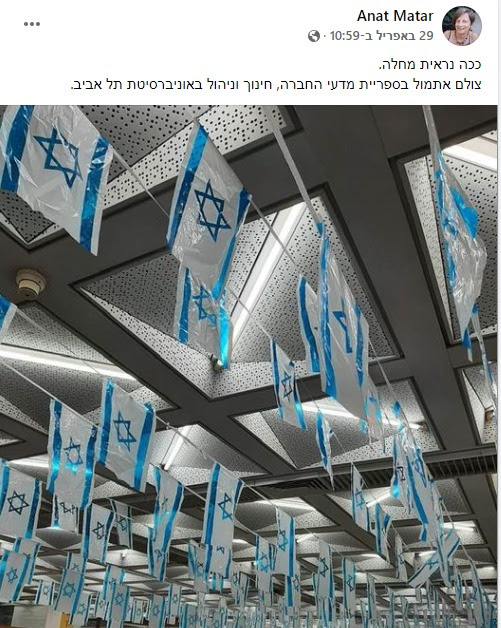


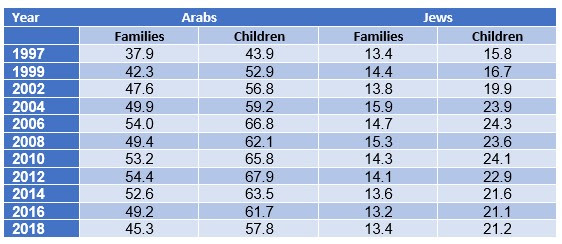


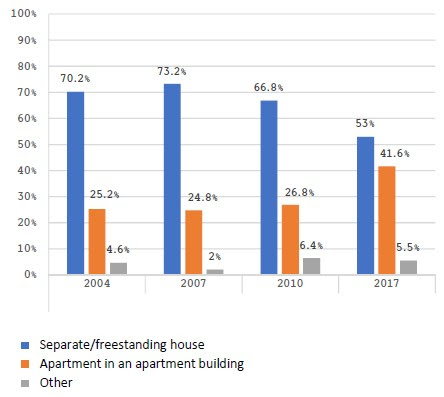
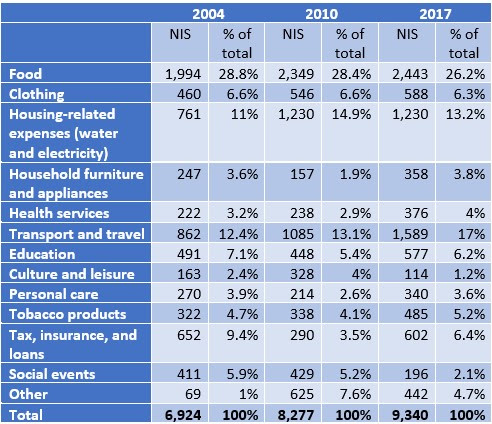
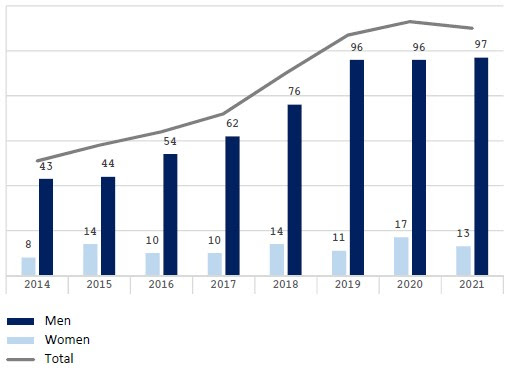
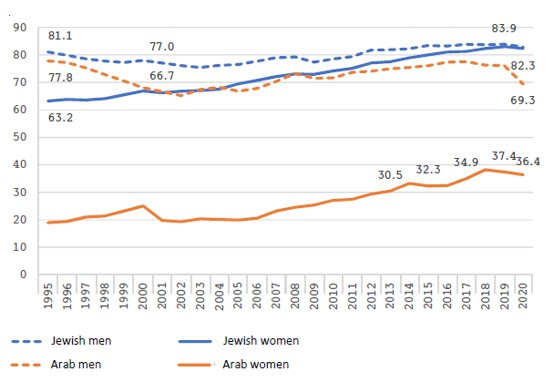


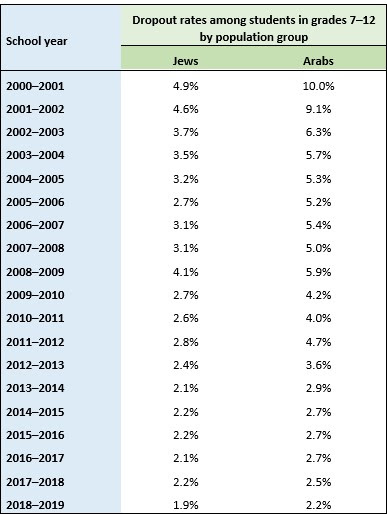

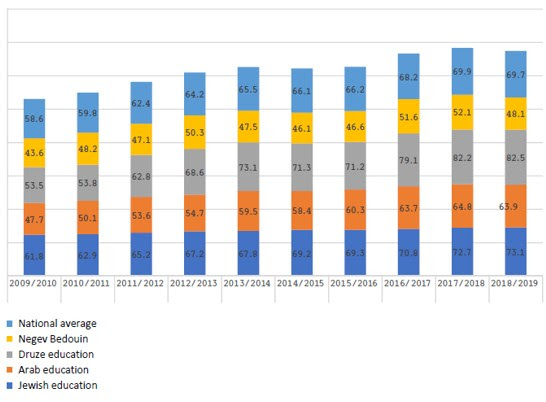
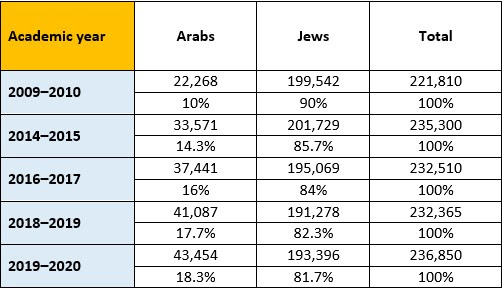
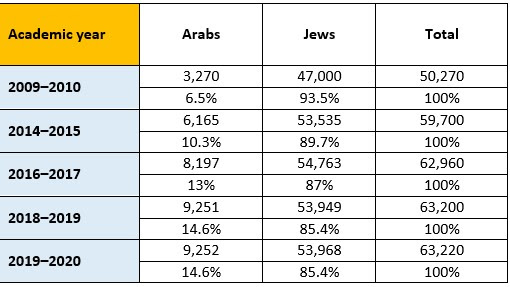
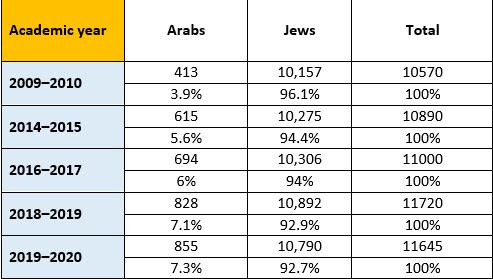
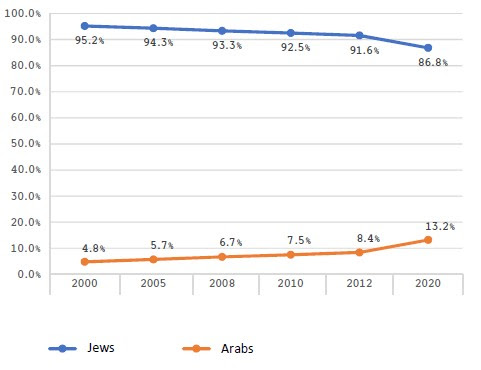


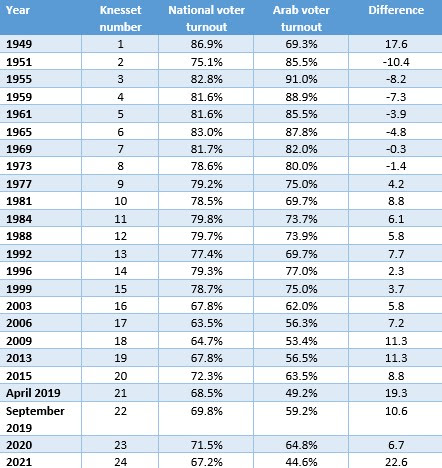


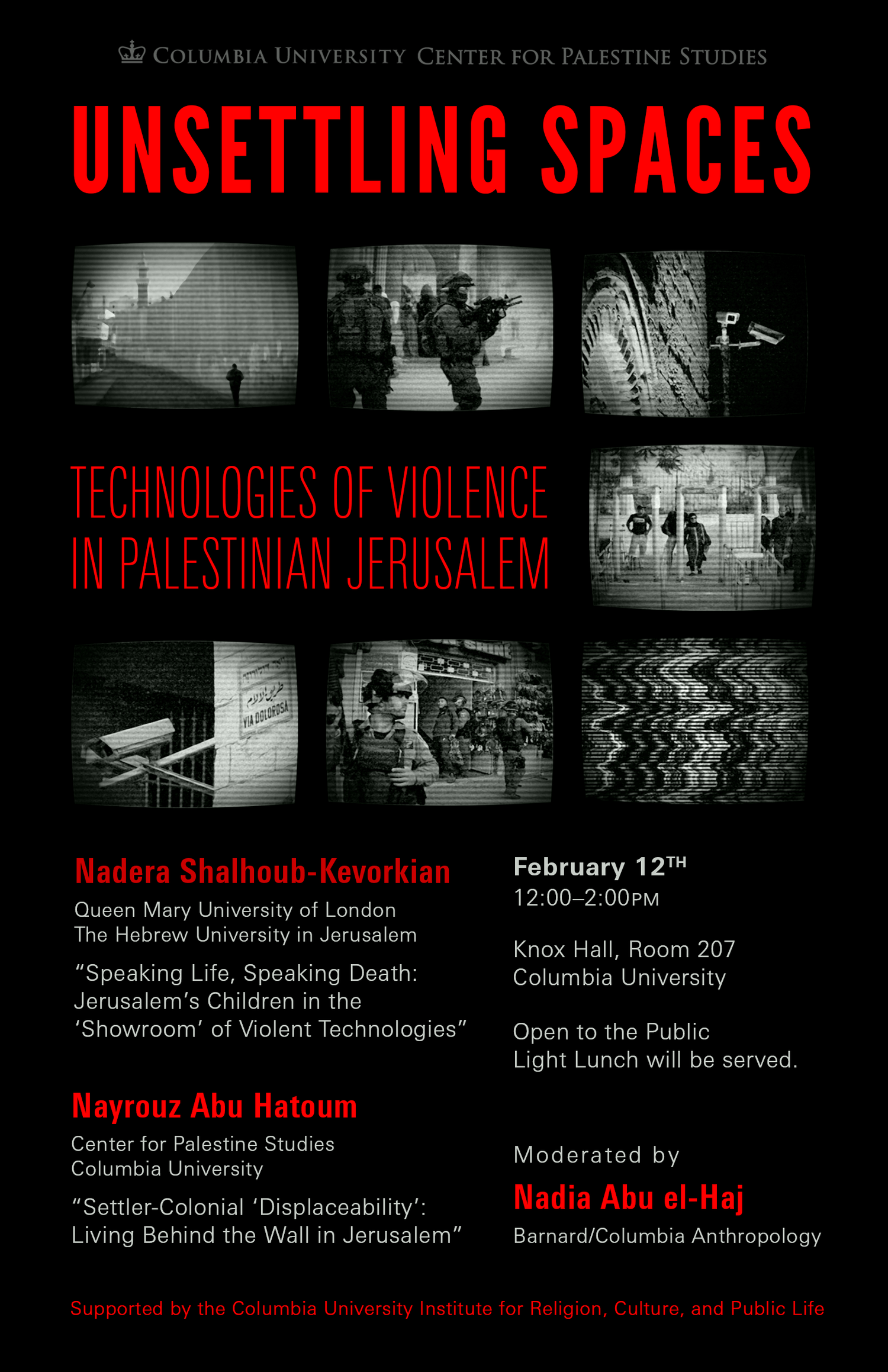
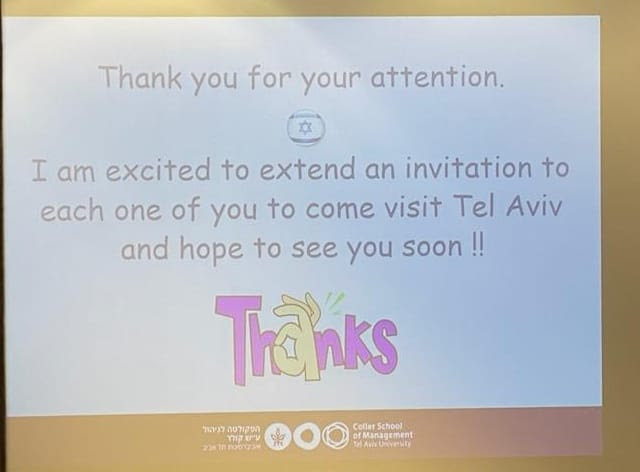

 israel-academia-monitor.com